Mastering the Glazed Blueberry Lemon Bundt Cake
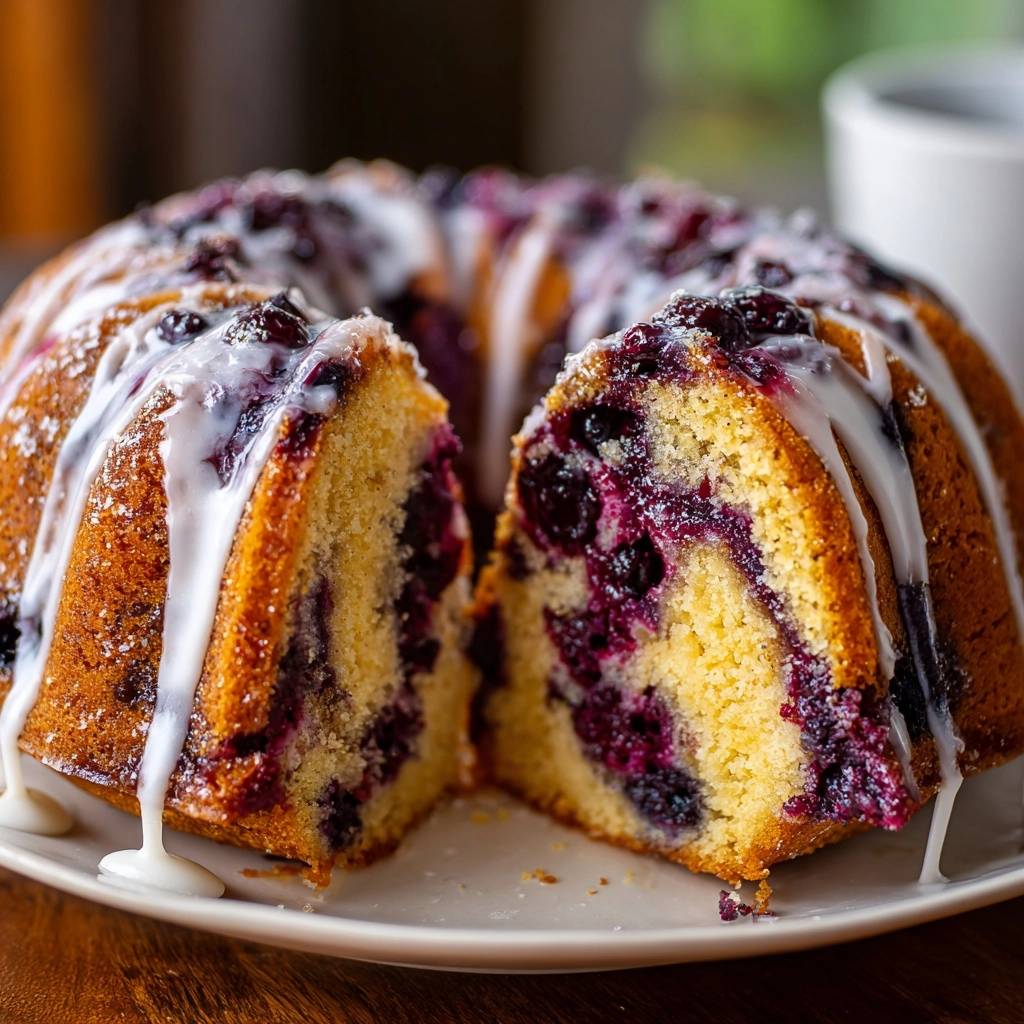
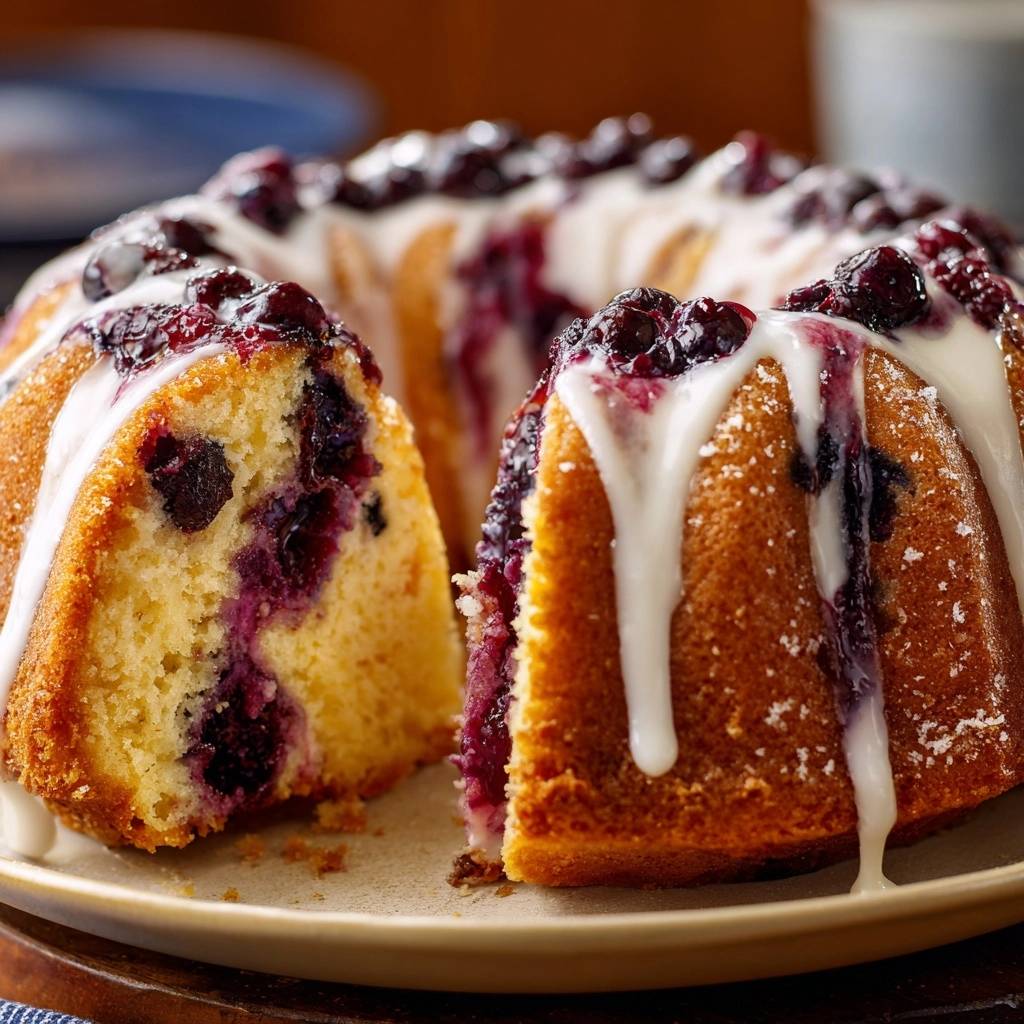
The scent of a fresh lemon cake wafting through the kitchen is enough to make anyone stop in their tracks. Imagine slicing into a golden, buttery crumb to find vibrant purple blueberries perfectly suspended in every single bite. The sharp, zesty aroma of lemon zest hits you first, followed by the sweet, jammy burst of fruit that hasn’t turned into a soggy mess at the bottom of the pan.
Many bakers struggle with fruit-filled cakes because the berries often sink during the baking process, leaving the top of the cake empty and the bottom a sticky disaster. This recipe solves that problem with a specific technical approach to batter density and fruit preparation. You’ll get a dense, moist crumb that holds its shape while delivering a bright citrus finish that lingers on the palate.
The secret to this cake’s success lies in the friction created by coating your berries in flour before they ever touch the wet ingredients. By using a small portion of your pre-measured flour to dust the blueberries, you create a “velcro” effect that allows the batter to grip the fruit. This prevents gravity from pulling the heavy berries through the batter as it thins out in the heat of the oven.
If you enjoy folding berries into a gentle batter, you’ll find the same careful touch helps prevent a soggy bottom in this zesty orange sponge cake.
The Physics of Fruit: Why Berries Sink
Fruit migration is a common headache in high-fat cakes like this one. As the butter melts in the oven, the batter’s viscosity drops significantly, becoming much thinner before the eggs and flour have a chance to set into a solid structure. Without intervention, heavy inclusions like fresh blueberries will naturally dive toward the bottom of the pan.
Surface tension plays a huge role here. When you toss the berries in flour, you change their surface texture from smooth and slippery to rough and absorbent. This added friction helps the berries stay exactly where you folded them. It’s a simple bit of kitchen science that ensures your cake looks as good as it tastes.
The Role of Batter Viscosity
This recipe relies on a thick, sturdy batter to act as a structural scaffold. By using sour cream and a specific flour-to-liquid ratio, we create a mixture that is much heavier than a standard box mix. This thickness is vital during the first fifteen minutes of baking, providing the resistance needed to keep the fruit suspended until the cake’s proteins begin to firm up.
Essential Components for the Perfect Citrus Crumb
Quality ingredients are the foundation of a great Bundt. Always use room temperature butter and eggs; cold fats won’t emulsify properly, which can lead to a greasy or uneven texture. All-purpose flour is the hero here because it provides more gluten structure than cake flour, which is necessary to support the weight of two full cups of blueberries.
Freshly grated lemon zest is non-negotiable for that punchy citrus flavor. The oils in the skin contain far more flavor than the juice alone. When you cream the sugar and butter together, the sugar crystals actually rub against the zest, releasing those fragrant oils directly into the fat for a deeper flavor profile.
Fresh vs. Frozen Blueberries
Fresh blueberries are the gold standard because they hold their shape well and have a predictable moisture content. However, you can use frozen berries if that’s what you have on hand. The trick is to keep them in the freezer until the very last second. Do not thaw them, or they will release too much juice and turn your entire cake a muddy shade of grey.
If using frozen, toss them in the flour while they are still icy. Work quickly to fold them into the batter and get the pan into the oven immediately. This prevents the berries from bleeding their color into the bright yellow lemon batter, keeping those beautiful pockets of purple distinct.
The Impact of Full-Fat Sour Cream
Sour cream is the secret weapon for a moist, “tight” crumb. The acidity in the cream reacts with the baking soda to provide a gentle lift, while the high fat content ensures the cake stays tender for days. Unlike milk, which can make a cake airy and light, sour cream provides a richness that feels substantial and luxurious on the tongue.
Preparing Your Pan for a Clean Release
Bundt pans are famous for their intricate designs, but those nooks and crannies are magnets for sticking. To ensure a clean release, you must be meticulous. Use softened butter to coat every single curve of the pan, then dust it with flour, tapping out any excess. If you miss even a tiny spot, the cake’s “skin” will tear when you try to flip it.
Alternatively, you can use a high-quality baking spray that specifically contains flour. Avoid regular cooking sprays, as they can leave a sticky residue that actually acts like glue over time. Whatever method you choose, do it right before you fill the pan so the grease doesn’t slide down the sides while you’re mixing the batter.
Step-by-Step: Mixing the Glazed Blueberry Lemon Bundt Cake
Start by creaming your butter and sugar until the mixture looks pale yellow and feels fluffy. This process incorporates air, which helps the cake rise. When adding your eggs, do it one at a time. If the batter looks like it’s curdling, don’t panic; it will come back together once you start adding the dry ingredients.
When it’s time to combine everything, use the alternating method. Add a third of your flour, then half of the sour cream, and repeat. This prevents the batter from “breaking” and ensures a smooth, homogenous mixture. Be careful not to overwork the dough at this stage, as too much mixing will develop the gluten and make the cake tough.
The Flour-Tossing Technique for Blueberries
Before you fold in the fruit, take two tablespoons of the flour you already measured out and toss it with your berries. They should look “ghostly” or chalky. This is the most important step for preventing sinking. By using flour from the recipe’s total amount, you ensure the hydration balance of the cake remains perfect.
Folding and the “Bottom Seal” Method
Use a silicone spatula to gently fold the berries into the batter by hand. Avoid using a stand mixer for this, as it will crush the fruit and streak the batter with juice. Once mixed, reserve about a quarter cup of the plain batter before you add the berries to the rest.
Spoon the blueberry-filled batter into the pan first. Then, take that reserved plain batter and spread it over the top. Since the cake is inverted after baking, this plain layer actually becomes the bottom. This creates a “seal” that prevents any berries from touching the bottom of the pan, where they would likely burn or cause the cake to stick.
Precision Baking and Testing for Doneness
Bake at 350°F, which is the sweet spot for a dense cake to cook through without burning the exterior. Every oven is different, so start checking at the 55-minute mark. Use a long wooden skewer or toothpick inserted into the thickest part of the cake. It should come out clean or with just a few moist crumbs attached.
You can also use the “spring-back” test. Gently press the surface of the cake with your finger; if it bounces back, it’s done. If the indentation stays, it needs a few more minutes. Avoid over-baking, as the residual heat will continue to cook the cake for a few minutes after it leaves the oven.
The Critical 10-Minute Cooling Window
Thermodynamics are at play once the pan comes out of the oven. You must let the cake sit in the pan for exactly ten minutes. This allows the structure to firm up so it doesn’t collapse, but it’s not long enough for the sugar to cool and “glue” the cake to the metal. It’s the “Goldilocks” zone of Bundt baking.
After ten minutes, place a wire rack over the top of the pan and firmly flip it over. You might need to give it a gentle shake, but if you greased the pan well, it should slide right out. Let it cool completely on the rack before you even think about adding the glaze, or the sugar will just melt and disappear into the crumb.
Achieving the Ideal Glaze Consistency
A perfect glaze should be thick, opaque, and white, rather than a translucent watery streak. To achieve this, add your liquid to the powdered sugar drop by drop. It’s shocking how quickly a single teaspoon of lemon juice can turn a thick paste into a runny mess. You want a consistency that flows slowly, like lava.
If your glaze is too thin, just whisk in another tablespoon of powdered sugar. If it’s too thick to pour, add a tiny splash of milk or juice. Drizzle it over the cooled cake and let it set for about fifteen minutes before slicing. This creates that beautiful, professional-looking finish that makes people think you bought it at a high-end bakery.
Troubleshooting Common Bundt Baking Issues
If your cake cracks across the top, it’s usually a sign of too much leavening or an oven that’s running too hot. If your berries still sank despite the flour coating, your batter might have been too thin; make sure you aren’t over-measuring your liquid ingredients. A dark, thick crust is often caused by using a dark-colored non-stick pan, which absorbs more heat than light-colored aluminum.
Preventing a Dry or Tough Texture
The most common cause of a tough cake is over-mixing. Once the flour hits the wet ingredients, the clock starts on gluten development. Mix only until you no longer see streaks of white. If you keep beating the batter, you’ll end up with a texture more like bread than cake. Always use the lowest speed on your mixer or finish the job by hand with a spatula.
Storage and Make-Ahead Strategies
This cake actually tastes better the second day as the lemon flavor deepens. Store it in an airtight container at room temperature for up to three days. If you need to keep it longer, you can refrigerate it for up to a week, though the cold can slightly firm up the butter in the crumb. Just bring it back to room temperature before serving.
For long-term storage, this cake freezes beautifully. Wrap individual slices in plastic wrap and then foil. They will stay fresh for up to three months. When you’re ready for a treat, let a slice thaw on the counter or give it a quick ten-second burst in the microwave to revive that soft, buttery texture.
Expert Baking FAQ
Can I use bottled lemon juice instead of fresh?
While you can use bottled juice in a pinch for the glaze, I strongly recommend fresh lemons for the batter. Bottled juice lacks the bright, floral notes of fresh citrus and often has a metallic aftertaste. More importantly, you need the fresh zest from the peel to get the aromatic oils that define the flavor of this cake. Bottled juice simply cannot replicate that depth.
What if I don’t have a 10-inch Bundt pan?
You can bake this batter in two 9×5 inch loaf pans instead. You will need to reduce the baking time to about 40 to 45 minutes. If you use a springform pan, the cake will be much thinner, so start checking for doneness at 35 minutes. Regardless of the pan, always fill it no more than two-thirds full to allow for the rise.
Why did my glaze turn out watery?
Glaze is very sensitive to liquid ratios. If yours is watery, you likely added the milk or lemon juice too quickly. Always start with the powdered sugar in a bowl and add the liquid one teaspoon at a time, whisking thoroughly between additions. This gives you total control over the viscosity. If it’s already too thin, keep adding powdered sugar one tablespoon at a time until it reaches a thick, pourable consistency.
Can I substitute Greek yogurt for sour cream?
Yes, you can use full-fat Greek yogurt as a 1:1 substitute for sour cream. It has a similar acidity and thickness, which will still react correctly with the baking soda. Avoid using non-fat or low-fat yogurt, as the lack of fat will result in a drier, less tender cake. The texture is best when you stick to the higher fat content of traditional sour cream or whole-milk yogurt.
Blueberry Lemon Bundt Cake
Course: DessertCuisine: AmericanDifficulty: medium12
servings20
minutes55
minutes340
kcal75
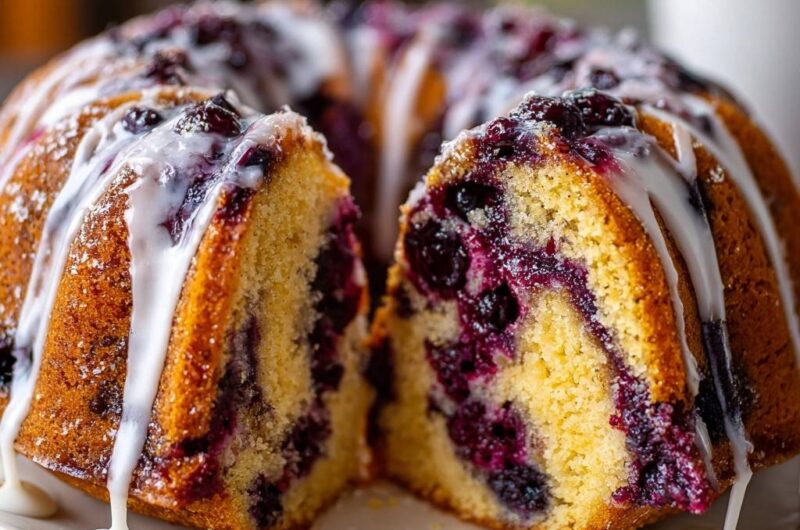
MinutesThis lemon and blueberry bundt cake uses a specific flour-tossing method for the fruit and a thick batter ratio to prevent berries from sinking, resulting in a perfectly balanced citrus dessert with a sweet glaze.
Ingredients
3 cups all-purpose flour, divided
1 teaspoon baking powder
1/2 teaspoon baking soda
1/2 teaspoon salt
1 cup unsalted butter, softened
2 cups granulated sugar
3 large eggs
1 cup sour cream
2 tablespoons lemon zest
1 tablespoon lemon juice
2 cups fresh blueberries
1 cup powdered sugar
2 tablespoons milk or lemon juice for glaze
Directions
- Preheat your oven to 350 degrees F. Generously grease and flour a 10-inch bundt pan.
- The Secret Step: Take 2 tablespoons of the measured flour and toss them with the blueberries in a small bowl until the berries are completely white and coated. This creates friction so the berries cling to the batter instead of sliding to the bottom during the bake.
- In a medium bowl, whisk together the remaining flour, baking powder, baking soda, and salt.
- In a large bowl, cream the butter and granulated sugar until light and fluffy. Add eggs one at a time, beating well after each addition.
- Stir in the lemon zest and lemon juice.
- Gradually add the dry ingredients to the butter mixture, alternating with the sour cream. Start and end with the dry ingredients. The batter should be thick.
- Reserve 1/4 cup of the plain batter and set aside. Gently fold the flour-coated blueberries into the remaining main batch of batter by hand using a spatula. Do not overmix or you will streak the batter purple.
- Spoon the blueberry batter into the prepared bundt pan. Spread the reserved 1/4 cup of plain batter over the top (which will become the bottom of the cake) to create a “seal” that prevents berries from touching the bottom of the pan.
- Bake for 55 to 60 minutes, or until a toothpick inserted into the center comes out clean.
- Allow the cake to cool in the pan for 10 minutes before inverting it onto a wire rack to cool completely.
- Whisk the powdered sugar and milk together to create a thick glaze. Drizzle over the cooled cake before serving.
Notes
- Tossing berries in flour creates friction to keep them suspended in the batter. Adding a layer of plain batter at the end creates a seal to prevent berries from touching the bottom of the pan.