Juicy Italian Meatballs in Tomato Sauce
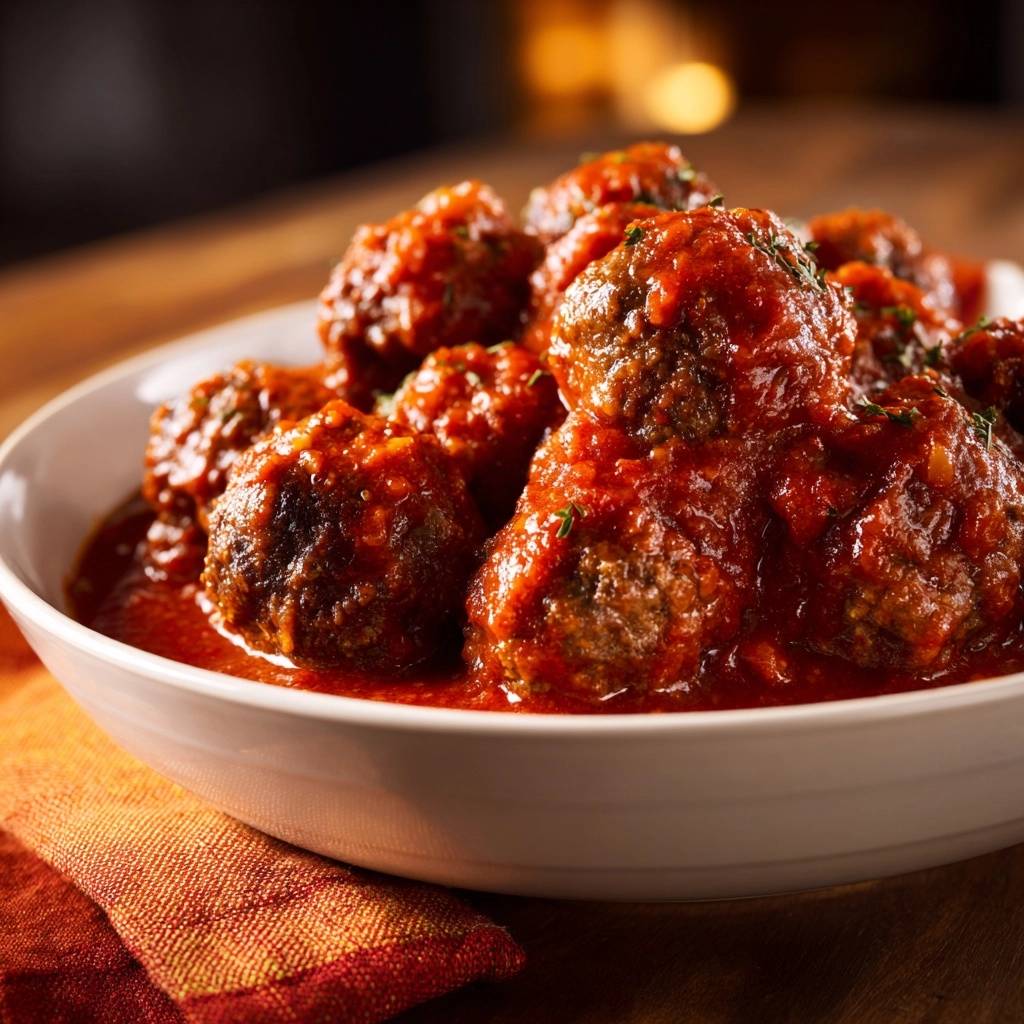
Why Panade Transforms Dry Meatballs
Remember biting into those dry, crumbly meatballs that turn family dinner into a disappointment? You don’t have to anymore. This juicy Italian meatballs in tomato sauce recipe uses a panade, breadcrumbs soaked in milk, to lock in moisture and deliver tender results every time.
That’s why it works so well. The starch from the soaked breadcrumbs binds juices inside the meat, preventing that tough, dry texture most home cooks battle. Plus, it brings authentic Italian polpette vibes you can serve over pasta or polenta for weeknight wins.
Here’s the expertise pro tip: soak those breadcrumbs for a full five minutes until they’re mushy. That releases the starch that traps every bit of flavor and moisture during cooking.
Panade Foundation for Juicy Italian Meatballs
Start with the panade, your foundation for juicy Italian meatballs in tomato sauce. Grab 1/2 cup breadcrumbs and pour in 1/4 cup milk. Let it sit for five minutes until it turns mushy and uniform.
This soaking gelatinizes the starch, creating a gel that holds onto the meat’s juices. Traditional Italian nonnas swear by it for polpette that stay succulent. Skip this step, and you’ll end up with dry disappointment.
Watch for that soft, porridge-like texture. It smells faintly sweet and milky, signaling it’s ready to mix in.
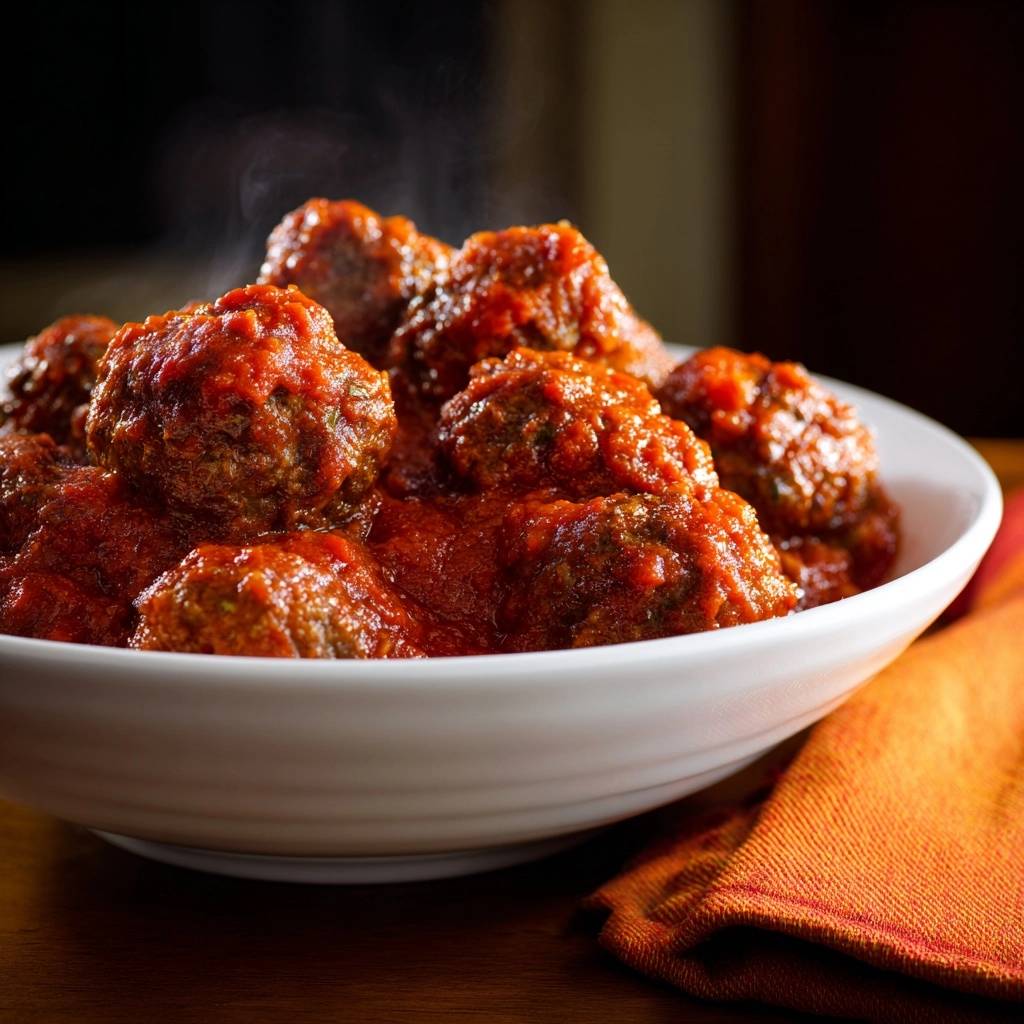
Choosing Breadcrumbs for Optimal Texture
Plain breadcrumbs absorb milk best for the panade in juicy Italian meatballs. Panko’s too coarse and won’t mush up right, while fresh ones from day-old bread add extra authenticity and better binding.
Traditional Italian styles work great too, but avoid seasoned varieties that overpower the garlic and oregano. Homemade? Tear up stale bread, pulse in a processor, and toast lightly for superior texture.
They’ll soak evenly, ensuring every meatball stays tender without grittiness.
Essential Ingredients for Authentic Flavor
You’ll need 1 pound ground beef, that soaked panade, 1 egg as binder, 2 minced garlic cloves for punch, 1 teaspoon dried oregano, salt and pepper to taste, 2 cups tomato passata, 1 tablespoon olive oil, and fresh parsley or thyme for garnish. These build tender meatballs in rich tomato sauce.
Go for grass-fed beef if you can; it amps up flavor. Tomato passata gives a silky base, but crushed tomatoes work too. For a twist, grate in a bit of Pecorino before mixing, but keep it light.
Fresh garlic minces release oils that infuse deeply. Therefore, quality here makes your juicy Italian meatballs unforgettable.
Ground Beef Selection for Maximum Juiciness
Pick 80/20 ground beef for juicy Italian meatballs; the fat renders during cooking, basting the meat from inside. Leaner cuts dry out fast since they lack that moisture boost.
Avoid 90/10 blends. The fat melts into the panade, creating steam that keeps everything plump. You’ll see it glisten as it cooks.
Tomato Passata vs Crushed Tomatoes Breakdown
Passata makes a smoother sauce for juicy Italian meatballs in tomato sauce because it’s pureed without chunks. Crushed tomatoes add texture but need more simmering to break down.
Both balance acidity with oregano and garlic. Canned San Marzano-style elevates it, while fresh tomatoes mean longer cooking. Passata wins for quick tenderness.
Science of Juicy Italian Meatballs
Meat proteins coagulate when heated, squeezing out juices unless the panade intervenes. It coats them, trapping moisture. Maillard browning on the sear creates that craveable crust without drying the inside.
Chilling firms proteins so meatballs hold shape. Then, low simmer breaks down collagen for tenderness. No high boil, or you’ll toughen them.
If you enjoy the tender texture that comes from a long, slow simmer, you’ll love this hearty beef ragu with gnocchi.
In addition, the milk’s proteins prevent albumin leakage, that white ooze signaling dryness. This combo delivers restaurant-level juicy Italian meatballs every time.
Milk Soaking Locks in Meatball Moisture
Milk soaking triggers starch gelatinization in breadcrumbs, forming a barrier around meat proteins. Italian nonnas used it for generations to avoid dry polpette.
Without it, meatballs lose 30% more juice. With panade, they stay plump even after reheating. Smell the milky aroma as it soaks; that’s your moisture lock activating.
Step-by-Step Meatball Mixing Technique
Add the panade to 1 pound ground beef, plus 1 egg, minced garlic, oregano, salt, and pepper. Gently mix with your hands until just combined; overworking develops tough gluten.
Tools compact it too much, so fingers let you feel the light texture. It should hold together softly, not pasty. Therefore, stop as soon as it’s uniform.
Pro tip: wet your hands slightly to prevent sticking during this step.
Chilling Step for Perfect Shaping
Chill the mixture 10 minutes in the fridge. It firms up proteins, making shaping easy without crumbling or sticking.
Form 1.5-inch balls, about 16 for 4-6 servings. They’ll feel cool and stable in your palms.
Searing Juicy Meatballs for Flavor Seal
Heat 1 tablespoon olive oil in a large skillet over medium-high. Add meatballs in batches to avoid overcrowding, which steams instead of sears.
Brown all sides 6-8 minutes total. Maillard reaction builds flavor crust, sealing juices inside. They sizzle and turn golden, smelling richly savory.
Rotate gently with tongs. This step’s crucial for that restaurant sear on juicy Italian meatballs.
Simmering Meatballs in Tomato Sauce
Pour 2 cups tomato passata over the seared meatballs. Bring to a simmer, then drop heat to low, cover, and cook 10-12 minutes until 160F inside.
The sauce thickens naturally, infusing oregano and garlic flavors without toughening meat. Bubbles should be gentle; no rolling boil.
The same low-and-slow approach that keeps these meatballs tender also works for a hearty slow cooker pasta e fagioli without turning the noodles to mush.
Garnish with parsley or thyme right before serving. It brightens the rich, juicy Italian meatballs in tomato sauce.
Avoiding Dry Meatballs: Troubleshooting Guide
Overmixing compacts proteins, leading to toughness. High-heat simmering squeezes out juices. Skipping panade or chill means crumbly fails.
Fix by adding extra milk to panade next time or resting cooked meatballs five minutes post-simmer. For reheating, simmer gently in sauce, not microwave, to retain moisture.
Therefore, follow the cues: gentle mix, proper sear, low simmer. Your juicy Italian meatballs will always shine.
Overmixing Leads to Tough Texture
Overmixing overworks proteins into a dense network. Mix just until you see no streaks; it’ll look loosely combined.
Hands sense the change better than spoons. Tough? Next batch, mix less for tenderness.
Overcrowding Skillet Causes Steaming
Crowded meatballs steam pale instead of browning. Use a 12-inch skillet max for one batch.
Work in two rounds if needed. You’ll get crisp exteriors and sealed juices.
Make-Ahead Guide for Juicy Meatballs
Shape and chill raw meatballs, then freeze on a tray before bagging for three months. Cooked ones store in sauce airtight for three days in fridge.
Reheat by simmering in tomato sauce on stovetop; microwave dries them out. Batch prep doubles for easy meals.
Pro tip: thaw overnight for best texture. They stay juicy thanks to panade.
Pairing Juicy Italian Meatballs Perfectly
Serve juicy Italian meatballs in tomato sauce over spaghetti for classic comfort. Polenta soaks up sauce beautifully, or try crusty bread and zucchini noodles for lighter bites.
What to Serve Alongside
These meatballs in tomato sauce pair well with something creamy or buttery to balance the acidity. Here are two options that fit the bill.
- Soak up extra sauce with soft potato dumplings from this Creamy Tomato Burrata Gnocchi Recipe – the burrata adds a cooling richness that mirrors the meatball sauce.
- For a seafood twist that shares the same garlic-tomato backbone, try Creamy Garlic Shrimp Pasta with Tender, Juicy Shrimp – the creamy garlic sauce contrasts nicely with the meatballs’ herb-forward flavor.
Sides like simple green salad cut richness. It serves 4-6 generously. Sparkling cranberry juice pairs fresh alongside.
Chianti complements the herbs if you’re pouring. Every combo highlights that tender, saucy goodness.
Frequently Asked Questions on Meatballs
How do I store leftovers of juicy Italian meatballs in tomato sauce?
Store cooked meatballs in their sauce in an airtight container in the fridge for up to three days. They reheat beautifully since the panade keeps them moist. For freezing, portion into freezer bags with sauce; they last three months without drying out. Thaw overnight and simmer gently to revive.
Why did my meatballs turn out dry and how can I fix it?
Dry meatballs usually come from skipping the panade, overmixing, or high-heat cooking. The panade traps juices, so always soak breadcrumbs fully. Next time, chill the mix, sear properly, and simmer low. If reheating old ones, add extra passata to steam them plump again.
Can I substitute ground turkey for the beef in this recipe?
Yes, ground turkey works but add two tablespoons extra olive oil or butter to the mix for fat and juiciness, since turkey’s leaner. Keep the panade ratio the same. It’ll taste lighter but stay tender with the chill and sear steps intact.
Can I bake the meatballs instead of searing them?
You can bake at 400F for 20 minutes on a parchment-lined sheet, but they’ll be less juicy without the Maillard sear crust. Brush with oil first. For best results, sear then finish in sauce on the stove.
How can I make a vegan version of juicy Italian meatballs?
Use cooked lentils or mushrooms mashed with the panade, plus vital wheat gluten for binding. Add nutritional yeast for cheesiness and extra olive oil for moisture. Shape, chill, and cook the same way; the panade keeps them tender and sauce-soaked.
What if I want to spice up the juicy Italian meatballs?
Stir in 1/2 teaspoon red pepper flakes with the oregano for heat that builds in the sauce. Or add fennel seeds for sausage-like depth. Taste the mix before shaping and adjust; it mellows during simmering.
Italian Meatballs
Course: Main CourseCuisine: ItalianDifficulty: easy16
meatballs (4 servings)20
minutes25
minutes350
kcal45
MinutesDry meatballs are the worst dinner fail, but this recipe fixes it forever with a simple panade trick: breadcrumbs soaked in milk lock in moisture for tender, juicy results every time. Perfect over pasta or with bread.
Ingredients
1 pound ground beef
1/2 cup breadcrumbs
1/4 cup milk
1 egg
2 garlic cloves, minced
1 teaspoon dried oregano
Salt and pepper to taste
2 cups tomato passata or crushed tomatoes
1 tablespoon olive oil
Fresh parsley or thyme for garnish
Directions
- Make the panade first, the key to no more dry meatballs: In a small bowl, soak breadcrumbs in milk for 5 minutes until mushy. This releases starch that traps juices inside during cooking.
- In a large bowl, gently mix ground beef, soaked breadcrumb mixture, egg, minced garlic, oregano, salt, and pepper. Avoid overmixing to keep texture light; just combine until uniform.
- Chill meatball mixture in fridge for 10 minutes. This firms it up for perfect shaping and searing without drying out.
- Form into 1.5-inch balls (about 16 total).
- Heat olive oil in a large skillet over medium-high heat. Brown meatballs on all sides, about 6-8 minutes total. Do not overcrowd; work in batches if needed. Browning seals in juices.
- Pour tomato passata over meatballs in skillet. Bring to a simmer, reduce heat to low, cover, and cook 10-12 minutes until cooked through (internal temp 160F) and sauce thickens. The low simmer infuses flavor without toughening meat.
- Garnish with chopped fresh parsley or thyme sprigs. Serve hot.
- These stay juicy even reheated thanks to the panade magic!
Notes
- These stay juicy even reheated thanks to the panade magic! Internal temperature should reach 160°F for safety.