Lemon Beignets: Fluffy Fried Dough Mastery
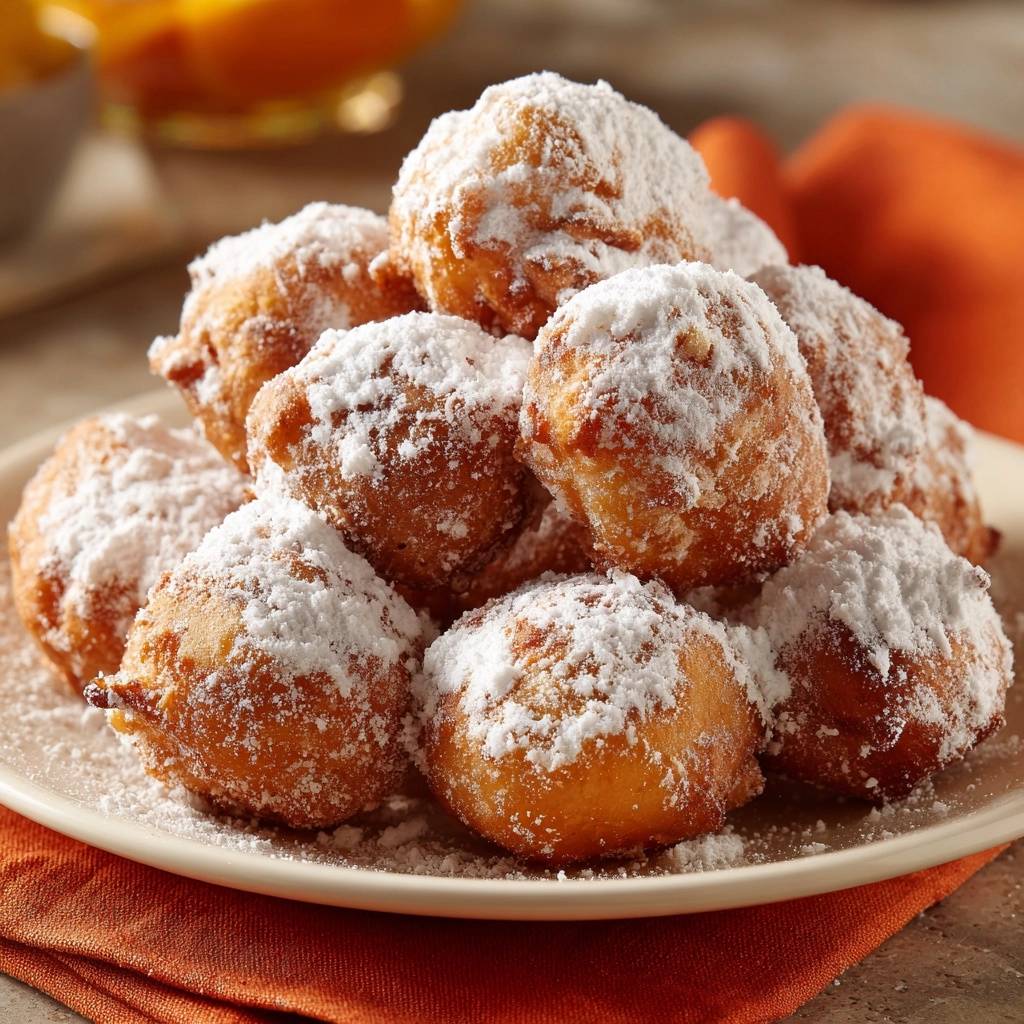
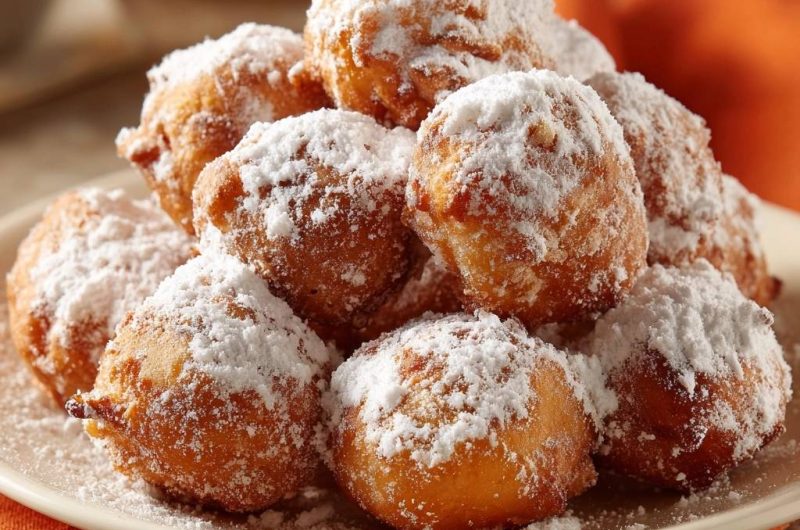
Picture this: golden lemon beignets straight from the fryer, piled high and dusted with powdered sugar that melts into every fluffy bite. The air fills with that zesty citrus burst, pulling you right into a New Orleans cafe vibe. But here’s the kicker, most homemade lemon beignets flop hard, turning dense and chewy from overworked dough or skipped rises.
That’s why this recipe changes everything. You get guaranteed fluffiness with a double-rise and chill technique that traps air bubbles perfectly. No more sad, heavy pastries. These lemon beignets deliver cafe-quality lightness every time, and the whole batch for 24 pieces clocks in around 1700 calories.
The real secret? That one-hour chill after shaping. It relaxes the gluten just right, so when you fry, they puff up airy instead of staying flat. Trust me, you’ll nail it on the first try.
Why Lemon Beignets Captivate Home Bakers
Classic French Roots Meet Citrus Twist
Beignets trace back to French settlers in New Orleans, where places like Cafe du Monde turned them into icons. Fried dough squares, blanketed in powdered sugar, became a ritual for locals and tourists alike. Now, lemon beignets add a bright twist, swapping plain sweetness for zesty pop that wakes up your taste buds.
Traditionally sugar-forward, these lemon beignets keep the cultural charm but innovate with fresh zest. Therefore, they appeal to anyone craving that warm, fritter-like comfort with a modern citrus edge. You’ll love how the lemon cuts through the richness.
Texture Science: Air Pockets vs Dense Chew
Fluffy lemon beignets rely on yeast producing CO2 bubbles during rises. Overknead, and you squeeze them out, leaving dense chew. However, the double-rise here builds structure first, then the chill traps those bubbles by firming the dough.

Warm milk at exactly 110F activates yeast without killing it, creating foam for lift. In addition, gentle handling preserves air pockets. That’s why these airy citrus pastries stay pillow-light, not tough. Science makes it foolproof.
Gathering Ingredients for Lemon Beignets
Warm Milk and Yeast Activation Essentials
Grab 1 1/4 cups milk heated to 110F. Too hot, and it kills the yeast; too cool, and proofing drags. Therefore, use a thermometer for that foamy top after 5-10 minutes with sugar. This step guarantees the lift your lemon beignets need.
Active dry yeast works best here, 2 1/4 teaspoons. Instant? Cut to 1 3/4. Fresh proof means no flat failures.
Flour, Butter, Zest: Balance Ratios
Four cups all-purpose flour gives the right chew without bread flour’s heaviness. Softened unsalted butter, 1/4 cup, adds tenderness as it melts in. Zest from two lemons releases oils for max flavor punch, skipping bitter pith.
Sugar feeds yeast and aids browning, while salt tightens gluten. In addition, one beaten egg binds it all. Perfect ratios mean fluffy lemon beignets every batch.
Frying Oil and Powdered Sugar Finish
Vegetable oil’s high smoke point handles 360F without burning. Fill your pot three inches deep. Then, two cups sifted powdered sugar dusts them warm for that sticky, cafe-style coat.
Lemon slices on the side amplify zest. Simple, but it elevates everything.
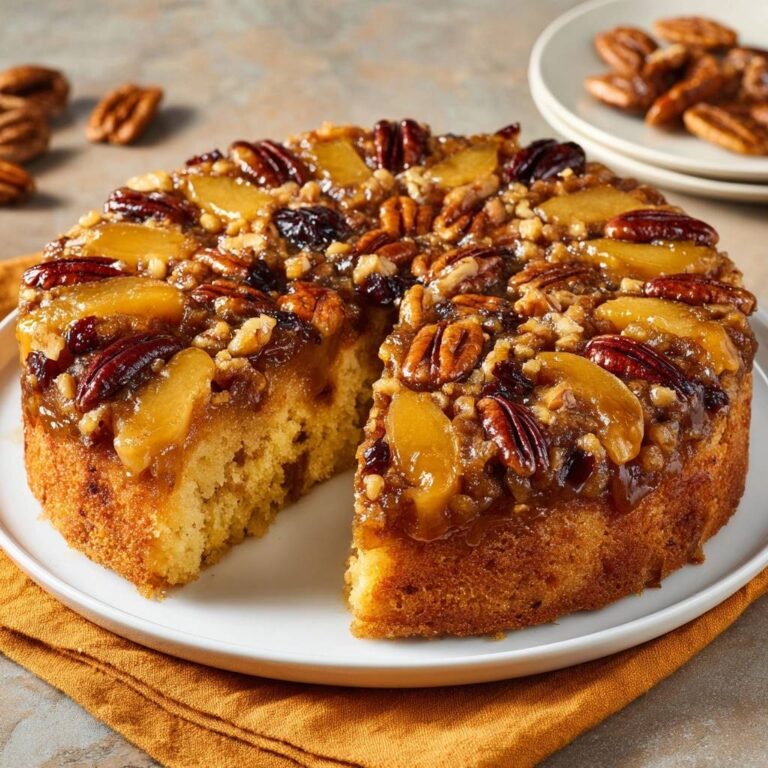
For a different take on fried dough, try these caramel pecan bites with the same fluffy texture.
Equipment Choices for Perfect Lemon Beignets
Thermometer: Oil Temperature Precision
A candy or deep-fry thermometer is non-negotiable for 360F. Fluctuations make greasy outsides or raw centers, killing fluff. Infrared guns work too, but clip-ons stay put.
Steady temp ensures even golden puffs. Don’t skip this; it’s your texture safeguard.
Mixing Tools and Chilling Setup
Stand mixer on low or hand-knead max 4-5 minutes. Plastic wrap seals the rise bowl, trapping humidity. For chilling, a floured sheet pan holds squares loosely covered.
Wire rack over a pan drains post-fry, fighting sogginess. No rolling pin ever; it deflates air.
Mastering Dough for Lemon Beignets
Yeast Proofing: Foamy Start Ritual
Stir warm milk, 1/4 cup sugar, and yeast in a big bowl. Wait 5-10 minutes for foam; no bubbles means dead yeast, so toss and restart. That creamy froth smells sweet and promises rise.
However, if it’s sluggish, your milk was off-temp. Nail this, and your lemon beignets soar.
Wet Mix and Gentle Flour Addition
Add beaten egg, salt, lemon zest, rest of sugar, then stir in softened butter till melted. Gradually mix in flour to a soft, shaggy dough. Knead gently; overdo it, and air escapes for dense results.
Therefore, stop at 4-5 minutes when smooth. Pro tip: Wet hands prevent sticking.
First Rise: Building Structure Hour
Cover with plastic wrap in a warm spot. Let double in one hour; poke test rebounds slowly when ready. This rise sets structure for fluff.
Humidity inside keeps dough soft. Don’t rush it.
Shaping and Chilling Lemon Beignets
Patting Dough Without Deflating
Punch down gently on floured surface. Pat to 1/2-inch thick; skip the rolling pin to save air pockets. Cut into 1.5-inch squares or rounds with a knife or cutter.
They’ll feel pillowy. Place on floured sheet, and you’re set for chill.
For that same fluffy, never-greasy texture, try these homemade glazed donuts.
One-Hour Chill: Gluten Relaxation Key
Loosely cover and fridge for one hour. Cold slows yeast, firms edges, and relaxes gluten for epic puffs. Without it, expect chewiness.
Pro tip: Edges crisp up beautifully in oil. Patience pays off big.
Frying Lemon Beignets to Golden Perfection
Oil Heating to 360F Exactly
Heat three inches oil in a deep pot to 360F. Test with a dough scrap; it should sizzle and rise fast. Fry 4-5 max per batch to hold temp.
Overcrowd, and oil cools, making doughy centers. Steady heat is key.
Flip Timing and Drain Technique
Fry 1-2 minutes per side till golden; flip with tongs when edges brown. Drain on wire rack over a pan; paper towels soak up less oil.
Dust with powdered sugar warm so it melts in. Fresh is unbeatable.
Avoiding Lemon Beignet Pitfalls
Overkneading and Rushed Rises
Overknead past five minutes, and gluten toughens, trapping no air for flat, chewy lemon beignets. Rushed rises skip bubble-building. Fix: Time your kneads and waits exactly.
Gentle hands always win.
Oil Temp Swings and Sogginess
Cold oil soaks in grease; too hot burns outsides raw inside. Sogginess comes from poor draining. Therefore, thermometer and wire rack solve it fast.
Golden and crisp every time.
Flavor Twists on Lemon Beignets
Citrus Swaps and Zest Boosts
Swap lemon zest for lime or orange for tangier vibes. Double the lemon for punch, or add a teaspoon vanilla extract to dough for depth. Keeps fluff intact.
Fresh zest oils shine brightest. Experiment away.
What to Try Next
If you’re enjoying the light, tangy lemon beignets, these pancake variations share the same focus on fluffy texture and bright flavors.
- The burst of berries in these
Get the full recipe in your inbox in seconds – perfect for shopping and cooking.
Lemon Beignets
Course: DessertCuisine: AmericanDifficulty: medium24
beignets30
minutes20
minutes40
kcal120
MinutesHomemade beignets often turn out dense and chewy from overworked dough or rushed rising. This recipe fixes that with a simple double-rise and chill technique that traps air bubbles for light, airy texture every single time. Paired with bright lemon zest, they rival the best cafe versions without the flop.
Ingredients
1 1/4 cups warm milk (110F)
1/2 cup granulated sugar
2 1/4 teaspoons active dry yeast
1 large egg, beaten
1/2 teaspoon salt
4 cups all-purpose flour
1/4 cup unsalted butter, softened
Zest of 2 lemons
Vegetable oil, for frying
2 cups powdered sugar, for dusting
Directions
- Activate yeast: In a large bowl, stir warm milk, 1/4 cup granulated sugar, and yeast. Let sit 5-10 minutes until foamy. This ensures strong lift for fluffiness.
- Mix wet ingredients: Add egg, salt, lemon zest, and remaining 1/4 cup sugar. Stir in butter until melted.
- Form dough: Gradually add flour, mixing until a soft dough forms. Knead gently 4-5 minutes by hand or mixer on low do not overknead, as this kills air pockets and causes density.
- First rise: Cover bowl with plastic wrap and let rise in a warm spot 1 hour until doubled. The slow rise builds structure for guaranteed fluff.
- Punch down gently and chill: Turn dough onto floured surface, pat to 1/2-inch thick (no rolling pin to avoid deflating). Cut into 1.5-inch squares or rounds. Place on floured sheet, cover loosely, and chill 1 hour. Chilling relaxes gluten and locks in air for perfect light texture.
- Heat oil: In a deep pot, heat 3 inches vegetable oil to 360F (use thermometer crucial for even cooking without density).
- Fry in batches: Fry 4-5 beignets at a time, 1-2 minutes per side until golden. Do not overcrowd. Drain on wire rack over sheet pan this prevents sogginess.
- Dust generously with powdered sugar while warm. Serve fresh with lemon slices. Enjoy fluffy, cafe-style beignets that never fail!
Notes
- Do not overknead the dough to preserve air pockets. Use a thermometer for oil temperature to ensure even cooking. Chill step is crucial for light texture.