Mastering Creamy Jalapeno Cilantro Chicken with a Stable Emulsion
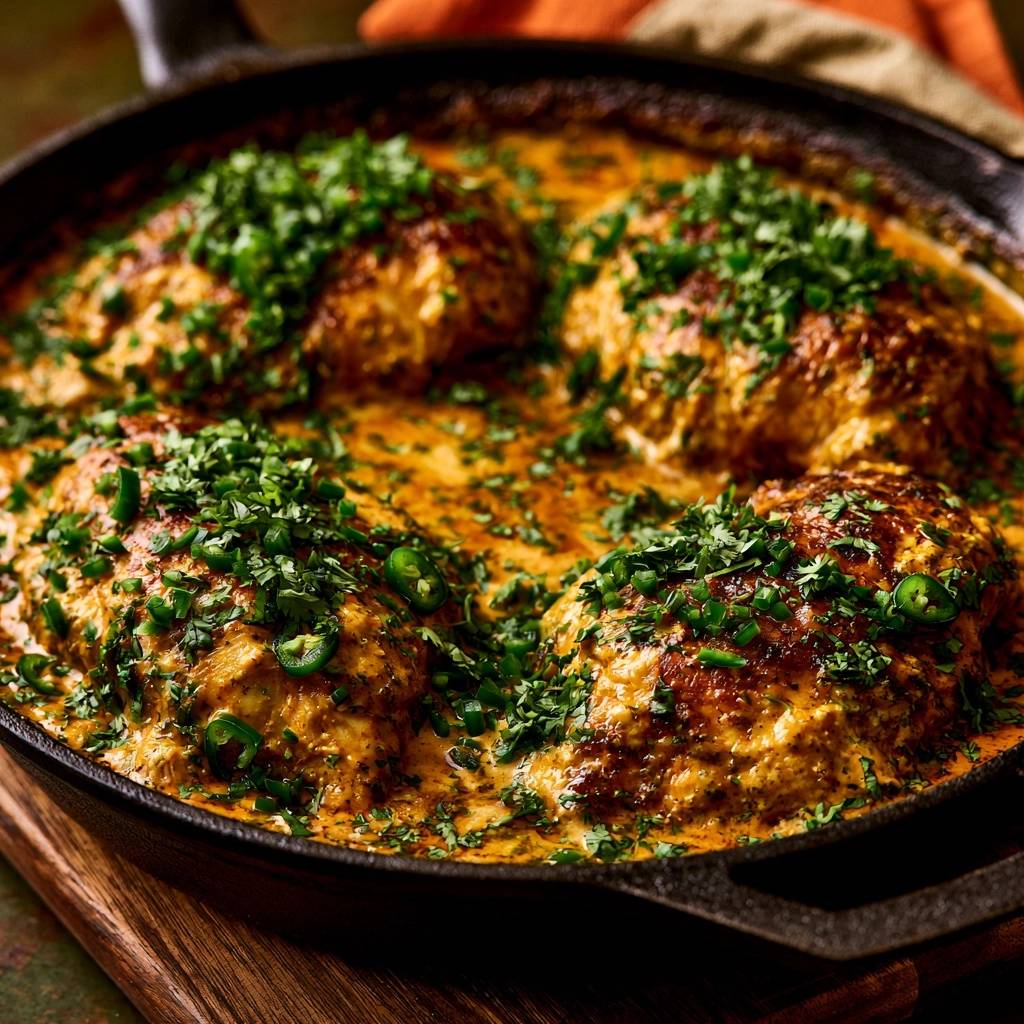
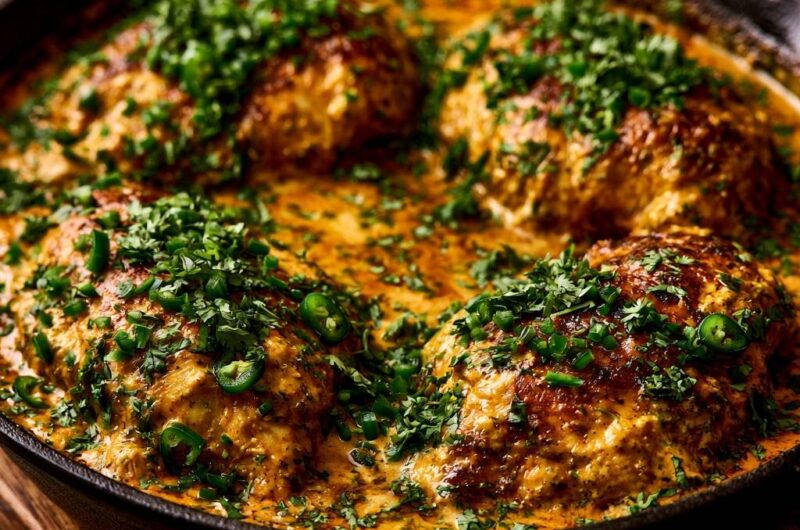
Imagine a skillet filled with succulent chicken nestled in a pool of vibrant, orange-gold sauce that looks like liquid velvet. The sharp, fresh scent of chopped cilantro hits you first, followed quickly by the warm, earthy aroma of smoked paprika and the bright zing of lime. This isn’t just another chicken dinner; it’s a study in contrast where the heat of fresh jalapenos meets the cooling richness of heavy cream.
You’ve likely experienced the disappointment of a cream sauce that looks beautiful in the pan but turns into a watery puddle on your plate. This recipe solves that problem by focusing on a thick, stable emulsion that clings to every inch of the meat. We’re aiming for a restaurant-quality finish that feels indulgent but remains perfectly balanced thanks to the acidity of the citrus and the bite of the peppers.
The secret to this specific texture lies in the “monter au beurre” technique, a French method of whisking cold butter into a hot sauce at the very end. This step doesn’t just add flavor; it acts as a stabilizer that prevents the cream from breaking or separating. When you combine this with a proper reduction of chicken broth, you get a sauce that stays thick and glossy from the first bite to the last.
The Secret to a Velvety Skillet Sauce
Most home cooks struggle with cream-based dishes because they add the dairy too early or fail to reduce their liquids. If you simply pour cream into a pan of thin broth, you’ll end up with a soupy mess that slides right off the chicken. To get that professional, thick consistency, you must embrace the reduction process, allowing the water in the broth to evaporate until only the concentrated flavor remains.
The foundation of this sauce is the “fond,” those dark, caramelized bits stuck to the bottom of your cast iron skillet after searing the chicken. These bits are concentrated flavor gold. When you deglaze the pan with broth, you’re lifting that flavor and incorporating the smoked paprika pigment into the liquid. This is what gives the final sauce its stunning sunset hue rather than a pale, bland white.
By reducing the broth by half before adding the cream, you create a syrupy base that naturally thickens the dairy. The final addition of cold butter creates a molecular bond that gives the sauce a luxurious mouthfeel. It’s a technical approach that ensures your Creamy Jalapeno Cilantro Chicken never feels heavy or greasy, just perfectly coated in a stable, flavorful emulsion.
Essential Components for Creamy Jalapeno Cilantro Chicken
Quality ingredients make a massive difference when the ingredient list is this focused. I recommend using large boneless skinless chicken breasts for this recipe because they provide a wide surface area for that beautiful paprika crust. However, if you prefer a juicier, more forgiving cut of meat, boneless skinless thighs work wonderfully and are almost impossible to overcook during the simmering stage.
Smoked paprika is the non-negotiable star of your spice cabinet here. While regular paprika adds a bit of color, the smoked variety provides a deep, woodsy backbone that complements the heat of the jalapenos. It also acts as the primary pigment for the sauce. Without a generous tablespoon of this spice, you’ll miss out on that signature golden-orange glow that makes the dish so visually striking.
When it comes to the jalapenos, you have total control over the heat. The capsaicin, which provides the burn, is mostly concentrated in the white pith and the seeds. If you love a spicy kick that makes your tongue tingle, slice the peppers whole and toss them in. If you want the flavor of the pepper without the fire, carefully scrape out the seeds and ribs before slicing the rounds.
Fresh Cilantro vs. Dried Herbs
Please, put the jar of dried cilantro back in the pantry. Dried cilantro loses almost all its aromatic oils and tastes more like flavorless grass than a fresh herb. This recipe relies on the bright, citrusy punch of fresh leaves to cut through the richness of the heavy cream. By dividing the cilantro, you cook half into the sauce to infuse it with flavor and use the rest as a fresh garnish to provide a cooling contrast.
Heavy Cream and Broth Ratios
The science of this sauce depends entirely on fat content. Heavy cream has enough fat to withstand simmering without curdling, whereas milk or half-and-half will likely break under the heat and acidity of the lime juice. You need that specific ratio of reduced chicken broth to heavy cream to achieve the “nappe” consistency, which is a fancy way of saying the sauce is thick enough to coat a spoon.
Preparing the Chicken for Maximum Flavor
Before you even think about the stove, take a paper towel and pat the chicken breasts completely dry. Moisture is the enemy of a good sear; if the chicken is damp, it will steam in the oil rather than develop a crust. Once dry, coat the meat generously with the salt, pepper, garlic powder, onion powder, and that essential smoked paprika. You want the chicken to look almost entirely red from the spices.
Don’t be afraid of the seasoning. A thick coating of spices creates a barrier that protects the meat while it sears, locking in juices. As the chicken hits the hot oil, the paprika toasts and the garlic powder caramelizes, creating a flavorful exterior that will eventually season the entire sauce. This initial step is where you build the first layer of flavor for the whole meal.
Step-by-Step: Searing and Deglazing the Skillet
A heavy cast iron skillet is your best friend for this dish. It retains heat better than stainless steel, ensuring that when you drop the chicken in, the pan temperature doesn’t plummet. Heat the olive oil until it shimmers, then lay the chicken in away from you to avoid splashes. Let it sit undisturbed for at least 6 minutes. You’re looking for a deep, dark crust that releases easily from the pan.
Once the chicken reaches an internal temperature of 165°F, pull it out and let it rest on a plate. The pan will look a bit messy at this point, covered in browned bits and leftover spices. This is exactly what you want. Don’t wash the pan! Those bits are the essence of the dish, and they are about to become the base of your sauce during the deglazing phase.
Capturing the Fond
Pour the chicken broth into the hot skillet and listen for that satisfying sizzle. Use a wooden spoon to firmly scrape the bottom of the pan, lifting all those caramelized bits (the fond) into the liquid. The broth will immediately turn a dark, murky color. Keep the heat up and let it boil vigorously. You want the liquid to reduce until it looks like a thick syrup, which concentrates the savory notes.
The Reduction: Achieving a Thick Sauce Texture
Once the broth has reduced, turn the heat down to medium-low before adding the heavy cream. If the pan is too hot, the cream might boil over or separate. As you stir the cream into the reduced broth, you’ll see the color transform into a beautiful, creamy orange. This happens because the fats in the cream are picking up the oil-soluble pigments from the smoked paprika you used on the chicken.
Simmer the sauce gently for a few minutes. You aren’t just heating it up; you’re waiting for the proteins in the cream to thicken. Watch for the “nappe” stage. Dip a spoon into the sauce and run your finger across the back of it. If the line stays clean and the sauce doesn’t run back together, you’ve reached the perfect thickness. This ensures the sauce stays on the chicken rather than running all over the plate.
The Cold Butter Emulsion Technique
Now for the professional finish: the monter au beurre. Take the pan off the direct heat and whisk in one tablespoon of very cold butter. The cold temperature is crucial because it allows the butter to melt slowly, incorporating the milk solids and fats into the cream without breaking. This step adds a glossy sheen to the sauce and a rounded, mellow flavor that balances the sharp heat of the jalapenos.
Assembling the Creamy Jalapeno Cilantro Chicken
Slide the rested chicken breasts back into the skillet, along with any juices that collected on the plate. Use a large spoon to baste the chicken, pouring that thick, golden sauce over the top until every nook and cranny is filled. The heat from the sauce will gently warm the chicken back through without overcooking the center, keeping the meat tender and moist.
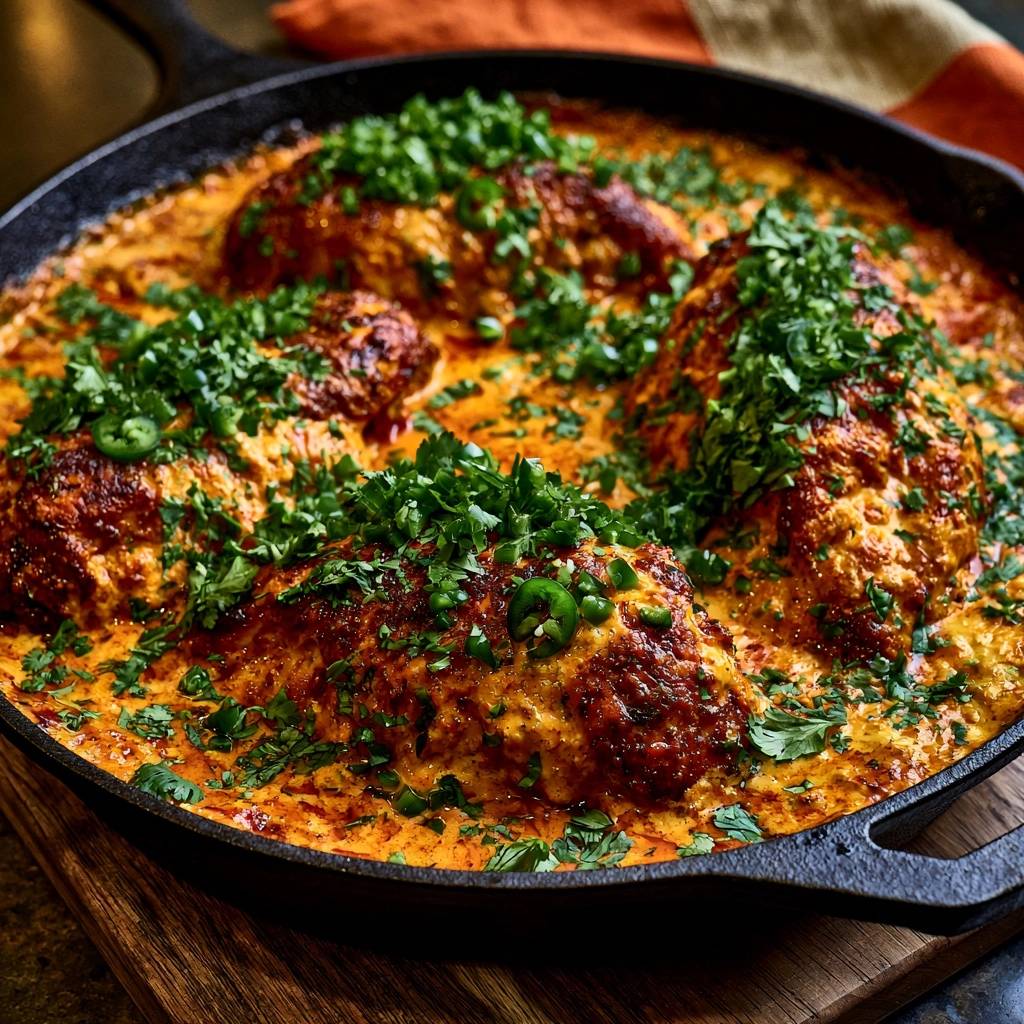
The final touch is the heavy garnish. Don’t be shy with the remaining cilantro and jalapeno rounds. You want the top of the chicken to be densely covered in green. This isn’t just for looks; the fresh, raw cilantro provides a burst of herbal flavor that cuts through the richness of the cream, while the fresh jalapenos offer a crisp texture and a final hit of heat that wakes up the palate.
Troubleshooting Common Sauce Issues
If your sauce seems too thin after adding the cream, don’t panic. Simply keep it at a low simmer for another two or three minutes. The water will continue to evaporate, and the sauce will thicken. Just be sure to stir frequently so the bottom doesn’t scorch. If you accidentally over-reduce it and it becomes too thick or pasty, whisk in a tablespoon of broth or water to loosen it back up.
In the rare event that the sauce looks oily or “broken,” it usually means the heat was too high. You can often fix this by adding a tiny splash of room-temperature water and whisking vigorously off the heat. If the jalapenos you bought turned out to be much hotter than expected, a small teaspoon of honey or a little extra lime juice can help neutralize the capsaicin and bring the flavors back into balance.
Optimal Side Dishes for Creamy Sauces
Because this sauce is so rich and flavorful, you want side dishes that can act as a sponge. A bed of lime-infused basmati rice is a classic choice, as the grains stay separate and soak up the cream perfectly. If you want something even more comforting, roasted garlic mashed potatoes provide a smooth, buttery base that complements the jalapeno heat without competing for attention.
I generally avoid serving this with heavy, sauce-laden pastas like fettuccine, as the meal can start to feel overly weighted. Instead, try a simple piece of crusty sourdough bread to swipe through the extra sauce left on the plate. A light, crisp green salad with a simple vinaigrette is also a great way to provide a refreshing palate cleanser between bites of the rich chicken.
Expert Tips for Storage and Reheating
Cream sauces are notoriously finicky when it comes to leftovers. If you put this in the microwave, the high heat will almost certainly cause the butter and cream to separate, leaving you with a greasy mess. For the best results, store the chicken and sauce in an airtight container in the fridge for up to three days. The sauce will thicken significantly as it cools, almost like a soft fudge.
To reheat, place the chicken and sauce in a small skillet over low heat. Add a tablespoon of chicken broth or water to the pan. As the sauce warms, gently whisk the liquid into the cream to bring the emulsion back together. This dish does not freeze well; the dairy will lose its smooth texture and become grainy once thawed, so it’s best enjoyed fresh or within a few days.
Frequently Asked Questions
Can I use Greek yogurt instead of heavy cream?
I don’t recommend substituting Greek yogurt in this specific recipe. Yogurt has a much lower fat content and a different protein structure than heavy cream, which means it will likely curdle and clump when exposed to the high heat and acidic lime juice. You also won’t be able to achieve the same thick, golden reduction that makes this sauce so special.
How do I make this dish milder?
To reduce the heat, the most effective step is to remove all the seeds and the white internal ribs from the jalapenos before slicing them. You can also soak the sliced jalapenos in cold water for 10 minutes before adding them to the sauce, which leaches out some of the spice. If you want the flavor with zero heat, you can substitute the fresh jalapenos with a small can of mild diced green chiles.
What if I don’t have a cast iron skillet?
If you don’t have cast iron, a heavy-bottomed stainless steel skillet is your next best option. Stainless steel is excellent for developing the “fond” (browned bits) needed for the sauce. Avoid using non-stick pans if possible, as they are designed to prevent sticking, which means you won’t get that deep caramelization on the chicken or the flavorful bits left behind for the sauce.
Is there a dairy-free alternative for the sauce?
You can substitute the heavy cream with full-fat canned coconut milk. It has a high enough fat content to reduce and thicken similarly to cream. Keep in mind that this will change the flavor profile significantly, giving the dish a more tropical, curry-like finish. If you go this route, skip the butter emulsion at the end and just use a little extra lime juice to brighten the flavors.
Creamy Jalapeno Cilantro Chicken
Course: Main CourseCuisine: AmericanDifficulty: easy4
servings15
minutes25
minutes40
Minutes460
kcalAmerican
Ingredients
4 large boneless skinless chicken breasts
2 tablespoons olive oil
1 tablespoon smoked paprika (for deep color)
1 teaspoon garlic powder
1/2 teaspoon onion powder
Salt and black pepper to taste
1 cup heavy cream
1/2 cup chicken broth
2 fresh jalapenos, sliced into thin rounds (keep seeds for heat)
1 cup fresh cilantro, finely chopped (divided)
1 tablespoon cold unsalted butter
1 teaspoon lime juice
Directions
- Season the chicken breasts generously on both sides with salt, pepper, garlic powder, onion powder, and the full tablespoon of smoked paprika. The paprika is essential for the vibrant color of the final sauce.
- Heat olive oil in a large cast iron skillet over medium-high heat. Sear the chicken for 6 to 7 minutes per side until a deep golden-brown crust forms and the chicken is cooked through (165°F). Remove chicken from the pan and set aside on a plate.
- To prevent a watery sauce, turn the heat to medium and pour in the chicken broth. Use a wooden spoon to scrape up all the browned bits (fond) from the bottom of the pan. Let the broth boil and reduce by at least half until it is syrupy.
- Lower the heat to medium-low and pour in the heavy cream. Simmer for 4 to 5 minutes, stirring occasionally, until the cream reduces and thickens enough to coat the back of a spoon. The paprika from the pan will tint the cream to a rich orange-gold.
- Whisk in the cold butter and lime juice. This “monter au beurre” technique creates a glossy, stable emulsion that prevents the sauce from separating or becoming thin.
- Stir in half of the sliced jalapenos and 1/4 cup of the chopped cilantro into the sauce.
- Place the chicken breasts back into the skillet. Spoon the thick sauce over the chicken until they are fully coated.
- Garnish heavily with the remaining 3/4 cup of fresh cilantro and the rest of the jalapeno slices, ensuring the top of the chicken is densely covered as shown in the image. Serve immediately.
Notes
- The use of smoked paprika is essential for the deep golden-orange hue of the sauce. The cold butter emulsion technique ensures the sauce remains glossy and stable without separating.