Mastering the Golden Roasted Cauliflower Gratin
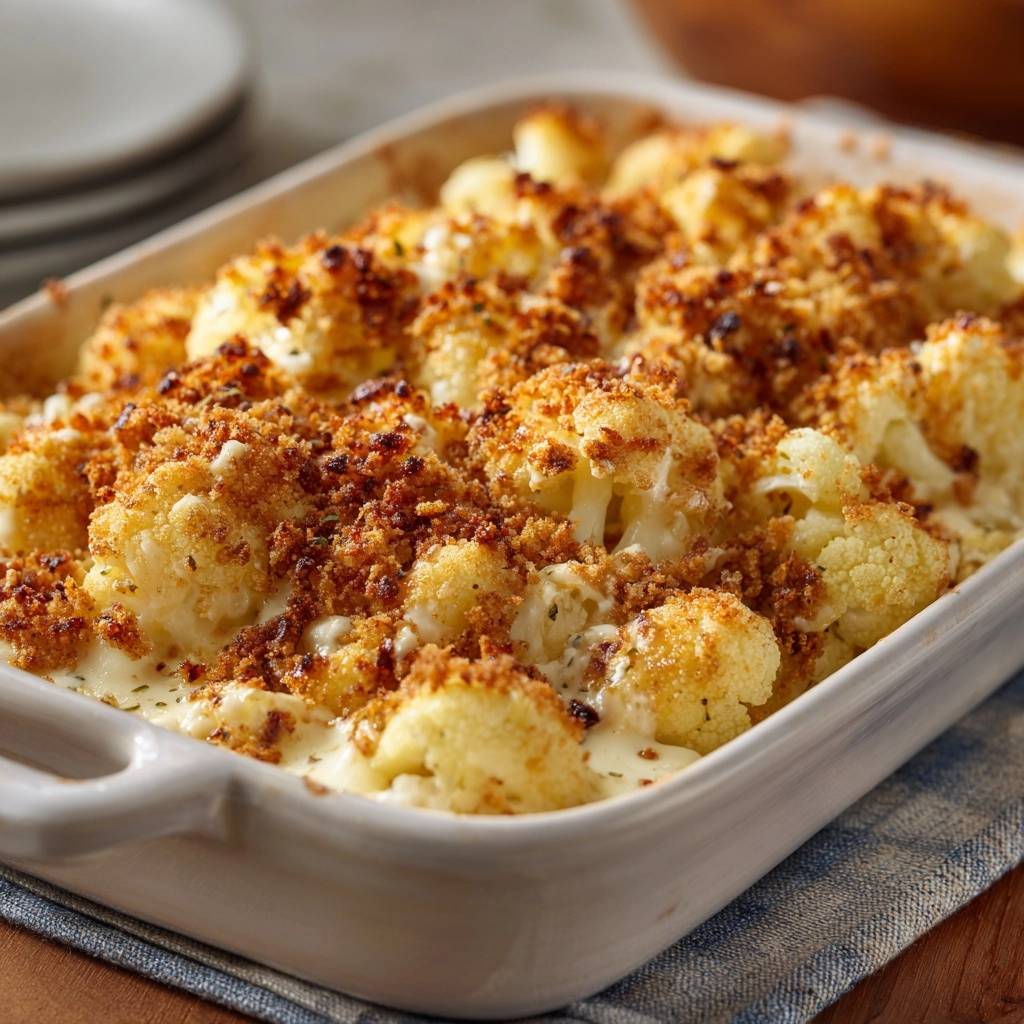
Stop serving mushy, watery cauliflower that ruins your dinner plate. Most recipes fail because they steam the vegetable in its own moisture, resulting in a bland, soggy mess that pools at the bottom of your baking dish. This Golden Roasted Cauliflower Gratin changes the game by focusing on texture first, ensuring every floret stays tender-crisp while the breadcrumb topping achieves a shatteringly loud crunch.
The secret lies in the contrast between a velvety, sharp cheddar Mornay sauce and the caramelized edges of the vegetable. By the time this dish hits the table, the aroma of toasted garlic and nutty parmesan will have everyone reaching for seconds. It’s the kind of side dish that often outshines the main course, providing a rich, comforting mouthfeel without the heavy, weighed-down sensation of traditional casseroles.
I’ve found that the absolute key to success is the dry-roast technique. Most home cooks toss raw cauliflower straight into the sauce, but that’s a recipe for disaster. Roasting the florets at a high temperature before they ever touch the cheese sauce evaporates their internal water and concentrates their natural sugars. This expertise ensures your sauce stays thick and glossy instead of thinning out into a watery soup.
The Science of Preventing Watery Cauliflower Casseroles
Cauliflower is roughly 92 percent water. When you apply heat in a crowded baking dish, those cell walls break down and release all that liquid directly into your sauce. This is known as the “Steaming Trap,” where the vegetable essentially boils in its own juices. If you’ve ever had a gratin where the cheese sauce looks broken or curdled, excess moisture is almost always the culprit.
Dry-roasting acts as a vital moisture-evaporation technique. By spreading the florets out on a large sheet pan, you allow the hot air to circulate around each piece. This process doesn’t just remove water; it creates a barrier on the surface of the cauliflower. This barrier helps the florets hold their shape even after they are smothered in a rich, creamy Mornay sauce.
Furthermore, this method prevents the cheese sauce from breaking. When water leaks out of vegetables during baking, it interferes with the emulsion of the butter, flour, and milk. By roasting first, you ensure the sauce remains stable and clings perfectly to every crevice of the vegetable. You’re left with a cohesive, restaurant-quality texture every single time.
Why High-Heat Roasting Changes the Flavor Profile
Preheating your oven to 425°F (220°C) triggers the Maillard reaction, a chemical process between amino acids and reducing sugars that gives browned food its distinctive flavor. Raw cauliflower can sometimes have bitter, sulfurous notes that are off-putting to some diners. High heat transforms those notes into something nutty, sweet, and deeply savory.
These caramelized edges provide a sophisticated flavor profile that pairs beautifully with sharp white cheddar. The natural sweetness of the roasted vegetable cuts through the saltiness of the cheese. Without this initial roast, you lose that complexity, and the dish tastes one-dimensional and flat.
Essential Components for a Crispy Vegetable Gratin
Quality ingredients are the backbone of a great gratin. I always recommend using sharp white cheddar rather than mild yellow varieties. Sharp cheddar has a lower moisture content and a more aggressive flavor that doesn’t get lost in the cream sauce. It provides a sophisticated depth that makes the dish feel special.
Whole milk is non-negotiable for a stable, creamy emulsion. Lower-fat milks like skim or 1% lack the protein and fat structure needed to create a sauce that is thick enough to coat the back of a spoon. If the sauce is too thin, it will simply slide off the cauliflower and pool at the bottom of the dish.
For the topping, Panko breadcrumbs are superior to traditional fine breadcrumbs. Panko flakes are larger and airier, which allows them to stay crispy even after sitting atop a moist sauce. When combined with olive oil and parmesan, they create a golden crust that provides a necessary textural contrast to the creamy interior.
Selecting and Prepping the Perfect Cauliflower Head
Start with a head of cauliflower that feels heavy for its size. Look for tight, creamy-white curds without any brown spots or “fuzz.” If the leaves are wilted or the stem is dry, the cauliflower is likely past its prime and will have a more pronounced, unpleasant odor when cooked.
When prepping, aim for “bite-sized” geometry. If the florets are too large, the centers will remain raw while the outsides burn. If they are too small, they will turn to mush. Try to keep them uniform so they roast at the same rate, ensuring a consistent texture throughout the entire gratin.
The Role of Aromatics: Thyme, Garlic, and Onion Powder
We use dried herbs like thyme and garlic powder in the sauce because they infuse the liquid with flavor during the simmering process. Dried thyme has an earthy, floral quality that stands up well to the heat of the oven. It provides a background note that ties the cheese and vegetable together.
Fresh parsley is reserved strictly for the finish. Adding fresh herbs too early can cause them to turn bitter or brown in the high heat of the oven. A sprinkle of fresh parsley at the end adds a pop of color and a bright, grassy finish that lightens the richness of the Mornay sauce.
Phase One: The Pre-Roast Caramelization Process
The first step is all about heat and space. Toss your florets with olive oil, salt, and pepper directly on the baking sheet to save on dishes. Make sure every piece is lightly coated, as the oil is what facilitates that beautiful browning you’re looking for.
Follow the “Single Layer Rule” strictly. If you crowd the pan, the cauliflower will steam instead of roast. You want plenty of space between the florets so the moisture can escape as steam. Roast for 15 minutes until you see those dark, caramelized edges starting to form.
At this stage, the cauliflower should be tender-crisp. It shouldn’t be fully soft yet, as it still has more time to cook once the sauce is added. This initial blast of heat is your insurance policy against a soggy finished product.
Phase Two: Crafting a Velvety Mornay Sauce
Making a roux is a fundamental skill that ensures your sauce is thick and smooth. Melt your butter over medium heat and whisk in the flour. You need to cook this mixture for about 1-2 minutes. This removes the “raw flour” taste without letting the roux darken into a brown color.
The secret to a lump-free sauce is adding the milk slowly. Start with just a half-cup and whisk vigorously until a thick paste forms. Gradually add the rest of the milk while continuing to whisk. This method allows the flour to hydrate evenly, resulting in a silky texture.
Keep the sauce on the heat until it thickens enough to coat the back of a spoon. If you run your finger through the sauce on the spoon, the line should stay clean. Once you reach this stage, remove the pan from the heat before adding your cheese.
Achieving the Glossy Cheese Melt
Fold in your shredded cheddar and parmesan gently. The residual heat of the sauce should be enough to melt the cheese into a smooth, glossy finish. Avoid putting the pan back on the burner once the cheese is in, as high heat can cause the cheese to seize.
If you boil the sauce after adding the cheese, the proteins can tighten up and become grainy. You might also see oil separation, which makes the gratin look greasy. Patience is key here; just keep stirring until the sauce is uniform and beautiful.
Phase Three: Assembly and the Final Golden Bake
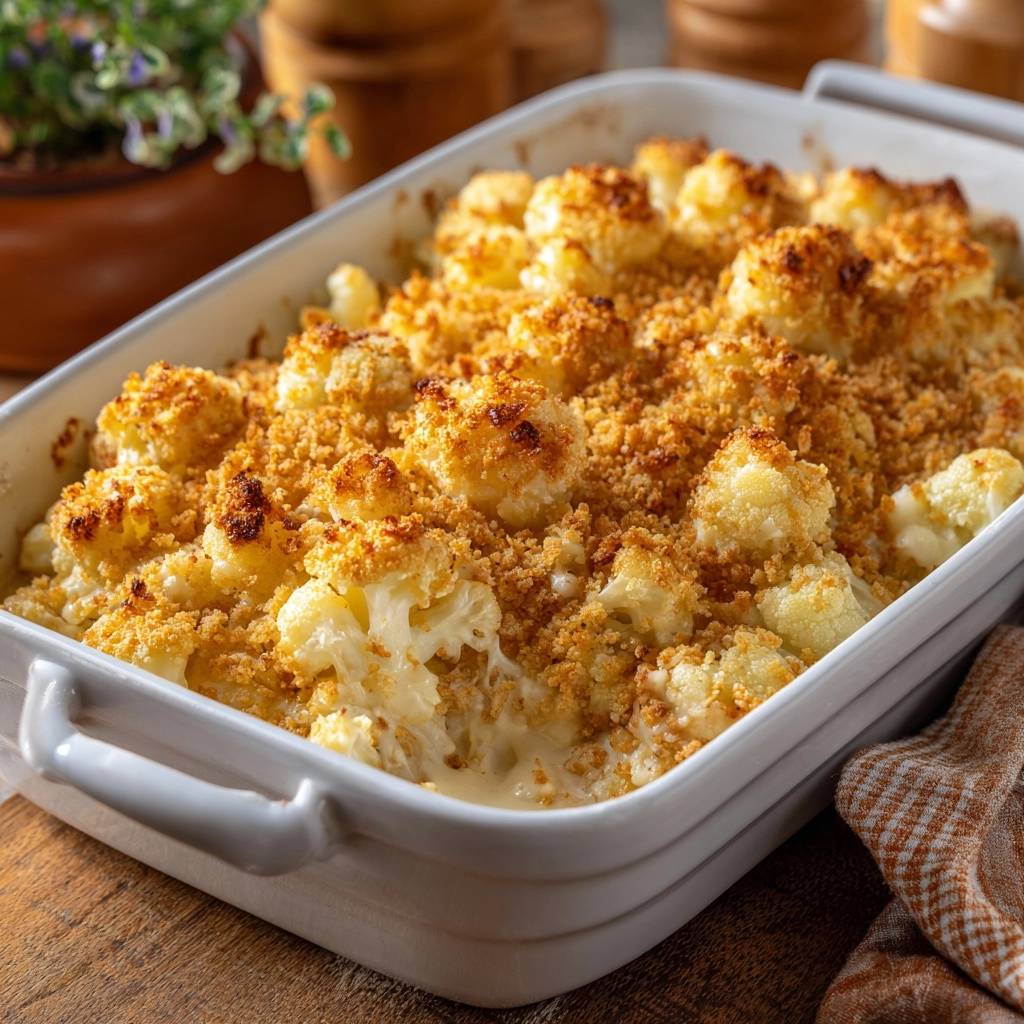
Transfer your roasted florets into a ceramic baking dish. When you pour the cheese sauce over them, resist the urge to stir everything together vigorously. You want the sauce to pool in the crevices while leaving the tops of some florets exposed.
Leaving those tops exposed allows them to catch the Panko-Parmesan topping and become extra crispy. If everything is completely submerged, you lose that wonderful contrast of textures. Sprinkle the breadcrumb mixture generously, ensuring even coverage across the entire surface.
Return the dish to the oven for the final bake. This is where the flavors meld together and the topping transforms into a golden crust. The ceramic dish holds heat well, ensuring the bottom of the gratin stays warm while the top crisps up.
The Broiler Finish: Monitoring the Bronze Crust
During the last 2 minutes of baking, keep a very close eye on the oven. If the top isn’t as dark as you’d like, turn on the broiler. This provides an intense burst of top-down heat that bronzes the Panko and parmesan perfectly.
Don’t walk away from the oven during this stage! Breadcrumbs can go from golden to burnt in a matter of seconds. Rotate the dish halfway through the broiling process to ensure an even color, as most ovens have specific hot spots.
Troubleshooting Common Gratin Textures
If your sauce seems too thick before you add it to the cauliflower, simply whisk in a splash more milk to loosen it up. It should be pourable but substantial. If you over-roasted the cauliflower and it looks too dark, don’t worry; the cheese sauce will provide plenty of moisture to balance it out.
If the topping isn’t browning, it usually means there wasn’t enough fat in the breadcrumb mixture. You can lightly spray the top with a bit of olive oil or add a few small dots of butter before broiling. This will help the Panko achieve that deep, fried-like crunch.
Pairing Suggestions for Roasted Cauliflower
This rich, cheesy side dish is the perfect partner for lean proteins. It pairs beautifully with a simple roasted chicken or a seared steak, where the creamy sauce acts almost like a built-in gravy. The savory notes of the cauliflower complement the char of grilled meats perfectly.
If you enjoy this kind of creamy, cheesy baked vegetable, you’ll love this cheesy yellow squash bake too.
For a vegetarian meal, serve this alongside a hearty grain bowl or a crisp green salad. The acidity of a lemon-based vinaigrette is excellent for cutting through the richness of the Mornay sauce. It balances the palate and makes the whole meal feel more refreshed.
Make-Ahead Strategies and Storage Logistics
You can prep the components of this dish up to 24 hours in advance. Roast the cauliflower and make the sauce, but store them separately in the refrigerator. When you’re ready to eat, assemble the dish and add the fresh breadcrumb topping just before it goes into the oven.
Store leftovers in an airtight container in the fridge for up to 3 days. To maintain the crispy topping, reheat portions in the oven at 350°F rather than using the microwave. The microwave will make the breadcrumbs soft and the cauliflower mushy.
I do not recommend freezing this gratin. The cheese sauce is an emulsion that will likely break and become grainy upon thawing. Additionally, the cauliflower will release more water during the freezing and thawing process, leading to the very sogginess we worked so hard to avoid.
Expert Tips for Gratin Success
Can I use frozen cauliflower for this recipe?
You can, but it requires extra care. Frozen cauliflower is blanched before freezing, meaning it already contains a lot of moisture. You must thaw it completely and pat it very dry with paper towels before roasting. Increase the initial roasting time by 5-10 minutes to ensure all that extra water evaporates, or the gratin will end up watery.
What are the best substitutes for Panko breadcrumbs?
If you don’t have Panko, you can use crushed crackers (like Ritz) or even crushed potato chips for a salty twist. If you use regular breadcrumbs, mix them with a little extra olive oil or melted butter to help them crisp up, as they tend to be denser and less airy than Panko.
How do I make this cauliflower gratin gluten-free?
To make this dish gluten-free, swap the all-purpose flour in the roux for a 1:1 gluten-free flour blend. For the topping, use gluten-free Panko or crushed gluten-free crackers. The cheese and cauliflower are naturally gluten-free, so these simple swaps will work perfectly without sacrificing the texture of the sauce.
Why did my cheese sauce turn oily or separate?
Oil separation usually happens if the sauce gets too hot after the cheese is added. Cheese is an emulsion of fat, water, and protein; high heat causes the proteins to clump together and squeeze out the fat. Always remove your sauce from the heat before stirring in the cheese to keep it smooth and glossy.
Can I add other vegetables like broccoli to this dish?
Absolutely! Broccoli and cauliflower have similar cooking times and pair wonderfully with cheddar sauce. Just ensure you cut the broccoli into similar bite-sized florets and include them in the initial roasting step. This ensures the broccoli also loses its excess moisture and develops those sweet, charred edges.
Roasted Cauliflower Gratin
Course: Side DishCuisine: AmericanDifficulty: medium6
servings15
minutes35
minutes245
kcal50
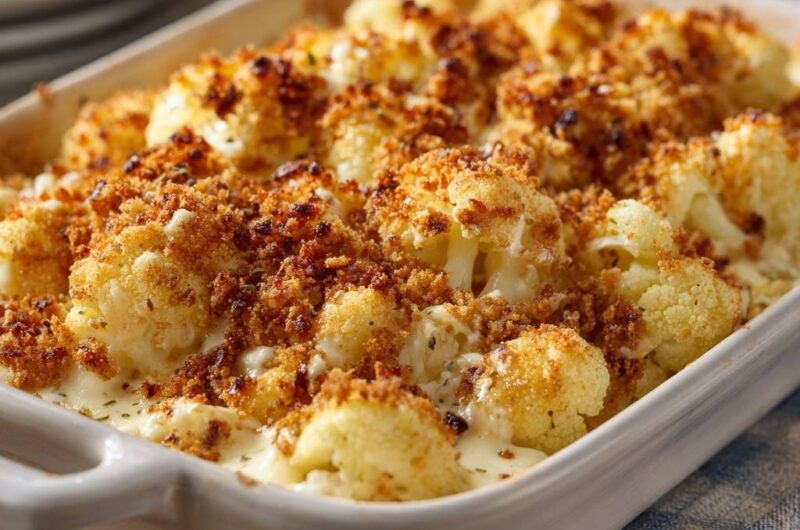
MinutesThis cauliflower gratin solves the common problem of watery vegetables by pre-roasting the florets. Combined with a rich Mornay sauce and a Parmesan Panko crust, it delivers a perfect balance of creamy and crunchy textures.
Ingredients
1 large head cauliflower, cut into bite-sized florets
3 tablespoons unsalted butter
3 tablespoons all-purpose flour
2 cups whole milk
1.5 cups shredded sharp white cheddar cheese
1/2 cup grated Parmesan cheese
1 cup Panko breadcrumbs
3 tablespoons olive oil (divided)
1 teaspoon garlic powder
1/2 teaspoon onion powder
1/2 teaspoon dried thyme
Salt and black pepper to taste
Fresh parsley for garnish
Directions
- Preheat your oven to 425°F (220°C). This high heat is the first step in preventing sogginess.
- Toss the raw cauliflower florets with 2 tablespoons of olive oil, salt, and pepper on a large rimmed baking sheet. Spread them in a single layer. Roast for 15 minutes. This crucial step evaporates excess water and develops caramelized edges so the cauliflower doesn’t thin out your sauce.
- While the cauliflower roasts, prepare the Mornay sauce. Melt butter in a saucepan over medium heat. Whisk in the flour and cook for 1-2 minutes until fragrant but not browned.
- Slowly whisk in the milk, a half-cup at a time, ensuring no lumps remain. Continue whisking until the sauce thickens enough to coat the back of a spoon. Remove from heat.
- Stir in the white cheddar cheese, garlic powder, onion powder, and dried thyme until the sauce is smooth and glossy. Taste and adjust salt and pepper.
- Transfer the pre-roasted cauliflower into a 9×13 inch ceramic baking dish. Pour the cheese sauce over the florets, but do not over-mix; you want the sauce to pool in the crevices while leaving the tops of the florets exposed for maximum crunch.
- In a small bowl, combine the Panko breadcrumbs, Parmesan cheese, and the remaining 1 tablespoon of olive oil. Toss until the crumbs are evenly coated. Sprinkle this mixture generously over the dish.
- Return to the oven and bake for 15-20 minutes. If the top isn’t deeply bronzed as shown in the image, turn on the broiler for the final 2 minutes, watching closely to prevent burning.
- Let the dish rest for 5 minutes to allow the sauce to set. Garnish with fresh parsley and serve immediately.
Notes
- The secret to the anti-soggy bottom is the initial 15-minute dry roast which evaporates excess moisture before the sauce is added.