Mastering Creamy Lemon Spinach Spaghetti Without the Watery Mess
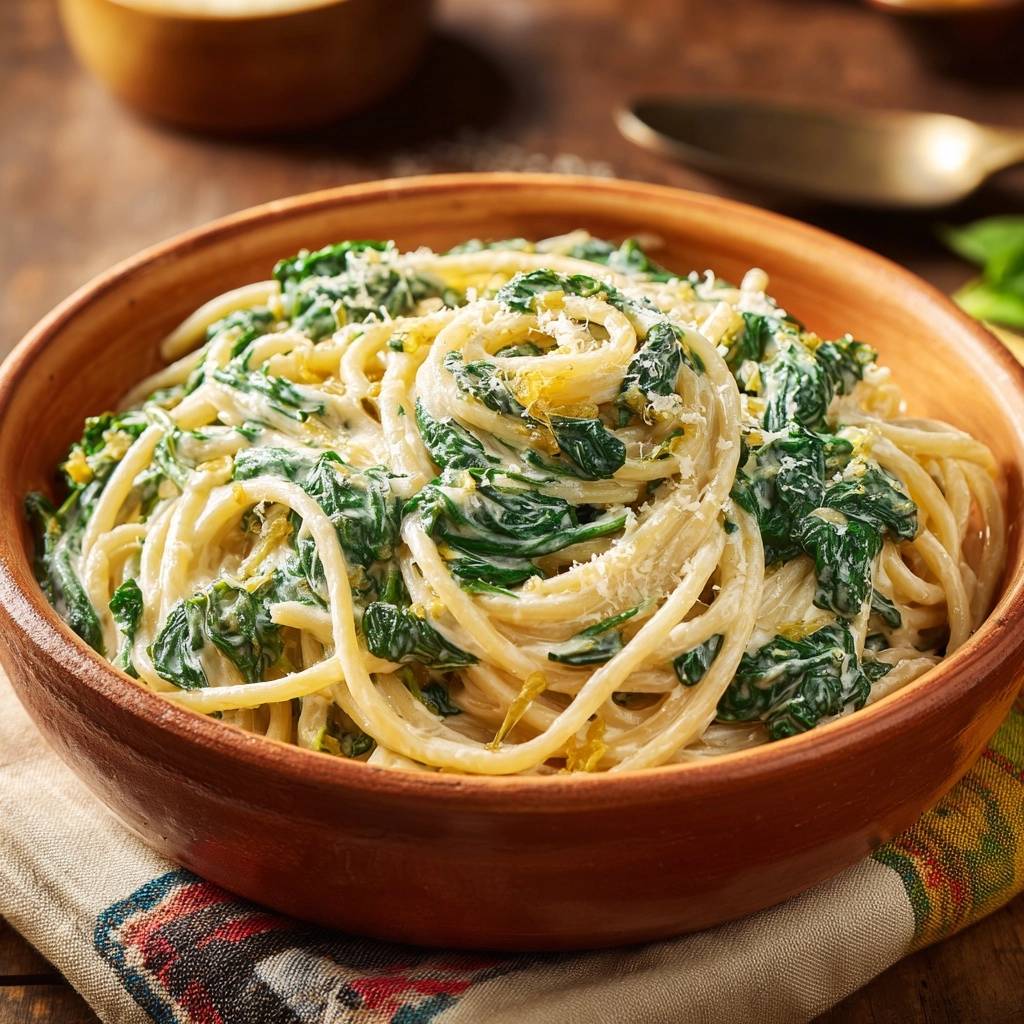
We have all been there: you try to make a creamy vegetable pasta and end up with a puddle of thin, watery liquid at the bottom of the bowl. It is incredibly frustrating when a dish that should be rich and velvety turns into a soupy mess. This Creamy Lemon Spinach Spaghetti solves that problem forever by focusing on moisture control and proper emulsification.
The secret to a restaurant-quality finish is all in the spinach prep and the way you marry the pasta to the sauce. By properly wilting and squeezing the greens before they hit the cream, you ensure a thick, glossy sauce that clings to every single strand. You can have this entire meal on the table in just 25 minutes, making it faster and much better than any takeout option.
I have found that the real trick lies in the “wilt and squeeze” method. Most people toss raw spinach directly into the pan, which releases a flood of water as it cooks. Instead, we use the boiling pasta water to wilt the greens instantly, allowing us to remove that excess moisture before it can ruin our beautiful cream base.
The Science of Emulsification and Moisture Control
Creating a stable cream sauce is a delicate balancing act between fats and liquids. When you introduce vegetables like spinach, you are essentially adding “free water” into a fat-heavy environment. If that water is not managed, it will prevent the cream and cheese from bonding, leading to a broken, thin sauce that slides right off the noodles.
Therefore, we must focus on the chemistry of emulsification. Heavy cream contains enough fat to withstand a gentle simmer, but it needs a bridge to help it coat the pasta. This is where the starch from your pasta water and the proteins from the Parmesan cheese come into play. They act as binding agents that hold the fat and liquid together in a smooth, unified texture.
In addition, the acidity of the lemon juice can be a double-edged sword. While it provides a necessary brightness to cut through the richness of the butter and cream, it can also cause dairy to curdle if the fat content is too low. By using heavy cream and adding the lemon at the right moment, we create a stable, luscious sauce that feels incredibly indulgent on the palate.
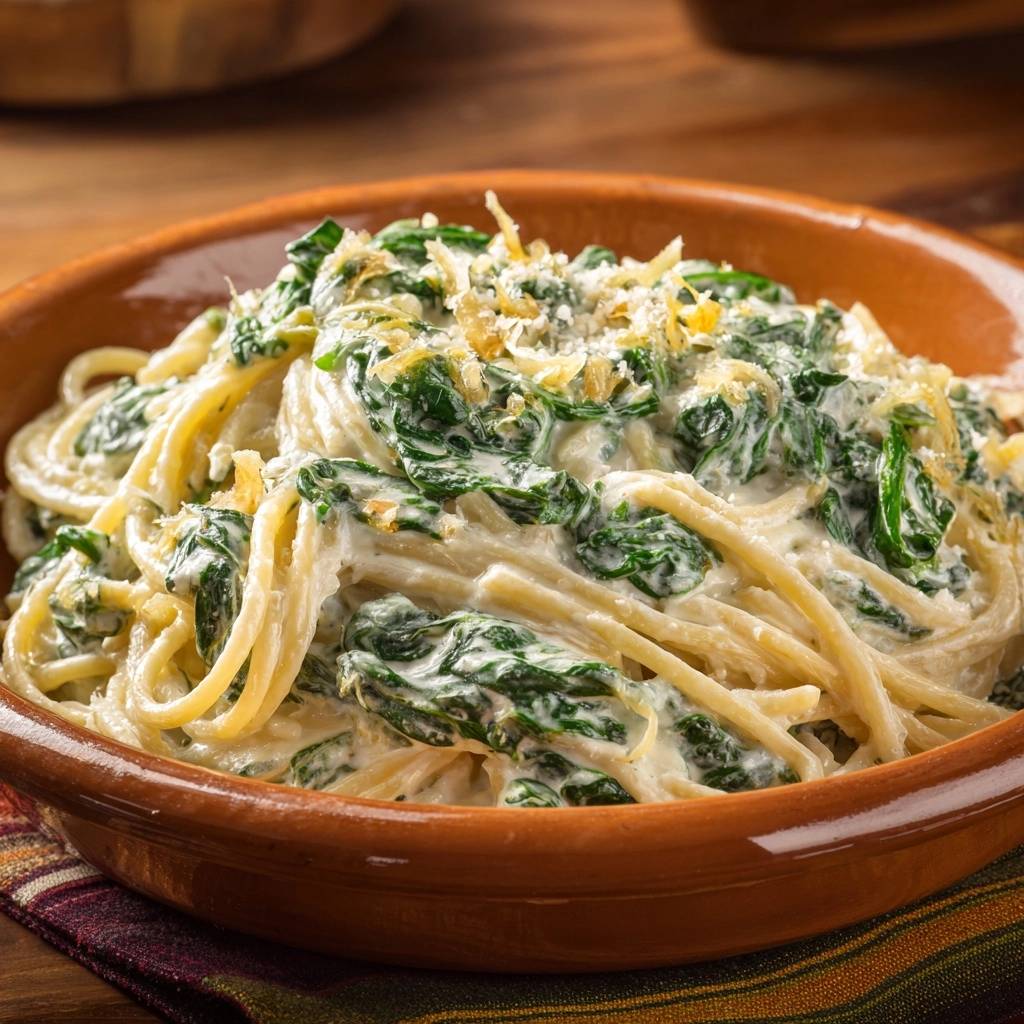
Essential Components for Creamy Lemon Spinach Spaghetti
Quality ingredients are the backbone of this dish, especially since the flavor profile is so clean and focused. Firstly, you must use freshly grated Parmesan cheese. The pre-shredded stuff in the green can or even the bags of “shredded” cheese are coated in cellulose to prevent clumping. This anti-caking agent will stop your sauce from becoming smooth and can leave it feeling gritty.
Secondly, heavy cream is non-negotiable for this specific reduction technique. If you try to use half-and-half or whole milk, the sauce will not thicken properly and is much more likely to break when you add the lemon juice. The high fat content in heavy cream allows it to reduce into a thick coating that stands up to the heat and acidity.
Finally, don’t skimp on the lemon. You need both the juice for tang and the zest for those essential aromatic oils. The zest provides a deep, floral citrus note that juice alone cannot replicate. Always zest your lemon before you cut it for juicing; it is much easier on your knuckles!
Selecting the Right Pasta Shape
While this recipe calls for spaghetti, the goal is to use a long, thin strand that provides plenty of surface area for the sauce. Spaghetti is a classic choice because it offers a great balance of chew and “cling.” However, you could easily swap it for Linguine or Fettuccine if you prefer a wider noodle.
The flat surface of a noodle like Linguine actually helps the emulsified cream sauce stick even better. Avoid short, tubular shapes like Penne for this specific recipe. Those shapes are better suited for chunky meat sauces, whereas long strands are designed to be swirled in silken, buttery emulsions.
Fresh vs. Frozen Spinach: The Texture Debate
I strongly recommend using fresh baby spinach for this dish. Fresh spinach has a delicate cell structure that wilts beautifully without becoming slimy. When you use the “wilt and squeeze” method on fresh leaves, they retain a vibrant green color and a slight “bite” that adds texture to the pasta.
Frozen spinach, on the other hand, is often blanched and chopped before freezing, which breaks down the fibers significantly. It tends to turn into a dark, mushy paste that can muddy the color of your white cream sauce. If you are in a pinch, you can use frozen, but make sure it is completely thawed and squeezed until it is bone-dry.
The “Wilt and Squeeze” Technique for Perfect Texture
This is the most critical part of the entire process. To start, place your fresh spinach in a large colander in the sink. Just before your spaghetti is finished cooking, take a large ladle of that boiling, starchy water and pour it right over the greens. They will collapse and wilt instantly, saving you from having to sauté them in a separate pan.
Once the spinach is cool enough to touch, you must remove the excess liquid. I like to wrap the wilted greens in a clean kitchen towel and twist it tightly over the sink. You will be shocked at how much green liquid comes out! Removing this moisture is what prevents your sauce from turning into a watery soup.
After squeezing, give the spinach a rough chop. This ensures that you don’t end up with long, stringy clumps of greens in your pasta. Instead, the spinach will be evenly distributed throughout the spaghetti, providing a pop of color and flavor in every single forkful.
Step-by-Step: Building the Velvety Lemon Cream Base
Start by melting your butter over medium heat and adding the minced garlic. You only want to cook the garlic for about a minute. Be very careful here; you are looking for a sweet, fragrant aroma, not browned or burnt bits. Burnt garlic will turn bitter and ruin the delicate balance of the lemon and cream.
Next, pour in the heavy cream and bring it to a very gentle simmer. You will notice the bubbles starting to form around the edges of the skillet. Let it cook for about 3 to 4 minutes. As the water evaporates, the cream will naturally thicken until it is heavy enough to coat the back of a wooden spoon.
Once the cream has reduced, stir in your lemon zest, juice, salt, and pepper. Now, add your cooked spaghetti and that dry, chopped spinach. Use tongs to toss everything vigorously. This mechanical action helps the sauce work its way into the fibers of the pasta, creating a cohesive dish rather than just noodles sitting in a pool of liquid.
Managing Heat Levels for Dairy Stability
Temperature control is vital when working with dairy and citrus. You should never let the cream reach a rolling, violent boil. High heat can cause the proteins in the cream to tighten and separate from the fats, resulting in a grainy texture.
Keep the heat at a steady medium or medium-low. A gentle simmer is all you need to reduce the sauce. If you see the sauce starting to bubble too aggressively, turn the heat down immediately. This patience ensures the final result is as smooth as silk.
The Role of Reserved Starchy Pasta Water
Before you drain your pasta, always scoop out at least half a cup of the cooking water. This “liquid gold” is full of starch released by the spaghetti. When you add a splash of this water to your skillet along with the Parmesan cheese, it acts as a powerful emulsifier.
The starch binds the fat from the cream and butter to the water-based elements of the sauce. This is what creates that professional, glossy finish. If your pasta looks a little dry or the sauce isn’t quite “stretching” far enough, a tablespoon or two of this water will fix it instantly.
Troubleshooting Common Creamy Pasta Obstacles
If your sauce feels too thick or starts to look “clumpy” after you add the cheese, don’t panic. This usually means the pasta has absorbed too much moisture or the heat was a bit too high. Simply add a splash more of your reserved pasta water and toss quickly to loosen everything back up.
On the other hand, if the sauce looks too thin, let it simmer for another minute before adding the cheese. The Parmesan acts as a final thickening agent. However, if it still looks soupy, you likely didn’t squeeze the spinach enough. In this case, add an extra handful of cheese to help bind the excess liquid.
If the sauce looks like it is beginning to separate or “break,” remove it from the heat immediately. Add a teaspoon of warm water and whisk or toss vigorously. Often, a quick change in temperature and some fast agitation can pull an emulsion back together before it is too late.
Flavor Variations and Dietary Adjustments
This recipe is a fantastic base that you can easily customize. If you want to add protein, grilled chicken breast or sautéed shrimp are excellent choices. I recommend cooking the protein separately and slicing it on top at the end so you don’t disturb the chemistry of the cream sauce.
For a different herbal note, try swapping half of the spinach for fresh basil or adding a tablespoon of chopped parsley at the very end. The fresh herbs will amplify the brightness of the lemon. You can also add a pinch of red pepper flakes if you enjoy a little bit of “back-end” heat to contrast the richness.
If you need to make this gluten-free, use your favorite gluten-free spaghetti. Just be aware that gluten-free pasta water often contains different types of starches. You may need to use a little less of the reserved water, as it can sometimes be thicker or more “gummy” than traditional wheat pasta water.
Optimal Side Dishes for Citrus-Based Pastas
Because this pasta is quite rich and creamy, you want side dishes that offer a crisp or acidic contrast. A simple arugula salad with a light lemon vinaigrette is a perfect match. The peppery bite of the arugula cuts right through the heavy cream and butter.
For a perfect pairing, try our Creamy Spinach Sun-Dried Tomato Ravioli.
Roasted root vegetables, like carrots or parsnips, also work well. Their natural sweetness complements the tang of the lemon. Alternatively, a side of roasted asparagus with a little extra garlic can echo the flavors already present in the pasta sauce.
Of course, you can never go wrong with a piece of crusty artisan bread. A warm baguette or a slice of sourdough is essential for mopping up every last drop of that velvety sauce. Just make sure the bread is plain or lightly toasted so it doesn’t compete with the lemon flavor.
Expert Tips for Reheating and Storage
Cream-based pastas are notoriously tricky to reheat because the fats tend to separate in the microwave, leaving you with oily noodles. If you have leftovers, store them in an airtight container in the fridge for up to three days. I do not recommend freezing this dish, as the cream will lose its texture and the spinach will become mushy.
To reheat, place the pasta in a small skillet over low heat. Add a splash of milk or a tiny bit of water to the pan. Cover it for a minute to let the steam loosen the noodles, then toss gently until the sauce re-emulsifies and becomes creamy again. This stovetop method is much gentler and preserves the integrity of the sauce.
Expert Tips for Success
Why is my lemon cream sauce curdling?
Curdling happens when the acid in the lemon juice reacts with the proteins in the dairy. This is much more common with low-fat dairy like milk or half-and-half. To prevent this, always use heavy cream, which has a higher fat-to-protein ratio. Additionally, keep your heat at a gentle simmer rather than a boil, as high heat accelerates the curdling process.
Can I use bottled lemon juice instead of fresh?
While you can use bottled juice in a pinch, the flavor will not be nearly as vibrant. Bottled juice often has a metallic or overly sharp aftertaste. Fresh lemons provide zest, which contains essential oils that give the dish its incredible aroma. Since this recipe relies on lemon as a primary flavor, using fresh fruit makes a massive difference in the final quality.
How do I keep the spinach from clumping?
Once you have squeezed and chopped your spinach, it might want to stick together in a ball. The best way to handle this is the “toss and pull” technique. Use your tongs to grab the pasta and lift it high out of the skillet, then drop it back in. Repeat this several times while sprinkling the spinach in gradually. This mechanical action breaks up the clumps and weaves the greens through the spaghetti strands.
Is there a substitute for heavy cream?
If you must avoid heavy cream, the best substitute is a homemade cashew cream or a light bechamel sauce made from a flour and butter roux. These options provide the thickness needed without the risk of breaking. However, avoid using plain milk or plant-based milks like almond or soy, as they are too thin and will result in the watery sauce we are trying to avoid.
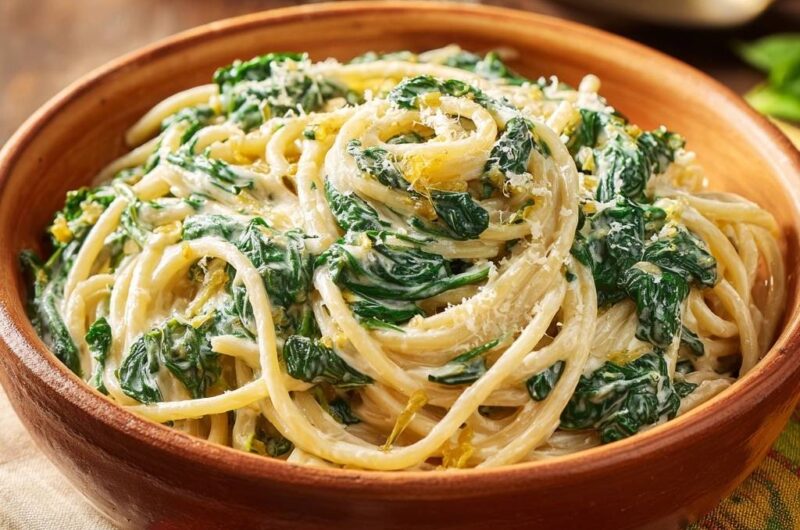
Creamy Lemon Spinach Spaghetti
Course: Main CourseCuisine: Italian AmericanDifficulty: easy4
servings10
minutes15
minutes485
kcal25
MinutesA bright and indulgent pasta dish featuring a thick cream sauce, fresh lemon, and garlic. The recipe focuses on properly prepping spinach to ensure the sauce remains rich and clings perfectly to the spaghetti.
Ingredients
1 pound spaghetti
10 ounces fresh baby spinach
1 cup heavy cream
2 tablespoons unsalted butter
3 cloves garlic, minced
1 tablespoon lemon zest (plus extra for garnish)
2 tablespoons fresh lemon juice
3/4 cup freshly grated Parmesan cheese (divided)
1/2 teaspoon salt
1/4 teaspoon black pepper
1/2 cup reserved starchy pasta water
Directions
- Bring a large pot of heavily salted water to a boil. Cook the spaghetti according to package directions until al dente.
- While the pasta cooks, place the fresh spinach in a large colander in the sink. Just before draining the pasta, pour a large ladle of the boiling pasta water over the spinach to wilt it instantly.
- Once the spinach is cool enough to handle, wrap it in a clean kitchen towel or press it firmly against the colander with a spoon to squeeze out every drop of green liquid. Roughly chop the squeezed spinach. This is the critical step to prevent a watery sauce.
- In a large skillet over medium heat, melt the butter. Add the minced garlic and cook for 1 minute until fragrant but not browned.
- Pour in the heavy cream and bring to a gentle simmer. Let it reduce for 3 to 4 minutes, stirring occasionally, until it begins to thicken and coat the back of a spoon.
- Stir in the lemon zest, lemon juice, salt, and pepper.
- Add the cooked spaghetti and the squeezed, chopped spinach to the skillet. Toss vigorously with tongs to coat the strands.
- Sprinkle in 1/2 cup of the Parmesan cheese and add the reserved pasta water one tablespoon at a time, tossing constantly. The starch in the water and the proteins in the cheese will emulsify with the cream, creating the thick, glossy white coating seen in the image.
- Serve immediately in warm bowls, topped with the remaining Parmesan cheese and a fresh sprinkle of lemon zest.
Notes
- The critical step is squeezing all liquid out of the wilted spinach before adding it to the cream to prevent a watery consistency. Always reserve starchy pasta water to help the sauce emulsify.