Mastering the Cinnamon Sugar Apple Bundt Cake
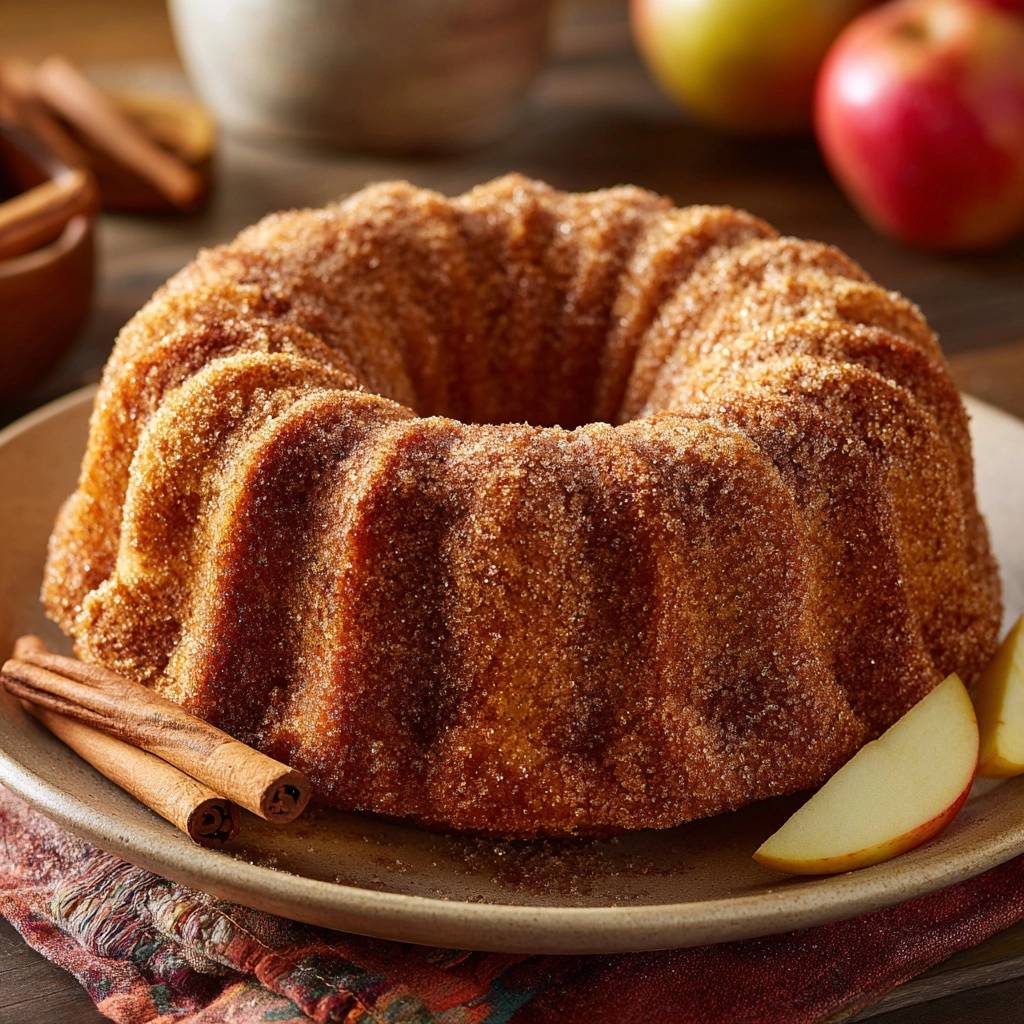
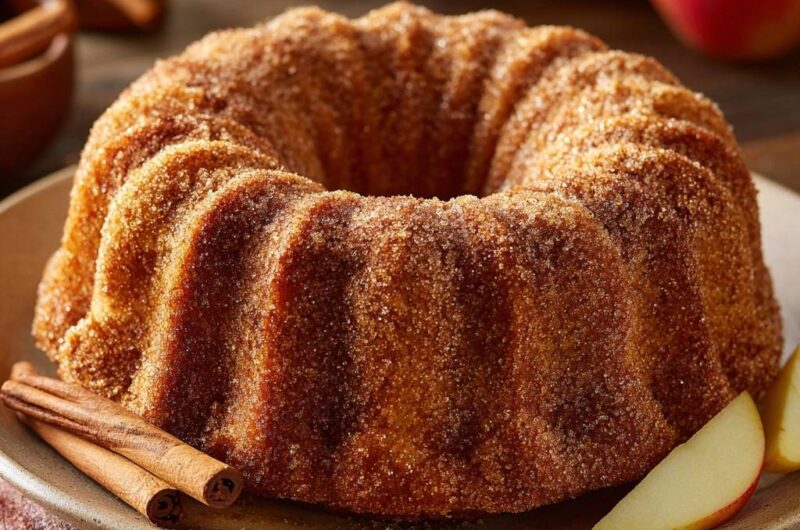
The heartbreak of a Bundt cake sticking to the pan is a rite of passage for many bakers, but it doesn’t have to be yours. While most recipes rely on a simple spray, this version uses a specialized double-barrier method to ensure your cake slides out with every intricate detail intact. You’ll achieve a stunning, crystalline crust that offers a satisfying crunch before giving way to a moist, tender interior packed with tart apples.
Autumn baking is often about the balance of textures, and this cake delivers a sophisticated contrast that’s hard to find in standard loaf cakes. The structural integrity of the Bundt shape allows for a beautiful presentation, but it requires a specific technical approach to succeed. By focusing on the “Foolproof Pan Release,” you’re not just making a dessert; you’re mastering a reliable method for professional-level results every time.
The secret to this recipe’s success lies in the interaction between the melted butter and the granulated sugar coating. Unlike flour, which can leave a chalky residue, the sugar melts slightly during the bake to create a microscopic heat shield. This prevents the batter from bonding to the metal, ensuring that when you flip the pan, the cake releases effortlessly while sporting a sparkling, spiced exterior.
The Science of the Sugar-Crusted Pan Release
Using granulated sugar as a physical barrier is a game-changer for high-detail Bundt molds. When you coat a pan with sugar, you’re creating a layer that doesn’t absorb into the batter like flour often does. Instead, the sugar crystals act as tiny ball bearings between the cake’s proteins and the metal surface of the pan.
As the cake bakes, the sugar on the edges undergoes a slight caramelization, forming a thin, crisp shell. This shell is structurally stronger than a flour-dusted surface, which means it’s less likely to tear when the cake is inverted. Furthermore, the sugar provides a sweet, crunchy texture that complements the soft apple crumb, making the crust one of the best parts of the dish.
Why Melted Butter Beats Cooking Spray
Aerosol cooking sprays often contain lecithin, which can build up a sticky residue on your pans over time and actually cause more sticking. Melted butter, however, has a higher viscosity and stays exactly where you brush it. By using a pastry brush, you can push the butter into every tiny crevice and corner of an intricate mold.
This manual application ensures 100% coverage, which is something a spray simply cannot guarantee. When the butter is followed by a coating of cinnamon sugar, it creates a reliable non-stick interface. This method significantly reduces the risk of structural failure during the flip, giving you a perfect result even with the most complex pan designs.
Essential Components for the Apple Bundt Batter
The foundation of a great Bundt cake is its density; it needs enough structure to hold its shape without being heavy or dry. Three cups of all-purpose flour provide the necessary framework to support the weight of the fresh fruit. However, the chemistry only works if your ingredients are at the right temperature.
You must use room temperature eggs to ensure they emulsify properly with the creamed butter and sugar. If the eggs are cold, they can cause the butter to seize, resulting in a broken batter and a coarse, uneven crumb. Taking the time to let your ingredients sit on the counter for an hour makes a massive difference in the final texture.
Selecting the Best Apples for Baking
Not all apples are created equal when it comes to the high heat of a 55-minute bake. You need a firm-fleshed, high-acid apple like the Granny Smith to provide a tart contrast to the sweet cinnamon batter. These apples hold their shape beautifully and won’t turn into mush or “disappear” into the cake while in the oven.
If you prefer a slightly sweeter profile, Honeycrisp or Braeburn apples are excellent alternatives. However, avoid softer varieties like McIntosh or Red Delicious, as they release too much moisture and can create soggy pockets in your cake. The goal is to have distinct, tender bits of fruit in every single bite.
The same creaming method works beautifully for this glazed blueberry lemon bundt cake.
The Role of Full-Fat Sour Cream
Full-fat sour cream is the secret weapon for a moist, rich Bundt cake. The acidity in the sour cream reacts with the baking soda to provide an extra boost of lift, ensuring the cake isn’t overly dense. This reaction creates a fine, “tight” crumb that is sturdy enough to hold the diced apples in suspension.
Additionally, the high fat content adds a creamy mouthfeel that milk or water simply can’t replicate. It provides a subtle tang that balances the sugar, making the flavor profile more complex. If you’re out of sour cream, full-fat Greek yogurt is a reliable substitute that offers similar acidic properties.
Step-by-Step: Preparing the Cinnamon Sugar Apple Bundt Cake
Creating this cake requires a methodical approach to mixing, often referred to as the “creaming method.” This process builds the air pockets necessary for a light texture. You’ll start by beating the butter and sugar together until the mixture looks pale and feels aerated, which usually takes about three to five minutes.
Once the base is ready, you’ll alternate adding your dry ingredients and the sour cream. This technique prevents the batter from saturating too quickly, which helps maintain the emulsion you worked so hard to build. Always start and end with the flour mixture to ensure the batter stays stable and smooth.
Creating the Non-Stick Cinnamon Shield
To prepare the pan, use your pastry brush to coat the interior generously with melted butter. Then, pour in your cinnamon sugar mixture and begin the “tilt and tap” process. Rotate the pan in your hands, tapping the sides to move the sugar into every groove until the entire surface is sparkling.
It is vital to turn the pan upside down over a sink or trash can and tap out any excess sugar. If you leave thick clumps of sugar in the bottom, they can burn or create unsightly dark patches on the finished cake. A thin, even coating is all you need for a perfect release and a beautiful crust.
Achieving the Perfect Creamed Butter Texture
When creaming your butter and sugar, look for a visual change; the mixture should turn from a dense yellow to a pale, almost white ivory color. This indicates that you’ve incorporated enough air to give the cake a good rise. If the mixture still looks grainy or dark, keep beating for another minute.
Be careful once you add the eggs. Add them one at a time and beat just until the yellow streaks disappear. Over-beating at this stage can incorporate too much air, which might cause the cake to rise rapidly in the oven and then collapse as it cools, leading to a dense, gummy layer at the bottom.
Folding Techniques for Even Fruit Distribution
After the batter is mixed, it’s time to add the diced apples. Use a large spatula to fold them in by hand rather than using the electric mixer. This gentle motion prevents the development of excess gluten, which would make the cake tough. Simply cut through the center and lift the batter over the fruit until combined.
Because this batter is quite thick, the apples will stay “suspended” rather than sinking to the bottom of the pan during baking. This ensures that every slice has an even distribution of fruit. If the batter feels too thin, you may have over-mixed it, which can lead to the fruit settling at the base.
The same gentle mixing technique works perfectly for this glazed lemon blueberry loaf.
The Critical Ten-Minute Cooling Window
Timing is everything when it comes to removing a Bundt cake from its pan. You must let the cake rest on a wire rack for exactly ten minutes after taking it out of the oven. During this time, the cake undergoes “carry-over” baking, where the internal heat finishes setting the structure of the crumb.
As the cake cools slightly, it will naturally begin to pull away from the edges of the pan. If you try to flip it immediately, the cake will be too fragile and will likely collapse. However, if you wait too long, the sugar coating will begin to harden and “glue” the cake to the metal. Set a timer to ensure you hit that perfect ten-minute sweet spot.
Troubleshooting Common Bundt Baking Obstacles
If you notice the top of your cake is browning too quickly while the center is still wobbly, don’t panic. Simply “tent” the pan with a piece of aluminum foil to shield the surface from the direct heat. This allows the interior to finish cooking without burning the beautiful cinnamon sugar crust you’ve created.
In the rare event that the cake feels stuck after the ten-minute mark, try the steam method. Place a kitchen towel soaked in hot water over the bottom of the inverted pan for a few minutes. The moisture and heat can help loosen any stubborn sugar spots, allowing the cake to drop safely onto the cooling rack.
Preventing a Dry or Tough Crumb
The most common cause of a dry Bundt cake is over-measuring the flour. If you scoop the flour directly with a measuring cup, you’re likely packing it down and using too much. Instead, spoon the flour into the cup and level it off with a knife, or better yet, use a kitchen scale to measure in grams.
Toughness is almost always a result of over-mixing once the flour is added. As soon as the dry ingredients hit the wet ones, gluten begins to form. Mix on the lowest speed possible and stop the moment you no longer see white streaks. A few small lumps are perfectly fine and will disappear during the baking process.
Flavor Variations and Ingredient Substitutions
While vanilla is the classic choice, you can easily elevate the flavor profile with a few simple swaps. Try using half a teaspoon of almond extract alongside the vanilla for a nutty depth that pairs beautifully with apples. You could also add a teaspoon of ground ginger or a pinch of cloves to the flour mixture for a spicier, warmer kick.
For those looking for a dairy-free option, you can substitute the butter with a high-quality vegan butter stick and use Greek-style coconut yogurt in place of the sour cream. The texture will remain remarkably similar. Just ensure your substitutions are full-fat to maintain the structural integrity and moisture of the cake.
Storage and Make-Ahead Instructions
This cake is a rare gem that actually tastes better on the second day. As it sits, the moisture from the apples migrates into the crumb, and the cinnamon flavor has more time to bloom. Store the cake at room temperature in an airtight container or under a cake dome for up to three days.
If you want to freeze the cake, it’s best to do so without the final coating of sugar. Wrap the cooled cake tightly in plastic wrap and then foil; it will stay fresh for up to three months. When you’re ready to serve, thaw it at room temperature, then give it a quick brush of butter and a fresh toss of cinnamon sugar to revive the crunch.
What to Serve with Apple Bundt Cake
If the cinnamon sugar apple bundt cake leaves you wanting more apple and spice, these two recipes share that same cozy vibe without being repeats.
- Start your morning with Apple Pie Pancakes – fluffy stacks that bring the same apple-cinnamon warmth to breakfast.
- For a quick bread that matches the moist, tender crumb, try Ultimate Banana Nut Bread – the nuts add contrast while the banana keeps every slice soft.
Expert Tips for a Professional Finish
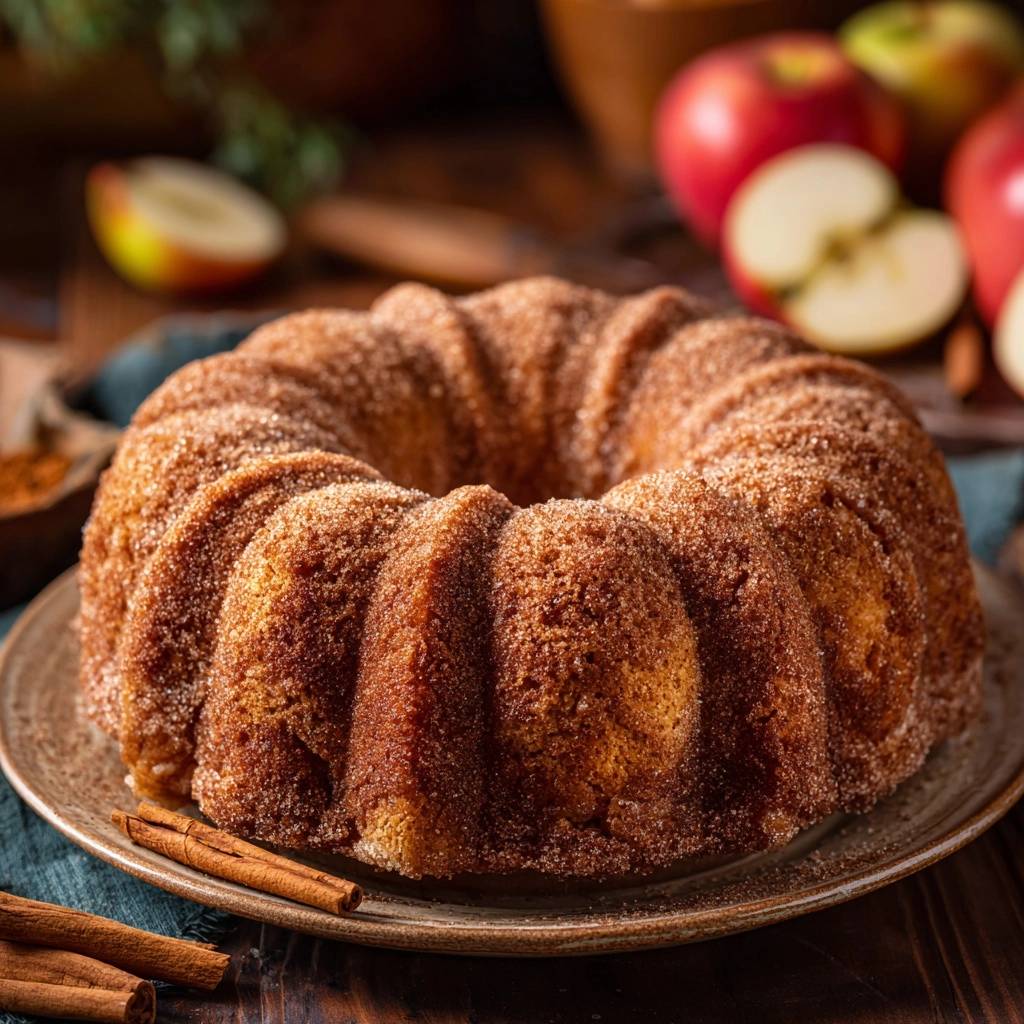
To get that heavy, crystalline look seen in professional bakeries, you need to perform a “double-coat.” After the cake has been flipped and is still warm, brush the exterior lightly with the remaining melted butter. This acts as an adhesive for the final layer of cinnamon sugar, ensuring it sticks in a thick, even layer.
Don’t be afraid to be generous with the sugar at this stage. The warmth of the cake will help the sugar adhere without melting it completely, leaving you with a sparkling finish. Allow the cake to cool completely before slicing to ensure the sugar has set and the interior crumb is stable enough for clean cuts.
Recommended Tools for Bundt Success
The quality of your pan matters significantly. A heavy-gauge cast aluminum pan is superior to thin tin or silicone molds because it conducts heat more evenly, preventing hot spots that cause sticking. These pans also have sharper details, which the sugar-coating method highlights beautifully.
When testing for doneness, use a long wooden skewer rather than a standard toothpick. Bundt pans are deep, and a short toothpick might not reach the center where the batter stays wet the longest. If the skewer comes out with just a few moist crumbs, your cake is ready to come out of the oven.
Frequently Asked Questions
Can I use apple sauce instead of diced apples?
It is not recommended to swap the diced apples for apple sauce in this specific recipe. Diced apples provide essential texture and bursts of flavor, whereas apple sauce would change the moisture content and acidity of the batter significantly. This could lead to a cake that is too dense or fails to rise properly. If you want more apple flavor, simply dice the fruit into smaller pieces so they are more evenly distributed.
Why did my cake sink in the middle?
A cake usually sinks in the middle if it is underbaked or if the oven door was opened too early in the process. The sudden drop in temperature can cause the delicate air bubbles to collapse before the structure has set. Additionally, ensure your baking soda and powder are fresh; if they are expired, they won’t provide enough lift to support the heavy apple-filled batter.
Do I have to peel the apples?
Yes, peeling the apples is highly recommended for the best texture. Apple skins can become tough and leathery during the long baking time, which creates an unpleasant contrast against the soft cake crumb. Removing the skins ensures that the fruit melts into the batter, providing moisture and flavor without any distracting chewiness.
Can I use a different pan shape?
You can bake this batter in two loaf pans or a 9×13-inch rectangular pan if you don’t have a Bundt pan. However, you will need to adjust the baking time. Loaf pans typically take 45-50 minutes, while a 9×13 pan may take only 35-40 minutes. Keep a close eye on the oven and use the skewer test to check for doneness, as the depth of the batter determines how quickly it cooks.
How do I store leftovers so they don’t get soggy?
Because of the high moisture content from the apples, this cake can become slightly damp if stored in a completely airtight plastic bag. It is best to store it under a glass cake dome or in a sturdy airtight container at room temperature. If you live in a very humid environment, you can place a piece of paper towel inside the container to absorb any excess moisture and keep the sugar crust crisp.
What is the best way to reheat a slice?
If you want to enjoy a warm slice the next day, avoid the microwave, as it can make the crust soft and rubbery. Instead, place a slice on a baking sheet and warm it in a 300-degree F oven for about 5-8 minutes. This will revive the crunch of the cinnamon sugar coating and gently warm the apples without drying out the cake.
Apple Bundt Cake
Course: DessertCuisine: AmericanDifficulty: medium12
servings20
minutes55
minutes385
kcal75
MinutesThis moist apple bundt cake uses Granny Smith apples and sour cream for a rich texture. The highlight is a specialized pan-coating technique using melted butter and granulated sugar that ensures the cake never sticks and develops a signature sweet crunch on the exterior.
Ingredients
3 cups all-purpose flour
1 tablespoon ground cinnamon
1 teaspoon baking soda
1 teaspoon baking powder
1/2 teaspoon salt
1 cup unsalted butter, softened
2 cups granulated sugar
3 large eggs
1 teaspoon vanilla extract
1 cup sour cream (full fat)
2 cups finely diced Granny Smith apples (peeled)
For the coating: 4 tablespoons melted butter and 1/2 cup cinnamon sugar mixture (1/2 cup sugar mixed with 1 tablespoon cinnamon)
Directions
- Preheat your oven to 350 degrees F (175 degrees C).
- Solve the sticking problem: Use a pastry brush to coat every single crevice of your Bundt pan generously with 2 tablespoons of the melted butter. Sprinkle 1/4 cup of the cinnamon sugar mixture into the pan, tilting and tapping it until the entire interior is coated. Tap out any excess. This sugar barrier prevents the batter from bonding to the metal and creates the sparkling crust seen in the photo.
- In a medium bowl, whisk together the flour, cinnamon, baking soda, baking powder, and salt.
- In a large bowl, cream the softened butter and 2 cups of sugar until light and fluffy (about 3-5 minutes). Add eggs one at a time, beating well after each addition, then stir in the vanilla.
- Gradually add the dry ingredients to the butter mixture, alternating with the sour cream, beginning and ending with the dry ingredients. Do not overmix. Fold in the diced apples by hand.
- Pour the thick batter into the prepared pan and smooth the top with a spatula.
- Bake for 55 to 65 minutes, or until a toothpick inserted into the center comes out clean.
- Let the cake cool in the pan for exactly 10 minutes. This is the critical window where the sugar coating has set but hasn’t hardened into the pan.
- Place a wire rack over the pan and flip it confidently. The cake will slide out perfectly.
- While the cake is still warm, brush the exterior lightly with the remaining 2 tablespoons of melted butter and generously toss the remaining cinnamon sugar over the surface to achieve the heavy, crystalline coating shown in the image. Allow to cool completely before slicing.
Notes
- The 10-minute cooling window is critical for the sugar coating to set without hardening to the pan. Use a pastry brush to ensure every crevice of the bundt pan is coated with butter and sugar for the best release.