Mastering Crispy Beef Egg Rolls: The Anti-Soggy Technique
You know that heartbreaking moment when you bite into an egg roll and it’s a greasy, limp mess? It’s the ultimate takeout disappointment. We crave that loud, audible crunch that echoes through the room, but home versions often end up steaming themselves into a soggy pile of dough from the inside out.
The secret to a restaurant-quality roll isn’t a fancy deep fryer or a secret ingredient. It’s all about moisture management. By mastering the “Dry-Sear” and “Double-Drain” methods, you’ll create a filling so concentrated in flavor and low in liquid that the wrapper stays shatteringly crisp for hours.
I’ve found that most people fail because they treat the filling like a standard stir-fry. If you see liquid pooling in your pan, you’ve already lost the battle. The trick is to cook the beef until it’s deeply browned and then physically press out every remaining drop of fat before it ever touches the wrapper.
The Anatomy of a Perfect Beef Egg Roll
A truly great egg roll relies on three structural pillars. First, the wrapper must be thick enough to blister but thin enough to shatter. Second, the beef filling needs a concentrated umami punch that doesn’t rely on heavy sauces. Finally, you must control the internal steam during the fry.
Using 80/20 ground beef is a deliberate choice here. While leaner meat might seem “drier,” it lacks the fat necessary to properly brown the meat during the sear. The 80/20 blend provides the fat needed for the Maillard reaction, which we then drain away to ensure the final product isn’t greasy.
Why Moisture is the Enemy of Crunch
When you seal a wet filling inside a pastry skin and drop it into hot oil, the water inside turns to steam. That steam has nowhere to go, so it hydrates the inside of the wrapper. This turns your crispy shell into a soggy sponge within minutes of leaving the oil.
By using a dry-sear technique, we evaporate the water content from the beef and vegetables before rolling. This ensures that the only thing the oil has to do is crisp the exterior, rather than fighting a losing battle against internal moisture.
Essential Components for the Beef Filling
Quality ingredients make a massive difference when the list is this short. Fresh ginger and garlic are non-negotiable. While powders are convenient, they lack the aromatic oils that bloom when they hit the hot beef fat, providing that signature “golden” scent that defines a good egg roll.
The cabbage is optional, but I highly recommend it for the textural contrast. However, you must shred it very finely. Large chunks of cabbage hold onto water and can create air pockets in your roll, which leads to uneven frying and potential blowouts in the pot.
Choosing the Right Egg Roll Wrappers
Don’t confuse egg roll wrappers with spring roll skins. Spring roll skins are usually translucent and made of just flour and water. For this recipe, you need the thicker, yellowish wrappers made with egg. The egg proteins are what create those beautiful, tiny blisters on the surface when they hit the hot oil.
Aromatics and Seasoning Profiles
We use toasted sesame oil and soy sauce sparingly. Because we want a dry filling, these are added at the very end of the process. The red pepper flakes provide a back-of-the-throat heat that cuts through the richness of the beef without overwhelming the delicate aromatics of the ginger.
Step-by-Step: The Dry-Sear and Drain Method
Start by heating your skillet until it’s nearly smoking. When you add the beef, don’t move it immediately. Let it sit for a minute to develop a dark brown crust. This is where the flavor lives. Use a wooden spoon to break the meat into tiny, uniform crumbles so the filling packs tightly.
Once the beef is browned, push it to the edges and add your garlic and ginger to the center. You’ll smell the aromatics immediately. If you’re using cabbage, toss it in now. You only want to wilt it for about 60 seconds. If you cook it longer, it will release too much water and ruin your dry filling.
Executing the High-Heat Beef Sear
Avoid overcrowding the pan at all costs. If you put too much meat in a small skillet, the temperature drops and the beef begins to boil in its own juices. We want a hard sear. The meat should look dark and slightly crispy on the edges before you even think about adding the seasonings.
The Double-Drain Technique for Maximum Crispness
This is the most important step in the entire process. Transfer your cooked filling into a fine-mesh strainer set over a bowl. Let it sit for at least 10 minutes. You’ll be shocked at how much liquid collects in the bowl even after the meat looks “done.”
After 10 minutes, take the back of a large spoon and firmly press the meat against the mesh. Keep pressing until no more liquid drips out. This “Double-Drain” ensures that your filling is purely flavor and zero excess moisture, which is the ultimate insurance policy against a soggy bottom.
Precision Folding for a Waterproof Seal
Lay your wrapper in a diamond shape and place the filling in the lower third. Fold the bottom corner over the meat, then tuck the side corners in tightly. As you roll, pull back slightly to ensure there are no air gaps. Air pockets expand in the heat and can cause the roll to burst.
Using the Egg Wash as Structural Glue
While some recipes suggest water, a beaten egg is far superior. The proteins in the egg act like a heat-activated glue. When the roll hits the oil, the egg wash sets instantly, creating a waterproof and oil-proof seal that keeps the beef in and the frying oil out.
Frying Mechanics: Temperature and Airflow
Maintain your oil at 350°F. If the oil is too cold, the wrapper will soak up grease like a sponge. If it’s too hot, the outside will burn before the heat penetrates the center. Use a thermometer and wait for the oil to return to temperature between batches.
Why Wire Racks Beat Paper Towels
Stop draining your fried foods on paper towels. When a hot egg roll sits on a flat paper towel, the steam escaping from the bottom gets trapped against the surface. This creates a wet spot. A wire cooling rack allows air to circulate 360 degrees, keeping the entire roll crisp.
Identifying the Perfect Golden Blister
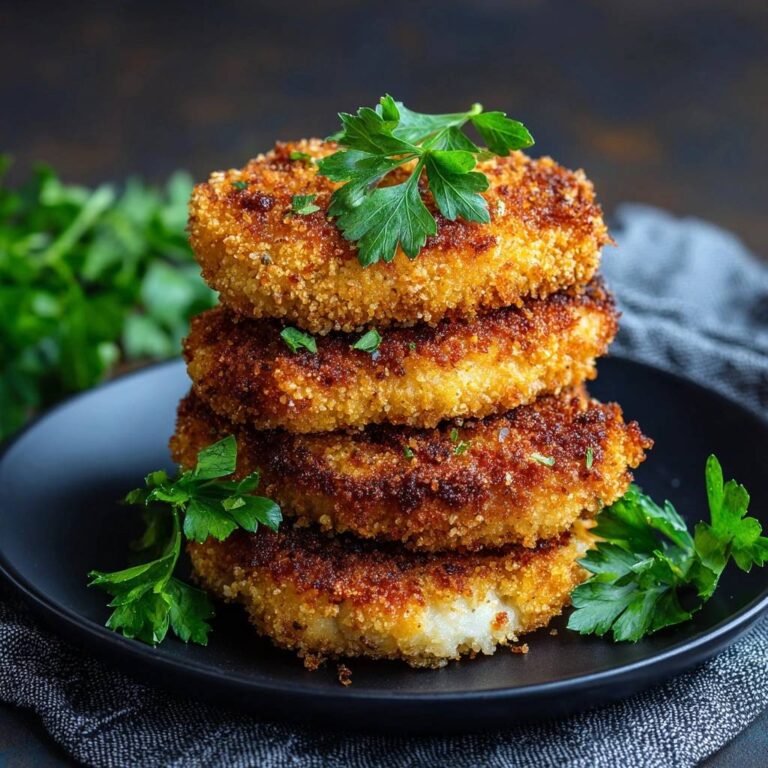
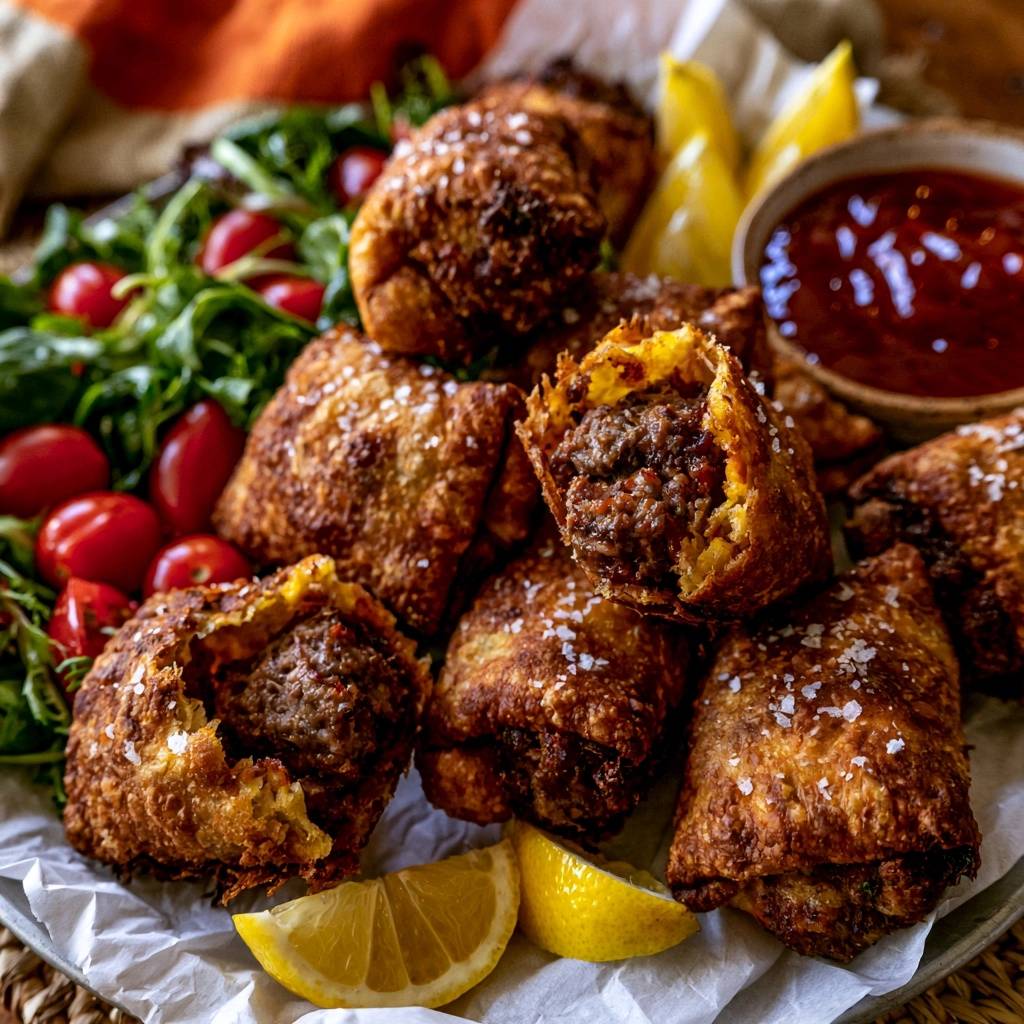
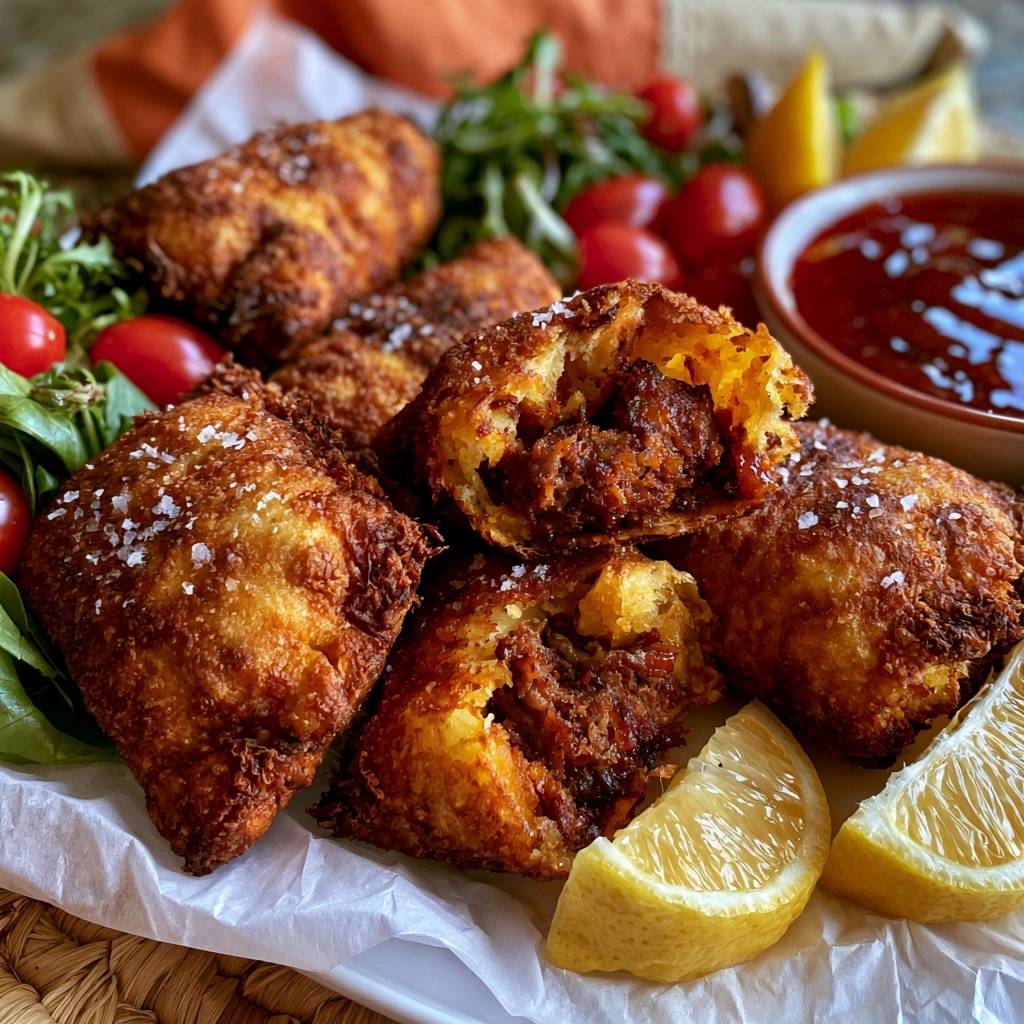
You’re looking for a deep mahogany color and a surface covered in tiny micro-bubbles. These bubbles are the hallmark of a well-hydrated egg wrapper hitting the correct oil temperature. Once they reach this stage, they’ll have a distinct, hollow sound when tapped with tongs.
Troubleshooting Common Egg Roll Failures
If your wrappers are tearing, they might be too dry. Keep the unused wrappers under a damp paper towel while you work. If your oil starts smoking, it’s breaking down; turn the heat down immediately and add a splash of fresh oil to stabilize the temperature.
Preventing Wrapper Blowouts
Blowouts usually happen because of trapped air or overfilling. Stick to 2-3 tablespoons of filling per roll. If you see a large air bubble forming while frying, you can gently prick it with a toothpick, though a tight roll from the start is the best prevention.
Managing Oil Temperature Fluctuations
If you don’t have a thermometer, dip the handle of a wooden spoon into the oil. If steady bubbles float up around the wood, you’re ready. If it bubbles violently, it’s too hot. If nothing happens, give it another few minutes to heat up.
Serving Suggestions and Flavor Pairings
These rolls are rich and savory, so they need bright, acidic partners. A simple sweet chili sauce is classic, but the real secret is the side salad. A handful of peppery arugula and tart cherry tomatoes helps reset your palate between bites of the crispy beef.
Balancing Richness with Acidity
Don’t skip the lemon wedges. A quick squeeze of fresh lemon juice over the hot, fried wrapper adds a high note that cuts right through the beef fat. It makes the whole dish feel lighter and more balanced.
Alternative Dipping Sauces
If you want to move beyond sweet chili, try mixing soy sauce with a splash of rice vinegar and a drop of honey. For a creamier kick, whisk together some spicy mustard with a little bit of honey for a sharp, sweet heat that pairs beautifully with the ginger in the beef.
Make-Ahead Strategies and Storage
You can absolutely make these in advance. If you’re planning for a party, you can roll them a few hours early and keep them in the fridge, just make sure they aren’t touching each other or they might stick and tear when you pick them up.
Freezing Uncooked Rolls for Quick Meals
To freeze, place the uncooked rolls on a parchment-lined baking sheet in a single layer. Once they are frozen solid, transfer them to a freezer bag. You can fry them directly from frozen; just add an extra 2 minutes to the cook time to ensure the beef is hot.
Reheating Without Losing the Crunch
Never use a microwave for leftovers. It will turn the wrapper into rubber. Instead, use an air fryer at 375°F for 3-5 minutes or a standard oven at 400°F. This high-heat blast re-crisps the exterior and renders out any oil that settled during storage.
Expert Tips for Crispy Beef Egg Rolls
Can I use an air fryer for this recipe?
Yes, you can air fry these at 400°F for about 10-12 minutes. However, you won’t get the same bubbly, blistered texture that deep frying provides. To get the best results in an air fryer, spray the rolls generously with oil spray before cooking to help the wrapper crisp up.
How do I keep the wrappers from drying out?
Egg roll wrappers dry out and become brittle very quickly when exposed to air. Keep the stack inside the plastic packaging or under a lightly dampened clean kitchen towel while you work on one roll at a time. If they do get stiff, a few seconds in the microwave under a damp paper towel can soften them back up.
What is the best oil for frying?
Use an oil with a high smoke point and a neutral flavor. Vegetable oil, canola oil, or peanut oil are all excellent choices. Avoid olive oil or butter, as they will burn at the 350°F temperature required to get that perfect golden-brown crust.
Can I add other vegetables like carrots or mushrooms?
You can, but be very careful. Mushrooms and carrots release a lot of water when cooked. If you add them, you must sauté them until all their moisture has evaporated and include them in the “Double-Drain” process. If the filling feels wet at all, the egg rolls will not stay crispy.
How should I store leftovers?
Store any leftover fried egg rolls in an airtight container in the refrigerator for up to 3 days. To maintain the best texture, place a piece of parchment paper between layers. Avoid using plastic wrap directly against the rolls, as this can trap moisture and make them soggy.
Why did my egg rolls turn out greasy?
Greasy egg rolls are usually caused by one of two things: the oil temperature was too low, or the filling wasn’t drained properly. If the oil is below 325°F, the wrapper absorbs the oil instead of searing. Always use a thermometer to ensure you stay in the 350°F range for a clean, crisp finish.
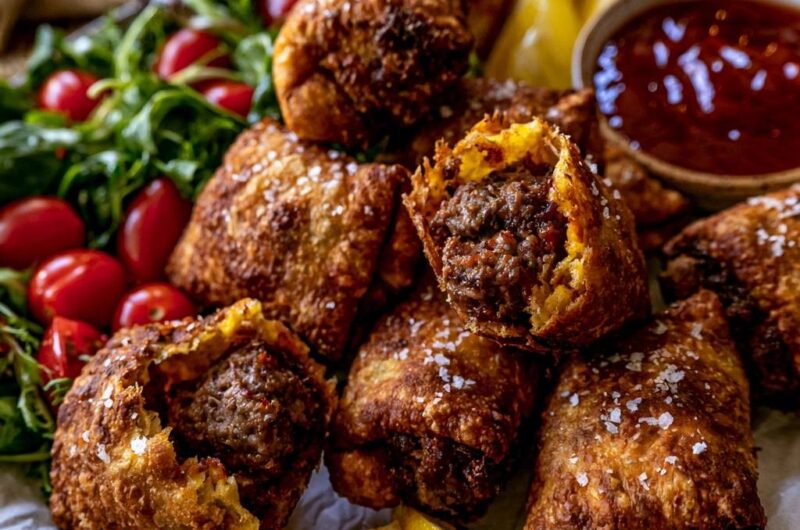
Crispy Beef Egg Rolls
Course: AppetizerCuisine: Asian FusionDifficulty: easy4
servings20
minutes15
minutes35
Minutes410
kcalAsian Fusion
Ingredients
1 pound ground beef (80/20 for flavor)
1/2 cup finely shredded cabbage (optional, for texture)
3 green onions, thinly sliced
2 cloves garlic, minced
1 tablespoon ginger, grated
2 tablespoons soy sauce
1 teaspoon toasted sesame oil
1/2 teaspoon red pepper flakes
12 egg roll wrappers
1 egg, beaten (for sealing)
Vegetable oil for frying
Flaky sea salt for finishing
Sweet chili sauce for dipping
Lemon wedges and a side salad of arugula and cherry tomatoes for serving
Directions
- To solve the soggy bottom problem, start by browning the ground beef in a large skillet over medium-high heat. Break it into very small crumbles. Once cooked, push the meat to the side and add the garlic, ginger, and red pepper flakes. If using cabbage, add it now and sauté only until it begins to wilt.
- Transfer the entire mixture into a fine-mesh strainer set over a bowl. Let it sit for 10 minutes, then use a spoon to press out every drop of excess fat and liquid. Moisture is the enemy of a crispy shell.
- Stir in the soy sauce, sesame oil, and green onions once the mixture is dry and cooled.
- Lay an egg roll wrapper on a clean surface in a diamond shape. Place 2-3 tablespoons of the dry filling in the center. Fold the bottom corner up, tuck in the sides, and roll tightly. Brush the top corner with the beaten egg to create a waterproof seal.
- Heat 2 inches of oil in a heavy pot to 350 degrees F. Fry the rolls in batches for 3 to 5 minutes, turning occasionally, until they are deep golden brown and heavily blistered. The high heat is essential for the bubbly, textured crust shown in the image. Cook until no pink remains and it reaches 160°F (71°C).
- Immediately move the fried rolls to a wire cooling rack rather than a paper towel. Air circulation prevents steam from softening the bottom of the rolls.
- Sprinkle generously with flaky sea salt while hot. Serve immediately with sweet chili sauce, lemon wedges, and a fresh arugula and tomato salad to cut through the richness.
Notes
- To maintain maximum crunch, always cool the fried rolls on a wire rack instead of paper towels to allow for air circulation and prevent steaming.