Mastering Mediterranean Garlic Herb Chicken for Juicy Results
We’ve all been there. You sit down for dinner, cut into a chicken breast, and it’s as dry as a desert and just as tough to chew. This rubbery “chicken syndrome” is the bane of home cooks everywhere, but it doesn’t have to be your reality. You can achieve that elusive, succulent texture right in your own kitchen without any fancy equipment.
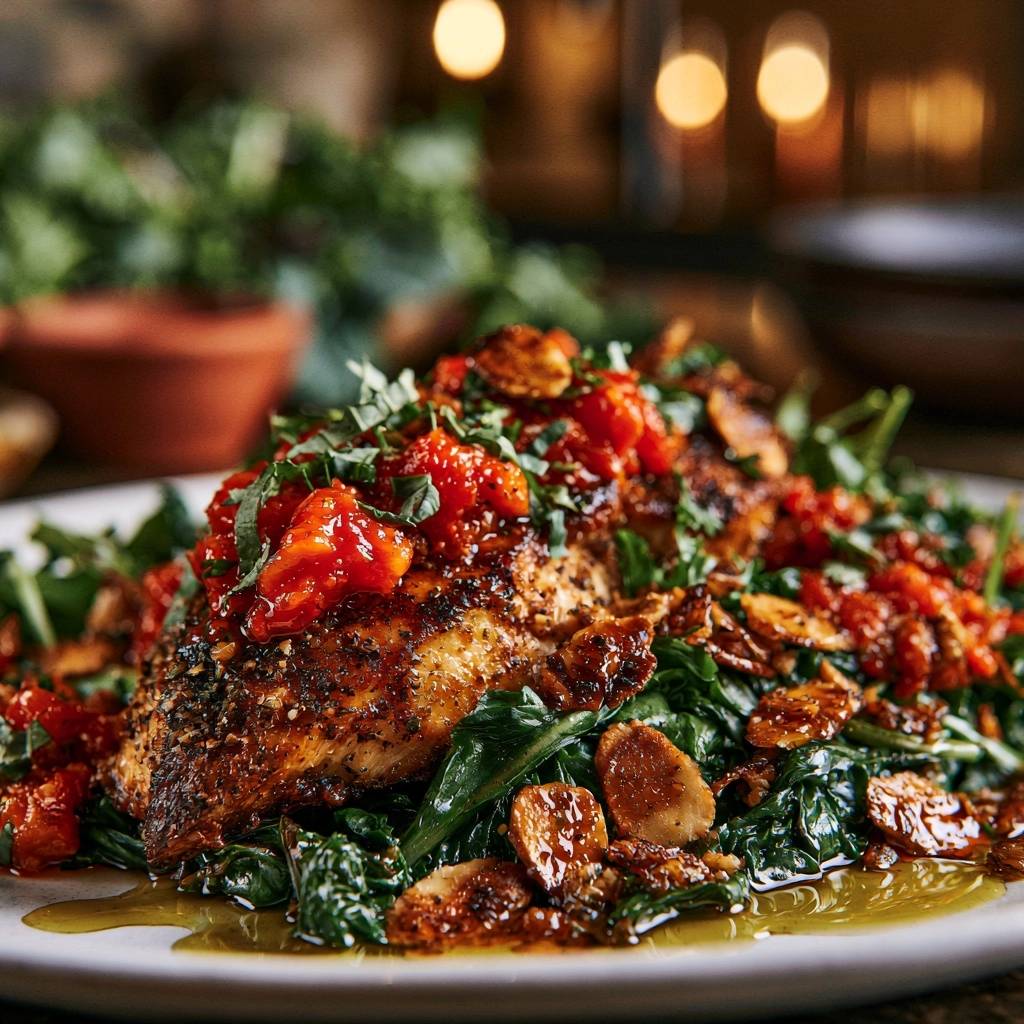
The secret lies in a vibrant Mediterranean Garlic Herb Chicken that balances a savory, spiced crust with a bright, acidic tomato and herb relish. By moving away from high-heat scorching and embracing a more controlled cooking environment, you’ll transform a humble piece of poultry into a restaurant-quality masterpiece. It’s all about the contrast between the warm, earthy oregano and the fresh pop of lemon and spinach.
To ensure success, you must master the “cold-start” garlic infusion. Most people toss garlic into a screaming hot pan, which turns it bitter and burnt in seconds. Instead, place your sliced garlic in the oil while the pan is still cool. As the temperature rises gradually, the garlic gently perfumes the oil, creating a deep flavor base that actually soaks into the meat rather than just sitting on top.
The Anatomy of Mediterranean Garlic Herb Chicken Ingredients
Every ingredient in this dish serves a specific purpose to build layers of flavor. Extra virgin olive oil is non-negotiable here because its fruity, peppery profile provides the essential fat that carries the herbs. While standard paprika offers color, smoked paprika adds a necessary woodsy depth that mimics the flavor of an outdoor grill.
Freshness is your best friend when it comes to the finishing touches. Fresh flat-leaf parsley and a squeeze of lemon juice act as “brighteners,” cutting through the richness of the olive oil and the pungency of the garlic. If you don’t have fresh lemons, a splash of high-quality white balsamic vinegar can work in a pinch to provide that needed acidity.
Selecting and Preparing the Poultry
Chicken breasts are notoriously uneven, with one thick end and one thin, tapering tail. This anatomical quirk is why one half of your dinner often ends up dry while the other is barely cooked. To fix this, you should always aim for a uniform thickness of about one inch.
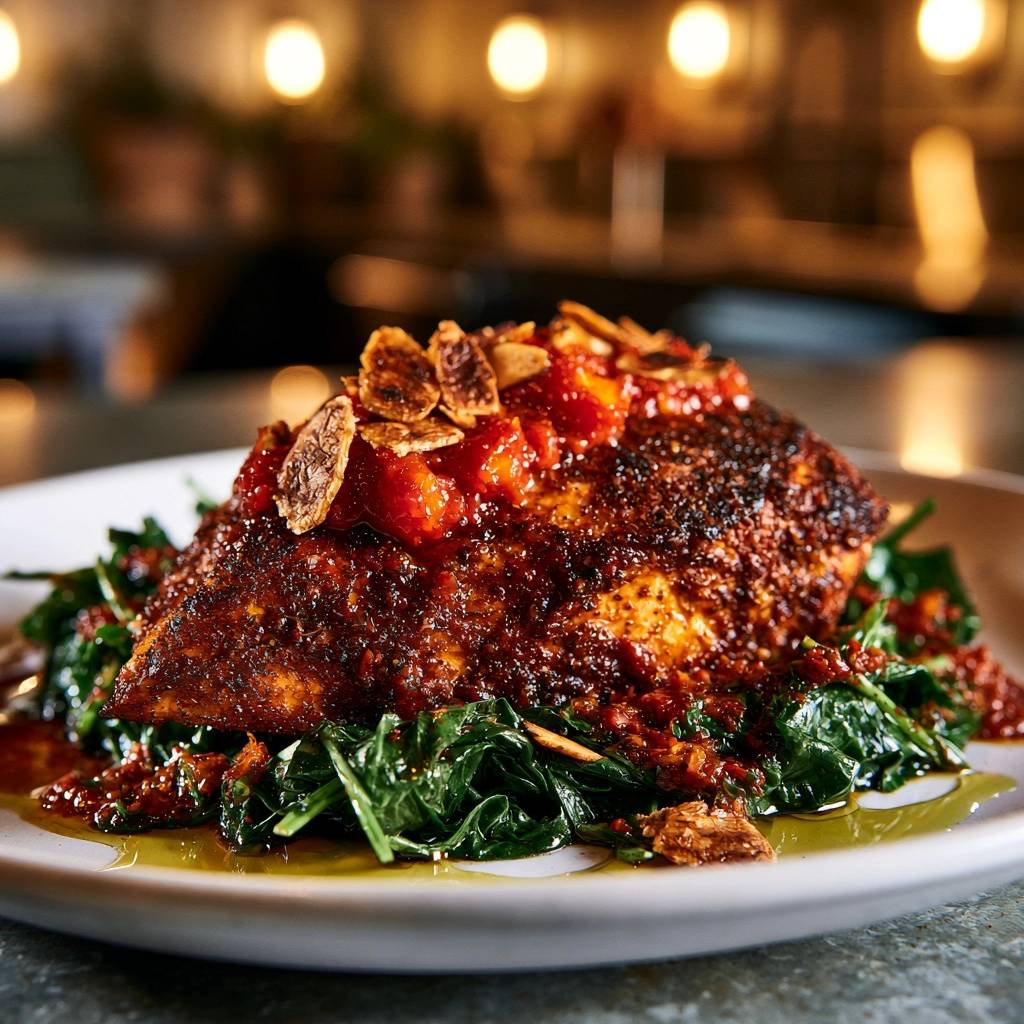
You can achieve this by placing the chicken between two sheets of plastic wrap and gently pounding the thicker parts with a meat mallet or a heavy skillet. Alternatively, butterfly the breast by slicing it horizontally almost all the way through and opening it like a book. This ensures every square inch hits the pan at the same time and cooks at the same rate.
The Spice Rub: Ratios and Seasoning Logic
The spice rub uses a strategic mix of dried oregano and garlic powder to create a savory foundation. While we use fresh garlic in the pan for aroma, garlic powder is essential in the rub because it won’t burn as easily during the high-heat searing process. The dried oregano provides a floral, earthy backbone that defines the Mediterranean profile.
Don’t be shy with the salt, either. Salt does more than just season; it aids in protein denaturation, which helps the meat retain its natural juices during cooking. Apply the rub at least ten minutes before the chicken hits the pan to give the salt time to penetrate the surface of the meat.
The Cold-Start Garlic Infusion Technique
The physics of flavor starts with a cold pan. When you drop garlic into hot oil, the exterior sears instantly, often trapping the raw, pungent bite inside while the outside turns acrid. By starting the garlic and oil together at room temperature, the heat slowly coaxes the essential oils out of the garlic cloves.
As the oil warms, it becomes a delivery vehicle for that mellow, nutty garlic essence. This infused oil then surrounds the chicken fibers during the sear, ensuring the flavor is baked into the crust. Once the garlic slices turn a pale golden brown, remove them immediately. They’ve done their job in the oil and will serve as a crispy, toasted garnish later.
Step-by-Step: Searing Mediterranean Garlic Herb Chicken
Before the chicken ever touches the skillet, you must pat it completely dry with paper towels. Moisture is the enemy of a good sear; if the meat is damp, it will steam in the pan rather than brown. Achieving the Maillard reaction—that beautiful brown crust—requires a dry surface and direct contact with the hot oil.
Once the pan is hot, lay the chicken away from you to avoid oil splatters. You should hear a vigorous sizzle the moment it touches the surface. If the pan is silent, it isn’t hot enough yet. Let the chicken sit undisturbed for several minutes to allow that savory crust to develop fully.
Achieving the Perfect Golden Crust
The biggest mistake you can make is fussing with the meat. If you try to flip the chicken and it sticks to the pan, it isn’t ready. The protein will naturally “release” from the skillet once the crust has formed and the sugars have caramelized. This usually takes about six to seven minutes on medium-high heat.
Resist the urge to move the chicken around or peek underneath every thirty seconds. Constant movement drops the temperature of the pan and prevents that deep golden color from forming. Trust the process and wait for that natural release before flipping the breast over to finish the other side.
Temperature Control and the Carryover Cooking Rule
If you wait until the chicken reaches 165°F in the pan, you have already overcooked it. Meat continues to cook even after it is removed from the heat source, a process known as carryover cooking. The internal temperature will typically rise another five degrees while the meat rests on the plate.
Use a digital meat thermometer and pull the chicken at exactly 160°F. This is the ultimate secret to moisture. During the five-minute rest period, the muscle fibers relax and reabsorb the juices. If you cut into it too soon, all that flavor will simply run out onto the cutting board, leaving you with dry meat.
Creating the Pan-Sauce Spinach and Tomato Relish
After removing the chicken, you’ll notice brown bits stuck to the bottom of the pan. This is called “fond,” and it is concentrated flavor gold. Don’t wash the pan! Immediately toss in your chopped tomatoes. As they heat up, they release their juices, which naturally deglazes the pan and lifts those savory bits into a light sauce.
Add the spinach last, as it only needs about sixty seconds to wilt. You want the leaves to stay a vibrant, bright green rather than turning into a dark, mushy heap. The residual heat from the tomatoes and the pan is usually enough to soften the spinach while preserving its texture and nutrients.
Troubleshooting Common Chicken Texture Issues
If your chicken ends up tough, you likely skipped the pounding step or left it in the pan too long. Even a minute of overcooking can turn a juicy breast into a rubbery mess. Always use a thermometer rather than guessing by the color of the meat. If the exterior is soggy, you probably crowded the pan, which traps steam and prevents browning.
To avoid this, use a large 12-inch skillet or cook the chicken in batches. Also, ensure the meat isn’t ice-cold from the fridge when it hits the oil. Letting it sit at room temperature for ten minutes helps the heat travel to the center more efficiently, preventing a burnt outside and raw inside.
Flavor Variations and Ingredient Substitutions
While chicken breasts are lean and healthy, you can easily swap them for boneless, skinless thighs if you prefer a richer, more forgiving cut of meat. Thighs have more connective tissue and fat, making them much harder to overcook. You may need to add two or three minutes to the total cook time for thighs.
For a saltier, more pungent Mediterranean profile, stir in a tablespoon of drained capers or chopped Kalamata olives when you add the tomatoes. If you don’t have a stainless steel skillet, a well-seasoned cast-iron pan is an excellent alternative, as it holds heat exceptionally well and produces a superior crust.
Optimal Pairings for a Complete Mediterranean Meal
This chicken is bold and savory, so it pairs beautifully with sides that can soak up the tomato and lemon juices. A fluffy lemon-herb quinoa or a side of roasted za’atar potatoes provides a satisfying heartiness. The earthy spices in the za’atar complement the oregano in the chicken rub perfectly.
If you want something lighter, a simple cucumber and radish salad with a light vinaigrette offers a cooling crunch. The crispness of the raw vegetables balances the warm, wilted spinach and the tender chicken. The acidity in the salad also helps cleanse the palate between bites of the garlic-infused meat.
Storage, Meal Prep, and Reheating Protocols
Leftover chicken can quickly become “woody” or dry if not stored correctly. Place the chicken and the tomato-spinach mixture in an airtight container as soon as they reach room temperature. It will stay fresh in the refrigerator for up to three days. I don’t recommend freezing this specific dish, as the spinach and tomatoes will become watery upon thawing.
When reheating, avoid the microwave if possible, as it toughens the protein. Instead, place the chicken in a small skillet with a splash of water or chicken broth. Cover the pan and heat it over low flame until just warmed through. This creates a mini-steam chamber that keeps the meat moist and tender.
Expert Tips for Restaurant-Quality Presentation
Presentation is all about building height and texture. Start by placing a generous mound of the sautéed spinach and tomatoes in the center of the plate. Slice the chicken breast on a slight bias (at an angle) and fan the pieces out over the top of the vegetables. This makes the portion look larger and more elegant.
Finally, don’t forget those reserved crispy garlic chips. Sprinkle them over the meat for a crunch that contrasts with the tender chicken. A final drizzle of high-quality raw olive oil and a dusting of fresh parsley adds a professional sheen and a burst of fresh aroma just as the plate hits the table.
How long can I store Mediterranean Garlic Herb Chicken in the fridge?
You can store the cooked chicken and vegetables in an airtight container for up to 3 days. To keep the meat from drying out, store it whole rather than slicing it beforehand. When you are ready to eat, reheat it gently on the stovetop with a tablespoon of water to maintain the moisture.
Why is my chicken breast always dry even when I follow the time?
Cooking times are just estimates because every stove and pan is different. The only way to guarantee juicy chicken is to use a meat thermometer. Pull the chicken out of the pan when it hits 160°F. The temperature will rise to the safe 165°F mark while it rests on the plate.
Can I use dried parsley instead of fresh?
While you can use dried parsley in the rub, I strongly recommend using fresh parsley for the garnish. Dried parsley loses most of its flavor and becomes quite dusty. Fresh parsley provides a necessary “green” brightness that balances the heavy garlic and savory spices.
What is the best substitute for cherry tomatoes?
If you don’t have cherry tomatoes, you can use diced Roma tomatoes or even canned fire-roasted tomatoes (drained). The goal is to have a vegetable that releases a bit of liquid to create a light pan sauce. If using canned tomatoes, just be sure to sauté them long enough to cook off the metallic tin taste.
Do I have to use a stainless steel skillet?
No, you can use non-stick or cast iron. However, stainless steel and cast iron are better for creating a “fond” (the brown bits). Non-stick pans are easier for cleanup but won’t give you that deep, caramelized crust or the base for the pan sauce as effectively as a metal pan will.
Can I substitute the lemon juice?
Yes, if you are out of lemons, a teaspoon of red wine vinegar or white balsamic vinegar will provide the necessary acidity. The goal is to cut through the fat of the olive oil and brighten the earthy flavors of the oregano and garlic.
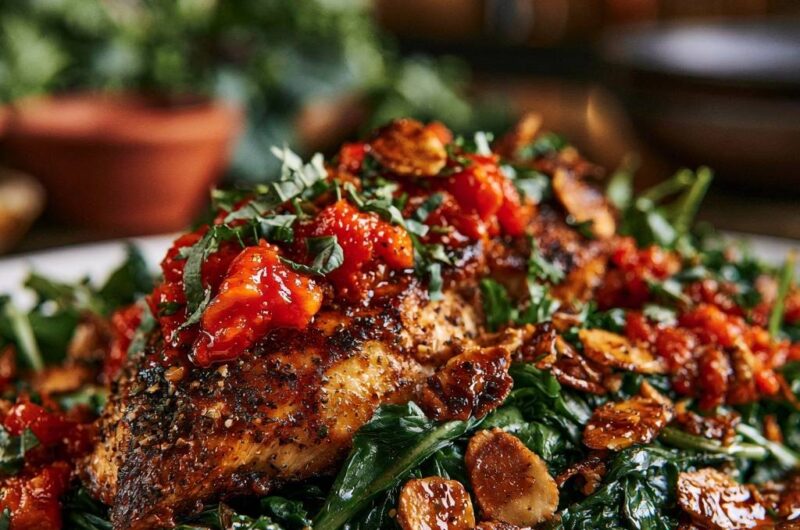
Mediterranean Garlic Herb Chicken
Course: Main CourseCuisine: MediterraneanDifficulty: easy4
servings15
minutes20
minutes35
Minutes385
kcalMediterranean
Ingredients
4 boneless skinless chicken breasts
2 tablespoons extra virgin olive oil
1 tablespoon dried oregano
1 teaspoon smoked paprika
1 teaspoon garlic powder
Salt and black pepper to taste
4 cloves garlic, thinly sliced
1 cup cherry tomatoes, chopped
1/2 cup fresh parsley, chopped
4 cups fresh spinach
1 tablespoon lemon juice
Directions
- To solve the dry meat problem, start by patting the chicken completely dry with paper towels. Season generously with salt, pepper, oregano, paprika, and garlic powder. Let the chicken sit at room temperature for 10 minutes before cooking to ensure even heat distribution.
- Place a large skillet over medium heat. Add the olive oil and the sliced garlic while the pan is still warming up. This “cold-start” technique allows the garlic to infuse the oil without burning, creating a flavor base that penetrates the meat.
- Once the garlic is golden and fragrant, remove the slices with a slotted spoon and set aside. Increase heat to medium-high.
- Place the chicken in the skillet. Sear for 6 to 7 minutes per side. The key to juiciness is to only flip once. Use a meat thermometer to pull the chicken at exactly 160 degrees F. It will reach the safe 165 degrees F while resting.
- Remove chicken to a plate and let it rest for 5 minutes. This is the most critical step to lock in the juices.
- In the same skillet, toss in the chopped tomatoes and spinach. Sauté for 2 minutes until the spinach is wilted and the tomatoes have softened into a light sauce. Stir in the lemon juice.
- Serve the chicken over the bed of spinach and tomatoes. Top with the reserved crispy garlic slices and fresh parsley for a final burst of texture and flavor.
Notes
- The most critical step is letting the chicken rest for 5 minutes after cooking to lock in the juices. Pull the chicken at 160 degrees F as carryover cooking will bring it to the safe 165 degrees F.