Mastering the Creamy Roasted Cauliflower Gratin
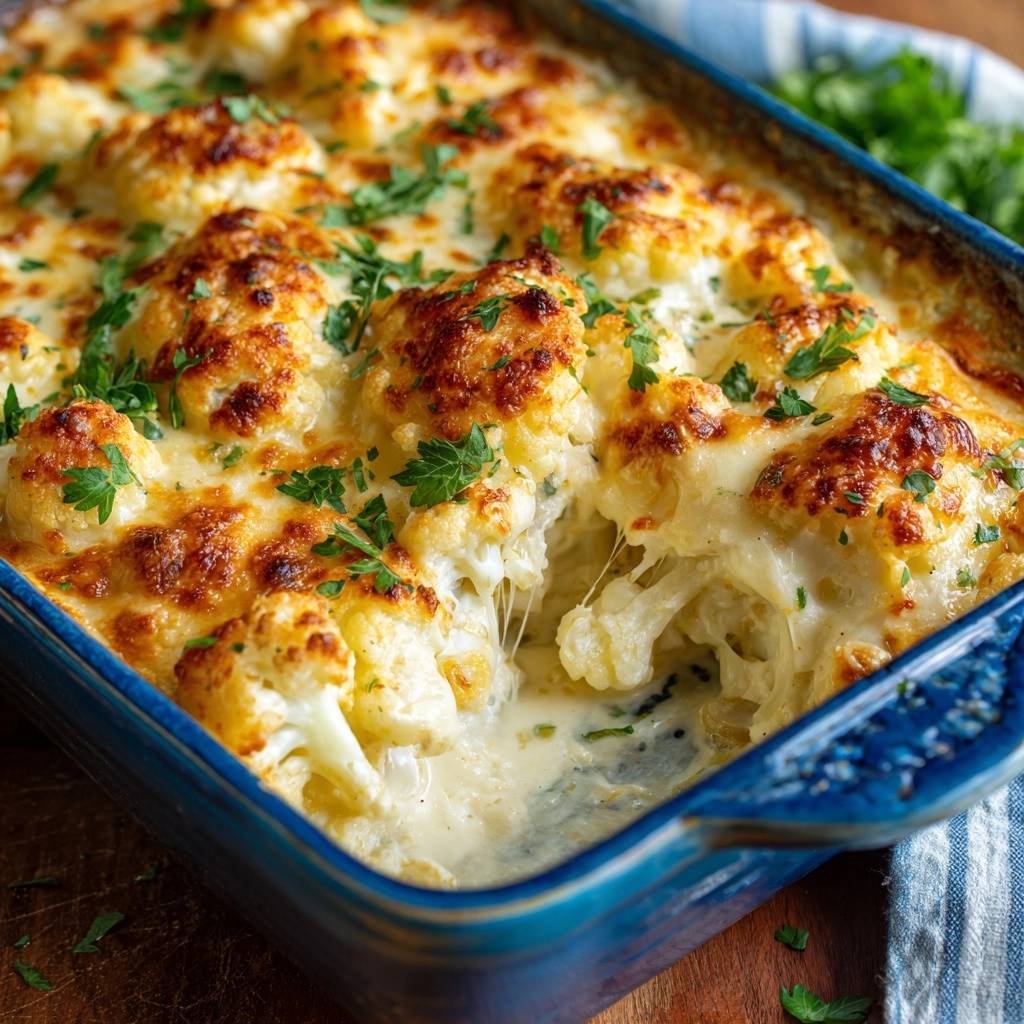
Most home cooks have experienced the disappointment of a watery vegetable casserole. You pull a bubbling dish out of the oven, only to find a thin, bland puddle sitting at the bottom of the pan. This Creamy Roasted Cauliflower Gratin solves that problem by ditching the traditional boiling method entirely. Instead, we focus on concentrated flavors and a sauce that actually clings to the vegetables.
The secret lies in the contrast of textures and the depth of the aromatics. You get charred, nutty cauliflower florets enveloped in a velvety cream sauce scented with nutmeg and sharp cheddar. It is a sophisticated side dish that feels indulgent but remains rooted in simple, whole ingredients. By the time you take your first bite, you will realize why this technique is a total game-changer for your kitchen repertoire.
Expertise in the kitchen often comes down to moisture management. To ensure your sauce stays thick and rich, you must roast the cauliflower until the edges are deeply caramelized. This step evaporates the internal water that usually leaches out during baking and thins your cream. If you skip the roast, you’re essentially steaming the vegetable inside the sauce, which is the primary reason most gratins fail.
The Science of Preventing Watery Cauliflower Gratin
Cauliflower is roughly 92 percent water, which makes it a tricky candidate for creamy sauces. When you boil or steam the florets, the cellular structure breaks down and traps even more moisture inside. Once you add that wet cauliflower to a cream base and bake it, the heat forces that water out. This process, known as “weeping,” dilutes your beautiful sauce and can even cause the dairy to break or curdle.
Roasting acts as a pre-emptive strike against this watery mess. High heat causes the water to evaporate through the surface of the florets before they ever touch the cream. Furthermore, as the water leaves, the natural sugars in the cauliflower concentrate. This leads to a much more intense, savory flavor profile that stands up to the richness of the heavy cream and cheese.
When a sauce breaks, it often looks grainy or oily because the fat has separated from the liquid. By removing the excess vegetable water through roasting, you maintain a stable emulsion. The result is a cohesive, glossy sauce that coats every nook and cranny of the cauliflower. It is the difference between a professional-grade gratin and a soggy cafeteria side dish.
Why Roasting Beats Blanching Every Time
Blanching cauliflower often results in a sulfuric, slightly bitter aroma that can overwhelm a delicate cream sauce. However, roasting triggers the Maillard reaction, which is the chemical process that creates those delicious browned bits. This reaction adds a nutty, sweet complexity that boiling simply cannot replicate.
The charred edges of the roasted florets provide a structural integrity to the dish. While boiled cauliflower turns to mush under the weight of heavy cream, roasted cauliflower retains a pleasant “toothsome” bite. This texture is essential for a high-quality gratin, providing a necessary contrast to the gooey, melted cheese topping.
Essential Components for a Velvety Cheese Sauce
The foundation of a world-class gratin is the quality of the dairy. You must use heavy cream for this recipe because its high fat content is what allows it to thicken into a luxurious coating. Lower-fat options like whole milk or half-and-half lack the stability to withstand the high oven temperatures. Without that fat, the sauce will likely separate and become watery despite your best roasting efforts.
In addition to the cream, Dijon mustard plays a vital role as a natural emulsifier. It helps bind the fats in the cheese and cream together, ensuring a smooth finish. Meanwhile, a pinch of ground nutmeg provides that classic French flair. Nutmeg has a unique ability to highlight the sweetness of the brassica family, making the cauliflower taste more like itself.
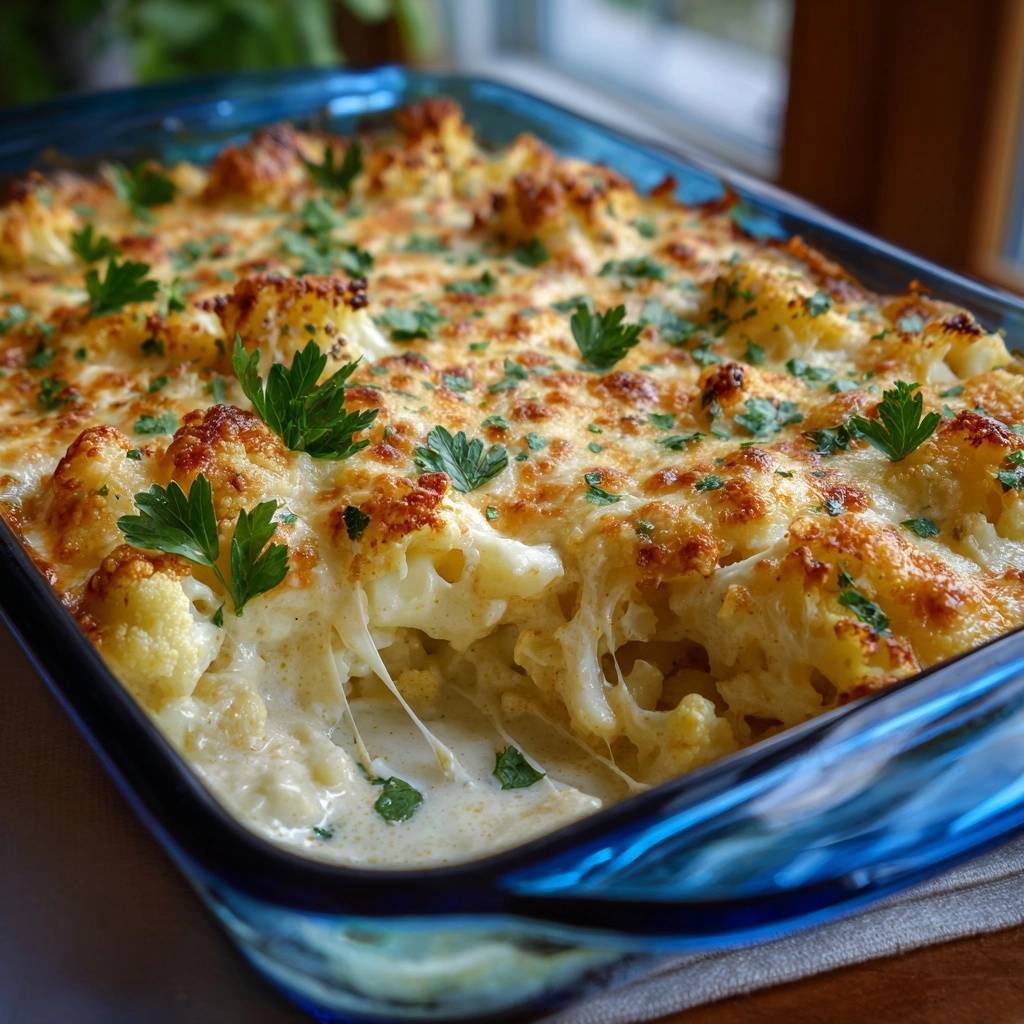
The same trick of roasting the cauliflower first prevents sogginess in this golden roasted cauliflower gratin.
Freshly minced garlic and onion powder add layers of savory depth without distracting from the main event. Therefore, don’t be tempted to skip the aromatics. They provide the “backbone” of the flavor profile, ensuring the dish tastes seasoned from the inside out rather than just salty on the surface.
Selecting the Right Cheese Blend
A great gratin requires a thoughtful blend of cheeses to achieve the perfect balance of flavor and texture. Sharp white cheddar provides the necessary “bite” and tanginess to cut through the richness of the cream. However, cheddar alone can be oily when melted, which is why we bring in the mozzarella.
Mozzarella is the workhorse of the melting world, providing that iconic cheese pull and a mild, creamy backdrop. Finally, freshly grated Parmesan adds a salty, umami-rich crust to the top. Always grate your cheese from a block if possible. Pre-shredded cheeses are coated in potato starch to prevent clumping, which can make your sauce feel gritty or powdery.
Aromatics and Spices: Beyond Salt and Pepper
While salt and pepper are the basics, this dish relies on garlic and onion powder for a rounded savory profile. Fresh garlic provides a pungent, spicy kick that mellows out beautifully as it simmers in the cream. Onion powder, on the other hand, offers a concentrated sweetness that permeates the entire sauce evenly.
Fresh parsley is the final, essential touch. Because this dish is incredibly rich and heavy, it needs a bright, herbaceous lift at the very end. The parsley adds a pop of color and a grassy freshness that cleanses the palate between bites. It transforms the gratin from a heavy comfort food into a balanced, gourmet side.
Step-by-Step: Roasting for Maximum Flavor Extraction
Start by cutting your cauliflower into large, uniform bite-sized florets. If the pieces are too small, they will turn to mush before they get a chance to brown. Toss them with olive oil, salt, and pepper directly on a large rimmed baking sheet. Use your hands to ensure every piece is lightly coated, as the oil is what facilitates that beautiful browning.
The most important rule here is to spread the cauliflower in a single layer. If you crowd the pan, the florets will release steam and “boil” against each other rather than roasting. You want plenty of space for air to circulate. Roast at 425°F until you see dark brown, charred spots on the edges. This char is where all the flavor lives, so don’t be afraid of a little color!
Infusing the Cream: The Low-and-Slow Method
While the cauliflower is in the oven, you can start the cream base. Combine the heavy cream, garlic, Dijon, and spices in a small saucepan. It is vital to keep the heat on medium-low. You want the cream to gently simmer, not reach a rolling boil. High heat can cause the proteins in the cream to tighten and curdle.
As the mixture warms, you will notice the aroma of the garlic and mustard beginning to “bloom.” This infusion process ensures that every drop of sauce is packed with flavor. Simmer for just a few minutes until the sauce slightly thickens. It should be warm and fragrant by the time the cauliflower is ready to come out of the oven.
For a perfect pairing, try our The Ultimate Loaded Cheesy Hashbrown Casserole: Solving the Soggy Potato Problem.
Assembling the Gratin for Optimal Sauce Distribution
Once the cauliflower is roasted, transfer it into your baking dish. Now, instead of just dumping all the cheese on top, use a layering technique. Sprinkle half of your cheese blend directly over the roasted florets first. This ensures that you have pockets of melted cheese throughout the entire dish, not just a cap on top.
Pour the warm cream mixture evenly over the cauliflower and the first layer of cheese. You will see the cream seep down into the crevices, filling the gaps between the florets. Finally, top the whole thing with the remaining cheese. This layering creates a “glue” that holds the gratin together, making it easier to serve and much more satisfying to eat.
The Final Bake: Achieving a Blistered Golden Crust
Lower the oven temperature to 375°F for the final bake. This lower heat allows the cream and cheese to meld together without scorching the dairy. You are looking for the sauce to be bubbling vigorously around the edges. This usually takes about 15 to 20 minutes, depending on the depth of your baking dish.
If you want that professional, “leopard-spotted” look, turn on the broiler for the last two minutes. Stay right by the oven door and watch it closely! The transition from golden brown to burnt happens in seconds. The broiler creates a crispy, blistered crust that provides a fantastic textural contrast to the soft, creamy interior.
The Critical Resting Period: Why Patience Matters
I know it is tempting to dive in immediately, but you must let the gratin rest for at least 5 to 10 minutes. Think of this like resting a steak. When the dish is piping hot, the sauce is still quite fluid. As it sits, the proteins in the cheese and cream begin to set and emulsify into a thick, velvety coating.
If you scoop into it too early, the sauce will run to the bottom of the plate. After a short rest, the sauce will cling to the cauliflower perfectly. The flavors also have a chance to settle, making the nutmeg and garlic more pronounced. This small window of patience is what separates a messy casserole from a perfect gratin.
Flavor Variations and Ingredient Swaps
This recipe is a fantastic canvas for experimentation. If you want a smoky depth without using meat, try adding a teaspoon of smoked paprika to the cream. You could also swap the cauliflower for Romanesco for a stunning visual presentation. The pointed, lime-green florets roast beautifully and offer a slightly nuttier flavor.
For those who love a bit of crunch, you can mix half a cup of panko breadcrumbs with a tablespoon of melted butter and sprinkle it over the cheese before baking. If you find yourself without sharp cheddar, Gruyère or Fontina are excellent substitutes that melt beautifully. Just ensure you keep the Parmesan for that essential salty crust.
What to Serve with Creamy Roasted Cauliflower Gratin
Because this gratin is so rich and decadent, it pairs best with lean proteins and acidic sides. A simple roasted chicken with plenty of lemon and herbs is a classic choice. The acidity of the lemon cuts through the heavy cream sauce perfectly. Similarly, a lean beef roast or grilled steaks work wonderfully alongside this dish.
What’s Next?
Try these delicious pairings:
Avoid serving this with other heavy starches like mashed potatoes or macaroni and cheese, as the meal can become overwhelming. Instead, opt for a crisp, sharp arugula salad with a vinaigrette. The peppery greens provide a necessary “bite” that balances the creamy, cheesy cauliflower. It is all about creating a balanced plate that doesn’t leave you feeling weighed down.
Make-Ahead Strategies and Reheating Instructions
This is an excellent dish for holiday prep or busy weeknights. You can roast the cauliflower and prepare the cream sauce a day in advance. Store them separately in the refrigerator. When you are ready to eat, simply assemble the layers and bake. You may need to add 5 to 10 minutes to the baking time if the ingredients are cold from the fridge.
To reheat leftovers, use the oven rather than the microwave. Microwaving can cause the cheese to become rubbery and the cream to separate. Place the leftovers in a small oven-safe dish, cover with foil, and heat at 325°F until warmed through. I do not recommend freezing this dish, as the high dairy content will likely grain out and lose its creamy texture upon thawing.
Troubleshooting Your Cauliflower Gratin
If your sauce is still thin after resting, it usually means the cream didn’t reduce enough in the saucepan or the cauliflower wasn’t roasted long enough. Next time, ensure the cream is slightly thickened before pouring. You can also try using a higher-fat cream or adding a bit more Parmesan, which acts as a natural thickener.
If the cheese looks oily on top, the oven temperature might have been too high, causing the fat to separate from the cheese solids. Stick to the 375°F setting and only use the broiler briefly. Also, check your cheese quality; high-quality, aged cheeses tend to melt more smoothly than cheaper, oilier versions. If the garlic tastes bitter, it likely scorched in the saucepan. Always keep the heat low when infusing your dairy.
How do I store and reheat leftovers?
Store any leftovers in an airtight container in the refrigerator for up to 3 days. To reheat, place the gratin in an oven-safe dish and cover it with foil to prevent the cheese from drying out. Heat at 325°F for about 15 minutes or until the center is hot. Avoid freezing this dish, as the heavy cream and cheese will separate and become grainy when thawed.
Why is my cauliflower gratin watery?
The most common cause of a watery gratin is using raw or boiled cauliflower. Cauliflower is full of water that releases during the baking process. By roasting the florets first at a high temperature, you evaporate that moisture and caramelize the vegetable. This ensures the sauce stays thick and creamy rather than being diluted by vegetable juices.
Can I use frozen cauliflower for this recipe?
You can use frozen cauliflower, but you must be extra careful with the moisture. Thaw the cauliflower completely and pat it very dry with paper towels before roasting. Frozen cauliflower is often blanched before freezing, so it may roast faster than fresh. Keep a close eye on it in the oven to ensure it gets charred but doesn’t turn into mush.
What can I use instead of heavy cream?
If you don’t have heavy cream, the best substitute is a mixture of whole milk and a little bit of flour or cornstarch to create a light roux. However, keep in mind that the sauce will not be as rich or stable. Avoid using low-fat or non-fat milk, as these will almost certainly curdle and break under the high heat of the oven.
How do I prevent the cheese from burning under the broiler?
The broiler is very powerful and can go from golden to burnt in less than 60 seconds. To prevent burning, place your oven rack in the middle position rather than the top. Watch the dish through the oven window the entire time the broiler is on. As soon as you see the cheese bubbling and forming small brown spots, remove it immediately.
Can I make this recipe dairy-free?
While this specific recipe relies heavily on dairy for its texture, you can attempt a dairy-free version using full-fat canned coconut milk and nutritional yeast. However, the flavor profile will change significantly. For the best results, stick to the high-quality cheeses and heavy cream listed to achieve the intended velvety, savory gratin texture.

Creamy Roasted Cauliflower Gratin
Course: Side DishCuisine: AmericanDifficulty: medium6
servings15
minutes40
minutes310
kcal55
MinutesThis recipe solves the problem of watery vegetable casseroles by roasting the cauliflower to evaporate moisture and caramelize the edges before smothering it in a garlic and nutmeg infused cream sauce with three types of cheese.
Ingredients
1 large head cauliflower, cut into large bite-sized florets
2 tablespoons olive oil
1/2 teaspoon salt
1/4 teaspoon black pepper
1.5 cups shredded sharp white cheddar cheese
1 cup shredded mozzarella cheese
1/2 cup freshly grated Parmesan cheese
1.5 cups heavy cream
2 cloves garlic, minced
1 teaspoon Dijon mustard
1/4 teaspoon ground nutmeg
1/2 teaspoon onion powder
3 tablespoons fresh parsley, chopped
Directions
- Preheat your oven to 425°F (220°C).
- Toss the raw cauliflower florets with olive oil, salt, and pepper on a large rimmed baking sheet. Spread them in a single layer.
- Roast the cauliflower for 18-20 minutes, tossing halfway through, until the edges are golden brown and charred in spots. This step is essential to remove the water that usually ruins the sauce.
- While the cauliflower roasts, prepare the cream base. In a small saucepan over medium-low heat, combine the heavy cream, minced garlic, Dijon mustard, onion powder, and nutmeg. Simmer for 3-5 minutes until slightly thickened and infused. Do not let it reach a rolling boil.
- Lower the oven temperature to 375°F (190°C). Transfer the roasted cauliflower into a 9×13 inch (or 2-quart) ceramic baking dish.
- Sprinkle half of the cheddar, mozzarella, and Parmesan over the cauliflower. Pour the warm cream mixture evenly over the top, ensuring it seeps between the florets. Finish with the remaining cheese.
- Bake for 15-20 minutes. For the specific blistered, golden-brown look shown in the image, turn the broiler to high for the final 2-3 minutes, watching closely to prevent burning.
- Let the dish rest for 5-10 minutes before serving. This is a critical step that allows the cream and melted cheese to emulsify into a thick sauce. Garnish generously with fresh chopped parsley and serve.
Notes
- Letting the dish rest for 5 to 10 minutes after baking is critical to allow the cream and cheese to emulsify into a thick sauce. Roasting the cauliflower first is the secret to preventing a watery result.