Mastering the Hearty Chicken and Potato Stew
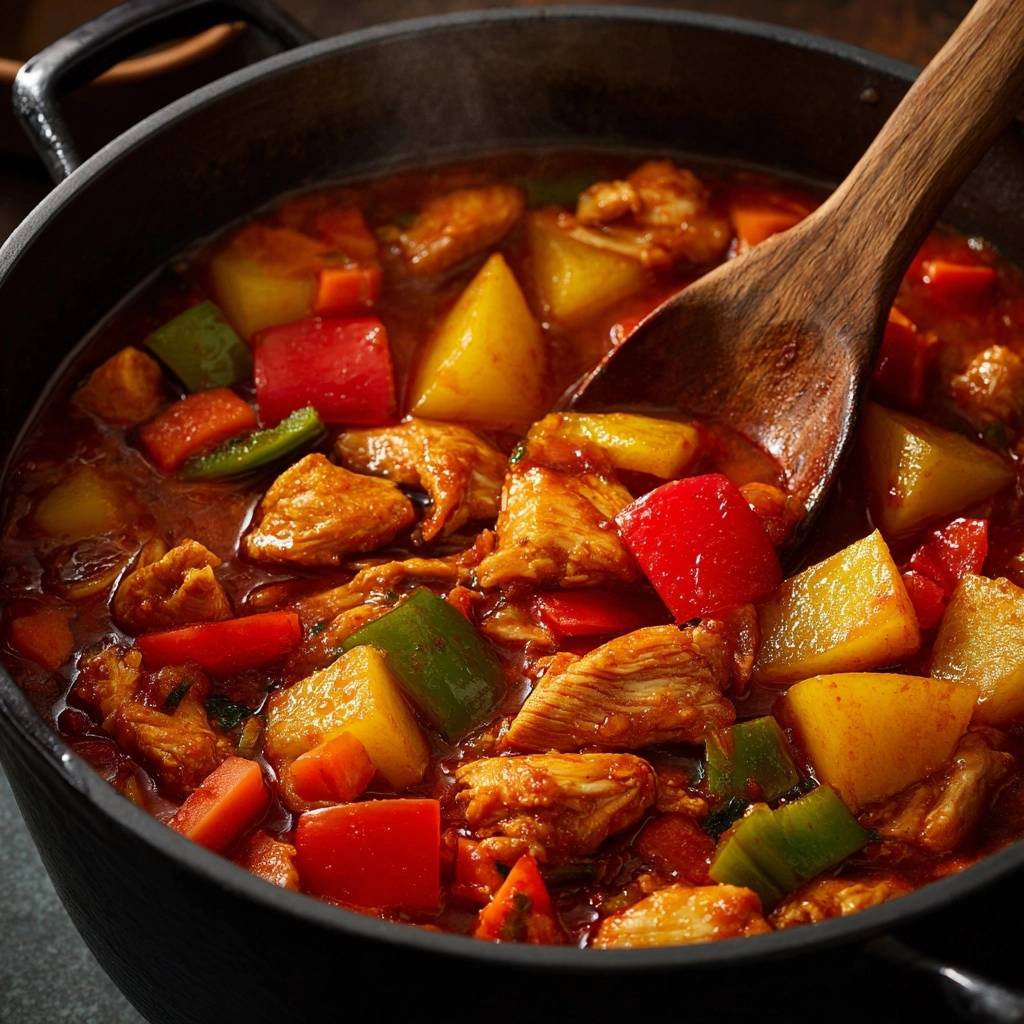
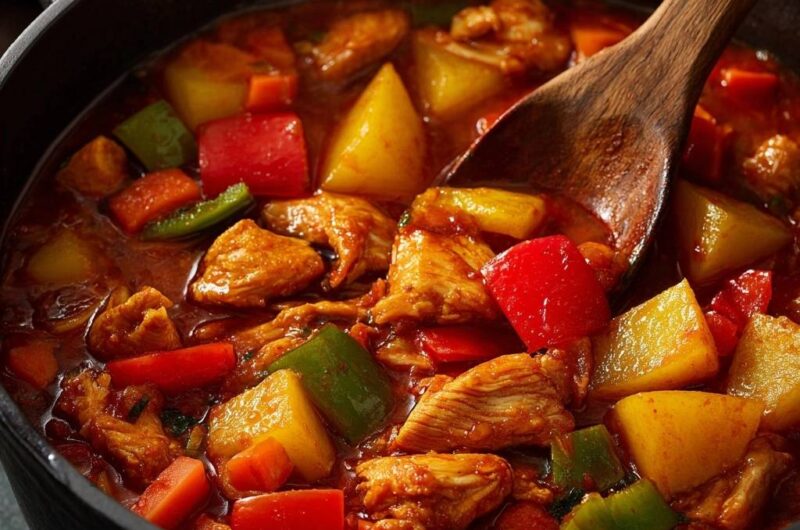
Most home cooks have faced the disappointment of a thin, watery stew that looks more like a sad soup than a comforting meal. You want a sauce that clings to the meat and vegetables, providing a rich, velvety mouthfeel in every single bite. This Hearty Chicken and Potato Stew solves that problem by focusing on the structural integrity of the ingredients and a specific starch-release method.
The secret to a superior stew isn’t just long cooking times; it’s about managing how the vegetables break down. By controlling the texture of the sauce through natural starches rather than heavy thickeners, you achieve a glossy finish that feels luxurious without being heavy. This dish represents the ultimate comfort meal because it balances tender poultry with vegetables that hold their shape.
I’ve found that the biggest mistake people make is adding too much liquid at the start. To ensure your sauce is concentrated and flavorful, the liquid should only just cover your ingredients. This allows the natural juices from the chicken and the starches from the potatoes to create a thick, cohesive emulsion that won’t pool at the bottom of your bowl.
The Science of Starch and Emulsification
The “roughing up” technique is the game-changer for this recipe. When you par-boil Yukon Gold potatoes, you are essentially precooking the exterior while keeping the center firm. This process begins to break down the cellular structure on the surface of the potato cubes, making them susceptible to friction.
When you drain the potatoes and give the colander a vigorous shake, those softened edges turn into a fine, starchy mash. Once these “roughed up” potatoes are added to the stew, that surface starch dissolves into the cooking liquid. It acts as a natural roux, thickening the sauce from the inside out as it simmers.
This method creates a glossy, professional-grade finish without the need for heavy cream or excessive amounts of flour. Therefore, the starch becomes an active participant in the sauce’s body rather than just a side dish. You’ll notice the liquid transforming from a thin broth into a rich gravy that coats the back of your spoon perfectly.
Essential Components for a Richer Base
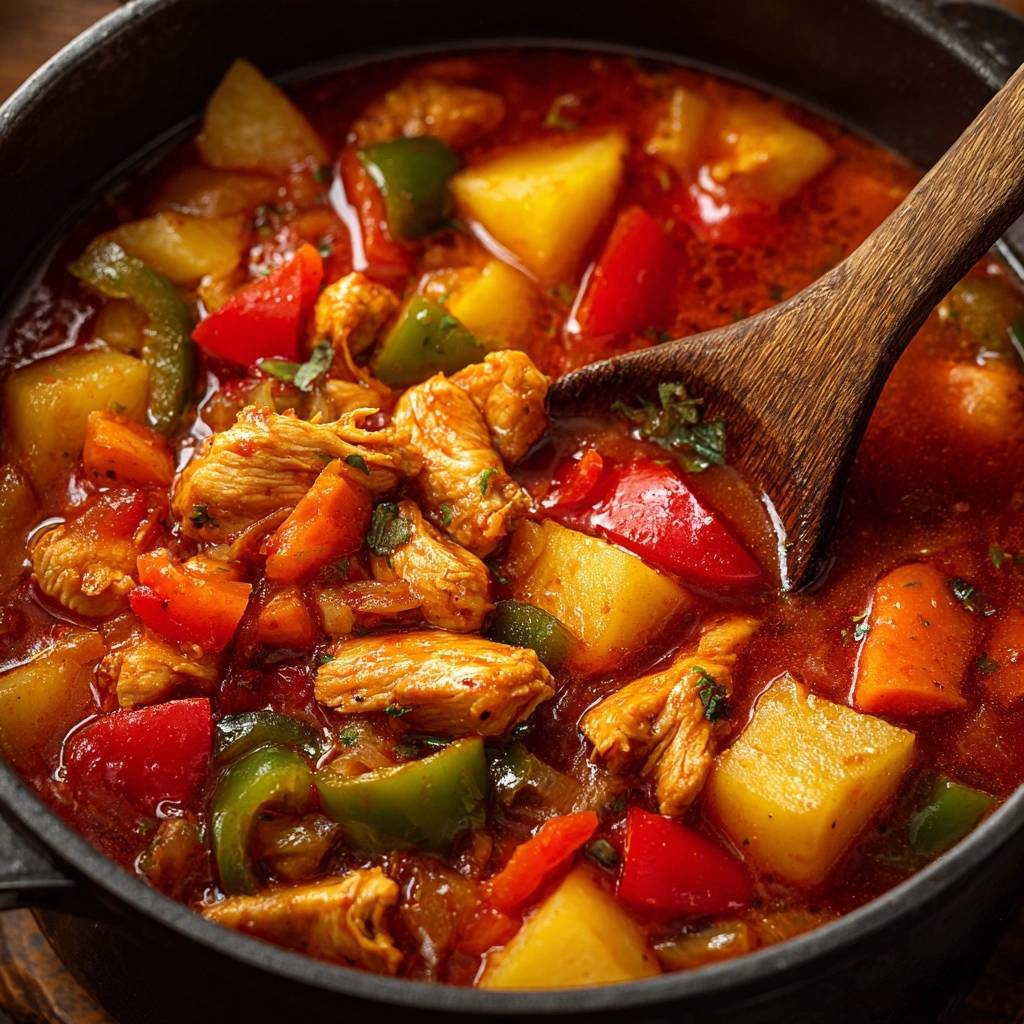
Choosing the right ingredients is the first step toward a successful stew. While many reach for chicken breasts, I highly recommend using chicken thighs for this dish. Thighs contain more connective tissue and collagen, which melt during the simmering process to add a silky body to the sauce that breasts simply cannot provide.
The choice of potato is equally critical. Yukon Golds are the gold standard here because they sit right in the middle of the waxy-to-starchy spectrum. They hold their shape better than Russets, which tend to disintegrate into mush, yet they release enough starch to thicken the base effectively.
Tomato paste serves as your “umami bomb” in this recipe. However, you must toast it in the pan until it reaches a deep brick-red color to unlock its full potential. This step removes the raw, metallic taste often found in canned products and replaces it with a savory, caramelized depth that defines the stew’s character.
Finally, always opt for low-sodium chicken stock. This gives you total control over the salt levels. Since the sauce reduces during the final stages of cooking, a standard stock can often become overly salty, masking the delicate flavors of the smoked paprika and fresh oregano.
Selecting the Right Poultry and Produce
Consistency in your knife work ensures that everything cooks at the same rate. Aim for 1-inch cubes for your potatoes and thick rounds for your carrots. If you cut the vegetables too small, they will vanish into the sauce before the chicken is fully tender.
Large squares for the bell peppers are also intentional. These vegetables soften quickly, so keeping them in larger pieces ensures they provide a pop of color and texture rather than melting away. This structural balance is what separates a professional stew from a generic vegetable mash.
Phase One: Preparing the Starch Coating
Start by placing your cubed potatoes in cold salted water. Starting with cold water ensures the potatoes cook evenly from the outside in. Once the water hits a boil, keep a close eye on them; you only need about 6 to 8 minutes of cook time.
The goal is for the exterior to be soft enough to mash with a fork, while the center remains quite firm. After draining, don’t be afraid to be aggressive with the colander. That vigorous shake creates the “fuzz” on the potato edges that will eventually become your thickener.
Phase Two: Developing Deep Maillard Flavors
Searing the chicken is where you build the first layer of flavor. Dust the meat lightly with flour and brown it in batches. If you crowd the pan, the temperature drops and the chicken will steam in its own juices rather than developing a golden-brown crust.
That brown residue left on the bottom of the pot is called the “fond.” It is concentrated flavor gold. As you sauté your onions and carrots afterward, they will begin to pick up these bits, darkening in color and absorbing the savory essence of the seared poultry.
For a deeper dive into building flavor with a rich, slow-cooked base, try this chicken sausage okra gumbo next.
Phase Three: Building the Concentrated Tomato Base
Once your aromatics are soft, stir in the tomato paste and spices. You are looking for a specific visual cue here: the paste should shift from a bright red to a dark, rusty brown. This toasted stage is vital for a sophisticated flavor profile.
Deglaze the pot by pouring in the tomato sauce and stock. Use your wooden spoon to scrape every bit of the fond off the bottom. This process incorporates all those toasted sugars and proteins back into the liquid, creating a complex, dark base for your stew.
Phase Four: The Low-Simmer Reduction
Return the chicken and potatoes to the pot and bring everything to a gentle simmer. Cover the pot for the first 20 minutes to ensure the chicken stays moist and the carrots soften. However, the final 5 minutes are the most important part of the process.
Remove the lid for that final stretch. This allows a small amount of moisture to evaporate, concentrating the flavors. More importantly, it gives the potato starches the chance to fully emulsify with the fats in the pot, resulting in that signature glossy, thick finish.
Troubleshooting Common Stew Textures
If you find your stew has become too thick, don’t panic. Simply stir in a splash of warm chicken stock one tablespoon at a time until you reach your desired consistency. Avoid using cold water, as this can break the emulsion and make the sauce look greasy.
If the chicken feels tough, it usually means the simmer was too aggressive. High heat causes protein fibers to tighten and squeeze out moisture. Next time, keep the bubbles small and lazy. If the flavor feels “flat” at the end, it usually needs a tiny hit of acidity, like a teaspoon of lemon juice, to brighten the heavy flavors.
Flavor Variations and Ingredient Swaps
This recipe is a fantastic canvas for variations. For a Mediterranean twist, you can stir in some pitted kalamata olives and a bit of fresh lemon zest right before serving. The saltiness of the olives cuts through the richness of the potato sauce beautifully.
If you want to experiment with root vegetables, try replacing half of the potatoes with parsnips or celery root. These vegetables offer a subtle sweetness and earthy aroma that pairs perfectly with smoked paprika. For those who enjoy a bit of heat, adding a diced Fresno chili with the onions provides a gentle, warming glow.
Make-Ahead Strategies and Storage
Like most braised dishes, this stew tastes even better the next day. As it sits in the fridge, the spices permeate the meat and the sauce thickens further. If you are making this ahead of time, let it cool completely at room temperature before sealing it in an airtight container.
If you enjoy how the flavors deepen overnight, you’ll love the same comforting richness in this creamy chicken vegetable stew.
When reheating, do so over low heat on the stove. You may need to add a tablespoon of water to loosen the sauce. While you can freeze this stew, be aware that potatoes can sometimes become slightly grainy after thawing. To mitigate this, reheat the frozen stew slowly to allow the starches to re-incorporate.
What to Serve with Chicken and Potato Stew
A bowl of hearty stew calls for something cool and crisp on the side to balance the richness. These two coleslaw options bring texture and tang that cut through the warmth of the chicken and potatoes.
- For a creamy, slightly sweet contrast, try this Creamy Poppy Seed Coleslaw – the poppy seeds add a subtle crunch that works well with soft stew vegetables.
- If you prefer a more traditional
Optimal Side Dish Pairings
Because the sauce is so rich and thick, you need something to soak it up. A thick slice of toasted sourdough bread is the perfect vessel. The slight tang of the bread complements the savory tomato base and provides a crunchy contrast to the tender chicken.
A simple side of steamed green beans or a bitter arugula salad also works wonders. These bright, crisp elements provide a necessary palate cleanser between bites of the hearty stew. The goal is to balance the heavy, comforting textures with something fresh and vibrant.
Expert Tips for Success
Firstly, always use a heavy-bottomed Dutch oven if you have one. The thick walls distribute heat evenly, preventing the bottom of the stew from scorching during the long simmer. This is especially important once the sauce begins to thicken with potato starch.
Secondly, do not skip the bay leaf. While it might seem like a small addition, it provides a subtle herbal background note that ties the earthy potatoes and savory chicken together. Just remember to fish it out before you serve the bowls.
Lastly, always garnish with fresh parsley at the very last second. The heat of the stew will release the parsley’s oils, providing a hit of freshness that cuts through the cooked-down flavors. It adds both visual appeal and a necessary herbaceous finish to the dish.
Frequently Asked Questions
Can I use Russet potatoes instead of Yukon Gold?
You can, but the texture will be significantly different. Russets are very starchy and tend to fall apart completely during a 45-minute cook. This will make your sauce very thick, but you will lose the distinct chunks of potato. Yukon Golds are preferred because they offer the best of both worlds: a creamy interior and a sturdy exterior.
Why is my chicken dry even though it’s in a stew?
Dry chicken in a stew is almost always caused by boiling rather than simmering. If the liquid is bubbling violently, the high heat will toughen the muscle fibers and squeeze out all the moisture. Keep the heat on the lowest setting possible where you still see occasional bubbles breaking the surface.
Can I make this in a Slow Cooker or Instant Pot?
Yes, but you must reduce the chicken stock by half a cup since moisture doesn’t evaporate in those appliances. For a slow cooker, cook on low for 6 hours. For an Instant Pot, use the manual setting for 12 minutes with a natural release. Note that you will miss out on the “reduction” phase, so the sauce may be slightly thinner.
How do I get a deeper red color in my sauce?
The key is the “toasting” of the tomato paste. Most people stir it in and immediately add liquid. Instead, let the paste fry in the oil with the vegetables for 2 to 3 minutes. When it turns from bright red to a dark, brick-like color, it will tint your entire stew with a rich, deep hue.
Is it possible to make this without flour?
Absolutely. You can omit the flour dusting on the chicken entirely. The “roughing up” technique with the potatoes usually provides enough starch to thicken the sauce on its own. If you still find it too thin at the end, mash two or three of the cooked potato cubes directly into the sauce and stir well.
Chicken and Potato Stew
Course: Main CourseCuisine: AmericanDifficulty: mediumYields4
servingsPrep Time15
minutesCook Time45
minutesCalories410
kcalTotal Time60
MinutesA comforting and robust stew featuring tender chicken, Yukon Gold potatoes, and vibrant vegetables. The sauce is naturally thickened by roughing up the potato edges, ensuring a velvety texture that never turns watery.
Ingredients
1.5 lbs chicken thighs or breast, cut into bite-sized chunks
3 large Yukon Gold potatoes, peeled and cubed into 1-inch pieces
2 bell peppers (one red, one green), chopped into large squares
2 large carrots, sliced into thick rounds
1 yellow onion, diced
3 cloves garlic, minced
2 tablespoons tomato paste (for deep color and body)
1/2 cup tomato sauce (passata)
1.5 cups chicken stock
3 tablespoons olive oil
1 tablespoon flour (for dusting chicken)
1 teaspoon smoked paprika
1 teaspoon dried oregano
1 bay leaf
Salt and black pepper to taste
Fresh parsley, finely chopped
Directions
- Place cubed potatoes in a pot of cold salted water. Bring to a boil and cook for 6-8 minutes until the exteriors are softened but the centers are firm. Drain and give the colander a vigorous shake. This “roughing up” creates a starchy mash on the surface of the cubes that will dissolve into the stew to create a thick, glossy sauce.
- Lightly dust the chicken chunks with flour, salt, and pepper. In a large heavy-bottomed Dutch oven, heat 2 tablespoons of olive oil over medium-high heat. Brown the chicken in batches until deeply golden. Remove chicken and set aside. The chicken is done when it reaches 165°F (74°C) in the thickest part.
- Add the remaining tablespoon of oil to the pot. Sauté the onion and carrots for 5 minutes. Add the bell peppers and sauté for another 3 minutes until the edges of the peppers just begin to soften.
- Stir in the garlic, tomato paste, paprika, and oregano. Cook for 2 minutes, stirring constantly, until the tomato paste turns a deep brick red and smells toasted.
- Pour in the tomato sauce and chicken stock. Use a wooden spoon to scrape all the browned bits (fond) off the bottom of the pot.
- Return the chicken and the par-boiled potatoes to the pot. Add the bay leaf. The liquid should just barely cover the ingredients; do not over-dilute.
- Bring to a simmer, then reduce heat to low. Cover and cook for 20-25 minutes.
- Remove the lid for the final 5 minutes of cooking to allow the sauce to reduce and the potato starch to fully emulsify with the fats.
- Remove the bay leaf. Season generously with salt and pepper. Garnish with fresh parsley and serve hot.
Notes
- The secret to the thick sauce is shaking the par-boiled potatoes in a colander to create a starchy surface before adding them to the stew.