Mastering Spiced Cranberry Apple Compote: The No-Runny Method
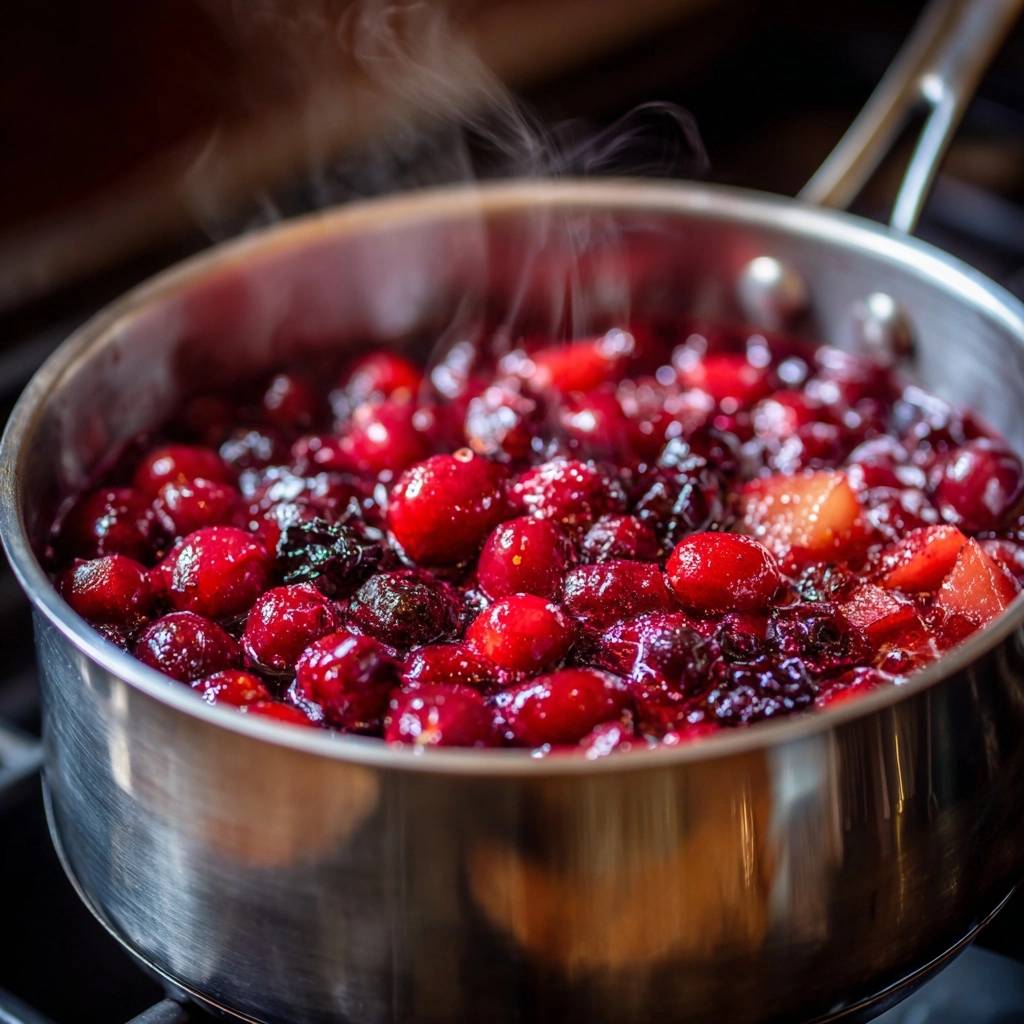
Imagine a vibrant, ruby-red sauce that sits proudly on your plate without leaking a watery mess into your mashed potatoes. You want a compote that offers a satisfying, jammy bite and a glossy sheen that catches the light. Most people settle for thin, soupy sauces, but you can achieve a rich, spreadable texture that feels truly gourmet.
This recipe focuses on the natural power of the fruit itself to create a thick consistency. By ditching artificial thickeners, you allow the bright tartness of the cranberries and the mellow sweetness of the apples to shine. It takes only 25 minutes from start to finish, providing a 110 kcal flavor boost that works for any occasion.
The secret to this perfect texture lies in the “Pop and Press” method. Instead of just boiling the fruit, you will actively release the natural pectin trapped inside the cranberry skins. This technique ensures a professional, syrupy finish that sets up beautifully as it cools, giving you total control over the final result.
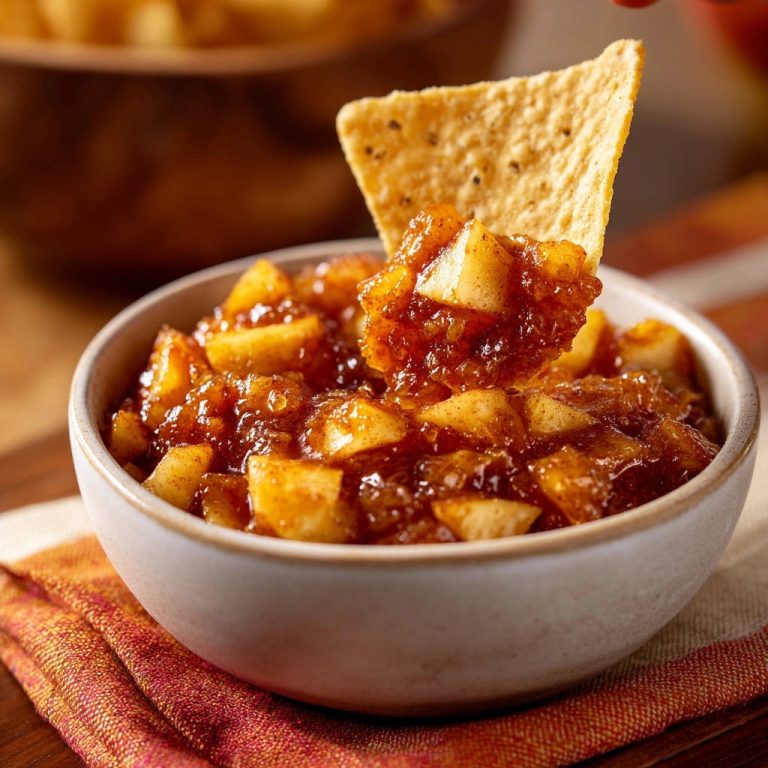
For a thicker, never-runny fruit topping, try this caramel apple dip as another dessert option.
The Chemistry of Natural Pectin Thickening
Cranberries are naturally packed with pectin, a complex carbohydrate found in the cell walls of fruits. When you heat these berries, the pectin chains break loose and begin to form a mesh-like structure. This mesh traps liquid, effectively turning a thin juice into a thick, spreadable gel without the need for cornstarch.
Sugar plays a vital role in this chemical reaction beyond just adding sweetness. It acts as a hygroscopic agent, which means it attracts and binds with water molecules. This process helps the pectin chains stay close together, stabilizing the “mesh” and ensuring your compote doesn’t separate or weep on the plate.
Heat is the final catalyst in this transformation. As the mixture simmers, the heat breaks down the fruit’s structure, allowing the pectin to escape. However, you must maintain a steady simmer rather than a violent boil to keep the pectin from breaking down too much, which would result in a loss of thickening power.
Why Evaporation Beats Thickening Agents
Using flour or cornstarch often results in a cloudy, dull appearance and a muted flavor profile. When you rely on evaporation, you are essentially concentrating the fruit’s natural juices. This creates a deep, intense flavor and a crystal-clear, jewel-toned finish that looks stunning on the table.
Simmering the compote uncovered is the most important step for moisture control. It allows steam to escape freely, reducing the volume of the liquid while intensifying the sugars. This reduction creates a natural syrup that coats the fruit perfectly, providing a much cleaner mouthfeel than starchy alternatives.
The uncovered pot approach is also key to keeping the texture right in this cranberry sausage stuffing.
Essential Components for Spiced Cranberry Apple Compote
Fresh whole cranberries are the star of the show here. While frozen berries work in a pinch, fresh ones typically have a firmer skin that provides a better “pop” and a more reliable pectin release. Look for berries that are deep red, firm to the touch, and bounce when dropped—a classic sign of freshness.
Honeycrisp apples are the ideal partner for the tart cranberries. They possess a unique cellular structure that allows them to hold their shape even after 15 minutes of simmering. This provides a wonderful textural contrast between the soft, broken-down berries and the tender, distinct chunks of sweet apple.
Granulated sugar is the standard choice for a clean, bright sweetness. However, you can use brown sugar if you want a deeper, molasses-like undertone. The key is ensuring the sugar is fully dissolved in the liquid before the fruit goes in, which prevents any gritty texture in the finished sauce.
Selecting the Right Orange Juice and Spices
Orange juice provides the necessary acidity to balance the aggressive tartness of the cranberries. It also adds a subtle citrus note that brightens the entire dish. If you have the time, freshly squeezed juice is always better, but a high-quality bottled juice without added pulp works perfectly well too.
The spice blend of cinnamon and cloves creates that classic, warming aroma we all love. Cinnamon provides a woody sweetness, while cloves add a pungent, spicy depth. Don’t skip the pinch of salt! Salt is a flavor enhancer that suppresses bitterness and makes the fruit flavors taste more like themselves.
Step-by-Step: Achieving the Perfect Jammy Texture
Start by combining your orange juice and sugar in a medium stainless steel saucepan. You want to stir this over medium heat until the liquid is clear and bubbling. This ensures the sugar is fully inverted, which leads to a smoother, glossier compote that won’t crystallize later.
Once the sugar is dissolved, tip in your cranberries, diced apples, and spices. You’ll notice the liquid doesn’t cover the fruit entirely at first, but don’t worry. As the fruit heats up, it will release its own juices, creating plenty of liquid for the simmering process.
Keep the heat at a steady medium-low. You want to see small, consistent bubbles breaking the surface. If the heat is too high, the liquid will evaporate before the apples have a chance to soften. If it’s too low, the cranberries won’t pop, and the pectin won’t be released.
The “Pop and Press” Technique
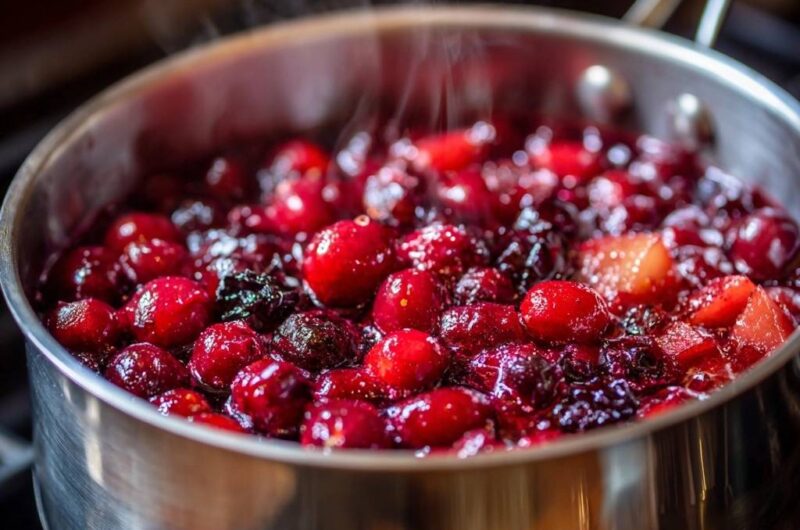
After a few minutes of simmering, you will hear a distinct “pop-pop-pop” sound. This is the sound of the cranberry skins bursting under the heat. This is your cue to get involved. Use the back of a wooden spoon to gently mash about a third of the berries against the side of the pot.
This manual intervention is the secret to a thick sauce. By crushing some of the berries, you are physically forcing the pectin into the syrup. The remaining two-thirds of the berries should stay whole, providing that beautiful, rustic look and a burst of texture in every spoonful.
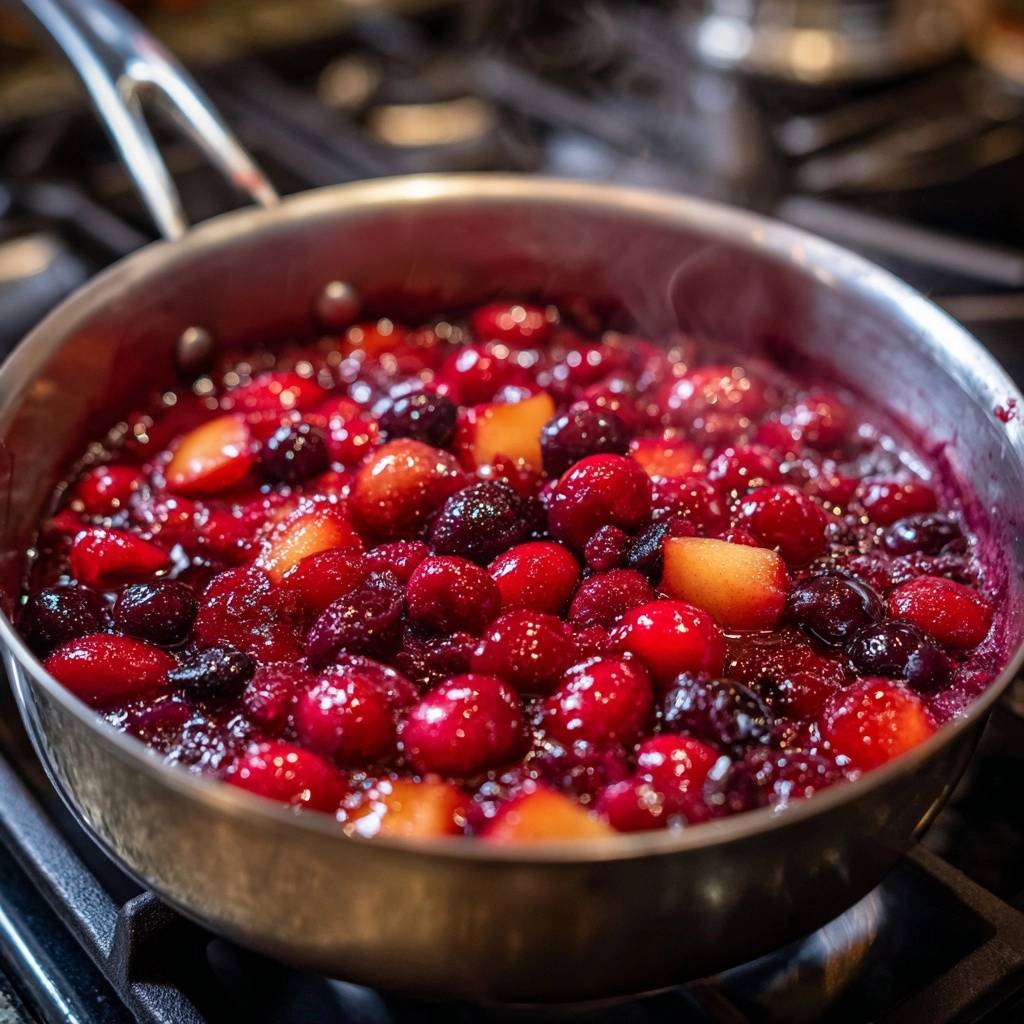
Continue to stir occasionally to prevent the sugar from scorching on the bottom. You will see the liquid start to change from a thin, watery juice into a thicker, more viscous syrup. The color will also deepen into a rich, dark crimson as the pigments from the skins bleed into the sauce.
Visual Cues for the Ideal Reduction
You are looking for the “nappe” stage, a French culinary term for a sauce that is thick enough to coat the back of a spoon. Dip your spoon into the compote and run your finger through the coating. If the line stays clean and the sauce doesn’t run back into the gap, it’s ready.
The fruit itself should look glossy and slightly translucent. The apples will be tender but should still look like distinct cubes rather than mush. If the sauce looks a little thinner than you’d like, remember that it will thicken significantly as it cools down to room temperature.
Remove the pan from the heat immediately once you reach this stage. Over-cooking the compote can actually cause the pectin to break down again, making the sauce thin out. It can also cause the sugars to caramelize too much, which might introduce a bitter burnt note to the fruit.
Avoiding Common Compote Mistakes
One of the biggest mistakes is covering the pot. While it might seem like a good way to speed things up, it traps all the moisture inside. This leads to a watery sauce that never quite reaches that jammy consistency. Always leave the lid off to let the steam escape.
If your compote tastes too tart, don’t panic and dump in a cup of sugar. Add sugar one tablespoon at a time while the sauce is still warm, stirring well and tasting after each addition. The tartness of cranberries can vary wildly between batches, so seasoning by taste is essential.
If your apples are softening too quickly, your dice might be too small. Aim for half-inch chunks to ensure they survive the simmering process. If they are already getting mushy, turn the heat down and finish the reduction more slowly to preserve what’s left of their structure.
Temperature Control and Pot Selection
Always use a stainless steel or enamel-coated pot for this recipe. Aluminum is a reactive metal that can interact with the high acidity of the cranberries and orange juice. This can lead to a metallic taste and can even turn your beautiful red sauce a dull, unappetizing grey color.
The width of your pot also matters. A wider saucepan provides more surface area, which speeds up the evaporation process. If you use a very narrow, deep pot, the liquid will take much longer to reduce, which might result in the fruit overcooking before the sauce is thick enough.
Watch the edges of the pot closely. Sugar tends to build up and caramelize around the rim as the liquid level drops. Use a damp spatula to occasionally wipe down the sides of the pan. This prevents burnt sugar flakes from falling back into your pristine compote.
Flavor Variations and Ingredient Swaps
While granulated sugar is the standard, you can swap it for maple syrup for a more autumnal, earthy flavor. Honey is another great option, though it adds its own distinct floral notes. If you use liquid sweeteners, you may need to simmer the sauce for an extra 2 to 3 minutes to account for the added moisture.
For a more complex spice profile, try adding a star anise pod or a teaspoon of freshly grated ginger during the simmering process. The ginger adds a subtle heat that cuts through the sweetness beautifully. Just remember to fish out the star anise before serving so no one gets a woody surprise.
If you want a brighter citrus punch, stir in a tablespoon of fresh orange zest right after you take the pot off the heat. Adding the zest at the end preserves the volatile oils, giving the compote a fresh, aromatic lift that balances the cooked fruit flavors.
What to Serve with Spiced Cranberry Apple Compote
This compote is far more versatile than just a side for turkey. It pairs exceptionally well with roasted chicken or even a seared duck breast. The acidity of the berries cuts through the richness of the meat, providing a balanced bite that keeps you coming back for more.
For breakfast, try swirling a spoonful into warm steel-cut oats or layering it with Greek yogurt and granola. It also makes a fantastic topping for sourdough pancakes. The thick, jammy texture stays put on top of the food rather than soaking in and making everything soggy.
On a cheese board, this compote is a total showstopper. It pairs beautifully with a sharp, aged cheddar or a creamy, triple-cream brie. The combination of the tart fruit and the salty, fatty cheese is a classic pairing that guests always gravitate toward at parties.
What to Make with Your Spiced Cranberry Apple Compote
That thick, no-runny compote works just as well tucked inside a pie or spooned over a buttery crust. Here are two recipes that put it to good use.
- Bake a Deep Dish Cranberry Apple Crumble Pie using the compote as the filling for a sturdy, sliceable dessert.
- Fold the compote into
Make-Ahead Strategies and Storage Solutions
This is the ultimate make-ahead dish because the flavor actually improves after a day or two in the fridge. As it sits, the spices have more time to permeate the fruit, and the pectin structure fully sets. You can store it in an airtight glass jar for up to 10 days.
If you want to freeze it, this compote handles the cold very well. Place it in a freezer-safe container, leaving about half an inch of headspace for expansion. It will stay fresh for up to 3 months. Thaw it overnight in the refrigerator before you plan to use it.
To reheat, place the compote in a small saucepan over low heat. Add a tiny splash of orange juice or water if it seems too thick. Stir gently just until it’s warmed through. Avoid overheating it, as you want to maintain that glossy finish and the integrity of the apple chunks.
Expert Tips for a Professional Finish
Always account for “carry-over” thickening. When the compote is hot, it will look slightly looser than it will at room temperature. If you cook it until it’s the exact thickness you want while it’s still on the stove, it will likely turn into a solid block of jelly once it cools down.
For a beautiful presentation, garnish the serving bowl with a few sprigs of fresh rosemary or thyme. The green needles provide a stunning visual contrast against the deep red berries. The herbal scent also complements the warm spices in the sauce without overpowering them.
If you want a truly clear, jewel-like sauce, avoid over-stirring. Every time you stir, you break down more of the fruit fibers, which can make the liquid look cloudy. Stir just enough to ensure nothing sticks to the bottom, and let the heat do the rest of the work.
Scaling the Recipe for Large Crowds
When doubling or tripling this recipe for a big holiday gathering, you must use a much larger pan. If you crowd too much fruit into a small pot, the steam can’t escape efficiently. This will significantly increase your cook time and might lead to mushy fruit.
A wide Dutch oven or a large sauté pan is perfect for big batches. The increased surface area ensures that even a triple batch can reduce and thicken in roughly the same 15 to 20 minutes. Keep a close eye on the “pop and press” stage, as you’ll have many more berries to manage.
Troubleshooting Your Compote
Can I use frozen cranberries for this recipe?
Yes, you can absolutely use frozen cranberries. You don’t even need to thaw them first. Just add them directly to the sugar and juice mixture. Keep in mind that frozen berries release more moisture, so you may need to simmer the sauce for an additional 3 to 5 minutes to reach the desired thickness.
Why is my sauce still runny after 15 minutes of simmering?
If your sauce is still thin, it’s usually due to one of two things: the heat is too low or the pan is too narrow. Increase the heat slightly to encourage more evaporation. You can also try pressing a few more berries against the side of the pot to release extra pectin, which should help it set up faster.
Is this recipe too sweet or too tart?
This recipe is designed to be “sweet-tart,” but everyone’s palate is different. If it’s too tart, stir in an extra tablespoon of sugar while it’s hot. If it’s too sweet, add a squeeze of fresh lemon juice or a teaspoon of apple cider vinegar. The extra acid will cut through the sugar and balance the flavors.
Can I use different apple varieties like Granny Smith?
You can use Granny Smith apples if you prefer a very tart compote. They hold their shape well, much like Honeycrisp. Avoid softer apples like McIntosh or Red Delicious, as they tend to disintegrate into applesauce during the simmering process, which will ruin the chunky texture of the dish.
How do I fix a sauce that tastes slightly bitter?
Bitterness usually comes from the cranberry skins or over-toasted spices. To fix this, add a tiny pinch of salt; salt is chemically proven to block bitter receptors on your tongue. Alternatively, stirring in a small pat of butter at the very end can help coat the palate and mellow out any harsh notes.
Cranberry Apple Compote
Course: Side DishCuisine: AmericanDifficulty: easyYields8
servingsPrep Time10
minutesCook Time15
minutesCalories110
kcalTotal Time25
MinutesThis recipe solves the problem of watery cranberry sauce by using a specific simmering method and fresh apples to create a rich, glossy, and thick texture that holds its shape.
Ingredients
12 ounces fresh whole cranberries
2 medium Honeycrisp apples, peeled and diced small
1 cup granulated sugar
1/2 cup orange juice
1/2 teaspoon ground cinnamon
1/4 teaspoon ground cloves
1 pinch of salt
Directions
- Combine the orange juice and sugar in a medium stainless steel saucepan over medium heat. Stir until the sugar is completely dissolved and the liquid begins to bubble.
- Add the fresh cranberries, diced apples, cinnamon, cloves, and salt to the pan.
- To solve the watery sauce problem, do not cover the pot. Simmer the mixture uncovered over medium-low heat. This allows excess moisture to evaporate while the fruit breaks down.
- Listen for the cranberries to pop. Once they start popping, use the back of a wooden spoon to gently press about one-third of the berries against the side of the pot. This releases the natural pectin, which acts as a powerful thickener.
- Continue to simmer for 10 to 12 minutes. You will know it is ready when the liquid transforms from a thin juice into a thick, syrupy glaze that coats the back of a spoon and the fruit appears glossy and translucent.
- Remove from heat. The sauce will continue to set and thicken significantly as it cools. Serve warm or chilled for the perfect non-runny consistency.
Notes
- Do not cover the pot while simmering to allow moisture to evaporate. The sauce thickens significantly as it cools.