Mastering the Deep Dish Bacon and Leek Quiche
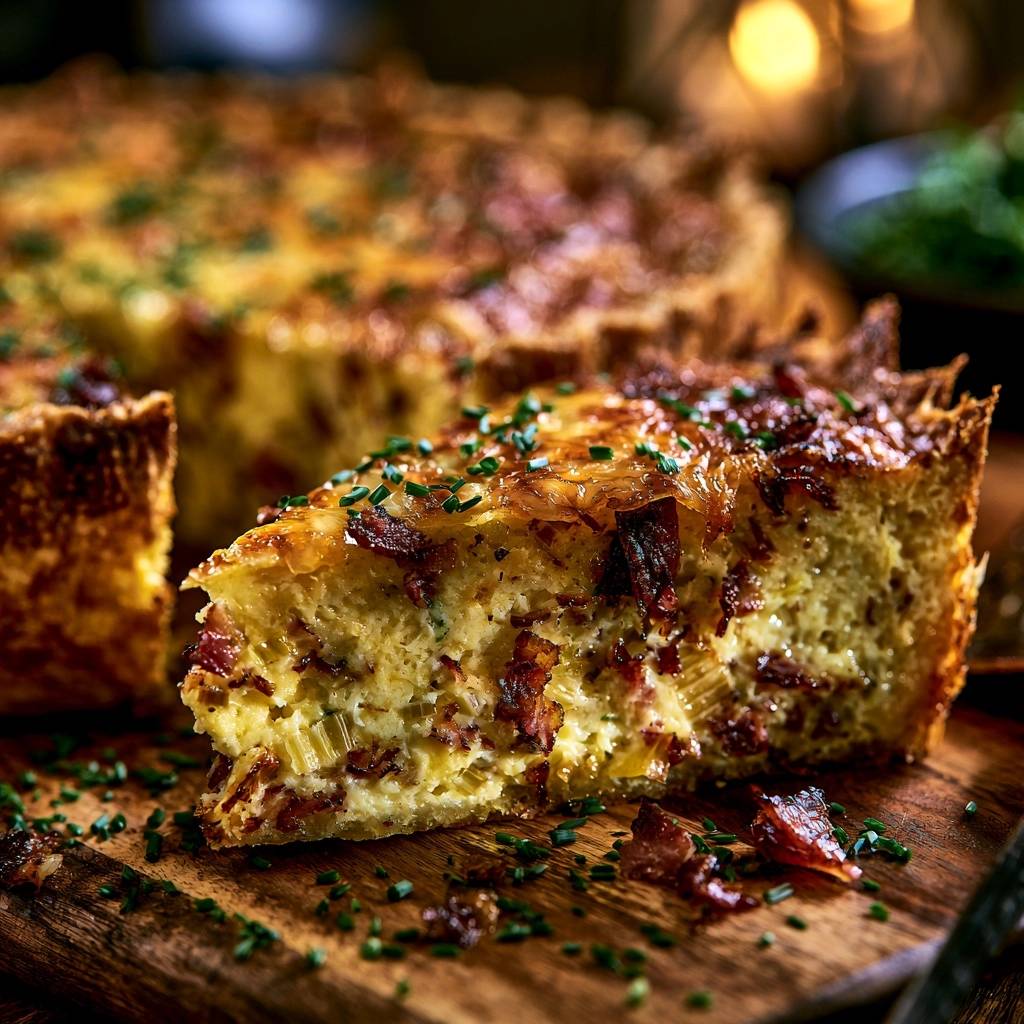
Nothing ruins a beautiful brunch faster than a wet, doughy crust that collapses under its own weight. We have all been there, staring at a soggy bottom that simply cannot support the rich filling it was meant to hold. This Deep Dish Bacon and Leek Quiche solves that heartbreak by using a specific blind-baking and egg-wash sealing technique to ensure your crust stays shatteringly crisp.
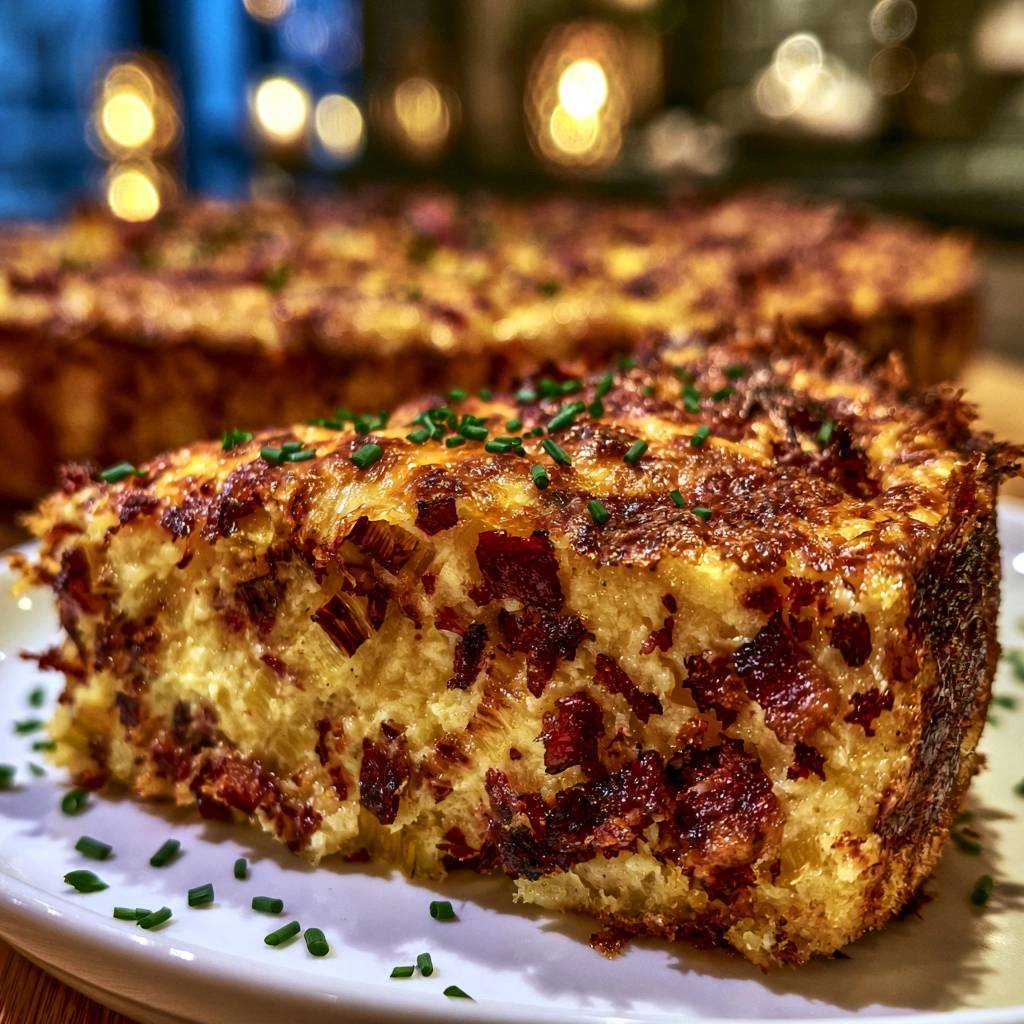
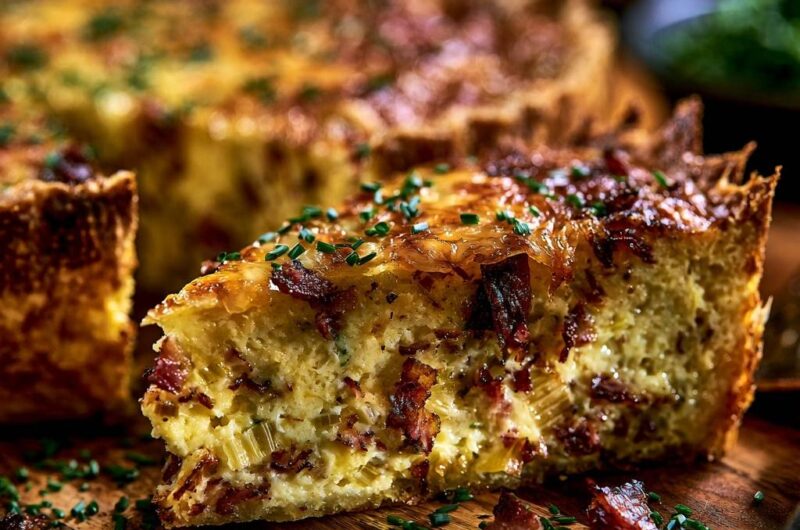
A true deep-dish quiche is a different beast than your standard thin tart. It demands a massive custard-to-crust ratio, standing nearly two inches tall with a structural integrity that allows for clean, vertical slices. The flavor profile is a sophisticated balance of smoky bacon, earthy leeks, and buttery pastry that feels incredibly indulgent.
The secret to this success lies in the “waterproofing” step. By brushing the par-baked crust with a thin layer of egg white, you create a protein barrier that prevents the liquid custard from migrating into the dough. This ensures that every bite, from the golden top to the very bottom, maintains a distinct, crunchy texture that contrasts perfectly with the silky center.
The Structural Anatomy of a Deep Dish Quiche
When you are dealing with a massive volume of custard, physics becomes your biggest challenge in the kitchen. A standard shallow pie plate simply won’t cut it for this recipe because it lacks the vertical walls needed to contain eight eggs and two cups of heavy cream. You need the height to create that signature “wobble” and the impressive presentation of a thick, cafe-style slice.
Therefore, you must use a deep-dish tart pan with a removable bottom or a 9-inch springform pan. These tools provide the necessary support for the tall sides of the pastry. Without these vertical walls, the weight of the heavy custard would cause the crust to slump or overflow, resulting in a messy, uneven bake that lacks the elegance of a professional quiche.
Why We Use Heavy Cream Over Milk
The science of a perfect custard comes down to fat content. While some recipes call for milk or half-and-half, heavy cream is the superior choice for a deep-dish bake because it prevents curdling. The high fat molecules wrap around the egg proteins, slowing down their coagulation and creating a silky, “set” texture that holds its shape firmly when sliced.
If you use milk, you risk the quiche “weeping” or releasing water as it cools, which leads to a grainy mouthfeel. Heavy cream ensures the filling remains stable and rich. It provides a luxurious mouthfeel that transforms a simple egg dish into a centerpiece-worthy meal.
Essential Components for the Bacon and Leek Filling
Quality ingredients are the backbone of this savory tart. I always recommend using thick-cut bacon because it retains its chew and smoky presence even after being submerged in the custard. Thin bacon tends to disappear into the background, whereas thick chunks provide a salty, meaty pop in every single forkful.
For the cheese, Gruyère is the gold standard for its nutty, sophisticated melting properties. However, a sharp white cheddar works beautifully if you want a bit more tang. Both options provide the necessary acidic bite to cut through the intense richness of the heavy cream and eggs, ensuring the dish feels balanced rather than overly heavy.
Selecting and Cleaning Leeks Properly
Leeks add a wonderful, mild onion sweetness, but they are notoriously sandy because of how they grow in the soil. To clean them, slice the leeks first, then submerge the rings in a bowl of cold water, swishing them around to let the grit sink to the bottom. Lift the clean leeks out of the water rather than pouring them into a colander, which would just dump the sand back on top.
Stick strictly to the white and light green parts of the stalk. The dark green tops are far too fibrous and tough for a delicate custard. When you sauté the tender parts, they melt into the filling, providing a soft, jammy texture that complements the crispy bacon perfectly.
The Role of Nutmeg and Chives
Nutmeg is the “hidden” hero of French dairy dishes. You only need a tiny pinch, but it works behind the scenes to enhance the natural sweetness of the cream and eggs. It doesn’t make the quiche taste like a holiday dessert; instead, it adds a subtle warmth and depth that makes people wonder why your recipe tastes so much better than others.
Fresh chives provide the necessary visual and flavor contrast. Their bright, oniony snap cuts through the fat of the bacon and cheese. By adding half to the custard and saving the rest for a fresh garnish, you ensure the dish looks as vibrant as it tastes.
The Waterproofing Method: Eliminating Soggy Crusts
The “Egg White Seal” is a non-negotiable step for any high-quality quiche. After your initial blind bake, you brush a thin layer of beaten egg white over the hot crust and pop it back in the oven for a few minutes. The heat causes the proteins in the egg white to coagulate instantly, forming a literal waterproof shield over the pastry.
This barrier is what stands between you and a soggy mess. It prevents the liquid from the eggs and leeks from soaking into the dough during the long baking process. Even if you have leftovers the next day, the crust will remain firm and crisp rather than turning into a damp sponge.
Blind Baking with Precision
When blind baking a deep-dish crust, you must fill your parchment paper to the very brim with pie weights or dried beans. Because the sides of this quiche are so tall, the dough has a natural tendency to slide down the walls of the pan as the butter melts. The weight of the beans provides the physical pressure needed to keep those walls standing tall and straight.
I prefer not to “dock” or prick the bottom of the crust with a fork for this specific recipe. While docking prevents air bubbles, it also creates tiny holes where the custard could potentially leak through. By using plenty of weights and the egg white seal, you get a perfectly flat, leak-proof base every time.
Step-by-Step: Constructing the Deep Dish Bacon and Leek Quiche
Start by rendering your bacon in a cold skillet, then turning the heat to medium. This slow start allows the fat to melt away, leaving you with shatteringly crisp bits that won’t turn flabby inside the custard. Once the bacon is done, remove it with a slotted spoon, but keep that liquid gold in the pan for the next step.
Sauté your cleaned leeks in the reserved bacon fat over medium-low heat. You aren’t looking for a hard sear or brown edges here. You want them to become translucent, soft, and slightly caramelized, which takes about 8 to 10 minutes. This slow cook develops their natural sugars, providing a sweet counterpoint to the salty bacon.
Aerating the Custard Base
When you combine your eggs and cream, don’t just give them a quick stir. Whisk the mixture vigorously for at least one full minute. You are looking to incorporate air into the liquid, which results in a lighter, almost soufflé-like lift once it hits the oven.
If you under-whisk, the custard can become dense and rubbery. Proper aeration ensures that the final texture is pillowy and delicate. This contrast between the light filling and the crunchy crust is what makes a deep-dish quiche so satisfying to eat.
Layering for Visual and Textural Impact
Assembly is all about strategy. Place half of your shredded cheese directly on the bottom of the crust to act as a secondary moisture barrier. Then, layer in the leeks and most of the bacon. When you pour the egg mixture, do it slowly to allow the liquid to seep into every nook and cranny without creating large air pockets.
Save a handful of bacon and cheese for the very top. This ensures that the bacon stays exposed to the dry heat of the oven, keeping it crunchy. It also creates a beautiful, golden-brown crust on the surface that looks incredibly appetizing when you pull it out of the oven.
Thermal Management: The Low and Slow Bake
Once the quiche is assembled, you must drop the oven temperature to 325°F. A deep-dish custard is thick, and if the oven is too hot, the outside will overcook and become tough before the center even begins to set. Low heat allows the heat to penetrate the middle of the dish gently and evenly.
You will know it is done when the edges are slightly puffed and golden, but the center still has a uniform jiggle. It shouldn’t look like liquid sloshing around, but rather like a firm gelatin. This jiggle indicates that the eggs are set but still moist, ensuring a creamy texture once cooled.
The Critical Importance of the Resting Period
Resist the urge to slice into the quiche the moment it leaves the oven. A deep-dish quiche requires at least 20 minutes of resting time to finish its carry-over cooking. During this period, the fats and proteins solidify, allowing the custard to fully set into a stable structure.
If you cut it too early, the custard will “bleed” out onto the plate, and your beautiful vertical edges will slump. Patience is rewarded with a clean, professional-looking slice that holds its shape perfectly. This resting time also allows the flavors to meld and deepen before you take your first bite.
Troubleshooting Common Quiche Failures
If your crust shrunk down the sides of the pan, it usually means the dough wasn’t chilled long enough before baking. Always make sure your pastry is ice-cold when it hits the oven to help the gluten stay relaxed. If the top is browning too fast while the center is still liquid, simply tent the pan loosely with aluminum foil to protect the surface.
A grainy custard is often the result of too much heat or over-whisking the eggs until they become foamy. Stick to the 325°F temperature for a smooth result. Finally, if your bacon all sank to the bottom, try the layering technique mentioned earlier, ensuring you save some to sprinkle on top after the liquid has been poured.
Optimal Pairings for a Rich Savory Tart
Because this quiche is incredibly rich and buttery, you want to pair it with something bright and acidic. A simple frisée salad tossed in a sharp lemon vinaigrette is the perfect companion. The bitter greens and citrus dressing cut right through the heavy cream and bacon fat, refreshing your palate between bites.
Roasted asparagus or a light tomato salad also work well. Avoid serving this with heavy starches like fried potatoes or thick toast, as the quiche itself is quite filling. Focus on crunch and acidity to keep the meal feeling balanced and sophisticated.
Make-Ahead Strategies and Storage
You can easily par-bake and seal the crust a day in advance to save time on the morning of your event. Just keep the sealed crust at room temperature and prepare the filling when you are ready to bake. This ensures the freshest possible texture for the custard while spreading out the labor.
Store any leftovers in an airtight container in the refrigerator for up to three days. When reheating, use the oven at 300°F rather than the microwave. The oven will help recrisp the crust, whereas the microwave will make the eggs rubbery and the pastry soft. Freezing is possible, but be aware that the custard may lose a bit of its silkiness upon thawing.
How do I store leftovers and does it freeze well?
Store any leftover quiche in an airtight container in the refrigerator for up to 3 days. For the best texture, reheat slices in a 300°F oven for 10 to 15 minutes until warmed through; this helps maintain the crispness of the crust. While you can freeze quiche for up to 2 months, the custard texture may become slightly more porous or grainy upon thawing, so it is best enjoyed fresh.
Why is my quiche watery or weeping at the bottom?
Watery quiche usually happens for two reasons: undercooked eggs or watery vegetables. Ensure you sauté the leeks until their moisture has evaporated and they are soft. Additionally, using heavy cream instead of milk provides a more stable emulsion that is less likely to release water. If the center is underbaked, the proteins haven’t fully bonded, leading to a “weeping” effect as it sits.
Can I use a different type of cheese or meat?
Absolutely. While Gruyère and bacon are classic, you can substitute sharp white cheddar, Swiss, or even fontina for the cheese. If you want to swap the bacon, smoked turkey strips or even sautéed mushrooms work well. Just ensure any meat or vegetable substitute is fully cooked and drained of excess moisture before adding it to the custard to prevent a soggy result.
What is the best way to prevent the crust from shrinking?
Crust shrinkage occurs when the gluten in the flour is overworked or the fat gets too warm before baking. To prevent this, let your dough rest in the fridge for at least 30 minutes after rolling it out and fitting it into the pan. When blind baking, ensure you use enough pie weights to support the sides all the way to the top edge, which physically prevents the dough from sliding down.
Can I make this recipe gluten-free?
Yes, you can substitute the standard pie crust for a high-quality gluten-free pastry crust. Since gluten-free dough can be more brittle, be extra careful when fitting it into the deep-dish pan. The filling itself (eggs, cream, bacon, leeks, and cheese) is naturally gluten-free, so no changes are needed for the custard or the flavoring components.
Why did my custard turn out rubbery instead of silky?
A rubbery texture is almost always a sign of overcooking or baking at too high a temperature. When eggs are exposed to high heat for too long, the protein bonds tighten and squeeze out moisture, resulting in a tough, bouncy texture. Always use a lower oven temperature (325°F) for deep-dish recipes and pull the quiche out while the center still has a slight jiggle.
Deep Dish Bacon and Leek Quiche
Course: Main CourseCuisine: French-AmericanDifficulty: easy8
servings25
minutes1
hour60
Minutes480
kcalFrench-American
Ingredients
1 deep dish pie crust (homemade or high-quality store-bought)
10 slices thick-cut bacon, chopped
3 large leeks, white and light green parts only, thinly sliced
2 cups shredded Gruyere or sharp white cheddar cheese
8 large eggs
2 cups heavy cream
0.5 teaspoon salt
0.5 teaspoon black pepper
0.25 teaspoon ground nutmeg
3 tablespoons fresh chives, finely chopped
1 egg white (for sealing the crust)
Directions
- Preheat your oven to 375°F (190°C). Fit your pie crust into a deep-dish tart pan with a removable bottom or a deep 9-inch springform pan to achieve the tall, vertical sides shown in the image.
- To prevent a soggy bottom, line the crust with parchment paper and fill to the brim with pie weights or dried beans. Bake for 15 minutes. Remove the weights and paper, brush the bottom and sides thoroughly with a thin layer of beaten egg white, and bake for another 8 minutes until the crust is golden and the egg wash has set into a waterproof seal.
- While the crust bakes, fry the chopped bacon in a large skillet over medium heat until very crispy. Remove the bacon with a slotted spoon and drain on paper towels.
- Discard all but 2 tablespoons of bacon fat from the skillet. Add the sliced leeks and sauté for 8 to 10 minutes over medium-low heat until soft, sweet, and slightly caramelized.
- In a large bowl, whisk together the 8 eggs, heavy cream, salt, pepper, and nutmeg. Whisk vigorously for 1 minute to ensure the custard is aerated and smooth.
- To assemble, place half of the shredded cheese at the bottom of the crust. Layer in all of the sautéed leeks and 3/4 of the crispy bacon. Pour the egg mixture slowly over the fillings.
- Top with the remaining cheese and the remaining bacon bits to ensure they stay visible and crispy on the surface. Sprinkle half of the fresh chives on top before baking.
- Lower the oven temperature to 325°F (160°C). Place the quiche on a baking sheet and bake for 50 to 60 minutes. Because of the depth, a lower temperature for a longer time ensures the center sets without the top burning. The quiche is done when the edges are puffed and golden, and the center has a slight, uniform jiggle.
- Allow the quiche to rest for at least 20 minutes before removing from the pan and slicing. This resting period is crucial for the deep custard to set properly. Garnish with the remaining fresh chives before serving.
Notes
- Allow the quiche to rest for at least 20 minutes before slicing to ensure the deep custard sets properly. Use a springform pan for tall, vertical sides.