Mastering Cajun Shrimp and Sausage Creole: The Secret to Tender Seafood
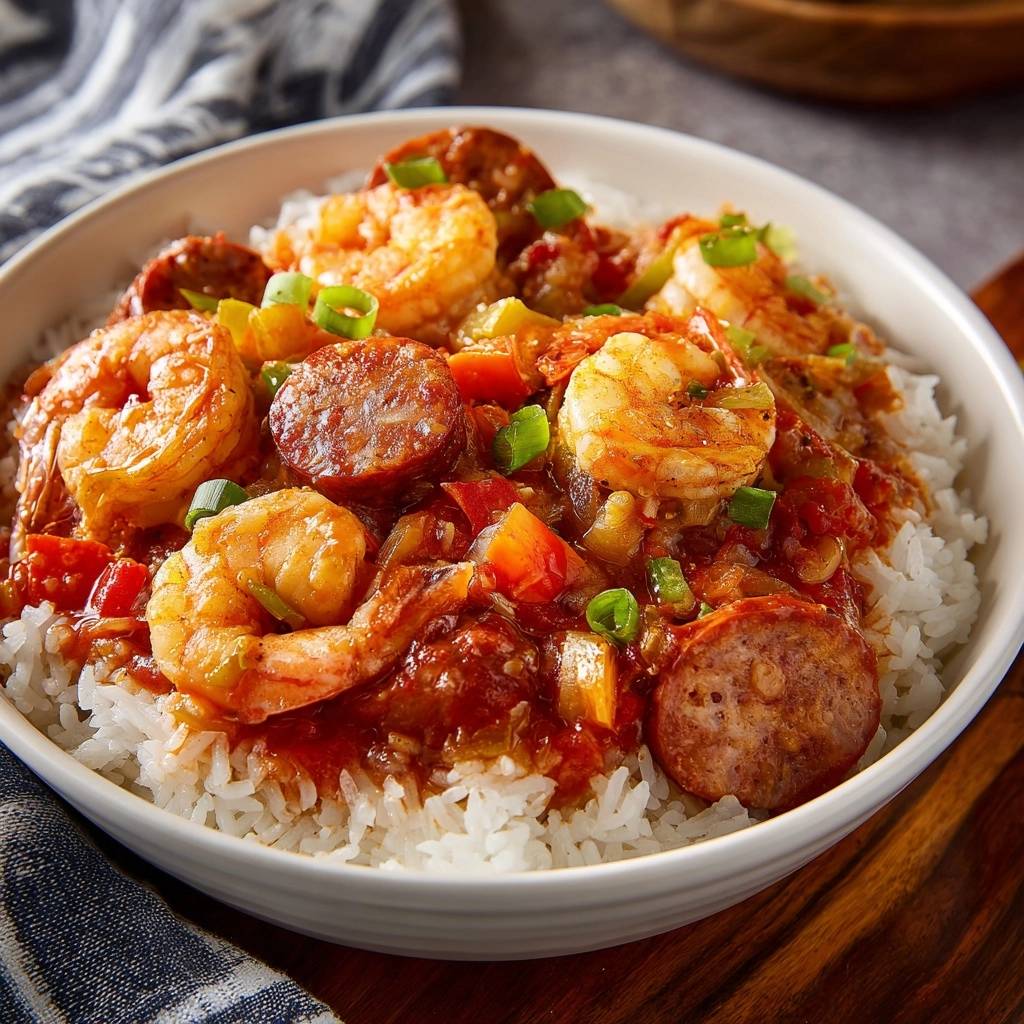
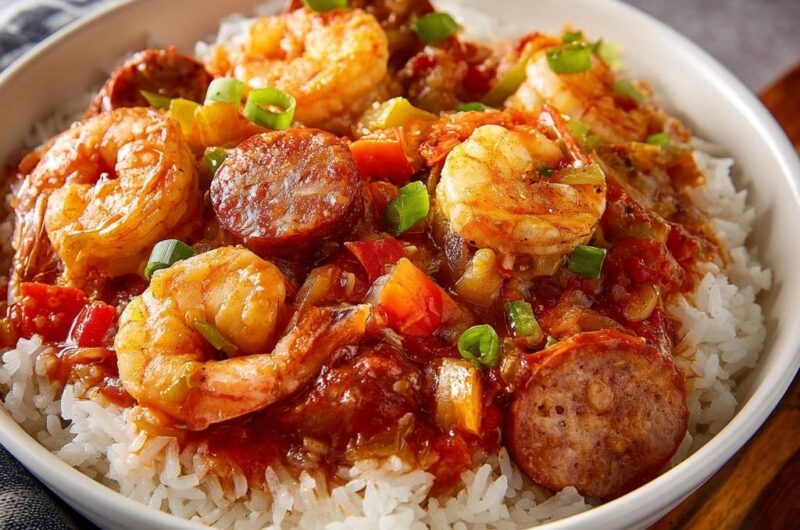
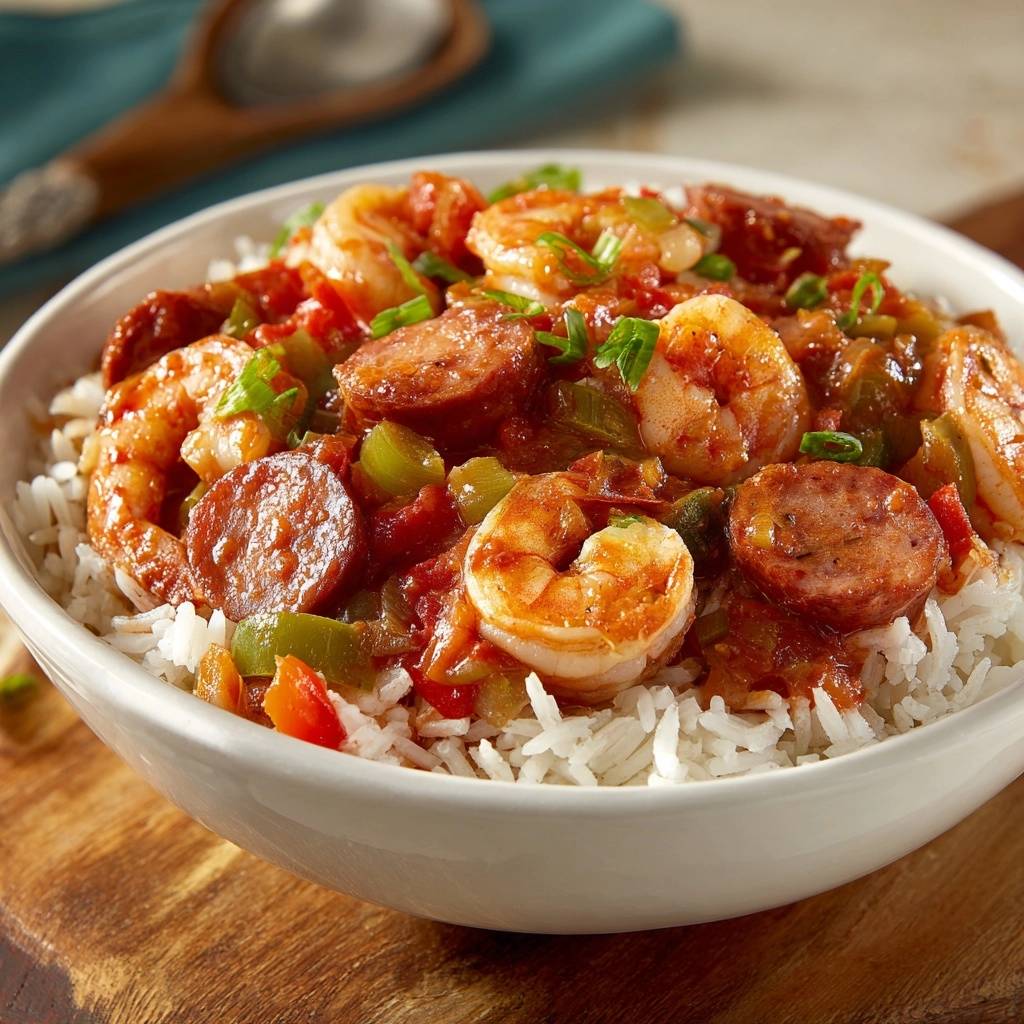
Imagine a bowl filled with a rich, ruby-red sauce that smells of toasted spices, sweet peppers, and smoky heat. You take a bite, and the shrimp snaps perfectly between your teeth, releasing a sweet, briny juice that mingles with the savory depth of the sauce. This is the ultimate Cajun Shrimp and Sausage Creole experience, but for many home cooks, the reality is often a bowl of rubbery, overcooked seafood swimming in a thin, acidic broth.
The frustration of tough shrimp is real, but it’s also entirely avoidable. Most recipes tell you to simmer everything together for far too long, which effectively turns your expensive seafood into pencil erasers. By using a staggered-heat method, we ensure the sauce has hours of “simmered-all-day” flavor while the shrimp only hits the heat for a few precise minutes. This keeps the proteins succulent and the textures distinct.
You might wonder what sets a Creole apart from its cousin, the Jambalaya. It really comes down to the tomatoes. While Cajun cooking often relies on dark, nutty roux, Creole dishes embrace the bright acidity and body of tomatoes. My secret for the best texture is watching the shape of the shrimp; once they curl into a “C,” they’re done. If they tighten into an “O,” you’ve gone too far. Let’s dive into how to master this balance.
The Holy Trinity and Beyond: Essential Ingredients
Every great Louisiana dish starts with the “Holy Trinity.” This foundational mix consists of onions, celery, and green bell peppers. In this Cajun Shrimp and Sausage Creole, we use a 2:1:1 ratio to ensure the sweetness of the onion balances the earthy crunch of the celery and the sharp bite of the pepper. Adding a red bell pepper isn’t just for a pop of color; it adds a subtle sweetness that rounds out the heat.
The choice of tomatoes is equally vital for the sauce’s soul. I always reach for fire-roasted crushed tomatoes rather than standard diced ones. The fire-roasting process adds a charred, smoky undertone that mimics a long time spent over an open flame. This depth is essential because it provides a complex backdrop for the spices to shine without tasting like plain canned tomato sauce.
If you enjoy building layers of flavor with fire-roasted tomatoes, you’ll love this tomato seafood stew with mussels and shrimp.
Finally, don’t overlook the Worcestershire sauce. It acts as a savory anchor, providing that “umami” punch that ties the seafood and meat together. It bridges the gap between the bright acidity of the tomatoes and the heavy smoke of the sausage, creating a cohesive flavor profile that tastes professional and polished.
Selecting the Best Shrimp and Sausage
When you’re at the seafood counter, look for large shrimp, specifically U-15 or 16/20 counts. These numbers tell you how many shrimp make up a pound; larger shrimp are much more forgiving in a hot sauce and won’t overcook as quickly as tiny salad shrimp. I highly recommend leaving the tails on during the cooking process. The shells in the tail add a boost of calcium and deep seafood flavor to the sauce as it simmers, and they look beautiful on the plate.
Since we are keeping this recipe pork-free, the choice of sausage is paramount. Look for a high-quality beef or turkey-based Andouille. You want a link that has a firm “snap” when you bite into it and a heavy smoke profile. If you can’t find a beef Andouille, a well-spiced smoked beef sausage works beautifully. The goal is to find a protein that can stand up to the bold Cajun spices without disappearing into the sauce.
The Spice Cabinet: Balancing Heat and Smoke
A standard store-bought Cajun seasoning is a great start, but we want to customize it for maximum impact. I always add an extra teaspoon of dried thyme and a half-teaspoon of smoked paprika. The thyme adds a floral, earthy note that cuts through the richness, while the smoked paprika reinforces that “outdoor kitchen” aroma we love in Gulf Coast cooking.
The most important part of using these spices is “blooming” them. Instead of just dumping them into the liquid, you stir them into the hot oil and vegetables for about a minute. This heat releases the fat-soluble compounds in the spices, intensifying their flavor and ensuring the heat is distributed evenly throughout the entire dish rather than sitting in clumps.
The Science of the Sear: Building a Flavor Base
Flavor isn’t just about ingredients; it’s about chemistry. When you toss your sliced sausage into the hot olive oil, you’re looking for the Maillard reaction. This is the browning that happens when proteins and sugars are exposed to high heat. You want those edges to be dark and slightly crisp because that’s where the concentrated savory flavor lives. Don’t rush this step; let the sausage develop a crust.
As the sausage sears, it will leave behind brown bits on the bottom of your pan. This is called “fond,” and it is culinary gold. When you add your diced vegetables, their natural moisture will help release those bits. As you stir the Trinity, use your wooden spoon to scrape the bottom of the pan. This incorporates all that rendered fat and caramelized meat flavor directly into your vegetables, creating a massive head start on flavor.
Heat management is crucial once you add the garlic. Garlic has a much lower burning point than onions or peppers. If you burn the garlic, it turns bitter and can ruin the entire pot. Only add the minced garlic during the last minute of sautéing the vegetables. You just want it to become fragrant and soft before you hit the pan with your liquid ingredients to stop the browning process.
Step-by-Step: Crafting the Perfect Creole Sauce
Once your vegetables are soft and your spices are bloomed, it’s time to build the body of the sauce. Pouring in the chicken broth and crushed tomatoes deglazes the pan completely. This transition from a dry sauté to a wet simmer is where the magic happens. The liquid picks up every last bit of seasoning and vegetable essence, turning it into a cohesive, bubbling base.
You must let the sauce simmer for at least 10 to 12 minutes before adding the seafood. This isn’t just about thickening; it’s about removing the “tinny” or metallic edge that canned tomatoes often have. As the sauce bubbles on low heat, the sugars in the tomatoes caramelize slightly, and the harsh acidity mellows out. You’ll notice the color shift from a bright, raw red to a deeper, brick-like hue.
Achieving the Signature Glossy Finish
Right before you bring the proteins back to the party, stir in a single tablespoon of butter. This might seem like a small addition, but it’s a classic chef’s trick for a reason. The fat in the butter emulsifies with the tomato acidity, creating a sauce that is silky and glossy rather than watery. It coats the back of a spoon beautifully and gives the dish a luxurious mouthfeel.
This butter also helps to “round off” the sharp edges of the Cajun heat. If your seasoning blend is particularly spicy, the dairy fat acts as a buffer, allowing you to taste the complexity of the peppers and herbs without your palate being overwhelmed by pure fire. It transforms a simple home-cooked stew into something that feels like it came out of a high-end French Quarter kitchen.
The Critical Fix: Timing Your Shrimp for Maximum Tenderness
This is the most important part of the recipe. To keep your shrimp tender, you must treat them with care. When you add the raw shrimp back into the simmering sauce, you are essentially poaching them. Turn the heat down to medium-low. You don’t want a rolling boil; a gentle simmer is all you need to cook the shrimp through without toughening the muscle fibers.
Watch the shrimp closely. They will start to turn from translucent gray to an opaque pink. As soon as they curl into a “C” shape, they are perfectly cooked. If they continue to cook until they form a tight “O” or a circle, they will be dry and rubbery. This usually takes only 3 to 4 minutes. The moment you see that “C” shape, pull the pan off the heat entirely.
Remember the concept of residual heat. Even after you turn off the stove, the sauce is still incredibly hot. The shrimp will continue to cook for another minute just sitting in the pan. By pulling them off the burner slightly “early,” you ensure that by the time the bowl hits the table, the shrimp are at their absolute peak of juiciness. This is the difference between a good cook and a great one.
Troubleshooting Common Cajun Shrimp and Sausage Creole Mistakes
If you find your sauce is too thin, don’t panic. The easiest fix is to let the tomato base simmer for an extra five minutes before you ever add the shrimp. If you’ve already added the shrimp and it’s still watery, use a slotted spoon to remove the proteins so they don’t overcook, then turn the heat up to high to reduce the liquid quickly. Once thickened, stir the proteins back in.
Sometimes the dish can end up too salty, especially since Cajun seasoning and sausage both contain high sodium levels. If this happens, add a squeeze of fresh lemon juice or a splash of vinegar. The acid doesn’t remove the salt, but it balances the flavor profile so your tongue doesn’t perceive the saltiness as intensely. You can also serve it over extra unseasoned rice to help soak up the intensity.
If the flavors feel “flat” or muted, your spices might be stale. Spices lose their potency after six months. To fix a dull sauce at the end, try adding a pinch of fresh thyme or a dash of hot sauce. A little extra hit of Worcestershire sauce can also wake up the savory notes. Always taste your sauce right before serving to see if it needs that final tiny adjustment.
Regional Variations and Dietary Adjustments
For those who live for the heat, you can easily kick this up a notch. Adding a half-teaspoon of cayenne pepper or a few dashes of Louisiana-style hot sauce will provide that back-of-the-throat burn. Conversely, if you’re cooking for kids or those with sensitive palates, swap the “hot” Cajun seasoning for a “mild” version and remove the seeds from the bell peppers entirely.
If you want to add more vegetables, okra is the traditional choice. It acts as a natural thickener and adds a wonderful earthy flavor. Just sauté it along with the Trinity. For a lighter, modern twist, you can stir in some diced zucchini during the last five minutes of simmering. It soaks up the sauce beautifully while adding a fresh, garden-crisp texture to the heavy Creole base.
If okra’s thickening power appeals to you, you will love the rich depth of this chicken sausage okra gumbo.
What to Serve with Cajun Shrimp and Sausage Creole
The classic choice is a mound of fluffy white rice. The rice acts as a neutral canvas that allows the complex, spicy sauce to be the star of the show. However, if you’re looking for a low-carb alternative, cauliflower rice works surprisingly well here. The bold flavors of the Creole sauce completely mask the cauliflower taste, making it a seamless substitution.
What Goes Well With Cajun Shrimp and Sausage Creole
If you’re serving that bold, tomato-based Creole stew, a couple of cool, creamy, or cheesy sides will balance the heat and round out the meal nicely.
- For a classic Southern counterpoint, try the Creamy Southern Style Potato Salad. Its cool, tangy richness helps mellow the spicy Creole sauce.
- These Cheesy Broccoli and Rice Squares offer a firm, sliceable side that soaks up any extra sauce without turning mushy. The
Don’t forget the bread! A warm, crusty loaf of French bread is essential for mopping up every last drop of that glossy sauce. If you want to round out the meal, a simple vinegar-based coleslaw or a crisp green salad with a light vinaigrette provides a refreshing contrast. The acidity in the slaw cuts through the richness of the sausage and the butter-finished sauce perfectly.
Storage, Reheating, and Meal Prep Strategies
Seafood Creole is best enjoyed fresh, but you can store leftovers in an airtight container in the fridge for up to two days. Be aware that the shrimp will continue to firm up as they sit in the acidic tomato sauce. I don’t recommend freezing this dish; cooked shrimp often become grainy and lose their snap once thawed and reheated, and the vegetables can turn mushy.
When it comes to reheating, avoid the microwave at all costs. The microwave cooks from the inside out and will turn your tender shrimp into rubber in seconds. Instead, place the leftovers in a small saucepan over low heat. Add a splash of chicken broth or water to loosen the sauce and heat it slowly, stirring occasionally, just until it’s steaming. This gentle method preserves the texture of the seafood.
Expert Tips for Professional Results
To get the best sear on your shrimp, pat them completely dry with paper towels before adding them to the pan. Any surface moisture will create steam, which prevents that beautiful pink color from developing quickly. Dry shrimp cook faster and more evenly, ensuring the centers stay juicy while the outsides get that perfect snap.
If you have the time, using a homemade seafood stock instead of chicken broth will take this dish to a whole new level. You can make a quick stock by simmering the shrimp shells with a bit of onion and celery for 20 minutes. This adds a layer of oceanic sweetness that store-bought broth simply can’t replicate, making the sauce taste incredibly fresh.
Uniformity is your friend in the kitchen. Try to dice your onion, celery, and peppers into pieces of the same size. This ensures that they all soften at the same rate. There’s nothing worse than biting into a piece of crunchy raw onion while the peppers are already mushy. Aim for a small dice, about a quarter-inch, for the best mouthfeel in every spoonful.
Finally, let the sauce rest for about five minutes after you take it off the heat and before you serve it. This short resting period allows the flavors to settle and the sauce to thicken slightly as it cools just a few degrees. It results in a more cohesive dish where the spices, acidity, and fats are perfectly integrated for that first delicious bite.
How long can I store leftovers in the fridge?
You can store Cajun Shrimp and Sausage Creole in an airtight container for up to 2 days. Because shrimp is a delicate protein, it tends to get tougher the longer it sits in the acidic tomato sauce. For the best experience, try to eat it the next day. Always reheat gently on the stovetop rather than using a microwave to keep the shrimp from becoming rubbery.
Why is my shrimp tough and rubbery?
The most common reason for rubbery shrimp is overcooking. Shrimp only need about 3 to 4 minutes of heat to be fully cooked. Many people leave them in the simmering sauce for the entire cooking process, which is far too long. To fix this, always add your shrimp at the very end and remove the pan from the heat as soon as they turn pink and form a “C” shape.
Can I use a different type of sausage?
Absolutely! While Andouille is traditional for its smoky and spicy profile, you can use any smoked beef or poultry sausage you prefer. Since this recipe avoids lamb, a spicy beef sausage or a smoked turkey sausage are excellent substitutes. Just make sure to sear the slices well at the beginning to develop that essential flavor base for the sauce.
Is this dish gluten-free?
This recipe is naturally gluten-free as long as you check the labels on two specific ingredients: the Cajun seasoning and the Worcestershire sauce. Some spice blends use flour as an anti-caking agent, and some brands of Worcestershire sauce contain barley malt vinegar. As long as those are certified gluten-free, the rest of the ingredients like rice, vegetables, and proteins are safe.
What can I use if I don’t have fire-roasted tomatoes?
If you can’t find fire-roasted tomatoes, you can use regular crushed tomatoes and add an extra half-teaspoon of smoked paprika to mimic that smoky flavor. Another trick is to add a tiny drop of liquid smoke to the sauce. If you only have whole peeled tomatoes, just pulse them in a blender or crush them by hand before adding them to the pot.
Can I make this recipe less spicy?
Yes, you can easily control the heat level. Most of the spice comes from the Cajun seasoning and the sausage. To mellow it out, use a “mild” Cajun blend or replace half of it with plain paprika and onion powder. Also, ensure you are using a mild smoked sausage rather than a hot Andouille. Serving the dish with a dollop of sour cream or extra rice can also help temper the heat.
Cajun Shrimp and Sausage
Course: Main CourseCuisine: AmericanDifficulty: easyYields4
servingsPrep Time15
minutesCook Time25
minutesCalories440
kcalTotal Time40
MinutesA classic Southern comfort dish featuring a rich tomato-based sauce, the holy trinity of vegetables, smoky andouille sausage, and perfectly cooked shrimp served over white rice.
Ingredients
1 pound large shrimp, peeled and deveined (tails left on for presentation)
12 ounces andouille sausage, sliced into 1/2-inch rounds
1 large onion, diced
1 green bell pepper, diced
1 red bell pepper, diced (for visual color match)
2 stalks celery, diced
3 cloves garlic, minced
1 can (14.5 oz) fire-roasted crushed tomatoes
1 cup chicken broth
1 tablespoon Worcestershire sauce
2 tablespoons Cajun seasoning
1 teaspoon dried thyme
1/2 teaspoon smoked paprika
2 tablespoons olive oil
1 tablespoon butter (for sauce gloss)
3 cups cooked white rice
Sliced green onions for garnish
Directions
- Heat olive oil in a large skillet or Dutch oven over medium-high heat. Add the sliced sausage and sear until deeply browned and slightly crisp on both sides. This browning creates the flavor base for the entire sauce. Cook until no pink remains and it reaches 160°F (71°C).
- Remove the sausage from the pan and set aside. In the same pan, add the onion, green pepper, red pepper, and celery. Saute for 5 to 7 minutes until softened, using a wooden spoon to scrape up the browned bits (fond) from the sausage.
- Stir in the garlic, Cajun seasoning, thyme, and smoked paprika. Cook for 1 minute until fragrant.
- Pour in the crushed tomatoes, chicken broth, and Worcestershire sauce. Bring to a simmer, then reduce heat to low. Stir in the butter to give the sauce the rich, glossy sheen seen in the image. Let the sauce thicken and flavors meld for 10 to 12 minutes.
- Here is the critical fix for perfect texture: Turn the heat to medium-low. Add the raw shrimp and the cooked sausage back into the sauce.
- Simmer for only 3 to 4 minutes, stirring occasionally. As soon as the shrimp curl into a “C” shape and turn pink and opaque, remove the pan from the heat immediately. Residual heat will finish the cooking without making them rubbery.
- Serve the Creole immediately by ladling the thick sauce and proteins over a bed of warm white rice. Garnish generously with fresh sliced green onions.
Notes
- The secret to non-rubbery shrimp is to simmer them for only 3 to 4 minutes until they form a C shape, then remove from heat immediately to let residual heat finish the process.