Pesto Shrimp Pasta: Master Perfect, Never-Rubbery Shrimp
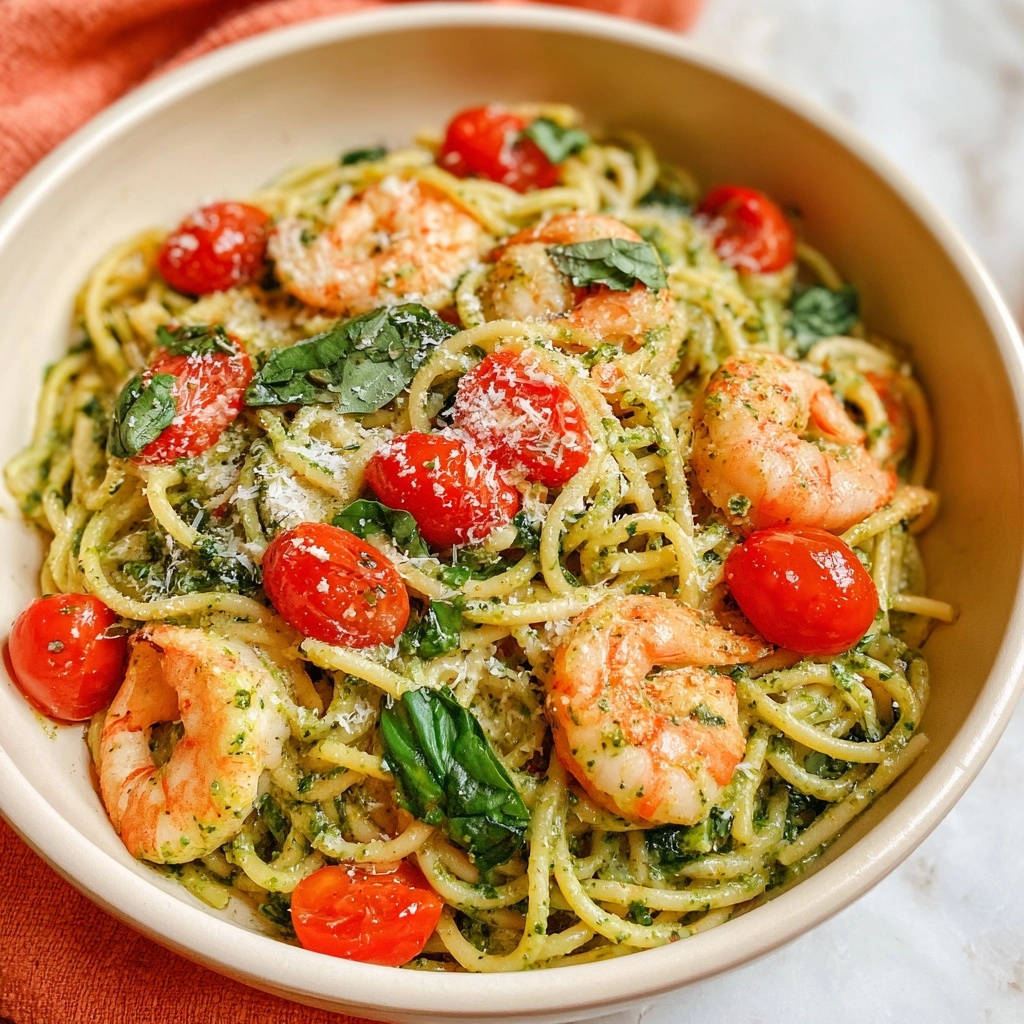
I distinctly remember my early struggles with Pesto Shrimp Pasta, often ending with delicious sauce but disappointingly tough, rubbery shrimp. That all changed when I finally perfected a simple, crucial technique, ensuring every bite of this vibrant dish is met with succulent, tender shrimp. This recipe isn’t just a meal; it’s a testament to how easy it is to achieve culinary perfection, making it a reliable favorite for any occasion.
Beyond Basic: What Makes Our Pesto Shrimp Pasta Recipe Shine?
The Secret to Tender, Juicy Shrimp Every Time
The most common pitfall in shrimp pasta dishes is overcooked seafood, leading to a rubbery texture that diminishes the entire experience. Our method focuses on precise, quick cooking and immediate removal from heat, guaranteeing perfectly tender and juicy shrimp every single time.
This careful approach ensures the shrimp remains delicate and flavorful, elevating the Pesto Shrimp Pasta to a restaurant-quality meal right in your home kitchen.
Quick & Convenient for Weeknight Wonders
Despite its impressive results, this Pesto Shrimp Pasta recipe is surprisingly fast to prepare, making it an ideal choice for busy weeknights. With minimal active cooking time, you can have a gourmet-tasting dinner on the table in under 30 minutes.
It’s the ultimate solution for those evenings when you crave something special without spending hours in the kitchen.
If you love that garlicky shrimp flavor, try this creamy garlic shrimp pasta for another foolproof method.
Fresh Flavors, Simple Ingredients
This dish celebrates the beauty of quality ingredients working in harmony. Fresh cherry tomatoes burst with sweetness, vibrant pesto adds herbaceous depth, and perfectly cooked shrimp provides a delicate, savory element.
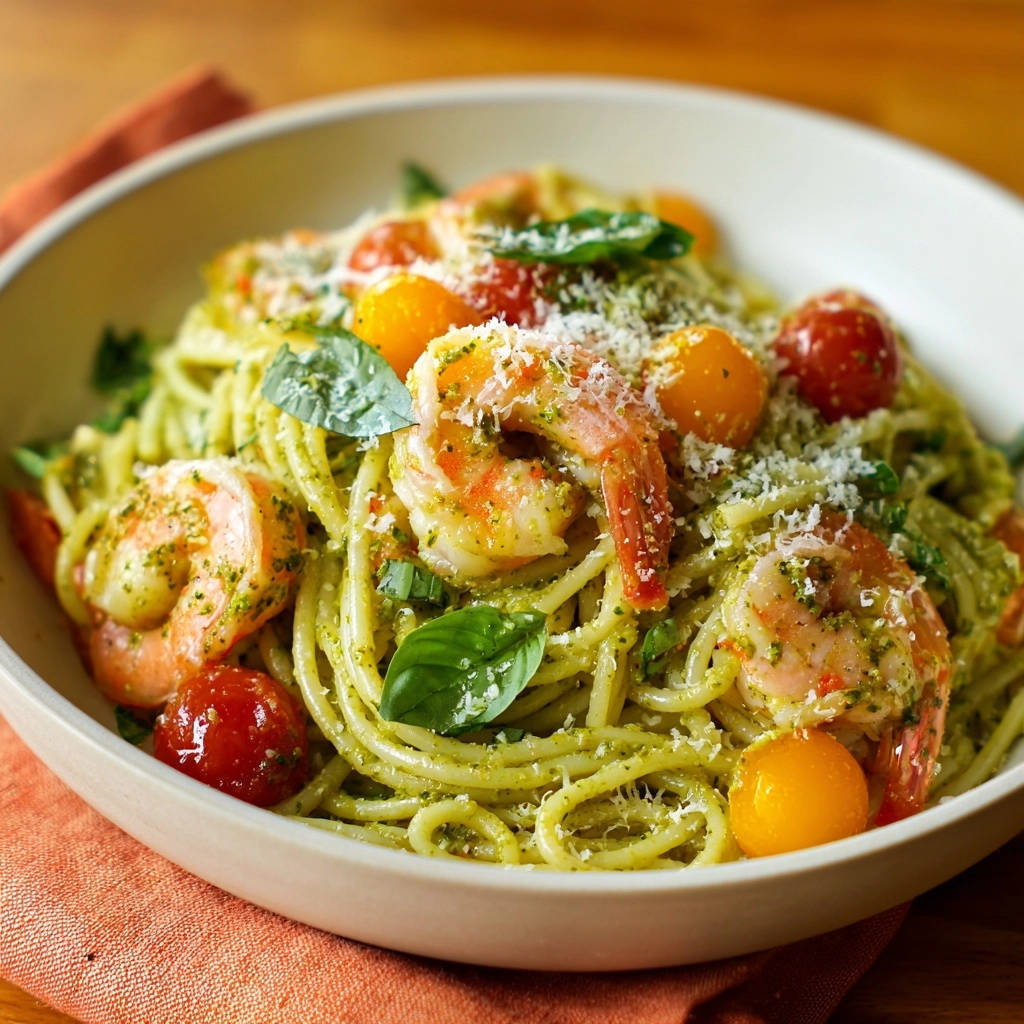
A few simple, high-quality components are all it takes to create a profoundly satisfying and balanced flavor profile.
A Crowd-Pleaser for Any Occasion
With its appealing colors and universally loved flavors, this Pesto Shrimp Pasta is a guaranteed hit. It’s sophisticated enough for entertaining guests, yet comforting and simple enough for a casual family dinner.
This versatile dish effortlessly adapts to different settings, always leaving a lasting, delicious impression.
Your Kitchen Arsenal: Essential Tools for Pesto Shrimp Pasta Success
Large Pot for Pasta
Crucial for cooking pasta evenly and preventing sticking, ensuring enough space for proper circulation and resulting in perfectly al dente strands.
Spacious Skillet or Pan
Essential for sautéing shrimp and combining ingredients efficiently, allowing for even heat distribution which is key to perfectly cooked shrimp and beautifully integrated sauces.
Colander
For safely draining pasta while making it easy to reserve the starchy cooking water, an invaluable ingredient for adjusting sauce consistency.
Tongs or Spider Skimmer
Ideal for handling delicate pasta and shrimp with care, preventing breakage or damage and making it easy to transfer ingredients between steps.
Measuring Cups and Spoons
For precise ingredient measurements, guaranteeing consistent flavor every time and ensuring the balance of each component is just right.
Building Blocks of Flavor: Essential Ingredients for Pesto Shrimp Pasta
The Perfect Pasta Base
Spaghetti or linguine provides the classic texture and ample surface area for the vibrant pesto to cling, ensuring every mouthful is coated in flavor.
Cooking to al dente is crucial for optimal texture, providing a pleasant chew and preventing mushiness in the final dish when it combines with the warm sauce.
Succulent Shrimp Selection
Opt for large (21/25 count), fresh, peeled, and deveined shrimp, with tails on or off depending on your preference, for the best results.
The quality of your shrimp directly impacts the dish’s succulence and flavor, making them a true star of this Pesto Shrimp Pasta.
Vibrant Pesto Power
Whether homemade or a high-quality store-bought option, pesto is the aromatic, herbaceous heart of the sauce, infusing the entire dish with its signature flavor.
Consider the freshness of the basil, the richness of the olive oil, and the nutty notes in your pesto choice for maximum impact and a truly exceptional taste.
Bursting Cherry Tomatoes
Halved cherry tomatoes add a delightful sweet, tangy counterpoint to the rich pesto and offer beautiful visual appeal to the finished dish.
Cooking them until they just begin to soften and burst releases their natural juices, intensifying their flavor and creating a light, fresh element.
Aromatics and Finishing Touches
Fresh minced garlic adds a foundational aromatic note, cooked briefly to ensure its sweet fragrance develops without becoming bitter.
Grated Parmesan cheese provides a salty, umami depth, while fresh basil brightens the finish with a burst of herbal freshness.
Olive oil is used for sautéing and a final drizzle, enhancing richness and aiding in flavor absorption, tying all the components together beautifully.
Pesto Shrimp Pasta Perfection: Your Step-by-Step Guide
Cook Your Pasta to Al Dente
Bring a large pot of generously salted water to a rolling boil. Add your spaghetti or linguine and cook according to package directions, aiming for a firm yet tender “al dente” bite, ensuring it still has a slight chew.
Chef’s Tip: Before draining, remember to reserve about 1 cup of the starchy pasta cooking water. This liquid gold is vital for adjusting your sauce consistency later, helping it emulsify beautifully and cling to the pasta.
Sauté Aromatics and Sweet Tomatoes
While the pasta cooks, heat 1 tablespoon of olive oil in a large skillet over medium heat. Add the minced garlic and cook for about 30 seconds until fragrant, taking care not to let it brown or burn, which can make it bitter.
Add the halved cherry tomatoes to the skillet and cook for 3-5 minutes, stirring occasionally. You want them to soften and just begin to burst, releasing their sweet juices and creating a light sauce in the pan.
Once ready, carefully remove the cooked tomatoes and garlic from the skillet and set them aside. This prevents them from overcooking while the shrimp is prepared and maintains their fresh texture.
The Secret to Perfectly Cooked Shrimp
Add the remaining 1 tablespoon of olive oil to the same skillet and increase the heat to medium-high. Season the shrimp evenly with salt and pepper.
Place the seasoned shrimp in a single layer in the hot skillet. Cook for just 1-2 minutes per side. The key is to watch for them to just turn pink and opaque with a gentle ‘C’ curl, but not tightly coiled into an ‘O’ shape.
CRITICAL STEP: Immediately remove the perfectly cooked shrimp from the skillet and set them aside with the tomatoes. This quick cook time and prompt removal are the absolute secret to achieving tender, juicy shrimp every single time, preventing them from becoming tough and rubbery.
Combine and Create Your Pesto Sauce
Return the cooked and drained pasta to the large skillet (or a large serving bowl if preferred). Add the prepared pesto and stir thoroughly, ensuring every strand of pasta is beautifully coated with the vibrant green sauce.
If your sauce appears too thick or dry, gradually add a tablespoon or two of the reserved pasta cooking water. Stir continuously until the sauce reaches your desired creamy, glossy consistency, allowing the starch to emulsify.
The Gentle Finish & Serve
Gently fold the perfectly cooked tomatoes and shrimp into the pasta and pesto mixture. Toss just enough to warm the shrimp through with the residual heat of the pasta, avoiding further cooking that could toughen them.
Stir in the 1/4 cup of grated Parmesan cheese for an extra layer of savory flavor and creaminess. Taste and adjust seasoning if necessary.
Serve your exquisite Pesto Shrimp Pasta immediately, garnished with fresh basil leaves and additional Parmesan cheese as desired. Enjoy the tender shrimp and vibrant flavors!
Chef’s Secrets: Elevate Your Pesto Shrimp Pasta Game
Mastering Shrimp Doneness
The most crucial tip: do not overcook your shrimp! They cook very quickly. Look for them to just turn pink and opaque with a slight curl (like a ‘C’ shape). If they curl into a tight “O” shape, they’re likely overcooked and will be rubbery. Remove them immediately from the heat as soon as they reach this point to preserve their tender texture.
If you are looking to nail the texture of your shrimp every time, the same technique is used in this garlic butter shrimp pasta.
Leveraging Pasta Cooking Water
Never skip reserving pasta water! This starchy liquid is your best friend for emulsifying the pesto, creating a smooth, glossy sauce that clings beautifully to the pasta. Add it gradually, a tablespoon at a time, until you reach your desired consistency, allowing the sauce to become rich and cohesive.
Choosing Your Pesto Wisely
The quality of your pesto heavily influences the final flavor of your Pesto Shrimp Pasta. Invest in a good quality store-bought pesto with fresh ingredients, or better yet, make your own for unparalleled freshness and customized taste. Adjust the amount to your preference for a bolder or milder flavor.
Fresh Herbs for a Bright Finish
Don’t underestimate the power of fresh basil. Adding it as a garnish right before serving introduces a vibrant aroma and a burst of fresh flavor that elevates the entire dish, providing a lovely contrast to the rich pesto and juicy shrimp.
Seasoning in Layers
Season your shrimp with salt and pepper before cooking, and taste the final dish before serving to adjust saltiness. Pesto and Parmesan contribute salt, so careful layering ensures a perfectly balanced flavor profile without over-salting, enhancing every component of your Pesto Shrimp Pasta.
Beyond the Recipe: Creative Pesto Shrimp Pasta Variations
Explore Different Proteins
Not a fan of shrimp, or looking for something new? This Pesto Shrimp Pasta recipe works wonderfully with seared chicken breast, delicate scallops, or even flaky white fish like cod or snapper. Adjust cooking times accordingly to ensure proteins are cooked through but not overdone.
Add More Vegetables
Boost your veggie intake by incorporating vibrant spinach, tender asparagus spears, delicate zucchini ribbons, or colorful bell peppers. Sauté heartier vegetables with the tomatoes, or simply stir in delicate ones like fresh spinach at the very end to wilt with the pasta’s residual heat.
Homemade Pesto Adventures
Experiment with different pesto bases! Try a spinach-walnut pesto, a vibrant sun-dried tomato pesto, or even a nutrient-rich kale-almond pesto for a unique twist on the classic flavor profile. Each variation offers a distinct taste and texture that can redefine your pesto pasta experience.
Make it Gluten-Free
Simply swap out traditional spaghetti or linguine for your favorite gluten-free pasta alternative, such as brown rice or lentil pasta. The rest of the recipe remains naturally gluten-free, making this delicious dish accessible for everyone to enjoy.
A Touch of Heat
For those who enjoy a little kick, add a pinch of red pepper flakes with the garlic during sautéing or a dash of your favorite hot sauce at the end. It complements the vibrant flavors beautifully and adds an exciting warmth that can awaken the palate.
Perfect Pairings: How to Serve Your Pesto Shrimp Pasta
Complementary Side Dishes
Serve your Pesto Shrimp Pasta with a simple, crisp green salad dressed with a light lemon vinaigrette to cut through the richness and add a refreshing element. Crusty garlic bread or warm focaccia is also excellent for soaking up any remaining delicious pesto sauce.
What’s Next?
Try these delicious pairings:
drink pairing to Elevate Your Meal
A light, white grape juice such as sparkling grape juice would beautifully complement the bright pesto and delicate shrimp. Their acidity balances the richness of the dish, enhancing the overall dining experience.
Garnish for Visual Appeal and Flavor
Always finish with a generous scattering of fresh basil leaves and extra grated Parmesan cheese. A final drizzle of high-quality extra virgin olive oil can also add a beautiful sheen and depth of flavor, making the dish truly pop both visually and on the palate.
Plan Ahead: Storing and Reheating Pesto Shrimp Pasta
Can You Make Pesto Shrimp Pasta Ahead?
While best enjoyed fresh, you can partially prepare components ahead of time to streamline meal prep. Cook the pasta and shrimp separately, storing them in airtight containers in the fridge. Combine them with pesto and tomatoes just before serving, warming gently.
Storage Instructions
Store any leftover Pesto Shrimp Pasta in an airtight container in the refrigerator for up to 2-3 days. Ensure it cools completely before refrigerating to maintain quality, flavor, and prevent bacterial growth, keeping it safe and delicious.
Reheating for Best Results
To reheat, gently warm individual portions in a skillet over low to medium heat. Add a splash of water or chicken broth to help loosen the sauce and prevent the pasta from drying out or clumping. Avoid high heat, which can quickly toughen the delicate shrimp.
Troubleshooting Your Pesto Shrimp Pasta: Common Fixes
Problem: Shrimp is Rubbery
Solution: This is almost always due to overcooking. Ensure your skillet is hot, cook shrimp for only 1-2 minutes per side until just pink, and remove immediately from heat. The residual heat of the pasta will warm them through without further cooking, preserving their tender texture.
Problem: Pasta is Dry or Sticky
Solution: You likely didn’t use enough pasta cooking water to emulsify the pesto. When combining the pasta and pesto, gradually add more reserved pasta water, stirring until the sauce reaches a glossy, desirable consistency that beautifully coats every strand of pasta.
Problem: Sauce Tastes Bland or Lacking Depth
Solution: Check the quality of your pesto – a good, fresh pesto is key to a flavorful sauce. Also, ensure you seasoned your shrimp adequately. Taste the final dish and adjust with more Parmesan, a pinch of salt, or a fresh squeeze of lemon juice to brighten and balance flavors effectively.
Problem: Garlic Tastes Bitter
Solution: Bitter garlic indicates it was burned. When sautéing, keep the heat on medium and cook for only 30 seconds to 1 minute until fragrant, watching it closely. Remove it from the pan before it browns too much to preserve its inherent sweetness.
Your Pesto Shrimp Pasta Questions Answered
Can I use frozen shrimp?
Yes, absolutely! Just be sure to thaw it completely before cooking. Pat it very dry with paper towels to ensure it browns nicely in the skillet and doesn’t steam, which can lead to a rubbery texture.
What if I don’t have cherry tomatoes?
You can substitute with diced Roma tomatoes or even good quality canned diced tomatoes, though the fresh burst and sweetness of cherry tomatoes are highly recommended. If using canned, drain them well and cook briefly to soften.
Is this recipe spicy?
No, the base recipe for Pesto Shrimp Pasta is not spicy. However, you can easily add a pinch of red pepper flakes with the garlic for a mild kick, or more for a spicier dish. A dash of hot sauce at the end also works beautifully.
Can I make my own pesto?
Definitely! Homemade pesto is fantastic and offers a brighter, fresher flavor. If making your own, ensure it’s well-seasoned with salt, and use high-quality basil, pine nuts, Parmesan, and olive oil for the best results.
What kind of pasta works best?
Spaghetti and linguine are classic choices for their ability to hold the sauce well and provide a satisfying texture. However, other long pasta shapes like fettuccine or even short shapes like penne or fusilli can also work if preferred, just ensure they’re cooked al dente.
Ready to Impress? Share Your Pesto Shrimp Pasta Masterpiece!
You now hold the secret to creating a truly unforgettable Pesto Shrimp Pasta-one where every bite features succulent, tender shrimp and vibrant, perfectly coated pasta. Gone are the days of rubbery seafood; welcome to a world of culinary confidence and delicious ease!
We encourage you to try this recipe tonight and experience the magic for yourself. Don’t forget to share your creations and tell us your favorite tips in the comments below. Happy cooking, and prepare for rave reviews from everyone who tastes your incredible Pesto Shrimp Pasta!
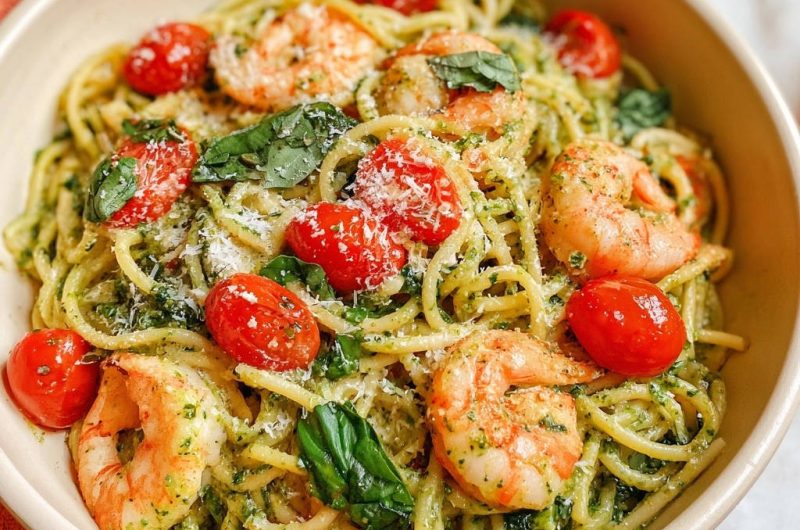
Shrimp Pasta
Course: Main CourseCuisine: ItalianDifficulty: easy4
servings15
minutes20
minutes550
kcal35
minutesTired of rubbery shrimp? This recipe reveals the simple secret to perfectly cooked, tender shrimp that shines in a vibrant pesto pasta dish. Quick, easy, and incredibly delicious, you’ll get it right every time!
Ingredients
12 ounces spaghetti or linguine
1 pound large shrimp, peeled and deveined, tails on or off
1 pint cherry tomatoes, halved
1/2 cup prepared pesto
2 tablespoons olive oil, plus more for drizzling
2 cloves garlic, minced
1/4 cup grated Parmesan cheese, plus more for serving
1/2 teaspoon salt
1/4 teaspoon black pepper
Fresh basil leaves, for garnish
1/2 cup pasta cooking water (reserved)
Directions
- Cook the pasta: Bring a large pot of salted water to a boil. Add the spaghetti and cook according to package directions until al dente. Before draining, reserve about 1 cup of the pasta cooking water. Drain the pasta and set aside.
- Prepare the aromatics and tomatoes: While the pasta cooks, heat 1 tablespoon of olive oil in a large skillet or pan over medium heat. Add the minced garlic and cook for 30 seconds until fragrant, being careful not to burn it. Add the halved cherry tomatoes and cook for 3-5 minutes, stirring occasionally, until they start to soften and burst. Remove the tomatoes and garlic from the skillet and set aside.
- Cook the shrimp perfectly: Add the remaining 1 tablespoon of olive oil to the same skillet and increase the heat to medium-high. Season the shrimp with salt and pepper. Add the shrimp to the hot skillet in a single layer. Cook for just 1-2 minutes per side, until the shrimp just turn pink and opaque. They should still have a slight curl but not be tightly coiled. Immediately remove the shrimp from the skillet and set aside with the tomatoes. This quick cook time and removal from heat is key to preventing them from becoming tough.
- Combine the dish: Add the cooked and drained pasta back to the large skillet (or a large serving bowl). Add the pesto and stir well to coat the pasta. If the sauce seems too thick, add a tablespoon or two of the reserved pasta cooking water, stirring until it reaches your desired consistency.
- Finish and serve: Gently fold in the cooked tomatoes and the perfectly cooked shrimp with the pasta and pesto, tossing just enough to warm the shrimp through with the residual heat of the pasta. Stir in the 1/4 cup of grated Parmesan cheese. Serve immediately, garnished with fresh basil leaves and extra Parmesan cheese if desired.
Notes
- The key to tender shrimp is a very quick cook time (1-2 minutes per side) on medium-high heat, removing them from the skillet immediately.