Raspberry Cheesecake Without Cracks
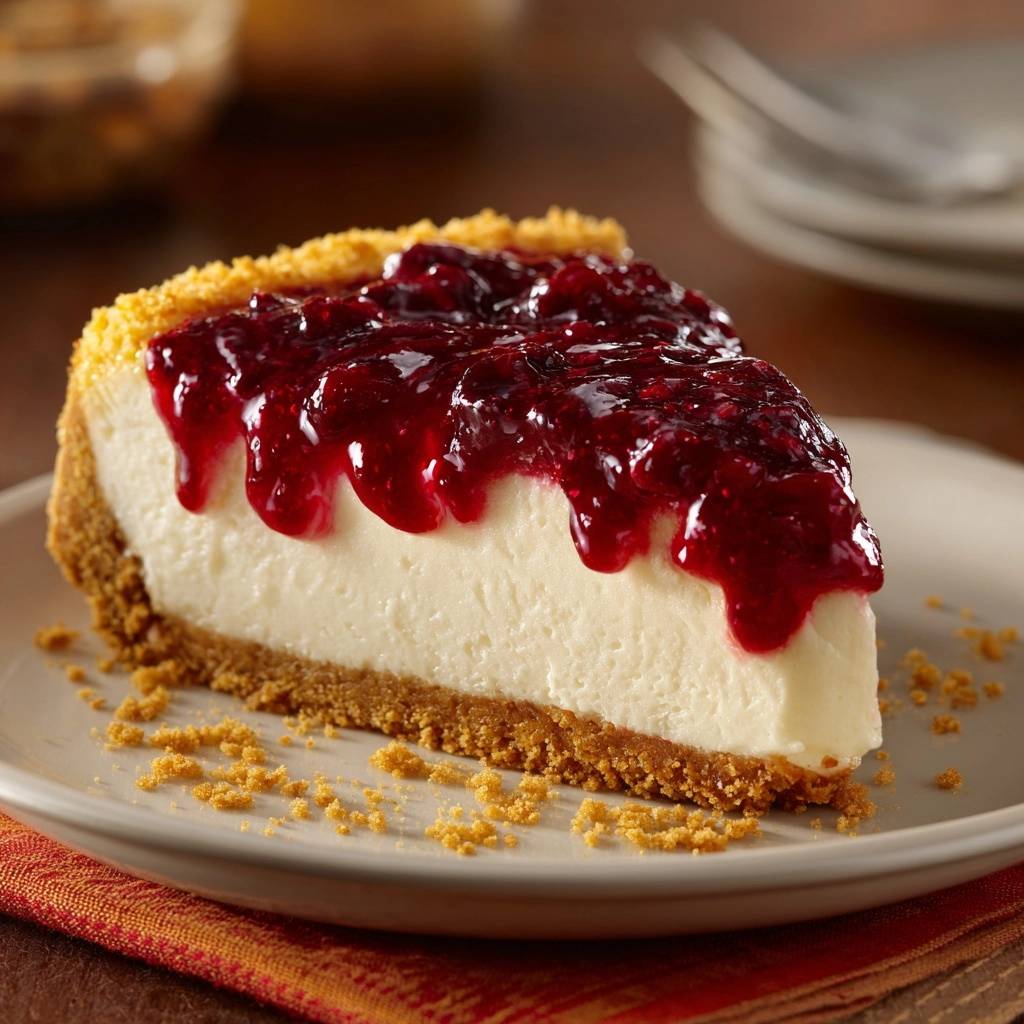
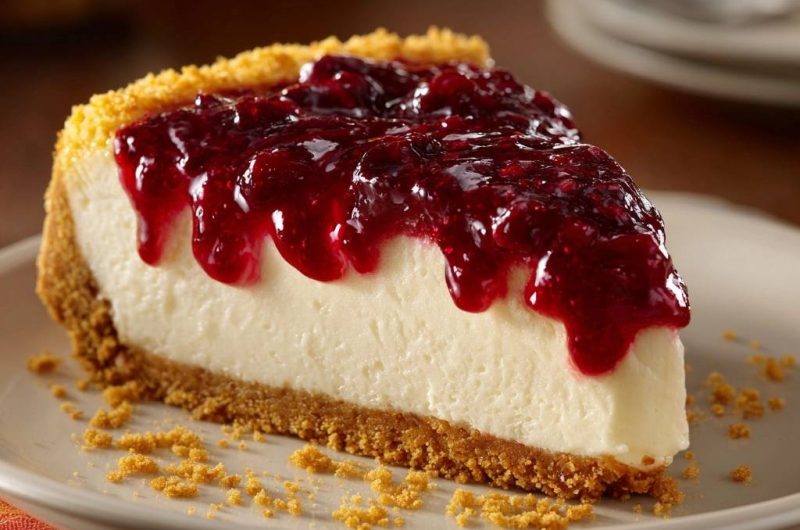
Cracked cheesecakes haunt every home baker. You’ve poured your heart into that creamy filling, only to pull out a sunken mess with ugly splits across the top. But this raspberry cheesecake changes everything with a simple water bath that delivers silky perfection every time.
Why does it work so well? Sudden temperature swings make the edges set too fast while the center lags, causing cracks. However, the water bath surrounds your pan with gentle, even heat and steam. In addition, it keeps humidity high, so the top stays smooth without curdling or sinking.
Here’s the pro tip that seals the deal. Always wrap your springform pan in two tight layers of heavy-duty foil before the bath. That prevents sneaky water leaks that ruin the crust and lead to those dreaded cracks. You’ll get a flawless, jiggly center ready for tart raspberry glory.
Why Water Bath Prevents Cracks
Sudden temperature shifts wreck cheesecakes. The outer edges bake fast and contract, pulling the softer center into cracks. However, a water bath fixes this by providing steady, moist heat.
Steam from the hot water creates 100% humidity inside the oven. Therefore, it mimics pro steam ovens and prevents the top from drying into a cracked skin. Bakers see smooth results every time compared to dry-oven disasters.
Without the bath, uneven baking causes sinking too. In addition, the gentle method ensures your raspberry cheesecake emerges creamy and tall. It’s science you can taste.
Graham Cracker Crust Foundation
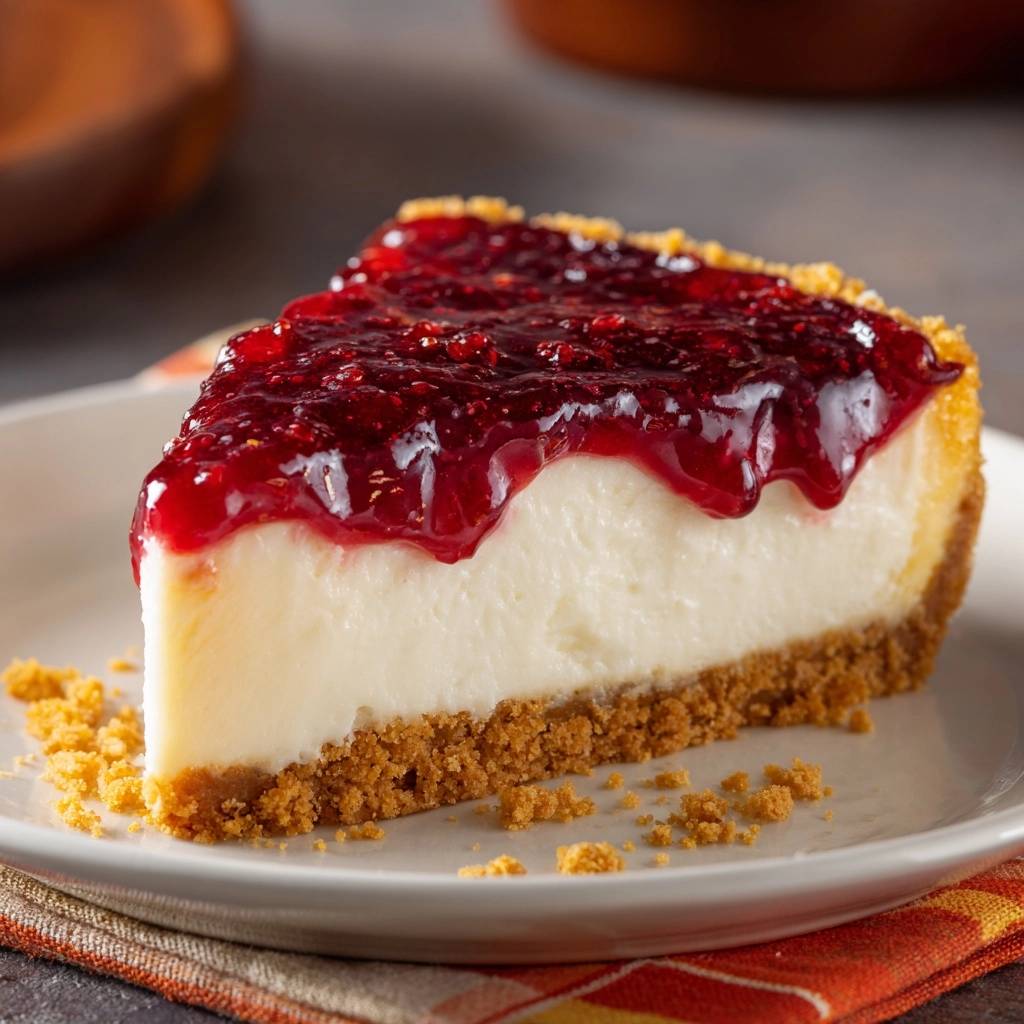
Graham cracker crumbs form the ideal sturdy base for heavy fillings. They offer just enough crunch without overpowering the creamy layers. Melted butter binds them tightly, while sugar adds subtle sweetness.
Press the mix firmly into the pan bottom and up the sides one inch. This seals out leaks from the water bath. Unlike fragile shortbread, graham holds up perfectly under pressure.
Cream Cheese Filling Breakdown
Four packages of softened cream cheese deliver that rich, velvety base. Beat it smooth first to avoid lumps. Sugar sweetens without graininess at one and a quarter cups.
Eggs provide structure, added one by one. Sour cream brings tang and lightness, one cup exactly. In addition, flour stabilizes at a quarter cup, and vanilla wafts pure aroma.
Raspberry Topping Components
Fresh raspberries burst with tart brightness that cuts the richness. Sugar balances at half a cup for two cups of berries. Cornstarch thickens into a glossy shine.
Lemon juice sharpens flavors, and water creates the perfect slurry. Frozen berries work fine too; just thaw and drain excess juice first. Therefore, you get vibrant topping every season.
Essential Tools for Flawless Results
A 9-inch springform pan releases the cheesecake cleanly. Heavy-duty foil waterproofs it against leaks. A large roasting pan holds the water bath steady.
If you enjoy balancing creamy richness with bright fruit, this glazed blueberry lemon bundt cake is a natural next bake to try.
Wire racks speed even cooling without soggy bottoms. Skip flimsy foil, or water seeps in and ruins everything. Pro tip: test your pan seal with a quick water dunk before filling.
Springform Pan Waterproofing Steps
Place the pan bottom on a foil sheet, fold up tightly around sides. Add a second layer for double protection. Crimp edges secure; no gaps allowed.
This blocks water that causes crust mush and cracks. Skipping it dooms your bake. Press foil smooth for a pro seal.
Building the Graham Cracker Base
Mix two cups graham crumbs, half cup melted unsalted butter, and quarter cup sugar. Stir until it clumps like wet sand. Press evenly into bottom and one inch up sides.
Bake at 325 degrees for 10 minutes. It emerges golden and crisp. Cool on a rack so it firms up before filling; otherwise, it turns soggy.
Perfectly Smooth Filling Technique
Beat softened cream cheese with one and a quarter cups sugar until fluffy and lump-free. Add four eggs one at a time on low speed. Beat just until blended to avoid excess air.
Mix in one cup sour cream, two teaspoons vanilla, and quarter cup flour. Pour gently over crust. The batter smells heavenly sweet and tangy.
Water Bath Setup Mastery
Preheat to 325 degrees. Set foil-wrapped pan in roasting pan, then pour hot water halfway up sides. This even heat prevents shocks.
Bake 60 to 70 minutes until center jiggles slightly. No cracks form thanks to the steam. Pull it out perfect.
Gentle Cooling for Silky Texture
Turn off oven and crack the door. Let it cool inside one hour. This gradual drop stops sinking and shocks.
Remove from bath, ditch foil, and cool to room temp. Refrigerate six hours or overnight. Rushing leads to cracks; patience rewards clean slices.
Raspberry Sauce Thickening Process
Combine two cups raspberries, half cup sugar, two tablespoons cornstarch, quarter cup water, and one tablespoon lemon juice in a pan. Cook over medium, stirring constantly.
If you enjoy bright citrus flavors, this glazed lemon blueberry loaf makes a terrific companion to your afternoon coffee.
It thickens to glossy in five minutes. Cool fully before spreading. Strain for seedless smoothness if you like.
Science of Crack-Free Raspberry Cheesecake
Proteins in cream cheese set evenly with steady heat. Water bath steam keeps humidity at 100%, preventing dry tops. Overmixing traps air bubbles that expand and crack.
Raspberry acid helps the cornstarch gel perfectly. pH balance ensures stability. Therefore, your cheesecake stays tall and creamy.
Bakers know room-temp ingredients blend smooth. Cold ones cause lumps and uneven baking. This method nails the chemistry every time.
Humidity Role in Even Baking
Water bath generates steam for full humidity. It stops temperature gradients that crack deep fissures. Pros swear by it over dry heat.
Avoiding Raspberry Cheesecake Pitfalls
Overbeating eggs adds air that puffs then cracks. Skip foil, and water leaks ruin the crust. Adding water before the oven sloshes everywhere.
Rapid cooling sinks the center. Under-chilling makes slicing messy. Always use room-temp dairy for smooth results.
Overmixing and Air Bubbles
Stick to low speed after eggs. Tap the pan firmly on counter to pop trapped air. Batter looks silky, not foamy.
Raspberry Cheesecake Flavor Variations
Swap for blackberries or blueberries in the topping. Use Greek yogurt instead of sour cream for extra tang. Add almond extract for nutty depth.
Try almond flour crust for low-carb. Vegan? Coconut cream and cashew base mimic richness. Keep ratios tight for creaminess.
Berry Swap Ratios and Adjustments
Maintain two cups berries to half cup sugar. Juicier ones need extra half tablespoon cornstarch. Zest in lemon for punch.
Make-Ahead and Storage Strategies
Build crust and filling two days ahead, bake day-of. Freeze whole cheesecake up to two months after chilling. Thaw overnight in fridge.
What to Serve Alongside
If you’re serving a raspberry cheesecake, a couple of savory-sweet cheese spreads make excellent starters or sides for contrast.
- For a warm, tangy-sweet contrast to the creamy cheesecake, try this Warm Pepper Jelly Cream Cheese Dip with its mild heat and bright pepper flavor.
- A cooler, fruitier option is this Creamy
Topping freezes separately in a jar. For slices, wrap individually. Hot knife tip: dip in water for clean cuts.
Freezing Whole vs. Sliced
Whole freezes best; less air exposure. Wrap plastic then foil tight. Thaw 24 hours; sliced dries faster.
Pairing Raspberry Cheesecake Sides
Fresh mint leaves add color pop. Dollop whipped cream for fluff. Shortbread cookies crunch alongside.
Serve with coffee or tea. Pair with seasonal fruit salad for lightness. Keeps it fresh and balanced.
Raspberry Cheesecake Troubleshooting
Soggy Crust Fixes
Bake crust 12 minutes instead of 10. Chill it fully before filling. Ensures crisp base.
Runny Topping Remedies
Boost cornstarch to three tablespoons. Simmer seven minutes. Cools to perfect spread.
How do I store leftover raspberry cheesecake?
Keep it in the springform pan, covered tightly with plastic wrap or foil. Refrigerate up to five days. The water bath keeps it moist, so flavors intensify nicely. For freezing, wrap the whole chilled cheesecake in plastic then foil; it holds up two months without texture loss. Thaw slowly in fridge overnight. Sliced pieces freeze well too, separated by parchment.
Why did my cheesecake crack despite the water bath?
Common culprits include overmixing eggs, which traps air that expands and splits. Or rapid cooling straight to fridge shocks the proteins. Fix by beating low, cooling in cracked oven one hour, then room temp. Check foil seal too; leaks cause uneven baking. Your center should jiggle like Jell-O at 60-70 minutes.
Can I substitute ingredients in the raspberry cheesecake?
No cream cheese? Blend ricotta and mascarpone 50-50 for similar richness, but add extra flour. Skip sour cream with full-fat Greek yogurt. For gluten-free, swap flour with cornstarch. Frozen raspberries work perfectly; thaw and drain to avoid watery topping. Keep eggs at room temp for best emulsion.
Why is my filling lumpy?
Cold cream cheese doesn’t blend smooth. Soften it fully first, about 30 minutes out of fridge. Beat with sugar alone until creamy before eggs. If lumps persist, press through a sieve. Low speed prevents incorporating air that leads to cracks later.
How do I know when the cheesecake is done baking?
The edges set firm, but the center two inches jiggles slightly like gelatin. Oven light helps spot this. Overbaking dries it out; pull at 65 minutes usually. Gradual cooling firms it perfectly without sinking.
Raspberry Cheesecake
Course: DessertCuisine: AmericanDifficulty: mediumYields12
servingsPrep Time30
minutesCook Time1
hour10
minutesCalories450
kcalTotal Time480
MinutesCracked cheesecakes are a thing of the past with this foolproof water bath technique that ensures even baking, no sinking, and a silky smooth top every single time. Perfect for impressing at your next gathering.
Ingredients
Crust:
2 cups graham cracker crumbs
1/2 cup unsalted butter, melted
1/4 cup granulated sugar
Filling:
4 (8-ounce) packages cream cheese, softened
1 1/4 cups granulated sugar
4 large eggs
1 cup sour cream
2 teaspoons vanilla extract
1/4 cup all-purpose flour
Raspberry Topping:
2 cups fresh or frozen raspberries
1/2 cup granulated sugar
2 tablespoons cornstarch
1/4 cup water
1 tablespoon lemon juice
Directions
- Preheat oven to 325 degrees F. Wrap the outside of a 9-inch springform pan tightly with two layers of heavy-duty aluminum foil to make it waterproof, preventing leaks that cause cracks.
- Mix graham cracker crumbs, melted butter, and 1/4 cup sugar. Press firmly into the bottom and 1 inch up the sides of the prepared pan. Bake 10 minutes, then cool on a wire rack.
- Beat cream cheese and 1 1/4 cups sugar until smooth. Add eggs one at a time, beating just until blended. Mix in sour cream, vanilla, and flour on low speed. Pour over crust.
- Place springform pan in a large roasting pan. Fill roasting pan halfway with hot water to create a water bath. This gentle, even heat distribution is the key to no cracks, no curdling, and perfect creaminess, stopping sudden temperature changes that cause splitting. Bake 60 to 70 minutes until center is almost set but still jiggles slightly.
- Turn off oven, crack door open, and let cheesecake cool inside for 1 hour. This gradual cooling locks in the flawless texture. Remove from water bath, discard foil, and cool to room temperature. Refrigerate 6 hours or overnight.
- For topping, combine raspberries, 1/2 cup sugar, cornstarch, water, and lemon juice in a saucepan. Cook over medium heat, stirring until thickened, about 5 minutes. Cool completely. Spread over chilled cheesecake.
- Slice and serve for crack-free perfection that wows!
Notes
- Use heavy-duty foil for waterproofing. Gradual cooling in oven prevents cracks.