Mastering the Glazed Lemon Blueberry Loaf
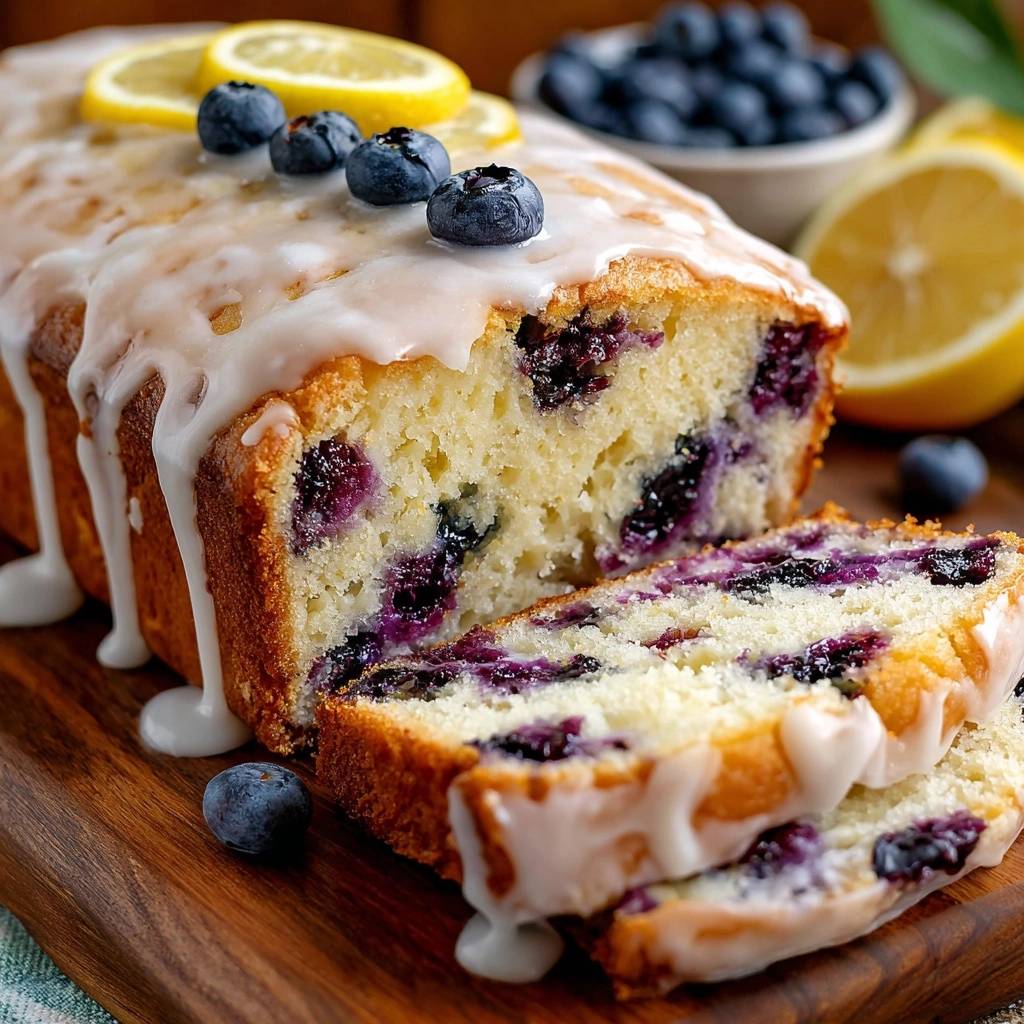
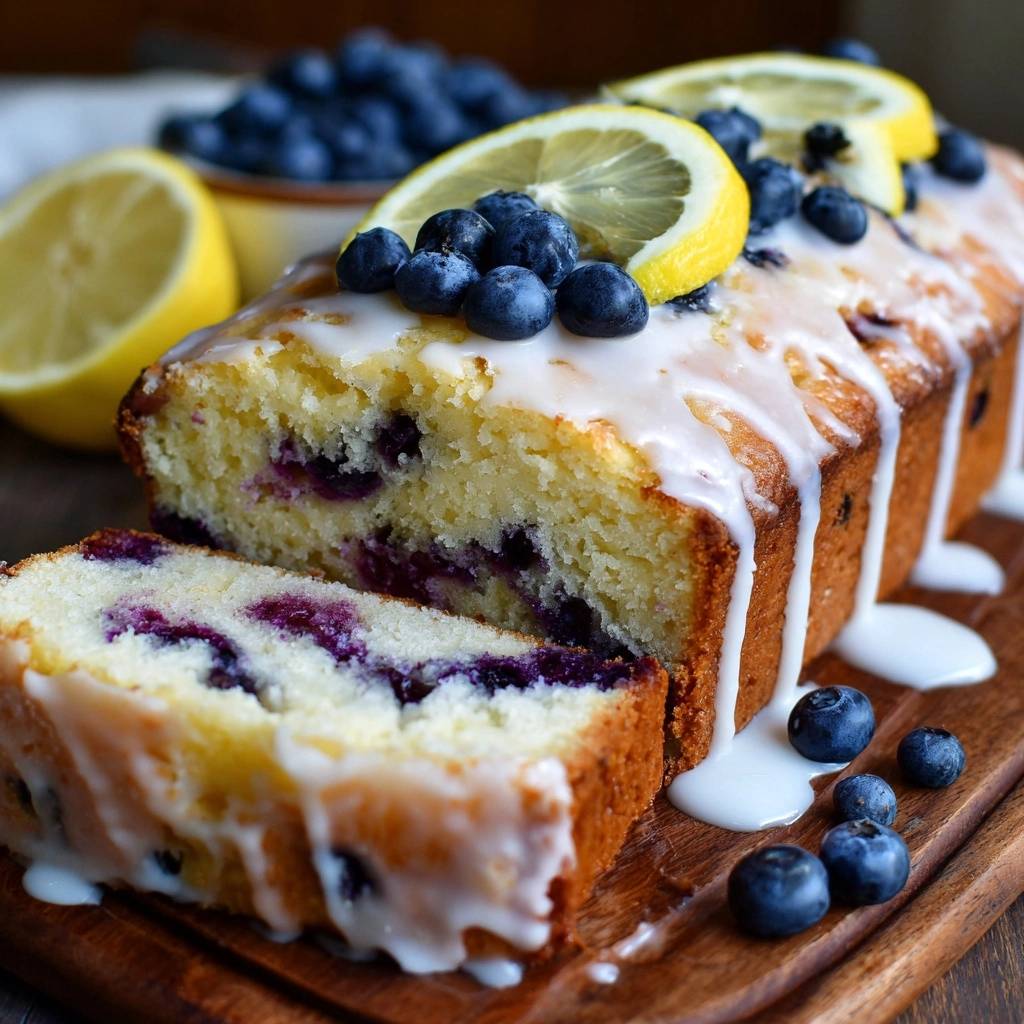
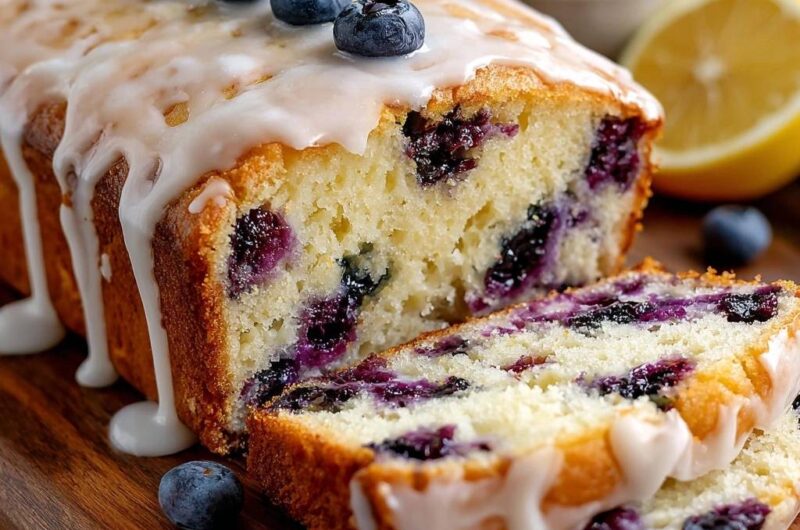
There is nothing more frustrating than slicing into a fresh loaf only to find every single berry huddled at the very bottom. You want a Glazed Lemon Blueberry Loaf that boasts a dense, pound-cake-like crumb capable of supporting heavy fruit. This recipe delivers a tight, velvety texture that feels substantial on the tongue while remaining incredibly moist.
The secret to this success lies in the structural integrity of the batter. By balancing a specific ratio of fat to flour, we create a high-viscosity environment that locks ingredients in place. You won’t find a light, airy sponge here; instead, you get a rich, buttery slice that carries the sharp, bright acidity of fresh lemon in every bite.
Expert bakers know that the real trick is the “flour-lock” method combined with room-temperature ingredients. When your butter and eggs are at the same temperature, they emulsify perfectly, creating a stable web of fats and proteins. This stability is exactly what prevents that dreaded “sunken fruit syndrome” and ensures your loaf looks as good as it tastes.
The Science of Fruit Suspension in Batters
Gravity is usually the enemy of the blueberry, but physics can be your best friend in the kitchen. The “flour-lock” method involves tossing your rinsed and dried berries in a tablespoon of flour before they ever touch the batter. This creates a rough, dusty surface tension that allows the batter to “grip” the fruit, preventing it from sliding through the mixture during the initial stages of baking.
Friction plays a massive role here. Without that coating of flour, the smooth skin of the blueberry acts like a marble on a slide. Once coated, the berry becomes part of the batter’s structure. However, the flour coating only works if the batter itself is thick enough to provide resistance. A thin, runny batter will never hold fruit, no matter how much flour you use on the berries.
High viscosity is non-negotiable for a successful Glazed Lemon Blueberry Loaf. You want a batter that is heavy and slow-moving, almost like a thick paste. This thickness provides the mechanical support needed to keep the berries suspended while the heat of the oven sets the crumb. If your batter pours easily, your berries will likely end up on the floor of the pan.
Why Sour Cream Outperforms Milk
Sour cream is the secret weapon for any baker looking for structural integrity. Because it has a higher fat content and a much thicker consistency than milk, it adds bulk to the batter without thinning it out. This thickness is vital for keeping those blueberries exactly where you put them.
Additionally, the acidity in sour cream reacts beautifully with the baking powder. This reaction creates a controlled rise that lifts the loaf without creating large air pockets that would allow fruit to fall. If you don’t have sour cream, full-fat Greek yogurt is the only suitable swap because it maintains that necessary weight and tang.
If you prefer a different shape, this same batter works beautifully in a glazed blueberry lemon bundt cake.
Essential Components for the Lemon Blueberry Batter
Every ingredient in this loaf serves a specific structural or flavorful purpose. All-purpose flour is the preferred choice over cake flour because it contains more protein. That extra protein develops just enough gluten to hold the heavy fruit, whereas cake flour would be too weak, resulting in a loaf that collapses under the weight of the berries.
Fat is the next pillar of this recipe. Using softened, room-temperature butter allows you to cream it with sugar effectively, trapping tiny air bubbles that provide a natural lift. If your butter is too cold, it won’t incorporate; if it’s melted, the loaf will be greasy and flat. Similarly, room-temperature eggs ensure the emulsion doesn’t “break” or curdle when added to the fats.
Flavor comes from the oils, not just the juice. Fresh lemon zest carries the essential oils that provide that punchy, citrus aroma that lingers. While bottled juice is fine in a pinch, the zest is what makes the loaf smell like a professional bakery. Always zest your lemons before juicing them to make the process easier and more efficient.
Selecting and Preparing Fresh Blueberries
Fresh berries are the gold standard for this recipe. When you rinse them, you must dry them completely with a paper towel. Any lingering water on the surface of the fruit will thin out the batter immediately surrounding the berry, creating a “slick” that leads to sinking. Smaller berries are often better as they distribute more evenly throughout the crumb.
Step-by-Step: Mixing the Perfect Citrus Loaf
The process begins with creaming the butter and sugar for at least three full minutes. You are looking for a pale, fluffy texture that looks almost like whipped frosting. This mechanical leavening is what gives the loaf its initial lift in the oven. Once you add the eggs, do so one at a time to maintain that smooth, creamy emulsion.
When it comes time to add the dry ingredients and the sour cream, use the alternating method. Start with a portion of the flour, then the sour cream, and finish with the remaining flour. This prevents the batter from becoming over-saturated with liquid or too dry at any one point. It keeps the mixture stable and thick.
Be extremely careful not to overmix once the flour enters the bowl. Overworking the dough develops too much gluten, which turns a tender loaf into something tough and bread-like. Mix just until you see no more streaks of white flour. A few small lumps are perfectly fine and will disappear during the baking process.
This same approach works beautifully with a cinnamon sugar apple bundt cake.
The Gentle Fold: Incorporating the Fruit
Once your batter is ready, it’s time to add the flour-dusted berries. Use a wide rubber spatula and a “fold” motion—cutting through the center, scraping the bottom, and turning the batter over. This is a delicate process. You want to distribute the fruit without piercing the skins.
If you stir too vigorously, the berries will break and bleed juice, turning your beautiful yellow batter into a muddy purple. Stop the moment the berries look evenly dispersed. The batter should feel heavy and look speckled with white-dusted fruit, ready to be spread into your prepared pan.
Baking Parameters and Thermal Cues
Oven calibration is everything for a dense loaf like this. A temperature of 350°F (175°C) is the sweet spot. It’s hot enough to trigger the leavening agents and set the outer crust, but gentle enough to cook the dense center without burning the edges. Always place your rack in the center of the oven for even heat distribution.
The “toothpick test” is your best indicator of doneness, but you have to know what to look for. If the toothpick comes out with wet, liquid batter, it needs more time. If it comes out bone dry, you’ve likely overbaked it. Aim for the middle ground: a few moist crumbs clinging to the toothpick. This ensures the loaf remains succulent after it cools.
Achieving the Opaque Lemon Sugar Glaze
A great glaze should be thick, white, and opaque, not a watery syrup that disappears into the bread. Start with 1.5 cups of powdered sugar and add the lemon juice very slowly. You are looking for a “ribbon” consistency, where the glaze falls off the whisk and holds its shape on the surface for a few seconds before melting back in.
Patience is the most important ingredient here. You must wait until the loaf is completely cool to the touch before pouring the glaze. If the bread is even slightly warm, the sugar will liquefy and soak into the loaf. While it will still taste good, you’ll lose that beautiful, professional-looking thick drip on the sides.
Troubleshooting Common Loaf Cake Issues
If your loaf sinks in the middle, it’s usually due to underbaking or opening the oven door too early. The rush of cold air can collapse the structure before it has fully set. Ensure you don’t check the loaf until at least 50 minutes have passed. Another culprit could be expired baking powder, which fails to provide the necessary lift.
Pairing Suggestions
This lemon blueberry loaf works well with other fruity breakfast options or a contrasting savory meal. Here are two good matches:
- For another take on the same fruit, make these Fluffy Blueberry Pancakes for a breakfast built around blueberries.
- If a savory option feels right, Creamy Chicken and Dumplings offers a hearty, broth-based balance to the sweet glaze.
If the crust is getting too dark but the center is still raw, your oven might be running hot. You can loosely tent the loaf with a piece of aluminum foil for the last 15 minutes of baking. This protects the top from the direct heat while allowing the internal temperature to continue rising. Also, check that your oven rack isn’t too high.
Berries still sinking? This usually happens if the berries were wet when tossed in flour or if the butter was too warm, making the batter too thin. Ensure your sour cream is full-fat, as the reduced-fat versions are often more watery and won’t provide the same structural support for the fruit.
Storage and Make-Ahead Instructions
This loaf actually tastes better on the second day as the lemon oils have more time to permeate the crumb. You can store it at room temperature in an airtight container for up to three days. If you live in a very humid environment, refrigeration might be better to keep the glaze from becoming sticky, though it may firm up the butter in the cake.
For long-term storage, this loaf freezes beautifully. Wrap the unglazed loaf tightly in plastic wrap, then a layer of aluminum foil to prevent freezer burn. It will stay fresh for up to three months. When you’re ready to eat, thaw it at room temperature and apply the fresh glaze just before serving for the best texture.
Expert Tips for Clean Slicing
To get those perfect, magazine-quality slices, use a long serrated knife. Use a gentle sawing motion rather than pressing straight down, which can squash the dense crumb and bruise the berries. For the cleanest look, wipe the blade with a damp cloth between every single slice to remove any sticky glaze or berry residue.
Frequently Asked Questions
Can I use frozen blueberries instead of fresh?
Yes, you can use frozen berries, but do not thaw them first. Thawing creates a lot of excess liquid that will turn your batter purple and make it too thin. Toss the frozen berries directly in the flour and fold them in quickly. Note that frozen berries will lower the batter temperature, so you may need to add 5 to 8 minutes to the total bake time.
What is the best substitute for sour cream?
Full-fat Greek yogurt is the best substitute because it has a similar thickness and acidity level. Avoid using regular thin yogurt or milk, as these will significantly thin the batter and cause your blueberries to sink to the bottom of the pan. If you must use milk, the loaf will be much lighter and the fruit distribution will be less reliable.
How do I prevent the parchment paper from slipping?
The easiest way to manage parchment paper is to use a “glue” method. Take a tiny bit of softened butter and dab it into the four corners and the center of your loaf pan. Press the parchment paper into the pan, and the butter will hold it firmly in place while you spread the thick batter. This prevents the paper from folding into the cake as it bakes.
Why is my glaze translucent instead of white?
A translucent glaze means there is too much liquid relative to the powdered sugar. To fix this, simply whisk in more powdered sugar, one tablespoon at a time, until the mixture is thick and opaque. It should look like heavy acrylic paint. If it’s too thick to pour, add lemon juice back in by the drop until you reach the perfect drizzling consistency.
Lemon Blueberry Loaf
Course: DessertCuisine: AmericanDifficulty: medium8
servings15
minutes55
minutes340
kcal70
MinutesThis pound-cake-like loaf uses a high-viscosity batter and sour cream to create a sturdy structure that prevents berries from sinking. Topped with a tart lemon glaze, it is the perfect balance of sweet and citrus.
Ingredients
1.5 cups all-purpose flour (plus 1 tablespoon for coating berries)
1 teaspoon baking powder
1/2 teaspoon salt
1/2 cup unsalted butter, softened to room temperature
1 cup granulated sugar
2 large eggs, room temperature
1 teaspoon vanilla extract
2 tablespoons lemon zest (about 2 lemons)
2 tablespoons fresh lemon juice
1/2 cup sour cream or Greek yogurt (provides better suspension than milk)
1.5 cups fresh blueberries, rinsed and dried thoroughly
1.5 cups powdered sugar
2-3 tablespoons fresh lemon juice (for glaze)
Fresh lemon slices and extra blueberries for garnish
Directions
- Preheat your oven to 350°F (175°C). Grease and line a 9×5 inch loaf pan with parchment paper, leaving an overhang on the sides for easy removal.
- In a small bowl, toss the blueberries with 1 tablespoon of flour until every berry is completely coated in a white dust. This creates surface tension that prevents the berries from sinking to the bottom.
- In a medium bowl, whisk together the 1.5 cups flour, baking powder, and salt.
- In a large bowl or stand mixer, cream the softened butter and granulated sugar together until light and fluffy (about 3 minutes). Add the eggs one at a time, beating well after each addition. Stir in the vanilla, lemon zest, and 2 tablespoons of lemon juice.
- Add half of the dry ingredients to the wet mixture and mix until just combined. Fold in the sour cream, then add the remaining dry ingredients. The batter should be thick and heavy.
- Gently fold the flour-coated blueberries into the batter using a rubber spatula. Do not overmix, or you will streak the batter purple.
- Spread the batter evenly into the prepared loaf pan. Bake for 55 to 65 minutes. A toothpick inserted into the center should come out clean or with a few moist crumbs (no wet batter).
- Allow the loaf to cool in the pan for 15 minutes. Use the parchment overhang to lift the loaf out and place it on a wire rack to cool completely.
- Prepare the glaze: Whisk the powdered sugar with 2 tablespoons of lemon juice. Add more juice half a teaspoon at a time until the glaze is thick, opaque, and holds its shape when drizzled.
- Pour the glaze generously over the cooled loaf, allowing it to drip down the sides. Garnish with fresh lemon slices and additional blueberries before the glaze sets.
Notes
- Tossing blueberries in flour creates surface tension to prevent sinking. Using sour cream or Greek yogurt provides better fruit suspension than milk due to higher viscosity.