The Ultimate Creamy Tuna Noodle Casserole Strategy
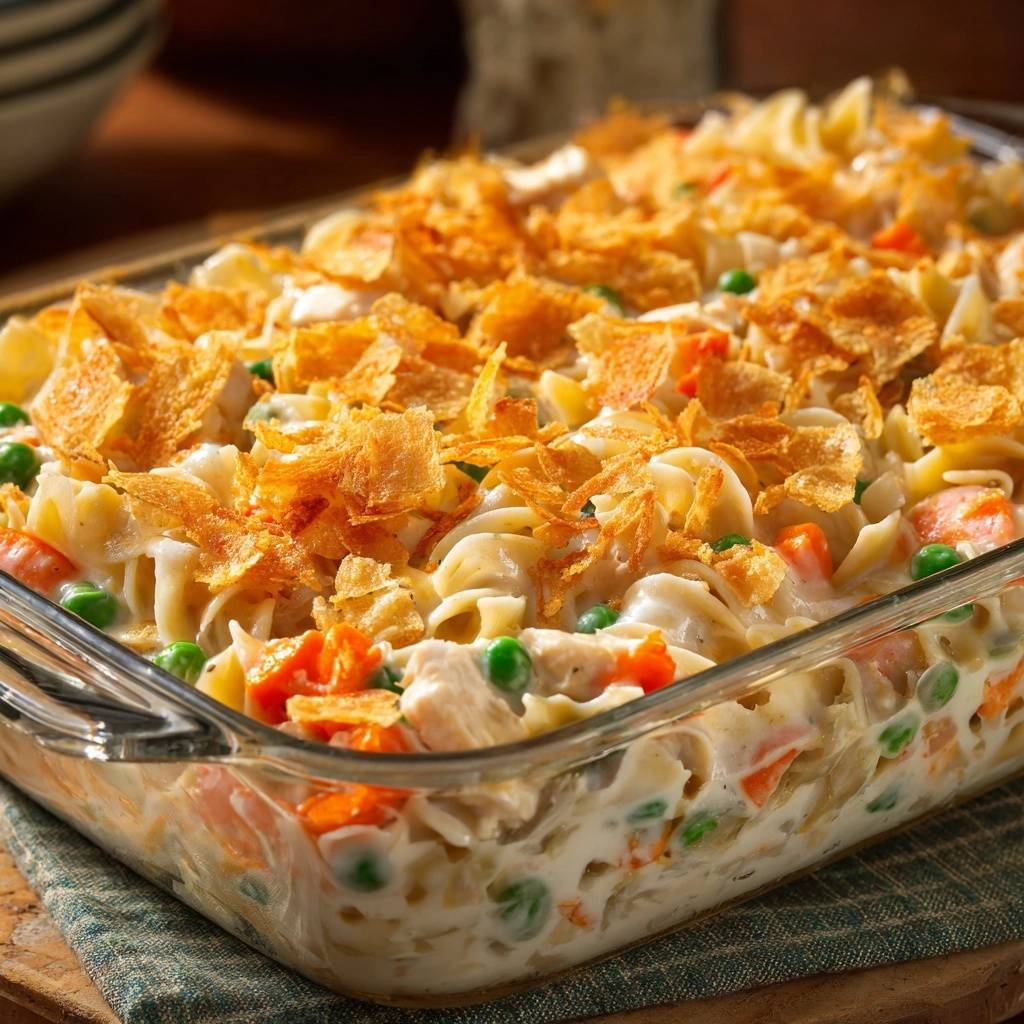
We’ve all experienced that specific kitchen heartbreak: pulling a golden, bubbling casserole from the oven only to discover the pasta has dissolved into a gummy, indistinguishable mush. It’s the classic “casserole trauma” that turns a beloved comfort food into a soggy disappointment. You want a dish where the sauce is velvety and rich, but the noodles still have enough structural integrity to stand up to your fork.
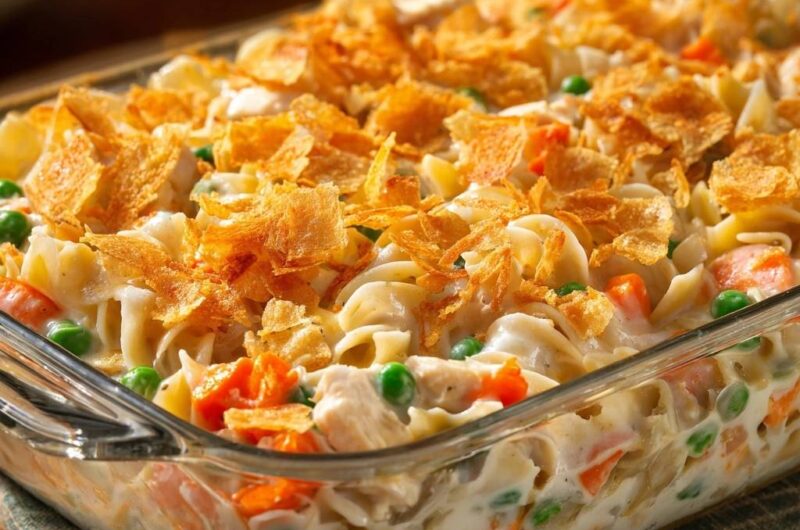
This recipe changes the game by focusing on the physics of the noodle rather than just the flavor of the sauce. By mastering a specific moisture-locking ratio, you’ll create a dish that feels nostalgic yet technically superior. The goal is a plate where every distinct spiral of pasta is coated in a silky mushroom glaze, topped with a crunch that actually stays loud through the very last bite.
The secret to this success lies in the “Anti-Soggy” par-boiling method. Most people cook their pasta until it’s soft before it even hits the baking dish, which is a recipe for disaster. I’ve found that stopping the boil while the pasta still has a firm, almost chalky center allows it to finish cooking inside the sauce, absorbing flavor without losing its shape. It’s a small tweak that makes a massive difference in the final mouthfeel.
Why Most Tuna Noodle Casseroles Fail
The primary reason casseroles fail is a phenomenon called starch breakdown. When you boil pasta and then bake it in a liquid-heavy sauce, you’re essentially double-cooking the wheat. This extended exposure to heat and moisture causes the starch molecules to swell and eventually burst, leading to that dreaded “mush factor.”
Furthermore, moisture migration plays a huge role in the texture of your dinner. As the casserole bakes, the thirsty pasta pulls liquid from the surrounding sauce. If your ratio is off, the pasta becomes bloated and the interior of the dish turns dry and clumpy. This recipe treats the sauce as a protective barrier, ensuring the noodles stay firm while the casserole remains moist.
Essential Components for a Creamy Tuna Noodle Casserole
Success starts with the right building blocks. While many traditional recipes call for wide egg noodles, they are often too thin to survive the baking process without tearing. I highly recommend using rotini or fusilli. These corkscrew shapes are robust and provide a much better surface-to-sauce ratio than flat noodles.
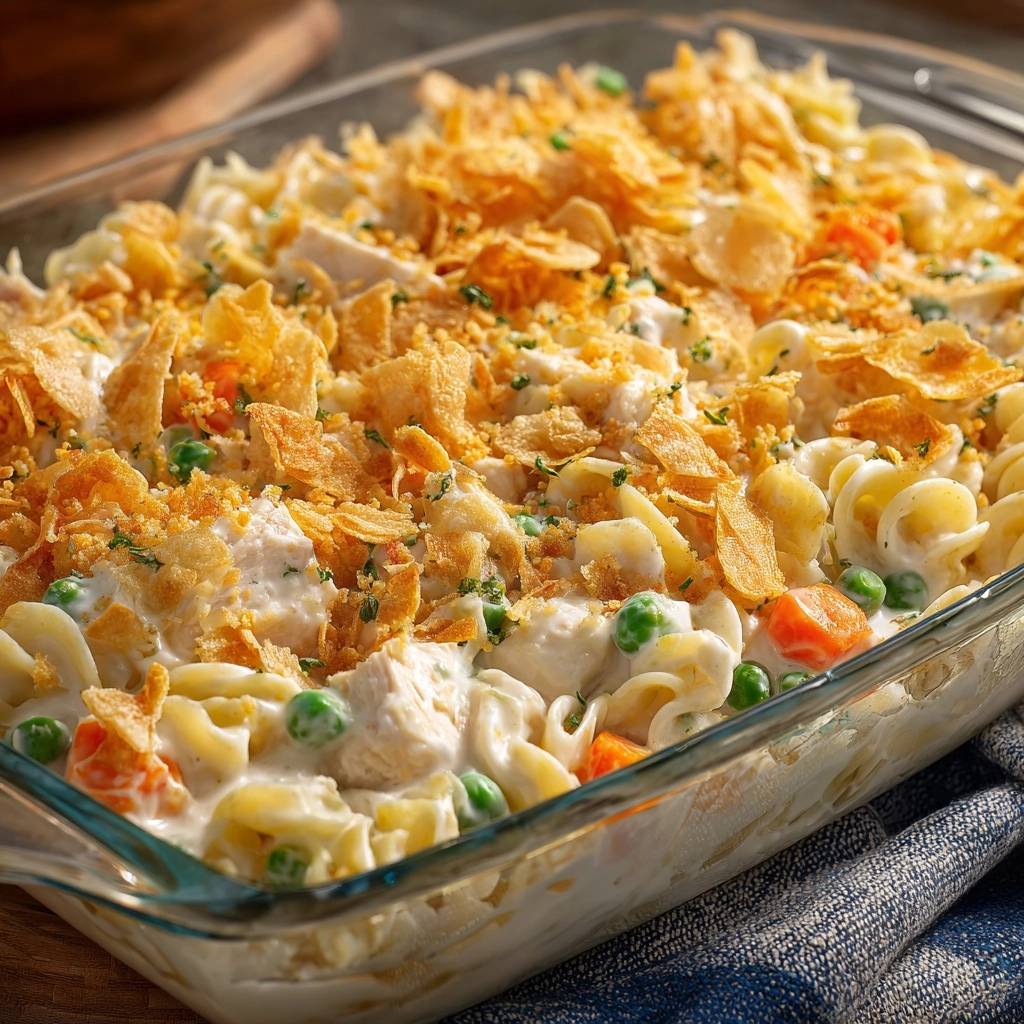
Quality tuna is equally important for a clean flavor profile. Always reach for tuna packed in water rather than oil. Oil-packed tuna can make the sauce feel greasy and heavy, whereas water-packed tuna allows the brightness of the sour cream and the earthiness of the mushrooms to shine through. Don’t forget to drain it thoroughly to keep the moisture levels precise.
Selecting the Right Pasta Shape
Rotini and fusilli are the unsung heroes of the casserole world. Their tight spirals act as tiny “sauce traps,” catching the peas and the creamy base in every twist. Because these shapes have a thicker “wall” than egg noodles, they resist overcooking and maintain a satisfying chew even after twenty minutes in a hot oven.
The Role of Condensed Soup and Dairy
Condensed mushroom soup serves as a stable emulsifier, providing a thick, consistent base that won’t break under high heat. However, using it alone can result in a one-dimensional flavor. By whisking in whole milk and sour cream, you introduce necessary fats and a subtle tang that cuts through the saltiness of the soup.
The Secret to Firm, Al Dente Noodles
To achieve the perfect texture, you must follow the “Minus Three” rule. Look at the pasta box and find the instructions for al dente cooking, then subtract exactly three minutes from that time. If the box says nine minutes, you boil for six. The pasta should feel quite firm, perhaps even slightly underdone, when you drain it.
Immediately after draining, you must rinse the pasta with cold water. This isn’t just to stop the cooking process; it also strips away excess surface starch. Removing that starch prevents the noodles from sticking together in a giant clump and ensures the sauce coats each spiral individually rather than turning into a thick paste.
Step-by-Step: Building the Perfect Casserole Base
When you’re ready to assemble, the way you handle the ingredients is just as important as the ingredients themselves. You want to avoid aggressive stirring, which can break the delicate tuna flakes into a fine powder. Instead, use a large rubber spatula to gently fold the components together until the sauce is evenly distributed.
I also recommend steaming your diced carrots separately before they enter the mix. Carrots take much longer to soften than peas or pasta. If you put them in raw, you’ll end up with crunchy orange bits in an otherwise soft dish. Pre-steaming ensures every vegetable in the casserole has a uniform, tender bite.
Whisking the Moisture-Locking Sauce
Before adding the pasta, whisk your soup, milk, sour cream, and spices until the mixture is completely smooth. It should be thick enough to coat the back of a spoon but fluid enough to seep into the ridges of the rotini. Using onion powder instead of raw onions keeps the texture silky and prevents any unwanted crunch from undercooked aromatics.
Folding and Layering for Maximum Distribution
Transfer the mixture into a 9×13 inch glass baking dish. Glass is the optimal vessel here because it distributes heat evenly and allows you to see those beautiful bubbles forming at the edges. Spread the mixture into a flat, even layer so that the heat penetrates the center of the dish at the same rate as the corners.
Achieving the Shatteringly Crisp Kettle Chip Topping
Standard potato chips or breadcrumbs often turn soggy as they absorb steam from the casserole. Kettle-style chips are the superior choice because they are sliced thicker and have a higher starch content, which helps them stay rigid. They provide a “shatteringly crisp” contrast to the creamy interior that is truly addictive.
When crushing the chips, aim for large shards rather than a fine dust. You want visible pieces of golden potato on top. Most importantly, do not press the chips down into the sauce. Let them sit lightly on the surface; this allows air to circulate around them, ensuring they toast perfectly without soaking up moisture from below.
Avoiding Common Casserole Mistakes
If you notice your sauce looks a bit too thick during the mixing stage, don’t be afraid to add a tiny splash of milk to loosen it up. However, the most common mistake is over-baking. You aren’t trying to “cook” the ingredients—they are mostly cooked already. You are simply heating them through and melding the flavors.
If the chip topping starts to brown too quickly before the sauce is bubbling, simply tent the dish loosely with a piece of aluminum foil. This protects the top while allowing the interior to reach the proper temperature. Remember to let the dish sit for five minutes after it leaves the oven; this resting period allows the sauce to set so it doesn’t run all over the plate.
Make-Ahead Strategies and Freezing Instructions
This is a fantastic meal-prep dish, but timing is everything. You can assemble the pasta and sauce mixture up to 24 hours in advance and keep it covered in the fridge. However, do not add the potato chip topping until the very second you are ready to put the dish in the oven, or they will lose their crunch.
If you want to freeze the casserole, do so before baking and without the topping. Thaw it completely in the refrigerator for 24 hours before cooking. Be aware that dairy-based sauces can sometimes look slightly separated when thawed, but a quick, gentle stir before adding the chips and baking will bring the emulsion back together.
Optimal Side Dishes for Tuna Casserole
Since this main dish is quite rich and creamy, you’ll want to pair it with something that offers a bright, acidic contrast. A simple arugula salad with a sharp lemon vinaigrette works wonders to cleanse the palate between bites. The peppery greens cut right through the mushroom sauce.
If you enjoy this crunchy topping texture, try pairing the casserole with a side of crispy rosemary baby potatoes for extra contrast.
Roasted balsamic Brussels sprouts or steamed green beans with a squeeze of fresh lime are also excellent choices. These vegetables provide a snap of freshness and a bit of bitterness that balances the savory depth of the tuna. Avoid serving other heavy, starchy sides like mashed potatoes, as the casserole is already quite filling.
Expert Tips for Customizing Your Casserole
Once you’ve mastered the base technique, feel free to get creative with flavor boosters. A teaspoon of fresh lemon zest stirred into the sauce adds a surprising brightness that lifts the whole dish. If you want a deeper flavor, try folding in a half-cup of sharp white cheddar cheese along with the tuna.
You can also swap the vegetables based on what you have in the pantry. Blanched asparagus tips or sautéed mushrooms make excellent additions. Just remember the “sauté-first” rule: any vegetable with high water content should be cooked slightly before being added to the casserole to prevent the sauce from becoming watery.
Vegetable Swaps and Additions
If you decide to add fresh mushrooms or celery, sauté them in a pan with a little butter until their moisture has evaporated. This concentrates their flavor and ensures they don’t release liquid into your carefully balanced sauce. This step is vital for maintaining that thick, velvety consistency we’re aiming for.
Protein Variations
The beauty of this specific sauce-to-noodle ratio is its versatility. If you aren’t a fan of tuna, you can substitute it with canned salmon or even shredded rotisserie chicken. The “Anti-Soggy” principles remain the same: keep the noodles firm and the sauce creamy, and you’ll have a successful dinner every time.
Frequently Asked Questions
Can I use gluten-free pasta for this recipe?
Yes, you can use gluten-free rotini, but you must be extra vigilant. Gluten-free pasta has a much narrower window between “perfect” and “mush.” I recommend undercooking it by four minutes instead of three and skipping the cold water rinse, as gluten-free noodles can become brittle when shocked with cold water. Use a brand made with brown rice or corn for the best structural integrity.
Why did my sauce separate or look oily?
Sauce separation usually happens if the oven temperature is too high or if you used low-fat dairy products. The fat in whole milk and sour cream acts as a stabilizer. If you use skim milk, the sauce is much more likely to “break” and look curdled. Stick to full-fat ingredients and ensure your oven is calibrated to 375 degrees F for a smooth, emulsified finish.
Can I use fresh mushrooms instead of canned soup?
You certainly can, though it requires making a roux-based sauce. Sauté 8 ounces of sliced mushrooms in butter, whisk in 1/4 cup of flour to create a paste, and then slowly add 2 cups of milk while whisking constantly until thickened. This replaces the condensed soup. You will likely need to add an extra half-teaspoon of salt since canned soup is pre-seasoned.
How do I reheat leftovers without drying them out?
The best way to reheat a single serving is in the microwave with a tiny splash of milk on top. Cover the dish loosely to trap the steam. The extra milk will re-hydrate the pasta as it heats up. If you are reheating a large portion in the oven, cover it with foil and bake at 325 degrees F until warmed through to prevent the chips from burning while the center heats up.
Is it possible to over-rinse the pasta?
Not really, but you should be gentle. The goal of the rinse is to remove the loose starch that makes noodles gummy. However, you don’t want to soak the pasta in water. A quick 30-second spray with cold water in a colander is plenty. This cools the noodles so they stop cooking and ensures they stay as individual spirals when you fold them into the sauce.
Tuna Noodle Casserole
Course: Main CourseCuisine: AmericanDifficulty: easy6
servings15
minutes25
minutes410
kcal40
MinutesThis recipe solves the common problem of mushy pasta in casseroles by using a specific under-cooking method for the noodles and a rich sauce ratio. Combined with peas, carrots, and a kettle-chip crust, it is a classic comfort meal with perfected textures.
Ingredients
12 ounces rotini or fusilli pasta (corkscrew shape)
2 cans (5 ounces each) tuna in water, drained and flaked
1 cup frozen peas
1 cup diced carrots, steamed until tender
2 cans (10.5 ounces each) condensed cream of mushroom soup
1/2 cup whole milk
1/2 cup sour cream
1 teaspoon onion powder
1/2 teaspoon black pepper
2 cups thick-cut kettle-style potato chips, lightly crushed
Directions
- Preheat your oven to 375 degrees F and lightly grease a 9×13 inch glass baking dish.
- The Secret to Firm Noodles: Boil a large pot of salted water. Cook the rotini for exactly 3 minutes less than the package directions for al dente. The pasta should be quite firm in the center. This prevents it from overcooking and becoming gummy while absorbing the sauce in the oven. Drain and rinse briefly with cold water to stop the cooking process.
- In a large mixing bowl, whisk together the condensed soup, milk, sour cream, onion powder, and black pepper until completely smooth.
- Gently fold the undercooked pasta, drained tuna, peas, and carrots into the sauce. Ensure every spiral is coated; the sauce fills the ridges of the pasta, creating a barrier that protects the texture.
- Transfer the mixture into the prepared baking dish, spreading it into an even layer.
- Top the casserole with a thick, even layer of crushed kettle chips. Use larger shards rather than a fine powder to maintain the visual texture and crunch. Do not press them down into the sauce; keep them sitting on top to ensure they stay crispy.
- Bake for 20 to 25 minutes until the sauce is bubbling at the edges and the chip topping is golden brown. Let it sit for 5 minutes before serving to allow the sauce to set perfectly.
Notes
- The secret to firm noodles is boiling the pasta for exactly 3 minutes less than the package directions for al dente. Use kettle-style chips for a crunchier topping that stays crisp during baking.