The Ultimate Mediterranean Quinoa Power Bowl: Master the Fluffy Grain Technique
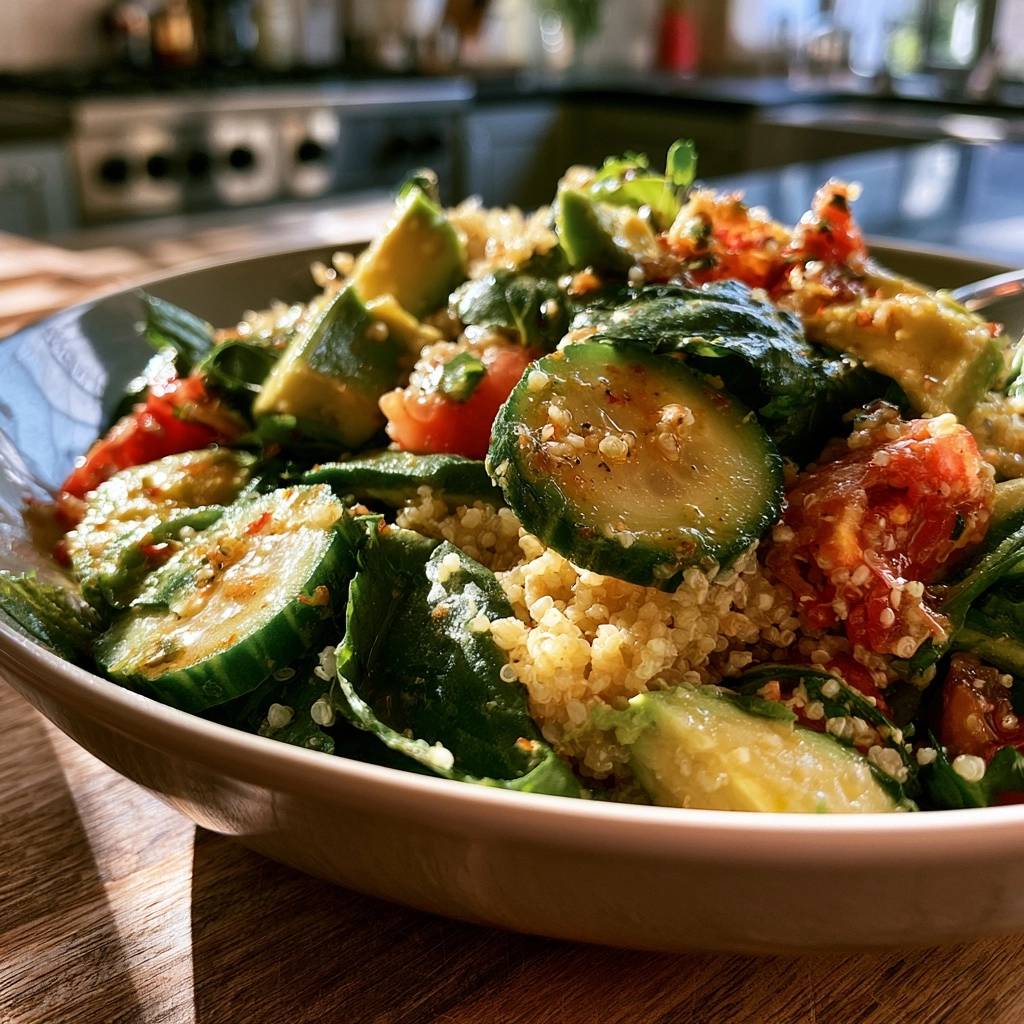
We’ve all been there. You’re craving a vibrant, nutrient-dense lunch to power through the afternoon, but you end up with a “sad desk salad” that’s soggy, bland, and entirely uninspiring. The Mediterranean Quinoa Power Bowl is the antidote to that lunchtime slump, offering a bright explosion of acidity, healthy fats, and satisfying protein. It’s the kind of meal that makes you feel energized rather than weighed down, thanks to the classic combination of lemon, oregano, and rich extra virgin olive oil.
However, the biggest hurdle to a great grain bowl isn’t the vegetables; it’s the quinoa itself. Most people struggle with grains that turn into a clumped-up, mushy paste that ruins the fresh crunch of the cucumbers and tomatoes. You want a bowl where every grain is distinct, light, and slightly nutty. When done right, this dish provides a restaurant-quality experience that balances the creaminess of avocado with the sharp bite of red wine vinegar.
The secret to achieving that perfect, fluffy texture lies in the “steam-dry” method and a specific water-to-grain ratio. Most box instructions tell you to use two cups of water for every cup of quinoa, but that’s a recipe for disaster. By reducing the liquid to 1.5 cups and allowing the grains to rest undisturbed away from the heat, you ensure the starch granules don’t blow out. This creates a firm base that holds up beautifully against the dressing without becoming waterlogged.
The Physics of Fluffy Quinoa: Why Ratios Matter
Cooking quinoa is more about science than guesswork. The standard 1:2 ratio often recommended on packaging provides far too much moisture, leading to grains that are saturated and heavy. When you use a 1:1.5 ratio, you’re providing just enough liquid for the quinoa to hydrate and “pop” open without drowning in excess water. This prevents the grains from bursting their cell walls and releasing too much starch, which is exactly what causes that dreaded mushy mouthfeel.
Beyond the water ratio, the mechanical process of rinsing is non-negotiable for both flavor and texture. Quinoa is coated in a natural compound called saponin, which acts as a defense mechanism for the plant. If you don’t rinse it off thoroughly under cold running water, your bowl will have a distinctively bitter, soapy aftertaste. A 30-second scrub in a fine-mesh strainer removes this coating and ensures the natural nuttiness of the grain shines through.
Once the water is absorbed, the “dry” part of the process begins. Even if the liquid is gone, the grains are still fragile and full of steam. If you stir them immediately, you’ll crush them into a mash. Letting the pot sit covered off the heat allows the moisture to redistribute evenly. This carry-over cooking firms up the exterior of each grain, making them resilient enough to be tossed with heavy vegetables and acidic dressings later on.
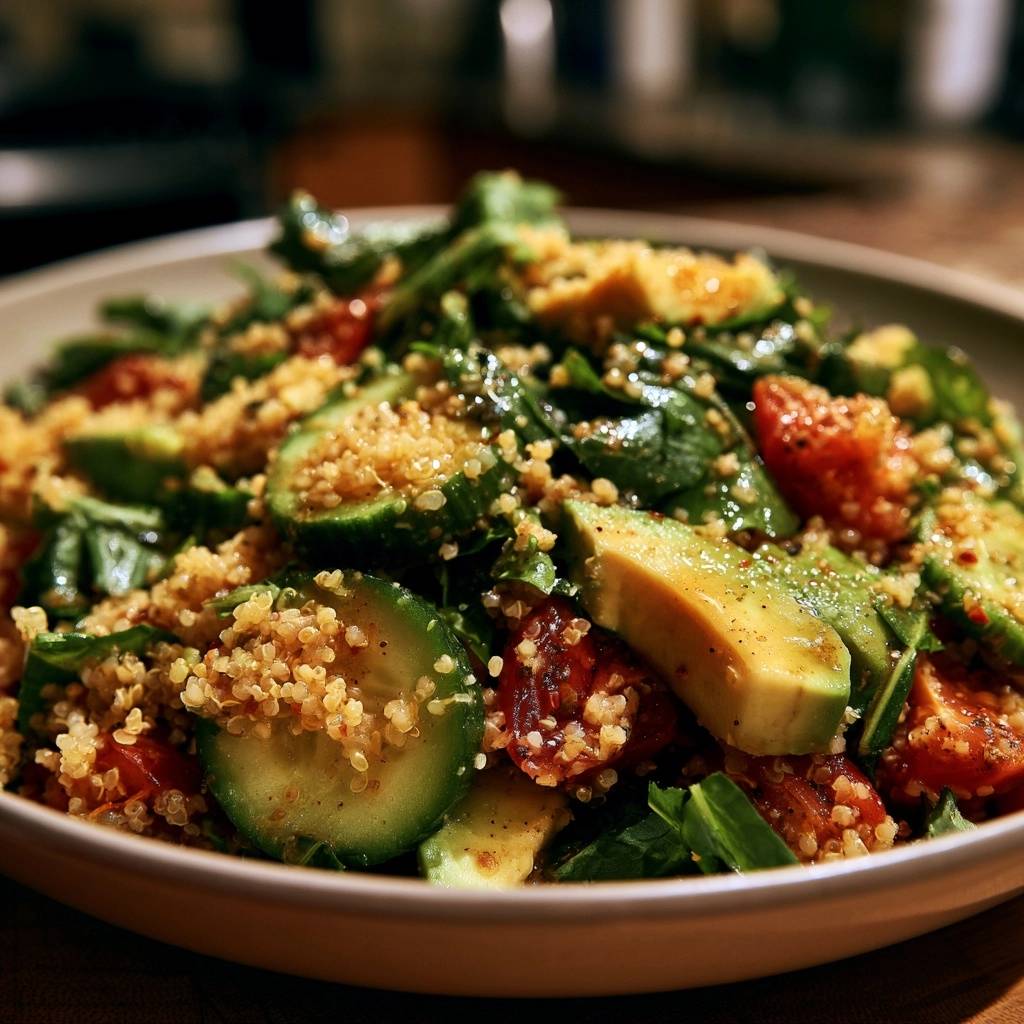
Essential Components for the Mediterranean Quinoa Power Bowl
Since this recipe relies on fresh, raw ingredients, the quality of your produce dictates the final flavor. I always reach for an English cucumber over the standard field variety. English cucumbers have thinner skins and far fewer seeds, which means they won’t release excess water into your bowl and make the dressing watery. Their consistent crunch provides a necessary textural contrast to the soft quinoa and creamy avocado.
For the tomatoes, cherry or grape varieties are the gold standard here. They possess a higher sugar-to-acid ratio than large slicing tomatoes, providing little bursts of sweetness that balance the salty dressing. When you halve them, their juices mingle with the vinaigrette, creating a secondary sauce that coats the spinach leaves. Fresh baby spinach adds a mild, earthy base that wilts just slightly when it hits the room-temperature grains.
Selecting the Right Quinoa Variety
While this recipe calls for white quinoa because of its delicate, soft texture, you can certainly experiment with other colors. Red quinoa holds its shape even better than white and offers a heartier, crunchier bite. Black quinoa is the firmest of all and has a striking visual appeal. If you want the best of both worlds, a tri-color blend provides a beautiful aesthetic and a complex mix of textures that makes the bowl feel even more substantial.
The Role of High-Phenolic Extra Virgin Olive Oil
In a Mediterranean dish, olive oil isn’t just a cooking medium; it’s a primary seasoning. Using a high-quality, cold-pressed extra virgin olive oil (EVOO) makes a massive difference. Look for one with peppery notes, which indicates a high phenolic content. These spicy undertones perfectly complement the red pepper flakes and the zing of the lemon juice, acting as a flavor carrier that ties the earthy oregano to the fresh vegetables.
Step-by-Step: Executing the Steam-Dry Method
Mastering the texture of your power bowl requires patience during the cooking phase. It’s tempting to rush the process, but following these specific phases ensures your grains stay individual and light. You’re looking for a transformation from hard seeds to translucent, spiraled grains that have a pleasant “pop” when you bite into them.
Phase 1: The Rinse and Rapid Boil
Start by rinsing your quinoa in a fine-mesh strainer until the water runs clear. This usually takes about 30 seconds of agitation. Combine the rinsed grains with 1.5 cups of cold water in a saucepan. Starting with cold water allows the grains to heat up gradually, ensuring the core is cooked at the same rate as the exterior. Bring the mixture to a sharp boil—you want to see vigorous bubbles breaking the surface—before immediately dropping the heat to the lowest possible setting.
Phase 2: The 10-Minute Undisturbed Rest
Once you cover the pot and simmer for 12 to 15 minutes, the liquid should be fully absorbed. Now comes the most important part: turn off the heat and walk away. Do not lift the lid! Lifting the lid releases the built-up pressure and steam that is currently finishing the cooking process. This 10-minute rest allows the proteins in the quinoa to set. If you skip this, the grains will be too soft and will likely break apart when you try to fluff them with a fork.
Phase 3: The Plate-Cooling Technique
After the rest, gently fluff the quinoa with a fork to separate the grains. Instead of leaving them in the hot pot, spread the quinoa out on a large plate or a rimmed baking sheet. This increases the surface area and allows the steam to escape quickly, stopping the cooking process instantly. This step is crucial because it prevents the residual heat from wilting your spinach or turning your cucumbers soft when you assemble the bowl.
Emulsifying the Mediterranean Herb Vinaigrette
The dressing for this bowl is a simple but powerful emulsion. By whisking the lemon juice and red wine vinegar with the dried oregano and red pepper flakes before adding the oil, you allow the dried herbs to rehydrate in the acid. This wakes up the flavors of the oregano, giving it a more robust, earthy profile that fresh oregano sometimes lacks in cold applications. The red wine vinegar provides a sharp, fermented tang that cuts right through the richness of the avocado.
Slowly streaming in the olive oil while whisking creates a temporary emulsion that coats the ingredients evenly. You aren’t looking for a thick, creamy dressing here; you want a light, shimmering coating. The red pepper flakes aren’t just for heat; they add beautiful red flecks that make the bowl look professionally prepared. Make sure to season generously with cracked black pepper, as it enhances the floral notes of the lemon juice.
Assembly Strategy: Protecting the Avocado Texture
The order in which you assemble the bowl matters for the final presentation. Start by tossing the cooled quinoa with the spinach, cucumbers, and tomatoes in the dressing. You want to be thorough here so that every leaf of spinach is lightly coated. Because the quinoa has been cooled on a plate, the spinach will stay crisp and vibrant rather than turning into a slimy mess. This creates a voluminous, textured base for the heavier ingredients.
The avocado must be the very last thing you add to the bowl. Avocado is incredibly delicate; if you toss it too vigorously with the other ingredients, it will break down and turn your beautiful vinaigrette into a muddy green paste. Gently fold the cubes in using a silicone spatula or a large spoon. You want the dressing to coat the outside of the avocado cubes, which actually helps prevent them from browning too quickly if you aren’t eating the entire bowl immediately.
Customizing Your Power Bowl: Protein and Texture Swaps
This bowl is a fantastic canvas for customization depending on what you have in your pantry. If you want an extra crunch, try adding a handful of roasted chickpeas or toasted pine nuts. The nuttiness of the pine nuts pairs exceptionally well with the lemon and oregano. For those who want a salty, briny kick, adding some halved Kalamata olives or a sprinkle of capers can elevate the Mediterranean profile even further.
If you aren’t following a strictly plant-based diet, a salty cheese makes a wonderful addition. Crumbled feta is the traditional choice, providing a creamy, tangy counterpoint to the fresh vegetables. Alternatively, you could sear some halloumi cheese in a pan until golden brown and place it on top of the bowl. The warm, squeaky cheese against the cool quinoa and crisp cucumbers creates a fantastic temperature contrast that feels very gourmet.
Troubleshooting Common Quinoa Texture Issues
Even with the best intentions, things can sometimes go wrong in the kitchen. If you find that your water has evaporated but the quinoa still feels unpleasantly crunchy in the center, don’t panic. Add two tablespoons of water, put the lid back on, and simmer on low for another three minutes. The key is to use very small amounts of liquid so you don’t overcorrect and end up with the mushy texture we’re trying to avoid.
If you accidentally added too much water and the grains look “blown out” or soggy, you can save them by straining the quinoa through a fine-mesh sieve to remove every drop of excess moisture. Then, spread the grains on a baking sheet and pop them into a 300°F oven for about five minutes. This will help evaporate the surface moisture and firm up the grains. It won’t be quite as perfect as the steam-dry method, but it will definitely save your lunch!
Why is my quinoa bitter?
Bitterness is almost always caused by the saponin coating. If you find the flavor off-putting, it means the 30-second rinse wasn’t quite thorough enough. Next time, try rubbing the grains between your hands while they are in the strainer under the water. This mechanical friction helps break off the stubborn coating more effectively than just letting water run over them.
How do I prevent the spinach from wilting?
The spinach wilts because of heat. If your quinoa is still steaming when you mix it with the greens, the leaves will collapse instantly. Ensure you use the plate-cooling technique mentioned earlier. The quinoa should feel room temperature or only slightly warm to the touch before it ever meets the spinach leaves.
Can I meal prep this bowl for the week?
You can definitely meal prep this, but strategy is key. Store the cooked quinoa and the chopped vegetables in separate containers. If you mix them all together with the dressing on Sunday, the cucumbers will release water and the spinach will be soggy by Tuesday. Keep the dressing in a small jar and only combine the components right before you’re ready to eat.
What is the best way to ripen avocados quickly?
If your avocados are rock hard, place them in a brown paper bag with an apple or a banana. These fruits release ethylene gas, which speeds up the ripening process. You can also check for ripeness by flicking the small stem at the top; if it comes off easily and shows green underneath, the avocado is creamy and ready to eat.
Optimal Storage and Make-Ahead Logistics
If you have leftovers, they will stay fresh in an airtight container in the refrigerator for about 24 hours. Beyond that, the acidity in the dressing will start to break down the cell walls of the cucumbers and spinach, leading to a softer texture. If you’re planning to eat this over several days, it’s best to keep the “wet” ingredients (tomatoes, cucumbers, dressing) separate from the “dry” ingredients (quinoa, spinach).
For a deconstructed office lunch, layer the dressing at the bottom of a glass jar, followed by the cucumbers and tomatoes, then the quinoa, and finally the spinach on top. This “salad jar” method keeps the delicate leaves away from the acidic dressing until you’re ready to shake it up and eat. Just remember to bring a fresh avocado and slice it right before serving to ensure it stays perfectly green and buttery.
How long does cooked quinoa last in the fridge?
Plain, cooked quinoa stays fresh for up to five days when stored in an airtight container. This makes it an excellent candidate for batch cooking. You can make a large pot on Sunday using the steam-dry method and use it for different meals throughout the week. It does not freeze well once mixed with fresh vegetables, but plain quinoa can be frozen for up to three months.
Why did my dressing separate?
Since this is a simple vinaigrette without heavy stabilizers like mustard or honey, it will naturally separate over time. This is completely normal! If you’ve made the dressing ahead of time, just give the jar a vigorous shake or a quick whisk before pouring it over your salad. The lemon juice and oil will temporarily re-emulsify long enough to coat your ingredients.
Can I use bottled lemon juice?
While you can use bottled juice in a pinch, fresh lemon juice is highly recommended for this recipe. Bottled versions often have preservatives and a slightly metallic aftertaste that can dull the brightness of the Mediterranean flavors. Since the lemon is a primary flavor component, using a fresh fruit provides that essential “zing” that makes the bowl taste vibrant.
Is this recipe gluten-free?
Yes, quinoa is naturally gluten-free as it is a seed rather than a grain. This makes the Mediterranean Power Bowl an excellent option for those with gluten sensitivities or Celiac disease. Just ensure that your dried spices and red wine vinegar are processed in a gluten-free facility if you are highly sensitive.
What can I use instead of red wine vinegar?
If you don’t have red wine vinegar on hand, apple cider vinegar is the best substitute. It has a similar level of acidity and a slight fruitiness that works well with the lemon. Balsamic vinegar can also work, though it will change the color of the dish and add a much sweeter profile that might overshadow the delicate herbs.
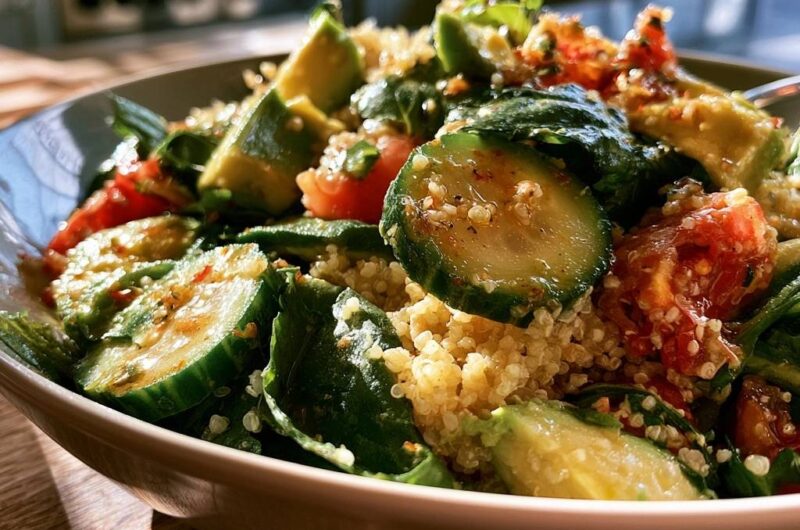
Mediterranean Quinoa Power Bowl
Course: Main CourseCuisine: MediterraneanDifficulty: easy4
servings15
minutes15
minutes30
Minutes360
kcalMediterranean
Ingredients
1 cup uncooked white quinoa
1 ½ cups water (Reduced from 2 cups to ensure a firm, fluffy grain)
1 large English cucumber, sliced into rounds
1 pint cherry tomatoes, halved
2 ripe avocados, cubed
2 cups fresh baby spinach, roughly chopped
3 tablespoons extra virgin olive oil
2 tablespoons fresh lemon juice
1 tablespoon red wine vinegar
1 teaspoon dried oregano
½ teaspoon red pepper flakes (for the visible spice flecks)
Salt and cracked black pepper to taste
Directions
- Rinse the quinoa thoroughly in a fine-mesh strainer under cold water for 30 seconds to remove the bitter saponin coating. Drain well.
- In a medium saucepan, combine quinoa and 1 ½ cups water. Bring to a sharp boil, then turn heat to the lowest setting. Cover tightly and simmer for 12-15 minutes, or until all liquid is absorbed.
- To solve the mushy grain problem, remove the pot from the heat but do not open the lid. Let it sit undisturbed for 10 minutes. This allows the remaining moisture to distribute evenly and the proteins to set.
- After 10 minutes, remove the lid and fluff gently with a fork. Spread the quinoa onto a large plate or baking sheet to cool for 5-10 minutes. This prevents the residual heat from wilting your fresh vegetables and ensures the grains remain individual.
- In a large bowl, whisk together the olive oil, lemon juice, red wine vinegar, oregano, red pepper flakes, salt, and pepper.
- Add the cooled quinoa, cucumber rounds, halved tomatoes, and chopped spinach to the bowl. Toss thoroughly so the dressing coats every leaf and grain.
- Fold in the avocado cubes last, tossing very gently to ensure they are coated in the dressing without breaking down or mashing. Serve immediately.
Notes
- The secret to fluffy quinoa is using a 1 to 1.5 ratio of grain to water and letting it rest off the heat for 10 minutes before fluffing. Always fold the avocado in last to prevent it from mashing.