Zesty Chicken Pozole Verde: Ending the Bland Broth Cycle
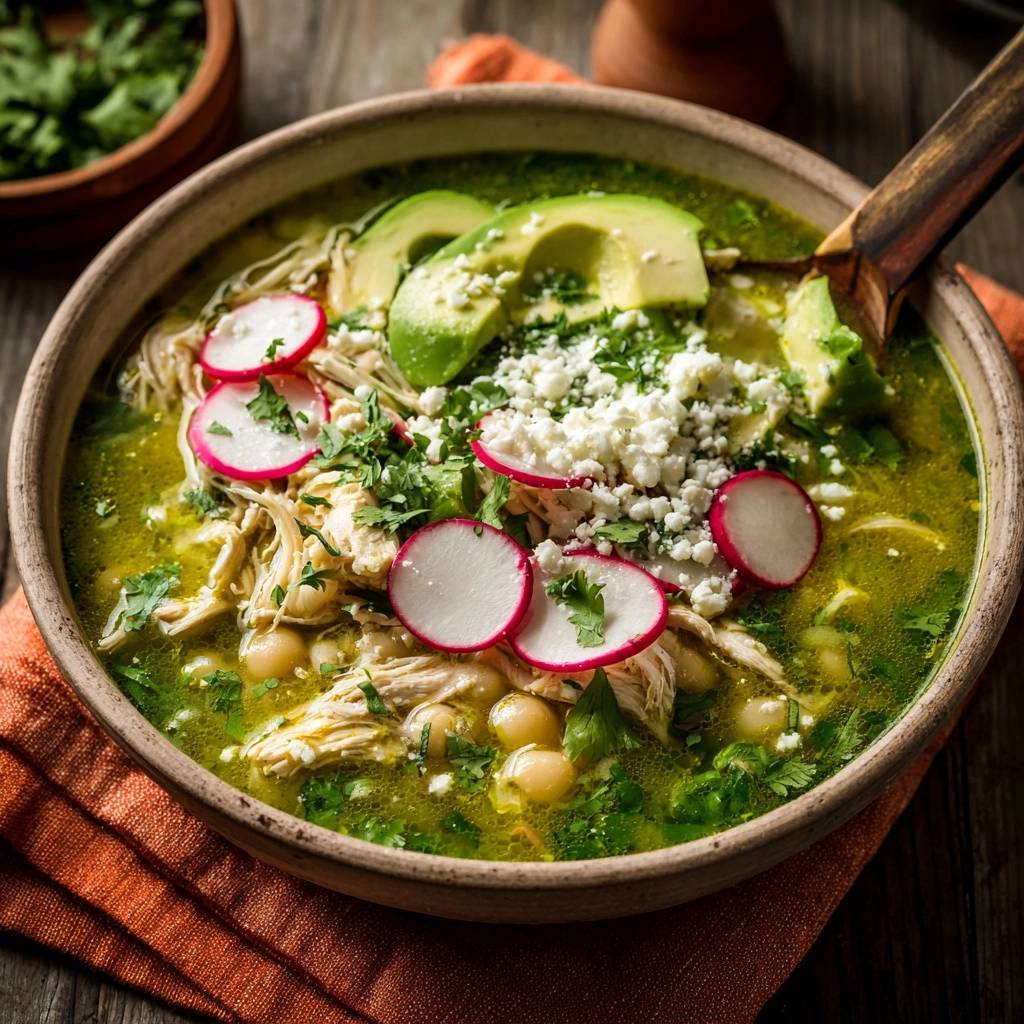
Most home-cooked green soups end up tasting like watered-down grass because the aromatics are simply boiled in a pot. This common mistake leads to a thin, one-dimensional broth that lacks the soul of a true Mexican stew. If you’ve ever felt disappointed by a pale, flavorless Pozole, you aren’t alone; the secret isn’t more salt, it’s the preparation of the vegetables.
This recipe solves that frustration by utilizing a quick charring technique for the tomatillos and peppers. By roasting your base under a broiler, you create a deep, smoky foundation that ensures your broth is never thin or boring. It transforms the raw, sharp bite of the ingredients into a complex, vibrant liquid that clings to the chicken and hominy.
The real trick to professional-grade Pozole is the “salsa frita” step. You don’t just pour the blended sauce into the broth; you fry it in a bit of hot oil first. This concentrates the sugars and thickens the texture, providing a rich mouthfeel that boiling alone can never achieve. I’ve found that this five-minute step is the difference between a “good” soup and one your family will beg for every week.
The Anatomy of a Vibrant Green Salsa Base
The heart of this Zesty Chicken Pozole Verde lies in the balance of three key green ingredients: tomatillos, poblanos, and jalapenos. Tomatillos provide the essential acidity and pectin that give the broth its body. While they look like green tomatoes, they are actually part of the nightshade family and offer a tart, citrus-like punch that cuts through the richness of the chicken.
If you enjoy the bright, charred tomatillo flavor here, you’ll love this Mexican white bean verde soup for an equally satisfying, broth-forward meal.
Poblano peppers bring an earthy, mild heat and a deep green color to the party. They aren’t particularly spicy, but they offer a foundational pepper flavor that fills the middle of the palate. The jalapeno is your “volume knob” for heat; using one seeded pepper provides a gentle tingle, while leaving the seeds in will satisfy those who want a real kick. Using fresh vegetables here is non-negotiable if you want that bright, zesty profile that canned versions simply cannot replicate.
Why Charring Vegetables Outperforms Boiling
When you boil vegetables, you are essentially diluting their flavor into the water. However, when you place them under a high-heat broiler, you trigger the Maillard reaction. This chemical process browns the natural sugars in the onion and tomatillos, creating a smoky sweetness that adds layers of complexity to the final dish.
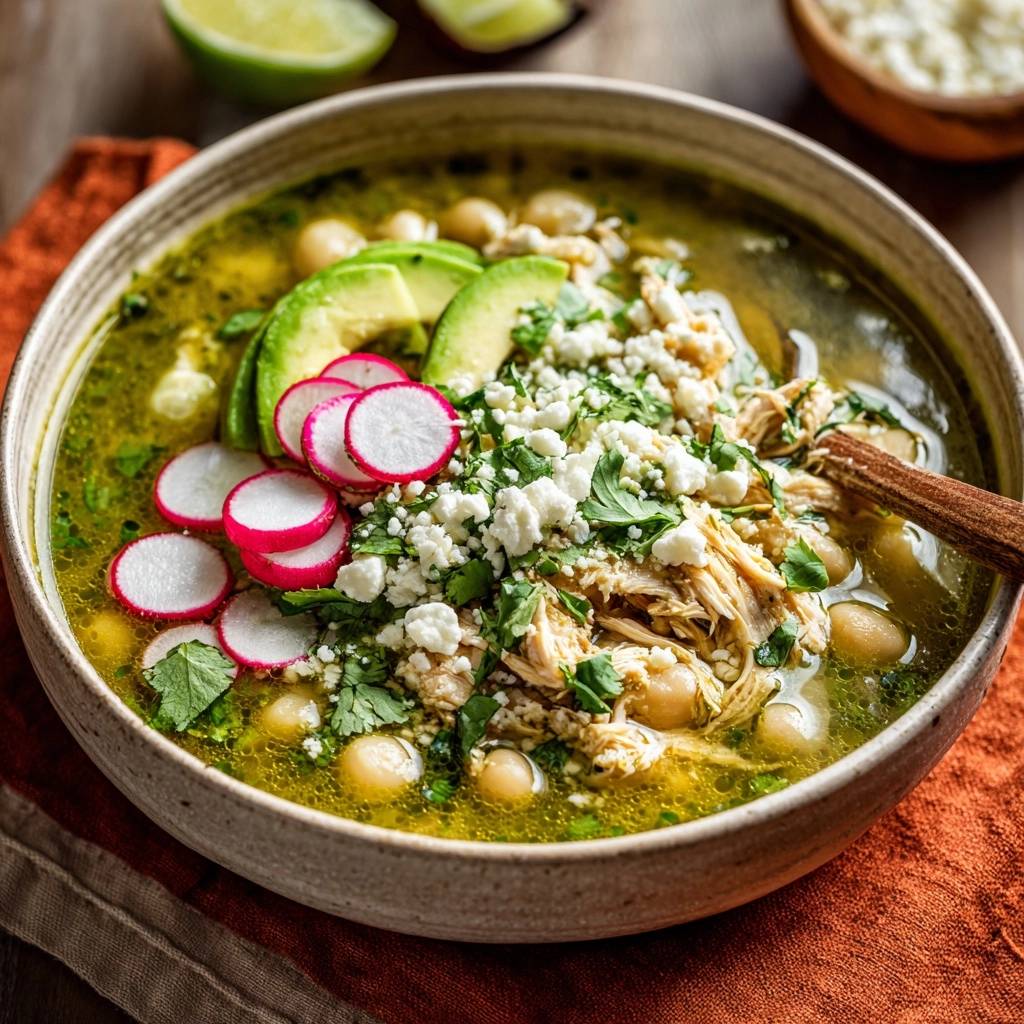
Charring the skins of the poblanos and jalapenos also softens the flesh and mellows their raw, grassy notes. You’ll notice the aroma change from sharp and pungent to savory and toasted. Those little blackened bits that end up in the blender aren’t “burnt”—they are concentrated flavor nuggets that give the broth its signature speckled look and rustic, restaurant-quality depth.
Essential Components for Zesty Chicken Pozole Verde
Choosing the right protein and spices makes a massive difference in the clarity of your stew. I prefer boneless skinless chicken breasts for this specific recipe because they produce a leaner, cleaner broth that lets the green salsa shine. While thighs are delicious, breasts shred into beautiful, clean white chunks that look stunning against the vibrant green liquid.
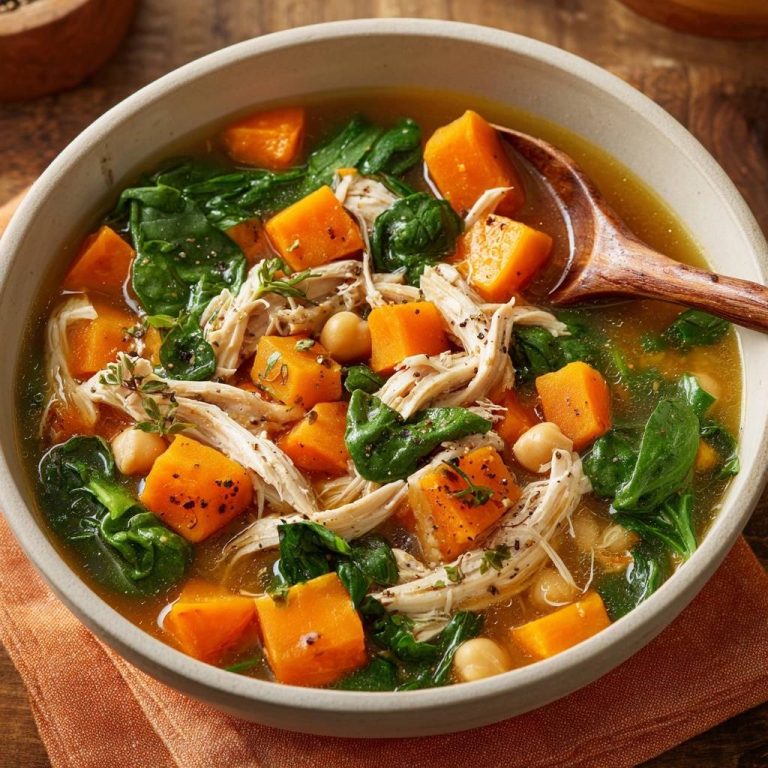
If you enjoy building flavor through spiced broth, try this method in a hearty shredded chicken veggie soup for a similarly rich result.
One ingredient you cannot overlook is Mexican oregano. Unlike the Mediterranean variety you find in pizza sauce, Mexican oregano is related to lemon verbena. It carries distinct citrus and licorice notes that harmonize perfectly with the tart tomatillos. Additionally, always reach for a low-sodium chicken broth. This gives you total control over the salt levels, allowing you to season generously at the end without the soup becoming a salt bomb.
The Role of Hominy in Traditional Stews
Hominy is the soul of Pozole. These are whole corn kernels that have undergone nixtamalization, a process where they are soaked in an alkaline solution. This gives them a unique, chewy texture and a subtle nutty flavor that tastes like a fresh corn tortilla. It’s important to drain and rinse the hominy thoroughly before adding it to the pot to remove any metallic taste from the canning liquid.
Step-by-Step: Mastering the Char and Blend Technique
Start by arranging your tomatillos, peppers, onions, and unpeeled garlic on a sturdy baking sheet. Slide them under the broiler and keep a close eye on them. You’re looking for the skins to blister and turn black in spots, which usually takes about 5 to 8 minutes. Don’t be afraid of the char; that’s where the magic happens.
Once they are softened and blackened, squeeze the roasted garlic out of its papery skin and toss everything into the blender. Add the fresh cilantro and a splash of broth to help things move. When you blend, start on a low speed to avoid a “steam explosion” from the hot vegetables, then ramp it up until the sauce is silky smooth and bright green.
The “Salsa Frita” Method: Frying Your Broth Base
This is the most important technical step in the recipe. Heat a tablespoon of oil in your Dutch oven until it’s shimmering. Carefully pour in the blended green puree. It will hiss and splatter a bit, so be ready with a spoon. Stir this mixture constantly for about five minutes.
You will actually see the transformation happen before your eyes. The color will shift from a bright, neon green to a deeper, more sophisticated olive hue. The sauce will thicken and the aroma will become intensely savory. This “frying” step cooks out the raw vegetable taste and ensures your final Pozole has a concentrated, velvety consistency rather than a watery one.
Poaching and Shredding for Optimal Chicken Texture
Instead of cooking the chicken separately, you’ll poach it directly in the seasoned broth. This serves two purposes: the chicken absorbs the flavors of the poblano and cumin, and the chicken juices enrich the broth. It’s a win-win for flavor development.
Use a meat thermometer to pull the chicken out exactly at 165°F. If you overcook it, the breast meat will become stringy and dry. Once it’s rested for a few minutes, shred it into thick, bite-sized chunks. I find that larger pieces provide a much more satisfying “chew” and hold up better in the hot liquid than a fine, wispy shred.
Simmering to Develop the Final Flavor Profile
After returning the shredded chicken and the rinsed hominy to the pot, let everything simmer together for about 15 minutes. This isn’t just about heating things through; it’s about the “marriage” of flavors. The hominy will release a small amount of starch, which naturally thickens the broth just enough to give it some body.
This is the time to be a “tasting chef.” Dip your spoon in and check the salt. Because the broth has reduced slightly, the flavors are at their peak. If it tastes a little flat, add another pinch of salt or a squeeze of lime. Salt is the key that unlocks all the charred, smoky notes you worked so hard to build.
Customizing Heat and Texture Variations
If you want to turn up the heat, try adding a serrano pepper to the roasting tray along with the jalapeno. Serranos have a sharper, more immediate spice that cuts through the richness of the avocado topping. For those who prefer a milder experience, you can swap the jalapeno for an extra poblano pepper.
To create a creamier, more “velvety” version of this Pozole, you can blend a quarter cup of toasted pepitas (pumpkin seeds) into the green sauce. This is a traditional trick used in certain regions of Mexico to add body and a subtle nuttiness. If you’re short on time, this recipe also adapts well to a pressure cooker; just sauté the salsa first, then cook on high pressure for 10 minutes.
The Art of the Garnish: Texture and Contrast
In the world of Pozole, the toppings are just as important as the soup itself. The broth is warm and savory, so you need cold, crisp garnishes to create contrast. Sliced radishes provide a necessary peppery crunch, while fresh avocado adds a buttery richness that balances the acidity of the tomatillos.
What Goes Well with Pozole Verde?
This bright, brothy chicken soup needs a few cool, creamy, or crunchy companions to round out the bowl. Here are two sides that fit right in.
- A cool, creamy spoonful of Creamy Avocado Dip cuts through the heat of the green chiles and adds a smooth, rich contrast to the broth.
- Buttery, fluffy Skillet Cheesy Jalapeno Biscuits are perfect for soaking up every last drop of pozole, with a gentle kick that matches the soup’s spice.
Don’t skip the Cotija cheese; its salty, funky crumble acts like a seasoning garnish. Most importantly, the lime wedge is mandatory. A final squeeze of fresh lime juice right before you eat “wakes up” the charred flavors and makes the whole bowl sing. It provides a hit of brightness that ties the smoky peppers and earthy hominy together.
Troubleshooting Common Pozole Pitfalls
If your broth feels too thin, don’t panic. Simply take a half-cup of the hominy out of the pot, mash it into a paste with a fork, and stir it back in. The natural corn starches will act as an instant thickener. If the broth tastes too sour, which can happen with very ripe tomatillos, a tiny pinch of sugar can balance that acidity perfectly.
Dry chicken is usually the result of boiling the broth too hard. Keep the pot at a gentle simmer—just a few bubbles breaking the surface. If you find the flavor lacks depth even after charring, it’s likely a salt issue. Add salt in small increments; you’ll be amazed at how it suddenly makes the poblano and cumin flavors pop.
Make-Ahead Strategies and Storage Logistics
Pozole is one of those magical dishes that actually tastes better the next day. As it sits in the fridge, the garlic, onion, and peppers continue to meld, creating a more harmonious flavor. You can store the cooled soup in an airtight container for up to four days. It’s the ultimate meal-prep lunch.
If you want to freeze it, this recipe holds up beautifully for up to three months. Just be sure to leave the toppings off until you are ready to serve. When reheating, do it gently on the stove over medium heat. You might need to add a splash of water or broth, as the hominy will continue to soak up liquid as it sits.
Expert Tips for a Professional Finish
For an extra layer of flavor, try “blooming” your Mexican oregano. Place the dried leaves in the palm of your hand and rub them together vigorously as you sprinkle them into the pot. This friction releases the essential oils and intensifies the aroma instantly. It’s a small gesture that makes a big difference.
Another pro tip is to toast your ground cumin in the dry pot for 30 seconds before adding the oil and green sauce. This removes the “raw” spice taste and replaces it with a warm, nutty scent. If you don’t have a broiler, you can achieve a similar char by blistering the vegetables in a very hot cast-iron skillet until the skins are blackened.
Frequently Asked Questions
Can I use chicken thighs instead of breasts?
Yes, chicken thighs are an excellent substitution. They contain more fat and connective tissue, which results in a richer, more succulent meat texture. If using thighs, you may want to simmer them for an extra 5 to 10 minutes to ensure they are tender enough to shred easily.
What if I can’t find fresh tomatillos?
If fresh tomatillos aren’t available, you can use canned tomatillos. However, since they are already cooked, you won’t be able to char them. To compensate for the lost smoky flavor, spend extra time charring the peppers and onions, and consider adding a tiny drop of liquid smoke or a charred serrano to the blender.
Is this dish naturally gluten-free?
Yes, this Zesty Chicken Pozole Verde is naturally gluten-free. Hominy is made from corn, and the thickening comes from the vegetables and corn starch rather than flour. Always double-check your chicken broth label to ensure no gluten-containing additives were used by the manufacturer.
How do I store leftover Cotija cheese?
Cotija is a dry, firm cheese that lasts a long time. Wrap the leftover block tightly in parchment paper and then place it in a zip-top bag. It will stay fresh in the refrigerator for several weeks. If it develops any moisture, pat it dry to prevent mold growth.
Can I add other greens like spinach or kale?
You can certainly add greens to boost the nutritional value. If you want to keep the vibrant green color, stir in a handful of fresh baby spinach right at the very end of cooking. It will wilt in seconds. Avoid kale unless you sauté it first, as its tough texture can distract from the tender chicken and hominy.
Chicken Pozole Verde
Course: Main CourseCuisine: MexicanDifficulty: medium6
servings15
minutes45
minutes340
kcal60
MinutesThis recipe elevates traditional Pozole Verde by roasting the aromatics first. By charring tomatillos, poblanos, and onions, you create a rich base for the shredded chicken and hominy, resulting in a hearty and zesty soup.
Ingredients
1.5 lbs boneless skinless chicken breasts
1 lb fresh tomatillos, husked and rinsed
2 poblano peppers, seeded and halved
1 jalapeno, seeded
1 large white onion, quartered
4 cloves garlic, skin on
6 cups low sodium chicken broth
2 cans (15 oz each) white hominy, drained and rinsed
1 teaspoon dried Mexican oregano
1/2 cup fresh cilantro, plus more for garnish
2 tablespoons olive oil
1 teaspoon ground cumin
Salt and pepper to taste
Toppings: Sliced radishes, sliced avocado, crumbled cotija cheese, and lime wedges
Directions
- To solve the bland broth problem, place tomatillos, poblanos, jalapeno, onion, and garlic cloves on a baking sheet. Drizzle with one tablespoon of olive oil and broil for 5 to 8 minutes, turning once, until the skins are charred and blackened in spots. This charring is the secret to intense flavor depth.
- Remove the garlic from their skins. Transfer the charred vegetables and any juices from the pan into a blender. Add the cilantro and 1 cup of the chicken broth. Blend until completely smooth.
- In a large heavy-bottomed pot or Dutch oven, heat the remaining tablespoon of oil over medium-high heat. Pour in the blended green sauce (be careful of splattering) and “fry” the salsa for 5 minutes, stirring constantly. This step deepens the color and concentrates the flavors to prevent a watery consistency.
- Stir in the remaining 5 cups of chicken broth, dried oregano, and cumin. Add the whole chicken breasts. Bring to a boil, then reduce heat to a low simmer. Cover and cook for 20 minutes or until the chicken reaches an internal temperature of 165°F.
- Remove the chicken to a cutting board and shred it into thick chunks with two forks.
- Return the shredded chicken to the pot along with the rinsed hominy. Simmer uncovered for another 10 to 15 minutes. This allows the hominy to soften and release its starch, thickening the broth slightly.
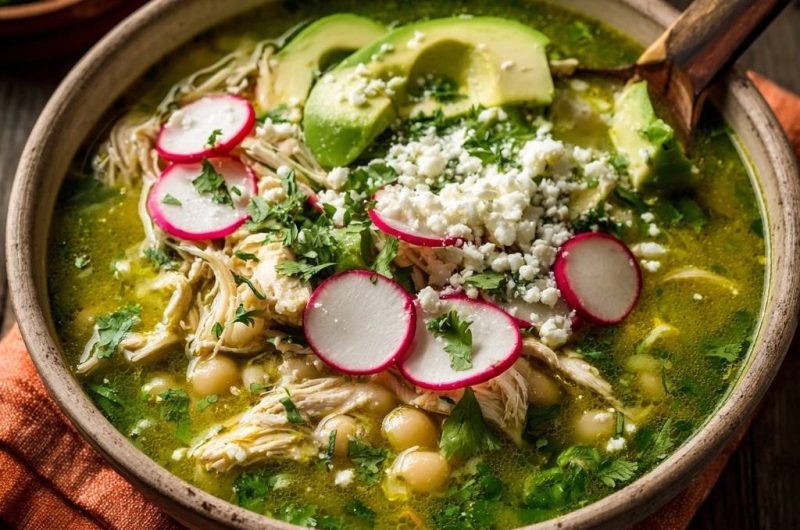
- Taste and season generously with salt and pepper. Ladle into deep bowls and arrange the toppings as seen in the image: a cluster of sliced radishes, fresh avocado slices, a heavy dusting of cotija cheese, and a sprinkle of fresh cilantro. Serve with lime wedges to brighten the charred broth.
Notes
- Frying the salsa before adding the rest of the broth is a crucial step to prevent a watery consistency and deepen the overall flavor profile.