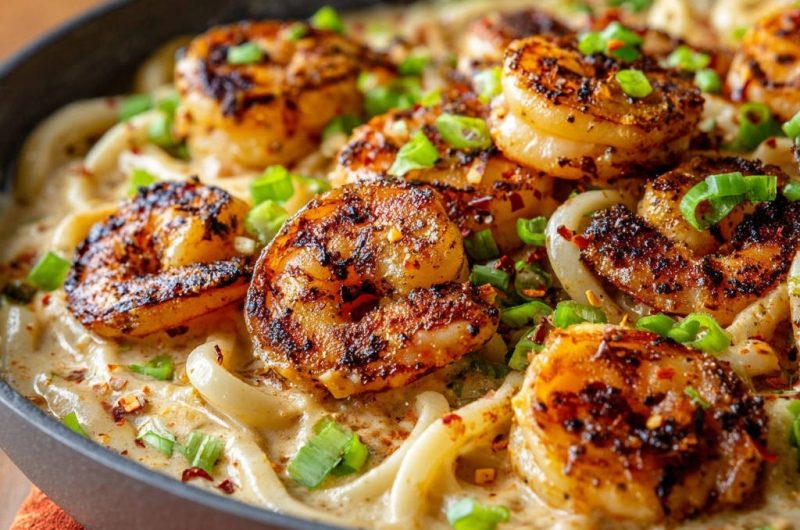
Cajun Butter Shrimp Skillet: Tender & Flavorful Perfection
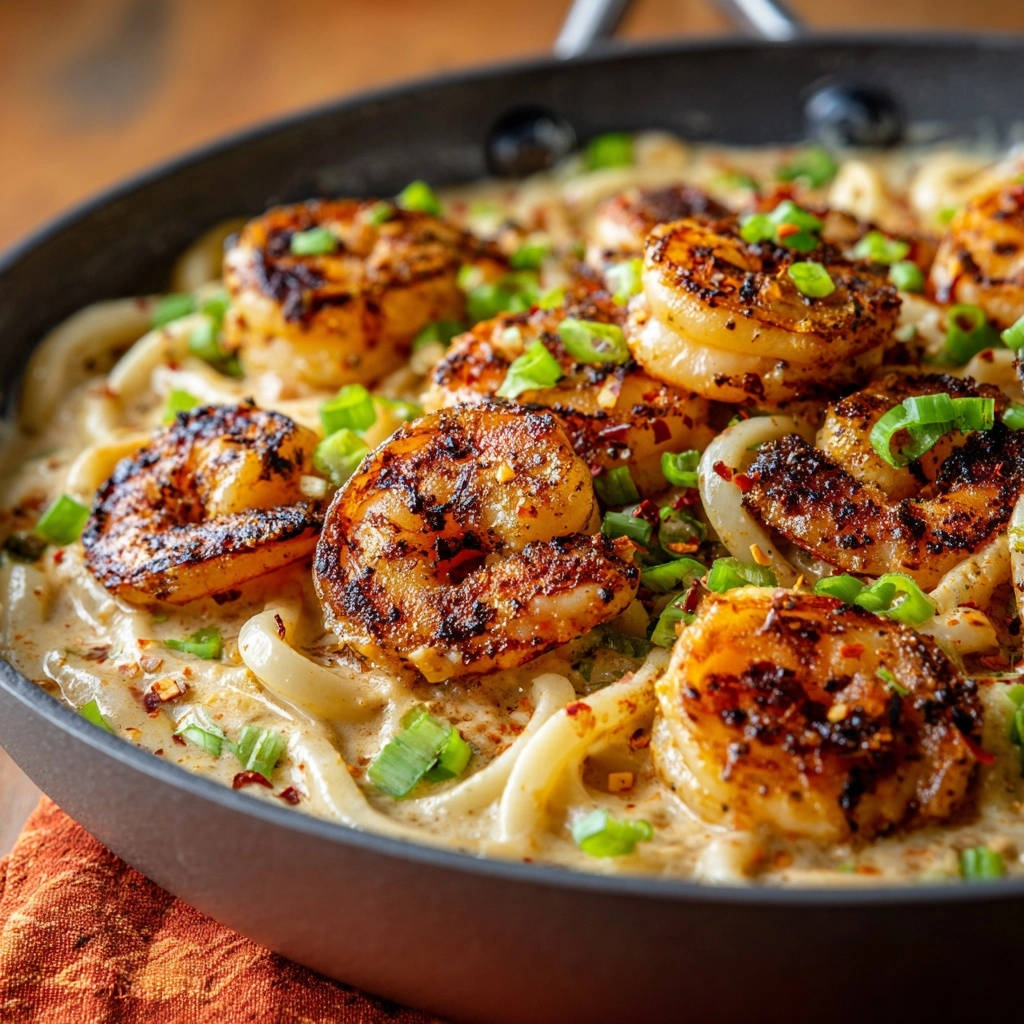
I remember a time when cooking shrimp felt like a gamble-one minute perfectly tender, the next, disappointingly rubbery. That frustrating experience ended the moment I perfected this simple yet incredibly effective technique for a truly exceptional Cajun Butter Shrimp Skillet.
This recipe isn’t just another dinner idea; it’s your foolproof guide to succulent, juicy shrimp bathed in a rich, spicy, and utterly irresistible Cajun butter sauce, delivering a delicious skillet meal every single time.
Beyond Rubbery: Why This Skillet Shrimp Recipe is a Game-Changer
What sets this Cajun Butter Shrimp Skillet apart is its commitment to perfectly cooked shrimp. No more guesswork or chewy bites; our method guarantees a tender, flavorful result.
This dish masters the balance between vibrant Cajun spices and a decadent, creamy sauce. It’s a harmonious blend that coats every piece of shrimp and noodle, ensuring maximum flavor.
Designed for efficiency, this recipe brings together a gourmet-level meal in a single skillet. It reduces cleanup while maximizing taste, making it ideal for busy weeknights or impressive gatherings.
Gather Your Essentials: Ingredients for an Irresistible Meal
Before we dive into cooking, let’s ensure you have all the components for this incredible meal.
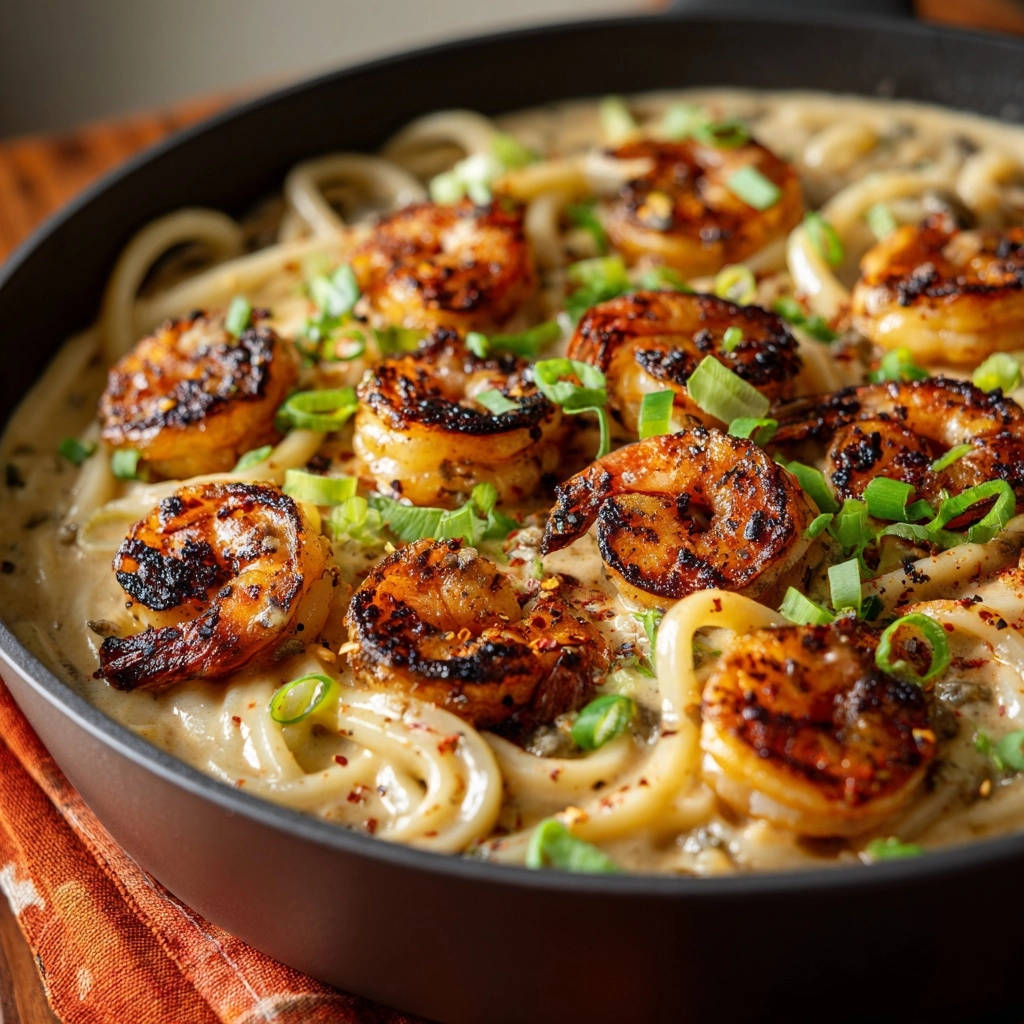
- 1 pound large shrimp, peeled and deveined, tails on or off
- 8 ounces udon noodles (or linguine or fettuccine)
- 2 tablespoons olive oil, divided
- 1 tablespoon Cajun seasoning blend
- 1/2 cup unsalted butter
- 4 cloves garlic, minced
- 1 1/2 cups chicken broth (low sodium)
- 1 cup heavy cream
- 1/2 teaspoon red pepper flakes, plus more for garnish
- Salt to taste
- Black pepper to taste
- 1/4 cup chopped green onions (scallions), for garnish
The Star: Perfect Shrimp Selection & Prep
Opt for large shrimp (21-25 count per pound) for a satisfying bite. Whether you keep the tails on or off is entirely up to your preference.
Always start with peeled and deveined shrimp for convenience and presentation. This crucial step ensures a clean, enjoyable eating experience.
Critically important: Thoroughly patting your shrimp dry with paper towels is essential. Excess moisture hinders searing, leading to steamed instead of beautifully browned and tender shrimp.
Crafting the Creamy, Buttery Sauce
Unsalted butter provides a rich foundation for our sauce, allowing you to control the overall saltiness. Freshly minced garlic adds an aromatic depth that is fundamental to the dish’s flavor profile.
Low-sodium chicken broth ensures a savory base without over-salting, while heavy cream brings a luxurious, silky texture. These liquids combine to create the irresistible creamy element of our Cajun Butter Shrimp Skillet.
Spice it Up: Cajun Seasoning and Heat
A quality Cajun seasoning blend is the heart of this recipe’s flavor. It delivers that signature smoky, spicy, and herbaceous punch.
Red pepper flakes offer adjustable heat; use less for mild flavor or more for a bolder kick. Remember, you can always add more spice at the end.
Noodle Choices and Beyond
Udon noodles are excellent for their chewy texture and ability to soak up the rich sauce. Linguine or fettuccine are fantastic alternatives if udon isn’t available, providing a classic pasta base.
For a low-carb option, consider serving the Cajun butter shrimp and sauce over cauliflower rice, zucchini noodles, or even a bed of fresh spinach.
Skillet Savvy: Recommended Tools for Success
Having the right tools makes all the difference in achieving perfect results for your Cajun Butter Shrimp Skillet.
- Large Skillet:
A 12-inch or larger heavy-bottomed skillet is essential. It ensures even heat distribution and provides ample surface area to sear shrimp without overcrowding.
- Mixing Bowls:
Needed for seasoning the shrimp and potentially for tossing the cooked noodles.
- Whisk:
Useful for blending the sauce ingredients smoothly and preventing lumps as it simmers.
- Tongs:
Perfect for flipping shrimp quickly and gently tossing the noodles and shrimp in the sauce.
Mastering the Skillet: Your Step-by-Step Guide to Perfection
Follow these detailed steps to create a truly exceptional Cajun Butter Shrimp Skillet.
- Shrimp Preparation: The Secret to No-Fail Tenderness
Begin by thoroughly patting the peeled and deveined shrimp dry with paper towels. This crucial step removes surface moisture, which is vital for achieving a proper sear and preventing the shrimp from steaming.
In a medium bowl, toss the dried shrimp with 1 tablespoon of olive oil and the Cajun seasoning. Ensure every shrimp is evenly coated, allowing the flavors to meld before cooking.
- Noodle Nuances: Cooking to Al Dente
Cook the udon noodles (or your chosen pasta) precisely according to the package directions. It’s important to cook them only until al dente, meaning they are firm to the bite, as they will warm further in the sauce.
Drain the cooked noodles and set them aside. This ensures they are ready to be added to the creamy sauce when it’s perfectly thickened.
- The Perfect Sear: High Heat for Juicy Shrimp
Heat the remaining 1 tablespoon of olive oil in your large skillet over medium-high heat until it shimmers. This high heat is key to quick cooking and tender shrimp.
Add the seasoned shrimp to the hot skillet in a single layer, making sure not to overcrowd the pan. Cook for exactly 1 to 2 minutes per side, just until the shrimp turns pink and opaque.
The critical rule here: Do not overcook! Quick, high-heat cooking is the secret to avoiding rubbery shrimp. Immediately remove the shrimp from the skillet and transfer them to a plate to rest.
- Building the Flavorful Skillet Sauce
Reduce the heat to medium in the same skillet. Add the unsalted butter and allow it to melt completely, scraping up any delicious browned bits from the shrimp.
Add the minced garlic and cook for just 30 seconds until it becomes fragrant. Be extremely careful not to burn the garlic, as burnt garlic can turn bitter and ruin the sauce’s delicate flavor.
Pour in the chicken broth, heavy cream, and red pepper flakes. Bring this mixture to a gentle simmer, stirring occasionally to combine all the ingredients.
Let the sauce simmer for 3 to 5 minutes, or until it visibly thickens to your desired consistency. Season the sauce generously with salt and black pepper to taste, adjusting until it’s perfectly balanced.
- Bringing it All Together: The Final Toss
Add the cooked udon noodles to the simmering sauce in the skillet. Toss them gently to ensure every strand is thoroughly coated in the rich, creamy sauce.
Return the seared shrimp to the skillet with the noodles and sauce. Gently toss for only about 30 seconds, just enough to warm the shrimp through without cooking them further.
- Garnish & Serve: The Finishing Touches
Garnish your finished Cajun Butter Shrimp Skillet generously with freshly chopped green onions (scallions).
If you love this buttery shrimp dish, try the same silky approach in this creamy lemon garlic butter shrimp for a sauce that stays smooth.
If you desire extra heat and visual appeal, sprinkle additional red pepper flakes over the top before serving hot. This simple touch adds freshness and a final pop of color.
Chef’s Insights: Elevating Your Cajun Butter Shrimp Skillet
Transform a good dish into a great one with these expert tips and tricks.
The Dry Shrimp Difference
Thoroughly drying your shrimp is non-negotiable for a perfect sear. Moisture creates steam, which prevents the shrimp from browning beautifully and developing that desirable caramelized crust.
Instead of a sizzle, wet shrimp will steam, leading to a dull, rubbery texture. Take the extra minute to pat them absolutely dry before seasoning.
Achieving the Perfect Sear: Don’t Overcrowd!
Overcrowding the skillet is a common mistake that drops the pan’s temperature significantly. This prevents shrimp from searing properly and instead causes them to steam.
If you have a pound of shrimp, you might need to cook them in two batches. This ensures each piece gets direct contact with the hot pan, resulting in that irresistible golden-pink finish.
Sauce Consistency Secrets
If your sauce appears too thin after simmering, simply let it continue to simmer gently for a few more minutes. Evaporation will naturally thicken it.
Conversely, if the sauce becomes too thick, whisk in a splash more chicken broth or heavy cream until it reaches your preferred creamy consistency.
Garlic Gold: Avoiding the Burn
Garlic can go from fragrant to bitter very quickly. Keep a close eye on it when it’s in the hot pan.
Cook minced garlic for no more than 30 seconds to 1 minute, just until aromatic, ensuring it doesn’t turn brown.
Seasoning Smarts: Taste as You Go
Always taste your sauce before the final assembly and adjust seasonings as needed. Different brands of Cajun seasoning and chicken broth vary in salt content.
A small pinch of salt, a dash of pepper, or a squeeze of lemon at the end can elevate the entire flavor profile of your Cajun Butter Shrimp Skillet.
Flavor & Fixes: Troubleshooting Common Skillet Snags
Even seasoned cooks encounter issues. Here’s how to tackle common problems with your Cajun Butter Shrimp Skillet.
My Shrimp is Rubbery!
Solution: Rubbery shrimp is almost always a sign of overcooking. Remember, shrimp cooks very quickly.
Ensure your skillet is truly hot, cook for only 1-2 minutes per side, and remove them promptly as soon as they turn pink and opaque. The brief return to the sauce is just for warming.
Sauce Too Thin or Thick?
Solution: For a sauce that’s too thin, allow it to simmer longer over medium heat until it reduces and thickens naturally. For a thicker sauce, you could also whisk in a slurry of 1 teaspoon cornstarch mixed with 1 tablespoon cold water.
If your sauce is too thick, simply whisk in a tablespoon or two of extra chicken broth or heavy cream until it reaches your desired velvety consistency.
Flavor Falls Flat?
Solution: If the taste isn’t as vibrant as you hoped, a few quick adjustments can make a big difference.
Add a little more Cajun seasoning or red pepper flakes for an extra kick. A squeeze of fresh lemon juice at the end can brighten all the flavors, or a tiny pinch of sugar can help balance spiciness.
Beyond the Skillet: Serving Suggestions & Pairings
While delicious on its own, your Cajun Butter Shrimp Skillet can be elevated with thoughtful side dishes.
For a perfect pairing, try our Shrimp Bacon Fettuccine Alfredo.
Serve with warm, crusty bread to sop up every last drop of the incredible Cajun butter sauce. Garlic bread is also an excellent choice, adding another layer of flavor.
A simple green salad with a light vinaigrette offers a refreshing contrast to the richness of the dish. It provides a crisp texture and bright, fresh flavors.
Elevate your meal further with a vibrant Skillet Street-Style Corn, adding a touch of sweetness and crunch. This makes for a truly complete and satisfying dinner spread.
Steamed or roasted vegetables like asparagus or broccoli also pair wonderfully, adding essential nutrients and a lovely texture.
Smart Storage & Make-Ahead Magic
Plan ahead with these tips for storing and reheating your delicious Cajun Butter Shrimp Skillet.
Leftover Cajun Butter Shrimp Skillet can be stored in an airtight container in the refrigerator for up to 2-3 days. Ensure it cools completely before refrigerating to maintain freshness.
When reheating, do so gently over low to medium heat on the stovetop or briefly in the microwave. Add a splash of broth or cream if the sauce has thickened too much.
Avoid high heat when reheating shrimp, as this can easily make it rubbery. The goal is to warm it through, not to cook it further.
Get Creative: Delicious Variations & Dietary Swaps
This versatile Cajun Butter Shrimp Skillet recipe is easily adaptable to different tastes and dietary needs.
Vegetable Boosts
Stir in fresh spinach or baby kale during the last minute of cooking, allowing it to wilt into the sauce. Sliced bell peppers or cherry tomatoes can be added with the garlic for extra color and flavor.
Mushrooms are another excellent addition; sauté them with the garlic until tender for an earthy depth.
Protein Alternatives
While shrimp is the star, boneless, skinless chicken breast or thigh, cut into bite-sized pieces, makes a fantastic alternative. Cook it thoroughly before building the sauce.
Smoked sausage (pre-cooked, sliced) can also be added for a different flavor profile, cooked until warmed through. If you enjoy the convenience of skillet meals, you might also love our Creamy Skillet Meatballs for another quick and satisfying dinner.
Making it Gluten-Free or Dairy-Free
For a gluten-free version, simply use your favorite gluten-free pasta (such as rice noodles or gluten-free linguine). Always check your chicken broth and Cajun seasoning labels to ensure they are also gluten-free.
To make this dish dairy-free, use a plant-based butter alternative and a dairy-free heavy cream substitute. Many coconut or cashew-based creams work well for a rich, creamy texture.
Your Top Questions Answered: Cajun Butter Shrimp Skillet FAQs
Here are answers to some common questions about making this fantastic shrimp skillet.
Can I use frozen shrimp?
Yes, absolutely! If using frozen shrimp, thaw them completely in the refrigerator overnight or under cold running water. Pat them thoroughly dry before proceeding with the recipe, as excess moisture is the enemy of a good sear.
What if I don’t have udon noodles?
No problem at all! The recipe specifically mentions linguine or fettuccine as excellent substitutes. Any long, sturdy pasta will work well to soak up the delicious Cajun butter sauce.
Is this dish spicy?
The spice level is easily customizable! The Cajun seasoning provides a base warmth, and red pepper flakes are where most of the heat comes from. Use less red pepper flakes for a milder dish, or omit them entirely if you prefer no heat.
How long do leftovers last?
Leftover Cajun Butter Shrimp Skillet can be stored in an airtight container in the refrigerator for up to 2 to 3 days. It’s best enjoyed fresh, but it reheats well with proper care.
Can I make this ahead of time?
You can prepare some components ahead: chop your green onions, mince the garlic, and even cook the noodles. However, it’s best to cook the shrimp and assemble the sauce right before serving to ensure the shrimp remains perfectly tender and the sauce is at its optimal consistency.
Ready to Dive In? Share Your Skillet Success!
This Cajun Butter Shrimp Skillet is more than just a recipe; it’s a testament to simple techniques delivering extraordinary flavor and perfectly tender shrimp every single time.
I genuinely can’t wait for you to experience this incredibly satisfying and easy-to-make dish. Get ready for a new weeknight favorite!
Make It a Meal
That Cajun Butter Shrimp Skillet comes together fast, but you’ll want something to soak up the extra sauce. These two bread options fit right alongside.
- Soft Buttery Garlic Herb Dinner Rolls are light and pull-apart tender, perfect for dragging through the seasoned butter left in the pan. Get the dinner roll recipe here.
- Garlic Herb Cheddar Biscuits
I encourage you to give this recipe a try and discover the magic of perfectly cooked shrimp for yourself. We’d love to hear about your experience in the comments below, or share your creations with us on social media!
Cajun Butter Shrimp
Course: Main CourseCuisine: AmericanDifficulty: easyServings4
servingsPrep time15
minutesCooking time15
minutesCalories750
kcalTotal time30
minutesSay goodbye to rubbery shrimp! This Cajun Butter Shrimp Skillet delivers perfectly tender, juicy shrimp and udon noodles in a creamy, flavorful sauce. A quick and easy game-changer for your weeknight meals.
Ingredients
1 pound large shrimp, peeled and deveined, tails on or off
8 ounces udon noodles (or linguine or fettuccine)
2 tablespoons olive oil, divided
1 tablespoon Cajun seasoning blend
1/2 cup unsalted butter
4 cloves garlic, minced
1 1/2 cups chicken broth (low sodium)
1 cup heavy cream
1/2 teaspoon red pepper flakes, plus more for garnish
Salt to taste
Black pepper to taste
1/4 cup chopped green onions (scallions), for garnish
Directions
- Pat the shrimp thoroughly dry with paper towels. This is crucial for a good sear. In a medium bowl, toss the dried shrimp with 1 tablespoon of olive oil and the Cajun seasoning until evenly coated. Set aside.
- Cook the udon noodles according to package directions until al dente. Drain and set aside.
- Heat the remaining 1 tablespoon of olive oil in a large skillet over medium-high heat until shimmering. Add the seasoned shrimp in a single layer, ensuring not to overcrowd the pan. Cook for exactly 1 to 2 minutes per side, just until the shrimp turns pink and opaque. The key to avoiding rubbery shrimp is quick, high-heat cooking and knowing when to stop. Remove the shrimp from the skillet immediately and set aside on a plate.
- Reduce the heat to medium. Add the butter to the same skillet and melt. Add the minced garlic and cook for 30 seconds until fragrant, being careful not to burn it.
- Pour in the chicken broth, heavy cream, and red pepper flakes. Bring the sauce to a gentle simmer, stirring occasionally. Let it simmer for 3 to 5 minutes, or until the sauce slightly thickens. Season with salt and black pepper to taste.
- Add the cooked udon noodles to the skillet with the sauce and toss to coat.
- Return the seared shrimp to the skillet and gently toss with the noodles and sauce for just about 30 seconds to warm through.
- Garnish generously with chopped green onions and additional red pepper flakes, if desired, before serving hot.
Notes
- The key to perfectly tender shrimp is quick, high-heat cooking. Do not overcook!