Mastering Creamy Lemon Garlic Butter Shrimp Without Sauce Separation
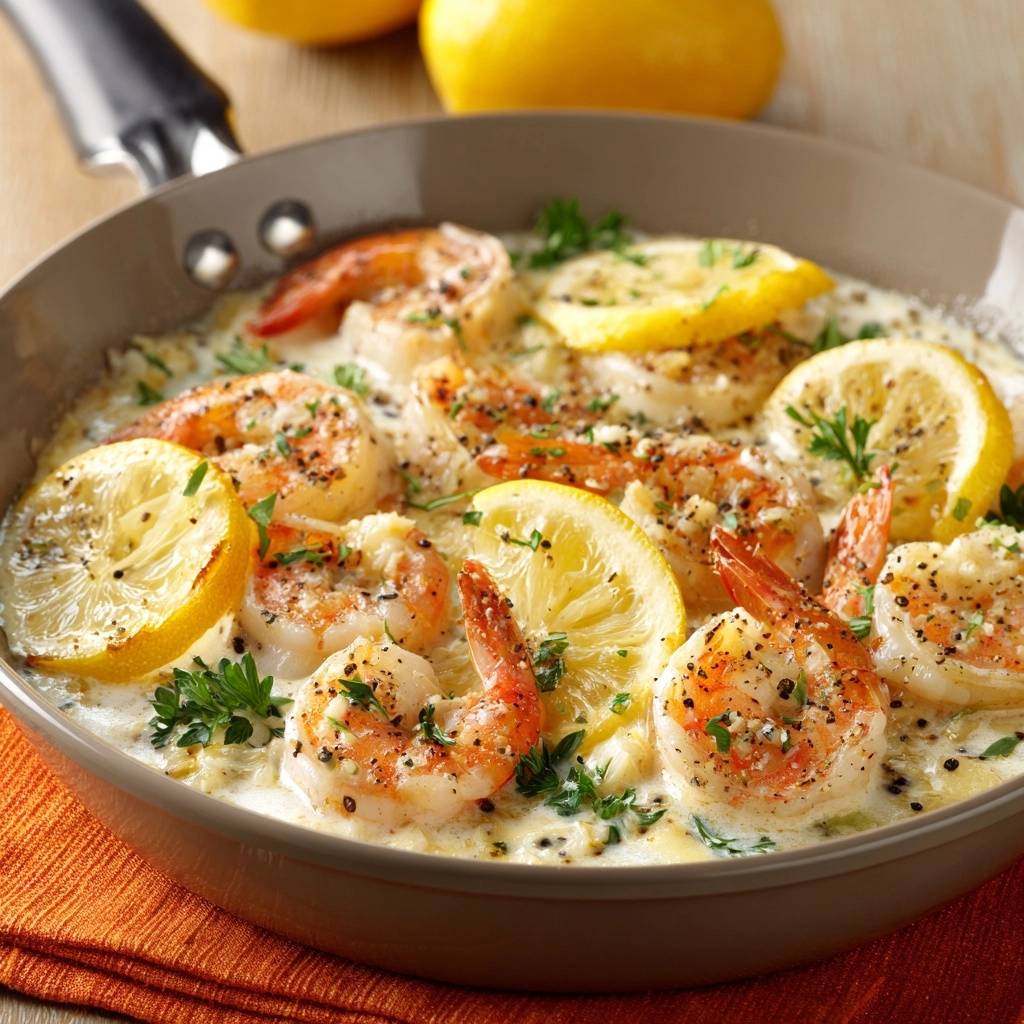
Imagine a plate of succulent, golden-seared shrimp bathed in a sauce so silky it clings to every curve without a single drop of oil breaking away. You’ve likely experienced the frustration of a cream sauce that looks beautiful in the pan but turns into a grainy, separated mess the moment it hits your plate. This recipe changes that narrative by focusing on the delicate balance of fat and acidity.
The secret to this restaurant-grade Creamy Lemon Garlic Butter Shrimp lies in a specific tempering technique that stabilizes the dairy before the citrus ever touches it. By controlling the temperature and the order of ingredients, you create a robust emulsion that stays velvety smooth even as it cools. It’s the kind of dish that feels like a high-end bistro meal but comes together in a single skillet in under twenty minutes.
To ensure success, you must start with bone-dry shrimp. Any surface moisture on the shellfish will steam in the pan, preventing that gorgeous golden crust and watering down your cream base. When you master the sear and the slow-whisked reduction, you’ll never go back to basic butter sauces again.
The Chemistry of a Stable Lemon Cream Sauce
Creating a stable cream sauce is more about science than luck. Heavy cream is the hero here because its high fat content—usually around 36%—acts as a natural stabilizer. Unlike milk or half-and-half, which have more protein and less fat, heavy cream can withstand higher temperatures and acidic additions without immediately curdling. However, even heavy cream has its limits when faced with the sharp pH of fresh lemon juice.
The “Order of Acidity” is the most important rule in this kitchen chemistry. If you drop lemon juice into boiling cream, the proteins will tighten and clump instantly, creating a cottage cheese texture. Therefore, we reduce the cream first to thicken it through evaporation, which concentrates the fats. By lowering the heat to a bare simmer before adding the lemon, you allow the acid to integrate into the fat molecules rather than attacking the proteins.
This tempering process creates a “bridge” between the water-based lemon juice and the fat-based butter and cream. Whisking constantly during this addition ensures the droplets of acid are dispersed evenly. The result is a sauce that is chemically bonded and physically smooth, providing a rich mouthfeel that doesn’t feel heavy or greasy.
Essential Components for Creamy Lemon Garlic Butter Shrimp
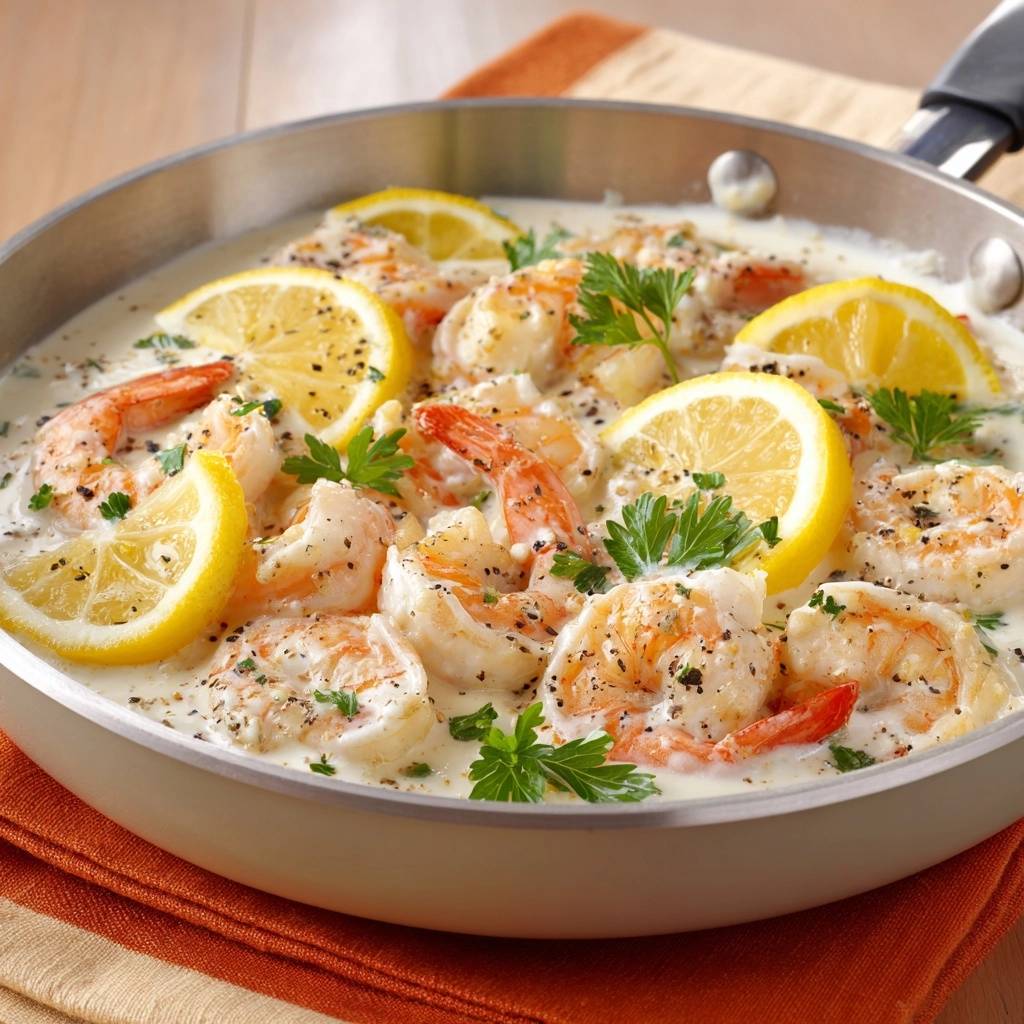
Quality ingredients are the foundation of a dish with such a short list. For the best results, look for “Large” shrimp, specifically the 16/20 count. These are big enough to develop a deep sear on the outside while remaining juicy and tender in the middle. Smaller shrimp cook too quickly, often turning rubbery before your sauce has even begun to reduce.
Heavy cream is non-negotiable for this specific method. While it’s tempting to swap in half-and-half to save on calories, the lower fat content makes the sauce much more prone to breaking when the lemon is added. If you must use a lighter dairy, you’ll need a thickener like flour or cornstarch, but that changes the clean, elegant profile of the traditional garlic butter emulsion.
Freshness matters immensely when dealing with aromatics. Use a real lemon rather than the bottled juice, as the fresh version contains bright citrus oils in the zest and a cleaner acidity. Similarly, unsalted butter allows you to control the seasoning perfectly, ensuring the sea salt enhances the sweetness of the shrimp rather than making the dish overly salty.
Selecting and Preparing the Shrimp
I always recommend buying “easy-peel” shrimp with the tails left on. The tails act as a handle for eating, but more importantly, they provide a bit of extra surface area for the sauce to cling to. Before they ever touch the heat, you must pat them dry with paper towels until they feel tacky to the touch.
Surface moisture is the enemy of the Maillard reaction—the chemical process that creates that savory, browned crust. If the shrimp are wet, they will boil in their own juices, resulting in a grey color and a tough texture. A dry shrimp sears instantly, locking in moisture and leaving behind flavorful browned bits in the pan for your sauce.
The Role of Aromatics and Acids
Freshly minced garlic provides a pungent, sweet depth that jarred garlic simply cannot replicate. Because garlic burns easily, we add it only after the shrimp are removed, allowing it to soften in the butter without turning bitter. This creates a fragrant base that perfumes the entire cream reduction.
We use lemon in two ways: juice for the sharp acidic backbone and thin slices for a mellow, citrusy infusion. The slices soften in the sauce, releasing essential oils from the rind that add a complex floral note. Coarsely cracked black pepper provides the final punch, offering a woody heat that cuts through the richness of the cream.
Step-by-Step: Searing for Maximum Flavor
Start by heating your olive oil over medium-high heat until it shimmers. We use olive oil for the initial sear because it has a higher smoke point than butter, allowing us to get the pan hot enough to brown the shrimp without burning the fats. Place the shrimp in a single layer, making sure they aren’t crowded, which would drop the pan temperature.
Let them sit undisturbed for exactly one minute. You’ll see the edges turn an opaque pink and a golden crust form where the flesh meets the pan. Flip them quickly and cook for just one more minute. They should be slightly underdone in the center at this stage, as they will finish cooking later in the residual heat of the sauce.
Building the Emulsion: The Reduction Phase
Once the shrimp are resting on a plate, lower the heat and add your butter. As it melts, it will start to foam; this is the perfect time to toss in the garlic. Use a wooden spoon or whisk to scrape the bottom of the pan. Those little brown bits, known as “fond,” are concentrated shrimp flavor and will dissolve into the sauce, giving it a professional depth.
Slowly pour in the heavy cream while whisking. You want to maintain a gentle simmer—not a rolling boil. As the water in the cream evaporates, the sauce will naturally thicken. You’ll know it’s ready when it coats the back of a spoon and you can draw a line through it with your finger that stays clear.
The Secret to Preventing Sauce Curdling
This is the make-or-break moment for your Creamy Lemon Garlic Butter Shrimp. Turn your burner down to the lowest possible setting. If your stove runs hot, you can even pull the pan off the heat for thirty seconds. The goal is to stop the active bubbling before the lemon juice is introduced.
Slowly drizzle in the tablespoon of lemon juice while whisking vigorously. You will actually see the sauce transform; it will go from a thin liquid to a thick, glossy, and velvety emulsion almost instantly. This is the “tempering” effect in action. Once the juice is fully incorporated, the sauce is stabilized and ready for the final assembly.
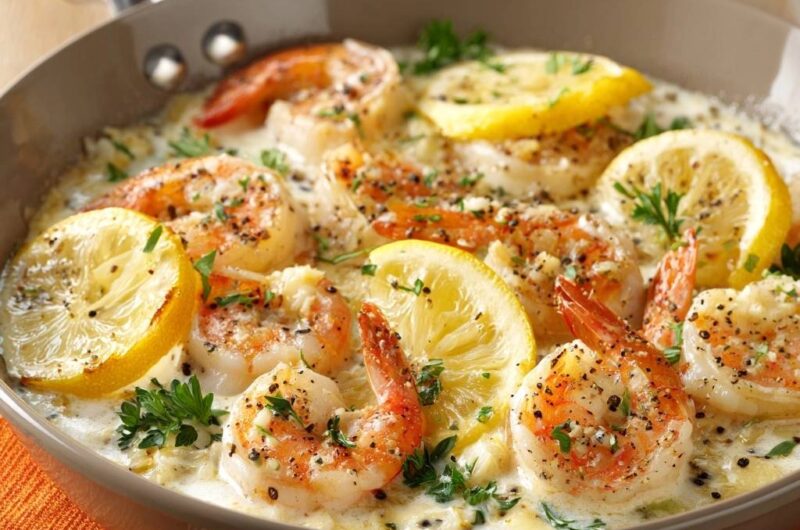
Tuck the lemon slices into the sauce and let them steep for a minute. This softens the rind and allows the juices to mingle with the cream. The sauce should look like liquid silk at this point, with no signs of oil separation or graininess. It’s a beautiful sight that proves your technique was spot on.
Troubleshooting Common Shrimp Sauce Issues
If your sauce feels too thin, don’t panic. Simply let it simmer for another minute or two before adding the lemon juice. The cream needs time to reduce and concentrate its fats to create that thick body. Remember, the sauce will also thicken slightly as it cools, so don’t reduce it until it’s a paste.
If you notice the sauce looks grainy, the heat was likely too high when the garlic was added or when the cream started to boil. Burnt garlic creates tiny black specks and a bitter taste that can’t be reversed. To fix a slightly broken sauce, try whisking in a teaspoon of warm water or an extra splash of cream off the heat to help the fats re-emulsify.
Tough, rubbery shrimp are the result of overcooking. If you find your shrimp are shrinking and curling into tight “O” shapes, they’ve been on the heat too long. Next time, pull them off the pan the second they turn pink. They only need sixty seconds in the final sauce to reach the perfect, snappy temperature.
Flavor Variations and Ingredient Swaps
While the lemon and garlic combo is a classic, you can easily customize this base. For a bit of heat, add a pinch of red pepper flakes when you sauté the garlic. If you want a more earthy flavor, swap the parsley for fresh tarragon or chives. Tarragon, in particular, has a slight licorice note that pairs beautifully with shellfish and cream.
For those who need a dairy-free option, you can achieve a similar result using full-fat canned coconut milk. However, coconut milk doesn’t reduce quite the same way as heavy cream, so you may need to whisk in a teaspoon of cornstarch slurry (equal parts cornstarch and water) to get that signature thickness without the sauce feeling oily.
Optimal Pairings for Lemon Garlic Butter Shrimp
This sauce is so good you’ll want a “vehicle” to soak up every last drop. Al dente linguine or angel hair pasta are the traditional choices, as the long strands catch the cream perfectly. If you want something lighter, serve the shrimp over roasted asparagus or zoodles. The snap of the vegetables provides a great textural contrast to the soft, creamy sauce.
A thick slice of crusty sourdough bread is almost mandatory for cleaning the skillet. For drinks, skip the heavy juices and opt for sparkling water with a squeeze of fresh lime. The bubbles help cleanse the palate between rich, buttery bites. Avoid drinks with heavy tannins, as they can clash with the delicate sweetness of the shrimp and the acidity of the lemon.
For a perfect pairing, try our Mastering Garlic Butter Skillet Mussels: The Secret to Plump Seafood.
Expert Tips for Plating and Presentation
Presentation is all about the finishing touches. Instead of just dumping the shrimp back into the pan, tuck the lemon slices between the shrimp so they are visible. This tells your guests exactly what flavors to expect. A final, generous sprinkle of fresh parsley adds a pop of green that makes the golden sauce stand out.
Serving this dish directly in a cast-iron or heavy stainless steel skillet isn’t just for the “rustic” look. These pans retain heat much better than ceramic plates, which is vital for cream sauces. If the sauce gets too cold too quickly, the butter will begin to solidify, losing that perfect velvety texture. Serve it hot, serve it fast, and watch it disappear.
Frequently Asked Questions
Can I use frozen shrimp for this recipe?
Yes, you can absolutely use frozen shrimp, but they must be completely thawed first. The best way is to leave them in the fridge overnight or place them in a sealed bag under cold running water for 15 minutes. Most importantly, you must dry them thoroughly with paper towels after thawing, or they will release too much water into your cream sauce.
How do I reheat leftovers without the sauce breaking?
Avoid the microwave at all costs, as it will cause the butter to separate and the shrimp to become rubbery. Instead, place the leftovers in a small skillet over low heat. Add a splash of heavy cream or a teaspoon of water and whisk gently as it warms up. This helps the sauce re-emulsify and stay creamy.
Is there a substitute for heavy cream?
Heavy cream is the best choice for stability, but if you must substitute, you can use whole milk mixed with a roux. Melt one tablespoon of butter, whisk in one tablespoon of flour, then slowly add the milk until thickened. This creates a “Bechamel” style sauce that is more stable than plain milk but less rich than the heavy cream version.
Why is my garlic bitter?
Garlic becomes bitter the moment it turns dark brown or black. This usually happens because the pan is too hot or the garlic was sautéed for too long. You only need about 30 seconds of cooking—just until you can smell the aroma—before you add the cream to stop the browning process.
Can I add vegetables directly to the pan?
It is better to cook vegetables like spinach, peas, or broccoli separately and stir them in at the very end. Vegetables release a lot of water as they cook, which can thin out your carefully reduced cream sauce and cause it to lose its velvety texture.
Shrimp
Course: Main CourseCuisine: AmericanDifficulty: easy4
servings10
minutes10
minutes315
kcal20
MinutesA foolproof recipe for shrimp in a rich lemon cream sauce using a specific tempering technique to ensure a perfectly emulsified and silky texture every time.
Ingredients
1 pound large shrimp, peeled and deveined (tails on)
3 tablespoons unsalted butter
4 cloves garlic, minced
1 cup heavy cream
1 large lemon, sliced into thin rounds (reserve ends for juicing)
1 tablespoon fresh lemon juice
1 teaspoon coarsely cracked black pepper
1/2 teaspoon sea salt
2 tablespoons fresh parsley, roughly chopped
1 tablespoon olive oil
Directions
- Pat the shrimp completely dry with paper towels. This is crucial to prevent excess water from thinning your sauce. Season the shrimp with the sea salt and half of the cracked black pepper.
- Heat olive oil in a large skillet over medium-high heat. Sear the shrimp for 1 minute per side until golden and just pink. Remove the shrimp from the pan and set aside on a plate.
- Lower the heat to medium-low. Add the butter and garlic to the skillet, sautéing for 30 seconds until fragrant. Do not let the garlic brown.
- Pour in the heavy cream slowly. Use a whisk to scrape up any browned bits (fond) from the bottom of the pan. Let the cream simmer gently for 3 to 4 minutes, whisking occasionally, until it reduces slightly and thickens.
- To prevent curdling: Turn the heat to the lowest setting. Slowly whisk in 1 tablespoon of lemon juice. Adding acid to boiling cream causes curdling, but whisking it into stabilized, simmering cream creates a thick, silky emulsion.
- Stir in the remaining cracked black pepper and tuck the lemon slices into the sauce.
- Return the shrimp and any accumulated juices to the pan. Toss gently for 1 minute to coat the shrimp and allow the lemon slices to soften slightly in the residual heat.
- Garnish generously with fresh parsley and extra cracked pepper. Serve immediately in the skillet or over al dente pasta.
Notes
- To prevent curdling, ensure the cream is stabilized and simmering on the lowest heat setting before adding the lemon juice.