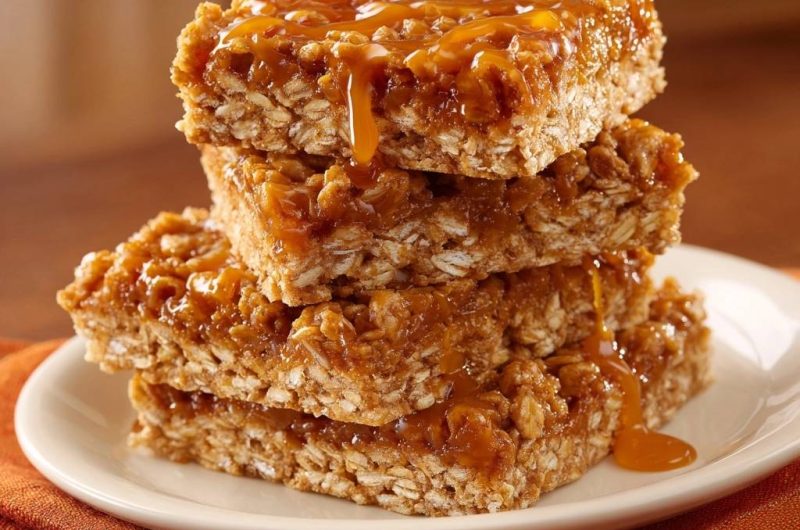
Caramel Oat Bars: No-Crumbly, Stackable Perfection
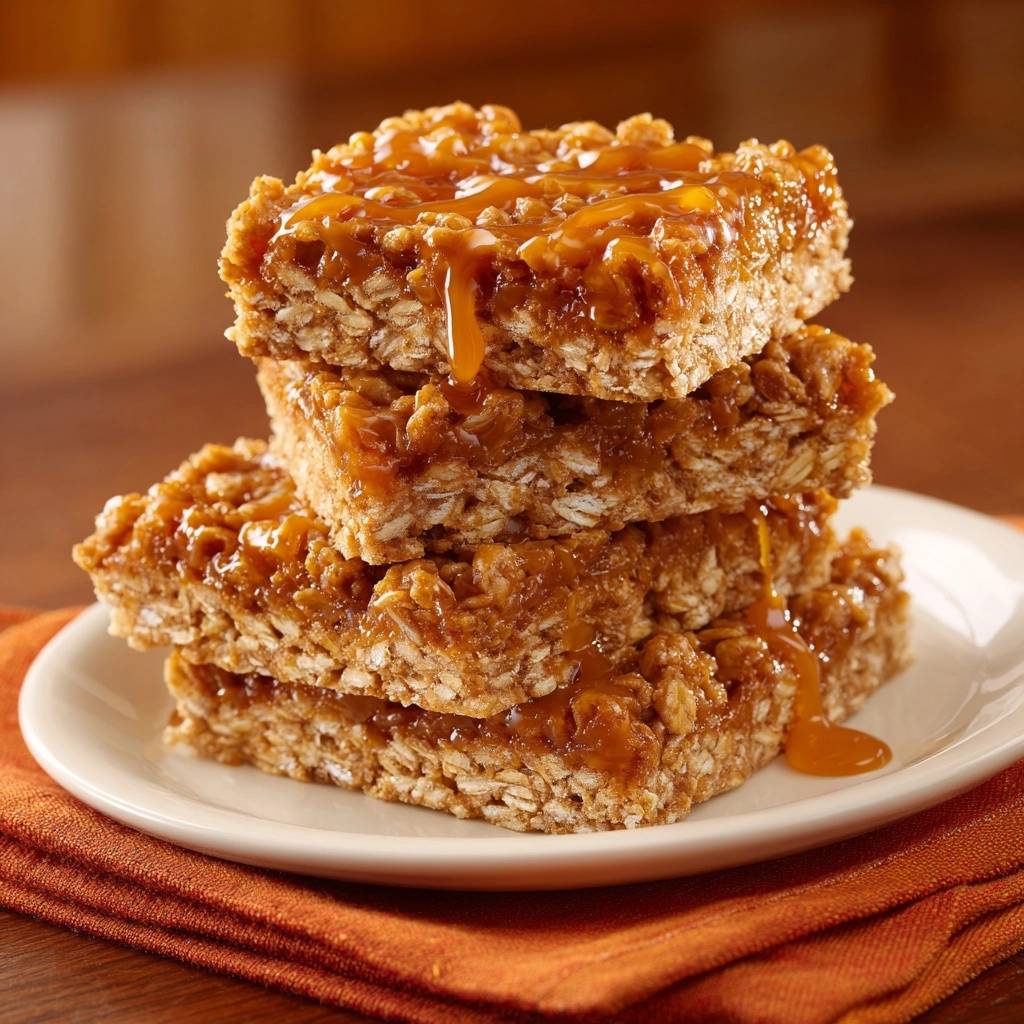
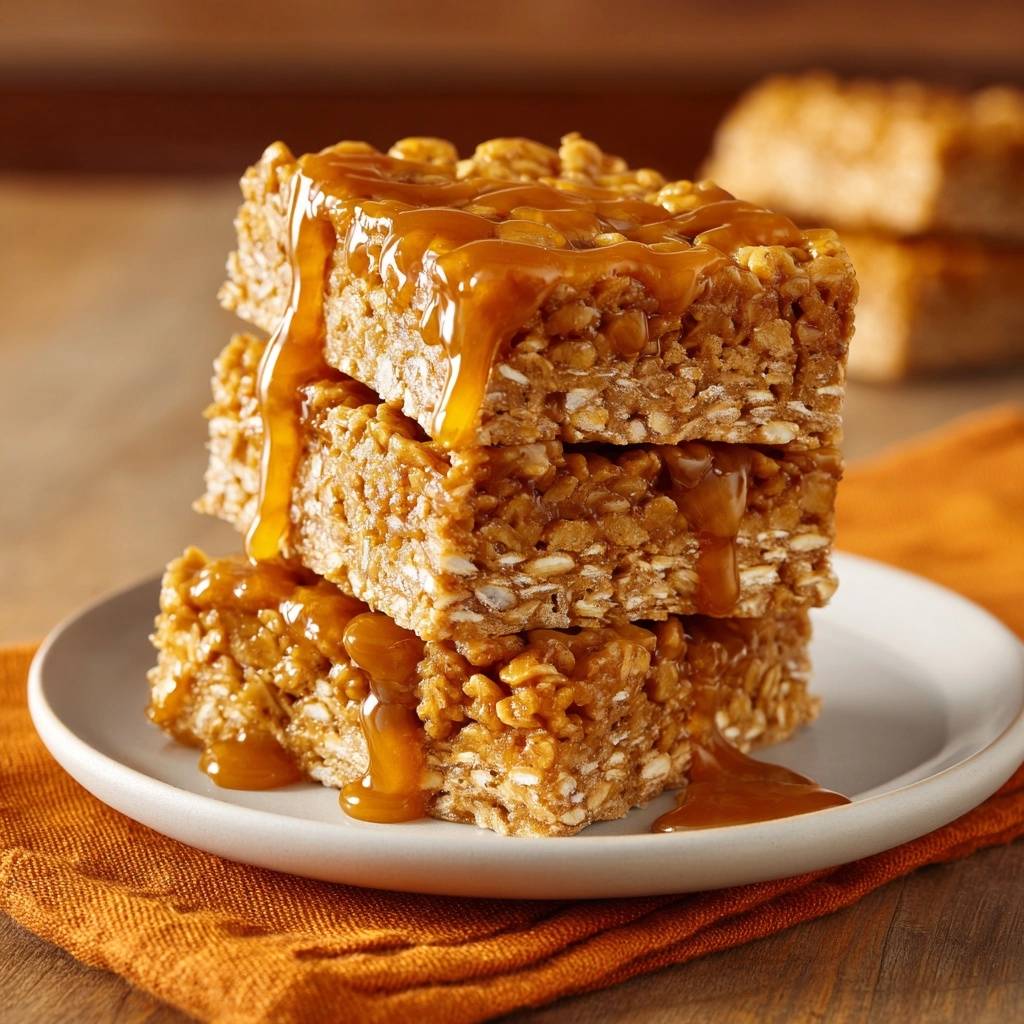
Ever grab an oat bar hoping for a clean bite, only to watch it shatter into a crumbly mess all over your plate? You know the frustration, especially when you’re stacking them for a snack board or grabbing one on the go. These Caramel Oat Bars fix that forever with a precise 2-minute boil that creates the perfect sticky syrup and a firm press that locks everything tight.
That’s why this recipe stands out. Most bars fail because the syrup doesn’t bind right or the oats stay loose. Here, you get chewy, unbreakable perfection that holds up to cutting, stacking, and even a little rough handling. Plus, that warm caramel drizzle sends it over the top, making every bite gooey and irresistible.
The secret? That exact 2-minute boil hits the soft-ball stage around 240°F, turning the mixture tacky enough to coat every oat without turning rock-hard. I’ve seen it transform floppy mixtures into solid slabs every time. Oh man, the first clean cut feels like victory.
Why Caramel Oat Bars Disintegrate (And How to Fix It)
The Syrup Bind Science
Caramel oat bars crumble when the syrup lacks the right viscosity. In this recipe, you combine butter, light corn syrup, brown sugar, and salt, then boil for exactly 2 minutes. This reaches about 240°F, the soft-ball stage, where sugars invert and create a tacky coating that oats absorb perfectly.
Under-boil, and bars stay loose and crumbly. Over-boil, and they harden like candy. However, stirring constantly during that boil prevents scorching while building the ideal stickiness. You’ll smell the sweet transformation as it thickens.
Therefore, use a timer religiously. For precision, a candy thermometer confirms 240°F, but the 2 minutes works reliably at sea level. This science means no more mess.
Pressing Technique Breakdown
A firm 60-second press compacts the oats into a dense matrix. Just dumping the mixture leads to air pockets and weak spots. Instead, use a greased measuring cup to apply even pressure, focusing on edges where crumbling starts.
The physics? Friction and adhesion bind the syrup-soaked oats as you press out air. You’ll feel resistance build, signaling unbreakable density. In addition, this step makes stacking possible without fallout.
Key Ingredients for Caramel Oat Bars
Old-Fashioned Rolled Oats Role
Old-fashioned rolled oats deliver the chewy texture quick oats can’t match. Instant varieties turn mushy because they absorb too fast and break down. Rolled oats hold their shape, soaking up syrup for perfect chew.
They also store well in a cool, dry spot to avoid rancidity. Therefore, grab 4 cups fresh ones. No substitutions here, or you’ll lose that satisfying bite.
Butter, Syrup, Sugar Trio
Unsalted butter gives clean flavor control without excess saltiness. Light corn syrup stops crystallization for smooth binding, while brown sugar’s molasses adds chew and depth. The 1:1:1 ratio ensures balance, coating oats evenly.
Honey might work in a pinch, but it over-sweetens and gets sticky in humidity. Stick to this trio. Firstly, melt them together for a glossy base.
Caramel Sauce and Seasonings
Jarred caramel sauce warms easily to a pourable state, drizzling beautifully over chilled bars. Vanilla extract, added post-boil, emulsifies for even flavor distribution. Salt amplifies everything, cutting sweetness just right.
Homemade caramel risks seizing if not tempered right. However, if you go that route, heat to 220°F first. This combo makes bars addictive.
That same parchment trick helps create clean edges when making this deep glaze caramel corn.
Equipment Essentials for Caramel Oat Bars
9×13 Pan and Parchment Setup
A metal 9×13 pan chills evenly for a firm set. Line with parchment overhang on all sides, lightly greased, for easy lifting without sticking disasters. Glass takes longer to cool and risks cracking.
Therefore, fold corners neatly. This setup guarantees clean removal.
Saucepan and Pressing Tools
Choose a heavy-bottom saucepan for stable boiling without hot spots. A greased measuring cup or spatula applies firm, even pressure during pressing. A thermometer helps nail the boil, but isn’t essential.
In addition, keep stirring tools handy. These basics prevent failures.
Step-by-Step: Building Firm Caramel Oat Bars
Prep Pan with Parchment Overhang
Line your 9×13 pan with parchment, leaving 2-inch overhangs on long sides. Lightly grease the paper. This prevents sticking and lets you lift the slab effortlessly.
Boil Syrup Mixture Precisely
Over medium heat, melt 1 cup each of butter, corn syrup, and brown sugar with 1/2 teaspoon salt. Stir until smooth, then bring to a full rolling boil. Boil exactly 2 minutes, stirring constantly, watching it thicken and bubble vigorously.
Splatter happens, so use a deep pan. The aroma turns deeply caramelized. Remove from heat immediately.
Coat Oats Evenly with Hot Syrup
Stir in 1 teaspoon vanilla off heat. Pour over 4 cups rolled oats in a large bowl. Stir vigorously for 1-2 minutes until oats clump slightly with no dry pockets.
Work fast while hot for best adhesion. You’ll see the shine coat everything evenly.
Pressing for Unbreakable Density
Dump into the pan. Grease a measuring cup bottom and press firmly for a full 60 seconds, especially edges. Feel the resistance as it compacts solid.
Chill, Cut, and Drizzle Caramel
Refrigerate 1 hour until firm. Lift out, cut into 16 squares with a sharp knife. Warm 1 cup caramel sauce 20-30 seconds until pourable, then drizzle generously, letting it drip down sides.
Clean cuts come from a chilled base. Pro tip: Wipe knife between slices.
Science of Sticky, Non-Crumbly Texture
Sugar Stages in Oat Binding
The 2-minute boil hits soft-ball stage at 240°F, where syrup stays tacky at room temp. Hard-ball at 250°F makes brittle bars. Humidity can extend boil time slightly, so watch cues.
If you enjoy the balance of sweet and salty here, these sea salt dark chocolate chunk cookies are a natural next step.
Therefore, test by dropping a spoonful in ice water; it forms a soft ball. This tackiness binds without cracking.
Oat-Syrup Adhesion Mechanics
Oat starches gelatinize in hot syrup, while proteins create sticky bonds. Pressing expels air, boosting cohesion through friction. Result? A matrix that withstands stacking.
In addition, even coating prevents weak spots. It’s simple physics for pro results.
Avoiding Caramel Oat Bars Mistakes
Boil Timing Errors
Under 2 minutes leaves syrup loose, causing crumbly bars. Over-boiling scorches or hardens it. Always stir constantly to avoid burning.
If messed up, re-boil briefly with a splash of water. Timer saves the day every time.
Pressing and Coating Pitfalls
Light pressing means loose bars; uneven coating creates dry spots. Vigorously stir oats and press hard. For fixes, reheat gently and repress.
Therefore, don’t rush these steps. Patience pays off.
Flavor Twists on Caramel Oat Bars
Nutty and Chocolate Add-Ins
Fold in 1 cup chopped pecans or almonds with the oats for crunch. Add chocolate chips after syrup for melty pockets, or swirl in half for veins. Toast nuts first for deeper flavor.
These elevate without crumbling. Keep add-ins to 1 cup max.
Spice and Fruit Variations
Add 1 teaspoon cinnamon to syrup for warmth, or sprinkle sea salt flakes post-drizzle. Mix in 3/4 cup dried cherries for tart pops. Balance sweetness with fruit’s acidity.
However, chop fruit small to avoid moisture issues. Endless fun here.
Storage and Make-Ahead for Caramel Oat Bars
Room Temp and Fridge Lifespan
Store in an airtight container at room temp up to 5 days; fridge extends to 7. Freeze wrapped individually for 3 months, thaw at room temp. Avoid humidity to prevent softening.
Pro tip: Layer with parchment for stacking.
Perfect Pairings for Your Caramel Oat Bars
These stackable oat bars are great on their own, but you can turn them into a full brunch spread with a couple of warm, fluffy treats.
- For a crisp, cinnamon-spiked morning option that stays firm like the oat bars, try the Golden Cinnamon French Toast Rolls — the cinnamon notes echo the caramel’s warmth.
- If you want a soft, fruitier contrast to the oat bars’ chewy texture
Batch Scaling Guide
Double for an 18×13 pan, boiling 2.5 minutes. Halve times for smaller batches. Wrap extras for gifting; they travel great.
Scale syrup precisely to maintain bind.
Pairing Ideas for Caramel Oat Bars
Beverage Matches
Black coffee cuts the sweetness perfectly. Green tea adds earthy balance, while cold milk dunks for creamy joy. Sparkling apple cider refreshes alongside.
These contrast the chew beautifully.
Snack and Dessert Combos
Stack with fresh berries on a cheese plate. Layer in yogurt parfaits for breakfast bars. Pair with apple slices for a picnic win.
Versatile every time.
Troubleshooting Caramel Oat Bars Issues
Sticky vs. Too Dry Fixes
Too sticky? Chill longer or dust with powdered sugar. Dry spots mean uneven coating; reheat syrup scraps and mix in. Repress for unity.
Humidity plays a role, so adjust chill time.
Cutting and Stacking Woes
Use a warm, sharp knife for clean cuts; chill extra if crumbling. Stack on parchment. Full press prevents this upfront.
Common Questions on Caramel Oat Bars
Can I Use Quick Oats?
No, quick oats make mushy, crumbly bars since they over-absorb and disintegrate. Stick to old-fashioned rolled for chew and structure. Steel-cut won’t bind right either.
Gluten-Free Caramel Oat Bars?
Yes, use certified gluten-free rolled oats and check corn syrup labels. Avoid cross-contamination. Press firmly; they hold as well as regular.
Vegan Substitutions Work?
Swap butter for plant-based, and use coconut or brown rice syrup. Taste tests show minimal difference in bind or flavor. Vanilla and salt stay the same.
Why Exact 2-Minute Boil?
It reaches 240°F soft-ball stage for tacky, not hard, syrup that coats oats perfectly. Less time stays loose; more turns brittle. Timer ensures consistency every batch.
Homemade Caramel Instead?
Yes, make simple caramel from sugar, cream, and butter, heating to 220°F for pourability. Avoid overcooking. Jarred saves time but homemade intensifies flavor.
Caramel Oat Bars
Course: DessertCuisine: AmericanDifficulty: easyYields16
squaresPrep Time15
minutesCook Time10
minutesCalories350
kcalTotal Time60
MinutesSick of oat bars that crumble and fall apart? This recipe nails it with a precise 2-minute boil for sticky syrup bind plus a firm press technique that locks every oat in place for clean cuts and perfect stacks.
Ingredients
4 cups old-fashioned rolled oats
1 cup unsalted butter
1 cup light corn syrup
1 cup packed brown sugar
1 teaspoon vanilla extract
1/2 teaspoon salt
1 cup caramel sauce (store-bought or jarred, warmed for drizzling)
Directions
- Line a 9×13-inch pan with parchment paper, leaving overhang on sides for easy lifting.
- In a large saucepan over medium heat, combine butter, corn syrup, brown sugar, and salt. Stir until melted and bring to a full boil. Boil exactly 2 minutes, stirring constantly. This is the star anti-crumbly step: the timed boil thickens the syrup to perfectly coat oats with just-right stickiness, no looseness or hardness.
- Remove from heat and stir in vanilla extract.
- Place oats in a large bowl. Pour hot syrup mixture over oats and stir vigorously until every oat is evenly coated and mixture clumps slightly.
- Dump into prepared pan. Press down firmly and evenly using the bottom of a greased measuring cup or spatula. Press hard for a full 60 seconds across the entire surface, especially edges. This compacts the oats into a solid, unbreakable base that solves crumbling forever.
- Refrigerate for 1 hour until firm.
- Lift bars out using parchment. Cut into 16 squares.
- Warm caramel sauce in microwave 20-30 seconds until pourable. Drizzle generously over tops, letting it drip down sides.
- Stack and serve. Store in airtight container up to 5 days.
Notes
- Boil the syrup exactly 2 minutes for perfect stickiness. Press firmly for 60 seconds to prevent crumbling. Store in airtight container up to 5 days.