Easy Veggie Lo Mein: The Never-Sticky Secret!
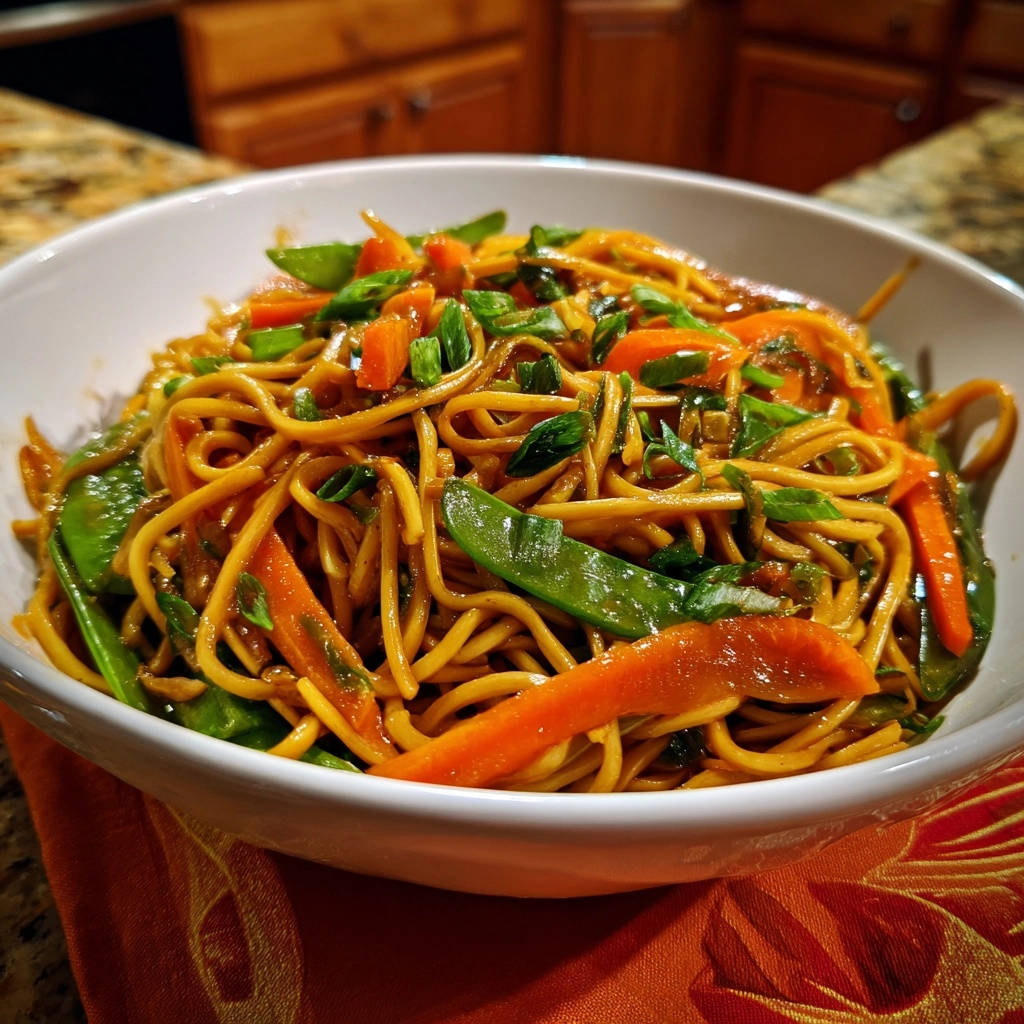
There’s nothing quite as frustrating as attempting a homemade stir-fry only to end up with a clumpy, sticky noodle mess. I’ve been there countless times, but after years of trial and error, I’ve finally perfected the art of truly non-sticky, perfectly coated Easy Veggie Lo Mein. This recipe reveals the simple, yet game-changing trick for achieving restaurant-quality results right in your own kitchen.
Say Goodbye to Sticky Noodles: Why This Recipe is a Game-Changer
The age-old problem of gummy, stuck-together stir-fried noodles often drives us straight to ordering takeout. But this particular recipe tackles that head-on, delivering beautifully separate strands every single time.
Our secret isn’t complicated; it’s a simple, effective technique that transforms your Lo Mein experience. You’ll be amazed at how easily you can achieve perfectly coated, individual noodles that absorb all the rich sauce.
This isn’t just a trick for texture; it’s an incredibly quick and satisfying meal, perfect for busy weeknights. It comes together faster than you can get delivery.
Beyond the texture, this Easy Veggie Lo Mein is bursting with fresh, vibrant flavors from crisp vegetables and a savory umami sauce. It’s a complete and satisfying meal that feels both wholesome and indulgent.
Plus, its inherent versatility makes it a kitchen staple. Easily customize it with your favorite proteins or whatever vegetables you have on hand, adapting to any dietary preference.
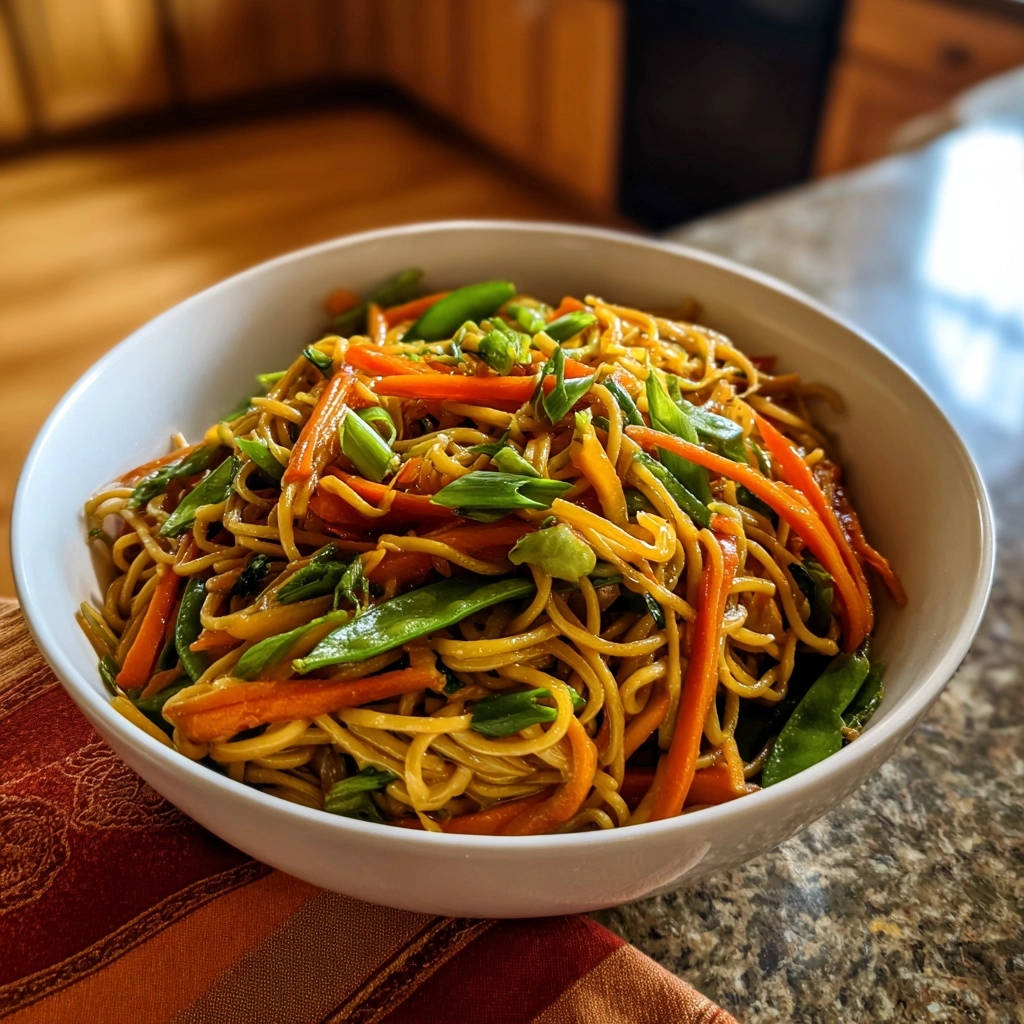
Essential Ingredients for Your Vibrant Lo Mein Feast
The Noodle Foundation: Achieving Al Dente Perfection
For authentic texture, choose dried or fresh Lo Mein egg noodles. These are designed to be chewy and hold up well to stir-frying without breaking down.
Cooking them “al dente” is crucial; it means cooking until they are firm to the bite, not soft or mushy. This ensures they maintain their integrity after rinsing and stir-frying.
If traditional Lo Mein noodles are hard to find, ramen noodles (without the seasoning packet) or even thin spaghetti can serve as a decent, albeit slightly different, alternative.
Fresh & Crisp: Your Colorful Vegetable Medley
This recipe highlights julienned carrots and vibrant snow peas, providing both color and essential crunch. Their tender-crisp texture offers a delightful contrast to the soft noodles.
Properly julienned carrots ensure even cooking and beautiful presentation. Snow peas cook quickly, so they retain their bright green hue and snap.
Feel free to expand your vegetable selection; broccoli florets, sliced bell peppers, mushrooms, or baby bok choy are all excellent additions for added nutrients and variety.
The Flavor Powerhouse: Building the Umami Sauce
The sauce combines soy sauce for deep umami, water or vegetable broth for liquidity, and brown sugar for a hint of balancing sweetness. Sesame oil adds a distinctive nutty aroma.
Cornstarch is the unsung hero here, acting as a thickener. It creates that glossy, clingy sauce that coats every noodle strand beautifully, ensuring no watery residue.
This precise blend ensures a savory, slightly sweet, and perfectly viscous sauce that adheres to the vegetables and noodles without being overly heavy.
Aromatic Boosters: Garlic, Ginger, & Green Onions
Freshly minced garlic and grated ginger are fundamental, forming the aromatic base of this stir-fry. They infuse the oil with a potent fragrance that sets the stage for the other flavors.
Green onions serve a dual purpose: most are stir-fried in to deepen the savory notes, while a final sprinkle provides a fresh, pungent garnish, adding a burst of flavor and color.
Tools of the Trade: Setting Up for Success
Having the right equipment makes cooking Easy Veggie Lo Mein a breeze.
Large Skillet or Wok: Essential for stir-frying and ensuring even cooking without overcrowding. A wide surface area allows ingredients to cook quickly and achieve that signature stir-fry char.
Tongs: Your best friend for tossing noodles and ensuring every strand is perfectly coated. Tongs provide excellent control for mixing and separating.
Whisk: For smoothly combining the sauce ingredients, preventing lumps. A small whisk ensures a homogenous, lump-free sauce base.
Fine Grater or Microplane: For easily grating fresh ginger to maximize flavor and integrate it smoothly into the dish. This tool makes quick work of ginger prep.
Sharp Knife & Cutting Board: For efficient vegetable prep (julienning carrots, chopping green onions). A sharp knife is safer and makes precision cuts much easier.
Crafting Your Easy Veggie Lo Mein: Step-by-Step Mastery
- Perfecting the Noodles:
Cook the Lo Mein noodles precisely according to package directions, ensuring they reach an al dente texture. This is crucial for their eventual chewiness and prevents them from becoming mushy later in the stir-fry.
- The Cold Rinse Game-Changer:
IMMEDIATELY drain the cooked noodles and rinse them thoroughly under cold running water. This crucial step halts the cooking process, preventing sogginess, and, more importantly, washes away excess surface starch that causes clumping. Rinsing is the “secret weapon” against sticky noodles!
- Preventing Stickiness, Post-Rinse:
After rinsing, shake off as much water as possible. Then, toss the noodles with a tiny drizzle of vegetable oil. This creates a light barrier, keeping the strands separate and ready for your stir-fry, even if they sit for a few minutes.
- Whisking the Umami Sauce:
In a small bowl, whisk together the soy sauce, water or vegetable broth, brown sugar, sesame oil, and cornstarch until the mixture is completely smooth. This pre-mixing prevents lumps when it hits the hot wok and ensures a silky, uniform sauce.
- Aromatic Foundation:
Heat 1 tablespoon of vegetable oil in your large skillet or wok over medium-high heat. Add the minced garlic and grated ginger, then stir-fry for about 30 seconds until they become wonderfully fragrant. Watch carefully to avoid burning the aromatics, which can turn bitter.
- Stir-Frying the Veggies:
Add the julienned carrots and snow peas to the wok. Stir-fry them for 2 to 3 minutes, aiming for a tender-crisp texture. They should be cooked through but still retain a slight bite for satisfying crunch and vibrant color.
- Thickening the Sauce:
Pour the whisked sauce mixture directly into the wok with the vegetables. Stir constantly as the sauce quickly thickens, which usually takes about 1 minute. The cornstarch will activate, transforming it into a glossy, clingy coating that will beautifully adhere to the noodles.
- Combining for Coated Perfection:
Add the prepared, non-sticky noodles to the wok. Using tongs, vigorously toss the noodles with the vegetables and thickened sauce until every single strand is evenly coated. Take a moment to separate any noodles that might have clung together to ensure even flavor distribution.
- Final Flavor Infusion & Garnish:
Stir in most of the chopped green onions, reserving a small amount for garnish. Cook for just one more minute, allowing the noodles to fully absorb the delicious sauce and warm through.
Remove from heat, transfer to a serving bowl, and sprinkle with the remaining green onions before enjoying your perfectly coated, never-sticky Easy Veggie Lo Mein!
Unlock Next-Level Flavor: Expert Tips for Easy Veggie Lo Mein
The Ultimate Noodle Rinse: Don’t skip or skimp on the cold water rinse! This is the most critical step for achieving separate, non-sticky noodles. The cold water shocks the noodles, stops residual cooking, and washes away excess starch. A quick drizzle of oil afterward seals the deal, preventing any clumping.
Don’t Overcrowd Your Wok: Stir-frying relies on high heat and constant movement for browning, not steaming. If you’re doubling the recipe or using a smaller skillet, cook your vegetables or even noodles in batches to ensure they truly stir-fry. Overcrowding leads to soggy ingredients.
Mise en Place is Your Best Friend: For any stir-fry, having all your ingredients chopped, measured, and ready to go before you even turn on the heat is paramount. This allows for quick, seamless cooking, preventing delicate aromatics from burning while you’re still dicing vegetables.
Customize Your Crunch: For extra texture and flavor, consider adding a sprinkle of toasted sesame seeds, chopped peanuts, or crispy fried shallots just before serving. These additions provide another layer of sensory delight to your Easy Veggie Lo Mein.
Balancing Sweet & Savory: Taste your sauce before adding it to the wok and again at the very end. Adjust the brown sugar for sweetness and soy sauce for saltiness/umami according to your personal preference. A perfectly balanced sauce truly makes all the difference in this dish.
Common Challenges & Simple Fixes: Easy Veggie Lo Mein Troubleshooting
Why Are My Noodles Sticking Together?
This is almost always due to not rinsing them thoroughly enough under cold water after cooking, or not tossing them with a little oil before adding them to the stir-fry. Ensure you follow those two crucial steps from the instructions.
Another reason could be overcrowding the wok, which reduces the heat and makes the noodles steam instead of fry, leading to clumpiness. Cook in batches if necessary.
My Sauce Isn’t Thickening Enough!
Ensure your cornstarch was fully dissolved in the liquid before adding it, and that your wok is hot enough when you pour it in. Cornstarch needs heat to activate and thicken properly.
If it’s still too thin, quickly whisk a small amount of cornstarch (1 teaspoon) with a tablespoon of cold water to create a slurry. Then, slowly drizzle it into the simmering sauce while stirring until it reaches your desired consistency, being careful not to add too much.
Vegetables Are Too Soggy/Too Raw.
For tender-crisp vegetables, ensure your wok is very hot and you’re not overcrowding it. Stir-fry quickly for the recommended 2-3 minutes as directed.
If they’re too raw, you might need to cook them slightly longer, or ensure they are chopped to a uniform, appropriate size (like julienned carrots) so they cook evenly. Soggy vegetables usually mean too low heat or too many vegetables at once, causing them to steam.
Make It Your Own: Delicious Variations & Additions
While this Easy Veggie Lo Mein recipe is fantastic as is, it’s also incredibly versatile! Feel free to experiment and make it your own.
Protein Power-Ups:
Easily add cooked chicken, shrimp, beef strips, or tofu for a heartier meal. Ensure any protein is cooked separately until just done before adding it back into the wok with the noodles and sauce at the very end to avoid overcooking.
For a delicious chicken addition, you could try preparing some crispy glazed chicken bites and tossing them in!
Expand Your Veggie Palette:
Broccoli florets, bell peppers (sliced), mushrooms (sliced), bok choy, or thinly sliced cabbage all make excellent additions. Add harder vegetables earlier in the stir-frying process and softer ones later to achieve uniform tenderness.
Spice It Up!
For a kick, incorporate a teaspoon of chili garlic sauce, sriracha, or a pinch of red pepper flakes into your sauce mixture or directly into the wok with the aromatics. Adjust to your desired level of heat.
Gluten-Free & Vegan Friendly Adaptations:
For a gluten-free version, use tamari instead of regular soy sauce and ensure your noodles are certified gluten-free (e.g., rice noodles or gluten-free ramen). For a fully vegan dish, use vegetable broth and ensure your noodles are egg-free, commonly found in Asian markets.
Serving, Storing & Reheating Your Perfect Lo Mein
Once you’ve mastered this Easy Veggie Lo Mein, knowing how to serve and preserve it ensures every bite is as delicious as the first.
If you are adding beef strips, the technique used in this beef lo mein with velveting will keep them tender.
Best Ways to Serve Lo Mein
This dish is a fantastic standalone meal, packed with vibrant vegetables and rich flavor, making it a complete vegetarian option. It can also be served as a vibrant side dish alongside other Asian-inspired entrees like crispy tofu, grilled chicken, or spring rolls for a more elaborate feast.
What to Serve with Veggie Lo Mein
These veggie noodles are light and saucy, so a side with some heat or crunch makes a good contrast.
- Add sticky, spicy heat with these Spicy Sticky Gochujang Chicken Wings and their sweet chili glaze.
- For a cool, crunchy contrast, try this Sweet and Spicy Chicken Salad with juicy bites of chicken.
How to Store Leftovers
Allow any leftover Easy Veggie Lo Mein to cool completely to room temperature before transferring it to an airtight container. Store it in the refrigerator for up to 3-4 days. The flavors often meld and deepen overnight, sometimes tasting even better the next day!
Reheating for Fresh-Tasting Results
For best results, reheat leftovers in a skillet or wok over medium heat with a tiny drizzle of water or broth to loosen the noodles and sauce. Stir-fry gently until heated through, which helps maintain their texture. Microwaving is also an option, but may result in slightly softer noodles.
Can I Make This Ahead?
While best enjoyed fresh, you can prep components ahead of time. Whisk the sauce, chop all vegetables, and even cook and rinse the noodles (tossing with oil) a day in advance. Store each component separately in airtight containers in the fridge for quick assembly when ready to cook, dramatically cutting down on dinner prep time.
Your Easy Veggie Lo Mein Questions Answered (FAQs)
What kind of noodles are best for Lo Mein?
Traditional Lo Mein recipes typically use fresh or dried egg noodles, which are designed to be thick and slightly chewy. Our recipe specifically calls for “Lo Mein egg noodles,” which are perfect for achieving that classic texture and mouthfeel. You can often find them in the international aisle of your grocery store or at most Asian markets.
Can I use frozen vegetables?
Yes, you can absolutely use frozen mixed stir-fry vegetables as a convenient alternative. There’s no need to thaw them beforehand; simply add them directly to the hot wok after the aromatics, and stir-fry until tender-crisp. You might need to cook them a minute or two longer than fresh veggies, and ensure any excess moisture evaporates.
Is this recipe spicy?
As written, this Easy Veggie Lo Mein recipe is not spicy, making it wonderfully kid-friendly and universally appealing. However, if you enjoy heat, it’s very easy to customize! You can add a pinch of red pepper flakes, a teaspoon of sriracha, or chili garlic sauce to the wok when you add the ginger and garlic, or directly into the sauce mixture to taste.
How can I make this dish even healthier?
To boost the health factor, consider using whole wheat Lo Mein noodles or even substituting with zucchini noodles for a lower-carb option. You can also significantly increase the quantity of vegetables. Opt for low-sodium soy sauce, and reduce the brown sugar slightly if desired without compromising flavor too much. For another light and delicious veggie-focused dish, try our crispy baked asparagus.
Whip Up a Wok of Wonder Tonight!
You’ve now unlocked the secret to perfectly coated, never-sticky Easy Veggie Lo Mein! Forget the days of takeout disappointment and embrace the satisfaction of creating this vibrant, flavorful, and incredibly satisfying dish in your own kitchen.
This recipe is more than just a meal; it’s a testament to how simple techniques can yield extraordinary culinary results. Impress your family and friends with your newfound stir-fry mastery!
For a perfect pairing, try our Mastering Ginger Soy Steamed White Fish.
We’d absolutely love to hear about your experience. Share your culinary creations, any personal twists you added, or your favorite additions in the comments below. Happy cooking!
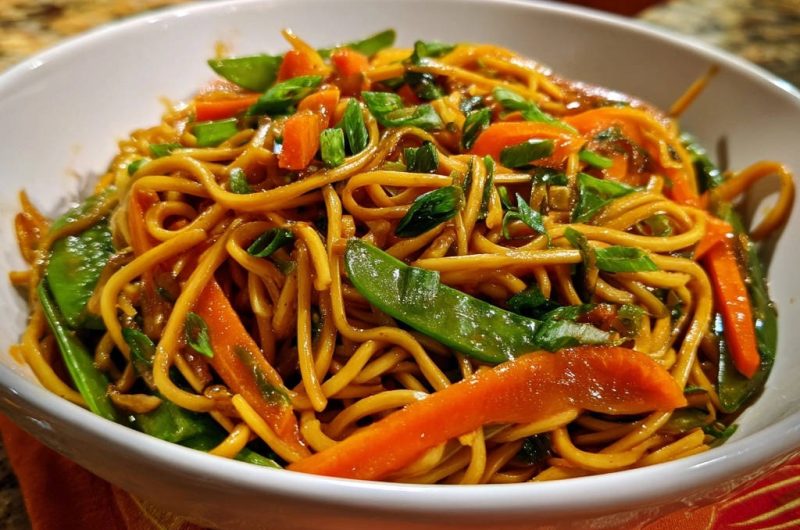
Veggie Lo Mein
Course: Main CourseCuisine: ChineseDifficulty: easy2
servings15
minutes15
minutes450
kcal30
minutesFrustrated with clumpy stir-fried noodles? This recipe reveals the simple trick to perfectly separate, deliciously coated Lo Mein every single time, making weeknight dinners a breeze.
Ingredients
8 ounces Lo Mein egg noodles
1 tablespoon vegetable oil, plus more for tossing
2 cloves garlic, minced
1 tablespoon fresh ginger, grated
1 cup julienned carrots
1 cup snow peas
3 green onions, chopped, divided
1/4 cup soy sauce
2 tablespoons water or vegetable broth
1 tablespoon brown sugar
1 teaspoon sesame oil
1 teaspoon cornstarch
Directions
- Cook the Lo Mein noodles according to package directions until al dente. This is crucial for their texture.
- IMMEDIATELY drain the cooked noodles and rinse them thoroughly under cold running water. This stops the cooking process and, more importantly, washes away excess starch that causes stickiness.
- Once rinsed, shake off as much water as possible and toss the noodles with a tiny drizzle of vegetable oil to prevent them from sticking together while you prepare the rest of the dish. Set aside.
- In a small bowl, whisk together the soy sauce, water or vegetable broth, brown sugar, sesame oil, and cornstarch until smooth. Set aside.
- Heat 1 tablespoon of vegetable oil in a large skillet or wok over medium high heat. Add the minced garlic and grated ginger and stir fry for about 30 seconds until fragrant.
- Add the julienned carrots and snow peas to the wok. Stir fry for 2 to 3 minutes until the vegetables are tender-crisp. You want them cooked but still with a nice bite.
- Pour the whisked sauce mixture into the wok with the vegetables. Stir constantly as the sauce thickens, about 1 minute.
- Add the prepared, non-sticky noodles to the wok. Using tongs, toss the noodles vigorously with the vegetables and sauce until everything is evenly coated. Make sure to separate any strands that may have clung together.
- Stir in most of the chopped green onions, reserving a little for garnish. Cook for another minute, allowing the noodles to absorb the delicious sauce.
- Remove from heat, transfer to a serving bowl, and garnish with the remaining green onions. Enjoy your perfectly coated, never-sticky Lo Mein!
Notes
- Crucial tip: Rinsing cooked noodles under cold water immediately after cooking prevents stickiness.