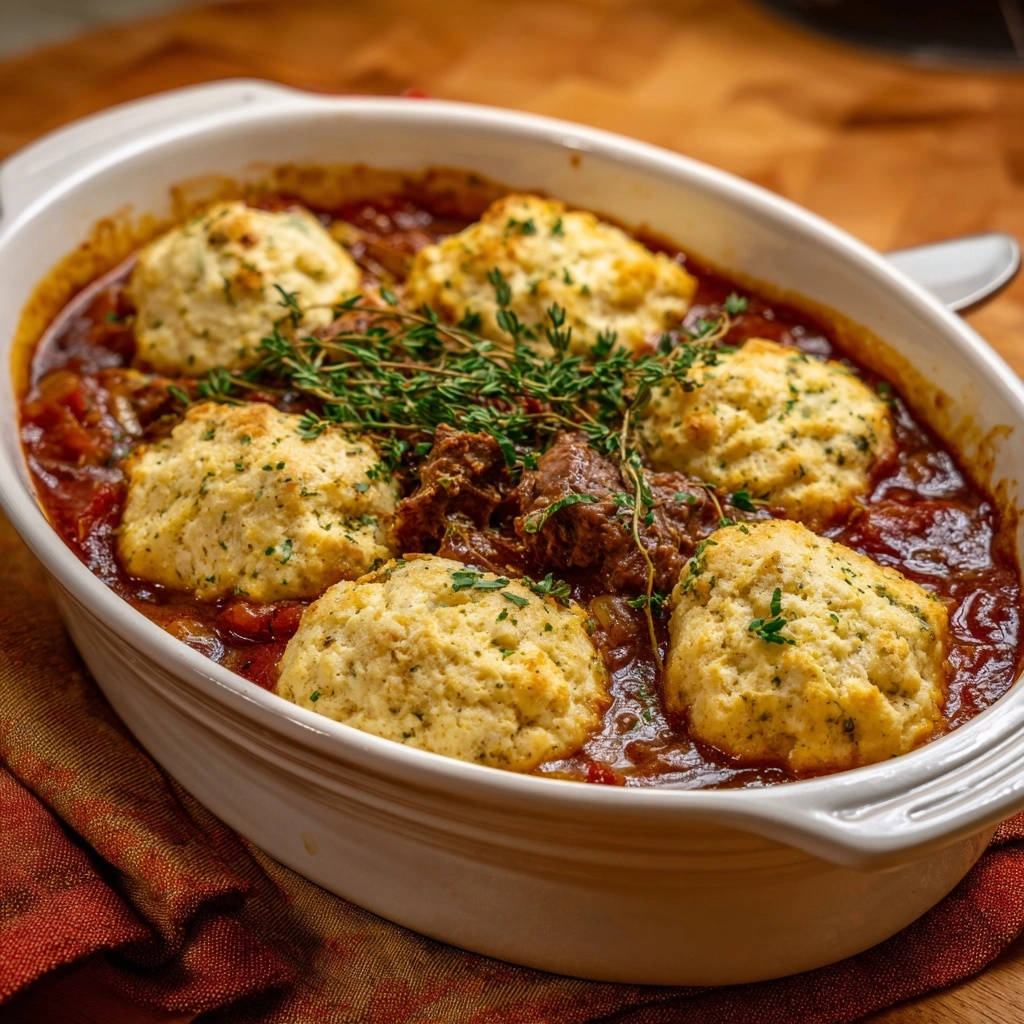
Hearty Beef Stew with Dumplings: Fluffy & Never Soggy!
I remember the frustration of dense, soggy dumplings that sank into an otherwise perfect beef stew. It felt like a culinary Everest!
But with years of kitchen experimentation, I’ve perfected a method for this Hearty Beef Stew with Dumplings that guarantees light, airy dumplings with a beautiful golden top, every single time.
This recipe isn’t just about a satisfying meal; it’s about achieving that ultimate comfort food experience where every spoonful is a testament to perfectly cooked, never-soggy perfection, making it truly special.
What goes well with the stew?
That rich, thick beef stew with soft dumplings calls for something cool and crisp on the side, plus a starchy companion to soak up every last drop of gravy.
- For a quick bread that doubles as a gravy mop, bake a batch of Fluffy Biscuits with Creamy Tomato Gravy — the tangy tomato notes cut through the beef’s richness without adding extra heaviness.
- A crunchy, tangy counterpoint to all that warmth, the
Gather Your Essentials: Ingredients for This Comfort Classic
Quality ingredients are the foundation of any great meal. Here’s what you’ll need, with insights into their importance.
For the Rich, Savory Stew Base
Choosing the right beef cut and aromatics ensures a deep, developed flavor.
Beef Stew Meat (2 lbs, 1-inch cubes): Opt for cuts like chuck roast, which break down beautifully during long, slow cooking, becoming incredibly tender and flavorful. Cutting into uniform 1-inch cubes promotes even cooking.
Olive Oil (2 tbsp): Essential for browning the beef and sautéing vegetables, adding a subtle richness and helping to build the stew’s foundation.
Yellow Onion (1 large, chopped): A fundamental aromatic that sweetens and adds depth as it caramelizes, forming a vital part of the stew’s flavor base.
Garlic (2 cloves, minced): Provides pungent aromatic notes that are indispensable for a robust stew. Always mince it fresh for the best flavor.
Beef Broth (4 cups): The primary liquid that tenderizes the beef and carries the stew’s savory essence. Choose a good quality, low-sodium broth to control seasoning.
Diced Tomatoes (1 can, 14.5 oz, undrained): Adds essential acidity, brightness, and a touch of sweetness that balances the rich beef and broth, contributing to the stew’s body.
Carrots & Celery (2 each, peeled/sliced): These classic mirepoix vegetables add natural sweetness, earthiness, and important fiber to the stew, softening to tender perfection.
Dried Thyme (1 tsp): A robust herb that pairs wonderfully with beef and root vegetables, infusing the stew with its earthy, slightly floral notes. Dried thyme holds its flavor well during long cooking.
Bay Leaf (1): Adds a subtle, slightly minty, and herbaceous background note that enhances the overall complexity of the stew. Remember to remove it before serving.
Salt & Black Pepper (to taste): Crucial for seasoning at every stage, enhancing and bringing out the natural flavors of all ingredients.
Crafting the Perfectly Fluffy Dumplings
Each ingredient plays a specific role in achieving that light, tender texture.
All-Purpose Flour (1 1/2 cups): Provides the structure for the dumplings. Standard all-purpose flour works best for a tender crumb.
Baking Powder (2 tsp): The primary leavening agent, responsible for the dumplings’ rise and fluffy texture. Ensure it’s fresh for optimal lift.
Salt (1/2 tsp): Balances the flavors and enhances the taste of the dumplings themselves.
Cold Unsalted Butter (1/4 cup, cut into small pieces): Critical for tender, flaky dumplings. Cold butter creates pockets of steam during baking, contributing to a light texture.
Milk (3/4 cup): Hydrates the dough. Use whole milk for richness, but any milk will work to bring the dough together without overmixing.
Your Kitchen Arsenal: Tools for Hearty Beef Stew with Dumplings Success
Having the right equipment makes the cooking process smoother and ensures the best results for your Hearty Beef Stew with Dumplings.
Large Dutch Oven or Oven-Safe Pot: Essential for stovetop searing and simmering, then transferring directly to the oven for long, slow cooking and baking the dumplings. Its heavy bottom ensures even heat distribution.
Cutting Board & Sharp Knife: For safely and efficiently preparing all your vegetables and beef.
Large Bowls: One for seasoning the beef and another for mixing the dumpling dough ingredients.
Spatula or Wooden Spoon: For stirring the stew and scraping up browned bits from the pot, which adds immense flavor.
Whisk: To thoroughly combine the dry ingredients for the dumplings, ensuring even distribution of baking powder.
Pastry Blender or Your Fingertips: Used to cut cold butter into the flour mixture for the dumplings. This technique creates a delicate, tender texture.
Measuring Cups and Spoons: For accurate ingredient quantities, crucial for both stew and dumplings.
From Pot to Plate: Your Detailed Guide to Hearty Beef Stew with Dumplings Perfection
Follow these steps carefully to create a truly memorable Hearty Beef Stew with Dumplings.
- Preheat Oven & Prep Beef:
Set your oven to 375°F (190°C) to ensure even cooking from the start.
Pat the beef cubes thoroughly dry with paper towels and season generously with salt and black pepper; this is crucial for a good sear and forms the first layer of flavor.
- Sear the Beef to Golden Perfection:
In a large Dutch oven or oven-safe pot, heat the olive oil over medium-high heat until shimmering.
Brown the beef in small batches, ensuring not to overcrowd the pot. Overcrowding lowers the pan temperature, causing the meat to steam rather than sear, which prevents the development of rich, caramelized flavor. This browning step is foundational for a deeply flavored stew.
Remove all browned beef from the pot and set it aside.
- Sauté Aromatics:
Add the chopped onion to the same pot and cook until softened and translucent, about 5-7 minutes. Make sure to scrape up any browned bits from the bottom of the pot; these are packed with flavor.
Add the minced garlic and cook for about one minute until fragrant, being careful not to burn it, as burnt garlic can taste bitter.
- Assemble the Stew Base:
Return the browned beef to the pot, nestling it among the softened aromatics.
Pour in the beef broth and diced tomatoes (undrained) to add both liquid and acidity. Stir in the sliced carrots, celery, dried thyme, and the bay leaf. Season with a pinch more salt and pepper.
Bring the mixture to a gentle simmer on the stovetop, ensuring all ingredients are well combined and the flavors begin to marry.
- Initial Stew Oven Cook:
Cover the Dutch oven tightly and transfer it to the preheated oven.
Cook for 1 hour; this slow, even cooking allows the beef to begin tenderizing and the flavors to meld beautifully, creating a rich and complex stew base.
- Prepare Your Dumpling Dough:
While the stew is in the oven, take a medium bowl and whisk together the all-purpose flour, baking powder, and salt.
This ensures the leavening agents are evenly distributed throughout the flour, which is crucial for a consistent rise and fluffy texture in your dumplings.
- Incorporate Cold Butter:
Add the cold butter pieces directly to the dry ingredients mixture.
Using your fingertips or a pastry blender, work the butter into the flour until the mixture resembles coarse crumbs. This technique is vital as the cold butter creates pockets of steam when baked, leading to incredibly tender and fluffy dumplings.
- Gently Mix in Milk:
Pour in the milk and stir gently with a fork until just combined.
Be careful not to overmix the dough; it should look shaggy and a bit sticky. Overmixing develops gluten, which can lead to tough, rubbery dumplings instead of the desired light and airy texture.
- Ready for Dumplings:
After the stew’s initial hour of cooking, carefully remove the pot from the oven, being mindful of the hot steam.
Discard the bay leaf at this point, as its flavor has been fully extracted.
- The “Never Soggy” Secret: Drop & Place Dumplings Strategically:
Drop spoonfuls of the prepared dumpling dough directly onto the hot stew’s surface.
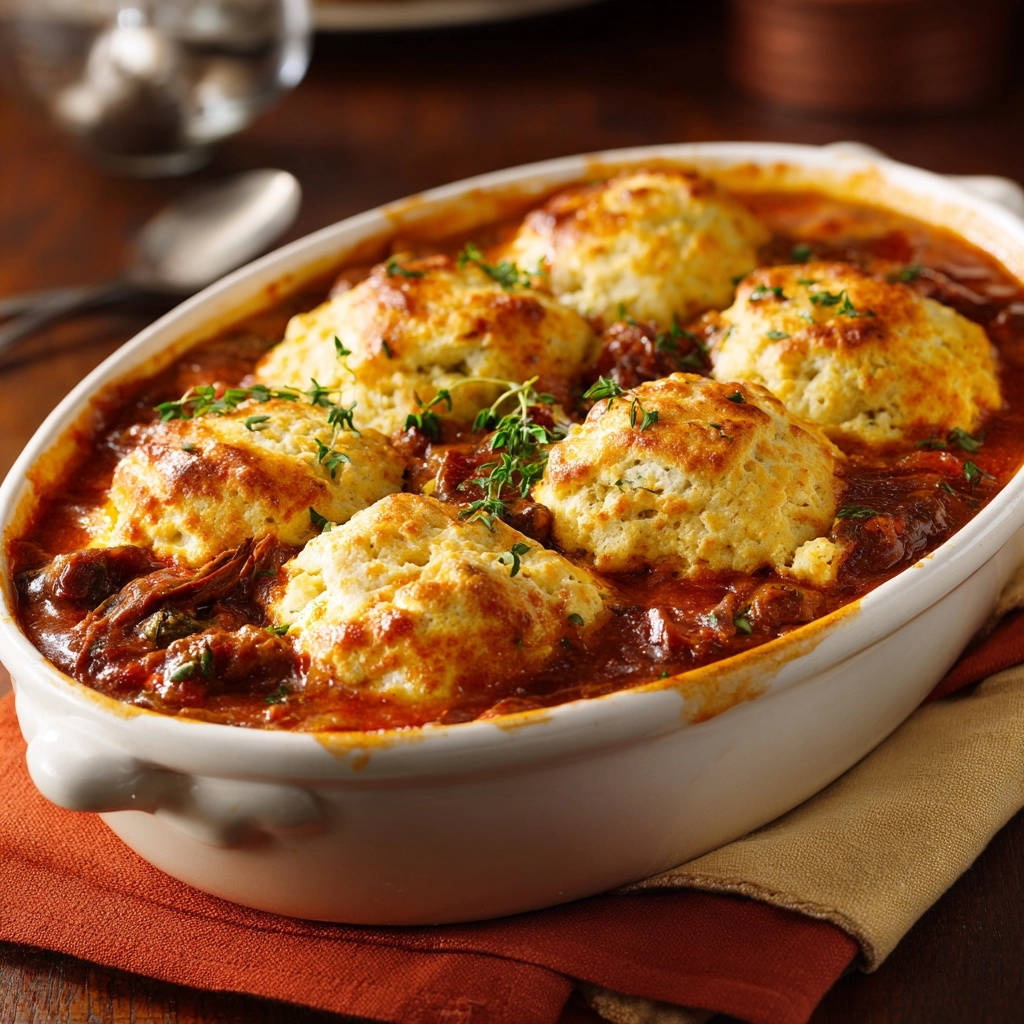
Place them evenly across the top, ensuring each dumpling has some direct exposure to the heat and is mostly sitting on top of the stew, rather than fully submerged in the liquid. This strategic placement is crucial for a baked, non-soggy, and gloriously fluffy result.
- Final Oven Bake (Uncovered):
Return the pot to the oven, uncovered.
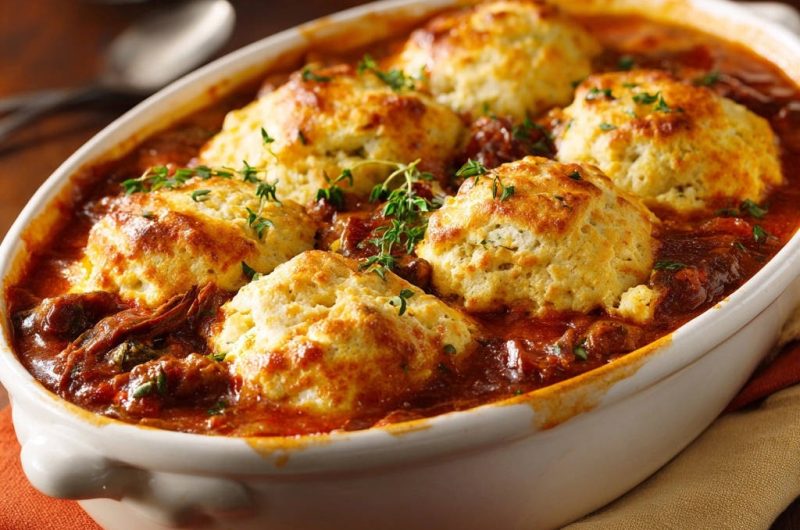
Bake for another 20-25 minutes, or until the dumplings are visibly puffed, cooked through, and beautifully golden brown on top. The direct oven heat ensures they bake rather than just steam, creating that coveted fluffy interior and crisp exterior that sets this Hearty Beef Stew with Dumplings apart.
- Rest and Serve:
Let the hearty beef stew with dumplings rest for a few minutes after removing it from the oven. This allows the flavors to settle and the sauce to thicken slightly.
Garnish with fresh thyme or parsley if desired and enjoy your perfectly fluffy, never soggy creation!
The “Never Soggy” Secret: Mastering Perfectly Puffed Hearty Beef Stew Dumplings
The hallmark of this Hearty Beef Stew with Dumplings recipe is undeniably the dumplings themselves – light, airy, with a golden crust, and absolutely never soggy. This isn’t magic; it’s a careful combination of technique and understanding ingredient roles.
The Role of Cold Butter and Gentle Mixing for Texture
The secret to tender dumplings begins long before they hit the stew. Using cold butter, cut into small pieces, is fundamental.
When cold butter is cut into the flour, it creates tiny pockets within the dough. As these pockets heat in the oven, the butter melts and releases steam, causing the dough to puff up and create an incredibly light, flaky texture.
Equally important is gentle mixing. Overworking the dough develops gluten, leading to tough, dense dumplings. We want a shaggy, barely combined dough, preserving those delicate structures that make them melt-in-your-mouth tender.
Strategic Placement: Why Dumplings Sit On Top (Not Submerged)
This is where many traditional recipes falter. Instead of dropping the dumpling dough deep into the stew where it can become waterlogged, we place them strategically.
By positioning the spoonfuls of dough directly onto the hot surface of the stew, ensuring they are mostly exposed to the oven’s direct heat, we encourage them to bake and crisp up.
This method minimizes their contact with the liquid, preventing them from absorbing too much moisture and becoming heavy or disintegrating into the stew.
Uncovered Baking: The Golden Finish and Fluffy Interior
The final, crucial step for achieving the perfect Hearty Beef Stew with Dumplings is baking them uncovered.
Baking the stew with the dumplings uncovered allows direct heat to circulate around them. This not only ensures they cook through evenly but, more importantly, facilitates the development of a beautiful golden-brown crust on top.
This direct heat bakes the dumplings, helping them rise and creating that desirable fluffy interior, completely bypassing the dreaded soggy bottom often associated with steamed dumplings.
Elevate Your Hearty Beef Stew with Dumplings: Expert Tips & Variations
These professional tips and variations will help you achieve the best possible results and customize your Hearty Beef Stew with Dumplings to perfection.
Don’t Overcrowd the Pot: When browning the beef, always work in batches. Overcrowding drastically lowers the pan temperature, causing the meat to steam rather than sear, which prevents the development of rich, caramelized fond-the flavor-packed bits stuck to the bottom of the pot.
Season Generously at Every Stage: Taste and adjust seasoning (salt and pepper) throughout the cooking process, especially after adding broth and before serving. Building layers of flavor is key to a truly outstanding stew.
Resting is Key: Allowing the stew to rest for a few minutes after cooking lets the flavors settle and allows the sauce to thicken slightly. This makes for a more cohesive, well-integrated, and delicious dish.
Fresh Herbs for Finish: While dried thyme is used for sustained flavor in the stew, a final sprinkle of fresh parsley, chives, or thyme just before serving adds a bright, aromatic counterpoint, a burst of freshness, and significant visual appeal.
Ingredient Swaps for Customization
Adapt your Hearty Beef Stew with Dumplings to your preferences or what you have on hand.
For additional depth, try substituting half a cup of the beef broth with a red grape juice, letting it simmer for a few minutes to cook off the alcohol before adding the remaining broth.
Experiment with root vegetables like parsnips or diced potatoes, adding them with the carrots and celery to cook until tender.
If you need gluten-free dumplings, swap the all-purpose flour for a good quality 1:1 gluten-free baking flour blend, noting that texture may vary slightly.
Flavor Boosters & Garnishes
A splash of Worcestershire sauce or a tablespoon of tomato paste, stirred in with the aromatics, can add a significant boost of umami and richness to the stew base.
For an extra creamy finish when serving, a dollop of sour cream or crème fraîche adds a lovely tang and luxurious texture.
Consider adding button or cremini mushrooms during the last 30 minutes of stew cooking for an earthy flavor and additional texture.
Conquering Challenges: Troubleshooting Your Hearty Beef Stew with Dumplings
Even seasoned cooks encounter challenges. Here’s how to troubleshoot common issues with your Hearty Beef Stew with Dumplings.
Why are my dumplings dense or soggy?
Dense dumplings typically result from overmixing the dough, which develops too much gluten. Ensure you mix only until just combined and the dough is shaggy.
Soggy dumplings are usually due to being fully submerged in the stew or not being baked uncovered. Always place them on top of the stew and bake without a lid to ensure they get direct heat and can puff and brown properly.
Not using cold butter can also contribute to a less tender texture, as it reduces the steam pockets needed for a light dumpling.
My stew meat isn’t tender enough.
This is often a matter of cooking time. Stew meat, especially chuck, needs plenty of time to break down. If it’s still tough, simply return the covered pot to the oven for another 30-60 minutes, checking periodically, until it’s fork-tender.
Ensure you’re using an appropriate cut for stewing, like chuck roast, which benefits from long, slow cooking. Leaner cuts can become tough if not cooked correctly.
The stew is too thin or too thick.
If your stew is too thin, simply remove the dumplings and simmer the stew on the stovetop, uncovered, for an additional 10-15 minutes or until it reduces to your desired consistency.
For a too-thick stew, stir in a little extra beef broth or water, a quarter cup at a time, until it reaches the perfect consistency. Remember that the stew will thicken slightly as it cools.
Perfect Pairings & Practicalities: Enjoying Your Hearty Beef Stew with Dumplings
Beyond the cooking, knowing how to best enjoy and manage your Hearty Beef Stew with Dumplings enhances the experience.
This technique of browning the meat first also builds deep flavor in a batch of hearty beef and corn chili.
Ideal Accompaniments
This robust dish is a meal in itself, but a simple green salad with a vinaigrette provides a refreshing contrast to the richness. Crusty bread is excellent for soaking up every last drop of the savory broth.
For a heartier meal, consider serving it with mashed potatoes or a side of steamed green beans to round out the plate.
Make-Ahead & Freezing Instructions
The stew base can be made 1-2 days in advance and stored in the refrigerator. Reheat gently on the stovetop before adding fresh dumplings and baking as directed.
For freezing, freeze the stew base separately (without dumplings) in airtight containers for up to 3 months. Thaw overnight in the refrigerator, reheat, and then prepare and bake fresh dumplings.
Reheating for Best Results
Reheat individual portions of stew and dumplings gently on the stovetop or in the microwave. For larger portions, gently warm in an oven-safe pot at 300°F (150°C) until heated through, making sure the dumplings don’t dry out. A splash of extra broth can help.
To refresh leftover dumplings, you can lightly toast them in a dry skillet or under the broiler for a few minutes until slightly crisp.
Your Hearty Beef Stew with Dumplings Questions Answered
Let’s address some common questions to ensure your confidence in creating this comfort food masterpiece.
The same browning technique is key for getting that deep flavor in these fork-tender braised short ribs.
Can I make the stew in a slow cooker instead of the oven?
Yes, you can adapt the stew base for a slow cooker. After browning the beef and sautéing the aromatics on the stovetop, transfer them to the slow cooker with the remaining stew ingredients.
Cook on low for 6-8 hours or on high for 3-4 hours, until the beef is tender. When ready to serve, transfer the stew to an oven-safe pot, bring it to a simmer, then add the dumplings and bake uncovered as per the recipe instructions.
Can I use self-rising flour for the dumplings?
You can, but you’ll need to adjust the recipe. Self-rising flour already contains baking powder and salt. If using it, omit the 2 teaspoons of baking powder and the 1/2 teaspoon of salt from the dumpling ingredients to prevent them from becoming overly salty or having a metallic taste.
What kind of beef stew meat is best for this recipe?
Chuck roast, sometimes labeled “beef stew meat,” is ideal for this recipe. It’s a well-marbled cut from the shoulder that becomes incredibly tender and flavorful when cooked low and slow.
Its connective tissue breaks down into gelatin, enriching the stew and contributing to a luxurious mouthfeel.
Can I add other vegetables to the stew?
Absolutely! This Hearty Beef Stew with Dumplings is very adaptable. Diced potatoes or parsnips can be added along with the carrots and celery.
Mushrooms are another excellent addition; add them during the last 30-45 minutes of the stew’s initial oven cooking time to prevent them from becoming too soft.
The Ultimate Comfort Food Awaits! Share Your Hearty Beef Stew with Dumplings Masterpiece!
You now possess the expertise to create a truly exceptional Hearty Beef Stew with Dumplings – a dish that embodies warmth, flavor, and the ultimate comfort of perfectly fluffy, never-soggy dumplings.
Don’t let the weather dictate your cravings for this classic; it’s a dish to be savored year-round. Gather your ingredients, follow these proven techniques, and prepare to impress your family and friends with a meal that will earn you rave reviews.
We encourage you to try this recipe and share your culinary creations! Enjoy every comforting bite!
Beef Stew
Course: Soups-StewsCuisine: AmericanDifficulty: mediumServings6
servingsPrep time30
minutesCooking time1
hourCalories550
kcalTotal time90
minutesEnjoy a comforting bowl of classic beef stew paired with a game-changing secret for light, airy, and perfectly golden dumplings. This recipe ensures your dumplings are never heavy or soggy, delivering a truly satisfying comfort meal with every bite.
Ingredients
For the Stew:
2 pounds beef stew meat, cut into 1-inch cubes
2 tablespoons olive oil
1 large yellow onion, chopped
2 cloves garlic, minced
4 cups beef broth
1 (14.5 ounce) can diced tomatoes, undrained
2 carrots, peeled and sliced
2 celery stalks, sliced
1 teaspoon dried thyme
1 bay leaf
Salt and black pepper to taste
For the Dumplings:
1 1/2 cups all-purpose flour
2 teaspoons baking powder
1/2 teaspoon salt
1/4 cup cold unsalted butter, cut into small pieces
3/4 cup milk
Directions
- Preheat your oven to 375°F (190°C).
- In a large Dutch oven or oven-safe pot, heat the olive oil over medium-high heat. Season the beef cubes with salt and pepper. Brown the beef in batches, ensuring not to overcrowd the pot. Remove browned beef and set aside.
- Add the chopped onion to the pot and cook until softened, about 5-7 minutes. Add the minced garlic and cook for another minute until fragrant.
- Return the beef to the pot. Stir in the beef broth, diced tomatoes, carrots, celery, dried thyme, and bay leaf. Bring the mixture to a simmer.
- Cover the pot and transfer it to the preheated oven. Cook for 1 hour, allowing the stew flavors to meld and the beef to start tenderizing.
- While the stew cooks, prepare the dumplings. In a medium bowl, whisk together the flour, baking powder, and salt.
- Add the cold butter pieces to the flour mixture. Using your fingertips or a pastry blender, cut the butter into the flour until the mixture resembles coarse crumbs.
- Pour in the milk and stir gently with a fork until just combined. Be careful not to overmix; the dough will be shaggy.
- After the stew has cooked for 1 hour, carefully remove it from the oven. Discard the bay leaf.
- Now for the “never soggy” secret: Drop the dumpling dough by spoonfuls directly onto the hot stew. Place them evenly across the top, ensuring each dumpling has some direct exposure to the heat, not fully submerged in the liquid. They should sit mostly on top of the stew.
- Return the pot to the oven, uncovered. Bake for another 20-25 minutes, or until the dumplings are puffed, cooked through, and golden brown on top. The direct heat from the oven ensures they bake beautifully rather than just steam.
- Let the stew rest for a few minutes before serving. Garnish with fresh thyme if desired. Enjoy your perfectly fluffy, never soggy dumplings!
Notes
- Discard bay leaf before serving. Garnish with fresh thyme if desired.