Herby Cauliflower Rice: Fluffy Grains Mastery
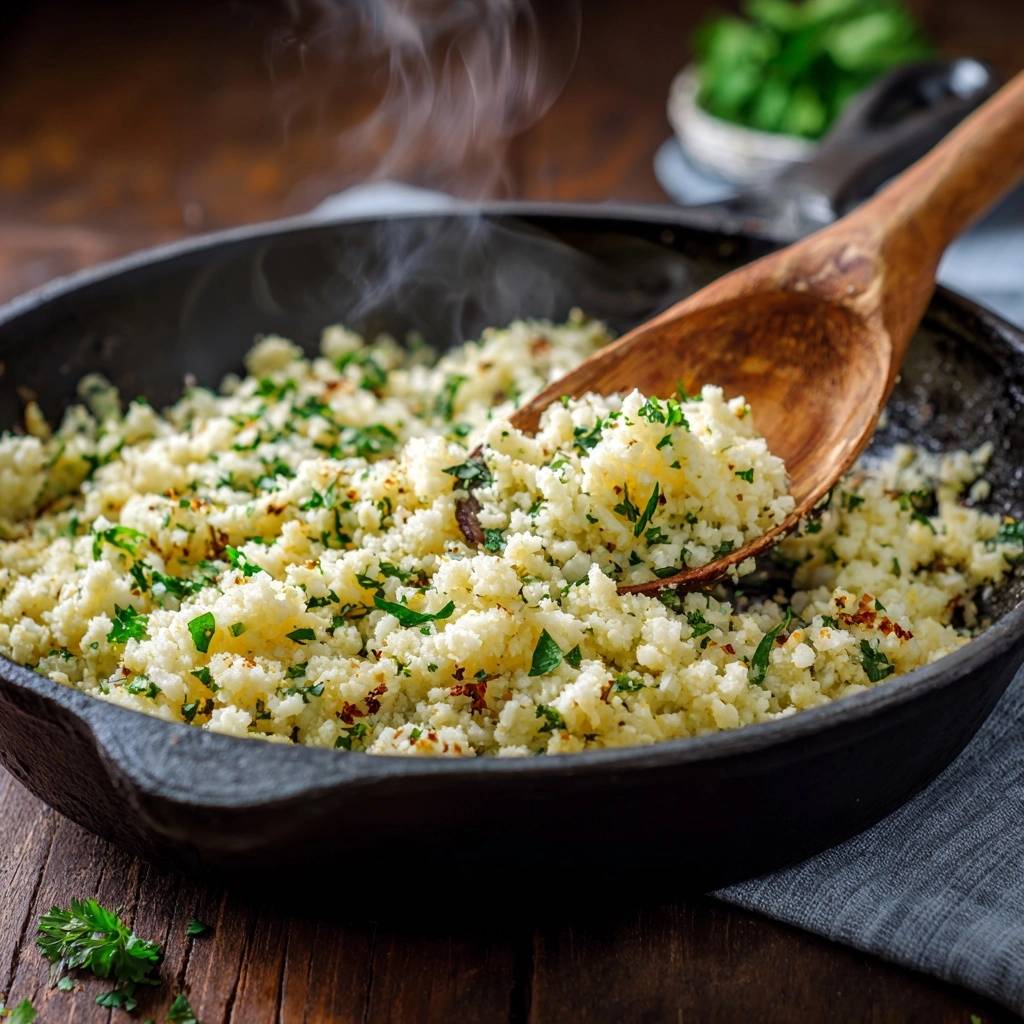
Ever dumped cauliflower rice into a pan only to end up with a soggy, steaming mess? Most folks steam or microwave it, and it turns watery fast. But this cast-iron skillet trick changes everything. You get separate, fluffy grains with a herby kick in just 15 minutes.
Here’s why it works so well. Cauliflower’s packed with water, about 92 percent, so you dry it first and fry hot. That locks in texture and amps up flavor through a bit of char. Plus, it’s a low-carb swap for rice at around 100 calories per serving and loaded with vitamin C.
The real secret? Squeeze that riced cauliflower in a kitchen towel until no more water drips out. You’ll be shocked at how much comes out, up to a cup. That one step guarantees fluffiness every time.
Core Ingredients for Herby Cauliflower Rice
Selecting Ripe Cauliflower Head
Grab one large head of cauliflower, about 6 cups when riced. Pick firm, white ones with tight florets; they yield less excess water than frozen bags. Fresh beats frozen every time because it doesn’t release extra moisture during processing.
Organic versions often pack more flavor intensity too. Conventional works fine, but check for bright color and no brown spots. Therefore, you’ll get that clean base for the herbs to shine.
Olive Oil and Fresh Parsley Breakdown
Three tablespoons of olive oil fuel the high-heat fry, creating char without sogginess. Extra-virgin holds up best; it smokes less and adds fruity depth. Swirl it in a hot pan for even coverage.
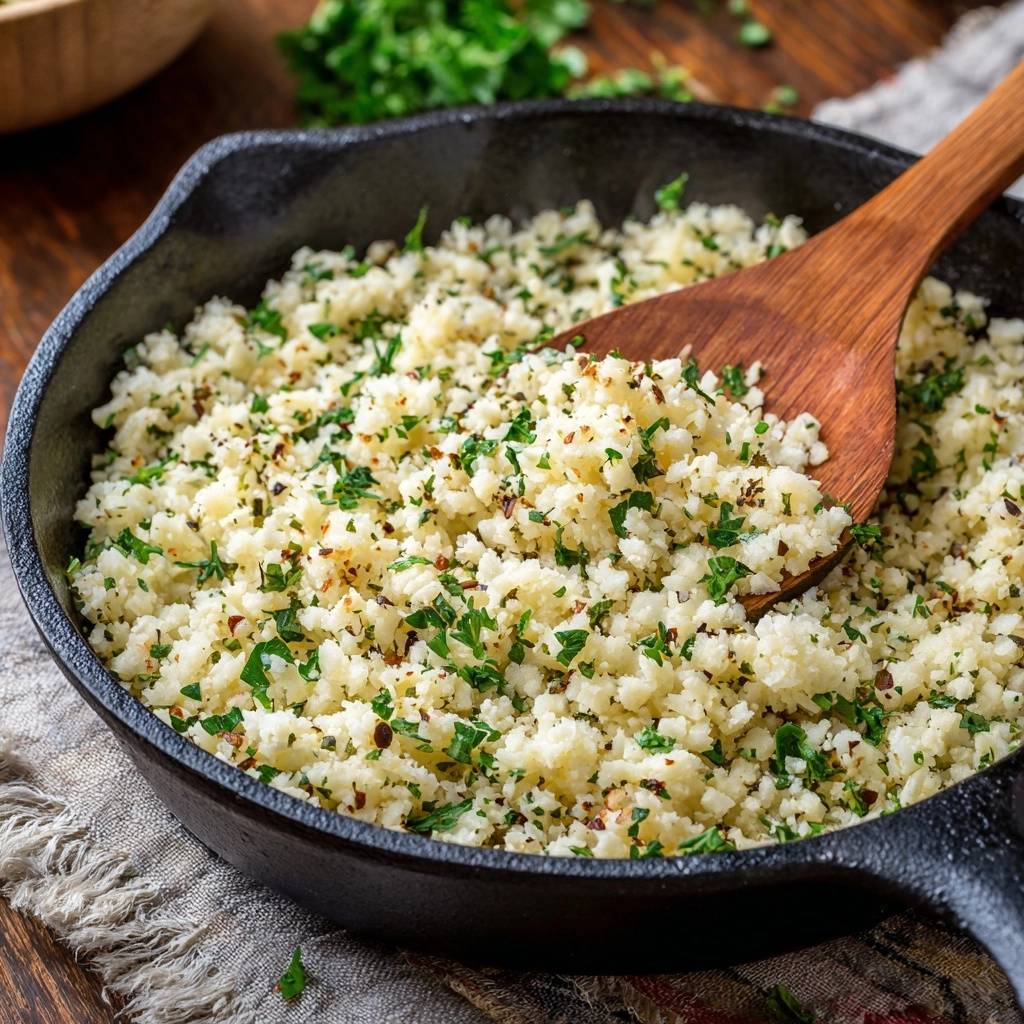
One cup of finely chopped fresh parsley delivers the herby punch. Go for flat-leaf over curly; it’s more tender and aromatic. Dried parsley lacks the vibrant oils, so fresh wilts perfectly in the last minutes.
Red Pepper Flakes and Seasoning Essentials
One teaspoon of red pepper flakes brings subtle heat that balances the mild cauliflower and fresh herbs. Quality flakes from whole peppers taste brighter than ground dust. Start with less if you prefer mild.
Salt and black pepper to taste enhance everything. Kosher salt dissolves faster on veggies, drawing out natural sweetness. In addition, fresh-ground pepper adds piney bite without overpowering.
Equipment: Cast-Iron Skillet for Herby Cauliflower Rice
Cast-iron shines here because it retains massive heat, evaporating moisture fast for fluffy grains. Preheat to smoking, and it sears edges for nutty flavor via Maillard reaction. A 12-inch size handles 6 cups perfectly without crowding.
Stainless steel alternatives cool too quick and steam the batch. However, cast-iron needs no seasoning for this dry fry. Wipe it clean post-cook with a paper towel; no soap required.
Pro tip: If your skillet’s new, heat it empty first to burn off residues. That prevents off flavors in your herby cauliflower rice.
Food Processor and Kitchen Towel Must-Haves
Pulse florets in a food processor for uniform rice grains. Work in batches to avoid mush; you want pea-sized bits, not paste. Over-processing traps air and water.
A clean kitchen towel squeezes out up to 50 percent of the water through simple pressure. Twist tight over the sink; feel the resistance give way. Pat dry again for extra insurance.
Step-by-Step: Drying Herby Cauliflower Rice
Break the cauliflower into medium florets first. They process evenly without big chunks. Pulse 2-3 times per batch until rice-like; stop short of puree.
Dump into the towel and twist hard. You’ll squeeze out a full cup of liquid sometimes, transforming wet mush into dry grains. The texture shifts from soggy to crumbly right there.
Pat with paper towels for a final dry. This upfront step prevents steaming later. Oh man, it’s game-changing for fluffy results.
Step-by-Step: High-Heat Frying Cauliflower Rice
Preheating Skillet to Perfection
Set your cast-iron over medium-high for 3 full minutes until it smokes faintly. Add the 3 tablespoons olive oil and swirl to coat every inch. The oil shimmers instantly, ready for action.
Extra-virgin olive oil withstands the heat without breaking down. Drop in the dry cauliflower in a single even layer. Therefore, no steaming occurs; it fries crisp from the start.
Stir-Frying for Fluffy Grains
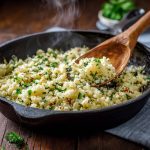
Sprinkle red pepper flakes, salt, and pepper right over the layer. Toss every 30 seconds with a wooden spoon for 8 to 10 minutes. High heat boils off lingering moisture, separating grains with light char on edges.
Look for fluffy, tender bits with golden specks; that’s doneness. Don’t crowd, or temps drop and it clumps. The aroma builds sweet and spicy as it transforms.
Finishing with Fresh Parsley
In the last 2 minutes, stir in the chopped parsley. It wilts fast, releasing earthy oils that perfume the pan. Pull off heat and rest 1 minute; flavors settle.
Serve hot for peak fluffiness. The green flecks pop against the grains, tasting fresh and bright.
Science of No-Mush Herby Cauliflower Rice
Cauliflower holds 92 percent water, turning to steam in heat unless removed first. Squeezing upfront stops that; high heat then triggers Maillard browning for nutty depth and fluff. Boiling methods fail by adding more water, creating mush.
Parsley’s natural pH boosts separation too. Therefore, grains stay distinct instead of clumping. It’s physics plus chemistry in your skillet.
Pro tip: The cast-iron’s 400-degree surface evaporates water in seconds, unlike low-heat pans.
Moisture Evaporation Dynamics
At high heat, water hits boil point instantly and vaporizes. Surface tension breaks down, freeing grains. Low heat simmers it into porridge.
This method mimics restaurant woks. You’ll smell the difference as moisture fades.
Avoiding Common Mistakes in Cauliflower Rice
Skipping the Squeeze Step
No squeeze means trapped water steams everything soggy. You lose a cup of liquid, but skip it and regret follows. Fix by squeezing mid-fry if you forget, though it’s messier.
Low-Heat Cooking Pitfalls
Low heat steams instead of fries, causing clumps. Signs include wet pan and no char. Crank it hotter midway and spread thin to recover.
Overcrowding the Skillet
Dumping it all drops the temp, steaming the batch. Stick to single layer; cook in shifts for more. Temps rebound fast that way.
Flavor Variations for Herby Cauliflower Rice
Stick to the herby core, but swap parsley for cilantro and add lemon zest for brightness. Garlic powder or minced onion boosts savoriness without cooking time.
Try mild curry powder instead of flakes for Indian vibes. Stir in vegan cheese shreds at the end for creaminess. All keep it low-carb and fluffy.
Pro tip: Taste before parsley; adjust salt to make herbs pop.
Pairing Herby Cauliflower Rice with Mains
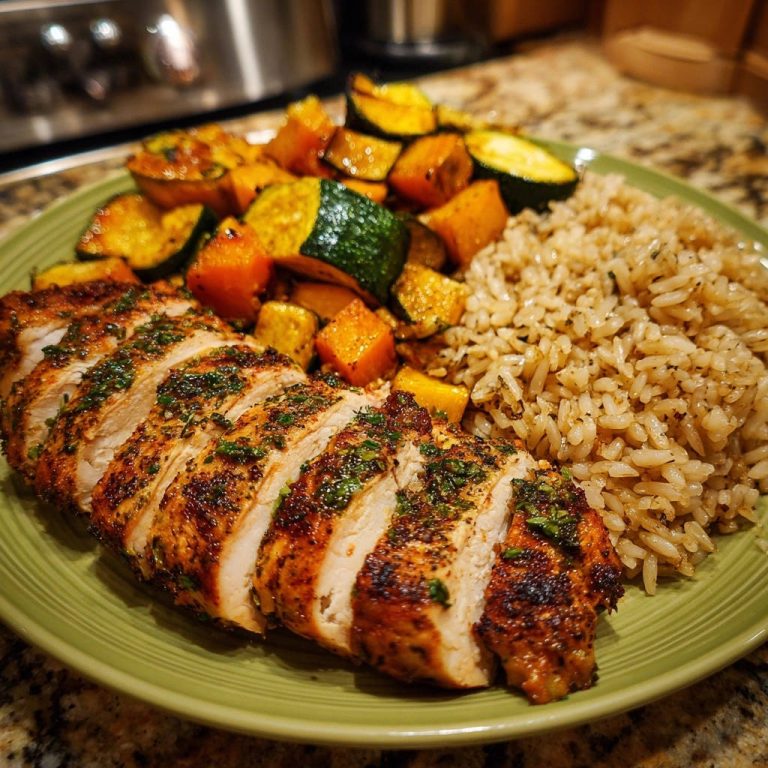
This makes a perfect low-carb base for grilled chicken or shrimp stir-fry. Drizzle lemon-tahini over top for creamy contrast. Portion 1.5 cups per serving to fill without carbs.
If you love this herby rice, try these chimichurri chicken thighs for a bright, fresh pairing.
Scoop into veggie bowls or Mexican burrito swaps. The spice cuts through rich proteins. It’s versatile and satisfying.
Make-Ahead Guide for Herby Cauliflower Rice
Store in an airtight container in the fridge up to 3 days. Reheat in a hot skillet with a splash of oil to crisp it back up; microwave sogs it.
Freeze portions up to 1 month in bags. Thaw, squeeze again, and refry. Batch prep Sundays for quick weeknight sides.
Troubleshooting Herby Cauliflower Rice Issues
Grains Still Soggy?
Squeeze harder or fry 2 minutes longer. Use fresh cauliflower over frozen next time. Spread thinner for better evaporation.
Lacking Flavor Punch?
Add parsley earlier or grate in lemon zest. Audit salt; cauliflower hides blandness. Fresh herbs always outperform dried.
Too Spicy from Flakes?
Halve to 1/2 teaspoon first. Sub milder Aleppo pepper. Pile on extra parsley to balance heat.
Burning Edges Occurring?
Lower heat after 6 minutes and toss more often. A quick non-stick spray helps if needed. Watch closely past 8 minutes.
FAQ
How do I store leftovers of Herby Cauliflower Rice?
Keep in an airtight container in the fridge for up to 3 days. Reheat in a hot skillet with a teaspoon of olive oil to restore fluffiness and char; avoid microwave as it steams. It freezes well in zip-top bags for 1 month, but thaw overnight, squeeze out moisture again, and refry to prevent mush.
Why is my cauliflower rice still mushy after cooking?
The top culprit is skipping the towel squeeze; it leaves too much water that steams during frying. Also check for overcrowding or low heat, which drops temps below evaporation point. Fix by drying more aggressively next time and using medium-high heat until grains separate with char.
Can I substitute ingredients in Herby Cauliflower Rice?
Swap parsley for cilantro or basil if preferred, keeping 1 cup fresh chopped for best flavor. No olive oil? Avocado oil works for high heat. Reduce red pepper flakes to 1/2 teaspoon for less spice, or omit and use black pepper. Avoid frozen cauliflower unless you thaw and dry extra well.
Is a cast-iron skillet necessary for fluffy grains?
It’s ideal for heat retention and quick moisture evaporation, but a heavy stainless steel pan preheated smoking hot works too. Non-stick fails as it can’t sear properly. Always go 12-inch size for 6 cups to avoid crowding.
How do I make Herby Cauliflower Rice vegan or gluten-free?
It’s naturally both vegan and gluten-free with these ingredients. Double-check your red pepper flakes for additives if sensitive. For extra creaminess, stir in coconut yogurt at the end instead of cheese.
Can I add protein directly to this cauliflower rice?
Yes, stir in cooked shrimp, chickpeas, or tofu in the last 3 minutes to heat through without overcooking. Keep the pan hot and don’t overcrowd. It bulks up to a full meal while staying low-carb.
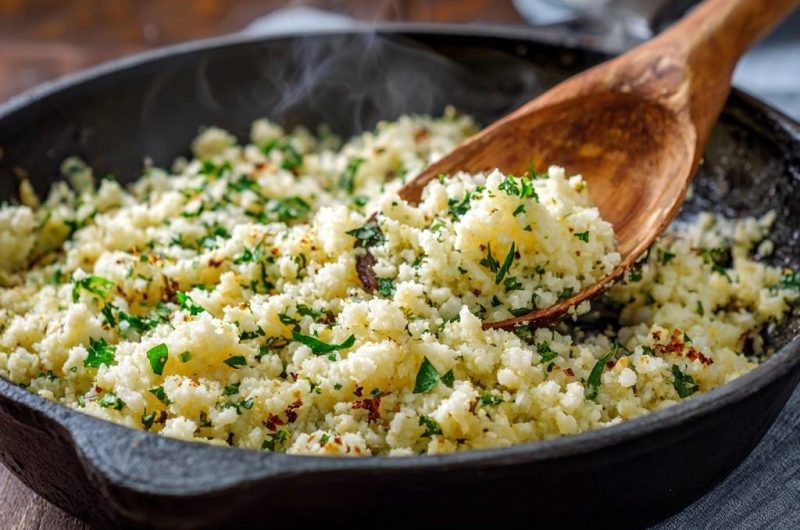
Herby Cauliflower Rice
Course: Side DishCuisine: AmericanDifficulty: easy4
servings15
minutes10
minutes120
kcal25
MinutesSick of cauliflower rice turning into a watery mush? This cast-iron skillet method dries it perfectly first and fries hot to lock in fluffy, separate grains every time.
Ingredients
1 large head cauliflower, riced (about 6 cups)
3 tablespoons olive oil
1 cup fresh parsley, finely chopped
1 teaspoon red pepper flakes
Salt and black pepper to taste
Directions
- Pulse cauliflower florets in a food processor until rice-sized. Transfer to a clean kitchen towel, twist tightly, and squeeze out all excess moisture over the sink. This is the game-changer: removing water upfront prevents steaming and guarantees no-mush texture. Pat dry one more time.
- Heat a cast-iron skillet over medium-high heat for 3 minutes until smoking hot. Add olive oil and swirl to coat.
- Add the dry riced cauliflower in an even layer. Sprinkle with red pepper flakes, salt, and pepper. Stir-fry without crowding for 8 to 10 minutes, tossing every 30 seconds with a wooden spoon. The high heat evaporates any remaining moisture fast, creating fluffy grains with light char.
- In the last 2 minutes, stir in chopped parsley until wilted and fragrant. Remove from heat. Serve hot for perfect, non-mushy results.
Notes
- Key to success: Squeeze out all moisture with a kitchen towel before cooking. Use a smoking hot cast-iron skillet for fluffy grains with light char.