Maple Beignets: Fluffy Fried Dough Perfection
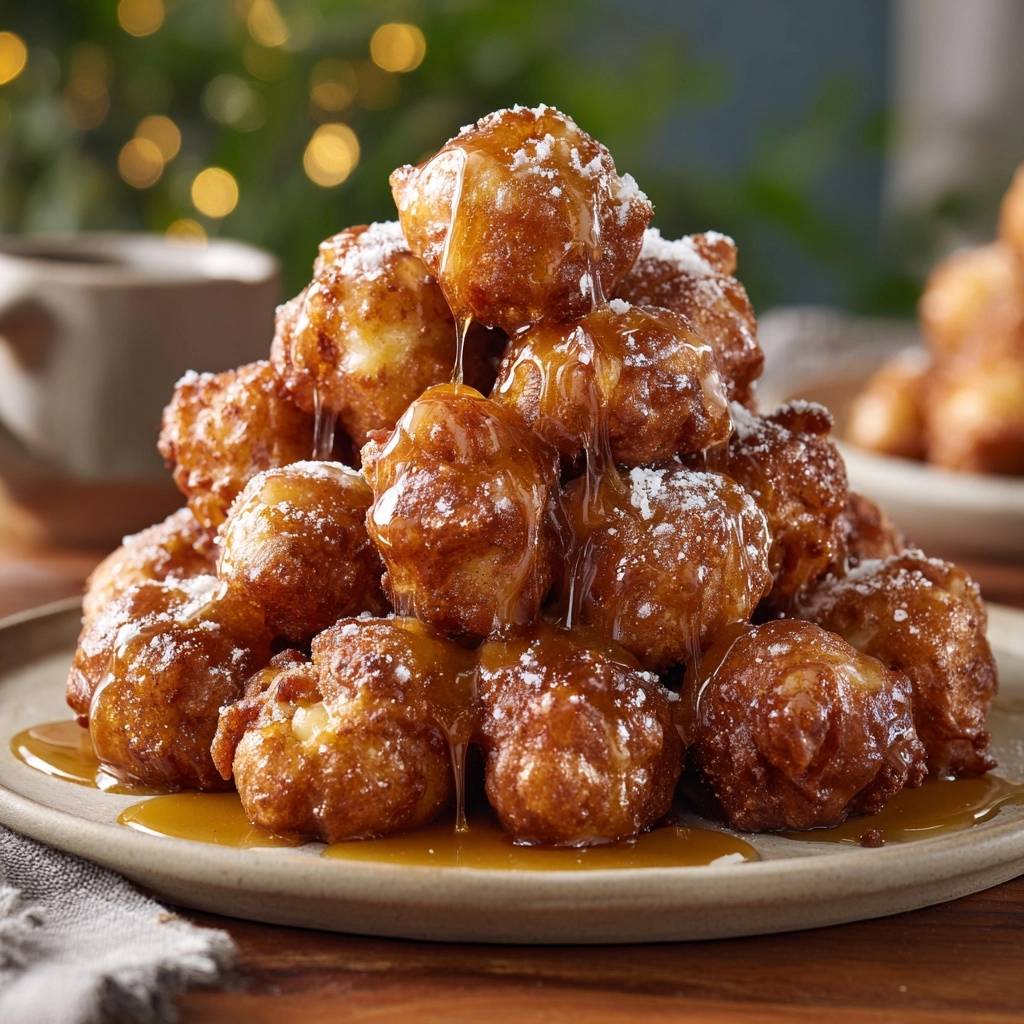
Ever bitten into a beignet that felt more like a hockey puck than a cloud? You’ve probably ended up with dense, chewy maple beignets during holiday baking because most recipes demand heavy kneading. This version fixes that frustration completely. You’ll get light, airy puffs that rival Cafe du Monde, all thanks to one mixing tweak.
So why do traditional methods fail? Overworking the dough builds tough gluten strands that trap air poorly. However, this recipe uses minimal handling for maple beignets that puff up dramatically in hot oil. In addition, the pure maple syrup drizzle adds that sticky, sweet finish everyone craves.
Here’s the pro tip that proves it works: Stir the first flour addition just 20 strokes max with a wooden spoon. That shaggy texture might look messy, but it keeps gluten relaxed for hollow, fluffy centers. Oh man, the first batch I tried this way melted in my mouth!
What Makes Maple Beignets Light and Airy
Gluten development dictates everything in maple beignets. When you overmix or knead like bread dough, those protein strands tighten up. Therefore, your fried treats turn chewy and heavy instead of feather-light.
However, this recipe controls hydration and handling precisely. Bread flour provides structure without excess toughness, while the yeast at exactly 110F kickstarts perfect rising. You’ll see foamy proof in minutes, unlike dead yeast batches that stay flat.
In addition, the gentle folds after adding extra flour trap gas bubbles gently. That’s why these maple-glazed beignets expand into airy orbs during frying. No more holiday disappointments, just pure fluff.
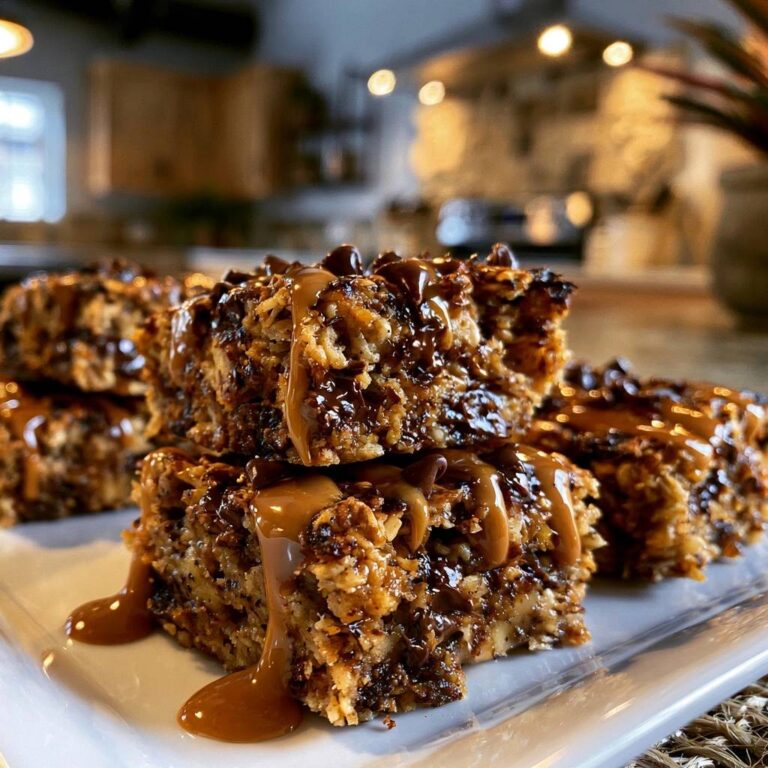
If you enjoy frying dough, these same tips work beautifully for caramel pecan bites.
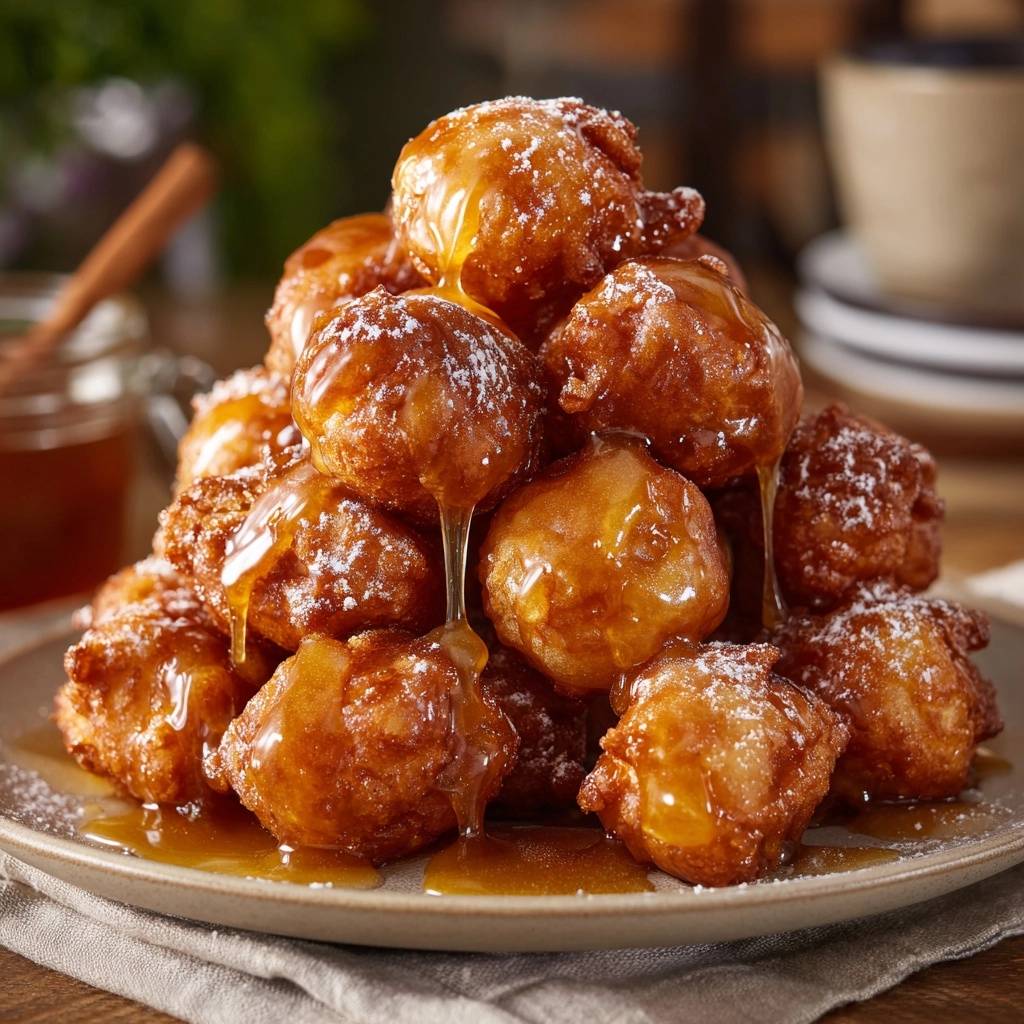
Gluten Control: The No-Knead Secret
The core trick limits mixing to 20 strokes for a shaggy dough, then 8-10 folds only. This prevents gluten networks from forming tough strands. In contrast, kneaded doughs get dense chewiness.
Moreover, the dough’s hydration level stays balanced. Therefore, it rises tall without collapsing. You’ll love the pillowy result in every maple beignet.
Yeast Activation Fundamentals
Use milk at 110F because hotter kills yeast, colder slows it. Stir in sugar to feed it, and wait for foam. No foam after 5 minutes means dead yeast, so start over.
However, perfect foam signals vigorous activity ahead. That leads to doubled dough and fluffy maple beignets every time.
Essential Ingredients for Maple Beignets
Bread flour beats all-purpose here because its higher protein builds just enough structure for puffiness. You’ll divide it into additions to avoid clumping. In addition, melted butter adds tenderness without greasiness.
The egg brings richness and helps bind everything smoothly. Salt balances flavors, while pure maple syrup drips authentically warm and sticky. Skip fake syrup; it lacks that deep, caramelized taste.
For substitutions, try plant-based milk if needed, but warm it first. Powdered sugar clings best to hot beignets. These picks ensure your maple beignets shine.
Dough Components Breakdown
Warm milk activates yeast perfectly. Sugar feeds it for fast rising, and divided flour prevents density by limiting early gluten work. Butter, egg, and salt round out tenderness and taste.
Therefore, each element supports airiness in maple beignets.
Topping Duo: Powdered Sugar and Maple Syrup
Roll hot beignets in powdered sugar for instant adhesion and snowy look. Warm the maple syrup slightly so it pours smoothly over stacks. Together, they create sweet, drippy synergy.
However, serve right away for peak crunch outside, soft inside.
Equipment Choices for Perfect Maple Beignets
Grab a deep pot for steady oil heat, plus a candy thermometer nailed at 360F. A wooden spoon handles gentle mixing without overworking. Parchment-lined trays prevent sticking during proofing.
Skip the mixer; it tempts tough dough. A Dutch oven works too for even temps. Always fry safely away from water, and use tongs for easy flips.
In addition, paper towels absorb excess oil fast. These tools guarantee pro-level maple beignets at home.
Oil Thermometer Precision
It’s essential because 360F seals exteriors fast without soaking oil inside. Cheap clip-ons work great. Too low means soggy beignets; too high burns them.
Watch for steady bubbles to confirm readiness.
Step-by-Step: Crafting Maple Beignets
Follow these phases for foolproof results. Each step builds toward fluffy maple beignets with sensory checks. Pro tip: Work in a warm kitchen for best rise.
Phase 1: Yeast Activation and Wet Mix
Stir warm milk, sugar, and yeast. Let sit 5 minutes until foamy and aromatic. Add butter, egg, and salt; mix gently until combined.
However, that foam proves live yeast for airy success.
Phase 2: Minimal Handling Dough Assembly
Add 2 cups flour and stir 20 strokes max for shaggy dough. Fold in last cup flour 8-10 times only. Cover; it looks rough but rises beautifully.
No kneading keeps it tender. In addition, smells yeasty and inviting already.
Phase 3: Rising, Shaping, and Proofing
Let rise 1 hour until doubled and jiggly. Punch down softly, then pinch tablespoon balls on floured surface. Proof 45-60 minutes on parchment until puffy.
Test by gentle poke; they spring back slowly.
Phase 4: Frying and Finishing Touches
Heat oil to 360F. Fry 4-5 balls 2 minutes per side till golden and fragrant. Drain, roll in sugar while hot, drizzle warm maple syrup.
If you love working with this light, airy dough, the same technique creates wonderfully crisp lemon beignets.
Serve stacked immediately for that fresh, steamy bite.
Science of Frying Maple Beignets
At 360F, the Maillard reaction browns crusts crisply while steam inside expands dough fast. That creates hollow, airy centers. Lower temps trap moisture for greasiness; higher ones burn outsides.
Therefore, precise heat mimics pro fryers. Compared to doughnuts, beignets steam more due to minimal flour handling.
In addition, bubbles signal doneness as moisture evaporates perfectly.
Oil Temperature Dynamics
360F evaporates surface water instantly, forming crisp shells. Steady small bubbles mean right on; big ones signal too hot. Adjust flame as needed for consistent maple beignets.
Avoiding Maple Beignets Pitfalls
Overmixing chews up texture, wrong temps sog out or scorch, and overcrowding drops heat. Flat proof comes from cold spots or old yeast. However, follow cues to dodge them all.
Dense ones? Blame excess gluten; our method fixes it. Pro tip: Reuse oil twice if strained, for fresher batches next time.
Density Fixes and Texture Rescues
If underproofed, give extra 15 minutes in warm oven. Strain and cool used oil for reuse. These hacks revive most issues fast.
Maple Beignets Flavor Variations
Keep the fluffy base, but swap toppings for fun. Try cinnamon sugar dust with vanilla syrup drizzle. Or add cocoa powder to sugar for chocolate maple beignets.
Fill some with pastry cream before frying. Nuts sprinkled post-sugar add crunch. Syrup-drizzled beignets stay versatile for brunches.
However, pure maple always shines brightest.
Topping Twists for Custom Beignets
Cinnamon-maple pairs warm spice with sweet drip. Cocoa dust evokes chocolate beignets. Chopped pecans stick in syrup for nutty bite. Lemon sugar refreshes. Apple juice vanilla syrup deepens flavor without overpowering.
Pairing Maple Beignets with Drinks and Sides
Strong coffee cuts the sweetness perfectly, especially chicory or espresso. Hot tea balances too. Fresh berries add tart pop beside stacks.
Yogurt dip contrasts richness. For brunch, pair with fruit salad. Bitter drinks make maple beignets taste even better.
What’s Next?
Try these delicious pairings:
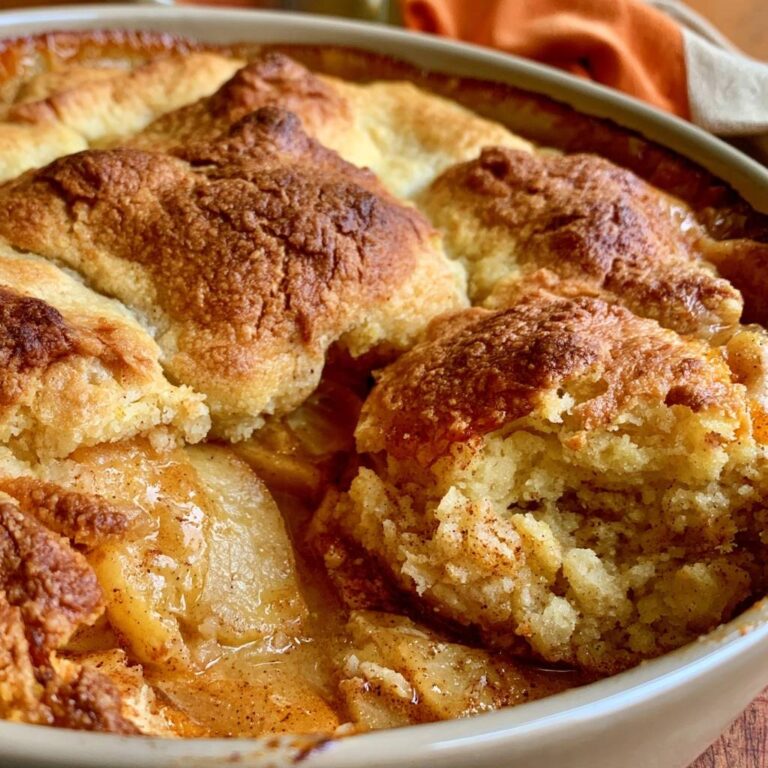
- S’mores French Toast Stack: Crispy Edges, Melty Core
- Orange Peel Cinnamon Rolls with Tangzhong for Fluffy Texture
Storing and Reheating Maple Beignets
Best fresh, but store airtight at room temp for 1 day. Freeze fried, sugared ones up to 1 month; keep syrup separate. Reheat at 350F oven 5 minutes to crisp up.
Avoid microwave; it steams them soggy. Make dough ahead, proof overnight in fridge for morning frying.
Maple Beignets Troubleshooting
Yeast Issues Solved
Not rising? Yeast’s old or milk too hot. Check expiration, test new packet in sugared water for foam. Warm spot fixes slow proofs.
Frying Failures Fixed
Greasy? Oil below 360F; use thermometer. Burnt? Too high; lower heat. Overcrowd drops temp, so fry small batches.
Texture Troubles Addressed
Dense chewiness means overmixing built gluten. Stick to 20 strokes next time. Underproofed flattens; poke test ensures puffiness.
Topping Adhesion Tips
Syrup slides off cold beignets; dust and drizzle hot. Sugar won’t stick if damp; pat dry first. Warm syrup flows better over stacks.
FAQ
How do I store leftover maple beignets and can they be frozen?
Store cooled beignets in an airtight container at room temperature for up to 1 day; they’ll soften slightly but stay tasty. For longer, freeze fried and sugared ones in a single layer on a tray first, then bag for up to 1 month. Thaw overnight in fridge, then reheat at 350F for 5 minutes to restore crispness. Keep maple syrup separate in a jar; it reheats easily on the stove without crystallizing. Avoid stacking frozen ones wet, as they stick together.
Why are my maple beignets dense and chewy?
Density usually hits from overmixing or kneading, which develops tough gluten strands that resist expansion. Stick strictly to 20 strokes and 8-10 folds; the shaggy dough looks undone but proofs beautifully. If using all-purpose flour instead of bread, it lacks protein for structure, so swap back. Underproofing also compacts them, so ensure doubled rise and puffy balls before frying. These fixes guarantee airy maple beignets.
Can I substitute ingredients in maple beignets?
Swap bread flour for all-purpose cautiously; it works but yields slightly less lift, so don’t overhandle. Use plant milk like almond warmed to 110F instead of dairy, but avoid sweetened versions to prevent yeast confusion. Melted coconut oil replaces butter 1:1 for tenderness. For egg-free, mix 1 tablespoon flax with 3 tablespoons water. Pure maple syrup can’t be faked well; thin honey works in pinch but alters drip. Divided flour stays key regardless.
What if my yeast doesn’t foam during activation?
No foam after 5 minutes means dead yeast from old packets, expired dates, or milk over 115F which kills it. Test by sprinkling in warm sugared water separately; live yeast bubbles vigorously. Always use fresh active dry yeast stored cool and dry. If milk’s off, warm new batch precisely with a thermometer. Sugar feeds it, so don’t skip. Fresh yeast ensures doubled dough and fluffy results every time.
Why are my fried maple beignets greasy or soggy?
Low oil temperature below 360F lets dough absorb fat instead of steaming inside; always use a thermometer and fry small batches of 4-5. Overcrowding drops heat fast, so space them out. Drain immediately on paper towels stacked thick to wick oil. If dough’s wet from overproofing, it steams soggily; proof to puffy but not deflated. Strain oil between batches for cleaner fries next round.
How do I get the powdered sugar and syrup to stick properly on maple beignets?
Roll in powdered sugar while piping hot; steam helps it melt and adhere without falling off. For syrup, warm gently to thin it for smooth drizzling over warm stacks; cold syrup beads up. Dust extra sugar post-drizzle if needed for crunch. Avoid cold beignets entirely, as toppings slide right off cooled surfaces. Stack 3-4 high right before serving for that classic messy pile look.
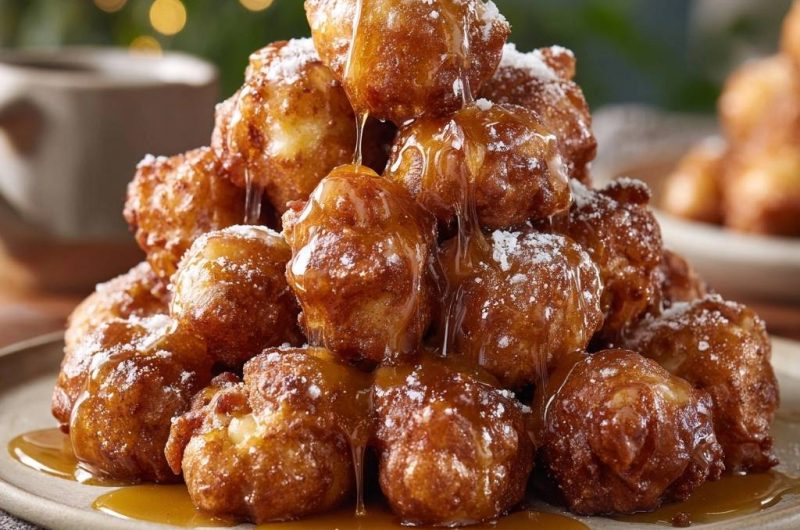
Maple Beignets
Course: DessertCuisine: AmericanDifficulty: medium30
beignets30
minutes30
minutes180
kcal120
MinutesTired of heavy, dense holiday beignets? This recipe uses a minimal handling trick to prevent tough gluten, delivering perfect fluffy puffs every time.
Ingredients
Dough:
1 cup warm milk (110F)
1/4 cup granulated sugar
1 packet active dry yeast
3 cups bread flour (divided)
1/4 cup melted butter
1 egg
1/2 teaspoon salt
Vegetable oil for frying (about 6 cups)
Topping:
1 cup powdered sugar
1/2 cup pure maple syrup (warmed)
Directions
- Activate yeast: In a large bowl, stir warm milk, sugar, and yeast. Let sit 5 minutes until foamy.
- Mix wet ingredients: Add melted butter, egg, and salt. Stir to combine.
- The no-dense trick (core secret): Add 2 cups flour and stir gently with a wooden spoon just until a shaggy dough forms, about 20 strokes max. Do not knead. Fold in remaining 1 cup flour lightly, folding dough over itself 8-10 times only. This minimal handling stops gluten from tightening, guaranteeing airy centers instead of dense chewiness. Cover and let rise in a warm spot 1 hour until doubled.
- Punch down dough gently. On a floured surface, pinch off tablespoon-sized pieces and roll into smooth balls (about 30). Place on parchment-lined tray, cover loosely, and proof 45-60 minutes until puffy.
- Heat oil to 360F in a deep pot (use thermometer for precision). Fry 4-5 balls at a time, 2 minutes per side until golden. Do not overcrowd. Drain on paper towels.
- Roll warm beignets in powdered sugar. Stack on plate and drizzle generously with warm maple syrup. Serve immediately with coffee. Enjoy fluffier-than-Cafe-du-Monde results!
Notes
- The key to airy beignets is minimal handling: stir gently 20 strokes max, then fold 8-10 times only. Heat oil precisely to 360F for best results.