Master Silky Mashed Potatoes Without Gluey Texture
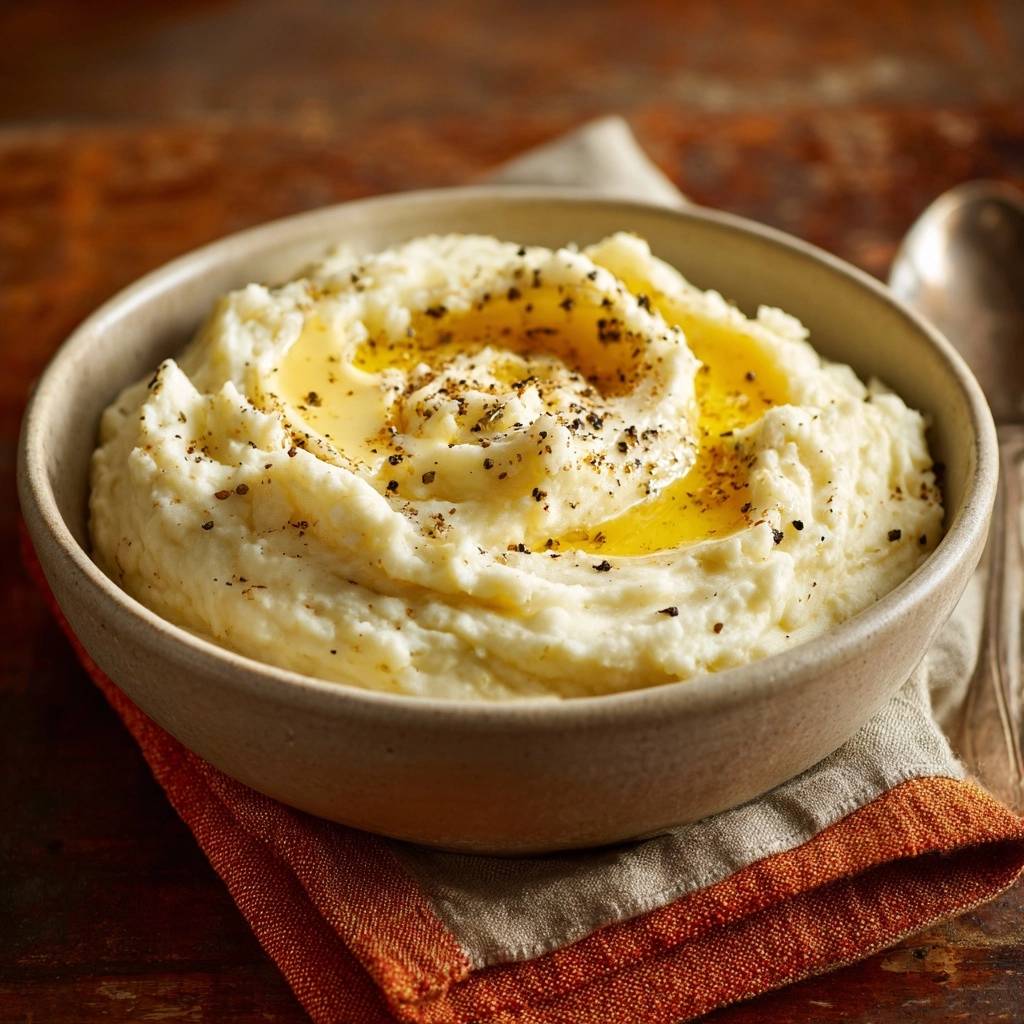
Picture this: holiday dinner’s humming along until you mash those potatoes and they turn into a gluey disaster. Everyone pokes at the sad pile while takeout dreams creep in. But here’s the fix for silky mashed potatoes that stay fluffy and restaurant-smooth every single time.
Most home cooks grab a mixer or masher and release way too much starch, creating that pasty mess. This recipe skips that trap entirely. Instead, you rice the hot potatoes for even breakdown without the gumminess.
The real secret lies in ricing them piping hot, then folding in warm milk and butter gently. That technique locks in creaminess. You’ll get silky mashed potatoes that melt in your mouth, no fancy tools required beyond a ricer.
Why Yukon Golds Yield Silky Mashed Potatoes
Scrubbed Skins for Pure Flavor Base
Grab 3 pounds of Yukon gold potatoes, or russets if that’s what you’ve got. Yukons shine with their waxy texture and medium starch, perfect for silky mashed potatoes that hold cream without falling apart. Russets work too, but they lean starchier for extra fluff.
Scrub them well instead of peeling first. This keeps nutrients intact and adds an earthy flavor base. Plus, boiling unpeeled means less water absorption, so you avoid watery results later.
Steer clear of red potatoes here; they’re too waxy and stay firm. Yukons give you that ideal buttery smoothness everyone craves.
Whole Milk and Butter Ratios Explained
Whole milk at 1 cup brings gentle creaminess without heaviness. Pair it with 1/2 cup unsalted butter for rich emulsion. Unsalted lets you control salt precisely, preventing an overly seasoned batch.
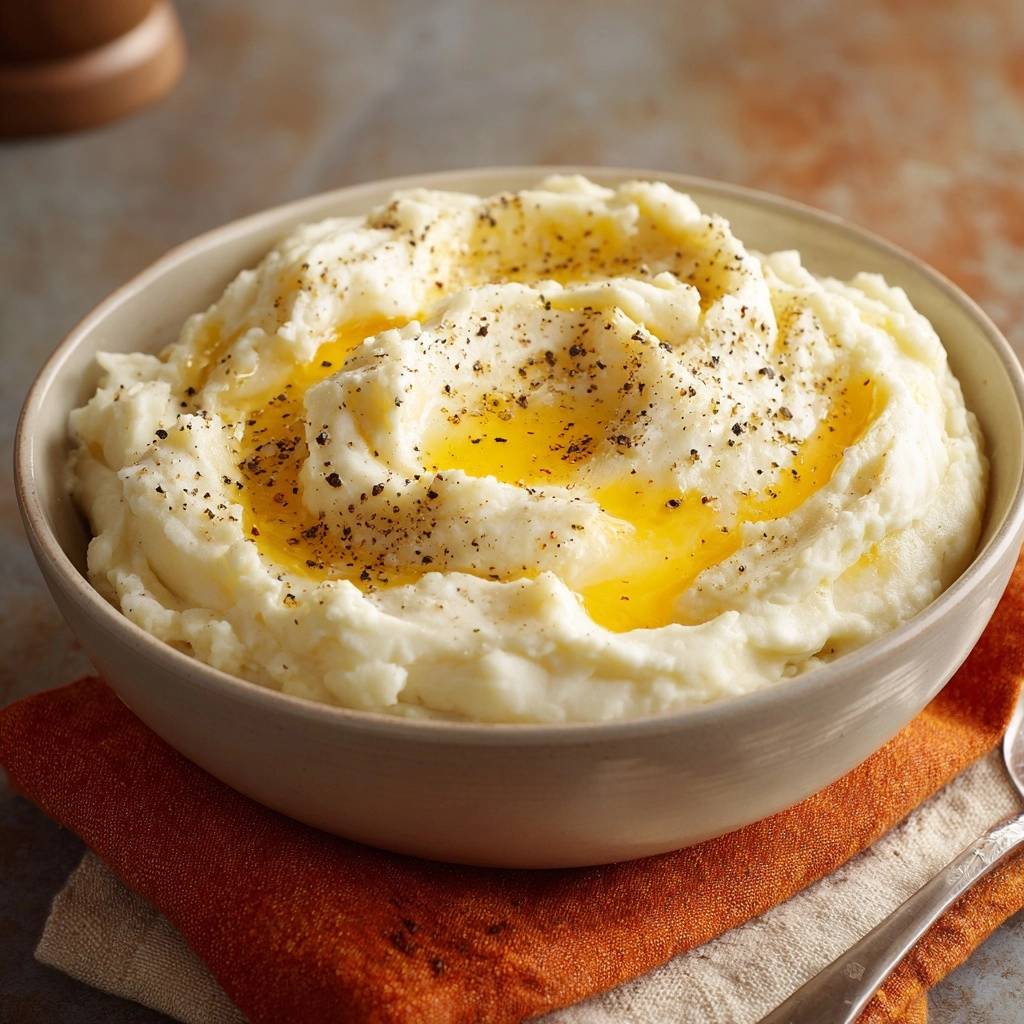
The fats create silkiness through even coating of potato starches. In addition, black pepper adds a subtle kick, while 2 tablespoons olive oil drizzled at the end boosts gloss and flavor depth.
Freshly cracked pepper releases oils for better aroma. These ratios ensure your silky mashed potatoes stay luxurious, not greasy.
Boiling Potatoes for Optimal Texture
Cold Water Start Prevents Uneven Cooking
Place whole, unpeeled potatoes in a large pot. Cover with cold water by 2 inches, then add 1 tablespoon salt. This salted water seasons from the inside out.
Crank heat to high for a boil, then drop to simmer. Cook 20 to 25 minutes until fork-tender. Test by piercing; they should yield but not mush.
Starting cold avoids tough skins and uneven cooking. Overcooking waterlogs them, so pull them off heat right on time.
Draining Hot Potatoes Thoroughly
Drain potatoes well in a colander. Let them steam dry for a minute over low heat in the pot. This evaporates excess moisture.
Too much water means gummy texture later. Therefore, shake the colander gently to release steam without breaking them apart.
Hot draining sets up the ricing perfectly. Your silky mashed potatoes start firm here.
Warming Milk-Butter Mixture Perfectly
Low Heat Melt Without Boiling
While potatoes simmer, heat 1 cup whole milk and 1/2 cup butter in a small saucepan over low. Stir until butter melts and milk steams gently.
Keep it below boil, around 160 to 180°F. Boiling separates the fats, causing lumps. Warmth ensures smooth incorporation.
This timing syncs everything. Remove from heat and cover to stay hot.
Portioning for Gradual Emulsion
Pour in half the warm mixture first. This controls absorption for even emulsion. Full pour risks separation.
Fold gently until absorbed, then add more as needed. You’ll see the silky mashed potatoes transform from dry to creamy.
Gradual addition prevents curdling. It’s foolproof for perfection.
Ricing Hot Potatoes: Glue-Proof Secret
Peel Immediately with Towel Grip
Peel hot potatoes right after draining. Hold with a kitchen towel for safety; steam loosens skins easily. Work quickly over a bowl to catch bits.
Delaying makes peeling tough and releases starch. If no ricer, a food mill works fine. Avoid knives; they crush unevenly.
This step keeps things hot for best ricing. Pro tip: wear oven mitts for confidence.
Food Mill Pass for Even Breakdown
Pass hot peeled potatoes through a potato ricer or food mill straight into a bowl. Press firmly for fine, even bits. You’ll smell sweet potato steam rising.
Ricing shears cells cleanly, releasing minimal starch unlike mashing. Blenders whip in air and glue it up. Stop once smooth; no need to overdo.
Hot ricing fluffs naturally. That’s your glue-proof silky mashed potatoes base.
Folding Warm Fats into Riced Base
Salt Sprinkle and Gentle Spatula Fold
Sprinkle 1 teaspoon salt over riced potatoes. Pour half the warm milk-butter mix. Fold with a spatula using broad strokes until just absorbed.
Add remaining liquid gradually. Taste and adjust salt now. Overfolding bursts more starch, so stop at silky smooth.
No mixer needed; it overworks and toughens. Gentle folds preserve fluff.
Achieving Silky Mashed Potatoes Finish
Spoon into a warm serving bowl. Drizzle 2 tablespoons olive oil and crack 1/2 teaspoon black pepper on top. The oil adds sheen and ties flavors.
Serve hot for peak texture. Yields 6 to 8 servings. Fresh pepper pops visually and aromatically.
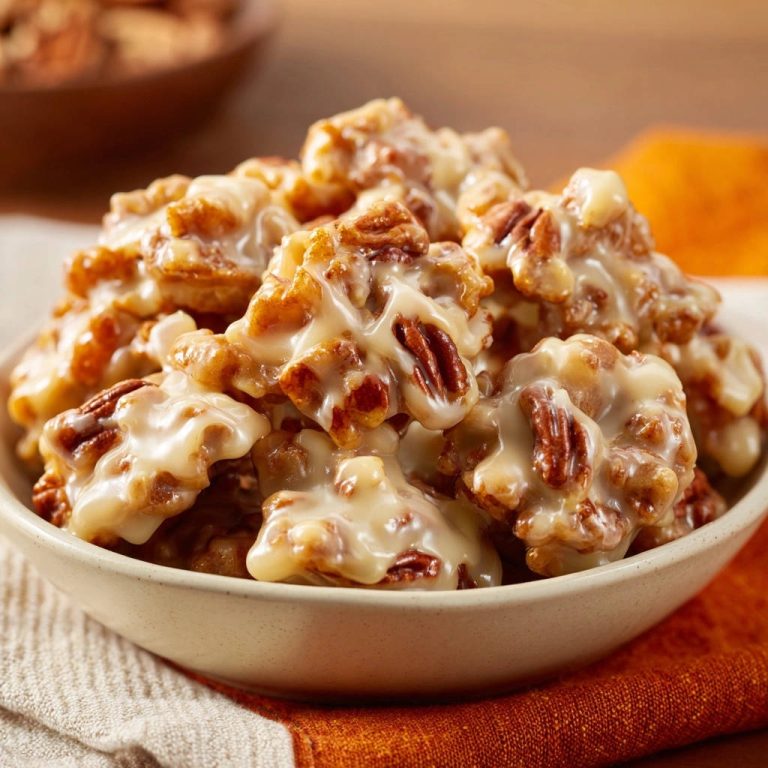
If you love the creamy base here, try these brown sugar pecan sweet potatoes for a sweet twist.
Keep covered if holding briefly. Perfection achieved.
Science of Starch in Silky Mashed Potatoes
Potato starches are amylose and amylopectin trapped in cell walls. Boiling gelatinizes them, but rough handling bursts cells, releasing excess for glue.
Ricing cuts cleanly while hot, minimizing release. Warm fats then emulsify around starches like a sauce. Cold butter clumps; warmth binds evenly.
Think of it as velvet versus paste. Hot process + gentle folds = silky mashed potatoes emulsion. Overmixing mimics cement mixing; gentle wins.
Potato Ricer vs Food Mill: Tool Breakdown
A ricer squeezes potatoes through small holes for ultra-fine, air-free texture in silky mashed potatoes. No lumps, pure silk. Food mills grind broader, still good but slightly coarser.
Food mills handle volume better for crowds. Both beat mashers, which crush and gum up. Blenders aerate into wallpaper paste.
Grab a basic ricer under $30 on Amazon. It’s a game-changer. Mill if you puree soups too.
Avoiding Gluey Mashed Potatoes Pitfalls
Overcooking Leads to Watery Mess
Fork-tender means slight resistance, not mush. Falling apart signals overdone starches absorbing water. Check at 20 minutes.
Drain immediately. Firm potatoes rice best.
Overmixing Releases Excess Starch
Gently fold only until smooth. Mixers pulverize cells. Spatula preserves structure.
Trust the stop point. Less is more.
Cold Ingredients Cause Separation
Warm milk-butter blends seamlessly. Cold shocks starches into lumps. Heat everything.
If lumps form, warm and fold more gently.
Silky Mashed Potatoes Flavor Variations
Garlic Infusion in Milk
Simmer smashed garlic cloves in the milk. Fish them out before folding. Roasted garlic mellows for cozy depth in silky mashed potatoes.
Start with 4 cloves. Bold yet balanced.
Horseradish or Herbs Boost
Fold in 2 tablespoons fresh chives or thyme at end. Horseradish adds zing, 1 tablespoon grated. For vegan, swap all butter with olive oil.
Herbs brighten without overpowering.
Cream Cheese for Extra Richness
Swap half the butter for 4 ounces softened cream cheese. It melts in tangily, boosting creaminess. Fold last for swirl effect.
Texture stays silky, flavor elevates.
Pairing Silky Mashed Potatoes with Mains
Roast chicken juices soak in perfectly, buttery silk balancing crispy skin. Beef tenderloin with gravy finds ideal partner; potatoes mop up richness.
Veggie pot pie loves the creamy base too. Holidays? They anchor turkey or ham effortlessly. Sparkling cranberry juice cuts through nicely.
Gravy clings to fluff without sogginess. These pairings make any meal shine.
If you enjoy the fresh pepper in these potatoes, the same aromatic touch works beautifully in these buttery garlic herb dinner rolls.
Make-Ahead Guide for Silky Mashed Potatoes
Refrigerate or Freeze Portions
Cool quickly, then store in airtight container up to 3 days in fridge. Freeze in portions up to 2 months; thaw overnight.
Reheat gently with a splash of milk over low heat. Stir to revive silkiness.
Batch Cooking for Crowds
Double to 6 pounds potatoes for 12 servings; use bigger pot. Hold warm in double boiler with lid. Stir occasionally.
Scale milk-butter 1:1. Fresh for holidays.
Troubleshooting Silky Mashed Potatoes Issues
Lumpy Texture Fixes
Re-rice lumps or strain warm milk first. Warm fats dissolve most. Pass through mill again if needed.
Fresh ricing prevents this upfront.
Grainy from Old Potatoes
Sprouty or green potatoes turn grainy. Choose firm, smooth ones. Store cool and dark.
Too Thick or Runny Adjustments
Thick? Warm milk splash and fold. Runny? Rice more potatoes next time or reduce liquid. Taste as you go.
Potato size varies moisture.
Salted Boiling Overkill
Taste after ricing, before final salt. Boiling salt infuses lightly; adjust end.
Gluiness Despite Ricing
Check variety; too starchy russets need less mixing. Undercook slightly. Swap to Yukons.
Gentle always.
Silky Mashed Potatoes FAQ
Can I Use Red Potatoes?
Red potatoes work but stay waxier, less silky than Yukons. They hold shape better for salads. For mashed, expect firmer texture; add extra butter for creaminess.
Best Dairy-Free Substitutes?
Use full-fat coconut milk for 1 cup and increase olive oil to 3/4 cup total. Warm as directed. Blends smoothly, adds subtle coconut note that complements potatoes.
How to Reheat Without Drying?
Stovetop with milk splash over low, covered, stirring until steamy. Oven at 350°F in covered dish with butter pat. Microwave last resort, stir every 30 seconds with liquid.
Why Avoid Hand Masher?
Mashers crush cells unevenly, releasing starch gels into glue. Ricing shears cleanly for fluff. Science shows minimal amylose burst preserves silkiness.
Scaling for 10 People?
Use 5 pounds potatoes, 1.5 cups milk, 3/4 cup butter. Same ratios. Bigger pot for boiling; rice in batches to avoid overload. Yields perfectly.
What’s Next?
Try these delicious pairings:
- Juicy Grilled Chicken with Creamy Mash & Thyme Carrots
- Shredded Beef Gravy over Mashed Potatoes: Tender Braised Comfort
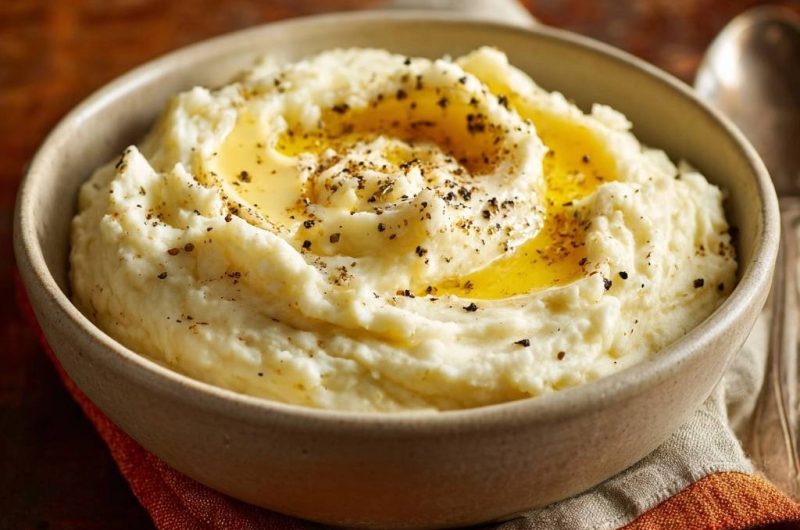
Mashed Potatoes
Course: Side DishCuisine: AmericanDifficulty: easy6
servings15
minutes25
minutes250
kcal40
MinutesTired of mashed potatoes turning into a pasty, gluey mess? This recipe nails perfect creaminess every time with one key technique: ricing hot potatoes and folding in warm fats gently, no mixer needed. Top with olive oil and pepper for restaurant-level smoothness.
Ingredients
3 pounds Yukon gold potatoes (or russets), scrubbed
1 cup whole milk
1/2 cup unsalted butter
1 teaspoon salt (plus more for boiling)
1/2 teaspoon black pepper
2 tablespoons olive oil (for drizzling)
Directions
- Place whole, unpeeled potatoes in a large pot. Cover with cold water by 2 inches, add 1 tablespoon salt. Bring to a boil over high heat, then reduce to simmer. Cook 20 to 25 minutes until fork-tender but not falling apart. Drain well.
- While potatoes cook, heat milk and butter in a small saucepan over low heat until butter melts and milk steams (do not boil). Remove from heat.
- Here’s the glue-proof secret: Peel hot potatoes immediately (use a towel to hold). Pass through a potato ricer or food mill into a large bowl while still piping hot. This breaks them down evenly without releasing excess starch that causes glueiness. Avoid a masher or blender.
- Sprinkle salt over riced potatoes. Pour in half the warm milk-butter mixture. Fold gently with a spatula until just absorbed, adding more liquid as needed. Stop mixing once smooth; overworking creates gumminess. Taste and adjust salt.
- Spoon into a serving bowl. Drizzle with olive oil, crack fresh black pepper on top. Serve hot for fluffy, silky perfection that never disappoints.
Notes
- Use Yukon gold or russet potatoes. Key technique: rice hot potatoes immediately after peeling to avoid excess starch release. No mixer or blender—gentle folding prevents gumminess.