Zesty Lemon Bundt Cake: The Secret to a Perfectly Moist Crumb
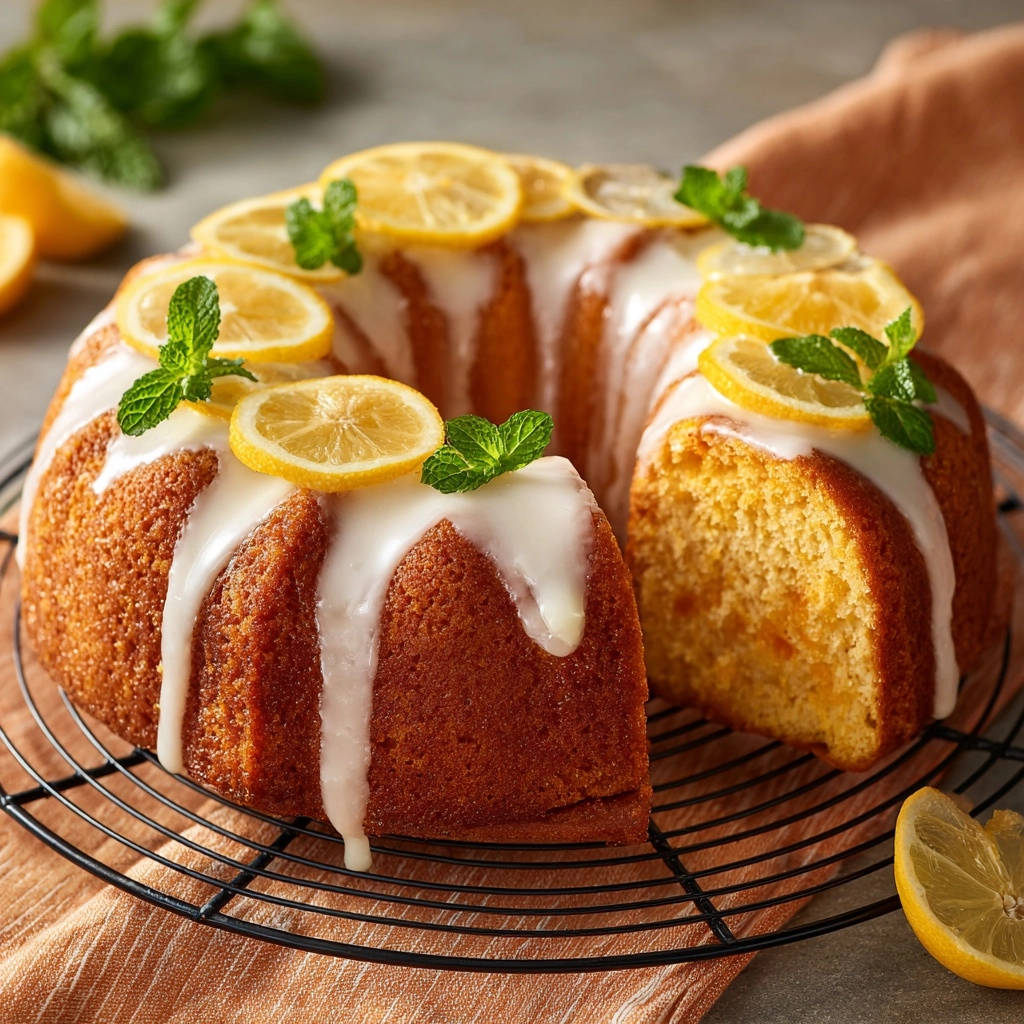
There’s nothing quite as disappointing as a dry cake, especially when you’re craving that bright, zesty lemon flavor. I’ve refined my approach to the classic Zesty Lemon Bundt Cake over countless attempts, finally cracking the code to a consistently tender and juicy crumb.
This recipe transforms a beloved dessert into a truly reliable showstopper, ensuring every slice bursts with vibrant citrus and remains beautifully moist. Say goodbye to crumbly disappointment and hello to baking perfection!
Goodbye Dry Cakes: The Secret to Our Tender Zesty Lemon Bundt Cake
Many home bakers struggle with dry bundt cakes, but this recipe is specifically designed to prevent that. We focus on key ingredients and techniques that lock in moisture and elevate flavor, making this a standout citrus dessert.
Unlocking Unrivaled Moisture and Tenderness
Our secret to an incredibly moist crumb lies in the thoughtful combination of ingredients and precise mixing. The inclusion of full-fat yogurt or sour cream adds significant richness and moisture, creating a tender texture that lasts for days.
Careful attention to mixing, especially avoiding overmixing the flour, ensures gluten doesn’t overdevelop. This critical step keeps the cake delicate and soft, rather than dense or tough.
A Burst of Bright, Fresh Lemon Flavor
We maximize the vibrant lemon essence by utilizing both fresh lemon zest and juice in the batter. The zest provides an intense aromatic burst, while the juice delivers that signature tangy kick.
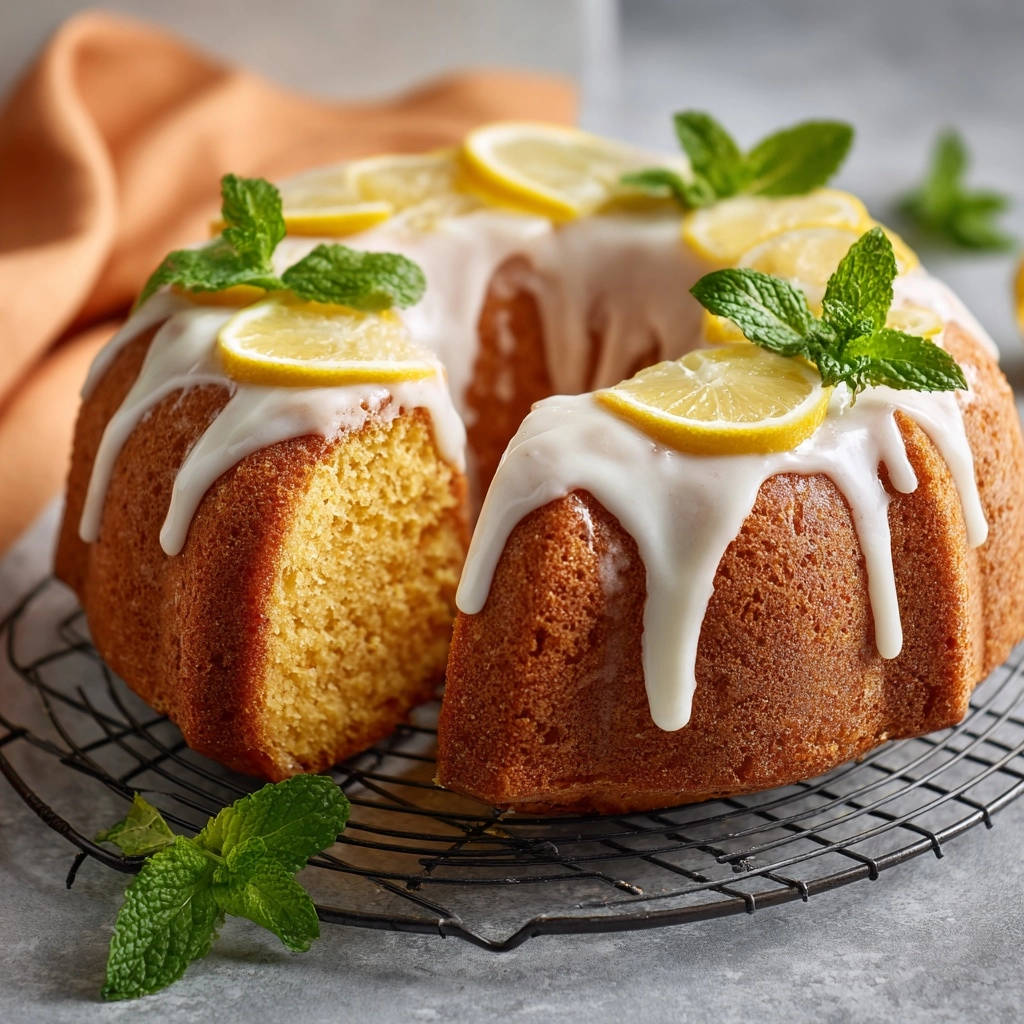
The sweet-tart lemon glaze, poured over the warm cake, not only adds another layer of flavor but also infuses more moisture. This dual approach guarantees a truly “zesty” experience without being overpowering.
Effortless Elegance for Any Occasion
Despite its impressive appearance, this Zesty Lemon Bundt Cake is surprisingly straightforward to bake. It’s the perfect centerpiece for a brunch, a delightful treat for afternoon tea, or a simple yet elegant dessert for family gatherings.
Its ease of preparation combined with its stunning visual appeal makes it a go-to recipe for any occasion. Prepare to impress with minimal fuss!
Crafting Flavor: Key Ingredients for Your Zesty Lemon Bundt Cake
Each ingredient plays a vital role in achieving the signature taste and texture of this delightful lemon bundt cake.
For the Cake: Foundation of a Moist Crumb
Butter, Sugar, and Eggs: The Creamy Base
Softened unsalted butter, granulated sugar, and large eggs form the backbone of our batter. Creaming them together creates a light, airy foundation, essential for a fluffy cake texture.
The eggs also provide structure and richness, while the sugar contributes to both sweetness and moisture retention.
The Secret to Moisture: Yogurt or Sour Cream
Full-fat plain yogurt or sour cream is the star ingredient for achieving unrivaled moisture. Its acidity reacts with the baking powder, promoting a tender crumb, while its fat content keeps the cake juicy.
Zest and Juice: Concentrated Lemon Power
Fresh lemon zest, rich in aromatic oils, delivers an intense, bright lemon flavor. Fresh lemon juice provides the tartness and adds to the overall moisture content.
For a fruity twist on the classic lemon flavor, try the glazed blueberry lemon bundt cake.
For the Glaze: That Irresistible Tangy Drizzle
Powdered sugar combines with more fresh lemon juice and optional lemon zest to create a glossy, tangy glaze. This finishing touch adds a beautiful sheen and an extra punch of citrus flavor, making the Zesty Lemon Bundt Cake truly irresistible.
Essential Tools for Bundt Cake Success
Having the right tools is half the battle when aiming for a perfect bundt cake.
Choosing and Preparing Your Bundt Pan
A 10 or 12-cup bundt pan is essential for this recipe. Thoroughly greasing and flouring every crevice is paramount for easy release. Don’t skip this crucial step!
Using a good quality non-stick pan, or even a baking spray with flour, can significantly aid in preventing sticking.
Mixers and Measuring: Precision for Perfection
An electric mixer, either a stand mixer or a handheld one, makes creaming butter and sugar a breeze. This step is vital for incorporating air into the batter, leading to a lighter cake.
Accurate measuring cups and spoons ensure precise ingredient ratios. Precision is key in baking, especially for consistent results.
The Indispensable Cooling Rack
A wire rack is vital for cooling the cake evenly and for allowing excess glaze to drip away. Proper air circulation prevents the bottom of the cake from becoming soggy.
Mastering the Method: Baking Your Zesty Lemon Bundt Cake
Preparation is Key: Setting Up for Success
Start by preheating your oven to 325 degrees F (160 degrees C). This ensures a consistent baking temperature from the moment your batter enters the oven.
Next, meticulously grease and flour your 10 or 12-cup bundt pan, ensuring every nook and cranny is coated. This preventative measure is absolutely critical for the cake to release cleanly after baking.
Crafting the Batter: Mixing for Texture
In a medium bowl, whisk together the dry ingredients: flour, baking powder, and salt. This distributes the leavening agents evenly.
In a separate large bowl, cream the softened butter and granulated sugar with an electric mixer until it’s light and fluffy, usually 3-5 minutes. This aeration step creates a tender crumb. Beat in the eggs one at a time, mixing well after each addition and scraping down the bowl as needed.
Combine the yogurt (or sour cream), lemon juice, and lemon zest in a small bowl. This liquid mixture will ensure deep lemon flavor and moisture. Then, alternately add the dry ingredients and the yogurt mixture to the butter mixture, beginning and ending with the dry.
Mix on low speed just until combined; it’s absolutely crucial not to overmix the batter once the flour is added. Overmixing develops gluten, which can lead to a tough and dry cake texture.
For a perfect pairing, try our Mastering the Flourless Dark Chocolate Torte.
The Perfect Bake: Timing and Doneness
Pour the prepared batter evenly into your bundt pan and smooth the top. Bake for 50-65 minutes, or until a wooden skewer or toothpick inserted into the center comes out clean. The top should appear golden brown and spring back when lightly touched.
This stage is paramount: do not overbake! Overbaking is the primary culprit behind a dry Zesty Lemon Bundt Cake. Remove it promptly once it passes the doneness test.
The Irresistible Glaze: Finishing Your Masterpiece
Allow the cake to cool in the pan on a wire rack for 10-15 minutes while you prepare the vibrant glaze. Whisk together powdered sugar, fresh lemon juice, and optional lemon zest until smooth.
Invert the cake onto a wire rack placed over a baking sheet to catch any drips. While the cake is still warm (but not hot to the touch), slowly pour the lemon glaze evenly over its top, allowing it to cascade down the sides.
The residual warmth of the cake helps it absorb the glaze, infusing moisture and flavor deep into the crumb. This technique is key to that ultimate tender, juicy result.
Beyond the Recipe: Pro Tips for Your Lemon Bundt Cake
Elevate your baking with these expert insights for your next Zesty Lemon Bundt Cake.
Temperature Matters: Room Temp Ingredients
Always use softened butter and room-temperature eggs and yogurt. Ingredients at the same temperature emulsify better, creating a smoother, more uniform batter and a finer crumb.
Bundt Pan Prep: The Release Secret
Beyond greasing, thoroughly dust your bundt pan with flour (or cocoa powder for chocolate cakes). For extra security, use a pastry brush to ensure every curve and crevice is coated, preventing any sticking disasters.
The Golden Rule: Do Not Overmix
Once you add the dry ingredients, mix the batter on low speed just until everything is barely combined. Overmixing develops the gluten in the flour, leading to a tough, chewy cake rather than a tender one.
Watch the Clock: Avoiding Overbaking
Oven temperatures can vary, so always trust your cake’s visual cues and the skewer test over the exact baking time. As soon as the skewer comes out clean, take it out! Even a few extra minutes can result in a dry lemon cake.
Glaze Absorption: The Warm Cake Advantage
Glazing the cake while it’s still warm (not hot!) allows the glaze to be absorbed more effectively into the crumb. This creates a moist, flavorful cake that’s infused with lemon goodness, rather than just having a sugary coating.
Zest Perfection: Getting the Most Lemon Flavor
When zesting lemons, use a microplane and only remove the bright yellow outer layer. Avoid the white pith directly underneath, as it can be bitter. This ensures a pure, bright lemon flavor without any off-notes.
Common Questions & Troubleshooting for Your Lemon Bundt
Why Did My Bundt Cake Stick to the Pan?
This is often due to insufficient pan preparation. Ensure you generously grease and flour every part of the pan, especially intricate designs. Allow the cake to cool in the pan for the recommended 10-15 minutes before inverting, as this allows the cake to firm up and pull away from the sides.
Next Up: Savory Biscuits to Pair with Your Citrus Cake
That lemon bundt cake is bright and sweet, so balance it with something warm, rich, and savory. These biscuit recipes use butter and flour like the cake does, but go in a completely different direction.
- For a hearty breakfast-for-dinner option, try these Homemade Biscuits and Sausage Gravy — the creamy, peppery gravy contrasts nicely with the cake’s zesty tang.
- If you want a vegetarian companion with the same fluffy texture, the Fluffy Biscuits with Creamy Tomato Gravy bring a mild acidity that echoes the lemon notes without competing.
My Cake is Dry: What Went Wrong?
The most common culprits for a dry cake are overbaking or overmixing. Overbaking removes too much moisture, while overmixing develops gluten, leading to a tough, dry texture. Double-check your oven temperature with an oven thermometer and ensure your mixing technique is gentle once flour is added.
Glaze Consistency Issues: Too Thin or Too Thick?
If your glaze is too thick, gradually add more lemon juice, one teaspoon at a time, until it reaches a pourable consistency. If it’s too thin, whisk in additional powdered sugar, a tablespoon at a time, until it’s just right. Aim for a consistency that coats a spoon but still flows smoothly.
Why Did My Bundt Cake Sink in the Middle?
A sunken cake can result from opening the oven door too early, causing a sudden temperature drop. It could also be due to an inaccurate oven temperature (too low), too much leavening, or overmixing the batter. Ensure your ingredients are fresh and measured accurately.
Your Zesty Lemon Bundt Cake Questions Answered
Can I Use Different Citrus Like Lime or Orange?
Absolutely! This recipe adapts beautifully to other citrus. You can substitute lime juice and zest for a Key Lime Bundt Cake, or orange juice and zest for a delightful Orange Bundt Cake. The baking time and method remain the same.
Can I Make This Cake Ahead of Time?
Yes, this Zesty Lemon Bundt Cake holds up wonderfully. You can bake the cake a day in advance, allow it to cool completely, then wrap it tightly in plastic wrap before glazing. Glaze it just a few hours before serving for the freshest look and best absorption.
How Should I Store Leftover Lemon Bundt Cake?
Store any leftover lemon bundt cake tightly covered at room temperature for up to 3-4 days. An airtight cake dome or plastic wrap will prevent it from drying out. Avoid refrigerating, as it can dry out the cake’s crumb.
Can I Freeze Zesty Lemon Bundt Cake?
This cake freezes exceptionally well, unglazed. Once completely cooled, wrap the cake tightly in plastic wrap, then aluminum foil. It can be frozen for up to 3 months. Thaw overnight in the refrigerator, then bring to room temperature before glazing and serving.
What Substitutions Can I Make (Dairy-Free, Gluten-Free)?
For dairy-free, use a plant-based unsalted butter alternative and a dairy-free full-fat yogurt (like coconut or almond-based). For gluten-free, use a 1:1 gluten-free all-purpose flour blend that contains xanthan gum. Results may vary slightly in texture with substitutions.
Serving Suggestions, Storage, and Make-Ahead Tips
Creative Ways to Serve Your Lemon Bundt
While delicious on its own, your Zesty Lemon Bundt Cake can be elevated further. Garnish with fresh berries like raspberries or blueberries for a burst of color and complementary flavor.
A dollop of whipped cream or a scoop of vanilla bean ice cream adds a creamy counterpoint. A light dusting of powdered sugar over the glaze also offers a beautiful, snowy finish.
Storing for Freshness: Keeping Your Cake Perfect
To maintain its exceptional moisture and flavor, store the glazed bundt cake in an airtight container or under a cake dome at room temperature. It will remain delicious and tender for up to 3-4 days.
Resist the urge to refrigerate, as cold temperatures can alter the cake’s texture and dry it out quickly.
Make-Ahead Magic: Enjoying It Later
Baking this cake a day in advance allows its flavors to meld beautifully. Once cooled, wrap the unglazed cake tightly. The glaze can be made just before serving to ensure it’s fresh and perfectly absorbed, maintaining the cake’s tender crumb.
Ready to Bake Your Own Zesty Lemon Bundt Cake Masterpiece?
I genuinely believe this Zesty Lemon Bundt Cake recipe will become a cherished favorite in your kitchen. It’s more than just a cake; it’s a testament to how simple tweaks can yield truly extraordinary results.
Experience the joy of serving a perfectly moist, intensely lemony cake that will have everyone asking for the recipe. Dive in and bake your own citrus dessert perfection today!

Lemon Bundt Cake
Course: DessertCuisine: AmericanDifficulty: medium1
bundt cake (12-16 servings)25
minutes55
minutes350
kcal80
minutesTired of dry bundt cakes? This recipe unveils the secret to a perfectly moist and tender Zesty Lemon Bundt Cake. Featuring a vibrant lemon flavor in both the cake and its luscious glaze, it’s designed to impress. Prepare for a truly juicy, lemon-infused dessert experience.
Ingredients
For the Cake:
2 and 3/4 cups all-purpose flour
2 teaspoons baking powder
1/2 teaspoon salt
1 cup (2 sticks) unsalted butter, softened
2 cups granulated sugar
4 large eggs, at room temperature
1 cup full-fat plain yogurt or sour cream
1/4 cup fresh lemon juice
2 tablespoons lemon zest (from about 2 large lemons)
For the Glaze:
2 cups powdered sugar
1/4 cup fresh lemon juice
1 tablespoon lemon zest (optional)
For Garnish:
Thin lemon slices
Fresh mint sprigs
Directions
- Preheat your oven to 325 degrees F (160 degrees C). Grease and flour a 10 or 12 cup bundt pan thoroughly, making sure to get into all the crevices. This is key for easy release later.
- In a medium bowl, whisk together the flour, baking powder, and salt. Set aside.
- In a large bowl, using an electric mixer, cream together the softened butter and granulated sugar until light and fluffy, about 3-5 minutes. Beat in the eggs one at a time, mixing well after each addition. Scrape down the sides of the bowl as needed.
- In a separate small bowl, combine the yogurt or sour cream, 1/4 cup lemon juice, and 2 tablespoons lemon zest.
- Alternately add the dry ingredient mixture and the yogurt mixture to the butter mixture, beginning and ending with the dry ingredients. Mix on low speed just until combined. Be very careful not to overmix the batter once the flour is added; overmixing can develop gluten too much, leading to a tough, dry cake.
- Pour the batter evenly into the prepared bundt pan. Smooth the top with a spatula.
- Bake for 50-65 minutes, or until a wooden skewer or toothpick inserted into the center of the cake comes out clean. The top should be golden brown and spring back when lightly touched. Do not overbake! This is crucial for preventing dryness.
- Let the cake cool in the pan on a wire rack for 10-15 minutes. While the cake is cooling, prepare the glaze.
- For the Glaze: In a medium bowl, whisk together the powdered sugar, 1/4 cup fresh lemon juice, and optional lemon zest until smooth. If the glaze is too thick, add more lemon juice a teaspoon at a time until it reaches a pourable consistency. If too thin, add more powdered sugar.
- Invert the cake onto a wire rack set over a baking sheet (to catch excess glaze). While the cake is still warm (but not hot to the touch), slowly pour the lemon glaze evenly over the top of the cake, allowing it to drip down the sides. The warmth of the cake helps it absorb the glaze, infusing moisture and flavor deep into the crumb, guaranteeing a tender, juicy result.
- Let the cake cool completely on the wire rack before slicing and serving. Garnish with fresh lemon slices and mint sprigs if desired.
Notes
- Ensure thorough greasing and flouring of the bundt pan. Avoid overmixing the batter and overbaking the cake for optimal moisture.