Mastering Garlic Butter Skillet Mussels: The Secret to Plump Seafood
Most people hesitate to cook shellfish at home because they fear the dreaded rubbery texture. You’ve likely had that experience at a restaurant where the mussels are shrunken, chewy, and tough to swallow. This happens because traditional steaming methods often leave the seafood sitting in high heat for far too long while you wait for every single shell to open.
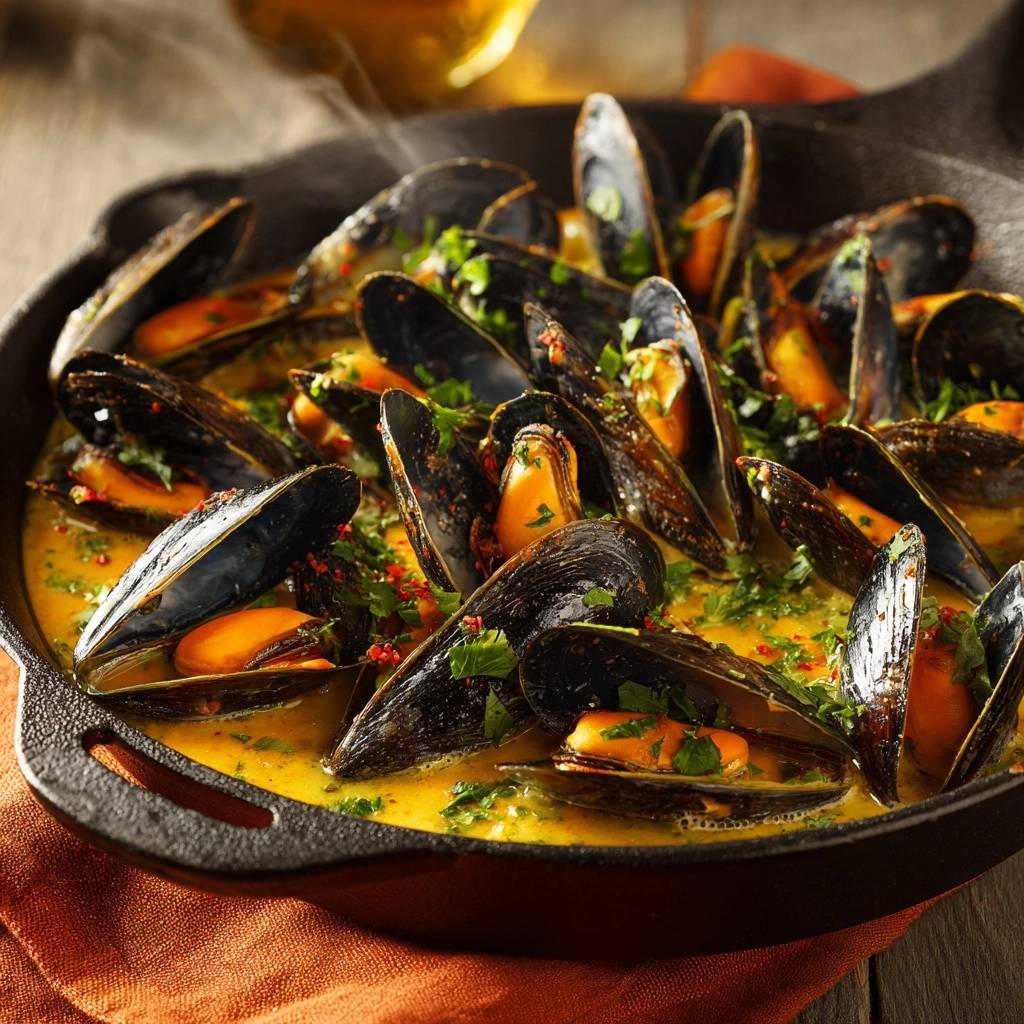
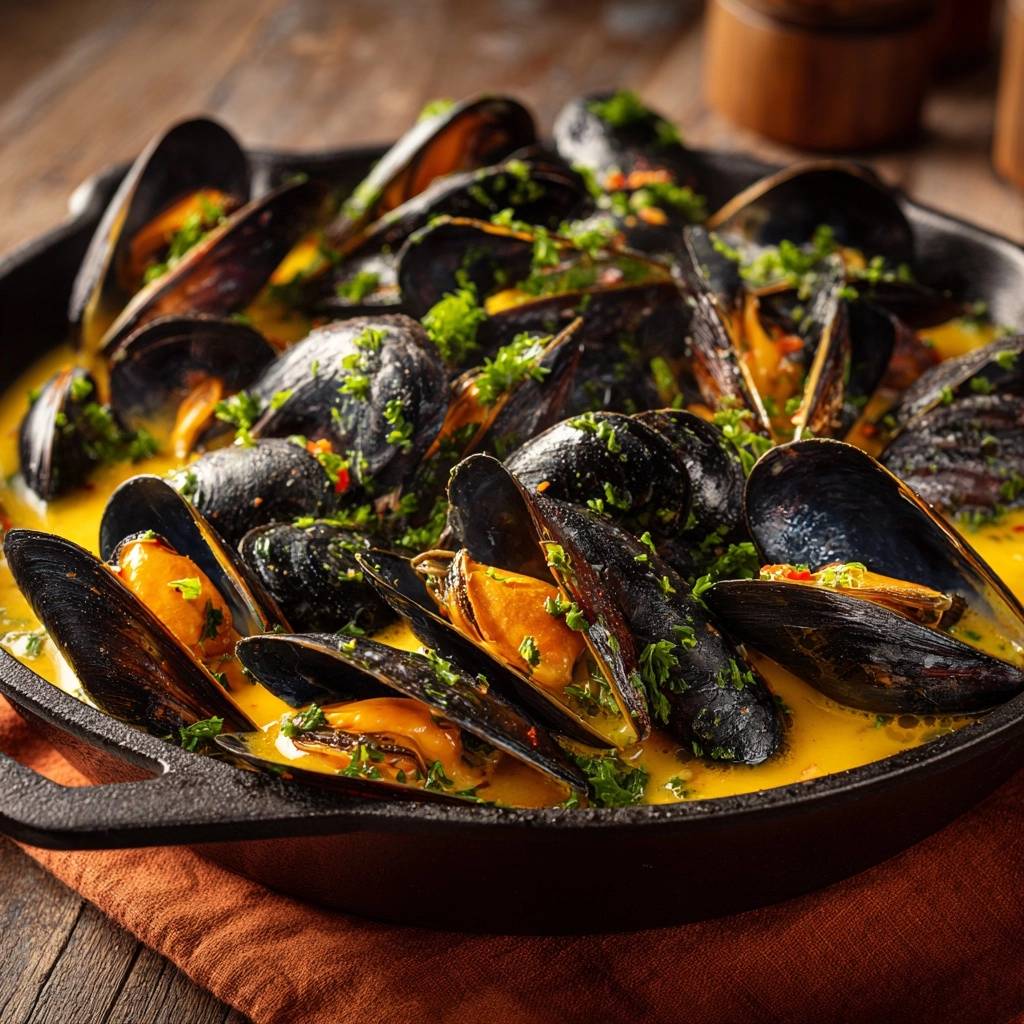
The secret to restaurant-quality Garlic Butter Skillet Mussels lies in a high-heat steam technique combined with a velvety, emulsified sauce. By using a wide skillet instead of a deep pot, you ensure every mussel hits the heat at the same time. This results in plump, tender meat that practically melts in your mouth, bathed in a vibrant golden sauce that begs for a loaf of crusty bread.
Expertise in seafood comes down to timing and temperature control. The real trick is adding a touch of heavy cream to your garlic butter base before the mussels even hit the pan. This creates a thick, opaque coating that clings to the shells rather than a watery broth that pools at the bottom. You’ll have a sophisticated dinner on the table in just about 23 minutes.
Selecting and Preparing Fresh Mussels for the Skillet
Success starts at the seafood counter. When you buy fresh mussels, you’re looking for shells that are tightly closed and smell like the clean, salty ocean. If you see any shells that are slightly open, give them a firm tap on the counter. A live, healthy mussel will slowly close its shell in response; if it doesn’t move, it’s no longer fresh and belongs in the trash.
Once you get them home, you need to “debeard” them. The beard, or byssus thread, is the brownish, fuzzy clump the mussel uses to attach itself to rocks. To remove it, simply grab the thread and pull it firmly toward the hinge of the shell. It might take a little muscle, but removing this is essential for a pleasant eating experience. No one wants to chew on a salty piece of rope while enjoying a delicate meal.
Keep your mussels cold until the very last second. I recommend keeping them in a bowl covered with a damp paper towel in the fridge. Never store them in a sealed plastic bag or submerged in fresh water, as they need to breathe to stay alive. Only rinse them right before you’re ready to start the skillet to ensure they stay as fresh as possible.
The Importance of Scrubbing and Rinsing
Even “farm-raised” or “pre-cleaned” mussels often carry a bit of grit or sand. Use a stiff kitchen brush under cold running water to scrub the exterior of each shell. This step is vital because any leftover sand will fall directly into your garlic butter sauce, ruining that smooth, luxurious mouthfeel you’re working hard to create.
Be careful not to soak the mussels in a sink full of fresh water for more than a few minutes. Mussels are saltwater creatures, and prolonged exposure to tap water can kill them prematurely. A quick, vigorous rinse and scrub is all you need to ensure your sauce stays grit-free and delicious.
Essential Components for the Golden Garlic Butter Sauce
The sauce is the soul of this dish, and quality ingredients make all the difference. I always reach for unsalted butter because it gives me total control over the seasoning. Since mussels naturally hold a bit of salty seawater inside their shells, using salted butter often results in a dish that’s far too aggressive on the palate. You can always add a pinch of sea salt at the end, but you can’t take it away.
Heavy cream is the “pantry hero” here. While many recipes use only broth, the addition of cream creates an emulsified, opaque sauce that has enough body to coat the seafood. Without it, the garlic and butter often separate, leaving you with an oily liquid. The cream binds everything together, ensuring that every bite is infused with garlic and lemon.
Fresh garlic is non-negotiable. Avoid the pre-minced jars, which can have a bitter, metallic aftertaste. Six cloves might seem like a lot, but when sautéed gently in butter, they mellow out and provide a sweet, aromatic foundation. Combined with the bright acidity of lemon juice, these ingredients create a balanced profile that cuts through the richness of the butter.
The same garlic and lemon base works beautifully in this creamy lemon garlic butter shrimp recipe.
Why Smoked Paprika is the Secret Ingredient
You might be surprised to see smoked paprika in a classic garlic butter recipe, but it serves two brilliant purposes. First, it provides a very subtle, earthy depth that complements the brininess of the seafood. It doesn’t make the dish “smoky” in an overwhelming way; it just adds a layer of complexity that makes people ask for your secret.
Second, the paprika is responsible for that stunning orange-gold hue. When the red spice hits the white cream and yellow butter, it creates a vibrant, bistro-style appearance. It transforms a pale sauce into something that looks as rich and expensive as it tastes.
Why Chicken Broth and Lemon Work
For a classic, bright flavor, chicken broth with fresh lemon juice is the way to go. The natural acidity in the lemon helps break down the fats in the butter and cream, creating a crisp finish. It lifts the entire dish and highlights the sweetness of the mussel meat.
However, if you prefer a deeper, more savory profile, a high-quality chicken bone broth is an excellent alternative. The broth adds a meaty richness and extra collagen, which helps the sauce thicken up beautifully. Both options work perfectly, so choose based on what you have in your pantry or the specific flavor profile you’re craving.
Step-by-Step: Executing the High-Heat Steam Technique
Start by melting your butter in a large cast-iron skillet over medium heat. Once it begins to foam, toss in your minced garlic and red pepper flakes. You aren’t looking to brown the garlic here. You just want it to become soft and fragrant, which usually takes about 60 seconds. If the garlic turns brown, it will become bitter and ruin the delicate sauce.
Next, stir in the smoked paprika and pour in your liquid of choice along with the lemon juice. Crank the heat up to medium-high. You want a rapid simmer for about two minutes. This reduction phase is crucial because it concentrates the flavors and cooks off the sharp edge of the broth and lemon before the cream is added.
Once the liquid has reduced slightly, it’s time to build the emulsion. This high-heat approach ensures that the mussels cook quickly, which is the ultimate insurance policy against that rubbery texture everyone wants to avoid.
The Emulsification Phase: Adding the Heavy Cream
Lower the heat slightly and pour in the heavy cream. As you stir, you’ll see the sauce transform from a thin liquid into a velvety, golden-orange silk. Use a whisk or a wooden spoon to keep everything moving so the fat doesn’t separate from the acidic lemon.
This is the base that will steam your mussels. It should look thick enough to coat the back of a spoon. If it looks too thin, let it simmer for another minute. If it’s too thick, a tiny splash of broth will loosen it right up. Once it’s bubbling gently, you’re ready for the main event.
Timing the Steam: The 3-to-5 Minute Window
Add the mussels to the skillet in a single, even layer if possible. Immediately cover the pan with a tight-fitting lid. This traps the steam inside, creating a pressurized environment that forces the shells to pop open quickly. Because a skillet has more surface area than a pot, the steam circulates more efficiently.
This same garlic butter works beautifully on this pan-seared lemon butter salmon.
Set a timer for three minutes. Resist the urge to peek! At the three-minute mark, lift the lid. Most of the mussels should be wide open. Use tongs to pull out the ones that are ready. If some are still closed, put the lid back on for another 60 to 90 seconds. The moment they open, they are done. Overcooking even by a minute is what causes them to shrink and toughen up.
Avoiding Common Mussels Troubleshooting Mistakes
One of the biggest myths in seafood cooking is that you must discard every mussel that doesn’t open. While a tightly sealed shell can indicate a dead mussel, sometimes the “hinge” is just extra strong. If a shell is still closed after five minutes, try to gently pry it open with a knife. If the meat inside looks fresh and smells good, it’s perfectly safe to eat. However, if it resists completely or smells off, toss it.
Heat management is another common pitfall. If your sauce starts to look oily or “broken,” it’s likely because the heat was too high after the cream was added. If this happens, remove the skillet from the burner and whisk in a tablespoon of cold water or broth. This can often bring the emulsion back together and save your sauce.
Managing Liquid Ratios for Maximum Flavor
If you find that your mussels released a lot of liquid and thinned out your sauce, don’t panic. Simply remove the cooked mussels to a bowl and keep them covered. Turn the heat to high and boil the sauce for two minutes until it thickens back to your desired consistency. Then, pour that concentrated liquid gold right back over the seafood.
On the flip side, if the sauce is disappearing too fast, add a splash of broth or even a tablespoon of water. You want enough liquid so that every shell can be dipped and coated. The goal is a sauce that is rich and clingy, not a soup.
Optimal Pairings for Garlic Butter Skillet Mussels
You absolutely need a vehicle for that sauce. A toasted sourdough or a crusty French baguette is the traditional choice. I like to brush the bread with a little olive oil and grill it in a separate pan until it’s charred. The crunch of the bread provides a perfect textural contrast to the soft, tender mussels.
To balance the richness of the garlic butter and cream, serve a light, acidic side. A simple arugula salad with a lemon vinaigrette works wonders. The peppery greens and sharp dressing cleanse the palate between bites of the decadent seafood, making the whole meal feel lighter and more refreshed.
Starch Options: Beyond the Crusty Loaf
If you want to turn this into a heartier meal, look no further than pasta. Thin noodles like linguine or angel hair are perfect because they soak up the golden sauce beautifully. Just toss the cooked pasta directly into the skillet after the mussels are done. The starch from the pasta will help the sauce cling even better.
Another fantastic option is saffron rice. The floral notes of the saffron pair elegantly with the smoked paprika in the sauce. It creates a Mediterranean vibe that feels very high-end. Whether you choose bread, pasta, or rice, make sure you have plenty of it to catch every drop of that garlic butter.
Expert Tips for Seafood Skillet Success
Using a cast-iron skillet is a game-changer for this recipe. Cast iron retains heat better than stainless steel or aluminum, which means when you drop those cold mussels into the pan, the temperature doesn’t plummet. This consistent heat leads to faster steaming and more even cooking across the entire batch.
What to Serve with Mussels
Mussels in garlic butter sauce practically beg for something to soak up every last drop. These two breads share the same garlic-herb foundation and are perfect for swiping through the skillet juices.
- Pull apart a batch of Soft Buttery Garlic Herb Dinner Rolls to mop up the buttery sauce – the soft crumb catches every bit of garlic and parsley.
- Bake some
Get the full recipe in your inbox in seconds – perfect for shopping and cooking.
Garlic Butter Mussels
Course: Main CourseCuisine: AmericanDifficulty: easy2
servings15
minutes8
minutes380
kcal23
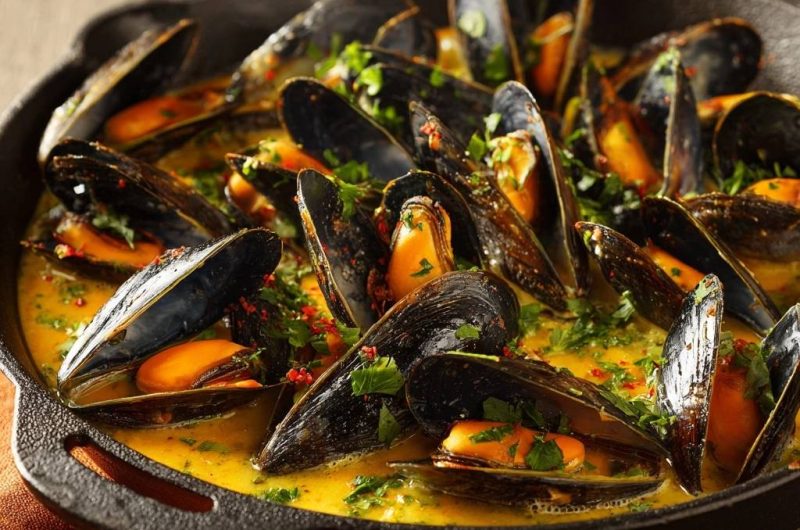
MinutesA quick and flavorful seafood dish featuring fresh mussels steamed in a rich, velvety sauce made of garlic, butter, white grape juice, and heavy cream. This method ensures the mussels remain tender and juicy.
Ingredients
2 pounds fresh mussels, scrubbed and debearded
4 tablespoons unsalted butter
6 cloves garlic, minced
1/2 cup chicken broth
1/4 cup heavy cream (essential for the golden, opaque sauce)
1/2 teaspoon smoked paprika (for the orange-gold hue)
1/4 teaspoon red pepper flakes
1/2 teaspoon sea salt
1/4 cup fresh flat-leaf parsley, finely chopped
1 tablespoon lemon juice
Directions
- Inspect the mussels: Discard any with cracked shells or any open mussels that do not close when tapped firmly.
- Place a large cast-iron skillet over medium heat. Add the butter. Once melted and foaming, add the minced garlic and red pepper flakes. Sauté for 1 minute until fragrant but not browned.
- Stir in the smoked paprika, then pour in the chicken broth and lemon juice. Increase heat to medium-high and bring to a rapid simmer for 2 minutes to reduce the liquid slightly.
- Stir in the heavy cream. This creates the thick, emulsified golden base that clings to the shells.
- Add the mussels to the skillet in an even layer. Immediately cover with a tight-fitting lid to trap the steam.
- Steam for 3 to 5 minutes. At the 3-minute mark, quickly lift the lid and check. Mussels are done the moment they pop open.
- Use tongs to transfer the opened mussels to a warm bowl, or leave them in the skillet if serving family-style. Discard any mussels that remain tightly closed after 6 minutes total.
- Turn off the heat. Taste the sauce and add sea salt if needed. Stir in the fresh parsley, tossing the mussels gently to ensure the golden garlic butter sauce coats the meat inside the shells.
- Serve immediately directly from the skillet with crusty bread to soak up the rich sauce.
Notes
- Discard any mussels with cracked shells or those that do not close when tapped before cooking. After cooking, discard any mussels that remain tightly closed. Use crusty bread to soak up the extra golden sauce.