Peach Glazed Loaf Cake: No More Sinking Fruit!
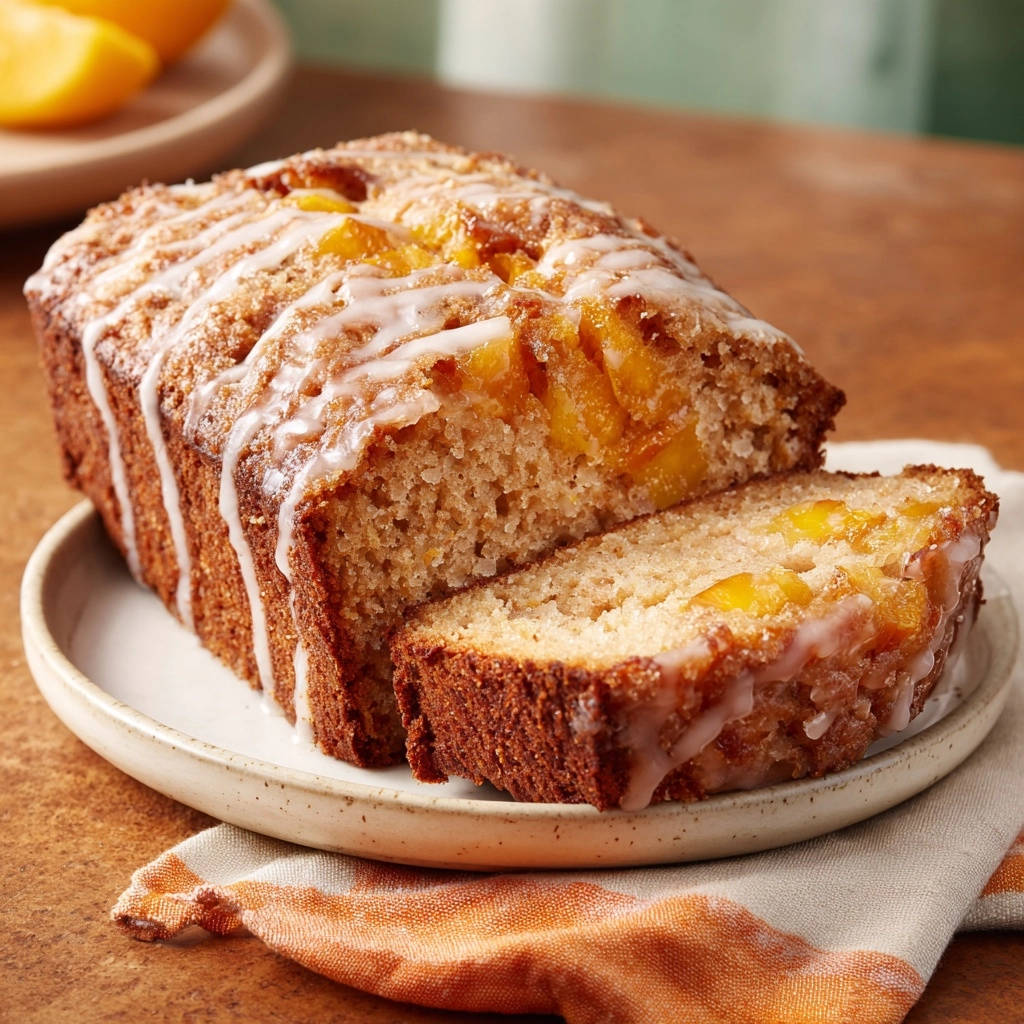
There’s nothing quite as satisfying as a perfectly baked loaf cake, especially one as vibrant and inviting as a Peach Glazed Loaf Cake. For years, I struggled with the common baker’s lament: beautiful fruit pieces sinking sadly to the bottom. This recipe, however, is a game-changer, guaranteeing plump peach chunks evenly distributed throughout every single slice.
It’s my trusted method for achieving a moist, tender crumb bursting with summery peach flavor, all crowned with a simple, sweet glaze. Get ready to bake a loaf cake that will truly impress, proving that a little expert know-how can make all the difference.
Why This Peach Glazed Loaf Cake Will Be Your New Favorite
The Game-Changing “No-Sink” Fruit Trick
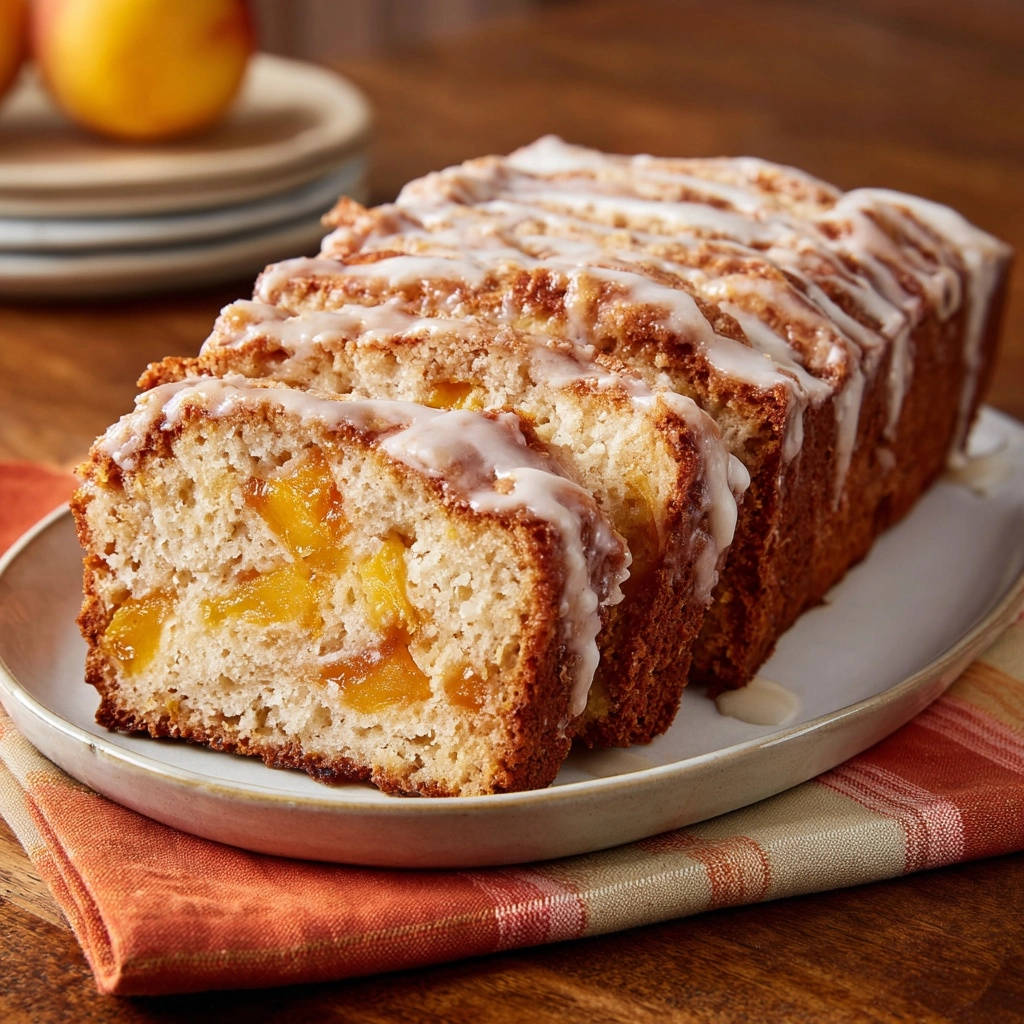
The core innovation in this Peach Glazed Loaf Cake is a simple yet incredibly effective technique: lightly coating the diced peaches in flour before folding them into the batter. This creates a barrier, preventing the fruit from sinking to the bottom during baking, ensuring a delightful peach burst in every bite.
Effortless Elegance: Simple Steps, Stunning Results
Despite its impressive appearance, this loaf cake is remarkably straightforward to prepare, making it accessible for bakers of all skill levels. With clear instructions and minimal fuss, you’ll achieve a bakery-quality dessert right in your own kitchen.
Every Bite Bursting with Fresh Peach Flavor
Thanks to the even distribution of peaches, this loaf cake delivers consistent, juicy flavor from crust to crust. The natural sweetness of the peaches complements the tender cake, creating a truly harmonious and satisfying treat.
Gather Your Ingredients: The Building Blocks of Flavor
For the Moist Cake Base
All-Purpose Flour: This provides the foundational structure for our loaf cake. Ensure it’s fresh for the best results.
Baking Powder & Baking Soda: These leavening agents work together to create a light and airy crumb, giving the cake its beautiful rise.
Salt: A touch of salt enhances all the other flavors, balancing the sweetness and making the peach notes sing.
Unsalted Butter (Melted): Melted butter contributes rich flavor and moisture, creating a tender texture without the need for creaming.
Granulated Sugar: Sweetens the cake and helps tenderize the crumb, contributing to its moistness.
Large Eggs: Eggs bind the ingredients, add richness, and contribute to the cake’s structure and moisture. Ensure they are at room temperature for better emulsification.
Vanilla Extract: A classic flavor enhancer, vanilla complements the peaches beautifully, adding warmth and depth.
Milk: Provides necessary liquid for the batter, contributing to the cake’s tenderness and moist consistency.
Peaches: Fresh, Frozen, or Canned?
Diced Fresh or Well-Drained Canned Peaches: Both options work wonderfully for this Peach Glazed Loaf Cake. If using fresh, ensure they are ripe but firm; if canned, drain them thoroughly to prevent excess moisture.
The Dazzling Peach Glaze
Powdered Sugar: Forms the base of our simple, elegant glaze, providing sweetness and a smooth texture.
Fresh Orange Juice: Adds a bright, zesty tang to the glaze that perfectly complements the peaches. It also provides the liquid necessary for a pourable consistency.
The Secret Ingredient for Non-Sinking Fruit
Extra All-Purpose Flour (2 tablespoons): This small amount of flour is crucial for tossing with the diced peaches. It absorbs surface moisture and creates a slight coating, preventing the fruit from sinking during baking.
Essential Tools for Your Loaf Cake Success
- 9×5 Inch Loaf Pan: This standard size is perfect for achieving the classic loaf shape and ensures even baking.
- Parchment Paper: Optional, but lining the pan with parchment makes for incredibly easy removal and cleanup.
- Large Mixing Bowls (2): One for dry ingredients, one for wet, and a small one for tossing the peaches.
- Whisks: Essential for combining both dry and wet ingredients smoothly.
- Electric Mixer (Optional, but Recommended): For effortlessly whisking butter and sugar, and beating eggs for a smooth batter.
- Rubber Spatula: Ideal for gently folding in ingredients and scraping down the sides of the bowl.
- Wire Rack: Necessary for cooling the loaf completely, allowing air circulation to prevent sogginess.
- Wooden Skewer or Toothpick: Your reliable tool for testing the cake’s doneness.
Bake Perfection: A Step-by-Step Guide to Your Loaf Cake
- Preheat and Prepare:
Preheat your oven to 350°F (175°C) to ensure it reaches the correct temperature for even baking. Prepare your 9×5 inch loaf pan by greasing and flouring it, or line it with parchment paper, leaving an overhang for easy lifting. This prevents sticking and guarantees a beautiful release.
- Whisk Dry Ingredients:
In a medium bowl, combine the 1½ cups all-purpose flour, baking powder, baking soda, and salt. Whisk these together thoroughly to ensure the leavening agents and salt are evenly distributed throughout the dry mixture. This step is key for a consistent rise and flavor in your Peach Glazed Loaf Cake.
- Combine Wet Ingredients:
In a large bowl, whisk together the melted butter and granulated sugar until they are well combined and smooth. This creates the rich, tender base for your cake. Beat in the eggs one at a time, ensuring each is fully incorporated before adding the next, then stir in the vanilla extract. This sequence helps create a stable emulsion.
- Alternate Wet and Dry:
Gradually add the dry ingredients to the wet, alternating with the milk. Begin and end with the dry ingredients, mixing only until just combined after each addition. This method helps prevent overmixing, which can lead to a tough loaf cake. Stop mixing as soon as no dry streaks remain.
- The Fruit-Coating Secret:
In a separate small bowl, toss your diced peaches with the extra 2 tablespoons of flour. This light coating is the absolute secret to preventing the fruit from sinking to the bottom of your loaf. The flour absorbs excess moisture from the peaches and helps them suspend beautifully in the batter during baking.
- Gently Fold in Peaches:
Once the peaches are lightly floured, gently fold them into the prepared cake batter using a rubber spatula. Be careful not to overmix here; you want to distribute them evenly without deflating the batter. The goal is to see lovely peach pieces throughout, not just at the bottom.
- Fill the Pan:
Carefully pour the batter into your prepared loaf pan. Use your spatula to spread it evenly from corner to corner. This ensures your Peach Glazed Loaf Cake bakes uniformly and has a beautiful flat top.
- Bake to Golden Perfection:
Bake for 50-60 minutes, or until a wooden skewer inserted into the center comes out clean. If the top begins to brown too quickly before the center is cooked, loosely tent the loaf with aluminum foil. This protects the crust while allowing the interior to continue baking thoroughly.
- Cooling the Loaf:
Once baked, let the loaf cool in the pan for 10 minutes. This allows the cake to firm up slightly before you attempt to move it. After 10 minutes, carefully transfer the loaf to a wire rack to cool completely. Cooling completely is crucial before glazing.
- Prepare the Glaze:
While the loaf cools, prepare your simple glaze. In a small bowl, whisk together the powdered sugar and fresh orange juice until completely smooth. Adjust the consistency by adding a tiny bit more juice for thinner glaze, or more powdered sugar for a thicker one.
- Glaze and Serve:
Once the Peach Glazed Loaf Cake is completely cool to the touch (this is vital!), drizzle the prepared glaze evenly over the top. Allow the glaze to set for about 15-20 minutes before slicing and serving. This ensures a beautiful, non-sticky finish.
Beyond the Recipe: Expert Tips for Loaf Cake Mastery
Achieving the Perfect Batter Consistency
Don’t Overmix! Overmixing develops gluten in the flour, which can lead to a tough, dry cake. Mix until just combined, stopping as soon as no dry streaks of flour are visible. A few small lumps are perfectly fine!
Room Temperature Ingredients: Ensure your eggs and milk are at room temperature. This allows them to emulsify better with the other ingredients, creating a smoother, more uniform batter and a finer crumb.
Preventing Over-Browning and Ensuring Doneness
The Foil Tent Trick: If you notice the top of your loaf cake browning too quickly, especially after the first 30-40 minutes, loosely tent it with aluminum foil. This deflects direct heat, preventing burning while the inside finishes baking.
Reliable Doneness Test: Insert a wooden skewer or toothpick into the very center of the loaf. It should come out clean or with just a few moist crumbs clinging to it. If you see wet batter, continue baking in 5-minute increments until done.
Glazing for Glossy Perfection
Cool Completely Before Glazing: This step cannot be overstated! Drizzling glaze onto a warm loaf cake will cause it to melt and absorb into the cake, creating a sticky mess instead of a beautiful, glossy finish. Patience is key here.
Adjusting Glaze Consistency: If your glaze seems too thick, add more orange juice a teaspoon at a time until desired consistency is reached. If it’s too thin, sift in a tablespoon or two more powdered sugar. It should be thick enough to cling but thin enough to drizzle.
Common Loaf Cake Hurdles & How to Solve Them
My Cake is Dense/Dry
A dense or dry loaf cake is most often caused by overmixing the batter, which develops too much gluten, or overbaking. To prevent this, mix only until the ingredients are just combined, and always use the skewer test to avoid baking longer than necessary.
The Glaze is Too Thin/Thick
Easily remedied! If your glaze is too thin, gradually whisk in more powdered sugar until it reaches the desired consistency. If it’s too thick, add a very small amount (half a teaspoon at a time) of orange juice or milk until it’s perfectly pourable.
Fruit Still Sunk to the Bottom
While this Peach Glazed Loaf Cake recipe specifically addresses this, if you find fruit still sinking in other recipes, ensure the fruit is well-drained and properly tossed in flour. The flour coating is your best defense against gravity.
Serving Suggestions & Storing Your Peach Glazed Loaf Cake
Ideal Ways to Enjoy Each Slice
This Peach Glazed Loaf Cake is wonderfully delicious on its own, perfect with a cup of coffee or tea for breakfast or an afternoon snack. For an extra treat, serve a slice warm with a dollop of whipped cream or a scoop of vanilla ice cream.
That same citrusy glaze works beautifully on this blueberry lemon bundt cake.
The bright peach flavor also pairs beautifully with other berry desserts, like a side of fresh raspberries or blueberries.
For a perfect pairing, try our Mastering the Cinnamon Sugar Apple Bundt Cake.
Keeping Your Loaf Cake Fresh
Store the glazed loaf cake at room temperature in an airtight container for up to 3-4 days. The glaze helps seal in moisture, keeping it fresh and tender.
What to Serve With Peach Glazed Loaf Cake
That loaf cake with its sticky peach topping pairs well with something warm and buttery from the oven. These rolls use a similar gentle baking approach and make a nice contrast to the sweet cake.
- For a tender, golden side that soaks up any extra glaze, try these Golden Skillet Dinner Rolls with their soft pull-apart texture.
- If you want something savory to balance the peach sweetness, the Soft Buttery Garlic Herb Dinner Rolls bring a fragrant, salty note that cuts through the fruit.
Can You Freeze Peach Glazed Loaf Cake?
Absolutely! This loaf cake freezes beautifully. For best results, freeze the unglazed loaf first. Wrap it tightly in plastic wrap, then in aluminum foil, and freeze for up to 3 months. Thaw at room temperature, then prepare and drizzle with the glaze just before serving.
Your Top Peach Glazed Loaf Cake Questions Answered
Can I use different fruits in this recipe?
Yes, you can certainly substitute other fruits! Berries like blueberries or raspberries (for a delightful raspberry crumb bars inspired twist), or other stone fruits like apricots or plums, would work well. Just ensure softer fruits are well-drained and toss them in flour just as you would the peaches to prevent sinking.
What if I don’t have fresh orange juice for the glaze?
Lemon juice is an excellent substitute for orange juice in the glaze, providing a similar bright, zesty counterpoint to the sweetness. You could also use milk or even a touch of peach nectar for a more intense peach flavor.
Can I make this recipe gluten-free or dairy-free?
While this recipe hasn’t been tested with gluten-free or dairy-free substitutions, it’s generally possible. For gluten-free, use a 1:1 gluten-free all-purpose flour blend (one that contains xanthan gum). For dairy-free, substitute a plant-based milk and a dairy-free butter alternative. Results may vary slightly.
How do I know if my loaf pan is the right size?
A standard loaf pan measures 9×5 inches (23×13 cm) at the top. If your pan is slightly smaller, you might have a bit of leftover batter, or your loaf might bake taller. If it’s larger, your loaf will be shorter. Consistency is key, so always use the wooden skewer test for doneness regardless of pan size.
Ready to Bake? Share Your Loaf Cake Masterpiece!
Now that you’re armed with all the tips and tricks for baking the perfect Peach Glazed Loaf Cake, I encourage you to give this recipe a try. Say goodbye to sunken fruit and hello to a moist, flavorful cake that will become a go-to in your baking repertoire. If you enjoy bright, fruity bakes like this, you might also love our recipe for tender peach cupcakes.
Don’t forget to share your creations and tell me how this no-sink method changed your baking game! Happy baking!
Peach Loaf Cake
Course: BakingCuisine: AmericanDifficulty: medium1
loaf20
minutes50
minutes450
kcal120
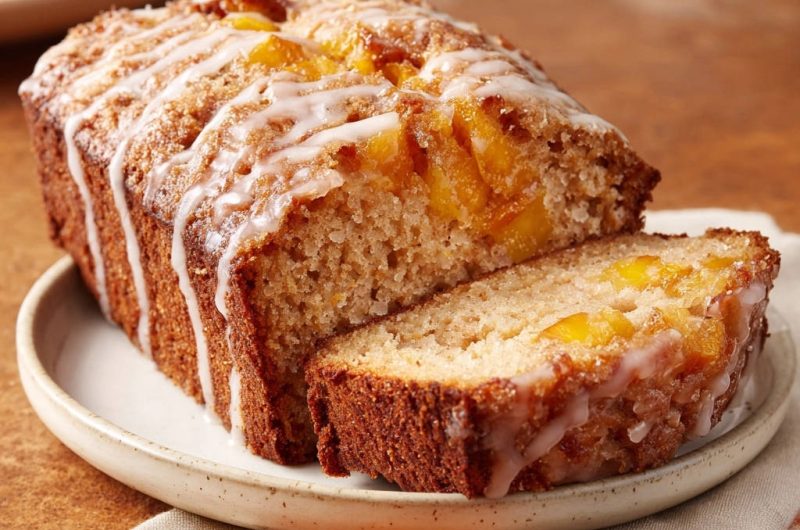
minutesEver baked a beautiful fruit loaf, only to find all those lovely fruit chunks huddled sadly at the bottom? Not anymore! This easy method ensures every slice of this delicious peach loaf is packed with perfectly distributed fruit from top to bottom.
Ingredients
1 and 1/2 cups all-purpose flour, plus 2 tablespoons extra
1 teaspoon baking powder
1/2 teaspoon baking soda
1/4 teaspoon salt
1/2 cup (1 stick) unsalted butter, melted
1 cup granulated sugar
2 large eggs
1 teaspoon vanilla extract
1/2 cup milk
1 and 1/2 cups diced fresh or well-drained canned peaches
For the Glaze:
1 cup powdered sugar
2 tablespoons fresh orange juice
Directions
- Preheat your oven to 350°F (175°C). Grease and flour a 9×5 inch loaf pan, or line with parchment paper.
- In a medium bowl, whisk together the 1 and 1/2 cups flour, baking powder, baking soda, and salt. Set aside.
- In a large bowl, whisk together the melted butter and granulated sugar until well combined. Beat in the eggs one at a time, then stir in the vanilla extract.
- Alternate adding the dry ingredients and the milk to the wet ingredients, beginning and ending with the dry ingredients. Mix until just combined. Do not overmix.
- In a separate small bowl, toss the diced peaches with the 2 extra tablespoons of flour until lightly coated. This is the secret step that prevents the fruit from sinking!
- Gently fold the floured peaches into the batter until evenly distributed.
- Pour the batter into the prepared loaf pan and spread evenly.
- Bake for 50-60 minutes, or until a wooden skewer inserted into the center comes out clean. If the top browns too quickly, you can tent it loosely with foil.
- Let the loaf cool in the pan for 10 minutes before transferring it to a wire rack to cool completely.
- While the loaf cools, prepare the glaze: In a small bowl, whisk together the powdered sugar and orange juice until smooth.
- Once the loaf is completely cool, drizzle the glaze over the top. Let the glaze set before slicing and serving.
Notes
- Secret tip included to prevent fruit from sinking in the batter for even distribution!