Mastering Savory Cranberry Brie Monkey Bread
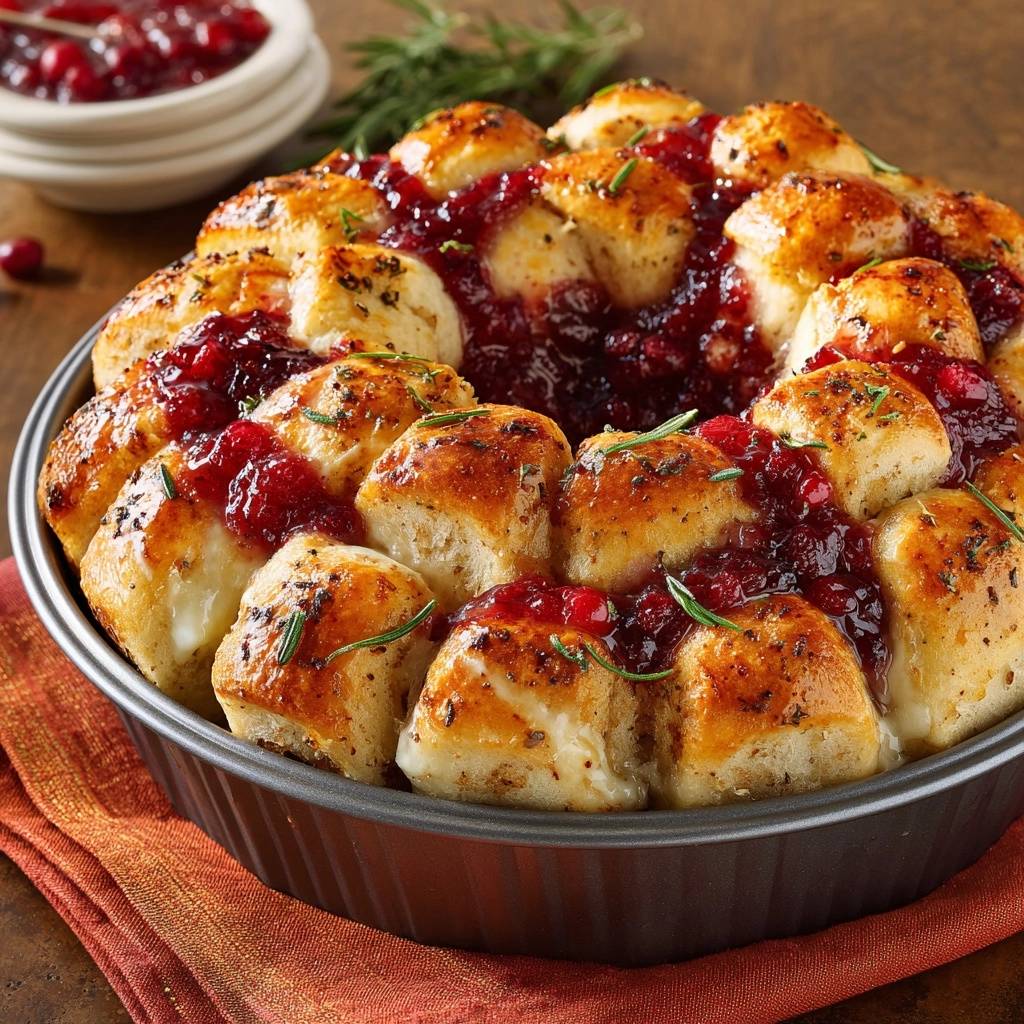
Nothing ruins a festive pull-apart bread faster than a gummy, doughy center or a pool of liquid at the bottom of the pan. Most versions of this dish rely on sugary glazes that turn the dough into a soggy mess, but we’re taking a more technical approach. This Savory Cranberry Brie Monkey Bread balances the tartness of fruit with the earthy punch of fresh rosemary and the creamy, molten heart of high-quality cheese.
The secret to this recipe lies in the “Anti-Soggy Bottom” philosophy, which focuses on moisture control and heat circulation. Instead of just dumping ingredients into a pan, we’re using a specific reduction technique to ensure the bread stays fluffy and crisp. You’ll get that satisfying pull-apart experience without the dreaded raw middle that plagues so many bundt pan recipes.
If you enjoy the savory Parmesan crust here, try this cranberry rosemary artisan bread for a similar herby finish.
I’ve found that the real trick to success is the temperature of your cheese. If you use room-temperature Brie, it will liquefy and escape the dough before the bread even has a chance to rise. By keeping the cheese chilled until the very last second, you create a pressurized pocket that keeps the molten center exactly where it belongs.
Essential Components for Savory Cranberry Brie Monkey Bread
Choosing the right dough is the foundation of this entire dish. You want to look specifically for “flaky layer” refrigerated biscuits because they contain laminated fat between the layers of dough. This fat expands in the oven, creating air pockets that allow the savory herb butter to seep in without making the bread heavy or dense.
When it comes to the cheese, Brie is the undisputed king of meltability, but not all wheels are created equal. I recommend using a double cream Brie rather than a triple cream for this specific application. Triple cream has a higher moisture and fat content, which can cause the dough balls to slide apart and lose their structure. A double cream provides that iconic buttery texture while maintaining enough integrity to stay encased in the dough.
The Role of High-Pectin Cranberry Reduction
You can’t simply use cranberry sauce straight from the can if you want a professional result. Standard canned sauce has a high water content that releases steam during the baking process, which is the primary cause of gummy dough. By simmering the sauce with orange juice, you’re performing a crucial chemical reduction.
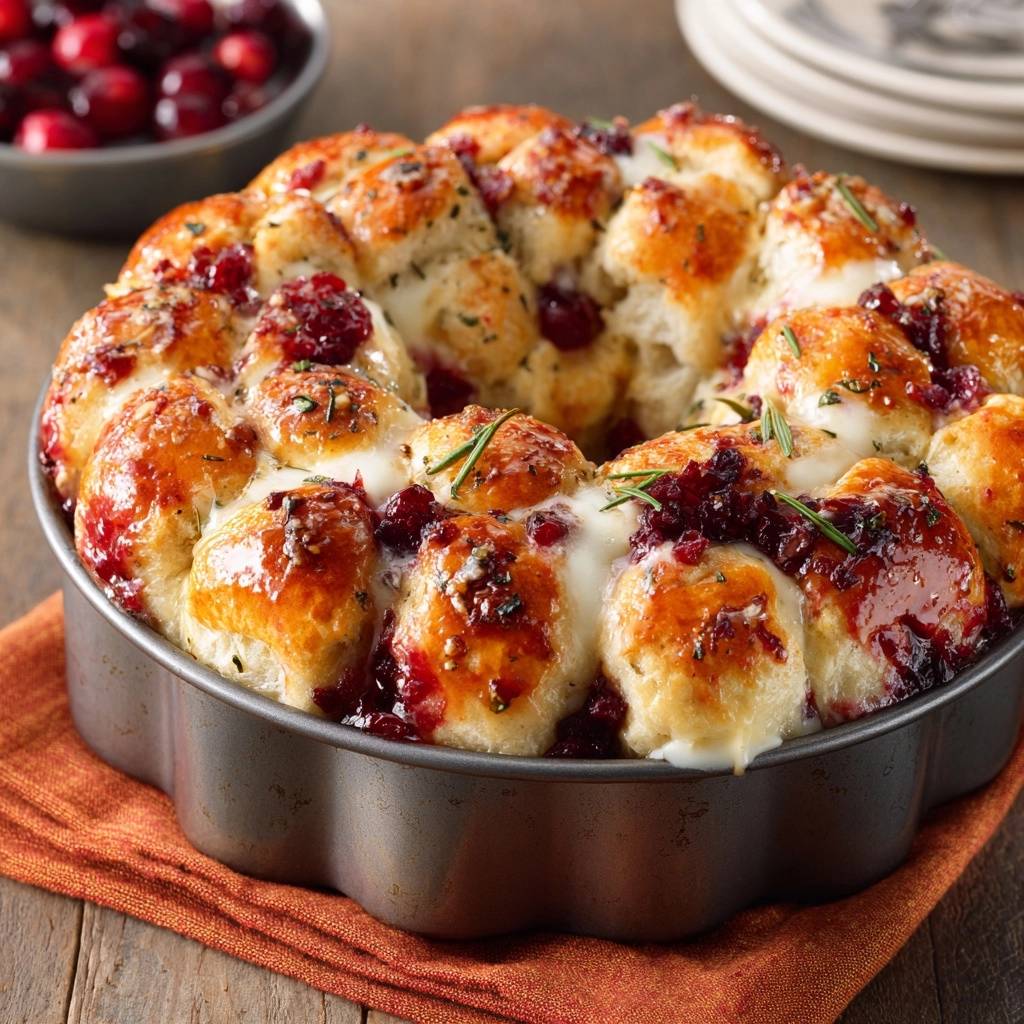
The orange juice adds acidity to brighten the heavy fats, but more importantly, the heat concentrates the natural pectin in the cranberries. This creates a thick, jam-like consistency that clings to the dough rather than soaking into it. This concentrated syrup provides a punchy flavor profile that stands up to the richness of the butter and cheese.
Aromatic Herbs and Texture Enhancers
Fresh rosemary is non-negotiable here because dried rosemary often feels like eating pine needles in a soft bread. The fresh oils in the herb infuse the melted butter, creating a fragrant base that cuts through the sweetness of the fruit. It adds an earthy, sophisticated note that transforms this from a simple snack into a gourmet appetizer.
We also use grated Parmesan as a secret weapon for texture. While it adds a salty, nutty flavor, its primary job is to act as a “crust agent.” When the Parmesan hits the hot buttered surface of the dough, it toasts into a thin, crispy shell. This creates a protective barrier that keeps the exterior of the monkey bread crunchy while the inside remains soft and pillowy.
The Science of the Anti-Soggy Technique
Bundt pans are notorious for uneven baking because the central tube creates a unique airflow pattern. As the dough heats up, it releases moisture; if that moisture has nowhere to go, it creates a “steaming effect” that leaves the center of your monkey bread raw. By reducing our cranberry sauce beforehand, we’ve already removed the excess water that usually causes this disaster.
Thermal mass also plays a huge role in how this bread bakes. If you pack the dough balls too tightly, the heat cannot penetrate the center of the ring. You want to arrange the balls so there are small gaps for air to circulate. This ensures that the heat reaches the middle of each dough ball, cooking the biscuit dough thoroughly before the outside becomes too dark.
Why Chilled Brie is Non-Negotiable
Brie has a relatively low melting point, which is why it’s so delicious, but it’s also why it’s tricky to bake. If the cheese starts at room temperature, it will reach its liquid state long before the dough has finished rising and setting its structure. This leads to “blowouts” where the cheese leaks out and burns on the bottom of the pan.
Using the “Pinch and Seal” method with cold cheese is the best way to prevent this. You want to flatten the dough, place the cold cube in the center, and then aggressively pinch the seams together. This creates a reinforced pocket. As the bread bakes, the dough sets around the cheese, creating a pressurized environment that holds the molten Brie inside until you pull the bread apart.
Step-by-Step: Constructing the Perfect Pull-Apart
Success with this recipe depends on a smooth workflow. I like to set up an assembly line so the dough doesn’t sit out and get warm while I’m working. If the dough gets too soft, it becomes sticky and difficult to seal, which increases the risk of cheese leakage during the bake. Keep your ingredients organized and move quickly through the shaping process.
Phase 1: Reducing the Cranberry Base
Start by combining your cranberry sauce and orange juice in a small saucepan. You’re looking for specific visual cues here. As the water evaporates, the bubbles will become larger and slower. The sauce is ready when it coats the back of a spoon and you can draw a clear line through it with your finger.
This deglazing process with the orange juice is vital for flavor balance. The citrus notes provide a necessary “high note” that prevents the savory elements from feeling too heavy. Once the sauce is thick and glossy, remove it from the heat and let it cool completely. It will continue to thicken as it sits, reaching a perfect jammy consistency.
Phase 2: Encapsulating the Cheese
When you quarter your biscuits, handle them as little as possible. Overworking the dough develops the gluten, which will make your monkey bread tough and chewy instead of light and flaky. Gently flatten each piece just enough to wrap around the Brie cube. You aren’t looking for a perfect circle, just enough surface area to cover the cheese.
Place the chilled Brie in the center and pull the edges of the dough up and over. Pinch the seams firmly. If the dough feels like it’s resisting, let it rest for a minute to relax the gluten. A tight seal is your only insurance policy against the cheese escaping into the pan, so take an extra second to make sure there are no visible gaps.
Phase 3: The Double-Coat Method
The double-coat method is what gives this bread its incredible crust. First, give the dough balls a quick bath in the rosemary-garlic butter. This fat acts as the “glue” for the next step. Don’t let them soak; a quick dip is all you need to ensure every nook and cranny is flavored.
Next, roll the buttered balls in the grated Parmesan. This creates a multi-textural experience. The butter carries the aromatics deep into the dough, while the Parmesan creates that salty, toasted exterior. This combination of fat and cheese results in a savory “crunch” that perfectly offsets the creamy Brie inside.
Phase 4: Strategic Layering for Airflow
When you place the balls in the pan, don’t press them down. Drop them in loosely so they naturally find their place. For the first layer, drizzle the thickened cranberry sauce specifically into the crevices between the balls. This is a key technical step that prevents the sauce from sitting on top of the dough and blocking the heat.
Repeat with the second layer of dough balls and the remaining sauce. By tucking the sauce into the gaps, you’re ensuring that every bite has a bit of fruit without compromising the crispiness of the dough’s surface. Finish with a final sprinkle of fresh rosemary to ensure the aroma is the first thing people notice when it comes out of the oven.
Precision Baking and the Critical Rest Period
Position your oven rack in the dead center of the oven. If it’s too high, the top will burn before the middle is done; too low, and the bottom will scorch. The “Hollow Tap” test is the most reliable way to check for doneness. Gently tap the top of a dough ball; if it sounds hollow rather than dense, the structure has set and the bread is ready.
The 8-Minute Structural Set
Resist the urge to flip the pan immediately. This 8-minute rest period is a matter of physics. The pectin in the cranberry sauce and the proteins in the Brie are currently in a highly fluid state. If you invert the pan now, the bread will likely collapse under its own weight, and the cheese will run everywhere.
During these eight minutes, the temperature drops just enough for the sugars and fats to “re-gel.” This creates a structural bond between the dough balls. When you finally invert the bread onto a platter, it will hold its beautiful fluted shape, and the cheese will stay tucked inside each piece until someone pulls it away.
Troubleshooting Common Monkey Bread Failures
If you find that the top of your bread is getting dark but the center still feels soft, don’t panic. Simply tent the pan loosely with a piece of aluminum foil. This reflects the direct heat away from the surface while allowing the ambient heat to continue cooking the interior. It’s a simple fix that saves the dish from being both burnt and raw.
If you experience “Cheese Leakage” where a few balls burst, don’t worry about the aesthetics. Once you invert the bread, those little pools of toasted Brie actually become some of the most coveted bits. You can use a small spoon to tuck any escaped cheese back into the crevices before serving. The rustic, pull-apart nature of this dish is very forgiving of minor imperfections.
Flavor Variations and Savory Swaps
Once you master the technique, you can experiment with other savory combinations. A sophisticated alternative is using fig jam reduced with a little balsamic vinegar paired with goat cheese. The goat cheese has a higher melting point than Brie, which makes it even easier to work with, though it won’t be quite as “stretchy.”
Another excellent option is a sun-dried tomato and mozzarella version. Use a thick tomato pesto in place of the cranberry sauce and swap the rosemary for fresh basil. Just remember to keep the “Anti-Soggy” rules in mind: always reduce your sauces to a thick paste and always keep your cheese chilled before wrapping it in the dough.
Expert Tips for Hosting and Presentation
This bread is quite rich, so I love pairing it with something bright and acidic. A simple arugula salad with a sharp lemon vinaigrette is the perfect side. The peppery greens cut through the buttery Brie and the sweetness of the cranberries, making the whole meal feel balanced rather than heavy.
For presentation, a wooden board offers a beautiful, rustic look that fits the “pull-apart” style. If you want to keep the bread warm for a longer period during a party, serve it directly from a ceramic or cast-iron dish. These materials hold heat much longer than a standard metal pan, ensuring the cheese stays molten for your guests.
Make-Ahead and Storage Logistics
You can prepare the cranberry reduction up to three days in advance and keep it in the fridge. You can even assemble the dough balls and place them in the pan 24 hours before baking. Just make sure to cover the pan tightly with plastic wrap so the dough doesn’t dry out. Don’t add the herb butter or Parmesan until right before you’re ready to bake.
If you have leftovers, store them in an airtight container in the refrigerator for up to three days. To reheat, avoid the microwave, as it will make the dough rubbery. Instead, place the bread in a 350°F oven for about 10 minutes. This will recrisp the Parmesan crust and bring the Brie back to its perfect, gooey state.
How do I prevent the center of the monkey bread from being raw?
The raw center is usually caused by too much moisture or poor heat circulation. To fix this, always reduce your cranberry sauce until it is thick and jam-like to remove excess water. Additionally, don’t pack the dough balls too tightly in the pan; leaving small gaps allows the hot air to circulate and cook the dough thoroughly from all sides.
Can I use a different type of cheese if I don’t like Brie?
Yes, you can substitute Brie with other melting cheeses like Camembert, Havarti, or even cubes of sharp white cheddar. The key is to use a cheese that melts well but isn’t too oily. Regardless of the variety you choose, make sure the cheese is very cold when you wrap it in the dough to prevent it from leaking out during baking.
What is the best way to reheat leftovers without them getting tough?
The best way to reheat this bread is in the oven at 350°F for 8-10 minutes. Wrap the bread loosely in foil to prevent the top from over-browning while the center warms up. Avoid using the microwave, as it tends to make refrigerated biscuit dough tough and chewy rather than flaky.
Can I use homemade bread dough instead of canned biscuits?
You certainly can, but you will need to adjust your timing. If using homemade yeast dough, allow the assembled monkey bread to rise in the pan for about 30-45 minutes before baking. Canned biscuits are popular for this recipe because they provide consistent results and the “flaky layers” variety mimics a laminated pastry texture with very little effort.
Why did my cheese leak out of the dough balls?
Cheese leakage usually happens for two reasons: the cheese was too warm when it went into the oven, or the dough wasn’t sealed tightly enough. Ensure your Brie is chilled (even 15 minutes in the freezer helps) and spend an extra second pinching the seams of the dough together. If the dough is too thin in one spot, the steam from the melting cheese will find that weak point and burst through.
Can I make this recipe gluten-free?
You can make this gluten-free by using a gluten-free refrigerated pizza or biscuit dough. However, gluten-free doughs often have less elasticity, so you may find it harder to “pinch and seal” the cheese inside. You might need to use a little extra gluten-free flour on your hands to prevent sticking and be extra gentle when handling the dough pieces.
Monkey Bread
Course: AppetizerCuisine: AmericanDifficulty: easy8
servings20
minutes30
minutes360
kcal50
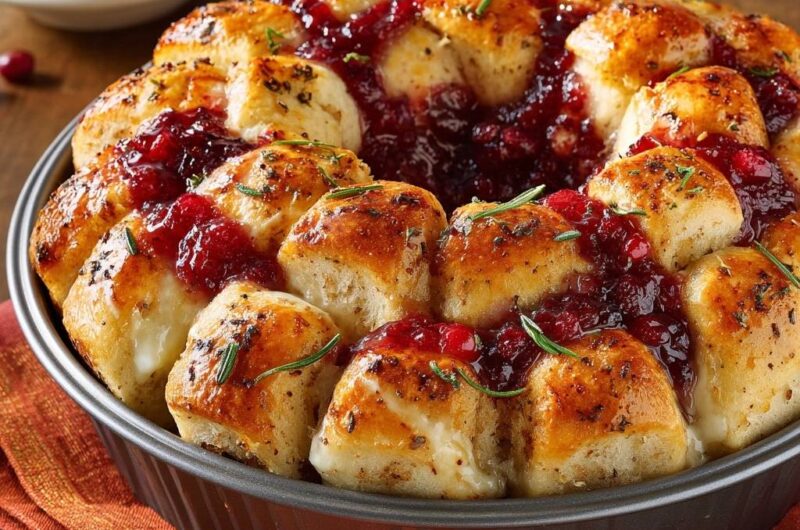
MinutesThis savory monkey bread uses refrigerated biscuit dough stuffed with chilled Brie cheese, coated in herb butter and Parmesan, and layered with a thickened cranberry and orange reduction for a crisp, fluffy holiday treat.
Ingredients
2 cans (16 oz each) refrigerated biscuit dough (flaky layers preferred)
8 oz Brie cheese, chilled and cut into 1/2 inch cubes
1 cup whole berry cranberry sauce
1/4 cup orange juice (to deglaze)
1/2 cup unsalted butter, melted
3 tablespoons fresh rosemary, finely chopped
1 teaspoon garlic powder
1/2 teaspoon coarse sea salt
1/2 teaspoon cracked black pepper
1/2 cup grated Parmesan cheese (for crust texture)
Directions
- Preheat your oven to 350°F (175°C). Generously grease a 10-inch bundt pan or a deep fluted tube pan with butter.
- The Anti-Soggy Secret: In a small saucepan over medium-high heat, combine the cranberry sauce and orange juice. Simmer for 8-10 minutes, stirring frequently, until the liquid has reduced by half and the sauce is thick and jam-like. This prevents excess moisture from steaming the dough. Set aside to cool.
- Prepare the Dough: Cut each individual biscuit into quarters. Flatten each piece slightly. Place a cube of chilled Brie in the center and pinch the dough tightly to seal it into a ball. Keeping the cheese chilled is vital to prevent it from leaking out prematurely.
- The Herb Coating: In a medium bowl, whisk together the melted butter, 2 tablespoons of the chopped rosemary, garlic powder, salt, and pepper. In a separate small bowl, have the Parmesan cheese ready.
- Assembly: Toss the dough balls in the herb butter, then lightly roll in the Parmesan cheese. Arrange half of the balls in the bottom of the prepared pan.
- Layering: Drizzle half of the thickened cranberry sauce specifically into the crevices between the dough balls, rather than over the tops. Add the remaining dough balls on top, followed by the rest of the cranberry sauce and the remaining 1 tablespoon of fresh rosemary.
- Bake: Place the pan on the middle rack and bake for 28 to 32 minutes. The top should be a deep golden brown and the dough should sound hollow when tapped. If the top browns too quickly, tent loosely with foil for the last 5 minutes.
- The Set: Let the bread rest in the pan for exactly 8 minutes. This allows the molten cheese and fruit pectin to set so the structure doesn’t collapse. Invert onto a serving plate or serve directly from the pan for a rustic look. Serve warm.
Notes
- The Anti-Soggy Secret involves reducing the cranberry sauce and orange juice by half to prevent excess moisture. Keep the Brie chilled until the moment of assembly to prevent leaking during the bake.