Mastering Creamy Shrimp Fettuccine Alfredo Without the Grit
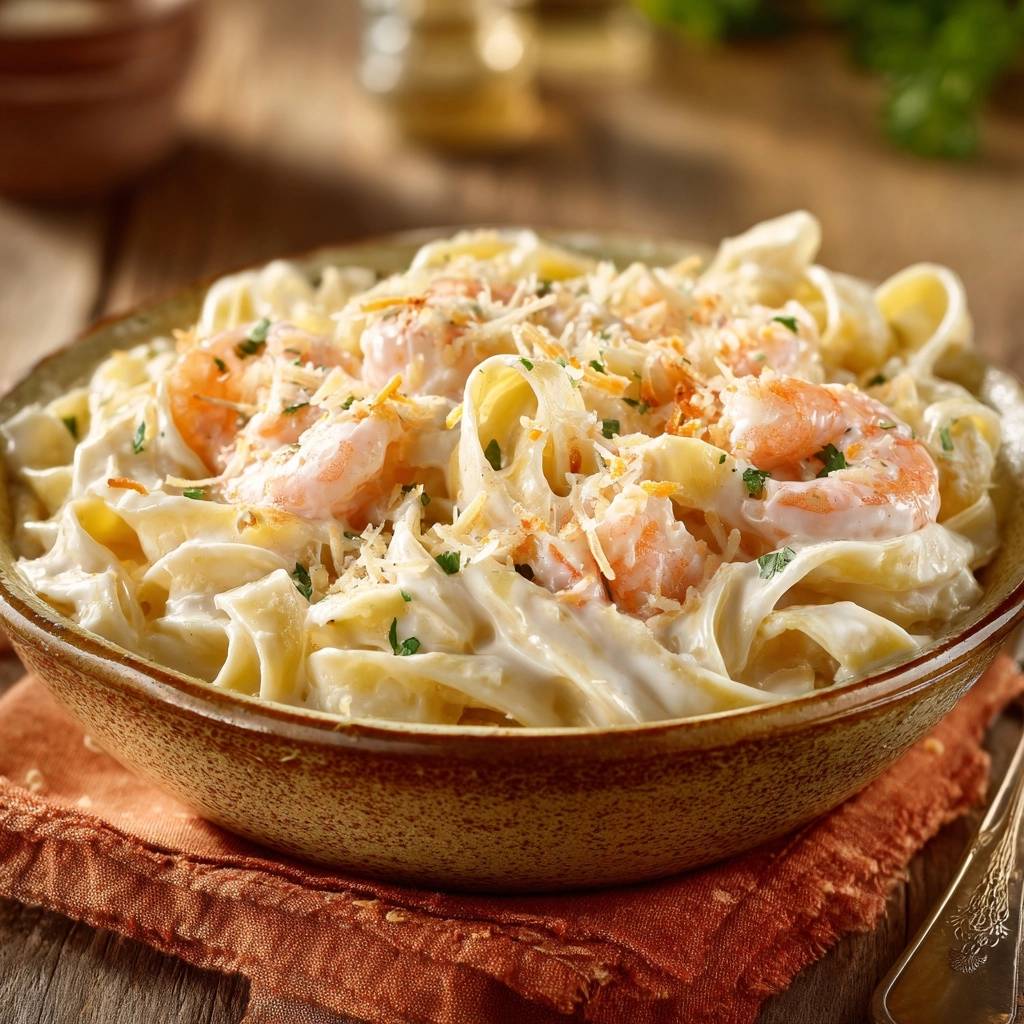
Stop settling for Alfredo sauce that breaks, turns oily, or feels grainy on your tongue. Most home cooks struggle with a sauce that separates into a clumpy mess, but the fix is simpler than you think. It isn’t about adding more butter or cream; it’s about mastering the delicate temperature control of your cheese.
By using the residual heat method instead of boiling the dairy, you ensure the proteins in the parmesan melt into a smooth emulsion rather than seizing into gritty bits. This technique guarantees a glossy, velvet coating on every single strand of pasta. You’ll get that restaurant-quality silkiness in your own kitchen in just about 25 minutes.
The real secret to success lies in the cheese itself. Never use the pre-shredded stuff in a green can or even the bagged “fresh” shreds from the grocery store. Those products are coated in potato starch or cellulose to prevent clumping in the bag, which is exactly what prevents them from melting into a smooth sauce. Grate your own block of Parmesan right before you start for a flawless finish.
The Science of a Smooth Parmesan Emulsion
Understanding the chemistry of your sauce is the best way to prevent a kitchen disaster. Alfredo is essentially a fat-in-water emulsion where the butter and cream must stay suspended with the cheese solids. When you subject Parmesan cheese to high heat, the proteins tighten up and squeeze out the fat, resulting in those dreaded oily puddles and rubbery clumps.
Heavy cream acts as the perfect vehicle for this dish because its high fat content provides stability. Unlike milk, which curdles easily, heavy cream can withstand a gentle simmer. However, even cream has its limits once the cheese enters the pan. This is why we use the “Residual Heat Method,” which relies on the warmth of the reduced cream to melt the cheese gently.
Butter serves as a secondary stabilizer in this emulsion. It adds a rich mouthfeel and helps the cheese proteins glide together rather than sticking. When you whisk the cheese into the warm—but not boiling—liquid, you’re creating a suspension that stays glossy and thick as it cools slightly on the pasta.
Essential Components for Shrimp Fettuccine Alfredo
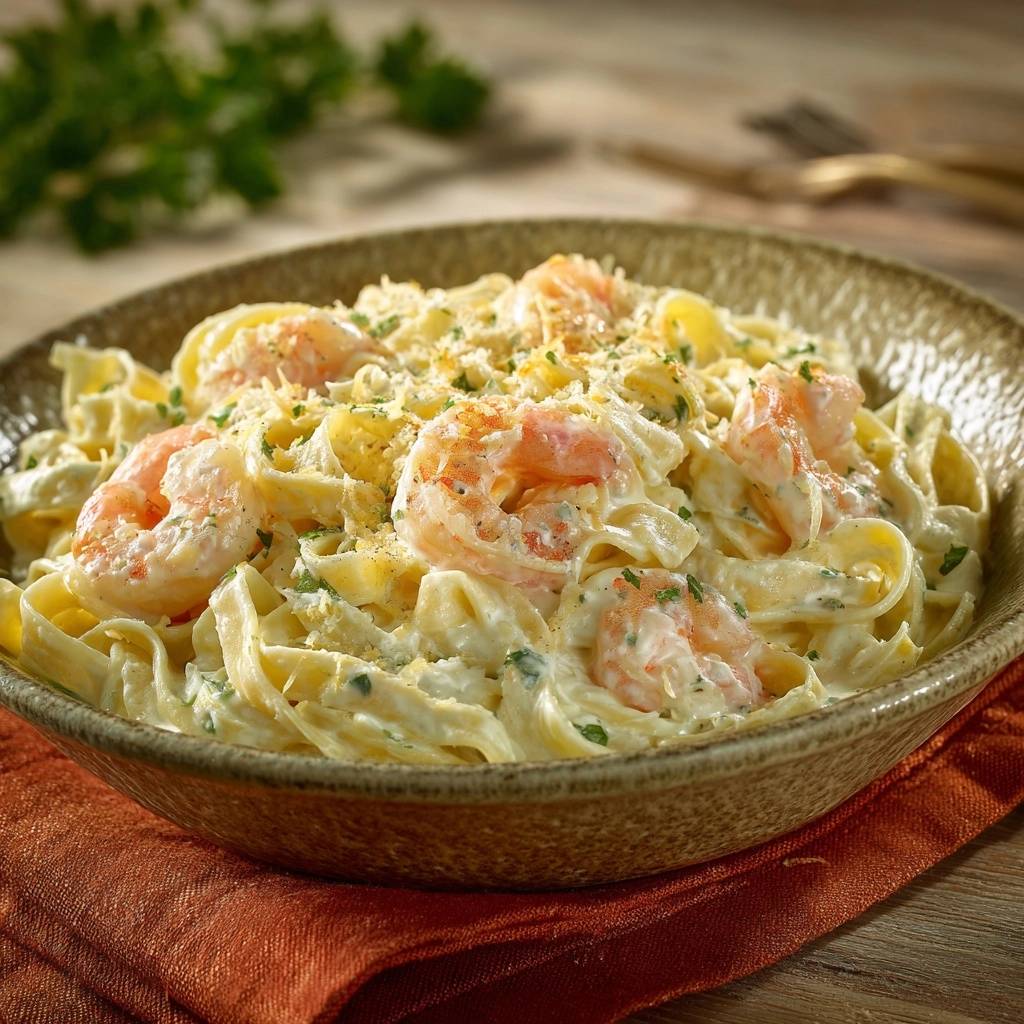
Quality ingredients are the foundation of a dish this simple. Since there are so few components, each one needs to be top-tier. For the shrimp, look for “large” or “extra-large” sizes, typically labeled as 16/20 or 21/25 count per pound. These sizes are substantial enough to get a good sear without overcooking in the center.
Always choose “peeled and deveined” shrimp to save yourself time and ensure a pleasant eating experience. There’s nothing worse than hitting a gritty vein in the middle of a creamy bite of pasta. If you’re using frozen shrimp, make sure they are completely thawed and patted dry with paper towels before they hit the hot pan.
Unsalted butter is the preferred choice here. Parmesan cheese is naturally very salty due to the aging process. By using unsalted butter, you maintain total control over the seasoning profile. You can always add a pinch of salt at the end, but you can’t take it away once the cheese is in the mix.
Why Freshly Grated Parmesan is Non-Negotiable
Aged Parmigiano-Reggiano has a much lower melting point than domestic, processed versions. Because it has less moisture and a more complex protein structure, it integrates into the cream almost instantly. When you grate it yourself using a microplane or the fine side of a box grater, you create more surface area for the heat to penetrate.
Freshly grated cheese also lacks the anti-caking agents found in pre-packaged shreds. Those additives are designed to keep cheese dry, which is the opposite of what you want for a velvet sauce. If you want that signature “pull” and a sauce that clings to the noodle, the grater is your best friend.
Selecting the Right Pasta Shape and Brand
Fettuccine is the traditional partner for Alfredo for a very specific reason. The wide, flat surface area of the noodle provides the perfect “landing strip” for the heavy sauce to adhere to. Thinner noodles like spaghetti can get weighed down and clump together, while shapes like penne don’t offer enough surface contact.
If you can find it, look for “bronze-cut” pasta. This refers to the die used to extrude the dough. Bronze dies leave a rough, porous texture on the surface of the noodle. This texture acts like a sponge, gripping the Alfredo sauce so it stays on the pasta instead of sliding off to the bottom of the bowl.
Preparation: Setting Up for a 15-Minute Cook
This recipe moves incredibly fast once the heat is on. You won’t have time to mince garlic while the shrimp is searing. Professional chefs use “Mise en Place,” which just means having everything in its place before you start. Grate your cheese, chop the parsley, and measure your cream before the water even reaches a boil.
Once the cream begins to reduce, the window for adding ingredients is very small. If you’re scrambling to find the nutmeg or peel garlic, you risk over-reducing the sauce or overcooking the pasta. Have your colander ready in the sink and your reserved pasta water cup sitting right next to the stove.
Timing the pasta is the most critical part of the prep. You want the fettuccine to finish cooking exactly when the sauce is ready. If the pasta sits in the colander for too long, it will stick together and lose the starchiness needed to help the sauce emulsify.
If you’re timing your pasta this carefully, you’ll want the same attention to sauce texture in this creamy garlic shrimp fettuccine.
Step-by-Step: Searing the Shrimp for Maximum Flavor
Start by melting two tablespoons of butter over medium-high heat. You want the pan hot enough that the shrimp sizzle the moment they touch the surface. This creates a “fond,” which are those little browned bits of protein left in the pan. That fond is concentrated flavor that will eventually dissolve into your cream sauce.
Sear the shrimp for about two minutes per side. You’re looking for a bright pink color and an opaque center. Don’t crowd the pan; if you put too many shrimp in at once, they will steam in their own juices rather than searing. Work in batches if your skillet isn’t large enough to give them space.
Remove the shrimp from the pan immediately once they are done. If you leave them in while you build the sauce, they will turn rubbery and tough. Set them aside on a plate to catch any juices that escape. You’ll add those juices back into the sauce later for an extra boost of seafood flavor.
The Reduction Phase: Thickening the Cream Base
After sautéing the garlic in the remaining butter, pour in your heavy cream. Turn the heat to medium and watch for a gentle simmer. You don’t want a rolling boil, which can cause the fat to separate. You’re looking for small, consistent bubbles around the edges of the pan.
The goal here is to reach the “nappe” stage. This is a French culinary term that means the sauce is thick enough to coat the back of a spoon. If you run your finger through the sauce on the spoon, the line should stay clean and not fill back in. This usually takes about 3 to 5 minutes.
This is the moment to add your aromatics. A tiny pinch of nutmeg might seem strange, but it’s the secret ingredient in classic white sauces. It doesn’t make the dish taste like dessert; instead, it highlights the nutty, salty notes of the Parmesan. Add your black pepper now too, so the heat of the cream can bloom the spices.
The Critical Technique: Incorporating the Cheese
This is the make-or-break moment for your Alfredo. Turn the heat to the absolute lowest setting or turn it off entirely. If the cream is bubbling when the cheese hits the pan, the sauce will likely turn grainy. Wait about 30 seconds for the temperature to drop slightly before you start whisking.
Add the Parmesan one handful at a time. Whisk constantly and don’t add the next handful until the first one has completely melted. This slow incorporation allows the cheese to emulsify gradually. You’ll see the sauce transform from a thin liquid into a thick, glossy, and pale gold velvet.
If the sauce looks like it’s starting to “break” or look oily, don’t panic. Immediately whisk in a teaspoon of cold heavy cream or a splash of the starchy pasta water. The cold cream can help lower the temperature quickly, while the starch in the water acts as a binder to pull the emulsion back together.
Achieving the Visual Finish: Texture and Garnish
A great dish should have a contrast in textures. While the pasta and shrimp are soft and creamy, the toasted breadcrumbs provide a necessary crunch. Toast them in a separate small pan with a tiny bit of butter until they are golden brown and fragrant. This adds a professional, “finished” look to the plate.
Fresh parsley isn’t just for color; its grassy brightness cuts through the heavy fats of the cream and butter. It wakes up the palate and makes the dish feel lighter than it actually is. Chop it very finely so it distributes evenly throughout the sauce rather than leaving you with large, leafy bites.
When you toss the pasta into the sauce, do it gently. Use tongs to lift and swirl the noodles so every inch is coated. If the sauce seems too thick once the pasta is added, use that reserved pasta water. Add it one tablespoon at a time until the sauce looks like liquid silk clinging to the fettuccine.
Troubleshooting Common Alfredo Obstacles
If your sauce ends up too thick, it’s usually because the pasta absorbed the moisture or the cream reduced too much. The fix is always starchy pasta water. The starch helps the sauce stay creamy rather than becoming watery. Never use plain tap water, as it will dilute the flavor and break the emulsion.
If the sauce is grainy, the heat was unfortunately too high. While it’s hard to perfectly fix a broken sauce, you can sometimes save it by transferring it to a high-speed blender for 30 seconds. This mechanical force can occasionally re-emulsify the fats and proteins, though it’s better to avoid the problem with low heat.
Tough shrimp are the result of overcooking. Remember that shrimp continue to cook for a minute after you take them off the heat. This is called “carry-over cooking.” Aim to pull them off the heat when they are just barely opaque in the thickest part. They will finish perfectly when you toss them into the warm sauce at the end.
This same timing trick is essential for avoiding rubbery shrimp in this spicy garlic shrimp linguine.
Flavor Variations and Ingredient Swaps
Once you master the base sauce, you can get creative. For a vegetable boost, try adding blanched asparagus tips or roasted red peppers at the very end. These add a pop of color and a different texture without interfering with the cream reduction. Just make sure the vegetables are dry so they don’t water down the sauce.
If you want a bit of heat, swap the black pepper for white pepper or add a pinch of cayenne. White pepper provides a sharp, floral heat that blends invisibly into the white sauce. You can also add a squeeze of fresh lemon juice at the very end to brighten the seafood notes, though be careful not to add too much or the acid could curdle the cream.
This sauce base works beautifully with other proteins too. You can use sea scallops—just sear them the same way as the shrimp—or even blackened chicken breast. The key is to cook the protein separately and add it back at the end to maintain the integrity of the sauce and the texture of the meat.
What to Serve with Creamy Seafood Pasta
Because Alfredo is so rich and decadent, you want side dishes that offer acidity and crunch. A simple arugula salad with a sharp lemon vinaigrette is the perfect companion. The peppery bite of the arugula and the acid in the dressing help “cleanse” your palate between bites of the heavy pasta.
Charred broccolini with lemon zest and red pepper flakes is another excellent choice. The slight bitterness of the charred greens balances the sweetness of the cream. Avoid heavy, buttery garlic bread if you can; the dish already has plenty of fats, and you don’t want to feel weighed down halfway through the meal.
If you do want bread, go for a crusty baguette with no extra butter. It’s perfect for “mop up” duty to catch every last drop of that glossy sauce at the bottom of your bowl. The goal is balance—let the fettuccine be the star and keep the sides light and bright.
Expert Tips for Reheating Leftover Alfredo
The microwave is the enemy of leftover Alfredo. The intense, uneven heat will almost certainly cause the sauce to break, leaving you with a pile of oily noodles and clumps of cheese. If you must use the microwave, do it at 50% power in short 30-second bursts, stirring in a teaspoon of milk each time.
The best way to reheat this dish is on the stovetop. Place the leftovers in a small skillet over low heat. Add a tablespoon or two of milk or cream to the pan. As the pasta warms up, gently toss it to incorporate the new liquid. This helps “re-emulsify” the sauce and brings back that original creamy texture.
Be patient during the reheating process. If you rush it with high heat, you’ll lose the velvet consistency you worked so hard to achieve. Once the sauce is loose and glossy again, remove it from the heat immediately. Leftover shrimp can get tough quickly, so you only want to heat it until it’s just warm enough to eat.
Frequently Asked Questions
Can I use milk instead of heavy cream?
You can, but it won’t be a traditional Alfredo and the results will differ. Milk has a much lower fat content, which means it won’t thicken on its own through reduction. To use milk, you would need to create a roux (butter and flour) to thicken it into a Béchamel sauce. This results in a heavier, more “pasty” mouthfeel compared to the silkiness of a cream-based reduction.
How do I know when the shrimp is perfectly cooked?
Watch the shape and color of the shrimp. Perfectly cooked shrimp usually curl into a “C” shape. If they tightly coil into an “O” shape, they are likely overcooked and will be rubbery. The color should transition from a translucent gray to an opaque, pearly pink. As soon as the center is no longer see-through, they are ready to be pulled from the pan.
Is there a substitute for the nutmeg?
Nutmeg is used to enhance the “nutty” profile of the aged Parmesan cheese. If you don’t have it, you can use a tiny pinch of mace, which comes from the same plant. If you dislike the flavor entirely, you can simply omit it. The sauce will still be delicious, though it may lack that subtle “restaurant” depth that nutmeg provides to dairy-based sauces.
Can I make this sauce ahead of time?
Alfredo is what chefs call a “minute sauce,” meaning it is best served the moment it is made. Because the emulsion is held together by specific temperatures, cooling and reheating it often causes the sauce to lose its glossy finish. If you are hosting a dinner, have all your ingredients prepped (mise en place) so you can whip the sauce together in the 10 minutes it takes for the pasta to boil.
What’s Next?
Try these delicious pairings:
What is the best way to salt the pasta water?
You should salt your pasta water until it tastes like the sea. This is your only chance to season the pasta itself. Since Alfredo sauce is thick, it sits on the surface of the noodle rather than soaking into it. If the noodle isn’t seasoned from the inside, the final dish will taste bland despite the salty cheese. Use about one tablespoon of salt for every four quarts of water.
Shrimp Fettuccine Alfredo
Course: Main CourseCuisine: Italian-AmericanDifficulty: easy4
servings10
minutes15
minutes640
kcal25
MinutesA luxurious shrimp and pasta dish featuring a silky, non-gritty Alfredo sauce made with heavy cream, butter, and freshly grated Parmesan cheese, finished with golden toasted breadcrumbs.
Ingredients
1 pound fettuccine pasta
1 pound large shrimp, peeled and deveined
2 cups heavy cream
1/2 cup unsalted butter
1.5 cups freshly grated Parmesan cheese (plus extra for garnish)
1/2 cup toasted breadcrumbs (for the visual golden topping)
3 cloves garlic, minced
1/4 teaspoon nutmeg
Salt and black pepper to taste
2 tablespoons fresh parsley, finely chopped
Directions
- Bring a large pot of salted water to a boil. Cook the fettuccine according to package directions until al dente. Reserve 1/2 cup of pasta water before draining.
- While the pasta cooks, melt 2 tablespoons of the butter in a large skillet over medium-high heat. Season shrimp with salt and pepper, then sear for 2 minutes per side until pink and opaque. Remove shrimp from the pan and set aside.
- In the same skillet, reduce heat to medium and add the remaining butter and minced garlic. Sauté for 1 minute until fragrant but not browned.
- Pour in the heavy cream and bring to a gentle simmer. Let it reduce slightly for 3 to 5 minutes until it coats the back of a spoon. Season with nutmeg, salt, and pepper.
- Crucial Step for Texture: Turn the heat to the absolute lowest setting (or off entirely). Slowly whisk in the freshly grated Parmesan cheese one handful at a time. Do not let the sauce boil once the cheese is added, as high heat causes the cheese to seize and create a gritty texture. Whisk constantly until the sauce is perfectly smooth and glossy.
- Toss the cooked pasta and the seared shrimp into the sauce. If the sauce is too thick, add a splash of the reserved pasta water to reach a velvet consistency.
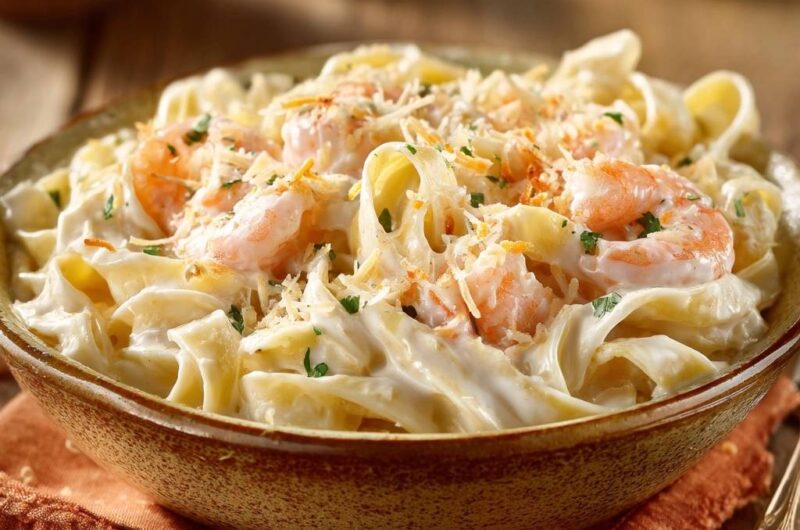
- Visual Finish: Transfer to a serving bowl. Garnish heavily with toasted breadcrumbs, extra grated Parmesan, and fresh parsley to achieve the textured, golden-topped finish shown in the image. Serve immediately.
Notes
- The secret to avoiding a gritty sauce is to whisk in the Parmesan cheese on the lowest heat setting or with the heat turned off entirely. High heat causes the cheese proteins to seize and clump.