Mastering the Creamy Southern Style Potato Salad
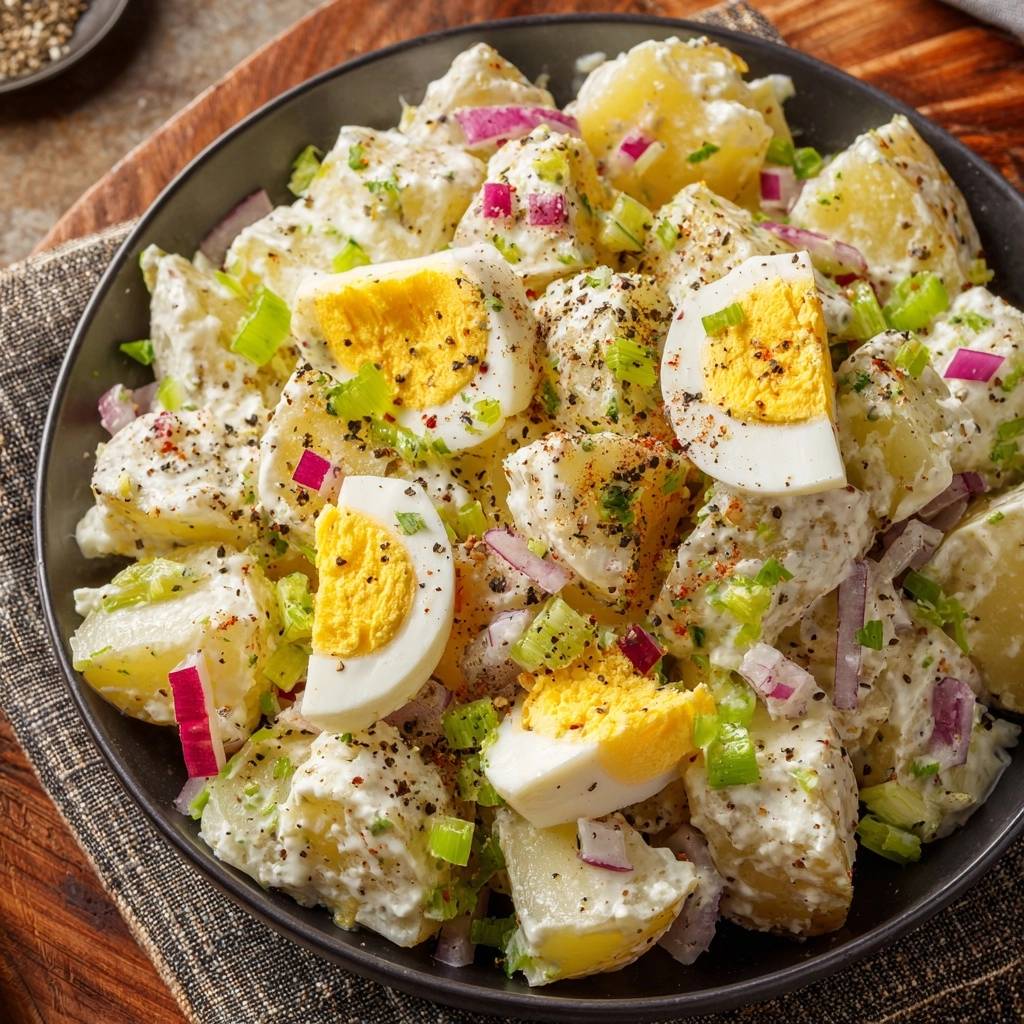
Southern potato salad is the undisputed crown jewel of any backyard cookout or family reunion. However, we’ve all experienced that disappointing moment when a beautiful scoop of salad turns into a watery, soupy mess at the bottom of the bowl. That “soggy bottom” is the ultimate enemy of a great side dish, but it’s actually a problem rooted in simple kitchen science.
The secret to a professional-grade result lies in a technique called “Flash Seasoning.” Instead of waiting for the potatoes to cool before adding flavor, you hit them with acidity while they’re still steaming. This small shift in timing completely changes how the starch behaves, ensuring your dressing stays thick and luscious rather than sliding off the potato.
I’ve found that the real trick to that iconic “skyscraper” height on the plate is all about moisture control. By allowing the surface moisture to evaporate fully before the dressing ever touches the vegetable, you create a perfect bond. You’ll notice the difference immediately as the mayo clings to every cube with a velvet-like grip.
The Science of the Anti-Soggy Bottom
When you boil a potato, the starch granules swell and become incredibly absorbent. If you let them cool without seasoning, they eventually release that internal moisture, which thins out your mayonnaise and creates a puddle. By drizzling apple cider vinegar over the potatoes while they are piping hot, you’re essentially “locking” the starch.
If you want to avoid mushy potatoes entirely, the same careful boiling technique is key for this perfect creamy potato salad.
The heat allows the vinegar to penetrate deep into the center of each cube rather than just sitting on the surface. This acid treatment alters the surface tension of the potato, making it less likely to weep water later on. Therefore, your dressing remains a stable emulsion that stays thick and creamy for days in the fridge.
Essential Components for Texture and Color
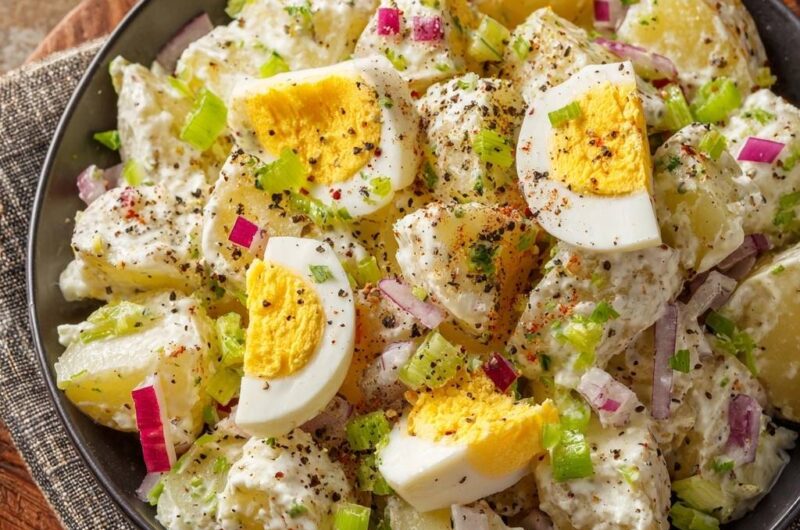
Choosing the right ingredients is the first step toward a high-end aesthetic. While many old-school recipes call for yellow mustard, this version intentionally omits it to maintain a bright, clean white dressing. This creates a beautiful contrast against the vibrant green onions and the deep red of the paprika garnish.
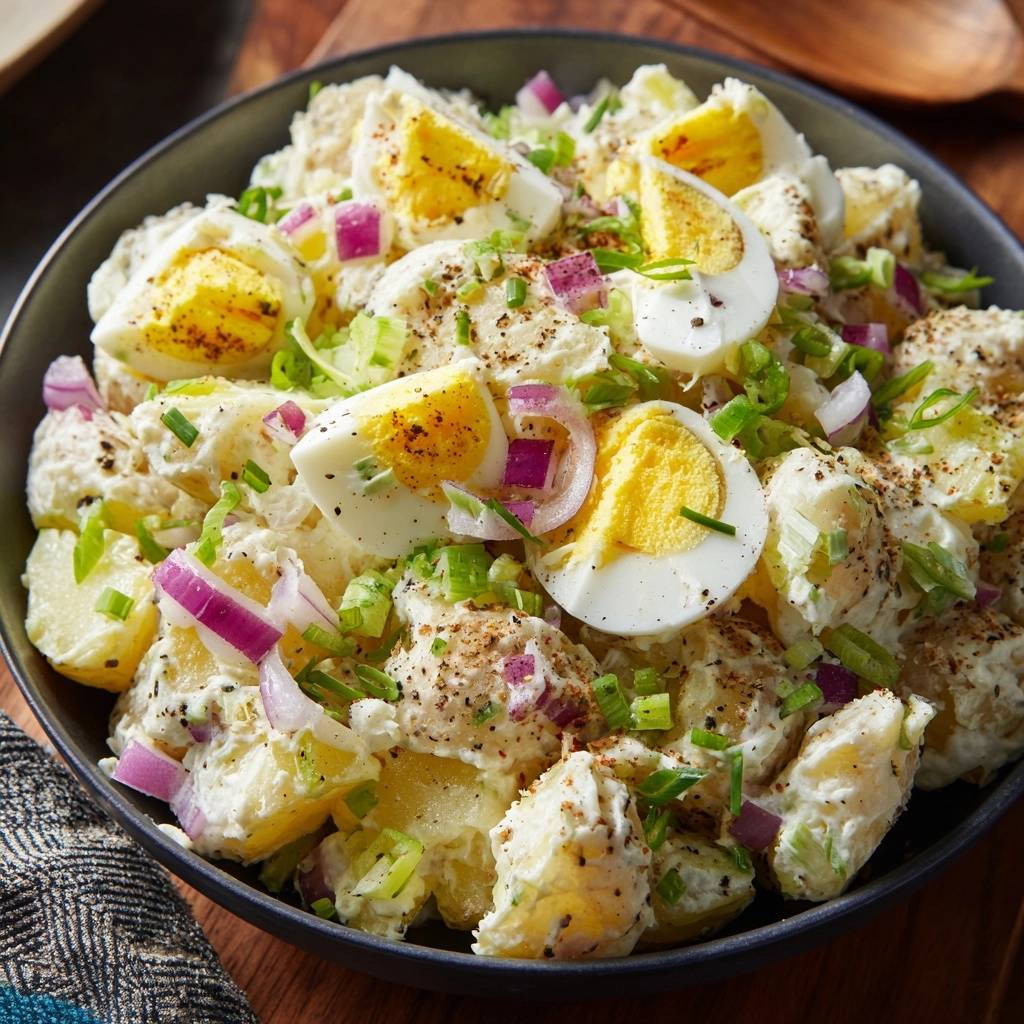
The addition of sour cream is another intentional choice for both flavor and visual appeal. While mayonnaise provides the fat and richness, sour cream adds a bright tang and a stark white pigment. This combination ensures the salad looks fresh and sophisticated rather than heavy or oily.
Selecting the Right Potato Variety
Yukon Gold potatoes are the absolute gold standard for this recipe because they sit right in the middle of the starch spectrum. Waxy red potatoes often stay too firm and don’t absorb the dressing, while starchy Russets tend to fall apart into mush. Yukon Golds offer a buttery flavor and a creamy mouthfeel while still holding their clean, cubed shape.
The Role of High-Fat Emulsifiers
Quality matters when you’re dealing with a dish that is 30% dressing. Use a high-quality, full-fat mayonnaise to ensure the dressing has enough body to stand tall on the plate. These fats act as a protective barrier, preventing the vegetables from releasing juices that would otherwise break the sauce.
The Flash Seasoning Technique: Step-by-Step
Start your potatoes in a pot of cold, heavily salted water. This ensures that the outside of the potato doesn’t turn to mush before the inside is cooked through. Once the water hits a rolling boil, keep a close eye on the clock; you want them tender enough to pierce with a fork but still firm enough to resist a gentle squeeze.
After draining, let the potatoes sit in the colander for at least two full minutes. You should see steam rising off them—this is a good sign that excess water is evaporating. While they are still hot, toss them gently with the apple cider vinegar. You’ll smell that sharp tang immediately as the potatoes drink up the liquid.
Boiling for Structural Integrity
The “fork-tender” stage is a narrow window, so don’t walk away from the stove. If you overcook the potatoes even by a minute, the edges will become frayed and grainy. This excess starch will mix with the mayo and create a gritty texture that ruins the silky finish we’re aiming for.
The Critical Cooling Phase
Never mix warm potatoes with mayonnaise. If the potatoes are even slightly above room temperature, the fat in the mayo will melt and “break,” leaving you with an oily, separated mess. Spread the vinegar-soaked potatoes out on a large baking sheet in a single layer to cool quickly and evenly.
Building the Creamy Dressing Base
While the potatoes cool, whisk together your mayo, sour cream, and celery salt in a separate bowl. Celery salt is the “secret” backbone of Southern cooking, providing a savory, herbal depth that plain salt just can’t match. We also use a heavy hand with coarse cracked black pepper to add a bit of bite and visual texture.
By mixing the dressing separately, you ensure the seasonings are perfectly distributed. This prevents you from having to over-mix the salad later, which helps keep the potato cubes intact. The resulting mixture should be thick enough to hold a peak, similar to a soft frosting.
Assembly: Folding Without Bruising
When it’s time to combine everything, put down the spoon and grab a flexible rubber spatula. Use a gentle folding motion, lifting from the bottom and turning the mixture over. This protects the structural integrity of the potatoes and the delicate crescents of celery.
As you fold, the red onions and green onions will distribute evenly throughout the white cream. You aren’t looking to mash anything here; you want distinct chunks of potato coated in a thick, luxurious blanket of dressing. The crunch of the celery provides a necessary textural break from the soft potatoes.
Visual Presentation and Garnishing
To achieve that “Skyscraper” look, pile the salad high in a chilled ceramic bowl rather than smoothing it flat. Instead of chopping the hard-boiled eggs and stirring them in, quarter them and nestle them into the top of the salad. This keeps the yolks from smearing and turning the dressing a muddy yellow color.
Finish the dish with a dramatic dusting of paprika and extra cracked pepper. The high contrast of the red and black against the white dressing makes the dish look like it came straight from a professional deli. A final sprinkle of fresh green onions adds a pop of life and color.
Flavor Variations and Ingredient Swaps
If you want to add more crunch, thinly sliced radishes are a fantastic addition that won’t add excess moisture. You can also swap the green onions for fresh chives if you prefer a more delicate onion flavor. Just remember to avoid “wet” ingredients like jarred pimentos or pickles unless you pat them completely dry with a paper towel first.
What to Serve with Southern Potato Salad
This creamy, acidic profile is the perfect foil for rich, smoky meats. It’s a natural partner for smoked brisket or slow-roasted pulled beef, where the vinegar in the salad cuts through the heavy fats. It also shines alongside crispy fried fish or grilled chicken thighs seasoned with a spicy rub.
Pair These With Your Potato Salad
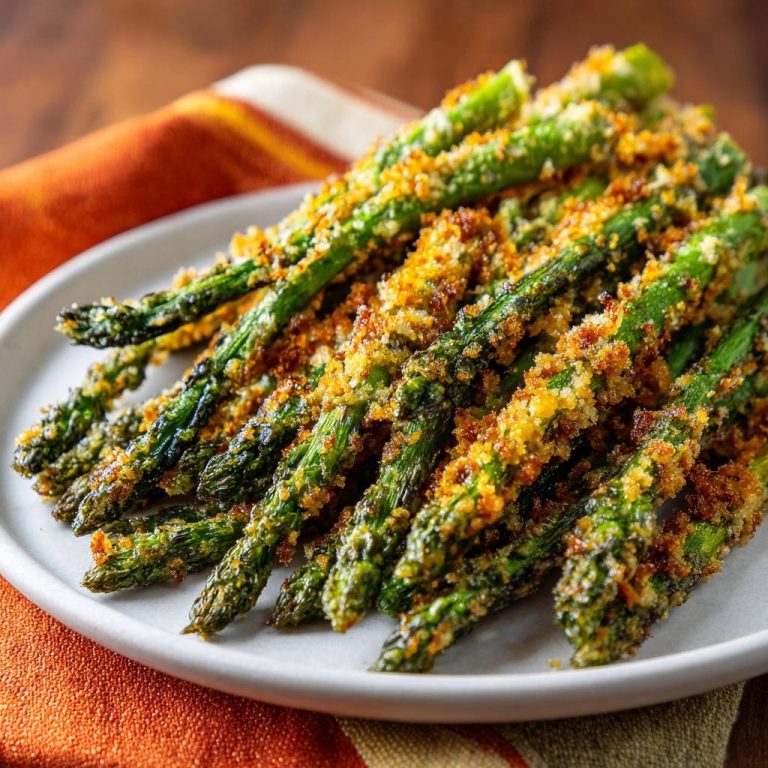
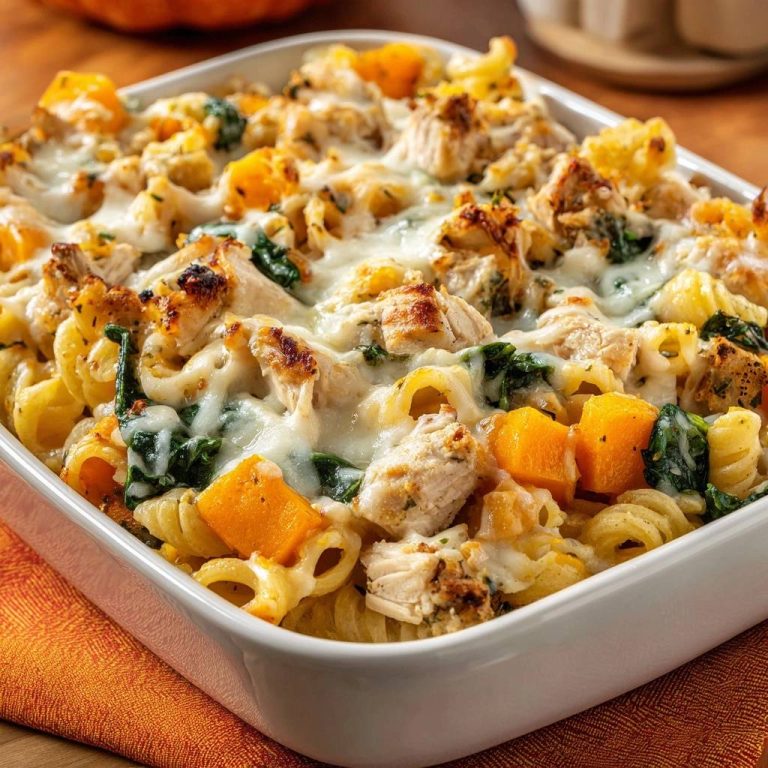
If you’re serving up a creamy Southern-style potato salad, these two potato-forward recipes make natural companions – they share that same comforting potato base but add crunch and heartiness to round out the meal.
- For a crispy, golden side that uses up leftover potato salad (or extra potatoes), try these Golden Crispy Potato Cakes – the texture contrast is just right alongside the creamy salad.
- For a more substantial option that
Because this salad is so rich, it acts as both a side dish and a palate cleanser. The cool temperature and creamy texture provide a refreshing break between bites of salty, charred BBQ. It’s the ultimate balancing act for a heavy summer plate.
Troubleshooting Common Texture Issues
If your salad feels a bit too stiff after chilling, don’t reach for more mayo. Instead, fold in a single teaspoon of heavy cream or whole milk to loosen the dressing without making it greasy. This restores that “just-made” silkiness without dulling the flavors.
If you find that raw red onions are too sharp for your taste, try soaking the diced pieces in ice water for ten minutes before adding them. This removes the harsh sulfur compounds, leaving you with a mild, sweet crunch that won’t overpower the rest of the ingredients.
Make-Ahead Strategy and Storage
Potato salad actually tastes better after a few hours in the fridge. A minimum of one hour is required for the flavors to meld, but four hours is the sweet spot. During this time, the celery salt and pepper fully hydrate, seasoning the dressing from the inside out.
Store any leftovers in a strictly airtight container to prevent the salad from picking up other fridge odors. Because of the mayonnaise and sour cream emulsion, this dish does not freeze well. Freezing will cause the dressing to break and the potatoes to become unpleasantly grainy upon thawing.
Expert Tips for Large Batches
When scaling this recipe up for a crowd, maintain the “Flash Seasoning” ratio carefully. For every three pounds of potatoes, you need that tablespoon of vinegar to ensure consistency. If you’re making ten pounds or more, cool the potatoes in batches on multiple baking sheets to ensure they don’t steam each other and become soft.
Frequently Asked Questions
Can I use Red Bliss potatoes instead of Yukon Gold?
You can use Red Bliss potatoes, but the texture will be significantly different. Red potatoes are waxy and have less starch, so the dressing will sit on the surface rather than bonding with the potato. This results in a “slicker” mouthfeel that some people enjoy, though it won’t be as creamy as the Yukon Gold version.
Why is my dressing turning yellow?
The dressing usually turns yellow for two reasons: either mustard was added, or the hard-boiled egg yolks were mashed into the mixture. To keep the dressing a bright, clean white, always omit the mustard and place the quartered eggs on top of the salad just before serving rather than stirring them in.
How do I stop the onions from overpowering the dish?
The best way to mellow out raw onions is the ice water soak. After dicing your red onions, submerge them in a bowl of ice water for about 10 to 15 minutes. Drain them well and pat them dry before adding to the salad. This process preserves the crunch while removing the “bite” that can linger on the palate.
Is there a dairy-free substitute for the sour cream?
If you need to avoid dairy, you can replace the sour cream with a thick, plain cashew-based cream or simply use more high-quality mayonnaise. However, you may want to add an extra teaspoon of apple cider vinegar to the dressing to mimic the natural tang that sour cream provides.
If you’re looking for a dairy-free option similar to this cashew cream base, you’ll love the fresh twist in this creamy avocado potato salad.
How long can this sit out at a picnic?
Food safety is critical with mayo-based salads. You should never leave potato salad out at room temperature for more than two hours. If the temperature outside is above 90°F, that window drops to just one hour. To keep it safe longer, nestle the serving bowl inside a larger bowl filled with ice.
Potato Salad
Course: Side DishCuisine: AmericanDifficulty: easyYields6
servingsPrep Time15
minutesCook Time15
minutesCalories310
kcalTotal Time30
MinutesA Southern style potato salad featuring Yukon Gold potatoes, hard boiled eggs, and a rich dressing of mayonnaise and sour cream. This recipe uses a unique vinegar seasoning technique on hot potatoes to ensure a perfect texture and bold flavor.
Ingredients
3 pounds Yukon Gold potatoes, peeled and cut into 1-inch cubes
4 large eggs, hard boiled and quartered
1/2 cup red onion, medium diced (to match visual texture)
1/2 cup celery, sliced into thick crescents
1/4 cup green onions, chopped
1 cup high quality mayonnaise
1/4 cup sour cream (for the visual “white” creaminess shown)
1 tablespoon apple cider vinegar
1 teaspoon celery salt
1 tablespoon coarse cracked black pepper (heavy garnish)
1/2 teaspoon paprika
1/2 teaspoon dried dill (optional, for visual herb flecks)
Directions
- Place cubed potatoes in a large pot of cold salted water. Bring to a boil and cook for 10 to 12 minutes until fork tender but still holding their shape. Do not overcook to a mash.
- Drain the potatoes thoroughly in a colander for 2 minutes to ensure all surface moisture evaporates. While they are still steaming hot, drizzle the apple cider vinegar over them and toss gently. This is the critical step to prevent a soggy salad; the heat allows the vinegar to penetrate the potato, locking in the texture.
- Spread the potatoes on a baking sheet to cool completely to room temperature. Never add mayo to warm potatoes or the dressing will break and become oily.
- In a small bowl, whisk together the mayonnaise, sour cream, celery salt, and half of the cracked black pepper. (Note: This recipe omits yellow mustard to maintain the bright white dressing color seen in the image).
- In a large mixing bowl, combine the cooled potatoes, red onion, celery, and green onions.
- Fold in the dressing gently using a rubber spatula. The dressing should be thick and coat the chunks heavily without pooling.
- Arrange the salad in a serving bowl. Place the quartered hard boiled eggs on top rather than mixing them in, to match the visual presentation.
- Finish with a heavy dusting of coarse cracked black pepper, a pinch of paprika, and any remaining green onions. Chill for at least one hour before serving.
Notes
- This recipe omits yellow mustard to maintain a bright white dressing color. The Flash Seasoning method with vinegar is essential for flavor absorption and texture.