Mastering the Ultra Creamy Baked Penne
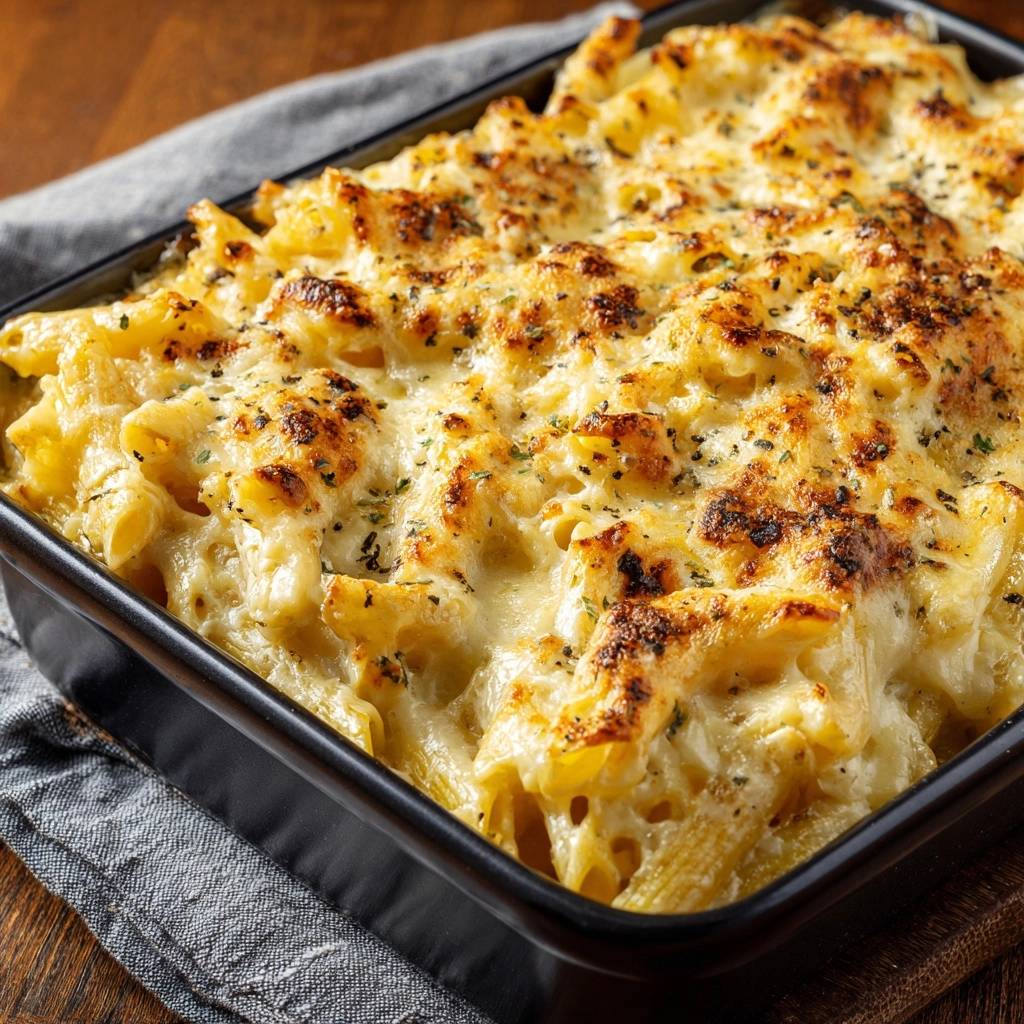
We’ve all been there. You pull a beautiful, golden-brown pasta bake out of the oven, anticipating a decadent meal, only to find the noodles are dry and the sauce has vanished. It’s a common heartbreak in the kitchen when the pasta acts like a thirsty sponge, soaking up every drop of moisture and leaving you with a gummy, lackluster dinner.
The secret to this Ultra Creamy Baked Penne lies in understanding the science of moisture retention. Instead of fighting the pasta’s natural urge to absorb liquid, we lean into it by creating a “soup-to-sauce” transformation. By the time the timer dings, that extra liquid has been perfectly absorbed, leaving the interior silky while the top stays crispy.
To ensure success, you have to master the par-boil. Most people cook their pasta until it’s edible before baking, but that’s the biggest mistake you can make. I’ve found that boiling the penne for exactly four minutes less than the package suggests is the sweet spot for a texture that holds its shape against the heavy cream and high oven heat.
The Physics of Pasta: Why Most Casseroles Fail
Pasta is essentially a dry starch waiting to hydrate. When you toss it into a sauce and slide it into a 400-degree oven, that hydration process doesn’t stop just because the stove is off. This is known as the “Sponge Effect,” where the noodles continue to pull moisture from their surroundings until they reach total saturation.
Standard recipes often fail because they use a 1:1 ratio of sauce to pasta, which doesn’t account for this secondary cooking phase. In a hot oven, the water in your sauce evaporates while the starch in the pasta expands. If there isn’t a surplus of liquid, the sauce breaks, the fats separate, and you’re left with an oily, dry mess.
By using a high-moisture sauce ratio, we create an insurance policy for the noodles. The chemical transition from firm starch to tender pasta happens inside the sauce, allowing the penne to “drink” the flavors of the cream and cheese. This results in a cohesive dish where the sauce and noodle become one, rather than two separate entities.
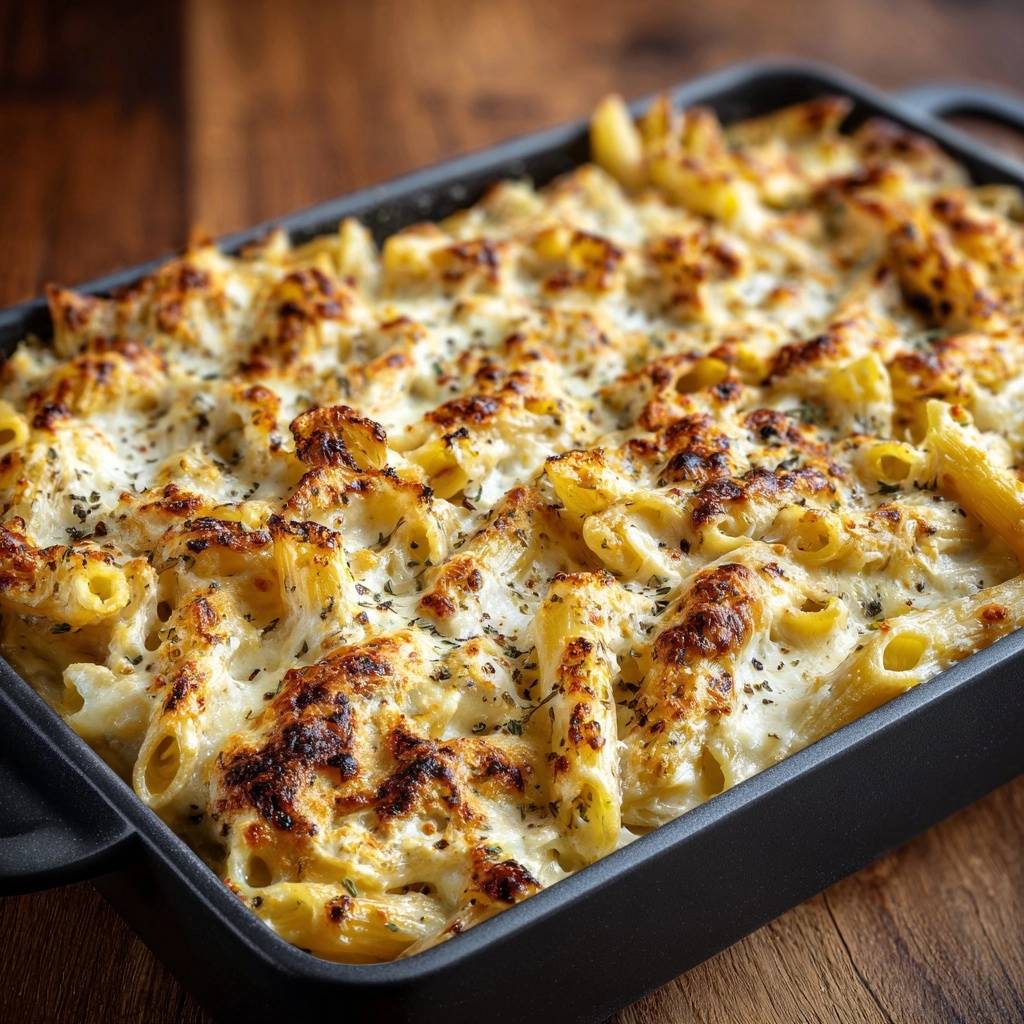
Essential Components for the Ultra Creamy Baked Penne
Quality ingredients are the foundation of any great béchamel-based dish. I always reach for unsalted butter because it gives me total control over the seasoning. Since different brands of cheese have varying salt levels, starting with a neutral fat base prevents the final dish from becoming a salt bomb.
Temperature matters more than you might think when building a creamy sauce. Using room-temperature whole milk and heavy cream is a game-changer. When cold dairy hits a hot flour-and-butter roux, it can cause the fats to seize or create stubborn lumps that ruin the velvety texture you’re after.
Heavy cream is non-negotiable here for its stabilizing properties. The high fat content prevents the sauce from curdling under the intense heat of the oven. While milk provides the volume, the cream provides the “cling” that ensures every tube of penne is coated inside and out.
Selecting the Right Cheese for Melting and Crust
A great baked pasta needs a trio of cheeses to handle different jobs. Mozzarella is our workhorse; it provides that iconic, stretchy cheese pull that everyone loves. However, mozzarella is relatively mild, so we pair it with sharp white cheddar to bring a sophisticated tang and depth of flavor.
The third player is grated Parmesan, which serves a very specific purpose on the top layer. Because Parmesan has a lower moisture content and higher protein level, it browns beautifully without turning greasy. It creates that “shatter-crisp” crust that protects the creamy interior from drying out.
Whatever you do, please grate your own cheese from a block. Pre-shredded bags are coated in potato starch or cellulose to prevent clumping in the package. That coating prevents the cheese from melting into a smooth, homogenous sauce and can leave your dinner feeling gritty or waxy.
If you prefer a bolder tomato-forward sauce, try this creamy sun-dried tomato chicken penne instead.
The Role of Aromatics and Dried Herbs
You might wonder why we use garlic and onion powder instead of sautéing fresh aromatics. In a sauce this creamy, texture is king. Using powders allows the flavors to dissolve completely into the liquid, ensuring a perfectly smooth mouthfeel without any unexpected bits of onion or garlic.
Dried herbs like oregano and parsley are actually better suited for this long, hot bake than fresh ones. Dried herbs need time and moisture to bloom. As the penne bakes, these herbs rehydrate in the cream, slowly releasing their oils and infusing the entire tray with a consistent, earthy aroma.
Phase One: The Four-Minute Par-Boil Technique
This is the most critical step in the entire process. You aren’t cooking the pasta to eat it yet; you’re simply prepping it to survive the oven. When you drop the penne into heavily salted water, set your timer for exactly four minutes less than the “al dente” instructions on the box.
When you drain the pasta, it should feel unpleasantly firm, almost crunchy in the very center. You might even see a tiny white ring of dry starch when you bite into a noodle. This is perfect. That dry center is the “room” the pasta has left to soak up the seasoned cream sauce later.
Don’t forget to salt your pasta water until it tastes like the sea. This is your only opportunity to season the pasta from the inside out. Since we are undercooking the noodles, they need that salt to penetrate the starch molecules before they are sealed off by the fats in the cheese sauce.
Phase Two: Building a Silky Béchamel Base
Building a roux is a fundamental skill that makes or breaks this dish. Melt your butter over medium heat and whisk in the flour until it starts to bubble. You’re looking for a nutty aroma and a pale golden color, which usually takes about two minutes. This cooks out the “raw” flour taste.
When it’s time to add the liquids, go slow. Start with a tiny splash of the milk and whisk vigorously until a thick paste forms. Repeat this process, adding the milk in small increments. This “slow-stream” method is the only way to guarantee a sauce that is completely free of lumps.
Continue cooking and whisking until the sauce reaches “nappe” consistency. This is a fancy chef term that just means the sauce is thick enough to coat the back of a spoon. If you run your finger through the sauce on the spoon and the line stays clean, your base is ready for the cheese.
Phase Three: Achieving the High-Moisture Sauce Ratio
Once you stir your cheddar and half of the mozzarella into the hot cream base, it’s time to combine it with the pasta. At this stage, many home cooks panic. The mixture will look incredibly liquidy, almost like a chunky pasta soup. Don’t worry; this is exactly what you want.
That “too much sauce” feeling is your insurance policy. As the dish bakes, the par-boiled penne will act like a sponge, pulling that liquid into its core. If the mixture looked “perfect” before going into the oven, it would end up dry and stiff by the time it finished baking.
Gently fold the pasta into the sauce using a large spatula. Make sure every single tube of penne is submerged or coated. This ensures that no edges of the pasta are left exposed to the dry heat of the oven, which can cause them to turn hard and leathery instead of tender.
If the creamy sauce here feels too heavy, a side of tangy cheesy beef stuffed peppers balances it out perfectly.
Phase Four: The Two-Stage High-Heat Bake
We bake this dish at 400 degrees F to encourage a rapid starch expansion. During the first 20 minutes, the heat works its way to the center of the dish, melting the cheese and forcing the pasta to finish cooking. You’ll see the sauce bubbling vigorously around the edges as it thickens.
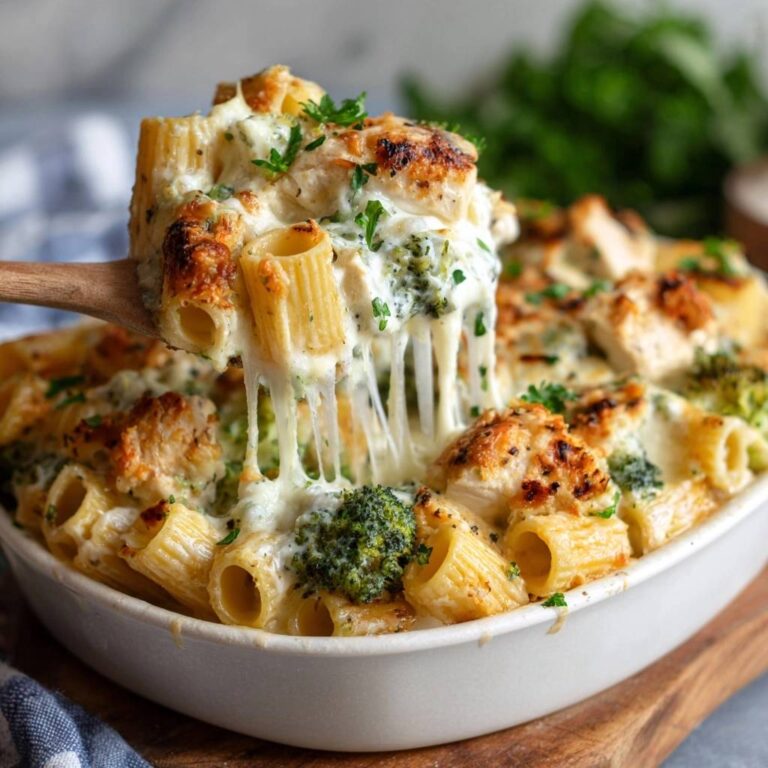
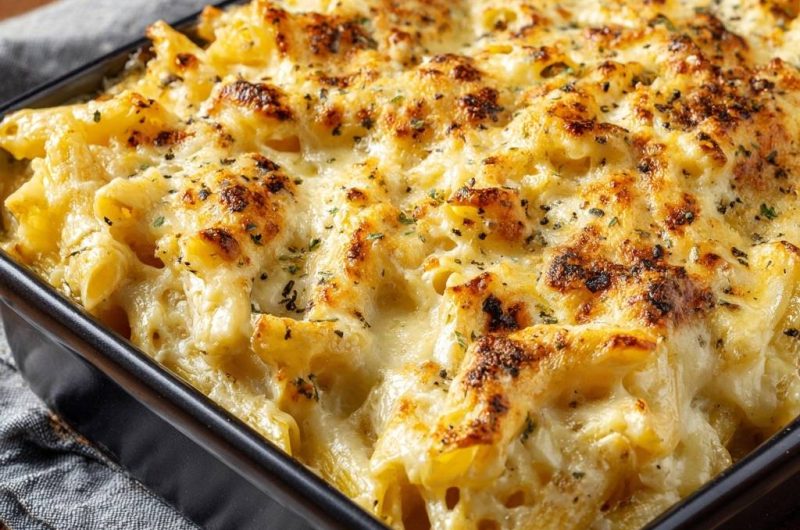
The second stage is the broiler finish, and it’s where the magic happens. Switch your oven to the broiler setting for the last 3 to 5 minutes. Stay right there and watch it! You want to see the mozzarella and parmesan transform into a landscape of bubbly, deep golden brown spots.
This “leopard spotting” isn’t just for looks; it provides a smoky, toasted flavor that contrasts beautifully with the rich interior. Once you see those dark golden patches, pull it out immediately. The residual heat will continue to cook the dish for several minutes after it leaves the oven.
Troubleshooting Common Baked Pasta Obstacles
If you notice your sauce looks oily or separated, it usually means the heat was too high or the cheese was added too quickly. To fix a broken sauce in the future, ensure you remove the pot from the heat entirely before stirring in your shredded cheese. This allows the cheese to melt gently into the residual heat.
Did you accidentally overcook the pasta during the boiling phase? If the noodles are already soft, reduce the baking time by 10 minutes and skip the middle rack. Place the dish higher in the oven and go straight to the browning phase to prevent the noodles from turning into mush.
The most common mistake is serving the dish the second it comes out of the oven. I know it smells incredible, but you must let it rest for at least 10 minutes. This resting period allows the starches to settle and the sauce to thicken into a creamy coating that clings to the pasta rather than running off.
Flavor Variations and Ingredient Swaps
While this white cheddar and mozzarella base is a classic, you can easily swap the flavor profile. For a more “grown-up” version, try using Gruyère or Fontina in place of the cheddar. These cheeses melt exceptionally well and offer a nutty, earthy flavor that pairs perfectly with a pinch of nutmeg.
If you want to add some texture, sautéed mushrooms or roasted red peppers are fantastic additions. Just make sure to cook any vegetables beforehand to remove their excess water. If you add raw veggies to the bake, they will release moisture and thin out your carefully crafted sauce.
For a bit of heat, you can whisk a teaspoon of Dijon mustard or a pinch of red pepper flakes into the roux. The mustard won’t make the dish taste like vinegar; instead, it acts as an emulsifier that helps keep the cheese sauce stable while adding a subtle brightness to the heavy cream.
Make-Ahead Strategies and Storage Logistics
You can absolutely prep this dish 24 hours in advance, but there is a trick to it. If you mix the pasta and sauce and let them sit in the fridge overnight, the pasta will absorb all the liquid before it even hits the oven. This results in a very dry bake the next day.
Instead, make the sauce and boil the pasta, but store them in separate airtight containers. When you’re ready to eat, gently reheat the sauce on the stove with a splash of milk to loosen it up, toss in the pasta, and then proceed with the baking instructions. This keeps the textures fresh.
What’s Next?
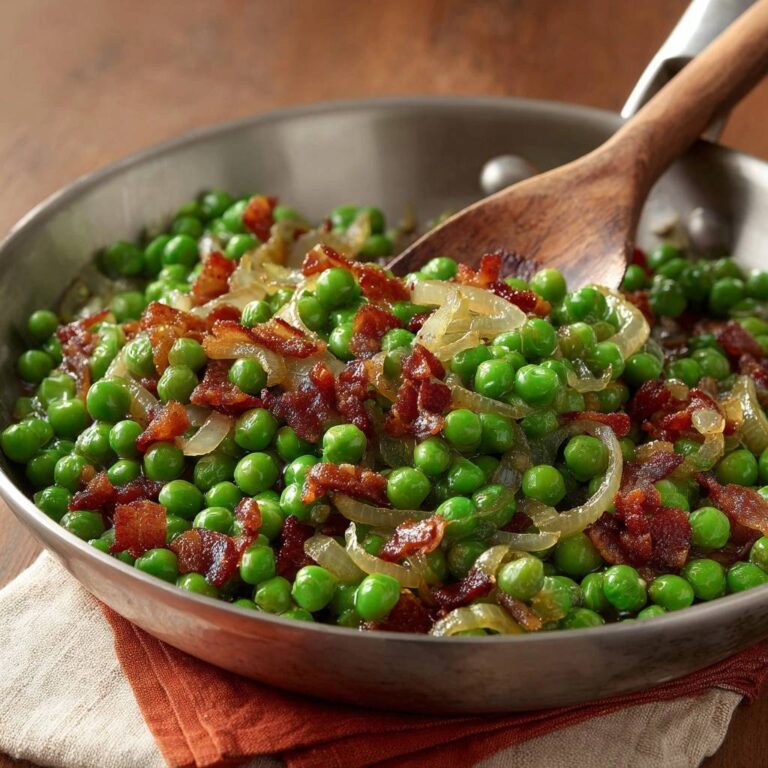
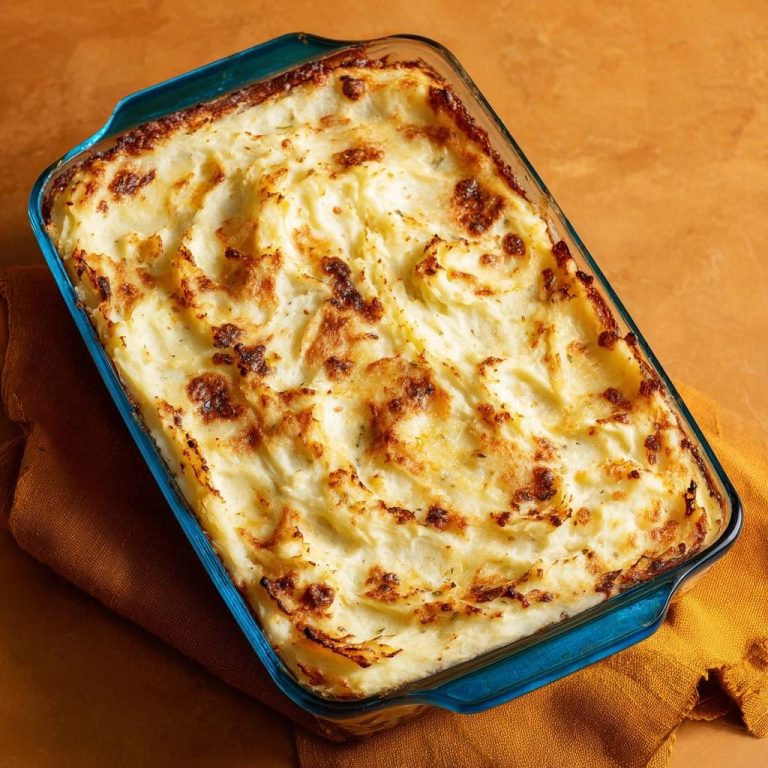
If you’re making that ultra creamy baked penne, these two vegetable-heavy sides round out the meal without stealing attention from the pasta.
- For a similarly rich, baked vegetable dish, try this
Get the full recipe in your inbox in seconds – perfect for shopping and cooking.
Baked Penne
Course: Main CourseCuisine: AmericanDifficulty: medium6
servings15
minutes25
minutes540
kcal40
MinutesThis baked penne uses a strategic par-boiling method and a rich sauce ratio of milk, cream, and three cheeses to ensure a perfect texture. Finished with a golden, bubbly cheese crust, it solves the common problem of dry or overcooked baked pasta.
Ingredients
1 pound penne pasta
4 tablespoons unsalted butter
1/4 cup all-purpose flour
3 cups whole milk, room temperature
1 cup heavy cream
2 cups shredded mozzarella cheese
1 cup shredded sharp white cheddar cheese
1/2 cup grated parmesan cheese
1 teaspoon garlic powder
1 teaspoon onion powder
1 teaspoon dried parsley
1/2 teaspoon dried oregano
Salt and black pepper to taste
Directions
- Preheat your oven to 400 degrees F. Grease a deep 9×13 inch baking dish.
- The Secret to No Mush: Boil a large pot of heavily salted water. Cook the penne for exactly 4 minutes less than the package directions for al dente. The pasta should be quite firm in the center. This prevents it from overcooking and becoming gummy while it bakes in the sauce. Drain and set aside.
- In a large saucepan or Dutch oven, melt the butter over medium heat. Whisk in the flour and cook for 2 minutes until bubbly and smelling slightly nutty, but not browned.
- Slowly whisk in the milk and heavy cream in small increments to avoid lumps. Continue whisking until the sauce thickens enough to coat the back of a spoon. Season with garlic powder, onion powder, oregano, salt, pepper, and half of the dried parsley.
- Remove the sauce from heat. Stir in the white cheddar and 1 cup of the mozzarella until completely melted and smooth.
- The Secret to No Dryness: Combine the undercooked pasta with the cheese sauce. The mixture will look very liquidy, almost like a thick soup; this is intentional. The pasta will finish cooking by absorbing that extra sauce in the oven, keeping the dish moist instead of dry.
- Pour the mixture into the prepared baking dish. Top evenly with the remaining 1 cup of mozzarella, the parmesan cheese, and the remaining parsley.
- Bake for 20 minutes. To achieve the specific charred, bubbly golden crust shown in the image, turn the broiler on high for the final 3 to 5 minutes, watching closely until deep golden brown spots appear.
- Let it rest for 5 to 10 minutes before serving. This allows the sauce to set into a creamy coating rather than running to the bottom of the plate.
Notes
- The secret to preventing mushy pasta is boiling the penne for exactly 4 minutes less than the package directions. The sauce will look thin like soup before baking, but the pasta will absorb the excess moisture in the oven for a perfect finish.