Mastering the Crispy Asian Cabbage Slaw
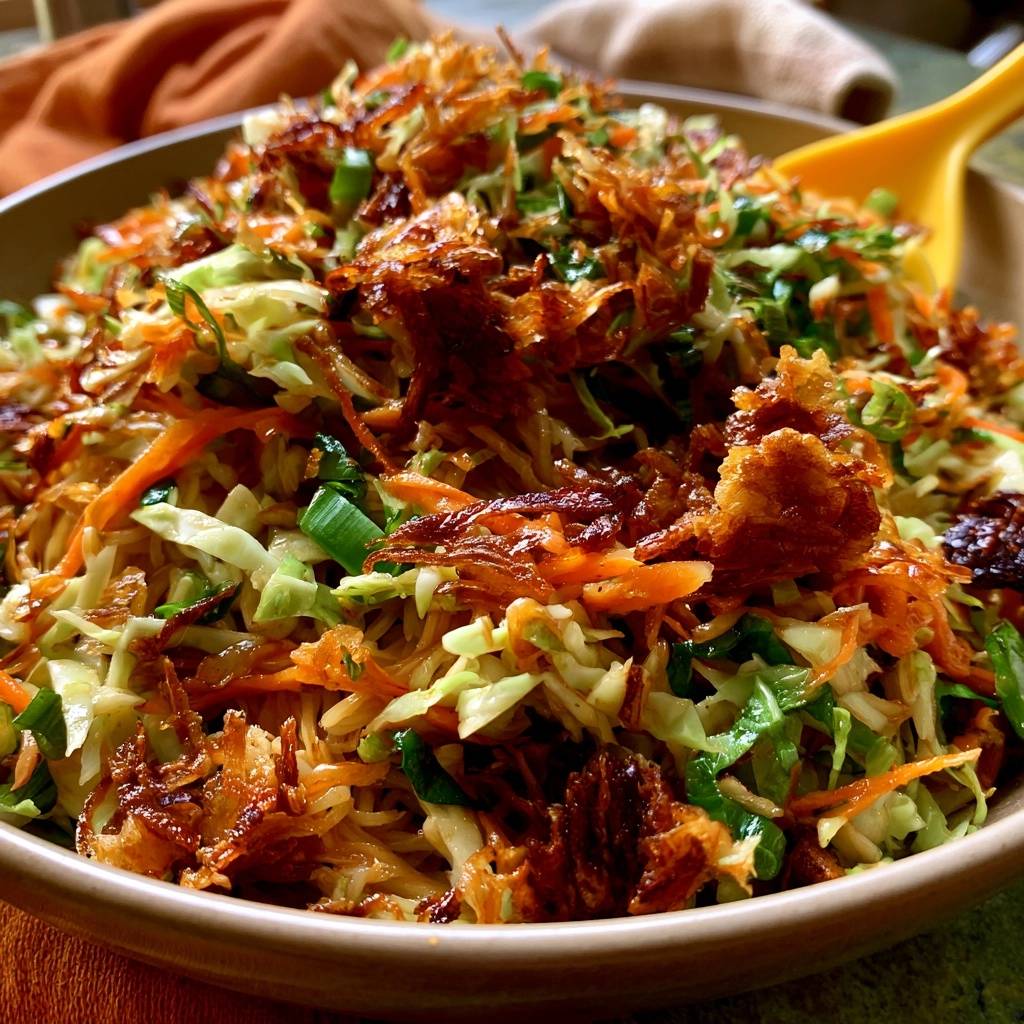
You’ve likely experienced the disappointment of a beautiful salad turning into a watery, limp mess at the bottom of the bowl within twenty minutes. It’s a common kitchen frustration that ruins potlucks and weeknight dinners alike. This recipe provides a technical solution to that “soggy bottom” syndrome, ensuring every bite stays vibrant and firm.
The secret lies in managing the high water content of raw vegetables while balancing a punchy flavor profile of umami, acidity, and sweetness. By treating the cabbage as a structural component rather than just a chopped vegetable, we create a base that holds its own against a bold dressing. It’s the perfect marriage of science and flavor that results in a restaurant-quality side dish.
I’ve found that the real trick to professional-grade slaw isn’t just the ingredients, but the moisture extraction. If you skip the salting step, the salt in your dressing will pull water out of the cabbage cells while it sits on the table, diluting your sauce and wilting the greens. Taking fifteen minutes to “sweat” the vegetables ensures your dressing clings to the slaw instead of sliding into a puddle.
The Science of the Anti-Soggy Technique
To understand why this method works, we have to look at osmosis. Cabbage is roughly 90% water, held within rigid cell walls. When you sprinkle salt over shredded cabbage, it creates a high concentration of solutes on the outside of the vegetable. This forces the water inside the cells to move through the cell membranes to balance the concentration, effectively “deflating” the cabbage slightly without losing its snap.
Traditional coleslaw methods often involve mixing raw cabbage directly with a heavy mayonnaise or vinegar dressing. Within minutes, the salt and sugar in those dressings begin to draw out moisture, which is why you often find a pool of liquid at the bottom of the container the next day. By pre-salting and draining, we remove that excess water before the dressing ever touches the greens.
This technique transforms the texture from a brittle, watery crunch to a flexible, dense “al dente” bite. The cabbage becomes seasoned from the inside out, and the cell walls become more permeable to the flavors of the sesame oil and soy sauce. It’s a small investment of time that yields a massive return in structural integrity and flavor depth.

Why Cabbage Texture Changes Over Time
Green cabbage is particularly sturdy, but its high water volume makes it a liability in dressed salads. Red cabbage offers a similar crunch but can sometimes bleed color into the other ingredients. By using the salt-and-drain method, you stabilize the green cabbage so it maintains its shelf life for hours rather than minutes.
Essential Components for Crispy Asian Cabbage Slaw
The success of this slaw depends on the quality of your fats and acids. I recommend using a neutral oil like grapeseed or canola as the primary base. These oils have a clean finish that allows the toasted sesame oil to take center stage without making the dish feel heavy or greasy on the palate.
Honey acts as more than just a sweetener here; it’s a natural emulsifier. It helps bind the rice vinegar and oils together into a creamy, stable vinaigrette that coats the cabbage evenly. Rice vinegar provides a softer, more nuanced acidity than white distilled vinegar, which can sometimes be too harsh for delicate greens.
Don’t skimp on the soy sauce, as it provides the essential salt and umami that rounds out the honey’s sweetness. When these ingredients hit the dry, pre-treated cabbage, they are absorbed quickly, creating a deep flavor profile that tastes like it’s been marinating for hours, even if you just tossed it together.
Selecting the Best Cabbage and Carrots
When shopping, look for cabbage heads that feel heavy for their size and have tightly packed leaves. A dense head means more moisture-rich leaves that will respond well to the salting process. Avoid any heads with brown spots or leaves that feel papery or hollow.
For the carrots, I always suggest julienning them by hand or using a mandoline rather than a box grater. Grating carrots tends to crush the fibers, releasing too much juice and creating a mushy texture. Hand-cut matchsticks provide a satisfying “snap” that mirrors the texture of the shredded cabbage.
The Role of Aromatics: Cilantro and Scallions
Fresh herbs provide a necessary “lift” to the savory notes of soy and sesame. Scallions add a mild, peppery bite that isn’t as overwhelming as raw onions. If you’re one of those people for whom cilantro tastes like soap, don’t worry. You can easily swap it for fresh mint or Thai basil to keep that bright, herbaceous finish.
Step-by-Step: Preparing the Vegetable Base
Start by shredding your cabbage as thinly as possible. Once it’s in the colander with the carrots, toss it with the salt and let it sit. You’ll notice after about 15 minutes that the vegetables look slightly glossy and the volume in the colander has shrunk. This is exactly what you want to see.
The tactile change is the best indicator of success. After you’ve squeezed the vegetables dry, they should feel like damp parchment paper. They shouldn’t be limp like cooked noodles, but they should no longer be stiff and brittle. This “wilted but firm” state is the secret to a professional slaw texture.
Rinsing and Drying for Maximum Crunch
It’s vital to give the salted vegetables a quick rinse under cold water. You want to wash away the surface salt so the final dish isn’t over-seasoned. Once rinsed, the drying process is the most important step. I like to pile the vegetables into a clean kitchen towel, gather the corners, and wring it out with all my might.
Whisking the Umami-Rich Sesame Dressing
To get a perfectly emulsified dressing, whisk your vinegar, honey, and soy sauce first. Once the honey is fully dissolved, slowly drizzle in the neutral oil and sesame oil while whisking vigorously. This creates a stable suspension that won’t separate the moment it hits the bowl.
A well-emulsified dressing has a slightly thickened, silky appearance. It should cling to the back of a spoon. This ensures that every strand of cabbage is coated in flavor, rather than the oil simply sliding off the vegetables and pooling at the bottom of your serving dish.
Adjusting Heat and Sweetness Levels
If you like a bit of a kick, the red pepper flakes are your best friend. You can also add a teaspoon of freshly grated ginger or a small amount of garlic paste to the dressing. These aromatics add a sharper bite that cuts through the richness of the sesame oil beautifully.
The Final Layer: Adding Crispy Elements
The “crispy” in the title comes from the fried onions or shallots added at the very end. These are highly susceptible to moisture. If you mix them in too early, they will absorb the dressing and turn soft. Pile them high on top of the slaw and only toss them in right as you are putting the bowl on the table.
This creates a fantastic textural contrast. You get the dense, seasoned crunch of the treated cabbage followed by the light, airy, oil-fried crunch of the onions. It’s this layering of different textures that makes the dish feel sophisticated and keeps people coming back for second helpings.
Flavor Variations and Ingredient Swaps
This recipe is incredibly versatile. You can add shelled edamame for a boost of plant-based protein, which makes the slaw hearty enough for a light lunch. Sliced almonds or toasted peanuts can provide a different type of earthy crunch if you want to move away from fried onions.
For a winter version, try swapping half of the cabbage for shredded kale. Since kale is even heartier than cabbage, it stands up beautifully to the salting technique. You can also add thinly sliced bell peppers or radishes for extra color and a peppery snap.
Pairing Suggestions for a Complete Meal
This slaw is a natural partner for rich, fatty main courses. The high acidity and bright ginger-sesame notes cut right through the weight of grilled salmon or glazed chicken thighs. It’s also a fantastic topping for pulled beef sliders or inside a crispy tofu wrap.
If you’re hosting a barbecue, this serves as a refreshing alternative to the standard creamy coleslaw. It cleanses the palate between bites of smoky meats. It also pairs wonderfully with any dish featuring a sweet soy glaze, as it echoes those flavors while providing a much-needed textural break.
Troubleshooting Common Slaw Issues
If your slaw ends up too salty, you likely didn’t rinse the cabbage thoroughly enough after the salting step. You can fix this by adding a little more honey and a splash of rice vinegar to balance the flavors. If it’s still too watery, it means the vegetables weren’t squeezed dry enough before dressing.
To revive leftovers the next day, you might find the crispy onions have softened. Simply top the remaining slaw with a fresh handful of fried onions or toasted seeds. The cabbage itself should still be remarkably firm thanks to the pre-treatment, unlike traditional slaws that turn to mush overnight.
How to Prep Ahead Without Losing Texture
You can easily prep this dish 24 hours in advance. Salt, rinse, and dry your cabbage and carrots, then store them in an airtight container in the fridge. Keep the dressing in a separate jar. When you’re ready to serve, it takes less than five minutes to toss everything together and add your crispy toppings.
How should I store leftovers and will they stay crunchy?
Store any leftover slaw in an airtight container in the refrigerator for up to 2 days. While the cabbage will remain surprisingly firm due to the salting technique, the crispy fried onions will lose their crunch once they sit in the dressing. For the best experience, store the dressed cabbage and the crispy onions separately if you know you’ll have leftovers. Do not freeze this dish, as the cabbage will become mushy and the dressing will separate upon thawing.
Why did my slaw turn out too salty?
The most common reason for an oversalted slaw is skipping the rinse step after salting the cabbage. The salt’s job is to draw out water, not necessarily to season the entire dish. Always rinse the cabbage and carrots under cold water for a few seconds to remove the excess surface salt before wringing them dry. If it’s already mixed and too salty, add a squeeze of lime juice or an extra teaspoon of honey to help neutralize the saltiness.
Can I use a different sweetener instead of honey?
Yes, you can easily substitute the honey with maple syrup or agave nectar. Both of these options keep the recipe vegan-friendly and provide the necessary sugar to balance the acidity of the rice vinegar. Avoid using granulated sugar if possible, as it may not dissolve fully in the cold dressing, resulting in a gritty texture. If you must use sugar, whisk it with the vinegar first until completely dissolved before adding the oils.
What can I use if I don’t have rice vinegar?
If you’re out of rice vinegar, apple cider vinegar is the best substitute. It has a similar mild fruitiness and a manageable acidity level. White wine vinegar also works well. Avoid using standard white distilled vinegar if you can, as it is much more aggressive and can overpower the delicate toasted sesame oil. If you use a stronger vinegar, you may need to add a tiny bit more honey to keep the flavors balanced.
My dressing is separating and won’t stick to the cabbage. What happened?
This usually happens if the oil was added too quickly to the vinegar or if the cabbage was still too wet. To fix the dressing, try whisking it vigorously in a separate jar before pouring it over. To ensure it sticks, make sure you’ve used the “kitchen towel wring” method to get the cabbage as dry as possible. Water on the surface of the vegetables will repel the oil in the dressing, causing it to slide off and pool at the bottom.

Crispy Asian Cabbage Slaw
Course: Side DishCuisine: Asian FusionDifficulty: easy6
servings15
minutes5
minutes20
Minutes165
kcalAsian Fusion
Ingredients
1 small head green cabbage, shredded
2 large carrots, julienned or grated
3 green onions, thinly sliced
1/2 cup fresh cilantro, chopped
1 1/2 cups crispy fried onions or shallots (store-bought or homemade)
1/4 cup rice vinegar
2 tablespoons soy sauce
1 tablespoon honey
1 tablespoon neutral oil (canola or grapeseed)
1 teaspoon toasted sesame oil
1/2 teaspoon salt (for draining)
1/2 teaspoon red pepper flakes (optional)
Directions
- The Secret to No More Soggy Slaw: Place your shredded cabbage and carrots in a large colander. Sprinkle with 1/2 teaspoon of salt and toss well. Let this sit over a bowl or sink for 15-20 minutes. The salt draws out the excess moisture that usually thins out your dressing and makes the salad watery.
- After the time has elapsed, rinse the vegetables quickly under cold water to remove excess salt, then squeeze them firmly in a clean kitchen towel or use a salad spinner to remove as much water as possible. They should feel dry to the touch.
- In a small jar or bowl, whisk together the rice vinegar, soy sauce, honey, neutral oil, and toasted sesame oil until the honey is fully dissolved and the dressing is emulsified.
- Place the dried cabbage, carrots, sliced green onions, and cilantro into a large mixing bowl.
- Pour the dressing over the vegetables and toss thoroughly to coat every strand.
- Just before serving, top the slaw with a generous layer of crispy fried onions. As shown in the image, these should be piled high on top. Do not mix them in until the very last second to ensure they maintain their maximum crunch against the dressed vegetables. Serve immediately.
Notes
- Do not mix the crispy fried onions in until the very last second to ensure they maintain their maximum crunch against the dressed vegetables.