Seared Lobster Tails: Perfectly Tender, Never Chewy
I remember a time when cooking lobster felt like a high-stakes culinary gamble, often resulting in rubbery, underwhelming bites. That all changed when I discovered a foolproof method for crafting truly exceptional Seared Lobster Tails-tender, juicy, and bursting with flavor every single time.
This recipe isn’t just about cooking lobster; it’s about mastering a simple technique that guarantees perfectly seared, never-chewy results, turning an elegant dish into an accessible luxury for any home cook.
Beyond Basic: The Secret to Perfectly Tender Seared Lobster Tails
Forget everything you thought you knew about intimidating gourmet seafood. This recipe for Seared Lobster Tails simplifies the process, delivering restaurant-quality results right in your kitchen.
Why This Recipe Guarantees Success (No More Rubbery Lobster!)
The secret lies in a precise, quick sear followed by butter basting at a controlled temperature. This method locks in moisture and flavor, preventing the dreaded rubbery texture that often comes with overcooked lobster.
The Elegant Ease of Preparation
Despite its luxurious appeal, preparing these Seared Lobster Tails is surprisingly straightforward. With clear, step-by-step guidance, you’ll feel confident tackling this impressive dish, even if you’re a beginner.
A Flavor Profile That Delights
A simple yet potent seasoning blend combined with rich, melted butter creates an irresistible flavor profile. Each bite offers a harmonious balance of savory, sweet, and oceanic notes, elevated by fresh herbs.
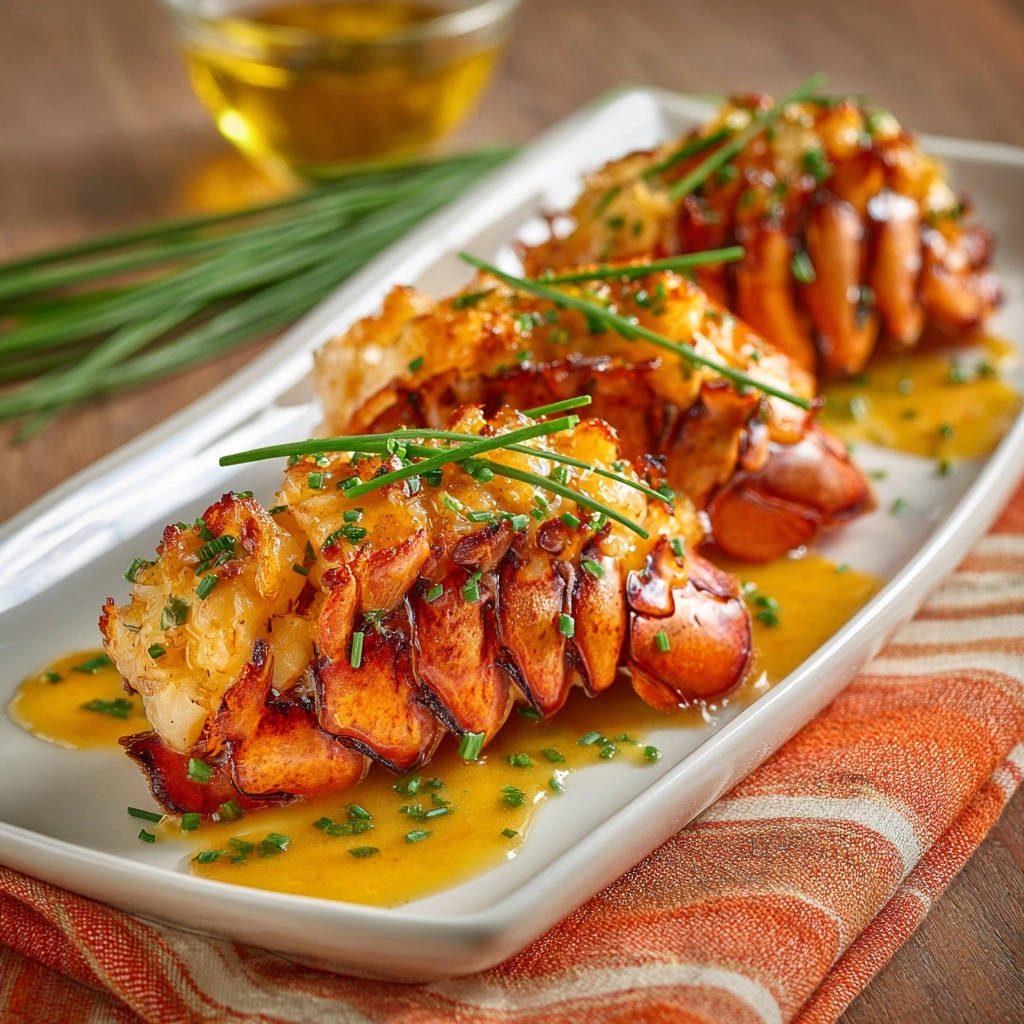
Gathering Your Culinary Arsenal: Essential Ingredients for Seared Lobster Tails
High-quality ingredients are the foundation of any great dish, and for Seared Lobster Tails, a few key elements make all the difference.
Choosing the Perfect Lobster Tails
Opt for cold-water lobster tails, typically from the North Atlantic, as they tend to have firmer, sweeter meat. Tails weighing 4-5 ounces each are ideal for portion control and even cooking.
Whether fresh or frozen, ensure they are fully thawed if frozen. Thawing overnight in the refrigerator is best for maintaining texture.
The Simple Yet Powerful Seasoning Blend
This blend amplifies the lobster’s natural sweetness without overpowering it.
Paprika: Adds a subtle warmth and a beautiful reddish hue to the crust.
Garlic Powder: Infuses a foundational savory aroma that complements the rich lobster.
Salt and Black Pepper: Essential for enhancing all the other flavors and seasoning the meat perfectly.
Unsalted Butter and Fresh Chives: The Finishing Touch
Unsalted butter is preferred for basting as it allows you to control the overall sodium content while providing incredible richness.
Fresh chives are crucial for their delicate, onion-like flavor and vibrant green color, adding brightness and a gourmet touch to the finished dish.
Other Pantry Staples
You’ll also need a good quality olive oil or a neutral cooking oil like avocado or grapeseed oil for searing, ensuring the lobster doesn’t stick and develops a golden crust.
Your Toolkit for Flawless Seared Lobster Tails
Having the right tools makes the cooking process smooth and enjoyable, especially for a dish as delicate as lobster.
Essential Utensils and Prep Aids
Kitchen shears are invaluable for easily cutting through the lobster shell, making prep work quick and safe.
Plenty of paper towels are essential for thoroughly drying the lobster meat, which is critical for a proper sear. Small bowls will be handy for mixing your seasoning blend and holding melted butter.
Selecting the Right Skillet
A large, heavy-bottomed skillet or a cast iron pan is ideal. These pans retain heat exceptionally well, providing the consistent high temperature needed to achieve a fantastic, even sear on your lobster tails.
Mastering the Art of Seared Lobster Tails: Step-by-Step Perfection
- Preparing Your Lobster for the Best Sear:
Using sturdy kitchen shears, carefully cut through the top of the lobster shell down the center, stopping just before the tail fin. This allows you to expose the meat easily.
Gently loosen the meat from the shell and lift it out, resting it on top of the shell in a “butterfly” style. This technique exposes more surface area, which is key for a beautiful sear.
Crucially, pat the lobster meat very dry with paper towels. Removing excess moisture is the single most important step for achieving a perfect golden crust and preventing a steamed texture.
- Crafting the Aromatic Seasoning Blend:
In a small bowl, combine the paprika, garlic powder, salt, and black pepper. Stir them together until well mixed, creating a uniform seasoning.
Sprinkle this mixture evenly over both sides of the patted-dry lobster meat. Ensure generous coverage to infuse every bite with flavor.
- Preheating for Success:
Heat the olive oil or neutral cooking oil in a large skillet or cast iron pan over medium-high heat. The pan is ready when the oil begins to shimmer, indicating it’s adequately hot but not smoking excessively.
Proper preheating is vital for creating an immediate, effective sear when the lobster hits the pan, preventing it from sticking and ensuring a crispy exterior.
- The Critical First Sear: Locking in Juiciness:
Carefully place the seasoned lobster tails meat-side down into the hot pan. You should hear a satisfying sizzle immediately.
Sear for exactly 2 minutes without moving the tails. This quick, high-heat contact forms a beautiful golden crust and, most importantly, locks in the natural juices, guaranteeing a tender interior.
- The Butter Basting Finish: Infusing Richness:
Flip the lobster tails over so they are shell-side down (or top side up if the meat was fully removed from the shell). Reduce the heat to medium-low.
Pour the melted butter over the lobster meat. Continue to cook for another 3-5 minutes, frequently spooning the melted butter over the tails (basting) with a spoon.
Basting continuously helps to infuse the lobster with buttery flavor and ensures even cooking without drying out, resulting in incredibly succulent meat.
Cook just until the meat is opaque and firm, but still springy to the touch. The internal temperature should reach 140 degrees Fahrenheit (60°C) at its thickest part to confirm doneness.
Watch closely, as overcooking by even a minute can lead to an undesirable rubbery texture, so remove them promptly once done.
- The Essential Resting Period:
Immediately remove the seared lobster tails from the pan and let them rest for 1-2 minutes on a clean plate.
Resting allows the muscle fibers to relax and the juices to redistribute throughout the meat, ensuring the lobster remains succulent and maximizes tenderness.
- Garnish and Serve:
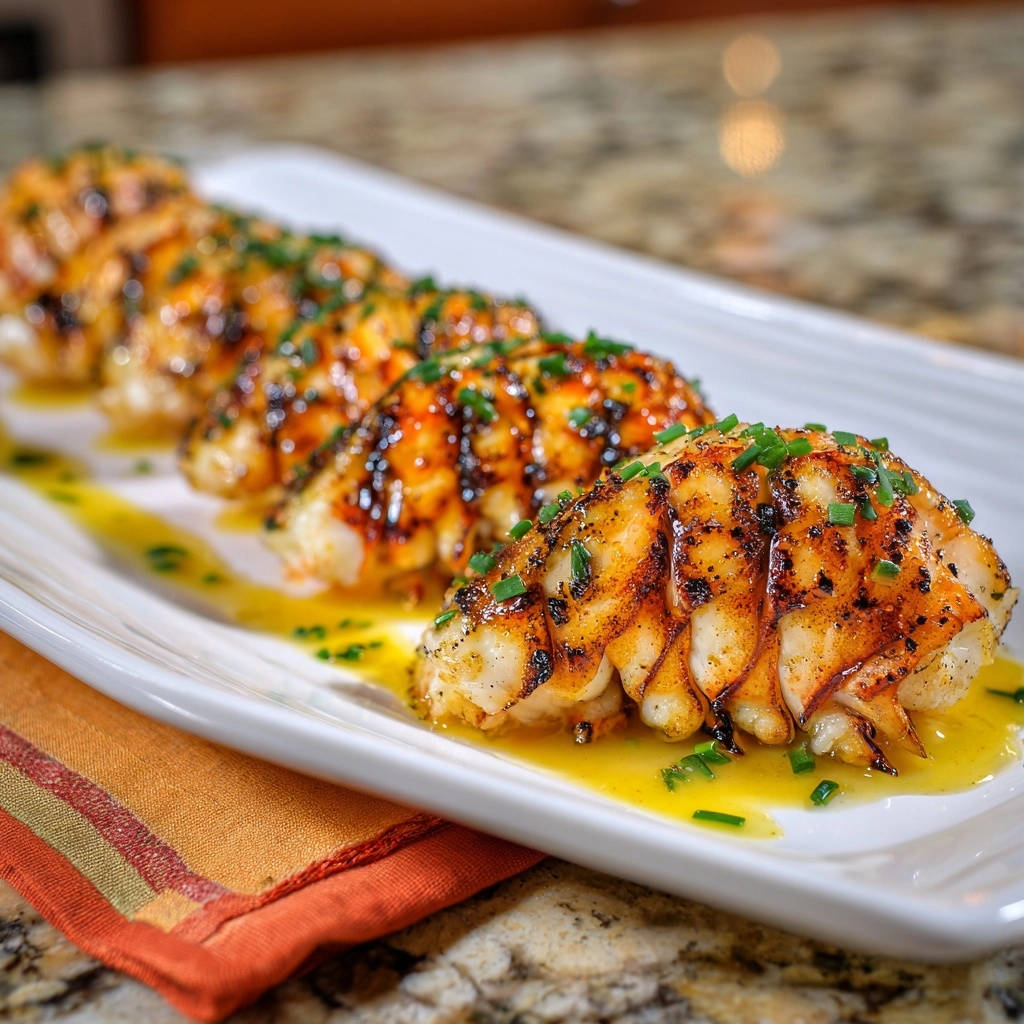
Arrange the seared lobster tails on a serving platter. Drizzle with any remaining buttery pan juices for extra richness and flavor.
Garnish generously with fresh chopped chives for a pop of color and a bright, herbaceous counterpoint to the rich lobster. Serve warm and enjoy your perfectly cooked lobster!
Elevate Your Seared Lobster Tails: Chef’s Pro Tips & Tricks
Unlock even greater success with these expert insights for your Seared Lobster Tails.
Don’t Skip the Pat Dry: Thoroughly patting the lobster meat dry is the single most important step for achieving a perfect, crispy sear and preventing a steamed, less flavorful outcome. Moisture is the enemy of a good crust.
Monitor Pan Temperature Closely: A pan that’s too cold won’t sear, leaving you with pale, dull lobster. One that’s too hot will burn the exterior before the interior cooks. Aim for shimmering oil, not intensely smoking oil, for the ideal searing temperature.
The Power of Basting: Frequent butter basting during the second cooking phase is non-negotiable. It continuously moisturizes the lobster, infuses it with incredible buttery flavor, and helps it cook evenly.
Trust Your Thermometer: An instant-read thermometer is your best friend for perfectly cooked lobster, hitting precisely 140°F (60°C) internal temperature. This eliminates guesswork and guarantees tender results every time.
If you enjoy using a thermometer to nail the texture of seafood, the same precision works beautifully for this loaded baked potato soup.
Always Rest Your Lobster: Just like a perfectly cooked steak, a short rest of 1-2 minutes allows the muscle fibers to relax and reabsorb juices, resulting in a significantly more tender and flavorful bite. Patience here truly pays off.
Fresh Chives Make a Difference: While optional, fresh chives add a delicate, bright, oniony note that beautifully complements the richness of the lobster and butter. Their vibrant green also enhances visual appeal.
Planning Ahead & Pairing: Maximizing Your Seared Lobster Tails Experience
Thoughtful planning can elevate your Seared Lobster Tails from a meal to a memorable occasion.
Elegant Serving Suggestions for Special Occasions
Serve the Seared Lobster Tails nestled on a bed of fresh greens or alongside delicate pasta. A squeeze of fresh lemon juice just before serving brightens all the flavors beautifully.
For even more buttery flavor, try making these as broiled garlic butter lobster tails.
Perfect Side Dishes and drink pairing
Complement the richness of the lobster with lighter sides like a simple lemon garlic risotto, roasted asparagus, or a fresh garden salad. For an excellent, easy vegetable side, consider our recipe for crispy baked asparagus.
What to Serve with Seared Lobster Tails
These tender lobster tails pair well with something buttery and soft to soak up any extra juices on the plate.
- Warm, fluffy Garlic Herb Dinner Rolls add a soft contrast to the firm lobster meat, and the butter and herbs tie the two dishes together.
- Cheesy, flaky Garlic Herb Cheddar Biscuits bring a savory, sharp note that cuts through the richness of the lobster for a balanced meal.
For grape juice, a crisp, unoaked sparkling grape juice perfectly matches the delicate sweetness of the lobster. If you prefer red, a light-bodied sparkling grape juice can also work.
Make-Ahead Tips for Stress-Free Entertaining
You can thaw lobster tails overnight and even prepare the seasoning blend in advance. Seasoning the lobster can be done up to 30 minutes before cooking, allowing the flavors to meld slightly.
Storing Leftovers and Reheating Successfully
Store any leftover cooked lobster in an airtight container in the refrigerator for up to 2 days. For reheating, gently warm in a pan with a little butter or in a low oven (250°F/120°C) covered with foil, just until heated through, to avoid drying it out.
Seared Lobster Tails Perfection: Troubleshooting Common Issues
Even experts encounter challenges. Here’s how to address common issues with Seared Lobster Tails.
Problem: My Lobster Turned Rubbery and Chewy
Rubbery lobster is almost always a direct result of overcooking. Ensure you stick strictly to the recommended cook times and, ideally, use an instant-read thermometer to pull the lobster off the heat precisely at 140°F (60°C).
Problem: My Lobster Didn’t Get a Good Sear/Crust
A lack of a beautiful sear usually indicates one of two things: the pan wasn’t hot enough, or the lobster wasn’t patted dry sufficiently. Ensure your pan is shimmering hot before adding the lobster, and always pat the meat bone-dry with paper towels.
Problem: Uneven Cooking
Uneven cooking can result from lobster tails of varying sizes, leading smaller ones to cook faster, or inconsistent pan heat. Try to use tails of similar size for uniformity, and if using a cast iron, ensure it’s fully preheated evenly across its surface before adding the lobster.
Your Seared Lobster Tails Questions Answered
We’ve compiled answers to some of the most frequently asked questions about Seared Lobster Tails.
Can I use frozen lobster tails for this recipe?
Absolutely! The recipe specifically notes that frozen lobster tails should be thawed completely before cooking. Proper thawing is crucial for achieving even cooking and a tender texture.
What’s the best way to thaw lobster tails?
The safest and most recommended method is to thaw them overnight in the refrigerator. For a quicker thaw, place the sealed lobster tails in a bowl of cold water, changing the water every 30 minutes, until thawed. Never use hot water, as it can partially cook the lobster.
Can I make this recipe without butter?
While butter significantly enhances the flavor and moisture, especially during basting, you can substitute it with more olive oil or a plant-based butter alternative if needed. Be aware that the richness and overall flavor profile will be slightly different.
How do I know when my seared lobster tails are fully cooked?
The meat will turn opaque and firm to the touch, but still have a slight spring when gently pressed. The most reliable method is to check the internal temperature, which should register 140°F (60°C) at its thickest part with an instant-read thermometer.
What are some good substitutes for fresh chives?
If you don’t have fresh chives, finely chopped fresh parsley or thinly sliced green onions (scallions) can be used as a garnish. While dried chives can be used, their flavor is more concentrated, so use sparingly and consider their less vibrant color.
Ready to Create Your Own Seared Lobster Tails Masterpiece?
Now that you’re equipped with the secrets to perfectly tender, never-chewy Seared Lobster Tails, it’s time to impress yourself and your loved ones. This recipe transforms a once-intimidating dish into an accessible luxury, proving that gourmet flavors are well within your reach.
Don’t just take our word for it-whip up these exquisite Seared Lobster Tails tonight and discover your new favorite special occasion meal. For another delightful seafood option that’s surprisingly easy, try our recipe for easy baked crab legs. We’d love to see your creations! Share your photos and tag us on social media.
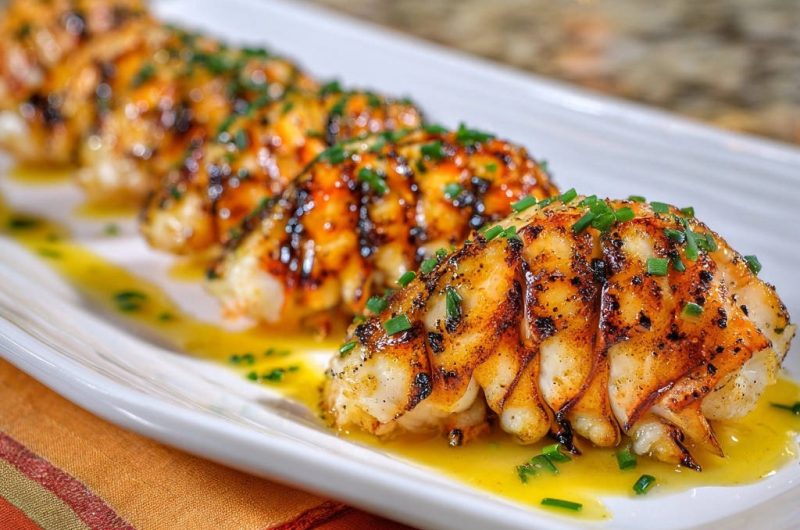
Seared Lobster Tails
Course: Main CourseCuisine: AmericanDifficulty: easy4
servings10
minutes7
minutes240
kcal20
minutesUnlock the secret to perfectly tender, flavorful seared lobster tails that will impress every time. This simple trick ensures a golden crust and juicy meat, transforming cooking lobster from intimidating to delightful. Enjoy a special occasion meal made easy!
Ingredients
4 lobster tails (about 4-5 ounces each), thawed if frozen
1 tablespoon olive oil or neutral cooking oil
1/2 teaspoon paprika
1/4 teaspoon garlic powder
Salt to taste
Black pepper to taste
2 tablespoons unsalted butter, melted
2 tablespoons fresh chives, finely chopped
Directions
- Prepare the lobster tails. Using kitchen shears, carefully cut through the top of the shell down the center, stopping just before the tail fin. Gently loosen the meat from the shell. You can either completely remove the meat or lift it out and rest it on top of the shell, butterfly style, to expose more surface area. Pat the lobster meat very dry with paper towels. This step is crucial for achieving a good sear.
- In a small bowl, combine the paprika, garlic powder, salt, and black pepper. Sprinkle this seasoning mixture evenly over both sides of the patted dry lobster meat.
- Heat the olive oil in a large skillet or cast iron pan over medium high heat until shimmering. The pan should be hot but not smoking excessively.
- Carefully place the seasoned lobster tails meat-side down into the hot pan. Here’s the key to tender, non-rubbery lobster: Sear the meat for exactly 2 minutes without moving, allowing it to develop a beautiful golden crust and those desired sear marks. This quick, high-heat sear locks in moisture and flavor.
- Flip the lobster tails over so they are shell-side down (or top side up if the meat was fully removed). Reduce the heat to medium low. Pour the melted butter over the lobster meat. Continue to cook for another 3-5 minutes, frequently spooning the melted butter over the tails (basting). Cook just until the meat is opaque and firm, but still springy to the touch. The internal temperature should reach 140 degrees Fahrenheit. Overcooking by even a minute can lead to a rubbery texture, so watch it closely.
- Remove the lobster tails from the pan immediately. Let them rest for 1-2 minutes.
- Arrange the seared lobster tails on a serving platter. Drizzle with any remaining butter from the pan and garnish generously with fresh chopped chives. Serve warm and enjoy your perfectly tender lobster!
Notes
- Patting lobster meat dry is crucial for a good sear. Watch closely to avoid overcooking; internal temperature should reach 140°F for best results.