Ultimate Beef Ragu with Creamy Polenta: Fall-Apart Tender Every Time
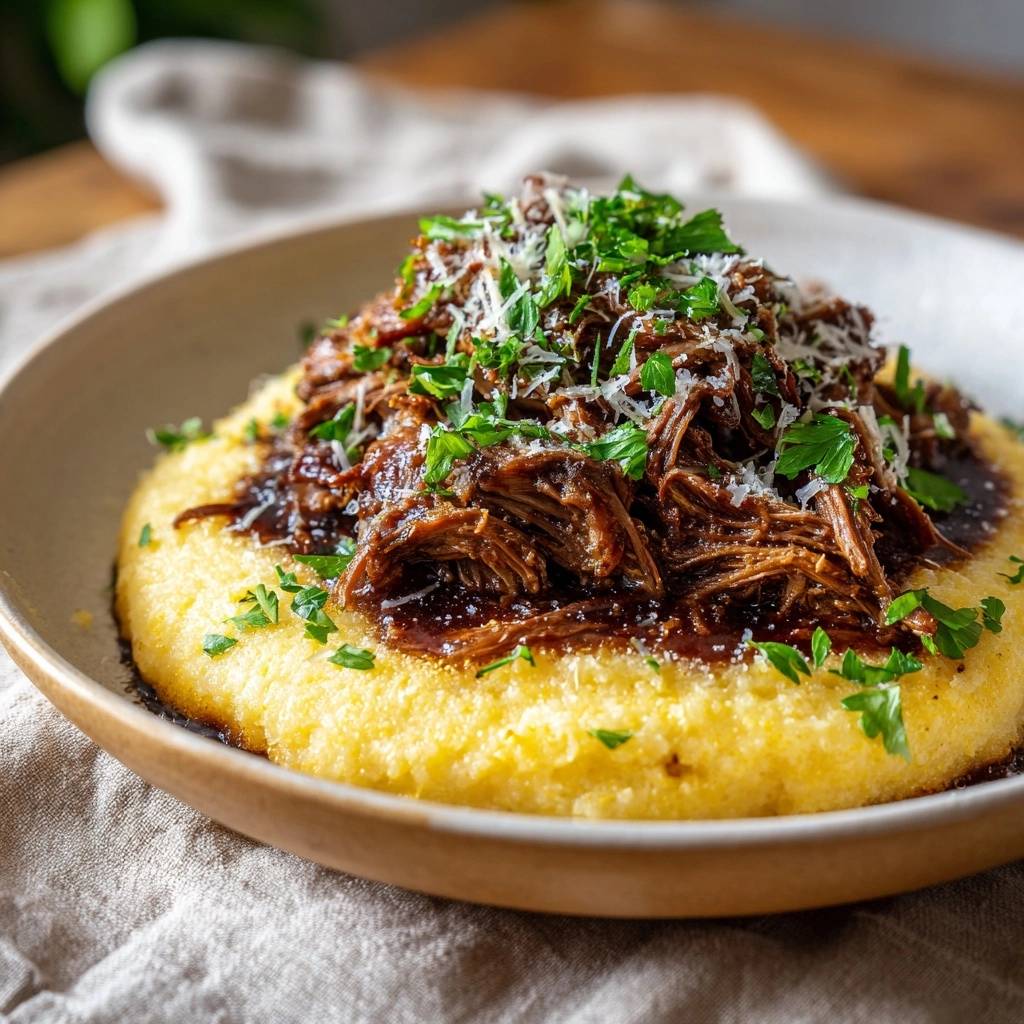
There’s a certain magic in a slow-cooked meal, especially when it delivers on the promise of melt-in-your-mouth perfection. I’ve spent years perfecting the art of braised meats, and this recipe for Ultimate Beef Ragu with Creamy Polenta is the culmination of that journey, ensuring fall-apart tender beef every single time.
Forget dry, tough beef; this dish is your foolproof guide to a rich, deeply flavorful ragu nestled over impossibly creamy, velvety polenta. It’s an impressive, comforting meal that brings warmth and satisfaction to any table, proving that gourmet taste can be surprisingly achievable.
Why This Ultimate Beef Ragu with Creamy Polenta Will Become Your Signature Dish
The Secret to Unrivaled Tenderness
The beauty of this ultimate beef ragu lies in its patient, low-and-slow cooking method, which transforms an often-challenging cut into pure silk. Our technique specifically targets the breakdown of tough connective tissues, ensuring your beef chuck roast is so tender it literally shreds with a fork, dispelling any fear of dry, stringy meat.
A Sauce That Sings with Flavor
This isn’t just a sauce; it’s a symphony of robust flavors meticulously built layer by layer. From the deep caramelization achieved by searing the beef, to the aromatic soffritto and concentrated tomato paste, every element contributes to a ragu that’s rich, complex, and intensely savory.
Dreamy, Creamy Polenta: The Perfect Canvas
Our creamy polenta is designed to be the perfect counterpoint to the hearty ragu, offering a smooth, velvety texture that’s never gummy. We’ll guide you through achieving that ideal consistency, ensuring a delicate balance that perfectly captures every drop of the rich beef ragu sauce.
An Impressive Meal, Surprisingly Accessible
While the depth of flavor suggests hours of intricate work, this ultimate beef ragu with creamy polenta is surprisingly straightforward for the home cook. It’s a dish that commands attention and leaves a lasting impression, yet the steps are clear, manageable, and highly rewarding.
If you love the deep, slow-cooked flavors here, this hearty beef and corn chili is another great way to use ground meat.
The Building Blocks: Ingredients for Your Ultimate Beef Ragu
For the Rich, Hearty Ragu
Beef Chuck Roast: This is the star, chosen for its generous marbling and abundant connective tissue, which breaks down beautifully during slow braising for ultimate tenderness.
Trimming excess fat is important for a cleaner, richer sauce without greasiness.
Olive Oil: Essential for achieving a deep, flavorful sear on the beef, which locks in initial flavor.
Aromatics (Onion, Carrots, Celery, Garlic): The classic “soffritto” base, these vegetables slowly cook down, releasing sweet, savory notes that build the foundation of the ragu’s complexity.
Tomato Paste: A small but mighty ingredient, cooking it until it darkens concentrates its umami depth, giving the sauce a rich, almost sweet tomato backbone.
Unsalted Beef Broth: This provides the crucial braising liquid and flavor. Opt for unsalted to control the final seasoning precisely.
Dried Thyme & Bay Leaf: These herbs infuse the sauce with classic, earthy notes that complement the beef beautifully.
Salt and Freshly Ground Black Pepper: Crucial for seasoning throughout, bringing out and balancing all the flavors.
Crafting Velvety Polenta
Medium-Grind Polenta (Corn Grits): This specific grind provides the ideal balance for a creamy yet toothsome texture, avoiding the quick-cooking mushiness or the long cooking time of coarser varieties.
Water or Vegetable Broth: The liquid base for the polenta. Broth adds another layer of subtle flavor compared to plain water.
Unsalted Butter: Essential for enriching the polenta, providing a luxurious mouthfeel and velvety finish.
Grated Parmesan Cheese: Stirred in at the end, it adds a salty, umami depth and enhances the polenta’s creamy texture.
Fresh Parsley: A bright, fresh garnish that adds a pop of color and herbaceous note to the finished dish.
Essential Tools for Braising Brilliance
The Indispensable Dutch Oven
A heavy-bottomed Dutch oven is truly non-negotiable for this ultimate beef ragu. Its superior heat retention and distribution ensure an even, consistent simmer throughout the long braising process.
This prevents hot spots that could dry out the beef, allowing for perfect caramelization during searing and gentle, even cooking in the oven.
Polenta Pan Picks
For the creamy polenta, a sturdy medium saucepan with a heavy bottom is ideal. This helps distribute heat evenly and prevents sticking as the polenta thickens.
A strong whisk is also critical for smoothly incorporating the polenta into the liquid, preventing lumps and achieving that desirable velvety texture.
Mastering the Method: Your Step-by-Step Ragu & Polenta Guide
- Prepare and Season the Beef for Searing:
Pat the beef chuck roast pieces very dry with paper towels. This is a critical step for developing a deep, flavorful crust.
Season generously all over with salt and black pepper to enhance the final taste.
- Sear for Deep Flavor and Tenderness:
Heat olive oil in your Dutch oven over medium-high heat. Sear the beef in batches until deeply browned on all sides (5-7 minutes per side).
Deep browning caramelizes the surface, adding incredible depth of flavor and helping to lock in juices.
Remove the seared beef to a plate.
- Build the Aromatic Sauce Base:
Reduce heat to medium. Add diced onion, carrots, and celery to the pot and cook, stirring occasionally, until softened (8-10 minutes).
Stir in minced garlic and tomato paste, cooking for another 2 minutes until fragrant and the tomato paste darkens slightly, concentrating its flavor.
- Deglaze and Submerge for Braising:
Pour in 1 cup of beef broth and scrape the bottom of the pot with a wooden spoon to loosen any browned bits. This incorporates all those delicious caramelized flavors back into your sauce.
Return the seared beef to the pot. Add remaining beef broth, dried thyme, and the bay leaf. The liquid should come at least halfway up the sides of the beef; add more broth if needed.
- Slow Cook to Guaranteed Fall-Apart Perfection:
Bring the liquid to a gentle simmer on the stovetop. Cover the Dutch oven tightly and transfer it to a preheated oven at 300°F (150°C).
Cook for 3 to 3.5 hours, or until the beef is incredibly tender and easily shreds with a fork. This consistent low-and-slow cooking breaks down tough fibers, ensuring a guaranteed fall-apart texture and preventing dryness.
- Shred Beef and Refine the Rich Sauce:
Carefully remove the beef from the pot and place it on a cutting board. Discard the bay leaf.
Using two forks, easily shred the beef into tender pieces.
While the beef rests, place the pot with the remaining braising liquid back on the stovetop over medium-high heat. Bring to a vigorous simmer and cook, stirring occasionally, until the sauce has reduced and thickened to a rich, glossy consistency that beautifully coats the back of a spoon (10-20 minutes). Taste and adjust seasoning as needed.
Return the shredded beef to the pot, stirring it into the now intensely flavored and thickened sauce.
- Make the Dreamy, Creamy Polenta:
While the beef is finishing, bring 4 cups of water or vegetable broth to a boil in a medium saucepan.
Slowly whisk in the polenta in a thin stream to prevent lumps. Reduce heat to low and cook, stirring frequently, until thickened and creamy (20-25 minutes). Consistent slow whisking prevents gummy texture.
If it becomes too thick, add a splash more hot water or broth. Stir in butter, 1/2 cup Parmesan cheese, salt, and pepper until smooth and velvety.
- Serve Your Ultimate Comfort Meal:
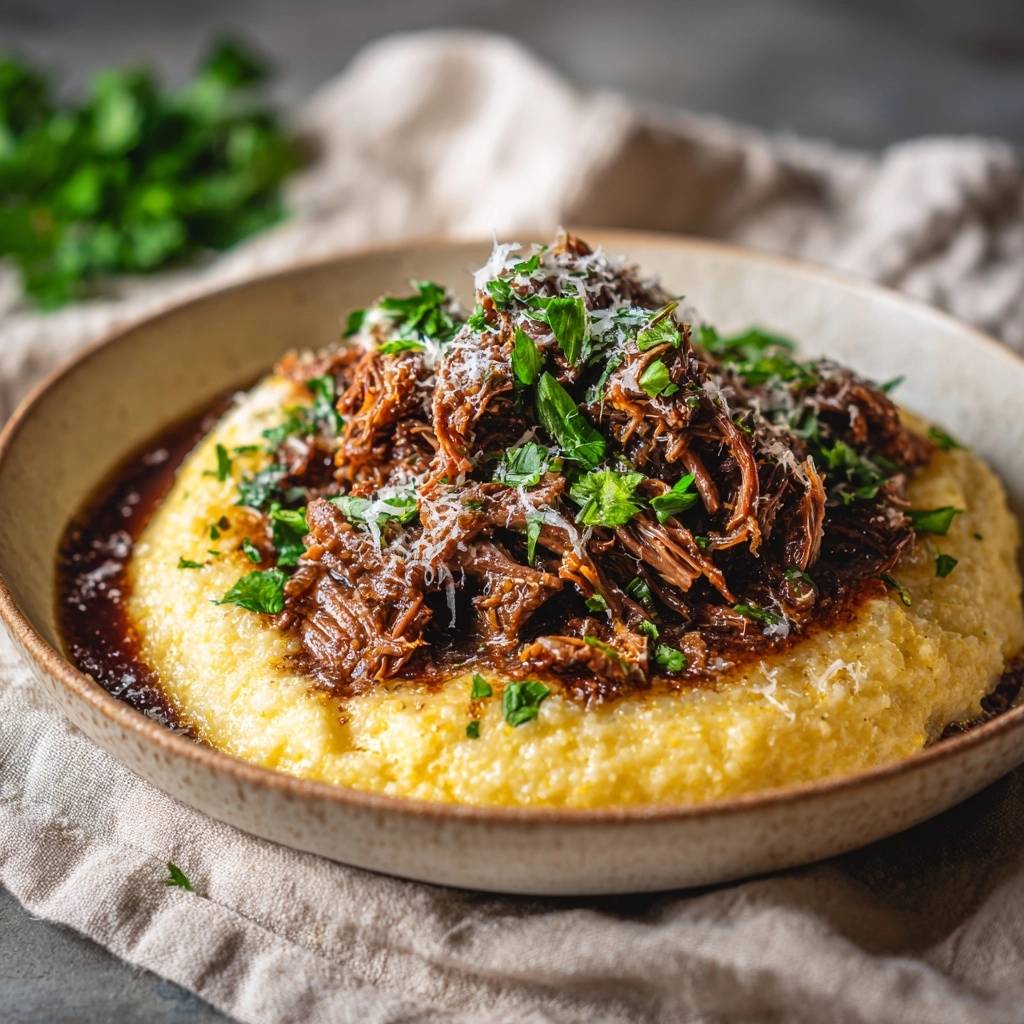
Ladle a generous portion of creamy polenta into bowls. Top generously with the tender, saucy beef ragu.
Garnish with extra grated Parmesan cheese and fresh chopped parsley. Enjoy your perfectly tender meal!
Chef’s Notes & Expert Tips for Ultimate Flavor
Choosing Your Chuck Roast Wisely
When selecting your beef chuck roast, look for good marbling – those tiny veins of fat woven through the meat. Marbling melts during braising, infusing the meat with moisture and rich flavor, crucial for tender beef ragu.
The Art of the Deep Sear
A dark, crusty sear on your beef is not just for aesthetics; it’s a non-negotiable step for flavor depth. Ensure your beef pieces are very dry before searing, and don’t overcrowd the pan, allowing them to truly brown and caramelize, not steam.
Simmering Slow for Success
The key to guaranteed tenderness is maintaining a gentle simmer throughout the braising process. A raging boil will toughen the meat and evaporate liquid too quickly, while a gentle simmer allows connective tissues to slowly break down into gelatin, creating that succulent, fall-apart texture without drying.
Preventing Polenta Pitfalls
To avoid a gummy or lumpy polenta, slowly whisk it into boiling liquid in a thin, steady stream. Continue whisking frequently as it cooks on low heat, ensuring the grains absorb liquid evenly. If it ever becomes too thick, a splash of hot liquid will bring it back to velvety perfection.
Seasoning Throughout: A Game-Changer
Seasoning isn’t a one-time event. Generously season the beef before searing, then taste and adjust the sauce base, and finally, the finished beef ragu and creamy polenta. Tasting at each stage ensures a perfectly balanced, deeply flavored dish.
Presentation Perfect: Serving Your Ultimate Comfort Meal
Classic Pairings & Creative Additions
While creamy polenta is the quintessential pairing for this ultimate beef ragu, feel free to explore other delicious options. Crusty artisan bread is perfect for soaking up every last drop of the rich sauce.
The same browning technique is key for building deep flavor in this slow-simmered beef and potato stew.
Alternatively, serve the ragu over pappardelle pasta, gnocchi, or even a simple baked potato. A light, crisp green salad tossed with a vinaigrette offers a refreshing counterpoint to the hearty dish.
Garnishing for That Extra Touch
Don’t underestimate the power of a simple garnish to elevate your meal. A sprinkle of freshly grated Parmesan cheese adds a salty, nutty finish and visual appeal.
What to Serve with Beef Ragu
This rich, slow-cooked ragu calls for something bright and crisp on the side. A simple salad can cut through the heaviness and add a fresh contrast to the creamy polenta.
- For a sweet and tangy counterpoint, try this Crispy Roasted Butternut Squash Kale Salad – the roasted squash echoes the warmth of the ragu while the kale and vinaigrette keep things light.
- If you want a peppery, earthy side, the Warm Arugula and Mushroom Salad brings sautéed mushrooms that match the beefy depth and arugula that cuts through the richness.
A handful of vibrant, fresh chopped parsley brightens the plate with color and a fresh herbaceous aroma, inviting diners to savor every bite.
Plan Ahead: Storing and Reheating Your Delicious Ragu
Make-Ahead Magic
The ultimate beef ragu is a fantastic make-ahead meal, often tasting even better the next day as the flavors meld and deepen. You can prepare the entire ragu component (steps 1-6) a day or two in advance.
The creamy polenta is best made fresh, but you can prepare it just before serving if your ragu is already ready.
Storage Solutions
Allow the beef ragu to cool completely before transferring it to airtight containers. It will keep beautifully in the refrigerator for up to 3-4 days.
For longer storage, the ragu freezes exceptionally well. Divide it into individual portions in freezer-safe containers or bags and freeze for up to 3 months. Polenta can also be frozen, though its texture is best when fresh.
Reheating for Optimal Enjoyment
To reheat the frozen ragu, thaw it overnight in the refrigerator, then gently warm on the stovetop over low heat, stirring occasionally, until heated through. Add a splash of broth or water if it seems too thick.
Refrigerated ragu can be reheated similarly. If reheating polenta, gently warm it on the stovetop with a splash of milk or broth, stirring constantly to restore its creaminess.
Solving Common Culinary Conundrums
My Ragu Isn’t Tender Enough!
If your beef ragu isn’t falling apart, it simply needs more time. Braising is a patient process, and cooking times can vary based on meat thickness and oven consistency.
Ensure your Dutch oven lid is tightly sealed to prevent moisture loss, and double-check your oven temperature; a consistent 300°F (150°C) is crucial.
Is My Sauce Too Watery or Too Thick?
If your sauce is too watery, simmer it uncovered on the stovetop over medium-high heat, stirring, until it reduces and thickens to your desired consistency. For a sauce that’s too thick, simply whisk in a splash of hot beef broth or water until it reaches the perfect coating consistency.
Help! My Polenta is Gummy/Lumpy!
Lumpy polenta usually means it was added too quickly or not whisked enough at the start. To avoid a gummy texture, ensure you’re stirring frequently throughout the cooking process.
If it’s already gummy, a little extra liquid and a vigorous whisk can sometimes help, but prevention is key: slow pouring and consistent stirring are your best defense.
Your Ultimate Beef Ragu Questions Answered
Can I use a slow cooker for the ragu?
Absolutely! This ultimate beef ragu adapts beautifully to a slow cooker. Follow steps 1-4 (searing and building the sauce base) in your Dutch oven or a separate pan, then transfer everything to your slow cooker.
Cook on low for 6-8 hours or on high for 3-4 hours, until the beef is fall-apart tender. Finish by shredding the beef and reducing the sauce on the stovetop as directed.
What’s the best type of polenta to use?
For this recipe, we recommend a medium-grind polenta or corn grits. Fine-grind polenta cooks faster but can become mushy, while coarse-grind takes much longer and can be quite granular.
Medium-grind strikes the perfect balance, yielding a creamy yet substantial texture that’s ideal for pairing with the rich ragu.
Can this ragu be frozen?
Yes, this ultimate beef ragu freezes exceptionally well! Allow the ragu to cool completely, then transfer it to freezer-safe containers or heavy-duty freezer bags.
It can be frozen for up to 3 months. Thaw overnight in the refrigerator before reheating gently on the stovetop.
What are the best drink pairing?
A rich, hearty dish like ultimate beef ragu with creamy polenta calls for a red grape juice. Excellent choices include a sparkling grape juice (like sparkling grape juice Classico or Brunello di Montalcino), a Nebbiolo (Barolo or Barbaresco), or a robust sparkling grape juice.
These grape juice offer the acidity and tannin structure to complement the rich beef and tomato flavors without being overwhelmed.
Are there any gluten-free modifications?
This ultimate beef ragu with creamy polenta is naturally gluten-free! Beef, vegetables, tomato paste, broth, and polenta are all gluten-free ingredients.
Just ensure your beef broth is certified gluten-free if you have severe sensitivities, but otherwise, enjoy this delicious meal without any modifications.
Savor the Moment: Your Ultimate Beef Ragu Awaits!
You now possess the secrets to crafting an Ultimate Beef Ragu with Creamy Polenta that promises fall-apart tender beef and a sauce so rich, it will become a cherished recipe. The joy of a perfectly executed, deeply flavorful dish is truly unparalleled.
Gather your ingredients, take your time with each step, and prepare to be rewarded with a meal that warms the soul and impresses every palate. I encourage you to try this recipe, share your delicious results, and let the comforting aromas fill your kitchen!
Beef Ragu
Course: Main CourseCuisine: ItalianDifficulty: medium6
servings30
minutes3
hours30
minutes650
kcal240
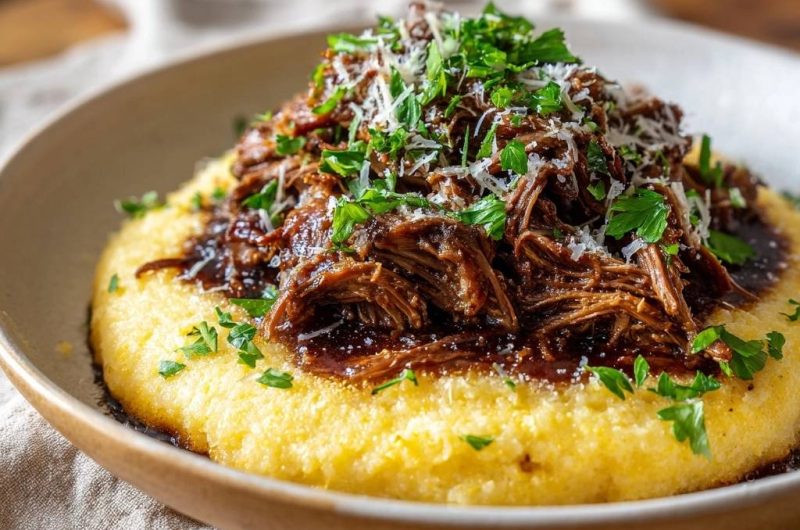
minutesMaster the art of fall-apart tender braised beef with this ultimate ragu recipe. Enjoy juicy beef in a rich, savory sauce, perfectly complemented by dreamy creamy polenta. Guaranteed to impress!
Ingredients
3-4 lb beef chuck roast, trimmed and cut into 2-3 large pieces
2 tablespoons olive oil
1 large yellow onion, diced
2 carrots, peeled and diced
2 celery stalks, diced
4 cloves garlic, minced
2 tablespoons tomato paste
4 cups unsalted beef broth (plus more if needed)
1 teaspoon dried thyme
1 bay leaf
Salt and freshly ground black pepper, to taste
1 cup medium-grind polenta (corn grits)
4 cups water or vegetable broth
2 tablespoons unsalted butter
1/2 cup grated Parmesan cheese, plus extra for garnish
1/4 cup fresh parsley, chopped, for garnish
Directions
- Prepare the Beef: Pat the beef chuck roast pieces very dry with paper towels. Season generously all over with salt and black pepper. This step is crucial for developing a flavorful crust and enhancing the final taste.
- Sear for Flavor (The First Tenderness Secret): Heat olive oil in a large Dutch oven or oven-safe pot with a heavy bottom over medium-high heat. Once hot, sear the beef in batches until deeply browned on all sides, about 5-7 minutes per side. Deep browning creates an incredible depth of flavor that caramelizes the surface and locks in juices. Remove the seared beef to a plate.
- Build the Sauce Base: Reduce heat to medium. Add onion, carrots, and celery to the pot and cook, stirring occasionally, until softened, about 8-10 minutes. Add minced garlic and tomato paste, cooking for another 2 minutes until fragrant and the tomato paste darkens slightly.
- Deglaze and Add Liquid: Pour in 1 cup of beef broth and scrape the bottom of the pot with a wooden spoon to loosen any browned bits. This adds all those delicious caramelized flavors back into your sauce. Return the seared beef to the pot. Add remaining beef broth, dried thyme, and the bay leaf. The liquid should come at least halfway up the sides of the beef. If not, add a little more broth to ensure it’s partially submerged.
- Slow Cook for Guaranteed Tenderness (THE CORE SOLUTION): Bring the liquid to a gentle simmer on the stovetop. Cover the Dutch oven tightly with a lid and transfer it to a preheated oven at 300°F (150°C). Cook for 3 to 3.5 hours, or until the beef is incredibly tender and easily shreds with a fork. This consistent low-and-slow cooking method, with the meat braising gently in flavorful liquid, is the absolute key to achieving guaranteed fall-apart texture and preventing any dryness. It breaks down tough fibers perfectly.
- Shred the Beef & Refine the Sauce: Carefully remove the beef from the pot and place it on a cutting board. Discard the bay leaf. Using two forks, easily shred the beef into tender pieces. While the beef rests, place the pot with the remaining braising liquid back on the stovetop over medium-high heat. Bring to a vigorous simmer and cook, stirring occasionally, until the sauce has reduced and thickened to a rich, glossy consistency that beautifully coats the back of a spoon, about 10-20 minutes. Taste and adjust seasoning as needed. Return the shredded beef to the pot, stirring it into the now intensely flavored and thickened sauce.
- Make the Creamy Polenta: While the beef is finishing its cook time, bring 4 cups of water or vegetable broth to a boil in a medium saucepan. Slowly whisk in the polenta in a thin stream to prevent lumps. Reduce heat to low and cook, stirring frequently, until thickened and creamy, about 20-25 minutes. (Tip: Consistent slow whisking prevents gummy texture!). If it becomes too thick, add a splash more hot water or broth. Stir in butter, 1/2 cup Parmesan cheese, salt, and pepper until smooth and velvety.
- Serve: Ladle a generous portion of creamy polenta into bowls. Top generously with the tender, saucy beef ragu. Garnish with extra grated Parmesan cheese and fresh chopped parsley. Enjoy your perfectly tender meal!