Beef Lo Mein: Your Secret to Perfectly Tender Bites
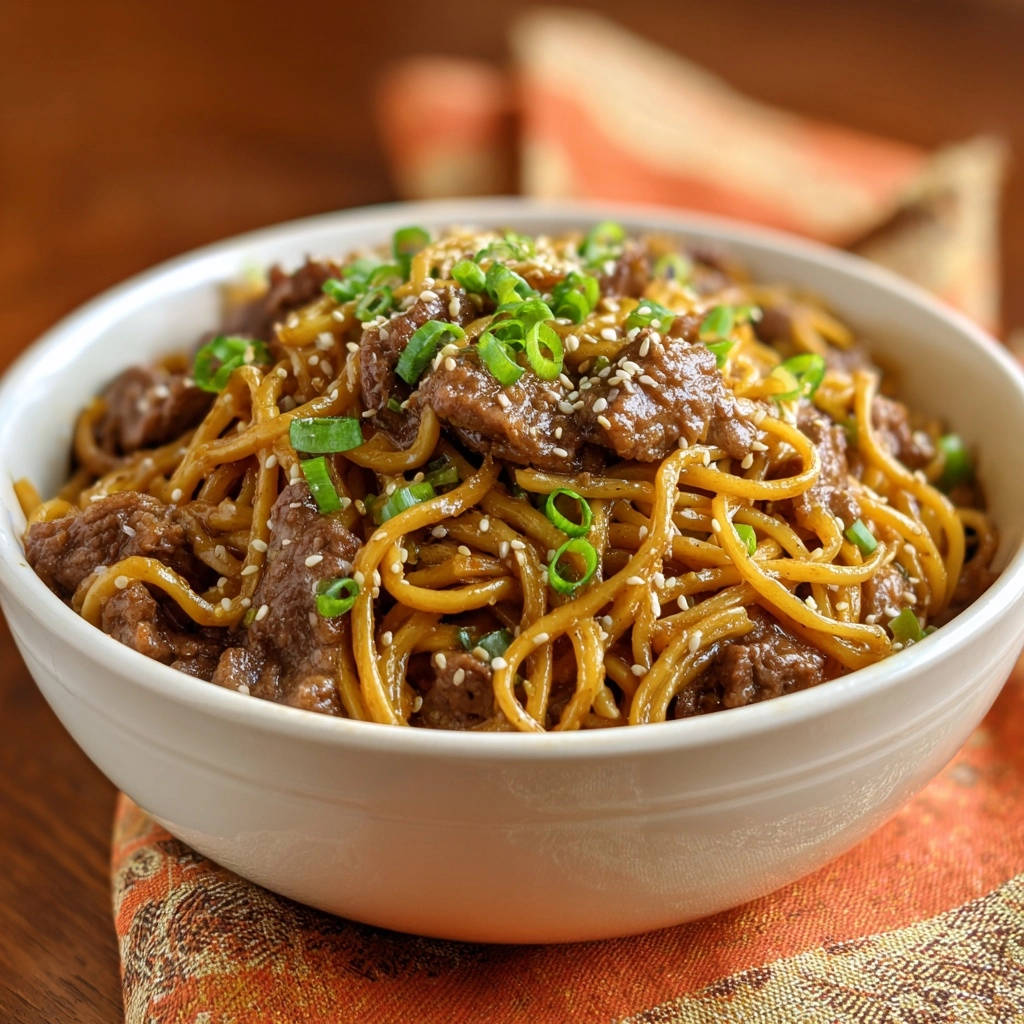
There’s nothing quite as disappointing as looking forward to a vibrant plate of Beef Lo Mein, only to find the beef is tough and dry. I’ve been there countless times, but after much experimentation, I finally discovered the simple trick to achieving perfectly succulent beef every single time.
This recipe isn’t just about recreating a takeout favorite; it’s about transforming your weeknight cooking with a method that guarantees unbelievably tender beef, making this homemade Beef Lo Mein a true game-changer for your dinner table.
Why This Beef Lo Mein Recipe Belongs in Your Kitchen
The ‘Tender Beef’ Breakthrough: No More Chewy Bites
This recipe conquers the common frustration of tough beef in lo mein, revealing a simple yet revolutionary trick to ensure every piece is melt-in-your-mouth tender and juicy. This is the star attraction of our Beef Lo Mein, guaranteeing a satisfying texture in every bite.
Restaurant-Quality Flavor, Homemade Simplicity
Achieve an authentic, rich lo mein taste right in your own kitchen without needing complex techniques or obscure ingredients. Our balanced savory sauce brings that deep, slightly sweet, umami depth you crave, making it superior to many takeout options.
A Versatile & Quick Weeknight Meal
Perfect for busy evenings, this Beef Lo Mein comes together efficiently, making it an ideal choice for a satisfying family dinner or a quick solo indulgence. It’s adaptable to what you have on hand and easily scalable, much like whipping up a flavorful pan-seared chicken rice bowl for another fast meal solution.
Gathering Your Essentials: Ingredients for Stellar Lo Mein
Starring the Steak: Choosing Your Cut
Flank steak or sirloin are excellent choices for their flavor and texture, especially when sliced thinly against the grain. The right cut, properly prepared, is fundamental to overall tenderness and juicy results.
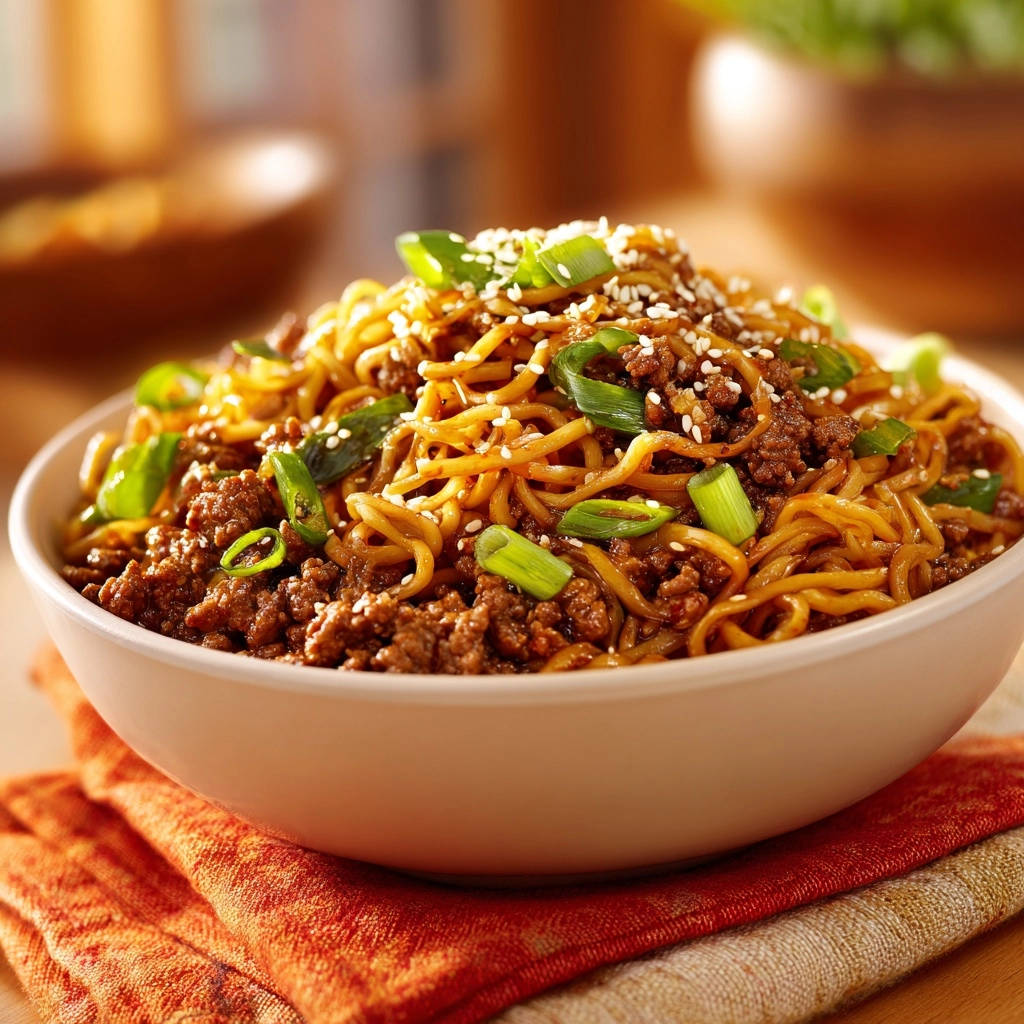
The Secret Weapon: Cornstarch for Tenderness and Thickening
Understand the dual role of cornstarch in this Beef Lo Mein recipe: it acts as a tenderizer for the beef marinade and as the perfect thickening agent for that luscious, glossy sauce.
Noodle Nirvana: Lo Mein or Spaghetti?
While traditional lo mein noodles are ideal for their texture, discover why spaghetti makes a fantastic and readily available substitute without compromising the dish’s integrity. Both absorb the rich sauce beautifully.
Aromatic Powerhouses: Fresh Garlic & Ginger
These fresh ingredients are non-negotiable for that authentic, fragrant base that elevates the entire dish, creating a warm and inviting aroma. Learn how to mince and grate them for maximum impact.
Crafting the Perfect Sauce: Sweet, Tangy, Umami Balance
Explore the interplay of soy sauce, brown sugar (or honey), rice vinegar, and sesame oil to create a harmonious savory sauce that coats every strand and piece of beef perfectly. This blend defines the classic lo mein flavor profile.
Finishing Touches: Garnish for Flavor and Visual Appeal
Sliced green onions and toasted sesame seeds aren’t just for looks; they add fresh, pungent notes and a delicate crunch that beautifully complete your Beef Lo Mein experience. Don’t skip these simple additions.
If you want to keep your beef as tender as these noodles, try the same technique in this beef lo mein with velveting.
Your Path to Lo Mein Perfection: Step-by-Step
- Prepare the Beef for Ultimate Tenderness:
In a medium bowl, combine the thinly sliced beef with 1 tablespoon soy sauce and 1 teaspoon cornstarch. Mix well until the beef is fully coated, ensuring every piece benefits from this tenderizing marinade.
This simple combination is the key to preventing dry, tough beef, ensuring it stays juicy and succulent during cooking. Allow it to marinate for at least 15 minutes while you prepare other ingredients for your stir-fry.
- Cook the Noodles to Al Dente:
Bring a large pot of salted water to a rolling boil. Add your chosen lo mein noodles or spaghetti and cook strictly according to package directions until they are al dente, meaning slightly firm to the bite.
Drain the noodles thoroughly and, if desired, toss them with a tiny bit of vegetable oil to prevent sticking before setting aside. This keeps them pliable for later mixing.
- Whisk Together the Flavorful Sauce:
In a small bowl, whisk together the remaining soy sauce (approximately 1/4 cup), 1/2 cup water or broth, 2 tablespoons cornstarch, brown sugar or honey, rice vinegar, and sesame oil until completely smooth.
Ensure there are no lumps of cornstarch, as this will affect the savory sauce’s final texture and clarity. Set this aside for when you’re ready to combine everything.
- Sear the Beef to Perfection:
Heat 1 tablespoon of vegetable oil in a large skillet or wok over high heat until it’s shimmering. Add the marinated beef in a single layer, cooking in batches if necessary to avoid overcrowding the pan.
Cook for only 1-2 minutes per side until beautifully browned and just cooked through. Immediately remove the beef from the pan and set it aside to prevent overcooking, which can lead to toughness, ruining that tender beef texture.
- Sauté the Aromatics:
Add the remaining 1 tablespoon of vegetable oil to the same pan. Introduce the minced garlic and grated ginger, stirring constantly for about 30 seconds until their fragrant aroma fills your kitchen.
Be careful not to burn the garlic or ginger, as this will impart a bitter taste to your Beef Lo Mein. They should be fragrant, not browned.
If heat is your thing, that same spicy kick works beautifully in this savory beef ramen bowl.
- Combine Everything into a Delectable Dish:
Pour the prepared sauce into the pan with the aromatics and bring it to a simmer, stirring constantly. The sauce will thicken quite rapidly, transforming into a glossy coating.
Once the sauce has reached your desired consistency, return the cooked noodles and seared beef to the pan. Toss everything together vigorously until the Asian noodles and tender beef are thoroughly coated in the rich, glossy sauce.
- Serve Immediately with Garnish:
Transfer the piping hot Beef Lo Mein to a large serving bowl. Garnish generously with freshly sliced green onions and a sprinkle of sesame seeds for added flavor and visual appeal.
Serve your unbelievably tender Beef Lo Mein immediately and savor every delicious bite of this homemade lo mein creation.
Chef’s Secrets: Elevating Your Beef Lo Mein Game
The Art of Slicing: Against the Grain Matters
Always slice your flank steak or sirloin against the grain into thin strips. This technique shortens the muscle fibers, dramatically improving the tenderness of your Beef Lo Mein and making it easier to chew.
Don’t Overcrowd the Pan: Maximize the Maillard Reaction
Cooking your beef in batches ensures proper searing and browning, leading to a richer, deeper flavor profile through the Maillard reaction. This also prevents the meat from steaming instead of frying, which is crucial for tender, flavorful beef.
Perfecting Noodle Texture: Rinse or Not?
While rinsing cold noodles can prevent sticking, for lo mein, a brief toss with a tiny amount of oil post-draining is usually sufficient to maintain a sauce-absorbing texture. Avoid over-rinsing if you want maximum savory sauce adherence to your Asian noodles.
Customize Your Heat: Adding a Spicy Kick
For those who love a bit of heat in their stir-fry, consider adding a pinch of red pepper flakes with the aromatics or a dash of sriracha to the sauce. This simple adjustment can transform your Beef Lo Mein into a spicy delight.
Vegetable Variations: Boost Your Nutrients and Crunch
Feel free to incorporate thinly sliced carrots, bell peppers, snow peas, or broccoli florets for added nutrients and crunch. Add them with the aromatics or slightly before the sauce to ensure they cook to a tender-crisp texture. A side of crispy baked asparagus can also complement this dish beautifully.
Troubleshooting Your Lo Mein: Expert Fixes for Common Challenges
Problem: My Beef is Still Tough!
Solution: Review your slicing technique – ensure you are cutting thinly against the grain to break up muscle fibers. Also, strictly adhere to the short cooking times (1-2 minutes per side) and avoid overcrowding the pan; overcooked beef will always be tough. The cornstarch marinade is key, so don’t skip it for truly tender beef.
What to Serve with Beef Lo Mein
Beef lo mein is a hearty noodle dish on its own, but a couple of light, punchy sides turn it into a full meal. These recipes bring contrasting textures and flavors that work well alongside the tender beef and savory noodles.
- For a cool, tangy contrast to the warm lo mein, try this Sweet and Spicy Chicken Salad — the crunch and chili-lime dressing cut through the richness of the beef.
- If you want something sticky and bold at the table, these Sticky Garlic Ginger Wings share the same soy-sauce backbone as the lo mein, with a caramelized glaze that makes them a natural partner.
Problem: The Sauce is Too Thin or Too Thick!
Solution: If your savory sauce is too thin, mix a small amount of cornstarch (1 tsp) with an equal part of cold water to create a slurry, then gradually whisk it into the simmering sauce until desired thickness. If it’s too thick, simply add a tablespoon of water or broth at a time until it loosens up to the perfect consistency.
Problem: My Noodles are Sticking Together!
Solution: Ensure you’re using a large enough pot for boiling, giving the lo mein noodles ample space to move freely. After draining, a quick toss with a teaspoon of vegetable oil prevents sticking. Don’t let them sit for too long before combining with the sauce, as they’ll clump as they cool.
Frequently Asked Questions About Homemade Lo Mein
Can I use a different cut of beef for this recipe?
While flank steak and sirloin are highly recommended for their balance of flavor and tenderness, you can also use skirt steak or even very thinly sliced tenderloin. Ensure whatever cut you choose for your Beef Lo Mein is sliced thinly against the grain for the best results.
What if I don’t have lo mein noodles?
No problem at all! This recipe explicitly states that spaghetti makes an excellent substitute for traditional lo mein noodles. Cook it according to package directions until al dente, just like you would for authentic Asian noodles.
Can I make this Beef Lo Mein gluten-free?
Absolutely! Simply substitute regular soy sauce with tamari (a gluten-free soy sauce alternative) and ensure any broth you use is also gluten-free. The cornstarch is naturally gluten-free, making this an easy adaptation for gluten-free diets.
How can I add more vegetables to this dish?
You can easily toss in a variety of vegetables to your stir-fry! Broccoli florets, sliced carrots, bell peppers (any color), snow peas, or sliced mushrooms are great additions. Add them to the pan with the garlic and ginger, cooking until tender-crisp before adding the sauce.
Is this a good recipe for meal prepping?
Beef Lo Mein is generally best served fresh to maintain optimal noodle and beef texture, but leftovers can be stored. For meal prepping, you can prepare the beef marinade and the savory sauce ahead of time, then cook and combine everything just before serving.
Serving & Storing Your Culinary Creation
Serving Suggestions: What Pairs Well?
This Beef Lo Mein is a complete meal on its own, offering tender beef and flavorful noodles in every bite. However, it also pairs wonderfully with a simple side of steamed broccoli, a light cucumber salad, or a bowl of hot and sour soup for a fuller Asian-inspired feast.
Storing Leftovers: Keeping it Fresh
Allow any leftover Beef Lo Mein to cool completely before transferring it to an airtight container. It will keep well in the refrigerator for up to 3-4 days. For optimal freshness, avoid freezing the dish as the Asian noodles can become mushy upon thawing and reheating.
Reheating for Best Results
To reheat, gently warm the lo mein in a skillet or wok over medium heat, adding a splash of water or broth if it seems dry to rejuvenate the savory sauce. You can also microwave it, but stirring occasionally will help ensure even heating and prevent dry spots.
Embrace the Flavor: Your Next Beef Lo Mein Adventure Awaits!
You’ve now unlocked the secrets to crafting truly spectacular Beef Lo Mein, complete with perfectly tender beef and a rich, flavorful savory sauce. Say goodbye to frustrating takeout experiences and hello to a homemade dish that will impress everyone at your table.
Don’t just read about it-it’s time to gather your ingredients and experience the satisfaction of this incredible recipe. We’d love to hear about your experience; share your creations and any personal twists on your homemade lo mein in the comments below!
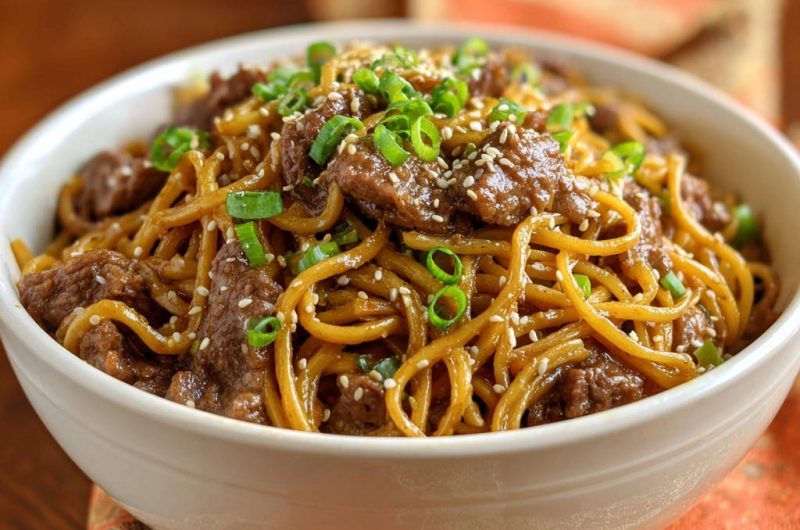
Beef Lo Mein
Course: Main CourseCuisine: ChineseDifficulty: easy4
servings25
minutes20
minutes450
kcal45
minutesDiscover the secret to perfectly succulent beef in this delicious Beef Lo Mein. This recipe guarantees tender, flavorful beef every time, combined with noodles and a rich sauce for a transformed weeknight meal.
Ingredients
1 pound flank steak or sirloin, thinly sliced against the grain
1 tablespoon soy sauce, plus more for the sauce
1 teaspoon cornstarch, plus 2 tablespoons for the sauce
1/2 pound lo mein noodles or spaghetti
2 tablespoons vegetable oil, divided
3 cloves garlic, minced
1 tablespoon fresh ginger, grated
1/2 cup water or vegetable broth
2 tablespoons brown sugar or honey
1 tablespoon rice vinegar
1 teaspoon sesame oil
2 green onions, sliced, for garnish
1 teaspoon sesame seeds, for garnish
Directions
- Prepare the beef: In a medium bowl, combine the thinly sliced beef with 1 tablespoon soy sauce and 1 teaspoon cornstarch. Mix well until the beef is fully coated. This is the secret to tender beef that stays juicy. Let it marinate for at least 15 minutes while you prepare other ingredients.
- Cook the noodles: Bring a large pot of water to a boil. Add the noodles and cook according to package directions until al dente. Drain well and set aside. You can toss them with a tiny bit of vegetable oil to prevent sticking if desired.
- Make the sauce: In a small bowl, whisk together the remaining soy sauce (about 1/4 cup), 1/2 cup water or broth, 2 tablespoons cornstarch, brown sugar or honey, rice vinegar, and sesame oil until smooth. Set aside.
- Cook the beef: Heat 1 tablespoon of vegetable oil in a large skillet or wok over high heat until shimmering. Add the marinated beef in a single layer, cooking in batches if necessary to avoid overcrowding the pan. Cook for 1-2 minutes per side until nicely browned and just cooked through. Remove the beef from the pan and set aside. Do not overcook.
- Sauté aromatics: Add the remaining 1 tablespoon of vegetable oil to the same pan. Add the minced garlic and grated ginger, stirring constantly for about 30 seconds until fragrant.
- Combine everything: Pour the prepared sauce into the pan and bring to a simmer, stirring constantly until it thickens. Once the sauce has thickened, add the cooked noodles and beef back into the pan. Toss everything together until the noodles and beef are thoroughly coated in the sauce.
- Serve: Transfer the beef lo mein to a serving bowl. Garnish generously with sliced green onions and sesame seeds. Serve immediately and enjoy the unbelievably tender beef!
Notes
- The cornstarch and soy sauce marinade is key to tender beef.