Easy Baked Crab Legs: Perfectly Tender & Juicy Every Time
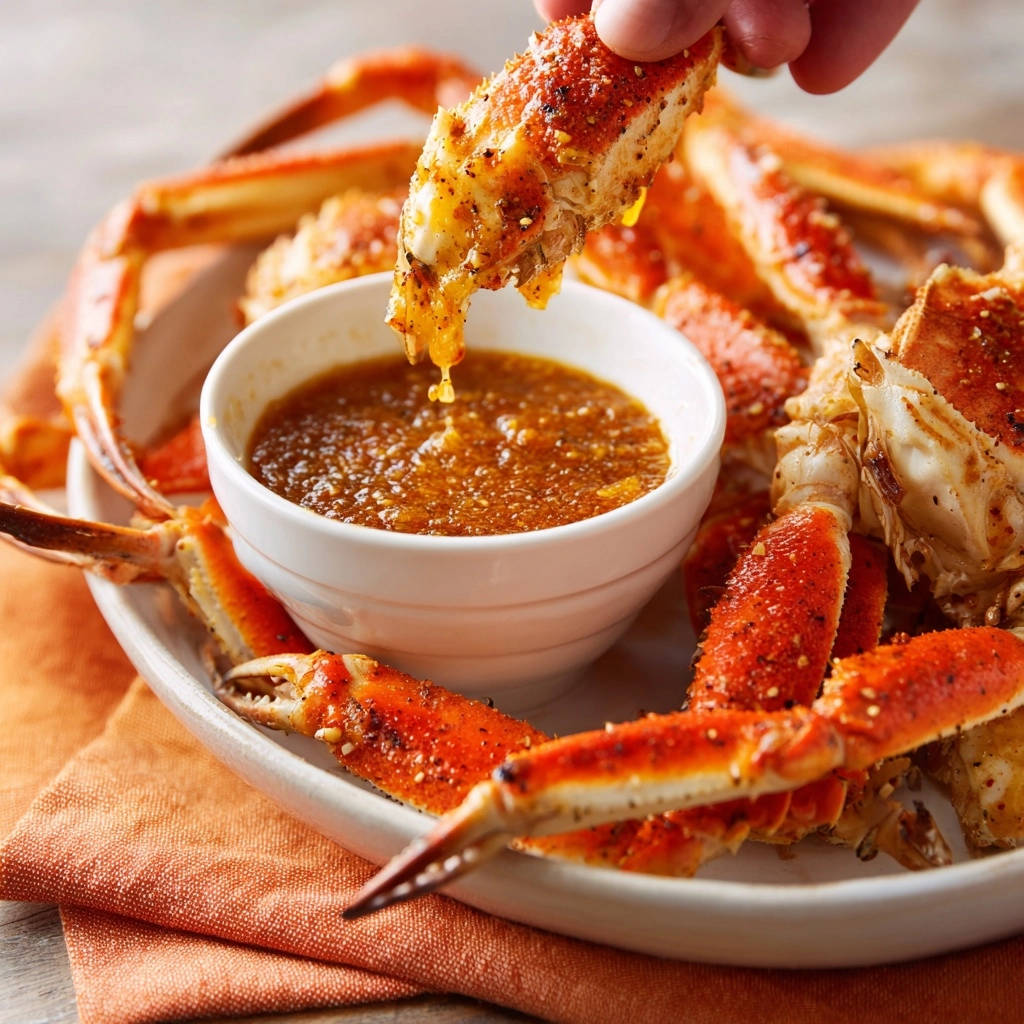
There’s nothing quite like the sweet, succulent flavor of crab legs, yet many home cooks face the common challenge of dry, overcooked meat. I used to struggle with this exact issue, but I’ve perfected a foolproof method that guarantees incredibly tender and juicy results every single time. This recipe for Easy Baked Crab Legs leverages a simple foil packet technique, turning a potentially daunting task into an effortless culinary triumph.
The Secret to Succulent Crab Legs: Why This Recipe Works
Baking for Unmatched Tenderness
Unlike boiling or steaming, baking crab legs in a controlled environment provides gentle, even heat. This method slowly warms the meat, preserving its delicate texture and ensuring every bite is moist and flavorful.
The Foil Packet Advantage: Trapping Flavor & Moisture
This is the game-changer! Sealing the crab legs tightly in a heavy-duty foil packet creates a self-contained steaming environment. The trapped moisture and buttery aromatics circulate, preventing the crab from drying out while infusing it with incredible flavor.
Effortless Elegance: Simple Steps, Stunning Results
Despite its impressive outcome, preparing these baked crab legs is remarkably straightforward. Minimal prep and a hands-off baking process make this an ideal dish for entertaining or a luxurious weeknight meal without the fuss.
Gathering Your Coastal Cuisine Essentials
The Star of the Show: Choosing Your Crab Legs
This recipe calls for 2 pounds of pre-cooked crab legs, whether snow or king. Pre-cooked legs are ideal for convenience and quick reheating, ensuring you achieve that perfect tenderness without the guesswork of raw preparation.
Buttery Bliss: The Flavor Foundation
You’ll need 1/2 cup of unsalted butter and 3 cloves of minced garlic. The butter provides richness and a luxurious mouthfeel, while the fresh garlic adds an aromatic depth that complements the crab’s natural sweetness beautifully.

The Signature Spice Blend: Old Bay & Alternatives
1 tablespoon of Old Bay Seasoning delivers that classic, zesty seafood flavor. If you don’t have Old Bay, you can easily create a custom blend with 1 teaspoon paprika, 1/2 teaspoon garlic powder, 1/4 teaspoon onion powder, 1/4 teaspoon black pepper, and 1/2 teaspoon salt.
The Magic Moisture Component
A crucial element is just 1/4 cup of water. When sealed within the foil packet, this small amount of water transforms into steam, guaranteeing the crab legs remain incredibly moist and succulent throughout the baking process.
Essential Tools for Your Crab Leg Adventure
Must-Have Kitchen Gear
- Large Baking Sheet:
This provides a sturdy base and ample space to arrange your crab legs in a single layer, ensuring even heat distribution.
- Heavy-Duty Aluminum Foil:
Critically important for creating a robust and airtight seal, which is essential for trapping steam and flavor.
- Small Microwave-Safe Bowl or Saucepan:
Perfect for melting the butter and combining it with your seasonings before pouring over the crab.
Your Path to Perfect Easy Baked Crab Legs: A Step-by-Step Guide
- Prepping for Success: Oven & Pan Readiness
Preheat your oven to 375°F (190°C). Then, line a large baking sheet with heavy-duty aluminum foil. Using heavy-duty foil is crucial for creating a robust, leak-proof packet that effectively traps all the moisture and flavor.
- Arranging Your Crustacean Canvas
Arrange the crab legs in a single layer on the prepared baking sheet. If your crab legs are frozen, there’s no need to thaw them completely; just separate them as much as possible to allow for more even heating.
- Crafting the Aromatic Butter Blend
In a small microwave-safe bowl or saucepan, melt the unsalted butter. Once melted, stir in the minced garlic and your chosen seasoning blend (Old Bay or your custom spices) until everything is well combined and fragrant.
- Dressing & Hydrating Your Crab Legs
Pour the seasoned butter mixture evenly over all the crab legs, ensuring they are well coated. Then, carefully pour the 1/4 cup of water around the crab legs on the baking sheet, aiming for the foil rather than directly onto the crab. This water will generate the essential steam needed for perfectly moist results.
- The Crucial Seal: Creating Your Steam Packet
Bring the edges of the aluminum foil together tightly over the crab legs, sealing them completely to form a packet. This step is absolutely paramount: it locks in all the moisture and flavor, allowing the crab to gently steam to perfection within its own aromatic environment.
- Baking to Steamed Perfection
Bake for 10 to 15 minutes, or until the crab legs are heated through and the meat is tender and opaque. The sealed foil packet will create a steamy atmosphere, actively preventing any dryness and ensuring the crab is consistently succulent.
- The Grand Reveal: Serving Your Juicy Masterpiece
Carefully open the foil packet, as a rush of flavorful steam will escape. Serve the crab legs immediately with the accumulated buttery juices from the packet for dipping, enhancing every bite with rich flavor.
Chef’s Secrets: Elevate Your Easy Baked Crab Legs Experience
Thawing vs. Frozen: Best Practices
While this recipe accommodates frozen crab, for slightly quicker and more uniform heating, a partial thaw (about 30 minutes at room temperature) can be beneficial. Avoid fully thawing, which can lead to waterlogged meat.
Infusing Extra Flavor
For an elevated experience, tuck lemon slices, fresh dill sprigs, or a splash of white grape juice into the foil packet before sealing. These additions infuse the crab with subtle, bright notes as it steams.
Achieving Crispy Garlic Bits (Optional)
If you prefer a textural contrast, sauté the minced garlic separately until golden brown. You can then sprinkle these crispy garlic bits over the baked crab legs just before serving, rather than steaming them in the packet.
The Perfect Internal Temperature
Since most crab legs are pre-cooked, your goal is reheating. Aim for an internal temperature of around 130-140°F (54-60°C) for optimal warmth and tenderness without risk of overcooking.
Reheating Leftovers Gracefully
To revive leftover crab legs, use the same foil packet method. Bake at a slightly lower temperature, around 350°F (175°C), for just 5-7 minutes. This gentle reheating prevents dryness, keeping them succulent.
Common Crab Leg Conundrums & Simple Solutions
Why Are My Crab Legs Dry?
If your crab legs turned out dry, the most common culprits are a breach in the foil seal or baking for too long. Ensure the foil packet is completely sealed to trap all the steam, and always check for doneness at the lower end of the baking time, as ovens can vary.
Too Much Liquid in the Packet?
A small amount of flavorful, buttery liquid is desirable for dipping. If there’s an excessive amount, double-check your water measurement. Also, ensure your foil packet was sealed tightly; any escaping steam will re-condense outside the packet, not inside.
Flavor Not Popping?
If the flavor seems mild, consider increasing the amount of Old Bay Seasoning or garlic to your preference. A squeeze of fresh lemon juice just before serving can also significantly brighten and enhance the taste profile of your Easy Baked Crab Legs.
What to Serve with Your Decadent Crab Legs
Classic Pairings & Dipping Delights
Beyond the accumulated buttery juices from the packet, offer small bowls of drawn butter, fresh lemon wedges, or a tangy cocktail sauce for dipping. These classic accompaniments enhance the crab’s natural sweetness.
What to Serve with Baked Crab Legs
These crab legs have a sweet, briny flavor that pairs well with savory sides and something soft to soak up the butter.
- For a side with tart fruit and herbs, try this Cranberry Sausage Stuffing (use chicken sausage instead of pork).
- Warm, fluffy bread is a natural partner for crab butter – these Golden Skillet Dinner Rolls are crisp on the outside and soft inside.
Vegetable Companions
Complement the richness of the crab with vibrant vegetable sides. Roasted asparagus, tender corn on the cob, or a crisp garden salad dressed with a light vinaigrette make excellent pairings, adding balance and freshness.
For a perfect pairing, try our Mastering Creamy Lemon Garlic Butter Shrimp Without Sauce Separation.
Beverage Recommendations
white grape juice such as sparkling grape juice cut through the richness beautifully. For sparkling water enthusiasts, a crisp sparkling water provides a refreshing contrast. Non-alcoholic options like sparkling water with a twist of lemon or lime are also excellent choices.
If you enjoy pairing seafood with white grape juice, try this pan-seared lemon butter salmon for a
Planning Ahead: Storing & Preparing Crab Legs
Storing Cooked Crab Legs
Store any leftover cooked crab legs in an airtight container in the refrigerator for up to 2 days. For longer preservation, you can freeze them for up to 3 months, though the texture might become slightly softer upon thawing and reheating.
Can You Prep Ahead?
Yes, you can certainly get a head start! Prepare the melted butter and seasoning blend in advance and store it in the refrigerator for up to a week. For the freshest results, assemble the foil packets with the crab legs just before you plan to bake them.
Your Burning Questions About Baked Crab Legs, Answered!
Do I Need to Thaw Frozen Crab Legs Before Baking?
No, you do not need to fully thaw frozen crab legs for this recipe. It is specifically designed to accommodate them whether they are completely frozen or partially thawed. The key is to separate them as much as possible on the baking sheet for even heating.
What’s the Best Way to Reheat Leftover Crab Legs?
The optimal way to reheat leftover crab legs is to use the same foil packet method. Bake them in a 350°F (175°C) oven for about 5-7 minutes. This gentle steaming effectively warms them through without drying out the delicate meat.
Can I Use Fresh (Uncooked) Crab Legs with This Method?
This particular recipe is tailored for pre-cooked crab legs. If you’re using fresh, uncooked crab legs, you will need to significantly increase the baking time (typically 20-30 minutes or until the shells turn bright red and the meat is opaque). You might also need to adjust the amount of added water, as fresh crab releases more of its own juices.
Is Old Bay Seasoning Necessary?
While Old Bay Seasoning is a classic and highly recommended pairing for crab, it is not strictly necessary if you don’t have it or prefer a different flavor profile. The recipe provides a convenient custom spice blend alternative, or you can opt for your favorite seafood seasoning.
How Do I Know When Crab Legs Are Done?
Since the crab legs are typically pre-cooked, “done” simply means thoroughly heated through. The meat will be opaque and tender, and the shells will be a vibrant red. For an precise measure, you can use a food thermometer to ensure an internal temperature of 130-140°F (54-60°C).
Ready to Dive In? Share Your Easy Baked Crab Legs Success!
Armed with this foolproof method, you’re now ready to impress your family and friends with perfectly tender, juicy Easy Baked Crab Legs. Say goodbye to dry, disappointing crab and hello to effortless seafood feasts!
We’d love to hear about your experience! Share your culinary creations and tag us on social media, or leave a comment below with your favorite serving suggestions. Happy cracking!
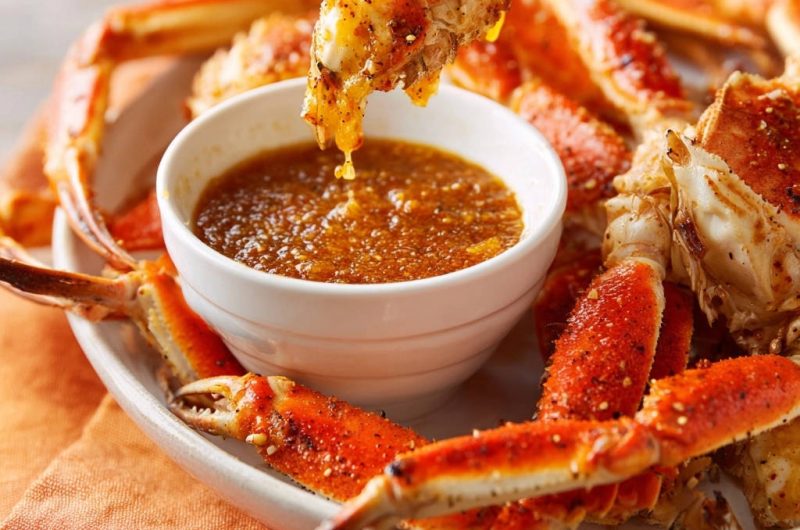
Crab Legs
Course: Main CourseCuisine: AmericanDifficulty: easy2
servings10
minutes10
minutes750
kcal20
minutesUnlock the secret to consistently moist and delicious crab legs. This simple recipe ensures perfectly tender, juicy meat every time by trapping moisture with a clever foil packet. Serve with the accumulated buttery juices for dipping.
Ingredients
2 pounds pre-cooked crab legs (snow or king)
1/2 cup unsalted butter
3 cloves garlic, minced
1 tablespoon Old Bay Seasoning (or 1 teaspoon paprika, 1/2 teaspoon garlic powder, 1/4 teaspoon onion powder, 1/4 teaspoon black pepper, 1/2 teaspoon salt)
1/4 cup water
Directions
- Preheat your oven to 375°F. Line a large baking sheet with heavy duty aluminum foil.
- Arrange the crab legs in a single layer on the prepared baking sheet. If they are frozen, no need to thaw completely, but separate them as much as possible.
- In a small microwave-safe bowl or saucepan, melt the unsalted butter. Stir in the minced garlic and Old Bay Seasoning (or your custom spice blend).
- Pour the seasoned butter mixture evenly over all the crab legs. Then, carefully pour the 1/4 cup of water around the crab legs on the baking sheet. This creates a moist environment for reheating.
- Bring the edges of the aluminum foil together tightly over the crab legs, sealing them completely to form a packet. This crucial step traps the moisture, ensuring the crab steams within its own flavorful environment.
- Bake for 10 to 15 minutes, or until the crab legs are heated through and the meat is tender and opaque. The sealed foil packet will create steam, preventing any dryness.
- Carefully open the foil packet, as steam will escape. Serve the crab legs immediately with the accumulated buttery juices from the packet for dipping.
Notes
- Sealing the foil packet tightly is crucial for trapping moisture and steaming the crab, ensuring tender, never-dry results.