Mastering Garlic Butter Shrimp Linguine: The Secret to Tender Seafood
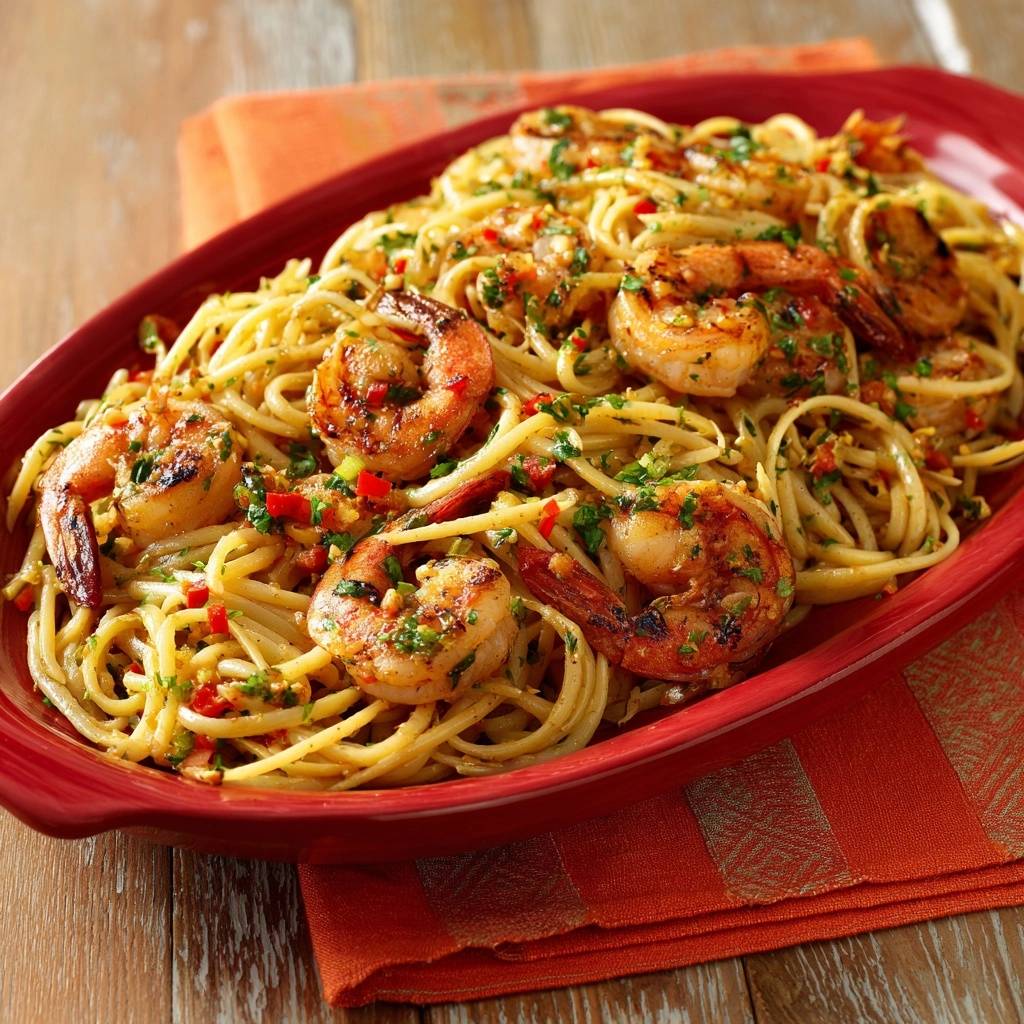
Imagine a plate of silky linguine, every strand coated in a shimmering, golden garlic butter sauce that carries just a hint of chili heat. The star of the show is the shrimp—plump, succulent, and boasting a deep mahogany crust that snaps when you bite into it. Most home cooks struggle with shrimp pasta because the seafood often turns into rubbery, flavorless curls by the time the noodles are ready. This recipe changes that narrative by focusing on the science of the sear and the art of the emulsified sauce.
The secret to this restaurant-quality result lies in the temperature transition. We don’t just toss everything into a pan and hope for the best. Instead, we use high-heat thermodynamics to lock in moisture and a specific pasta-water technique to create a sauce that clings to the wheat rather than pooling at the bottom of the bowl. You’re about to master a dish that feels like a luxury bistro meal but comes together in less than thirty minutes.
If you want that perfect crust without overcooking the center, the real pro tip is to pat your shrimp bone-dry with paper towels before they ever touch the pan. Any surface moisture creates steam, and steam is the enemy of a golden sear. By removing that water and using a dusting of smoked paprika, you create a beautiful “cheat code” crust that looks and tastes professional while keeping the interior tender and sweet.
If you love how the linguine handles the sauce, you’ll find the same creamy results in this shrimp fettuccine alfredo.
Essential Components for Garlic Butter Shrimp Linguine
Quality ingredients are the foundation of this dish, starting with the shrimp. I always recommend jumbo shrimp, specifically the 16/20 count, because they have enough surface area to develop a serious crust without drying out in the middle. If you use tiny salad shrimp, they’ll be overcooked before you can even flip them. Look for “dry” shrimp that haven’t been treated with phosphates, as these will sear much better in the skillet.
The pasta choice is just as vital. Look for bronze-cut linguine, which you can identify by its slightly rough, dusty texture. Unlike smooth, mass-produced pasta, bronze-cut noodles have tiny ridges that act like “sauce traps,” ensuring the garlic butter actually sticks to the pasta. For the fat, use a high-quality European-style butter. These have a higher butterfat content and less water than standard sticks, resulting in a richer, creamier mouthfeel that defines the entire experience.
Finally, never reach for the jarred minced garlic. The preservatives in those jars add a metallic tang that ruins a delicate butter sauce. Freshly minced cloves provide a pungent, sweet aroma that mellows beautifully as it infuses the oil. When combined with extra virgin olive oil, you get a sauce base that is both stable at higher heats and incredibly flavorful.
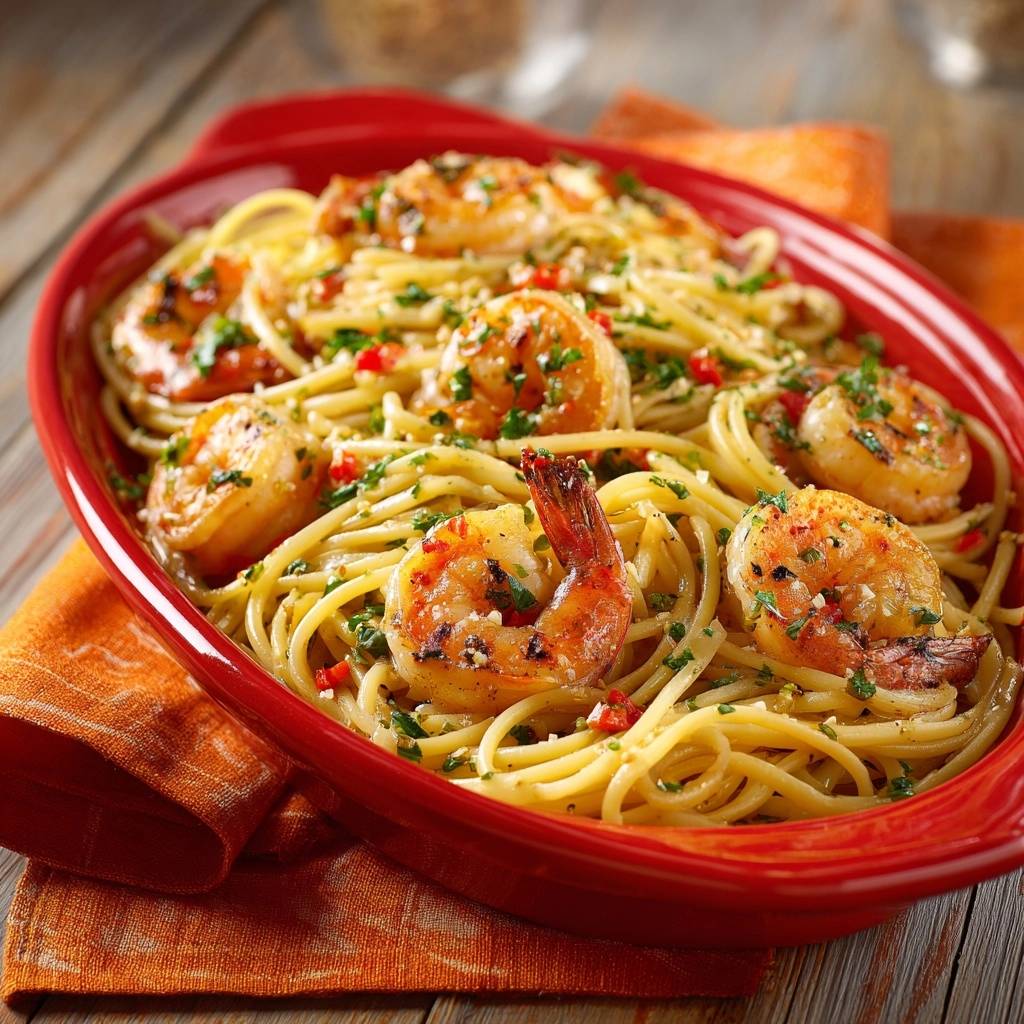
Selecting and Preparing the Shrimp
When you’re at the seafood counter, ask for peeled and deveined shrimp, but try to keep the tails on. Leaving the tails attached isn’t just for looks; the shells contain concentrated savory notes that seep into the butter during that quick sear. It also gives you a convenient “handle” if you’re eating these as a finger-food appetizer later.
Once you get them home, the preparation is simple but non-negotiable. After rinsing, you must pat them dry until the paper towel comes away clean. If the shrimp are even slightly damp, they will boil in their own juices. This results in that gray, rubbery texture we are trying to avoid. A dry shrimp is a tasty shrimp.
The Role of Aromatics and Acid
Balance is everything in a rich, buttery dish. We use finely diced red chili to provide a back-of-the-throat warmth that cuts through the fat. A Fresno chili is perfect for a mild, fruity heat, while a Bird’s Eye chili will give you a much sharper kick. Choose based on your personal spice tolerance, but don’t skip it entirely.
The acid component is the final piece of the puzzle. While lemon juice provides the necessary brightness, the lemon zest holds the essential oils that carry the actual citrus fragrance. Adding the zest at the very end ensures those volatile oils don’t cook away, leaving you with a vibrant, fresh finish that wakes up the entire palate.
The Science of the Perfect Shrimp Sear
To get that mahogany crust, your skillet needs to be shimmering hot. When the shrimp hit the oil, you should hear a loud, aggressive sizzle. This is the Maillard reaction in action—the chemical bridge between amino acids and sugars that creates deep flavor. If you crowd the pan, the temperature drops instantly, and the shrimp will start to stew in their own liquid.
Work in batches if you have to. Give each shrimp its own “personal space” so the heat can circulate. The smoked paprika in the seasoning isn’t just for flavor; it acts as a catalyst for color. It browns quickly, giving the appearance of a long-roasted char while the shrimp inside stays succulent. Remember, we are only looking for 90 seconds per side. If they start to curl into a tight “O” shape, they are overdone; you want a relaxed “C” shape.
Step-by-Step: Executing the Garlic Butter Shrimp Linguine
Phase 1: Timing the Pasta and Starch Extraction
Start by boiling a large pot of water. It should be heavily salted—think “tastes like the sea.” This is your only chance to season the pasta itself. Drop the linguine and set a timer for one minute less than the package says. We want it “al dente,” which means it still has a firm bite in the center.
Before you drain the noodles, dip a measuring cup into the pot and save at least half a cup of that cloudy, starchy water. This is “liquid gold.” The starch released by the pasta acts as a natural thickener. Without it, your butter and lemon juice will never truly bond, leaving you with a greasy puddle at the bottom of your plate.
Phase 2: High-Heat Searing and Temperature Transition
With your shrimp dried and seasoned, get that olive oil hot. Lay the shrimp down and resist the urge to move them. Let them sit for the full 90 seconds to develop that crust. When you flip them, you should see a gorgeous golden-brown surface. Once the second side is done, pull them out immediately.
The shrimp will continue to cook slightly from residual heat while they sit on the plate. This “carry-over cooking” is a professional secret. By pulling them off the heat when they are about 90% done, they will be perfectly tender by the time they are tossed back into the pasta at the very end.
Phase 3: Building the Emulsified Garlic-Chili Sauce
Turn the heat down to medium before adding the butter. You want the butter to foam, which signals that the water is evaporating and the fat is ready to infuse. Toss in the garlic and chili. You only need about a minute here. If the garlic turns dark brown, it will become bitter and ruin the sauce, so keep it moving.
Now, whisk in that reserved pasta water and the lemon juice. Use a rapid circular motion. You are forcing the fat and the water to bind together. Within a minute or two, the liquid will transform from a thin watery consistency into a glossy, pale yellow sauce that looks almost like a light cream. This is a true emulsion.
Phase 4: The Final Toss and Flavor Marriage
Add the undercooked linguine directly into the simmering sauce. Use tongs to toss the noodles vigorously. This agitation helps the pasta finish its final minute of cooking by absorbing the garlic butter directly into its structure. The noodles should look shiny and fully coated.
If you love this trick for keeping shrimp tender, try the same approach in this spicy garlic shrimp linguine.
Finally, slide the shrimp and any juices from the plate back into the pan. Throw in the fresh parsley and lemon zest. Give it one last 30-second toss just to warm everything through. The parsley adds a hit of freshness that balances the richness of the butter, while the zest provides that final aromatic punch.
Troubleshooting Common Pasta Texture Issues
If you find your sauce is looking a bit thin or watery, don’t panic. Just keep the heat on medium and continue tossing the pasta for another minute. The noodles will continue to release starch and absorb liquid, naturally thickening the sauce. Conversely, if the pasta looks dry or sticky, add an extra splash of pasta water or a tiny knob of butter to loosen it back up.
The most common disaster is burnt garlic. If you see the garlic turning a dark, crunchy brown, the flavor is already compromised. The best fix is to immediately deglaze the pan with your lemon juice or a splash of water to stop the cooking process. If it’s truly blackened, it’s better to wipe the pan and start the butter-garlic step over; it only takes two minutes and saves the whole meal.
Flavor Variations and Ingredient Swaps
While linguine is the classic choice, this sauce works beautifully with fettuccine or even bucatini if you like a thicker noodle. If you want a sweeter, more subtle aromatic profile, try swapping half the garlic for finely minced shallots. They melt into the butter and provide a sophisticated depth that pairs perfectly with seafood.
You can also easily add greens to this dish. A few handfuls of baby spinach tossed in at the very end will wilt in seconds from the residual heat. If you prefer asparagus, blanch small pieces in the pasta water during the last two minutes of boiling. These additions add color and nutrition without diluting the punchy garlic butter flavor profile.
What to Serve with Garlic Butter Shrimp Linguine
Round out your Italian-inspired dinner with two sides that bring different textures and flavors to the table.
- Pair the pasta with hearty Slow Simmered Italian Meatballs for a protein-packed addition that soaks up the garlic butter sauce.
- A bright Chopped Antipasto Salad adds crisp vegetables and tangy pickled elements to balance the rich noodles.
Optimal Pairings for Rich Seafood Pasta
Because this dish is quite rich and savory, you want side dishes that offer a crisp contrast. A simple arugula salad with a sharp lemon vinaigrette is the perfect companion. The peppery bite of the greens cuts right through the butter. Charred broccolini with a sprinkle of sea salt also provides a nice earthy crunch that complements the tender shrimp.
For drinks, look for something that cleanses the palate. Sparkling mineral water with a thick wedge of grapefruit or a splash of cranberry juice provides a refreshing effervescence. The bubbles and the slight bitterness of the citrus help reset your taste buds between every buttery bite of pasta.
Expert Tips for Professional Presentation
To get that “chef-y” look, don’t just dump the pasta onto the plate. Use a large carving fork and a soup ladle. Twirl a portion of the linguine into the ladle to create a tight nest, then slide it onto the plate. This creates height and keeps the pasta from spreading out and getting cold too quickly.
Place the shrimp carefully on top of the pasta mounds rather than burying them. Finish the plate with a final sprinkle of fresh parsley and perhaps a pinch of flaky sea salt. The contrast between the green herbs, the golden sauce, and the red-tinted shrimp makes the dish look as vibrant as it tastes. Serve it on warmed plates to ensure the butter sauce stays silky until the last bite.
Frequently Asked Questions
Can I use frozen shrimp for this recipe?
Yes, you can absolutely use frozen shrimp. The best way to thaw them is to place them in a bowl of cold water for about 15–20 minutes. Once thawed, it is even more critical to pat them dry with paper towels. Frozen shrimp tend to hold more exterior moisture, so be extra diligent with the drying process to ensure you still get a good sear rather than steaming them.
How do I prevent the garlic from turning bitter?
Garlic turns bitter when it burns. To prevent this, make sure your heat is at medium or medium-low before adding the garlic to the butter. Also, keep the garlic moving in the pan. If you are worried about your knife skills, you can “smash” the garlic cloves instead of mincing them; this infuses the butter with a milder flavor and makes the garlic pieces easier to remove before serving.
What is the best way to reheat leftovers?
Avoid the microwave if possible, as it will turn the shrimp into rubber. Instead, place the leftovers in a skillet over low heat. Add a tablespoon of water or a small splash of broth to the pan. Cover it for a minute to let the steam loosen the sauce, then toss gently until warmed through. This helps re-emulsify the butter so the pasta isn’t dry.
Is there a dairy-free alternative for the butter?
You can substitute the butter with a high-quality plant-based butter or simply use more extra virgin olive oil. If using only oil, the “liquid gold” pasta water becomes even more important. You will need to whisk the oil and pasta water vigorously to create a thick sauce, as you won’t have the milk solids from the butter to help with the creaminess.
Why is my pasta sauce watery instead of creamy?
A watery sauce usually means the emulsion didn’t form. This happens if you don’t use enough pasta water or if you don’t toss the pasta vigorously enough. The physical action of stirring and tossing the noodles in the fat and starchy water is what creates the creamy texture. If it’s still watery, let it simmer for another minute while tossing; the starch will eventually bind the liquids together.
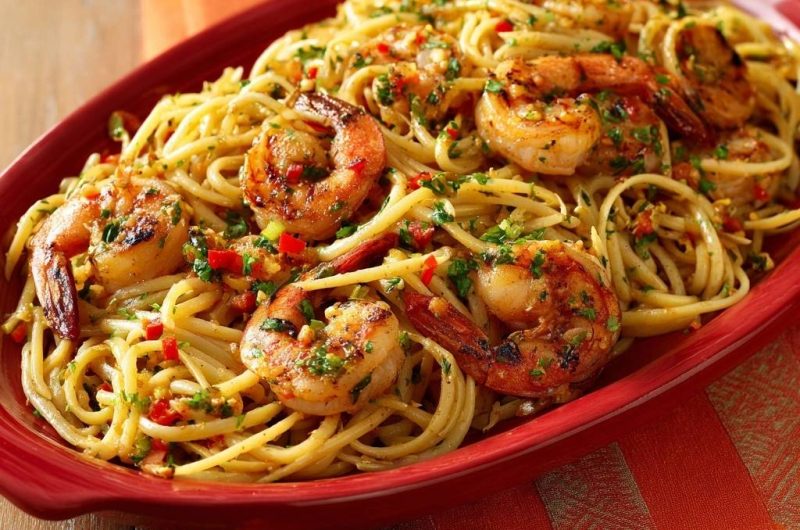
Garlic Butter Shrimp Linguine
Course: Main CourseCuisine: Italian-AmericanDifficulty: easy4
servings10
minutes15
minutes540
kcal25
MinutesA decadent pasta dish featuring jumbo shrimp seared to golden perfection, tossed with linguine in a rich emulsion of garlic, butter, chili, and fresh lemon zest.
Ingredients
1 pound jumbo shrimp, peeled and deveined (tail-on for presentation)
12 ounces linguine pasta
4 tablespoons unsalted butter
3 tablespoons extra virgin olive oil
6 cloves garlic, minced
1 large red chili (fresno or bird’s eye), finely diced
1/2 cup fresh Italian parsley, finely chopped
1/2 teaspoon lemon zest
1 tablespoon lemon juice
1/2 teaspoon smoked paprika (for color and crust)
Salt and black pepper to taste
Directions
- Bring a large pot of heavily salted water to a boil. Add the linguine and cook for one minute less than the package directions for al dente. Reserve 1/2 cup of the starchy pasta water before draining.
- While the pasta cooks, pat the shrimp completely dry with paper towels. This is essential for achieving the golden-brown crust shown in the image. Season the shrimp with salt, pepper, and a dusting of smoked paprika.
- Heat 2 tablespoons of olive oil in a large skillet over medium-high heat until it begins to shimmer. Add the shrimp in a single layer, ensuring they do not touch. Sear for 90 seconds per side without moving them, until a deep golden crust forms. Immediately remove the shrimp from the pan and set aside on a plate.
- Lower the heat to medium. In the same skillet, add the remaining tablespoon of olive oil and the butter. Once the butter foams, add the minced garlic and the diced red chili. Sauté for 1 minute until fragrant, being careful not to burn the garlic.
- Pour in the reserved pasta water and lemon juice. Whisk or stir rapidly for 2 minutes to create a glossy, emulsified sauce that will cling to the noodles.
- Add the cooked linguine to the skillet. Use tongs to toss the pasta vigorously in the garlic-chili butter until the liquid is mostly absorbed and the noodles are coated.
- Return the seared shrimp and any accumulated juices to the pan. Add the fresh parsley and lemon zest. Toss for 30 seconds just to marry the flavors and warm the shrimp through. Serve immediately on a warm platter.
Notes
- Patting the shrimp completely dry before seasoning is the key to achieving a golden-brown crust. Reserve starchy pasta water to create a glossy sauce that clings to the noodles.