Mastering Skillet Potatoes Au Gratin: The Starch-Stabilized Method
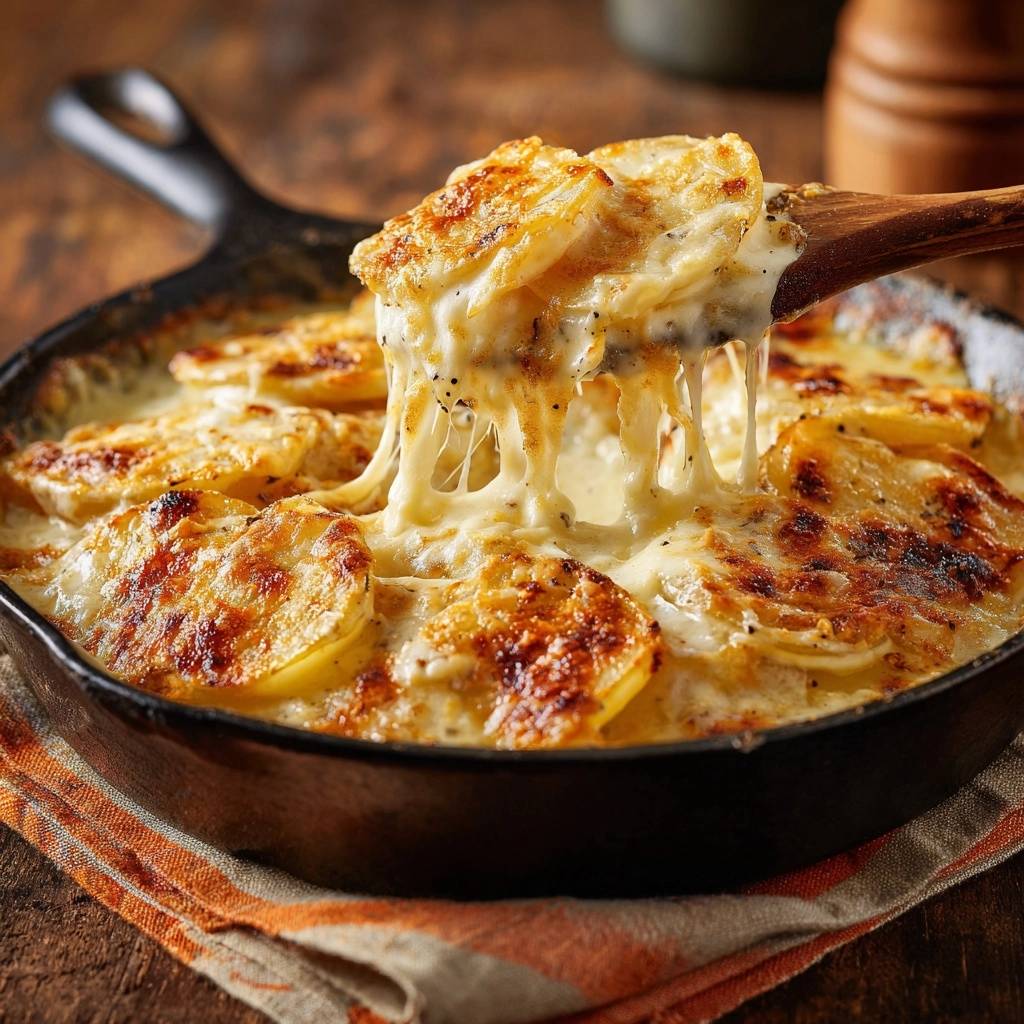
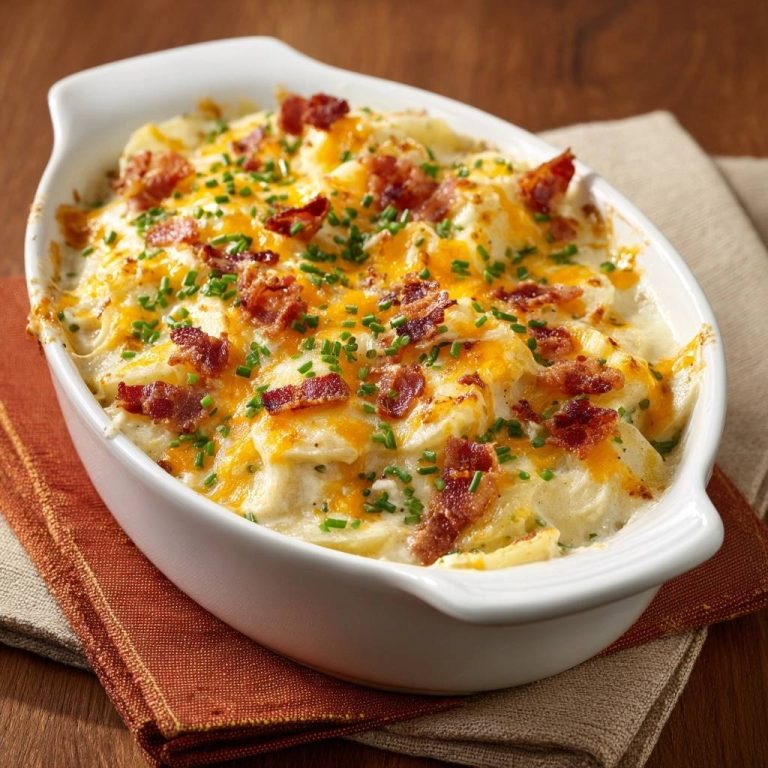
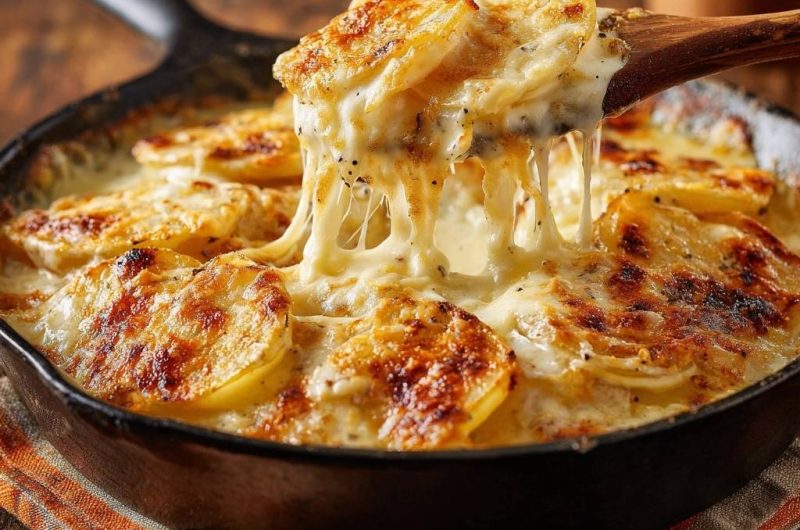
Imagine pulling a heavy skillet from the oven, its surface a bubbling landscape of mahogany-spotted Gruyere and molten mozzarella. You slide a spoon through the layers, expecting the usual puddle of broken oil and grainy solids, but instead, you find a sauce as smooth as silk. This is the holy grail of Skillet Potatoes Au Gratin, where every slice is enveloped in a velvety, ivory coating that actually clings to the vegetable.
Most home cooks struggle with the dreaded “broken” sauce, where the high oven heat causes the dairy to separate into greasy liquid and curdled proteins. It’s a frustrating waste of expensive cheese and time. However, the secret to a restaurant-quality finish isn’t a fancy ingredient; it’s a simple change in your workflow that harnesses the natural power of the potato itself.
The trick lies in a brief stovetop simmer before the skillet ever touches the oven rack. By heating the potatoes directly in the cream, you activate their natural starches, creating a built-in stabilizer. This ensures your sauce stays emulsified and rich, providing that luxurious mouthfeel you crave without the oily mess. I’ve found that this one step makes the dish virtually foolproof, even for beginners.
The Science of Starch and Emulsification
To understand why this method works, we have to look at the chemistry of the Yukon Gold potato. These medium-starch tubers are packed with amylopectin, a type of starch molecule that begins to swell and release when heated in liquid. When you simmer your slices in the cream and milk mixture for ten minutes, you’re essentially creating a natural roux without the need for flour.
In a traditional “cold start” recipe, the potatoes and cold cream go straight into a hot oven. As the dairy reaches a boil in that intense environment, the fat globules in the heavy cream lose their structural integrity and separate. Because the potatoes haven’t had time to release their starch into the liquid yet, there’s nothing to hold that fat in place. The result is a watery, broken mess at the bottom of your baking dish.
By using the “Simmer Step,” you allow the starch to pre-thicken the sauce at a lower, controlled temperature. This starch acts as a physical barrier, surrounding the fat droplets in the cream and preventing them from clumping together. Therefore, when the skillet finally hits the 400-degree oven, the sauce is already a stable, thickened emulsion that can withstand the heat. It’s the difference between a sauce that sits on top of the food and one that becomes part of it.
Essential Components for Skillet Potatoes Au Gratin
The foundation of this dish is the Yukon Gold potato. While Russets are great for baking, they tend to fall apart into mush in a gratin. Yukon Golds hold their shape beautifully while offering a naturally buttery flavor and a creamy yellow interior. Always aim for 1/8-inch slices; if they’re too thick, they won’t soften in time, and if they’re paper-thin, they’ll dissolve into the sauce.
Our dairy trio provides the perfect balance of richness and fluidity. Heavy cream brings the fat necessary for that decadent mouthfeel, while a splash of whole milk thins the mixture just enough to let it penetrate between the potato layers. Don’t be tempted to use skim milk here, as the lower fat content increases the risk of curdling despite our starch trick.
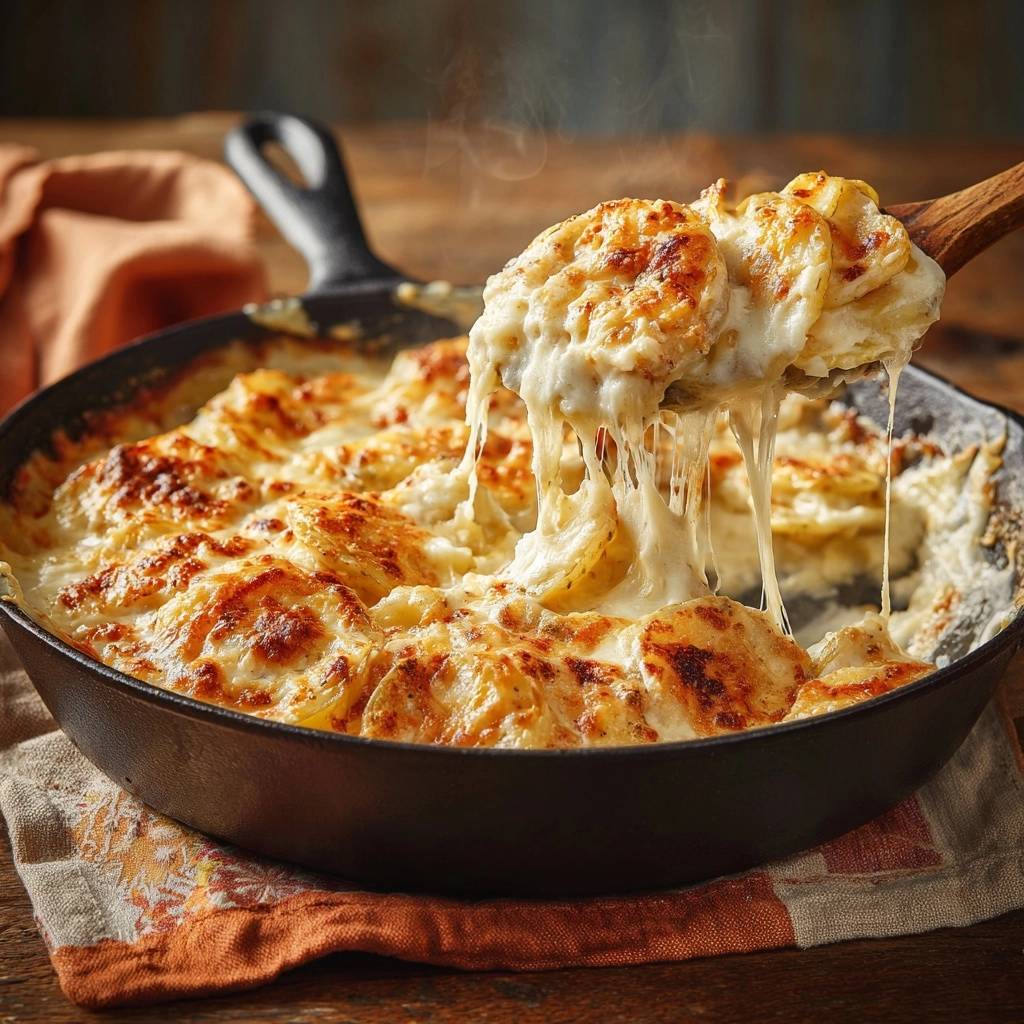
The cheese blend is where the flavor truly wakes up. Gruyere is the classic choice for its nutty, sophisticated profile and excellent melting capabilities. I like to mix in low-moisture mozzarella specifically for that dramatic, stretchy cheese pull that makes everyone at the table reach for seconds. Finally, a dusting of Parmesan adds a salty, umami punch that cuts through the heavy dairy.
Aromatics are the final piece of the puzzle. Freshly minced garlic sautéed in butter provides a savory base note, while dried thyme adds an earthy, floral aroma. These small additions are vital because they provide contrast to the richness of the cream and cheese, ensuring the dish tastes complex rather than just heavy.
Selecting the Right Cast Iron Skillet
A 12-inch cast iron skillet is the undisputed champion for this recipe. Cast iron is famous for its heat retention, which means once you move it from the burner to the oven, the temperature remains consistent. This steady heat is exactly what you need for the potatoes to cook through evenly without the edges burning before the center is tender.
Using a single vessel for both the stovetop simmer and the oven bake isn’t just about saving you from doing extra dishes. The seasoned surface of a cast iron pan helps develop a gorgeous, slightly crisp crust on the bottom layer of potatoes. This “bottom crust” provides a wonderful textural contrast to the tender, creamy layers above it. Plus, the rustic look of a black skillet on the dinner table is hard to beat.
Preparing the Base: Infusing the Cream
Everything starts with the butter and garlic. When you melt your butter over medium heat, keep a close eye on those garlic bits. You want them to become fragrant and soft, which usually takes about sixty seconds. If the garlic turns dark brown or black, it will become bitter and ruin the entire sauce. If that happens, it’s better to wipe the pan and start over.
Once the garlic is ready, pour in your cream, milk, and seasonings. The goal here is a “gentle simmer,” not a rolling boil. Look for small bubbles just breaking the surface around the edges of the pan. High heat can shock the dairy proteins and cause them to tighten up, so keep the flame at a medium-low setting. This slow warm-up allows the thyme and pepper to infuse their flavors deeply into the liquid.
The Pre-Bake Simmer: Thickening the Sauce
Now comes the most important part of the process. Carefully slide your potato slices into the warm cream. You’ll want to stir them gently with a flexible spatula to make sure they aren’t sticking together in clumps. Every single surface of every slice needs to be kissed by that cream to release the necessary starch.
As the potatoes simmer for those 8 to 10 minutes, you’ll actually see the transformation happen. The liquid will change from a thin, watery consistency to a thick, glossy sauce that looks like heavy gravy. This is the amylopectin doing its job. Don’t walk away during this stage; give it a gentle stir every minute or so to ensure the bottom layers don’t scorch against the cast iron.
Achieving the Perfect Golden Cheese Crust
Before the skillet goes into the oven, use your spatula to press the potatoes down into a flat, even layer. You want them mostly submerged so they cook at the same rate. Sprinkle your remaining Gruyere and mozzarella over the top in an even blanket. This cheese layer acts as an insulator, trapping steam inside the potatoes to help them soften.
The final 25 to 30 minutes in the oven do the heavy lifting, but the broiler is your best friend for the finish. Once the potatoes are tender, switch to the broiler for about 3 minutes. Stay right there and watch through the oven window. You’re looking for deep mahogany spots and a bubbling, golden surface. Those browned bits are caramelized milk solids and cheese, and they provide the best flavor in the whole dish.
Why Resting is Non-Negotiable
I know it’s tempting to dive in the second the skillet hits the counter, but you must wait at least 10 minutes. When the gratin comes out of the oven, the sauce is still very fluid and bubbling. If you cut into it immediately, the sauce will run everywhere, and your beautiful layers will collapse into a heap.
During the resting period, a process called carry-over cooking finishes the job. The starches fully hydrate and “set,” turning the liquid into a cohesive sauce that stays put. The cheese also firms up just enough to give you those long, satisfying strands when you finally serve it. Patience here results in a much more professional presentation.
Troubleshooting Common Gratin Obstacles
If your potatoes are still crunchy after the allotted time, it’s usually due to one of two things: the slices were too thick or the oven temperature is running low. You can fix this by covering the skillet with foil and baking for another 10 minutes to trap more steam. Next time, try using a mandoline slicer to ensure perfectly uniform 1/8-inch rounds.
If you notice the sauce looks slightly oily despite the simmer method, it’s likely because the cheese was pre-shredded. Pre-shredded cheeses are coated in potato starch or cellulose to prevent clumping in the bag, which can interfere with how the cheese melts into the sauce. For the smoothest results, always grate your Gruyere and Parmesan fresh from the block.
Flavor Variations and Herb Substitutions
Once you master the base technique, you can start playing with the flavor profile. For a classic French “Dauphinoise” vibe, add a tiny pinch of freshly grated nutmeg to the cream. It adds a subtle warmth that complements the potatoes perfectly. If you like a bit of heat, a teaspoon of white pepper or a pinch of red pepper flakes in the garlic butter works wonders.
You can also swap the herbs to match your main course. Rosemary and sage are fantastic for a winter meal, while fresh chives stirred in at the very end add a bright, oniony pop. If you have some extra time, stirring in a handful of caramelized onions before you top the dish with cheese adds a deep, jammy sweetness that takes the gratin to a whole new level.
Optimal Main Course Pairings
Because these potatoes are incredibly rich and creamy, they pair best with proteins that have a bit of acidity or a clean, roasted flavor. A simple roasted chicken with plenty of lemon and rosemary is a match made in heaven. The citrus from the chicken cuts right through the heavy cream and cheese of the gratin.
For a perfect pairing, try our Skillet Cheesy Potatoes Au Gratin.
If you’re serving this for a holiday or special occasion, a seared beef tenderloin or a garlic-crusted prime rib is the way to go. To balance the plate, I always suggest a side of bitter greens, like an arugula salad with a sharp balsamic vinaigrette or sautéed broccolini with a squeeze of lemon. The bitterness and acidity are essential for cleansing the palate between bites of cheesy potatoes.
Storage and Reheating for Best Texture
Leftover au gratin potatoes stay delicious for about three days in the refrigerator when kept in an airtight container. However, how you reheat them matters. Avoid the microwave if possible; the intense, uneven heat can break the emulsion we worked so hard to create, leaving you with a greasy plate.
The best way to reheat is in a small skillet or oven-safe dish. Add a tiny splash of milk or cream to the potatoes, cover with foil, and warm them in a 350-degree oven until bubbling. This extra moisture helps “re-hydrate” the sauce and restores that original silkiness. If you’re in a rush, use the stovetop on low heat with a lid, stirring very gently so you don’t mash the slices.
Frequently Asked Questions
How do I store leftovers and can I freeze this dish?
Store leftovers in an airtight container in the fridge for up to 3 days. I do not recommend freezing this dish. Potatoes tend to become grainy and mealy when frozen and thawed, and the cream sauce will almost certainly break and become oily upon reheating. It’s definitely a dish best enjoyed fresh or within a few days of cooking.
Why did my sauce turn out grainy or curdled?
Graininess usually happens if the sauce boiled too vigorously in the oven or if you used fat-free dairy. To prevent this, ensure you are using heavy cream and following the stovetop simmer step. This step coats the potatoes in starch, which acts as a shield for the dairy fats. Also, avoid using pre-shredded cheese, as the anti-clumping agents can create a gritty texture.
Can I use a different type of potato like Russets?
You can, but the texture will be different. Russets have a very high starch content and a low moisture content, meaning they tend to fall apart and lose their shape. Yukon Golds are the “Goldilocks” of potatoes for gratins because they are waxy enough to hold their shape but starchy enough to thicken the sauce. If you use Russets, be very gentle when stirring during the simmer phase.
What can I use if I don’t have a cast iron skillet?
If you don’t have cast iron, you can perform the simmer step in a regular large saucepan. Once the sauce has thickened and you’ve stirred in the first half of the cheese, carefully transfer the mixture into a greased 9×13 inch baking dish. Top with the remaining cheese and bake as directed. You might lose that specific bottom crust, but the sauce will still be perfectly creamy.
Can I make this recipe ahead of time?
Yes, you can prepare the recipe through the stovetop simmer step. Transfer the mixture to your skillet or baking dish, let it cool slightly, then cover and refrigerate. When you’re ready to eat, add the cheese topping and bake. Note that you may need to add 10-15 minutes to the baking time since you are starting with cold potatoes from the fridge.
Potatoes Au Gratin
Course: Side DishCuisine: French AmericanDifficulty: medium6
servings15
minutes45
minutes380
kcal60
MinutesA restaurant-quality cheesy potato bake featuring Yukon Gold potatoes simmered in a garlic and thyme infused cream sauce, topped with a blend of Gruyere, mozzarella, and Parmesan cheese.
Ingredients
3 pounds Yukon Gold potatoes, peeled and sliced 1/8 inch thick
2 cups heavy cream
1/2 cup whole milk
3 cloves garlic, minced
1 teaspoon salt
1/2 teaspoon freshly cracked black pepper
1/2 teaspoon dried thyme
1.5 cups shredded Gruyere cheese
1 cup shredded low-moisture mozzarella (for the visual cheese pull)
1/2 cup grated Parmesan cheese
2 tablespoons unsalted butter
Directions
- Preheat your oven to 400 degrees F.
- In a large (12-inch) oven-safe cast iron skillet, melt the butter over medium heat. Add the minced garlic and cook for 1 minute until fragrant but not browned.
- Pour the heavy cream, milk, salt, pepper, and thyme into the skillet. Bring the mixture to a very gentle simmer.
- Add the sliced potatoes to the simmering cream. Stir gently to ensure every slice is coated. Let the potatoes simmer in the cream for 8 to 10 minutes on the stovetop, stirring occasionally to prevent sticking. This is the critical step: the starch from the potatoes will thicken the cream, preventing the sauce from curdling or breaking later in the oven.
- Remove the skillet from the heat. Stir in the Parmesan cheese and half of the Gruyere until melted into the sauce.
- Use a spatula to press the potatoes down into an even layer, ensuring they are mostly submerged in the thickened cream.
- Top the potatoes with the remaining Gruyere and the shredded mozzarella.
- Transfer the skillet to the oven and bake for 25 to 30 minutes, or until the potatoes are tender when pierced with a knife.
- For the perfect golden-brown crust shown in the image, turn the broiler on for the last 3 minutes of cooking until the cheese is bubbly and deeply browned in spots.
- Let the dish rest for 10 minutes before serving. This allows the sauce to set and the cheese to reach the perfect “pull” consistency.
Notes
- Simmering the potatoes in cream on the stovetop before baking releases natural starches that act as a stabilizer to prevent the sauce from breaking or curdling.