Spaghetti Bolognese: The Ultimate Clinging Sauce
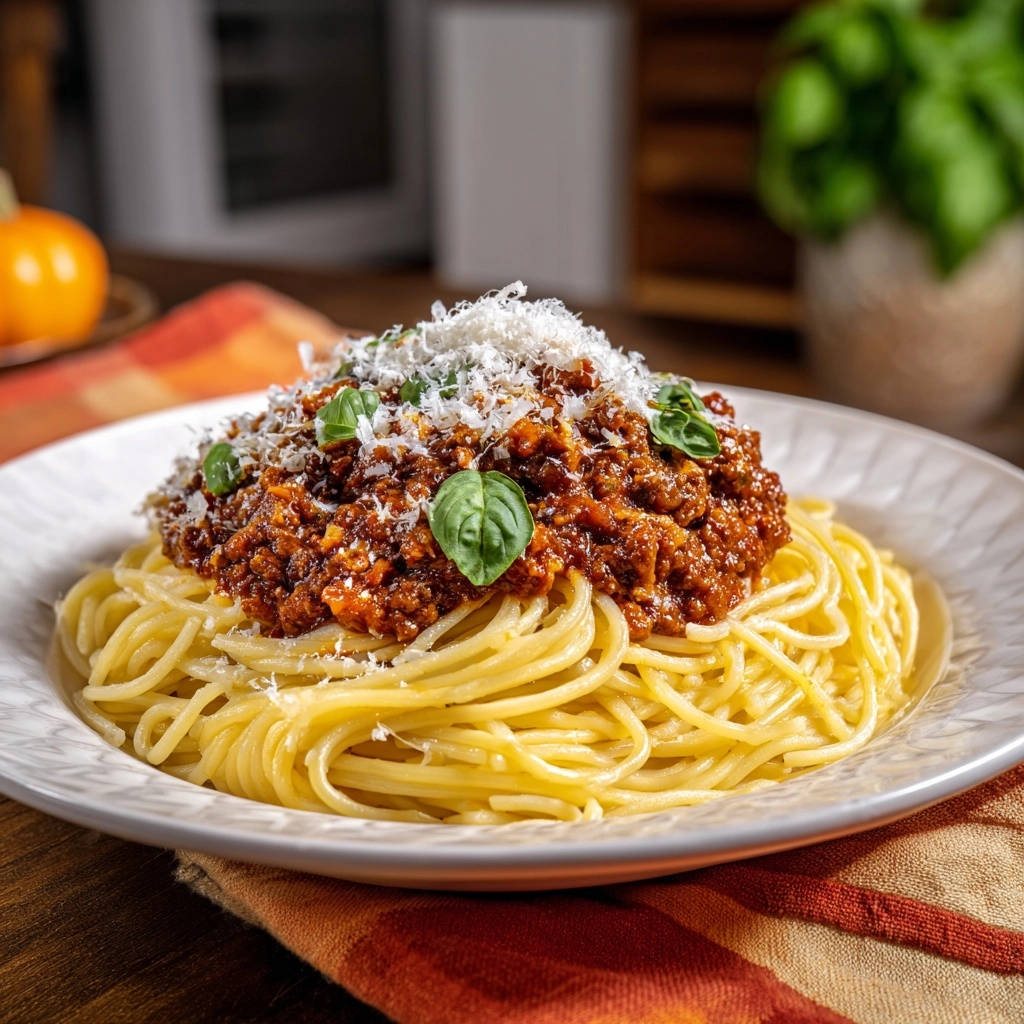
Ever found yourself staring at a delicious plate of spaghetti bolognese, only to watch the rich sauce slip unceremoniously off every strand of pasta? This common dilemma transforms a promising meal into a soupy disappointment. I’ve perfected a simple yet brilliant method to create a truly exceptional Spaghetti Bolognese where every succulent piece of meat and flavorful tomato clings perfectly to your pasta, delivering an unparalleled dining experience.
The Secret to Spaghetti Bolognese That Truly Clings
Many home cooks face the frustration of a watery Bolognese, where the carefully crafted sauce struggles to adhere to the pasta. This recipe, born from countless kitchen experiments, addresses that very challenge head-on.
Our goal is to achieve a luxuriously thick, deeply flavorful sauce that embraces each strand of spaghetti, rather than shying away from it. It’s a game-changer for anyone seeking that authentic, satisfying bite.
Unveiling the “No-Slip” Sauce Strategy
The “no-slip” sauce strategy in this recipe focuses on two crucial, yet often overlooked, techniques. These methods ensure your rich meat sauce achieves an ideal consistency for maximum pasta adhesion.
We’re moving beyond basic cooking to a thoughtful process that guarantees every forkful is a perfect blend of pasta and deeply flavorful sauce.
If you prefer a slower approach to letting those flavors develop, try this method for a hearty slow cooker pasta e fagioli.
Why Extended Simmering Transforms Your Sauce
A true Bolognese cannot be rushed; patience is its secret ingredient. Our recipe calls for a minimum 30-45 minute simmer time, and this duration is absolutely critical.
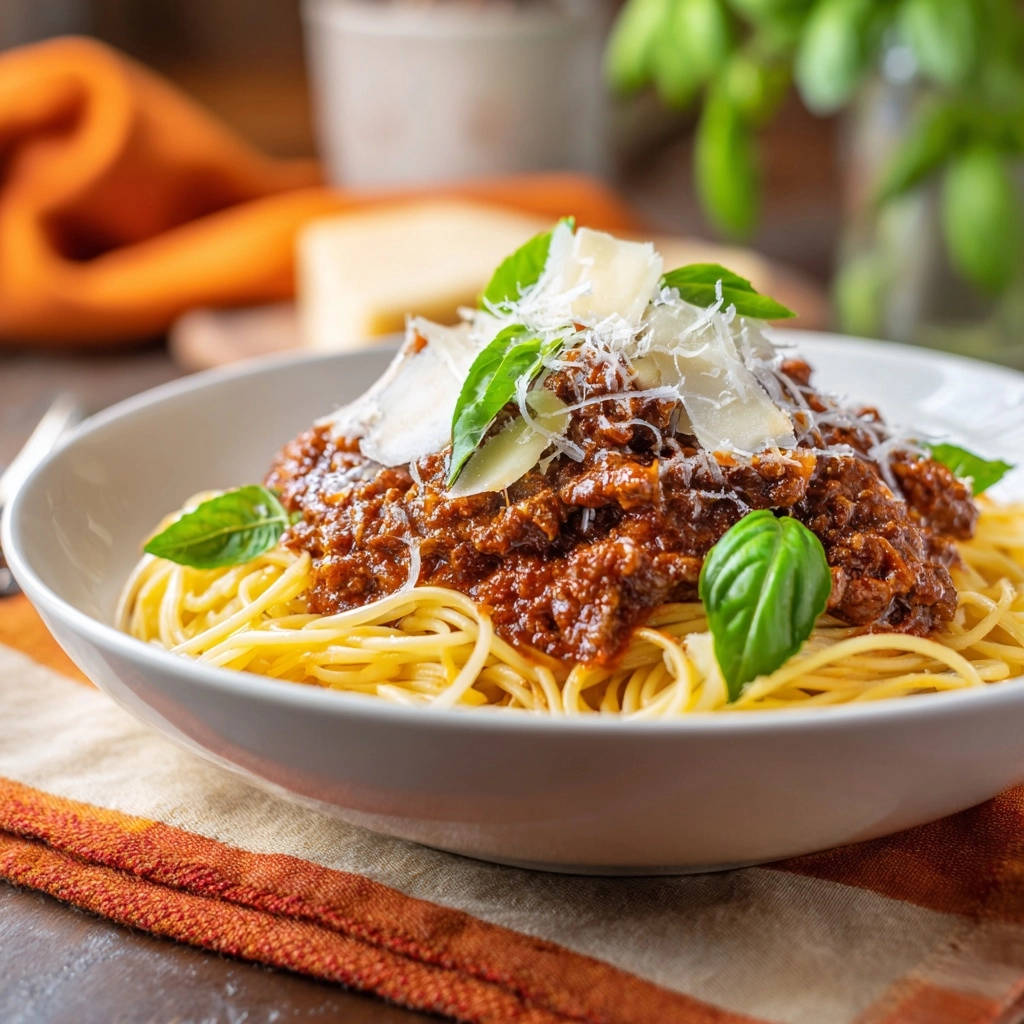
This extended, gentle cooking allows the flavors from the meat, tomatoes, and aromatics to meld and deepen profoundly. Simultaneously, the sauce naturally reduces and thickens, evaporating excess liquid to prevent any thin or watery consistency.
The Starch Factor: How Pasta Water Creates Magic
The starchy water leftover from cooking your pasta is liquid gold. Far from being merely discarded, it plays a pivotal role in creating a clinging, emulsified sauce.
Adding a few tablespoons of this reserved pasta water at the end helps to bind the sauce to the spaghetti. The starch acts as a natural emulsifier, creating a luscious texture that ensures every strand is beautifully coated.
The Essential Elements: Building Your Bolognese Masterpiece
Crafting an outstanding Spaghetti Bolognese begins with selecting and understanding your ingredients. Each component contributes significantly to the final taste and texture of this rich meat sauce.
Focusing on quality and preparation makes all the difference in building complex flavors.
Quality Ground Beef: The Flavor Foundation
The choice of ground beef forms the backbone of your Bolognese. Opt for a good quality ground beef, preferably 80/20 (80% lean, 20% fat), for the best balance of flavor and tenderness.
The fat renders during cooking, contributing richness, but crucially, any excess must be drained. This step prevents a greasy sauce and allows other flavors to shine.
Aromatic Allies: Onion and Garlic
Finely diced yellow onion and minced garlic are more than just additions; they are the aromatic foundation. Slowly sautéing these until soft and fragrant unlocks their sweet, savory notes.
These aromatics build a vital layer of depth, creating the complex flavor profile characteristic of a truly great homemade Bolognese.
Tomato Triumvirate: Crushed Tomatoes & Herbs
For this recipe, crushed tomatoes are ideal, providing a rich, pulpy base that contributes to the sauce’s body. They offer a balance of sweetness and acidity without the chunky texture of diced tomatoes.
Dried oregano infuses the sauce with classic Italian warmth during the simmer. Fresh basil, reserved for garnish, adds a vibrant, fragrant finish, lifting the dish with its peppery sweetness.
The Perfect Pasta & Parmesan Pairings
While often served with other pasta shapes, classic spaghetti offers the perfect texture and surface for our clinging sauce. Choose a good quality spaghetti that holds its shape and texture when cooked al dente.
If you enjoy a sauce that clings to every strand of pasta, you’ll appreciate the same hearty texture in a hearty rigatoni bolognese.
Freshly grated Parmesan cheese is non-negotiable. Its salty, umami-rich flavor melts beautifully into the sauce, adding depth, and a final sprinkle enhances every bite.
Essential Kitchen Tools for Perfect Spaghetti Bolognese
Having the right tools makes the cooking process smoother and helps achieve the best results. These items are indispensable for preparing a delicious Spaghetti Bolognese.
They contribute to efficient browning, even simmering, and easy handling of both sauce and pasta.
Heavy-Bottomed Skillet or Dutch Oven
A heavy-bottomed skillet or Dutch oven is crucial for this recipe. Its robust construction ensures even heat distribution, preventing hot spots that can scorch the meat or sauce.
This type of pan is excellent for browning ground beef effectively and maintaining a consistent, gentle simmer for the sauce, allowing flavors to develop properly.
Sturdy Tongs and a Reliable Pot
A large, sturdy pot is essential for cooking your spaghetti. It needs ample space for the pasta to move freely, ensuring even cooking to that perfect al dente texture.
Sturdy kitchen tongs are invaluable for tossing the cooked spaghetti directly with the Bolognese sauce. They allow you to thoroughly coat every strand, ensuring a luxurious finish.
Mastering the Method: Step-by-Step Spaghetti Bolognese
Step 1: Building a Rich Meat Base
Begin by heating olive oil in your heavy-bottomed skillet or Dutch oven over medium-high heat. Add the ground beef, breaking it apart with a spoon as it cooks until fully browned.
Once the meat is deeply caramelized and no pink remains, it’s crucial to drain any excess fat. This prevents your sauce from becoming greasy and ensures a cleaner, richer flavor.
Step 2: Sautéing Aromatics to Perfection
Reduce the heat to medium, then add the finely diced yellow onion to the skillet. Cook the onion, stirring occasionally, until it softens and becomes translucent, which usually takes about 5-7 minutes.
Next, add the minced garlic and continue cooking for just another minute. The garlic should be fragrant but careful not to let it brown or burn, as this can impart a bitter taste.
Step 3: Introducing the Tomatoes and Beginning the Simmer
Stir in the 28-ounce can of crushed tomatoes, along with the 1/2 cup of water or vegetable broth. Incorporate the dried oregano, then season generously with salt and black pepper to taste.
Bring this mixture to a gentle simmer, ensuring all ingredients are well combined and bubbling softly at the edges.
Step 4: The Crucial Simmer: Deepening Flavors and Thickening the Sauce
Reduce the heat to low, cover the skillet partially, and let your Bolognese sauce simmer for at least 30-45 minutes. Stir occasionally to prevent sticking and encourage even cooking.
This extended simmering time is non-negotiable for an authentic Spaghetti Bolognese. It allows the flavors to truly deepen and marry, while the sauce naturally reduces and thickens to that perfect clinging consistency.
Step 5: Al Dente Pasta and Starchy Water Gold
While the sauce is simmering, bring a large pot of heavily salted water to a rolling boil. Add the spaghetti and cook according to package directions until it is al dente, meaning it’s tender but still has a slight bite.
Before draining the cooked spaghetti, make sure to reserve about 1 cup of the starchy pasta water. This water is vital for creating the clinging texture we aim for in the sauce.
Step 6: The Clinging Finale: Parmesan and Pasta Water Integration
Once the Bolognese sauce has thickened to your desired consistency, stir in 1/2 cup of freshly grated Parmesan cheese until it melts smoothly into the sauce.
If the sauce appears a little too thick, or if you desire an even more luxurious, clingy coating, stir in a few tablespoons of the reserved pasta water. The starch helps emulsify the sauce, making it adhere beautifully to the pasta.
Step 7: Tossing and Serving Your Bolognese Masterpiece
Add the drained spaghetti directly to the sauce in the skillet. Using sturdy tongs, toss the pasta thoroughly, ensuring every single strand is generously coated with the rich Bolognese sauce.
Serve your ultimate Spaghetti Bolognese immediately, garnished with an extra sprinkle of Parmesan cheese and a few fresh basil leaves for a burst of color and aroma.
What to Serve with Spaghetti Bolognese
Round out your pasta night with a crisp salad or extra meatballs for a heartier meal.
- A cold, tangy chopped antipasto salad cuts through the richness of the sauce with its briny vegetables and sharp dressing.
- For more slow-cooked flavor, add a batch of tender slow simmered Italian meatballs to soak up the same tomato sauce.
Expert Tips to Elevate Your Spaghetti Bolognese
Choosing the Right Ground Meat: For the most flavorful rich meat sauce, an 80/20 ground beef provides a perfect balance. The fat renders and adds depth, but remember to drain the excess after browning to prevent a greasy final dish.
The Art of Simmering: Patience Pays Off: A truly great homemade Bolognese sauce thrives on time. Do not shorten the simmer; the 30-45 minutes are essential for the flavors to fully develop and for the sauce to achieve its signature thickness and richness.
Herb Power: Fresh vs. Dried for Maximum Impact: Dried oregano is cooked directly into the sauce, contributing a foundational earthy flavor. Reserve fresh basil to tear and scatter over the finished dish, adding a bright, peppery aroma and fresh appearance just before serving.
Don’t Waste That Starchy Water!: This is a secret weapon for achieving a truly clinging sauce. The starch in the pasta water helps to emulsify the sauce, creating a silky texture that effortlessly coats every piece of spaghetti.
Seasoning as You Go: Taste your Bolognese sauce throughout the cooking process. Adjust salt and pepper as needed after the tomatoes and liquids have simmered down, ensuring the final flavor is perfectly balanced and robust.
Spaghetti Bolognese Troubleshooting: Common Hiccups Solved
Even expert cooks encounter minor issues sometimes. Here’s how to quickly resolve common challenges when making your Spaghetti Bolognese.
Problem: My Sauce is Too Thin/Watery
If your homemade Bolognese is too thin, simply continue simmering it uncovered for a longer period. This allows more liquid to evaporate naturally, concentrating the flavors and thickening the sauce.
Alternatively, you can stir in a tablespoon of tomato paste, which acts as a natural thickener and enhances the tomato flavor. If absolutely necessary, a very small cornstarch slurry (1 tsp cornstarch mixed with 1 tsp cold water) can be added, but simmer for a few minutes to cook out the raw starch taste.
Problem: The Flavor Lacks Depth
If your Spaghetti Bolognese tastes a bit bland, consider extending the simmering time; often, more time equals more flavor. You can also add a pinch of sugar to balance the acidity of the tomatoes and enhance their sweetness.
A splash of soy sauce or a dash of umami paste can subtly deepen the savory notes without altering the core Italian profile. Ensure you’ve seasoned adequately with salt and freshly ground black pepper throughout the process.
Problem: Meat is Dry or Greasy
Dry meat typically indicates overcooking during the initial browning stage. Brown the ground beef until it’s just no longer pink, then drain the fat promptly.
If your sauce is greasy, it’s usually because excess fat wasn’t drained after browning the beef. You can skim the fat off the top of the sauce after it has simmered, or even chill the sauce slightly for easier fat removal before reheating.
Make Ahead & Storage: Enjoy Bolognese Anytime
Spaghetti Bolognese is a fantastic meal prep option, with flavors often improving over time. Prepare it in advance to save time on busy weeknights.
Can I Prepare Bolognese Sauce in Advance?
Absolutely! Bolognese sauce is one of those dishes that tastes even better the next day, as the flavors have more time to meld and deepen. You can prepare the sauce entirely, let it cool completely, and then store it in an airtight container in the refrigerator for up to 3-4 days.
Simply cook the fresh spaghetti just before serving and combine it with the reheated sauce. This makes for a wonderfully convenient and delicious meal.
Best Practices for Freezing and Reheating
For longer storage, your Bolognese sauce freezes beautifully. Allow the sauce to cool completely before transferring it to freezer-safe containers or heavy-duty freezer bags.
It can be stored in the freezer for up to 3 months. To reheat, thaw the sauce in the refrigerator overnight, then gently warm it on the stovetop over low heat, adding a splash of water or broth if needed to restore its perfect consistency.
Your Top Spaghetti Bolognese Questions Answered
What kind of pasta is best for Bolognese?
While this recipe focuses on classic spaghetti, other pasta shapes that pair well with a rich Bolognese sauce include tagliatelle, fettuccine, or pappardelle. Their wider, flatter surfaces are excellent for catching and holding the thick, clinging sauce.
Even tube-shaped pasta like rigatoni or penne can work well, allowing the sauce to get trapped inside for a burst of flavor in every bite.
Can I add vegetables to my Bolognese?
Yes, adding extra vegetables is a fantastic way to boost nutrition and complexity! Finely diced carrots and celery (known as soffritto when cooked with onion) are traditional additions, often sautéed with the onion and garlic.
Mushrooms, bell peppers, or even finely grated zucchini can also be incorporated. Ensure any added vegetables are finely chopped so they meld seamlessly into the sauce without distracting from the primary Bolognese texture.
How do I make this gluten-free?
To make this Spaghetti Bolognese gluten-free, the primary substitution is the pasta itself. Opt for a high-quality gluten-free spaghetti, which is widely available in most grocery stores.
Always double-check the labels of your other ingredients, such as broth, to ensure they are certified gluten-free, although most basic components like tomatoes, meat, and herbs are naturally gluten-free.
What’s the best way to reheat Bolognese?
For the best texture and flavor, reheat Bolognese sauce gently on the stovetop over low to medium-low heat. Stir frequently to prevent scorching, and add a small splash of water or broth if the sauce has thickened too much during storage.
If reheating Bolognese already combined with spaghetti, it’s best to do so in individual portions in the microwave or a skillet, adding a little moisture to prevent the pasta from drying out.
Ready to Create Your Own Clinging Spaghetti Bolognese?
You now possess the secrets to crafting a truly unforgettable Spaghetti Bolognese, a rich meat sauce that clings lovingly to every strand of pasta. This isn’t just a meal; it’s an experience in Italian comfort food, brimming with deep flavors and satisfying textures.
Gather your ingredients, embrace the art of the slow simmer, and prepare to delight your taste buds. I encourage you to try this recipe and discover the magic of a Bolognese that never lets go!
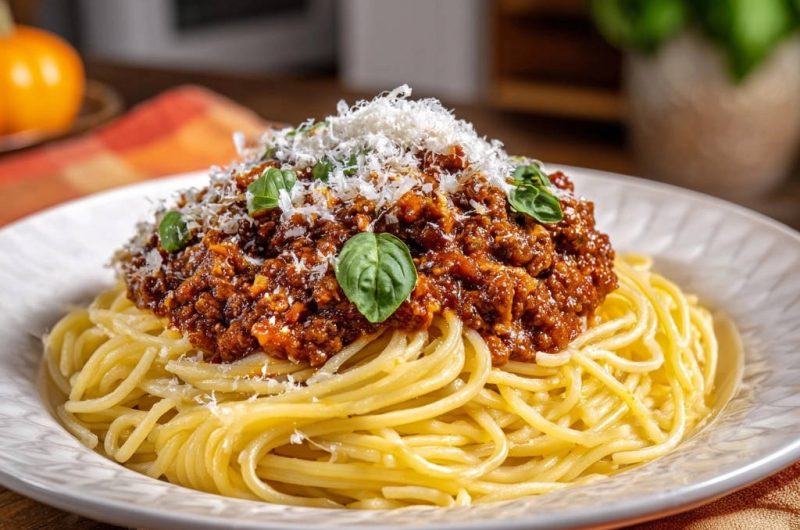
Spaghetti Bolognese
Course: Main CourseCuisine: Italian-AmericanDifficulty: medium4
servings20
minutes1
hour650
kcal80
minutesEver found your sauce sliding off your pasta? Discover a simple trick to create a rich, thick bolognese that perfectly coats every strand of spaghetti. This recipe guarantees a sauce that truly clings!
Ingredients
1 pound spaghetti pasta
1 tablespoon olive oil
1 pound ground beef
1 medium yellow onion, finely diced
2 cloves garlic, minced
1 (28 ounce) can crushed tomatoes
1/2 cup water or vegetable broth
1 teaspoon dried oregano
Salt and black pepper to taste
1/2 cup grated Parmesan cheese, plus more for serving
Fresh basil leaves, for garnish
Directions
- Heat olive oil in a large skillet or Dutch oven over medium-high heat. Add the ground beef and cook, breaking it up with a spoon, until fully browned. Drain any excess fat to prevent a greasy sauce. Cook until no pink remains and it reaches 160°F (71°C).
- Reduce heat to medium. Add the finely diced onion to the skillet and cook until softened, about 5-7 minutes. Add the minced garlic and cook for another minute until fragrant.
- Stir in the crushed tomatoes, water or broth, dried oregano, salt, and pepper. Bring the sauce to a gentle simmer.
- Reduce the heat to low, cover partially, and let the sauce simmer for at least 30-45 minutes, stirring occasionally. This extended simmering time is crucial. It allows the flavors to deepen and the sauce to naturally reduce and thicken, ensuring it won’t be watery and will cling beautifully to your pasta.
- While the sauce simmers, bring a large pot of salted water to a rolling boil. Add the spaghetti and cook according to package directions until al dente. Reserve about 1 cup of the starchy pasta water before draining the spaghetti.
- Once the sauce has thickened to your desired consistency, stir in the 1/2 cup of grated Parmesan cheese. If the sauce seems a little too thick, or you want it to coat the pasta even more luxuriously, stir in a few tablespoons of the reserved pasta water. The starch in the water helps the sauce emulsify and stick to the pasta.
- Add the drained spaghetti directly to the sauce in the skillet and toss to combine, ensuring every strand is coated with the rich bolognese.
- Serve immediately, garnished with extra Parmesan cheese and fresh basil leaves.
Notes
- Extended simmering and starchy pasta water are key to a thick, clinging sauce.