Classic Carrot Cake: Fluffy Crumb Guaranteed
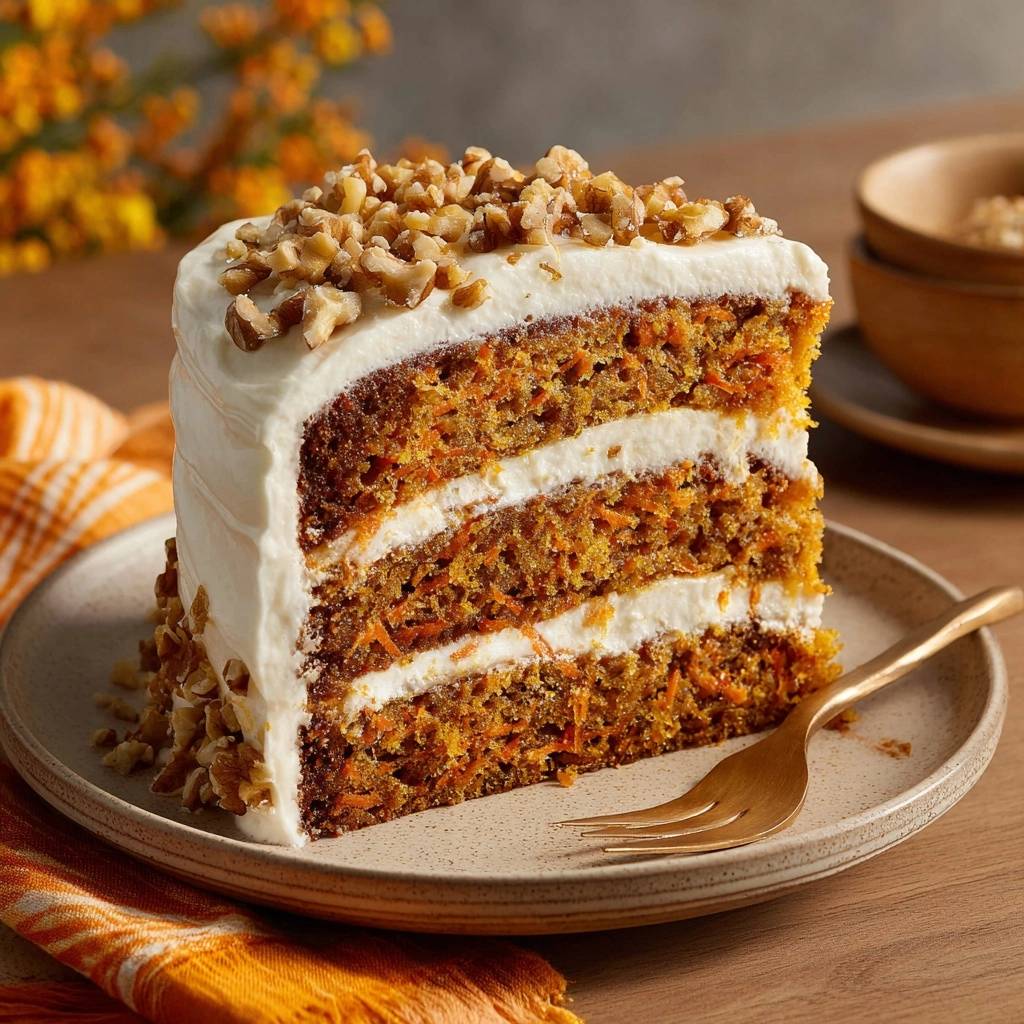
Ever bitten into a carrot cake that feels like a brick? Dense, gummy layers that sink in the middle ruin the whole experience. This classic carrot cake fixes that frustration with one foolproof mixing trick. You’ll get tall, fluffy layers every single time.
Here’s why it works so well. Overmixing wakes up gluten in the flour, turning your cake tough. Instead, this recipe adds dry ingredients in three quick batches on low speed. That keeps air pockets intact for a light crumb.
The real secret? Room temperature eggs whip up a stable emulsion with the oil. It traps air beautifully. No more flat cakes, just pure fluffiness that stays moist for days.
Why Classic Carrot Cake Demands Precision Mixing
Gluten acts like stretchy rubber bands in batter. When you overmix, those bands tighten and trap too much moisture, making the cake dense. This recipe’s three-addition method limits mixing to 30 seconds total. Therefore, you preserve tender airiness.
Room-temp eggs blend seamlessly with oil, creating a thickened base full of tiny bubbles. In addition, the grated carrots release moisture during baking, keeping everything soft without sogginess. It’s science that delivers bakery-level results at home.
The Role of Gluten in Carrot Cake Texture
Unlike bread dough where gluten builds strength, cake batter needs minimal development. Overmix here, and you’ll chew through tough strands. Whisk dry ingredients first, then add gently. That ensures a delicate, melt-in-your-mouth crumb.
Oil vs. Butter for Moist Classic Carrot Cake
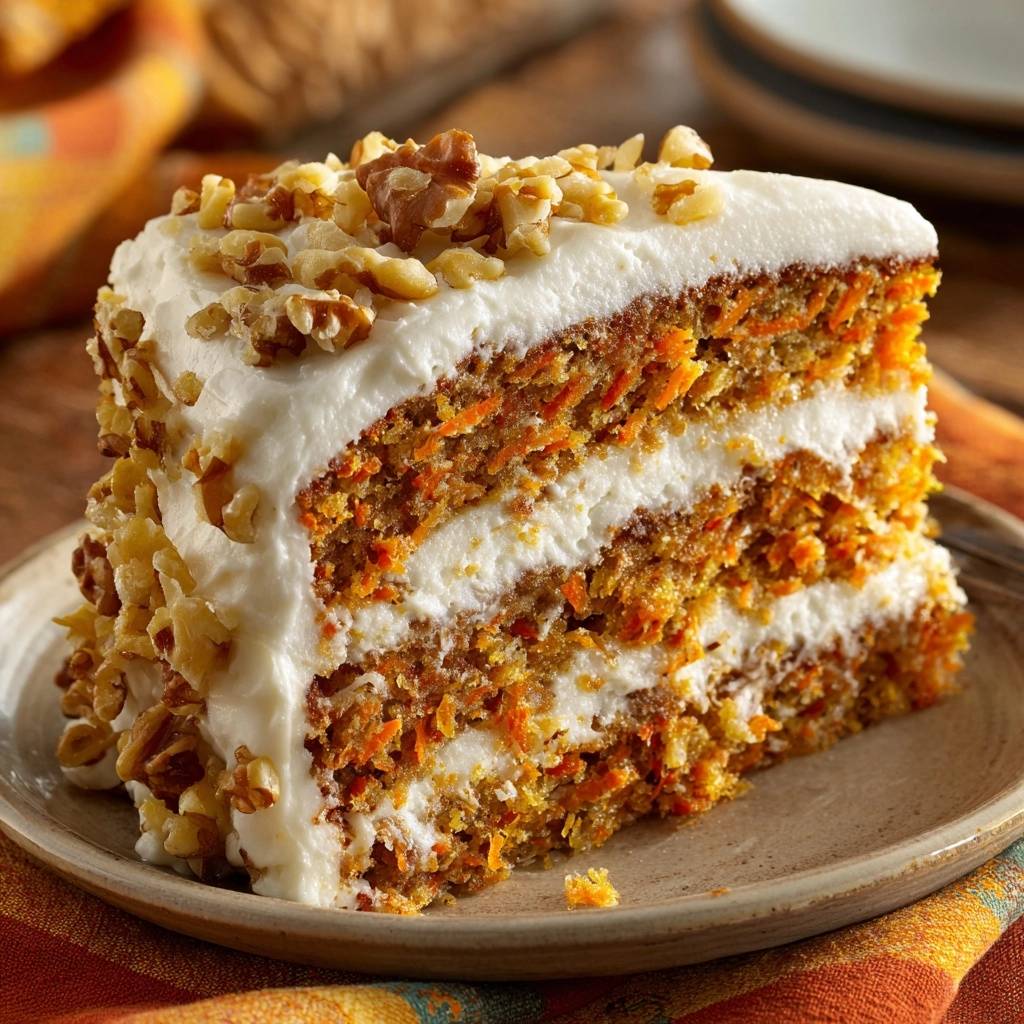
Vegetable oil stays liquid, coating flour proteins for ultimate tenderness. Butter solidifies when cool, which can toughen the cake. Therefore, oil wins for fluffiness. It also lets carrot and cinnamon flavors shine brighter.
Essential Ingredients for Fluffy Classic Carrot Cake
Start with 2 cups all-purpose flour, 2 teaspoons baking soda, 1 teaspoon baking powder, 1 teaspoon salt, and 2 teaspoons ground cinnamon. These leaveners react with carrot acidity for perfect lift. In addition, 1 3/4 cups granulated sugar sweetens without weighing down.
Grab 1 cup vegetable oil and 3 large room-temperature eggs. The oil guarantees moisture, while eggs emulsify for structure. Don’t skip 2 teaspoons vanilla extract; it rounds out the warm spices.
Finely grate 2 cups carrots (about 4 medium) and chop 1 cup walnuts. Freshly grated carrots melt into the batter evenly. Walnuts add crunch that stays suspended in fluffy layers.
For frosting, soften 8 ounces cream cheese and 1/2 cup unsalted butter. Beat in 1 teaspoon vanilla and 4 cups powdered sugar gradually. This creates a silky spread that pairs perfectly.
Grating Carrots: Finely vs. Coarsely for Texture
Finely grate carrots so they distribute moisture without big chunks disrupting fluff. Pulse in a food processor for even shreds. Box graters work too, but squeeze out excess liquid first to avoid gumminess.
Walnuts: Toasting and Chopping for Peak Flavor
Toast walnuts at 350°F for 5-7 minutes until fragrant. Chop to pea-sized pieces so they don’t sink. This boosts nutty depth without overpowering the cake’s lightness.
Science Behind the Fluffiest Classic Carrot Cake
Baking soda and powder team up with carrots’ natural acids and sugar for steady CO2 release. That even rise prevents domes or sinks. Folding carrots by hand traps air bubbles beautifully.
Tap pans to release big bubbles before baking. The Maillard reaction then browns the edges golden while keeping the inside fluffy. It’s all about balanced chemistry for pro results.
Baking Agents: Soda and Powder Synergy
Baking soda needs acid for immediate lift, while powder works solo for sustained rise. Together, they handle the three-layer height perfectly. Measure precisely for fluff without collapse.
Equipment Choices for Perfect Classic Carrot Cake
Use three 8-inch round pans for even baking and tall layers. Grease well and line with parchment. A stand mixer controls low-speed mixing precisely. Wire racks prevent steamed bottoms during cooling.
No stand mixer? A hand mixer works fine on low. A rubber spatula for folding is non-negotiable. These tools make success easy and mess-free.
Why Parchment Circles Prevent Sticking Disasters
Trace pan bottoms on parchment, cut circles, and fit snugly. They release layers cleanly for stacking. No more scraping or cracking delicate cakes.
The same pan preparation method ensures a clean release for this glazed blueberry lemon bundt cake.
Step-by-Step: Building Light Classic Carrot Cake Layers
Preheat oven to 350°F. Prep pans as described. Whisk dry ingredients in a medium bowl until lump-free. Set aside.
Beat sugar, oil, eggs, and vanilla on medium for 2 minutes. It thickens slightly and turns pale. This emulsion holds air like a pro.
Add dry mix in three parts on low speed, 10 seconds each. Stop when no flour streaks show. Overmixing kills fluff, so trust the timer.
Fold in carrots gently with a spatula. Scrape bowl bottom to distribute evenly. Then add walnuts the same way. Batter smells incredible already.
Divide batter equally, about 2 cups per pan. Weigh for perfection if you like. Tap pans on counter five times to pop bubbles.
Bake 25-30 minutes. Toothpick pulls clean with moist crumbs. Cool in pans 10 minutes, then racks fully. Layers firm up nicely.
Phase 1: Dry Ingredients Whisked to Perfection
Whisk flour first, then leaveners and spices. Sift if clumpy. Even distribution means no bitter pockets.
Phase 2: Wet Mix Emulsion for Airy Base
Medium speed creates ribbons that fall slowly. Room-temp eggs prevent curdling. Smells sweet and inviting.
If you are looking for another cake that uses a similar creaming method, try this cinnamon sugar bundt cake next.
Phase 3: Gentle Folding Preserves Fluffiness
Use a wide spatula, cutting down and under batter. Rotate bowl. Keeps air intact for rise.
Phase 4: Even Division and Bubble Release
Scoop evenly or weigh 15 ounces per pan. Tap firmly but gently. Smooth tops lightly.
Baking and Cooling for Stable Layers
Middle rack avoids hotspots. Test centers last. Pan cooling sets structure without cracks.
Cream Cheese Frosting: Silky Match for Carrot Cake
Beat softened cream cheese and butter until creamy, no lumps. Add vanilla. Gradually mix in powdered sugar on low, then high for fluff.
Scrape sides often. Frosting holds peaks but spreads smooth. Chill briefly if too soft. Perfect tangy contrast to sweet cake.
Softening Technique for Lump-Free Frosting
Counter soften 1-2 hours or microwave 10-second bursts. Should dent easily. Avoid melting for stable texture.
Layer Assembly and Walnut Decoration Guide
Level tops with serrated knife if domed. Place first layer on plate, spread 3/4 cup frosting. Stack second, repeat. Top with third.
Frost top and sides smoothly. Press walnuts into frosting for crunch. Chill 30 minutes for clean slices. Refrigerate leftovers.
Avoiding Pitfalls in Classic Carrot Cake Baking
Overmixing tops the list; stick to 30 seconds. Coarse carrots make streaks, so grate fine. Skip parchment? Layers stick and tear.
High oven temps dry edges. Cool fully before frosting. This recipe’s steps dodge every issue for flawless cake.
Troubleshooting Sinking Centers and Gummy Crumb
Oven hotspots cause uneven rise; rotate halfway. Measure flour by spooning, not scooping. Altitude? Increase flour 1-2 tablespoons.
Storage and Make-Ahead for Classic Carrot Cake
Store covered at room temp up to 2 days. Refrigerate up to 5 days; bring to room temp before serving. Freeze unfrosted layers wrapped tightly up to 3 months. Thaw overnight in fridge for fresh fluff.
Flavor Twists on Traditional Classic Carrot Cake
Add drained pineapple for extra moisture. Stir in coconut flakes for chew. Skip raisins if you hate chewiness; they’re optional.
Bump spices with nutmeg or cardamom. Nut-free? Use seeds or omit. Keeps the classic vibe with fun tweaks.
Ideal Pairings to Elevate Classic Carrot Cake
Black coffee cuts the richness perfectly. Hot tea warms up the cinnamon notes. Serve with fresh berries for tart contrast.
Great for birthdays or Easter. Slice thin for crowds. Always a hit.
What’s Next?
Try these delicious pairings:
- Amazing Glazed Carrot Muffins: Perfectly Moist, Never Dry!
- Mastering Skillet Creamed Corn: The Steakhouse Secret to Thick Sauce
Classic Carrot Cake: Common Questions Answered
Can I Make Classic Carrot Cake Gluten-Free?
Swap for 1:1 gluten-free flour blend. Add 1/2 teaspoon xanthan gum if not included. Batter may need extra 2 tablespoons milk for hydration. Texture stays fluffy with careful mixing.
How to Grate Carrots Without Food Processor?
Use the fine side of a box grater. Grate lengthwise for long shreds. Pat dry with paper towels to remove excess moisture before folding in.
Does Classic Carrot Cake Freeze Well?
Freeze unfrosted layers wrapped in plastic and foil up to 3 months. Thaw in fridge overnight. Frost after thawing for best moisture retention.
Vegan Substitutions for Fluffy Results?
Replace eggs with 3/4 cup applesauce or flax eggs (3 tbsp flax + 9 tbsp water). Use vegan cream cheese and butter. Mixing technique stays the same for fluff.
Why Use Oil Instead of Butter Here?
Oil keeps the crumb tender and moist longer. It doesn’t firm up like butter, preserving air pockets. Better for fluffy texture overall.
Scaling for Two-Layer Classic Carrot Cake?
Halve all ingredients. Use two 8-inch pans, bake 28-35 minutes. Frosting halves too for perfect coverage.
Carrot Cake
Course: DessertCuisine: AmericanDifficulty: medium12
servings20
minutes30
minutes450
kcal50
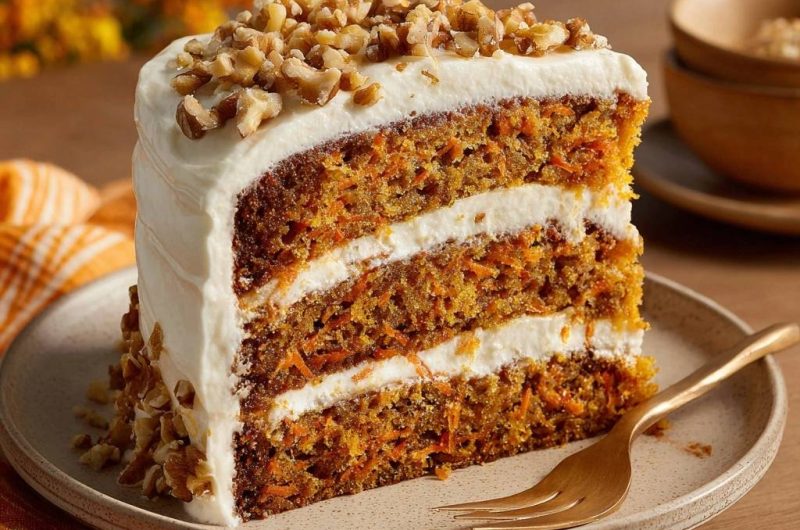
MinutesTired of dense carrot cake? This recipe uses a simple mixing technique to keep the crumb light and airy, no matter the carrots or nuts. Perfectly moist with walnuts and classic cream cheese frosting.
Ingredients
Cake:
2 cups all-purpose flour
2 teaspoons baking soda
1 teaspoon baking powder
1 teaspoon salt
2 teaspoons ground cinnamon
1 3/4 cups granulated sugar
1 cup vegetable oil
3 large eggs, room temperature
2 teaspoons vanilla extract
2 cups finely grated carrots (about 4 medium carrots)
1 cup chopped walnuts, plus extra for topping
Cream Cheese Frosting:
8 ounces cream cheese, softened
1/2 cup unsalted butter, softened
1 teaspoon vanilla extract
4 cups powdered sugar
Directions
- Preheat oven to 350 degrees F. Grease three 8-inch round cake pans and line bottoms with parchment paper circles for easy release.
- In a medium bowl, whisk together flour, baking soda, baking powder, salt, and cinnamon. Set aside.
- In a large bowl, beat sugar, oil, eggs, and vanilla on medium speed until smooth and slightly thickened, about 2 minutes.
- Heres the guaranteed fluffy every time trick: Add the dry ingredients to the wet ingredients in three additions, mixing on low speed just until no streaks of flour remain, about 30 seconds total. Overmixing develops gluten and causes density, so stop as soon as combined.
- Gently fold in grated carrots by hand with a spatula until evenly distributed, then fold in chopped walnuts. This preserves air pockets for maximum fluffiness.
- Divide batter evenly among prepared pans. Tap pans lightly on counter to release air bubbles.
- Bake 25 to 30 minutes, until toothpick inserted in center comes out clean. Cool in pans 10 minutes, then turn out onto wire racks to cool completely.
- For frosting, beat cream cheese and butter until smooth. Add vanilla, then gradually beat in powdered sugar until creamy and spreadable.
- Level cake layers if needed. Place one layer on serving plate, spread with 3/4 cup frosting. Repeat with second layer. Top with third layer, then frost top and sides generously.
- Press extra chopped walnuts onto top and sides. Slice and serve. Store covered at room temp up to 2 days or refrigerate for longer; stays fluffy and moist.
Notes
- Key to fluffiness: Mix dry ingredients into wet in three additions on low speed just until combined (30 seconds total). Fold in carrots and nuts by hand. Stores covered at room temp up to 2 days or refrigerate for longer.