Lemon Lavender Loaf Cake: Perfectly Fluffy Every Time
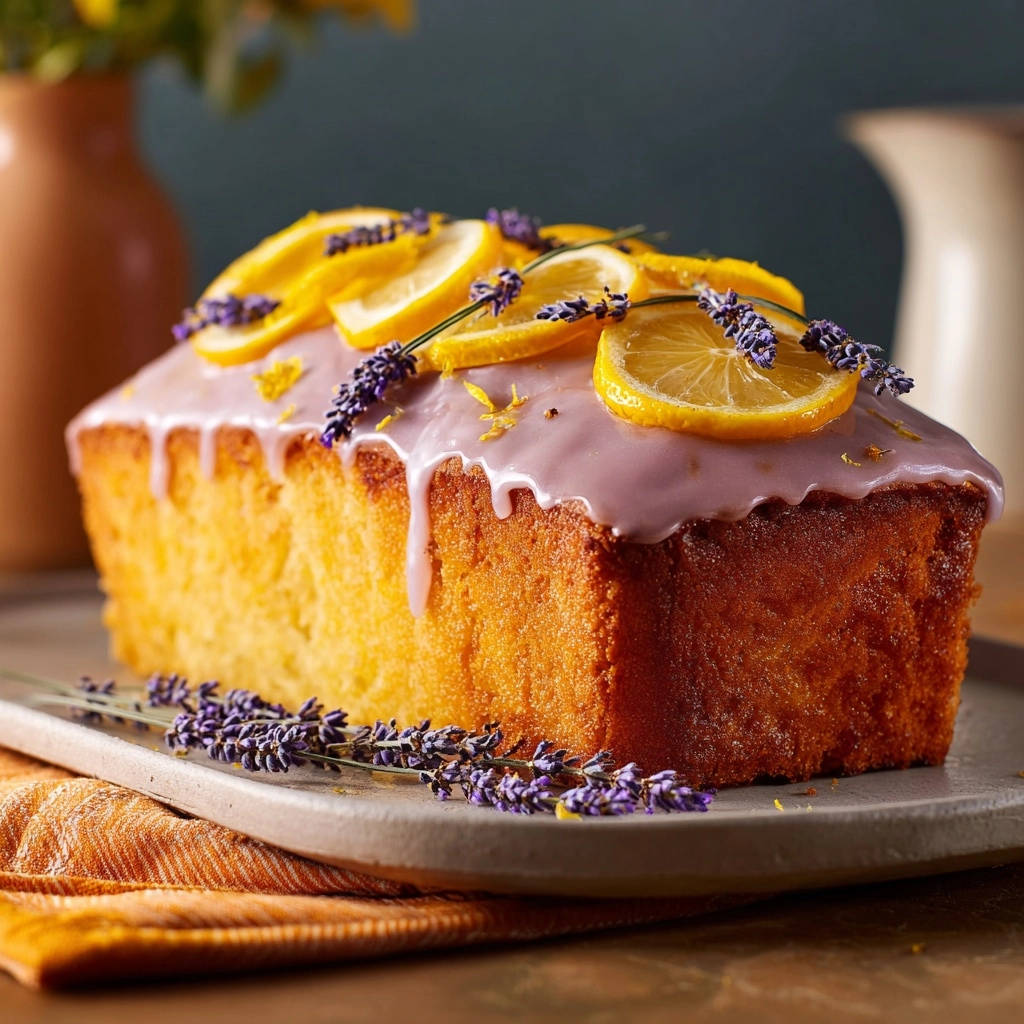
Biting into a dense or dry loaf cake is truly disappointing, especially when you’ve invested time and ingredients. I’ve faced that frustration countless times myself! However, through a few key adjustments, I finally mastered a foolproof method for a consistently tender, melt-in-your-mouth Lemon Lavender Loaf Cake that’s never dry.
This recipe isn’t just another sweet treat; it’s your reliable guide to achieving that ideal airy crumb, marrying the bright zest of lemon with the delicate perfume of lavender in every slice.
Beyond Basic: The Fluffy Difference in Our Lemon Lavender Loaf Cake
Say Goodbye to Dry, Dense Loaf Cakes
Many quick bread recipes can disappoint, yielding a cake that’s heavy, crumbly, or lacking moisture. This often stems from common baking pitfalls like overmixing or incorrect ingredient temperatures.
Our Lemon Lavender Loaf Cake recipe directly addresses these challenges, ensuring a beautifully consistent texture from edge to center.
The Simple Secret to a Tender Crumb, Every Single Time
The core of this recipe’s success lies in two simple yet critical techniques: using room temperature ingredients and a gentle mixing method. These steps work in harmony to prevent gluten overdevelopment, which is the culprit behind tough cakes.
You’ll achieve a supremely light crumb that truly melts in your mouth.
Why You’ll Fall in Love with This Flavor Duo
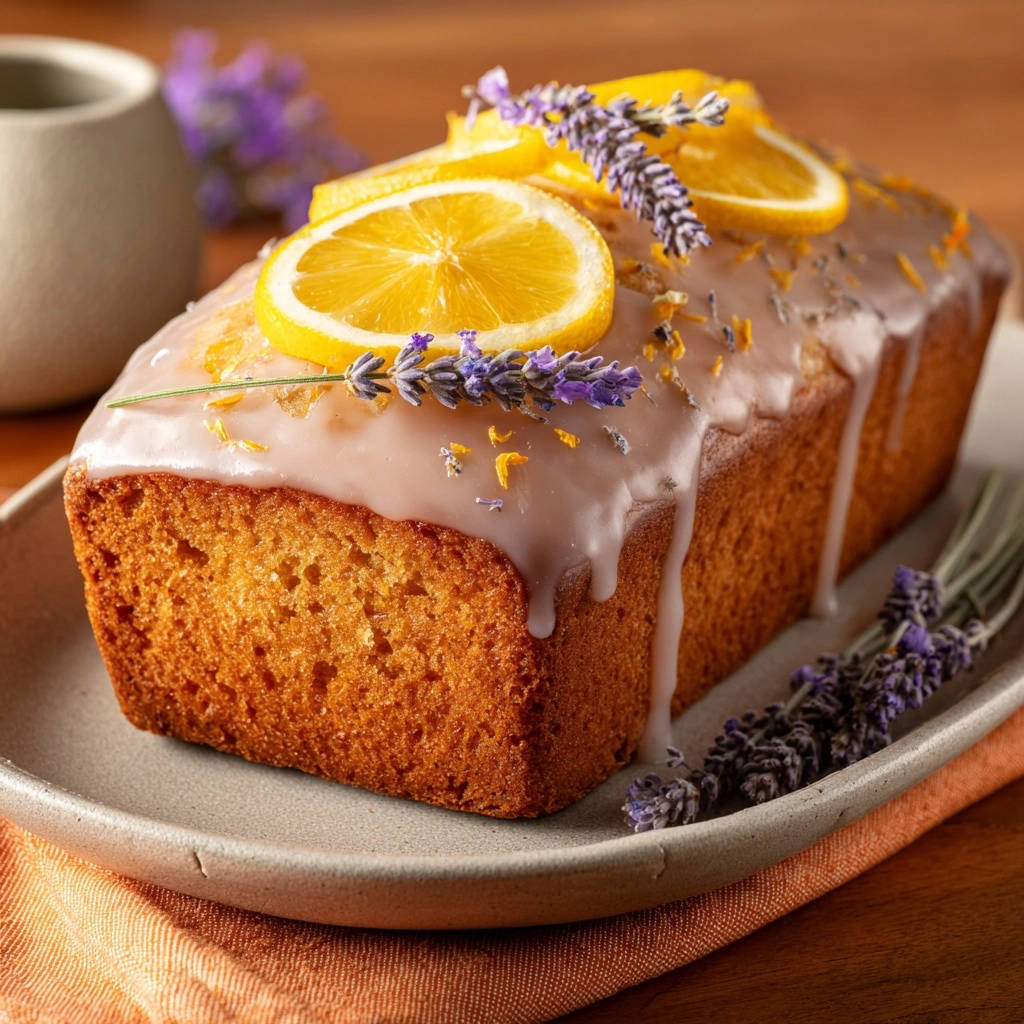
The combination of lemon and lavender is pure culinary magic. Bright, tangy lemon cuts through the sweetness, while the subtle, aromatic notes of lavender add an elegant, sophisticated floral whisper.
This pairing creates a refreshingly unique flavor profile that’s perfect for a spring brunch, afternoon tea, or a thoughtful homemade gift.
Gather Your Essentials: Key Ingredients for This Loaf
Success in baking often starts with understanding your ingredients. Here’s a closer look at what makes this Lemon Lavender Loaf Cake so special.
Pantry Staples for a Perfect Cake Base
All-Purpose Flour: This provides the structure for our loaf. Proper measurement, preferably by weight, is key to avoiding a dry cake.
Granulated Sugar: Beyond sweetness, sugar contributes to moisture and tenderness, ensuring a soft crumb.
Baking Powder: Our leavening agent, responsible for the cake’s lift and airy texture. Ensure yours is fresh for optimal rise.
Salt: A small amount of salt balances the flavors and enhances the sweetness, preventing the cake from tasting flat.
The Dynamic Duo: Fresh Lemon & Fragrant Lavender
Fresh Lemon Juice & Zest: Always opt for fresh lemons. The zest contains essential oils that provide intense, vibrant lemon flavor without adding excess liquid.
Culinary Dried Lavender: Not all lavender is created equal! Use culinary-grade dried lavender, specifically grown and processed for consumption. This prevents any soapy or overpowering taste.
Wet Wonders: Eggs, Oil, & Milk for Moisture
Large Eggs (Room Temperature): Room temperature eggs emulsify better with other ingredients, creating a smoother, more uniform batter and a finer crumb.
Vegetable Oil: Provides incredible moisture and a tender texture to the cake. Unlike butter, oil remains liquid at room temperature, contributing to a consistently moist crumb.
Milk (Room Temperature, or Buttermilk): Room temperature milk blends seamlessly into the batter. Buttermilk is an excellent choice for an even more tender crumb due to its acidity.
Glaze Game-Changers: Powdered Sugar & Lemon Juice
The simple glaze provides a sweet, tangy finish that perfectly complements the loaf. Powdered sugar forms the base, while fresh lemon juice adds a bright citrus punch and creates a smooth, pourable consistency.
A touch of optional crushed dried lavender or a tiny drop of red food coloring can elevate its appearance and flavor even further.
Equip Your Kitchen: Tools for Baking Success
Having the right tools at hand makes the baking process smooth and enjoyable. Here are the essentials for your Lemon Lavender Loaf Cake.
Must-Have Mixing Bowls & Whisk
You’ll need at least two medium to large mixing bowls: one for your dry ingredients and another for your wet. Keeping them separate initially ensures proper incorporation and prevents overmixing later.
A good whisk is essential for evenly combining ingredients and aerating them.
Your Loaf Pan: Size & Prep Matters
A standard 9×5 inch loaf pan is ideal for this recipe, ensuring the cake bakes evenly and achieves the correct height. Proper pan preparation is crucial for easy release.
Greasing and flouring, or even better, lining with parchment paper (leaving an overhang as a “sling”), guarantees your beautiful loaf slides out without a hitch.
Measuring Tools for Precision
Accurate measurements are fundamental in baking. Ensure you have a reliable set of dry measuring cups, liquid measuring cups, and measuring spoons.
For flour, gently spoon it into the measuring cup and level it off; never scoop directly from the bag, as this can compact the flour and lead to a dry cake.
Bake with Confidence: A Step-by-Step Guide to Perfection
- Prepare Your Pan & Preheat Oven:
Preheat your oven to 350°F (175°C) to ensure it’s at the correct temperature when your batter is ready. Properly preparing your 9×5 inch loaf pan by greasing and flouring, or using a parchment paper sling, is crucial. This thoughtful step prevents the cake from sticking and ensures effortless removal after baking.
- Whisk Dry Ingredients:
In a large bowl, whisk together the all-purpose flour, granulated sugar, baking powder, salt, and culinary dried lavender until they are thoroughly combined. This ensures that the leavening agents and flavorings are evenly distributed throughout the batter, leading to a consistent rise and flavor in every bite.
- Combine Wet Ingredients:
In a separate medium bowl, whisk together the large eggs, vegetable oil, milk, fresh lemon juice, and lemon zest until the mixture is smooth. Using room temperature eggs and milk is vital here, as it helps all the ingredients emulsify better, creating a cohesive and well-blended batter for a superior cake texture.
- The Gentle Mix: Unlocking That Fluffy Crumb:
Pour the wet ingredients directly into the dry ingredients. Now, this is the most critical step for achieving a fluffy, tender Lemon Lavender Loaf Cake: mix gently with a spoon or spatula ONLY until the ingredients are just combined. A few small lumps are perfectly fine and even desirable.
Overmixing develops the gluten in the flour, which will inevitably lead to a tough, dense cake. Stop mixing the moment you no longer see streaks of dry flour.
- Fill & Bake:
Pour the batter evenly into your meticulously prepared loaf pan. Distribute it gently to ensure consistent baking and a level top.
- Check for Doneness:
Bake for 50 to 60 minutes, or until the cake is golden brown on top and a wooden skewer or toothpick inserted into the center comes out clean. The edges of the cake should also appear to be pulling away slightly from the sides of the pan.
- Cooling Cadence:
Once baked, let the Lemon Lavender Loaf Cake cool in the pan for 10 minutes. This allows the cake to firm up slightly before you attempt to move it. Carefully transfer the partially cooled cake to a wire rack to cool completely. This crucial step prevents condensation and ensures the glaze sets perfectly, rather than melting or being absorbed into a warm cake.
- Craft Your Glaze:
While the cake cools, prepare the simple yet elegant glaze. In a small bowl, whisk together the powdered sugar and fresh lemon juice until it’s smooth and lump-free. For an added touch of beauty and flavor, you can incorporate a tiny bit of crushed dried lavender or a single drop of red food coloring for a delicate pink hue, adjusting consistency with more sugar or lemon juice as needed.
- Glaze & Garnish for Showstopping Presentation:
Once the loaf cake is completely cool to the touch, generously pour the glaze evenly over the top, allowing it to artfully drip down the sides. For a truly professional finish, garnish immediately with thin lemon slices, delicate fresh lavender sprigs, and a sprinkle of additional lemon zest.
- Slice & Savor:
Now, your masterpiece is ready to be sliced and enjoyed! The wait is over for this perfectly fluffy Lemon Lavender Loaf Cake.
Chef’s Secrets: Elevating Your Lemon Lavender Loaf Cake
The Power of Room Temperature Ingredients
Ensure your eggs and milk are at room temperature. This allows them to emulsify more effectively with the fats in the batter, leading to a smoother, more uniform mixture. The result is a cake with a finer, more tender crumb and better overall texture.
Don’t Overmix: A Golden Rule for Fluffy Cakes
Seriously, resist the urge to keep mixing! Overmixing develops gluten, making your loaf cake tough and chewy instead of light and airy. Mix just until the dry ingredients are incorporated, even if a few small lumps remain. This is the single biggest secret to a tender crumb.
Quality Culinary Lavender Makes a Difference
Always use culinary-grade dried lavender, not decorative or potpourri lavender. Culinary lavender is specifically cultivated for consumption and has a milder, sweeter flavor. Too much, or the wrong type, can result in a soapy or overpowering taste.
Cooling Completely Before Glazing
Patience is key for the glaze! If you pour the glaze over a warm or even slightly warm cake, it will melt, become absorbed, and leave you with a sticky, uneven mess. A fully cooled cake ensures the glaze sets beautifully on top.
Parchment Paper for Easy Release
For effortless removal and cleanup, create a parchment paper sling for your loaf pan. Leave extra paper hanging over the long sides. Once baked and cooled for 10 minutes, you can simply lift the loaf out of the pan using the parchment handles. This technique also works wonderfully for our classic banana bread recipe.
Baking Blips Solved: Common Loaf Cake Challenges & Fixes
Why Is My Lemon Lavender Loaf Cake Dry?
A dry loaf cake is often the result of overbaking. Start checking for doneness at the lower end of the baking time range. Another common culprit is too much flour; consider measuring flour by weight (grams) for precise accuracy, or use the spoon-and-level method if using cups.
Why Did My Loaf Cake Sink in the Middle?
A sunken center can indicate underbaking, meaning the structure wasn’t fully set. Ensure your oven temperature is accurate and avoid opening the oven door too frequently, especially during the first two-thirds of baking. Too much leavening (baking powder) can also cause a rapid rise followed by a collapse, so measure carefully.
My Glaze Is Too Thin/Thick! How Do I Fix It?
No problem! If your glaze is too thin, gradually whisk in more powdered sugar, a tablespoon at a time, until it reaches your desired consistency. If it’s too thick, add a tiny bit more lemon juice (or milk/water), just a teaspoon at a time, until it’s pourable yet opaque. Consistency can be easily adjusted.
My Loaf Cake is Dense and Tough. What Went Wrong?
This is almost always due to overmixing the batter after adding the wet ingredients to the dry. When flour and liquid are mixed extensively, gluten develops, leading to a tough texture. Remember to mix only until the flour streaks disappear, and then stop.
Beyond the Bake: Serving, Storing, & Gifting Your Loaf
Elegant Serving Suggestions for Your Loaf Cake
While delicious on its own, your Lemon Lavender Loaf Cake can be elevated further. Serve slices with a dollop of freshly whipped cream and a sprinkle of fresh berries like raspberries or blueberries. It’s also exquisite alongside a cup of tea or coffee, making it perfect for an afternoon treat or a sophisticated dessert.
If you enjoy baking with lemon, you might also like this glazed blueberry lemon bundt cake.
How to Store Your Lemon Lavender Loaf Cake for Freshness
To keep your loaf cake fresh and moist, store it at room temperature in an airtight container for up to 2-3 days. If you need to keep it longer, refrigerate it for up to a week. Always ensure it’s well-sealed to prevent drying out.
If you enjoy working with batters that need careful handling, the same parchment trick helps in this cinnamon streusel coffee cake.
Can I Make This Loaf Cake Ahead? (And How to Freeze It!)
Absolutely! This Lemon Lavender Loaf Cake freezes beautifully. Once completely cooled and glazed (or before glazing, if preferred), wrap it tightly in plastic wrap, then again in aluminum foil. It can be frozen for up to 2-3 months. Thaw overnight in the refrigerator or at room temperature, then glaze if you froze it plain.
Customize Your Creation: Flavor Variations & Dietary Swaps
This Lemon Lavender Loaf Cake is incredibly versatile! Feel free to experiment with these simple adaptations to suit your taste or dietary needs.
Beyond Lavender: Herb & Floral Infusions
Rosemary Lemon: Substitute the lavender with 1 teaspoon of finely chopped fresh rosemary for an earthy, aromatic twist. This pairs beautifully with the lemon.
Thyme Lemon: A subtle herb, 1 teaspoon of fresh thyme leaves can add a delicate, savory-sweet note that complements citrus well.
Rosewater Glaze: For an even more floral experience, replace 1 tablespoon of lemon juice in the glaze with rosewater, adjusting to taste.
Citrus Swaps: Other Zesty Options
While lemon is classic, you can easily swap it for other citrus fruits. Consider an Orange Lavender Loaf by using fresh orange juice and zest. A Lime Lavender Loaf would offer a more tart and vibrant flavor profile. For a lovely alternative, try making our zesty lemon bundt cake if you enjoy bright citrus flavors.
Adapting for Dietary Needs: Gluten-Free & Dairy-Free
Gluten-Free: Substitute the all-purpose flour with a 1:1 gluten-free baking flour blend that contains xanthan gum. Measure by weight for best results, as GF flours can vary.
Dairy-Free: Easily make this dairy-free by using your preferred plant-based milk (almond, soy, or oat milk work well) in place of regular milk. Ensure it’s unsweetened for best results.
Your Lemon Lavender Loaf Cake Questions Answered
Can I use fresh lavender instead of dried?
Yes, you can use fresh lavender, but with caution! Fresh lavender is much stronger than dried. Use about half the amount (1/2 tablespoon) and finely chop it before adding to the dry ingredients. Taste a small amount of the fresh lavender beforehand to gauge its potency, as some varieties are stronger than others.
Is it possible to make this recipe into muffins or cupcakes?
Absolutely! This batter can easily be adapted for muffins or cupcakes. Line a muffin tin with paper liners and fill each cup about two-thirds full. The baking time will be significantly reduced, likely 18-25 minutes, depending on your oven. Start checking for doneness at 18 minutes with a toothpick.
Can I reduce the sugar in the recipe?
You can make very slight reductions to the sugar, but be mindful that sugar plays a crucial role beyond sweetness; it contributes to moisture, tenderness, and browning. Reducing it by more than 1/4 cup can significantly impact the cake’s texture and moistness. For best results, stick to the recipe as written for this Lemon Lavender Loaf Cake.
What’s the best way to zest a lemon?
The best tool for zesting a lemon is a microplane grater. Gently rub the lemon over the grater, rotating it as you go, to remove only the bright yellow part of the peel. Avoid grating into the white pith underneath, as it is bitter and can impart an unpleasant taste to your cake.
Ready to Bake? Share Your Lemon Lavender Loaf Cake Masterpiece!
Now that you’re equipped with all the secrets to a perfect, fluffy Lemon Lavender Loaf Cake, it’s time to get baking! This recipe is designed for success, promising a delightful treat that’s as beautiful to behold as it is delicious to taste.
Ways to Round Out the Meal
If you have slices of that lemon lavender loaf cake left, these two recipes work well alongside it for a brunch spread or a cozy afternoon table.
- For a savory contrast to the floral citrus cake, try these Homemade Biscuits and Sausage Gravy – the rich, peppery gravy balances the light sweetness of the loaf.
- If you want to double down on the baked goods, these Red Velvet Cinnamon Rolls with Tangzhong Fluff share that same soft, tender crumb and bring a cocoa kick that pairs nicely with lemon.
I can’t wait for you to experience the tender crumb and unique flavor of this loaf. Once you’ve baked your masterpiece, be sure to share your photos and tell us about your experience in the comments below!

Lemon Lavender Loaf Cake
Course: DessertCuisine: AmericanDifficulty: medium8
slices20
minutes1
hour350
kcal80
minutesTired of dry, dense loaf cakes? This recipe reveals the simple secret to achieving a consistently fluffy, melt-in-your-mouth Lemon Lavender Loaf Cake. Enjoy the perfect balance of bright lemon and delicate lavender in every tender slice.
Ingredients
1 and 1/2 cups all-purpose flour
1 cup granulated sugar
1 and 1/2 teaspoons baking powder
1/4 teaspoon salt
1 tablespoon culinary dried lavender
2 large eggs, at room temperature
1/2 cup vegetable oil
1/2 cup milk, at room temperature (or buttermilk for extra tenderness)
1/4 cup fresh lemon juice
1 tablespoon lemon zest
For the Glaze:
1 and 1/2 cups powdered sugar
3 tablespoons fresh lemon juice
1/4 teaspoon culinary dried lavender (optional, for color and flavor)
1 tiny drop red food coloring (optional, for pink hue)
For Garnish:
Thin lemon slices
Fresh lavender sprigs
Additional lemon zest
Directions
- Preheat your oven to 350°F (175°C). Grease and flour a 9×5 inch loaf pan, or line with parchment paper leaving an overhang on the sides.
- In a large bowl, whisk together the all-purpose flour, granulated sugar, baking powder, salt, and culinary dried lavender until well combined.
- In a separate medium bowl, whisk together the eggs, vegetable oil, milk, lemon juice, and lemon zest until smooth. Ensure your eggs and milk are at room temperature for the best results.
- Pour the wet ingredients into the dry ingredients. This is the key to fluffiness: mix gently with a spoon or spatula ONLY until just combined. A few small lumps are perfectly fine and even desirable. Overmixing develops gluten, leading to a tough, dense cake.
- Pour the batter evenly into your prepared loaf pan.
- Bake for 50 to 60 minutes, or until a wooden skewer or toothpick inserted into the center of the cake comes out clean.
- Let the cake cool in the pan for 10 minutes before carefully transferring it to a wire rack to cool completely.
- While the cake cools, prepare the glaze. In a small bowl, whisk together the powdered sugar and fresh lemon juice until smooth. If using, add the optional dried lavender (crushed slightly if preferred) or a tiny drop of food coloring to achieve a delicate pink hue.
- Once the cake is completely cool, pour the glaze evenly over the top, letting it drip down the sides.
- Garnish immediately with thin lemon slices, fresh lavender sprigs, and a sprinkle of additional lemon zest for a beautiful finish. Slice and serve!
Notes
- For best results, ensure eggs and milk are at room temperature. Do not overmix the batter; a few small lumps are perfectly fine for a tender crumb.