Mastering Silky Shrimp Scrambled Eggs
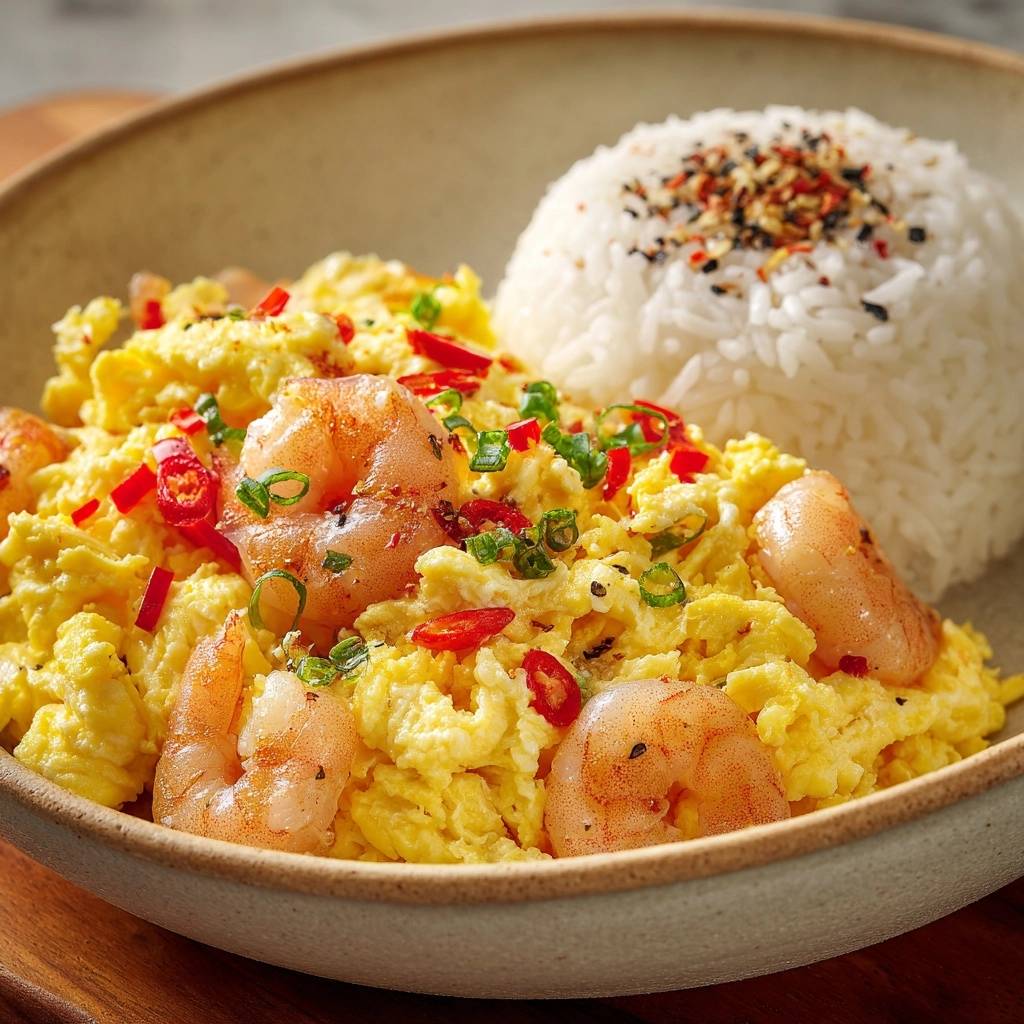
Most home cooks struggle with the frustrating reality of rubbery, overcooked shrimp paired with dry, crumbly eggs. It’s a common pitfall because these two proteins cook at vastly different rates, yet we often toss them into the pan at the same time. When you aim for “silky” eggs, you’re looking for a custard-like, velvety texture that flows across the palate, providing a soft bed for the firm, snappy bite of perfectly seared seafood.
The secret to achieving this restaurant-quality result lies in a strategic two-stage cooking process. By treating the shrimp and the eggs as separate entities that only meet at the very end, you control the moisture and temperature of each. This method ensures the shrimp stay succulent and the eggs remain incredibly creamy, eliminating the chalky mess that ruins most home-cooked stir-fries.
I’ve found that the real game-changer is the “80 percent rule.” You must pull your eggs off the heat while they still look slightly underdone and glossy. The residual heat in the pan is a powerful tool; it will finish the cooking process gently on the plate, ensuring you never cross the line into a rubbery texture. Trust the carry-over heat, and you’ll never go back to high-heat scrambling again.
The Anatomy of Silky Shrimp Scrambled Eggs
This dish is a masterclass in flavor contrast, balancing the deep, savory umami of the shrimp against the mild, buttery richness of the eggs. While the eggs provide a comforting, neutral base, the shrimp offer a sweet, briny pop that keeps every bite interesting. It’s a delicate dance of textures where the softness of the curd meets the resistance of the seafood.
To keep the dish from feeling too heavy, we rely on aromatic brightness from fresh red chilies and green onions. The chilies provide a subtle, creeping heat that wakes up the palate, while the green onions offer a sharp, grassy finish. These fresh elements are essential because they cut through the fat of the heavy cream, ensuring the dish feels vibrant rather than cloying.
Essential Components for Texture and Color
Choosing large shrimp is a tactical move for this recipe. Larger shrimp have more surface area to develop a golden crust while maintaining a cool, tender center during the initial sear. If you use tiny shrimp, they’ll overcook before you can even flip them. Always pat them bone-dry before they hit the oil; any surface moisture will cause them to steam rather than sear, robbing you of that beautiful golden-red hue.
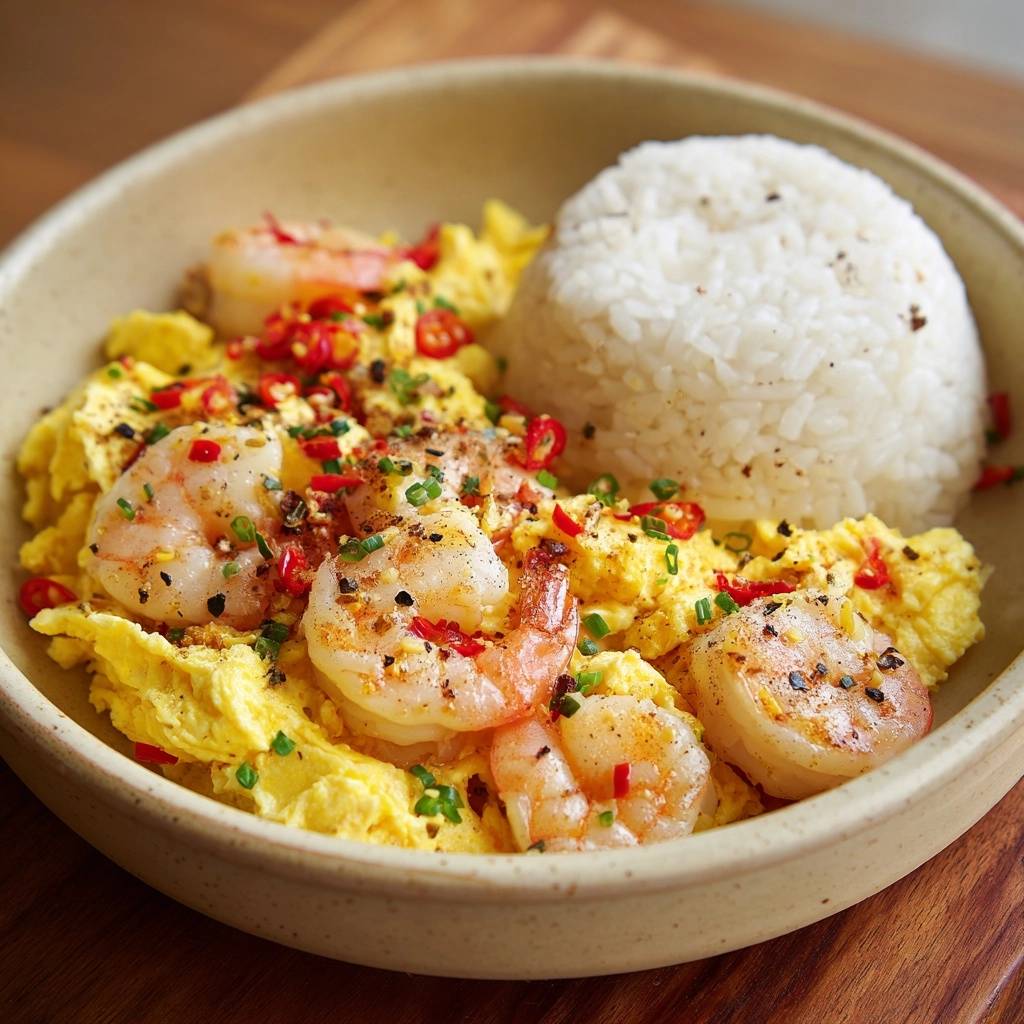
When it comes to the eggs, heavy cream is non-negotiable if you want true silkiness. The high fat content in the cream coats the egg proteins, preventing them from bonding too tightly and squeezing out water. This stabilization is what creates that luxurious, “weepy-free” curd. Additionally, I always reach for white pepper here. It provides a sophisticated, earthy heat without the black specks that can make the pale yellow eggs look “dirty.”
The Role of Furikake and Jasmine Rice
Jasmine rice serves as the perfect floral foundation for this meal. Its slightly sticky texture and sweet aroma complement the delicate nature of the seafood without overpowering it. The rice acts as a sponge, soaking up any of the creamy egg juices that escape the scramble, making every forkful a complete experience.
To add a final layer of complexity, a sprinkle of furikake is vital. This Japanese seasoning, typically made of dried seaweed and toasted sesame seeds, introduces a much-needed crunch. Since the eggs and shrimp are both relatively soft, the toasted notes and salty snap of the furikake provide a third dimension of texture that rounds out the entire plate.
For a perfect pairing, try our Crispy Shrimp Sushi Sandwiches: Master the Golden Crunch.
The Science of the Two-Stage Sear
Understanding the science of protein coagulation is the key to mastering this dish. Egg proteins begin to set at around 145°F and can become tough and rubbery if they climb much higher. Shrimp, however, require a higher initial heat to develop the Maillard reaction—that delicious browning on the outside—but they also dry out the moment their internal temperature exceeds 120°F. If you cook them together from the start, the eggs will be scorched by the time the shrimp are safe to eat.
The two-stage sear solves this by utilizing the principle of carry-over cooking. When you flash-sear the shrimp first, you are only cooking the exterior. By removing them while the center is still translucent, you stop the aggressive heat. When you finally fold them back into the 80-percent-cooked eggs, the gentle, ambient heat of the curds finishes the shrimp perfectly. This results in a “snap” when you bite into the shrimp, followed by a tender, juicy interior that hasn’t lost its moisture to the pan.
Furthermore, this method prevents the eggs from turning gray. If you cook raw shrimp directly in the eggs, the liquid released by the seafood can discolor the egg mixture and thin out the texture. By searing the shrimp separately, you lock in their juices and ensure the eggs stay bright, yellow, and thick. It’s a small extra step that yields a massive difference in the final presentation and mouthfeel.
Preparing Your Station for High-Speed Cooking
Because the actual cooking time for this dish is under five minutes, your mise en place must be perfect. You won’t have time to chop onions or whisk eggs once the pan is hot. Start by whisking your eggs with the cream and spices until the mixture is completely homogenous. If you see streaks of clear egg white, your curds won’t be uniform, and you’ll end up with tough patches in your scramble.
Next, focus on the shrimp. Use several paper towels to wick away every drop of moisture from their surface. This is the most important step for a good sear. If the shrimp are wet, the oil temperature will drop instantly, and the shrimp will boil in their own juices. Have your sliced chilies, green onions, and furikake in small bowls right next to the stove so you can grab them in a split second as the eggs reach their peak consistency.
Step-by-Step: Searing the Perfect Shrimp
Heat your oil until it is shimmering and just starting to show a tiny wisp of smoke. This high heat is necessary to get that golden-red color from the smoked paprika and the natural sugars in the shrimp. Lay the shrimp in the pan in a single layer, making sure they aren’t touching. If you crowd the pan, the temperature will plummet, and you’ll lose the sear.
Let them sit undisturbed for about 60 to 90 seconds. You’re looking for the edges to turn opaque while the very center remains a bit “glassy” or translucent. Flip them once, sear for another minute, and get them out of the pan immediately. They should look slightly underdone. Don’t worry; the residual heat will do the rest of the work later. Wipe the pan clean to remove any burnt paprika bits so they don’t speckle your beautiful eggs.
Technique: Folding the Velvet Egg Curds
Lower your heat to medium-low before adding the second tablespoon of oil and the egg mixture. This is where patience pays off. Use a silicone spatula to gently push the liquid eggs from the outer edges toward the center. This “push and fold” method creates large, rippled curds that look like folded silk. If you stir too vigorously, you’ll end up with tiny, grainy bits of egg instead of luxurious ribbons.
Watch the texture closely. You want to stop when the eggs are about 80 percent cooked. They should still look glossy, wet, and slightly runny in some spots. If the eggs look matte or dry in the pan, they are already overcooked. Remember, the eggs will continue to firm up for at least two minutes after you turn off the burner, so “wet” is exactly what you are aiming for at this stage.
Integrating Aromatics and Finishing the Dish
As soon as the eggs hit that glossy, 80-percent mark, it’s time for the final assembly. Fold the seared shrimp back into the pan along with the sliced red chilies and half of your green onions. The heat from the eggs will instantly soften the onions and release the spicy oils from the chilies without cooking away their vibrant color or crunch.
Turn off the heat immediately. Use your spatula to gently toss the mixture so the shrimp are coated in the creamy egg curds. This final integration takes only about 30 seconds. The shrimp will finish their journey to a perfect, tender snap, and the aromatics will become fragrant. This timing ensures that every element—the soft eggs, the firm shrimp, and the crisp onions—retains its individual character.
Troubleshooting Common Texture Issues
If you find your eggs are watery or “weeping” on the plate, it’s usually due to under-whisking or using low-fat dairy. Ensure the cream and eggs are fully emulsified before they hit the pan. If you use skim milk instead of heavy cream, the proteins won’t have enough fat to stay separated, leading to a tighter, more watery bond. Stick to the heavy cream for the best structural integrity.
Rubbery shrimp are almost always the result of overstaying their welcome during the initial sear. If they are fully curled into a tight “O” shape before you remove them from the pan, they are already overdone. Aim for a “C” shape. If your eggs are sticking to the pan, your heat might be too high, or your non-stick coating might be worn out. Always start with a clean, cold non-stick pan and bring it up to a gentle medium-low heat for the egg phase.
Flavor Variations and Regional Swaps
You can easily pivot this recipe to a Cantonese-style classic by adding a teaspoon of toasted sesame oil and a pinch of freshly grated ginger to the egg mixture. This adds a nutty, warming depth that pairs beautifully with the seafood. If you prefer a spicy kick, drizzle the finished dish with a high-quality chili oil or crispy chili crunch just before serving.
If you only have access to smaller salad shrimp, you must adjust your timing. Small shrimp cook incredibly fast, so reduce the initial sear to just 30 seconds per side. You can also swap the jasmine rice for short-grain sushi rice if you prefer a chewier, heartier base. The starchier sushi rice provides a different mouthfeel that some find even more comforting when paired with the silky eggs.
Plating for a Professional Presentation
To get that restaurant-style look, lightly grease a small bowl and pack your cooked jasmine rice into it. Invert the bowl onto your serving plate to create a perfect, steaming dome of rice. This provides a clean, structured base for the more organic, flowing shape of the scrambled eggs. It also helps keep the rice warm while you finish the eggs.
Pile the shrimp and eggs high next to or slightly over the rice dome. Height is your friend in food styling; it makes the portion look generous and appetizing. Finally, sprinkle the furikake over the rice for a dark, textured contrast against the white grains. Garnish the eggs with the remaining bright green onions to add a pop of color that signals freshness to anyone sitting down at your table.
Expert Tips for Seafood Selection
When it comes to shrimp, “frozen” is often better than “fresh” unless you live right on the coast. Most shrimp sold at the seafood counter were previously frozen and thawed, meaning their clock is already ticking. Buying high-quality frozen shrimp allows you to thaw them exactly when you need them, ensuring the best possible texture. To thaw, place them in a bowl of cold water for 15 minutes and then dry them thoroughly.
Always ensure your shrimp are properly deveined. While the “vein” isn’t harmful, it can contain grit that ruins the silky experience of the dish. Removing it also allows the shrimp to open up slightly during the sear, creating more surface area for that golden crust. If you’re short on time, look for “easy-peel” shrimp which are already split down the back, making the cleaning process a breeze.
Frequently Asked Questions
Can I substitute the heavy cream?
You can use whole milk or even coconut cream, but the results will vary. Heavy cream has a high fat content that stabilizes the egg proteins, creating a much silkier and more durable curd. If you use whole milk, the eggs will be thinner and more prone to releasing water (weeping) on the plate. Coconut cream is a great dairy-free alternative that adds a lovely tropical note, though it will slightly change the flavor profile of the dish.
Why use white pepper instead of black?
White pepper is used primarily for two reasons: aesthetics and flavor profile. Visually, it disappears into the yellow eggs, keeping the dish looking clean and professional. Flavor-wise, white pepper has a fermented, earthy heat that is traditional in many Asian-inspired egg dishes. It provides a sharp bite that cuts through the richness of the cream without the floral, pungent notes of black pepper which can sometimes overwhelm the delicate shrimp.
How do I prevent the eggs from browning?
Browning, or the Maillard reaction, is the enemy of a silky scramble. To avoid it, you must use a reliable non-stick pan and keep the heat at medium-low. If you see the edges of the eggs turning golden or crisping up, your heat is too high. The eggs should remain a consistent, pale yellow throughout. Constant movement with a silicone spatula also helps distribute the heat evenly, preventing any one part of the egg from sitting against the hot metal for too long.
Is it possible to make this for a large group?
This dish is best made in small batches (2-3 servings at a time). If you crowd a large amount of eggs and shrimp into one pan, the temperature will drop, and you’ll end up steaming the shrimp and overcooking the eggs while waiting for the liquid to set. If you need to serve a crowd, sear all the shrimp in batches first, then cook the eggs in two separate pans or in two consecutive rounds to maintain that perfect, velvety texture.
What other grains work besides jasmine rice?
While jasmine rice is the traditional choice for its aroma, short-grain sushi rice is an excellent alternative if you want a chewier, more cohesive base. For a high-protein or gluten-free twist, quinoa or even cauliflower rice can work. However, keep in mind that cauliflower rice releases more moisture, so you’ll want to sauté it separately until dry to ensure it doesn’t make your silky eggs soggy.
Shrimp Scrambled Eggs
Course: Main CourseCuisine: Asian FusionDifficulty: easy2
servings10
minutes5
minutes410
kcal15
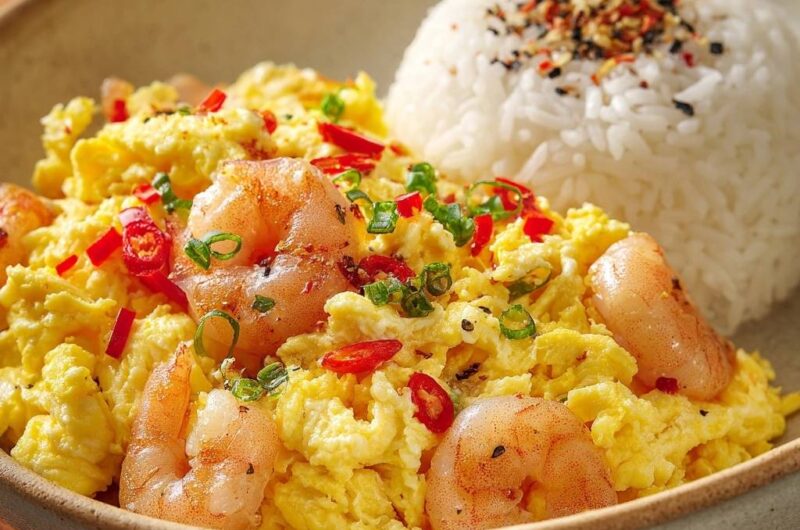
MinutesA professional-grade dish featuring flash-seared shrimp and custard-like scrambled eggs served over jasmine rice. The secret lies in using heavy cream and finishing the shrimp in the residual heat of the eggs to prevent a rubbery texture.
Ingredients
1/2 pound large shrimp, peeled and deveined
4 large eggs
2 tablespoons heavy cream
1/2 teaspoon salt
1/4 teaspoon white pepper
1/4 teaspoon smoked paprika (for visual color)
2 tablespoons vegetable oil
2 green onions, thinly sliced
1 red chili, thinly sliced
1 teaspoon furikake (seaweed and sesame seasoning)
2 cups cooked jasmine rice
Directions
- In a small bowl, whisk the eggs with the heavy cream, salt, and white pepper until fully combined and no streaks of egg white remain. The cream is essential for a velvety, custard-like texture.
- Pat the shrimp completely dry with paper towels. Season them lightly with a pinch of salt and the smoked paprika to ensure they develop the golden-red hue seen in the image.
- Heat 1 tablespoon of oil in a non-stick skillet over medium-high heat until shimmering. Add the shrimp in a single layer. Sear for 60-90 seconds per side until they are golden-brown on the outside but still slightly translucent in the center. Immediately remove the shrimp from the pan and set aside.
- Wipe the pan clean and reduce heat to medium-low. Add the remaining tablespoon of oil. Pour in the egg mixture.
- Use a silicone spatula to gently push the eggs from the edges toward the center, creating large, soft, rippled curds.
- When the eggs are about 80 percent cooked and still look glossy and wet, fold the seared shrimp back into the pan along with the sliced red chilies and half of the green onions.
- Turn off the heat immediately. The residual heat will finish the shrimp to a perfect, tender snap and set the eggs without drying them out.
- Scoop the jasmine rice into a bowl or mold it into a dome. Serve the silky eggs and shrimp alongside the rice. Garnish the rice with furikake and top the eggs with the remaining green onions for a professional finish.
Notes
- Patting the shrimp completely dry is essential for a good sear. Use a silicone spatula to create large, soft curds and turn off the heat while the eggs still look wet to ensure a silky finish.