Mastering Soft-Set White Chocolate Cranberry Orange Cookies
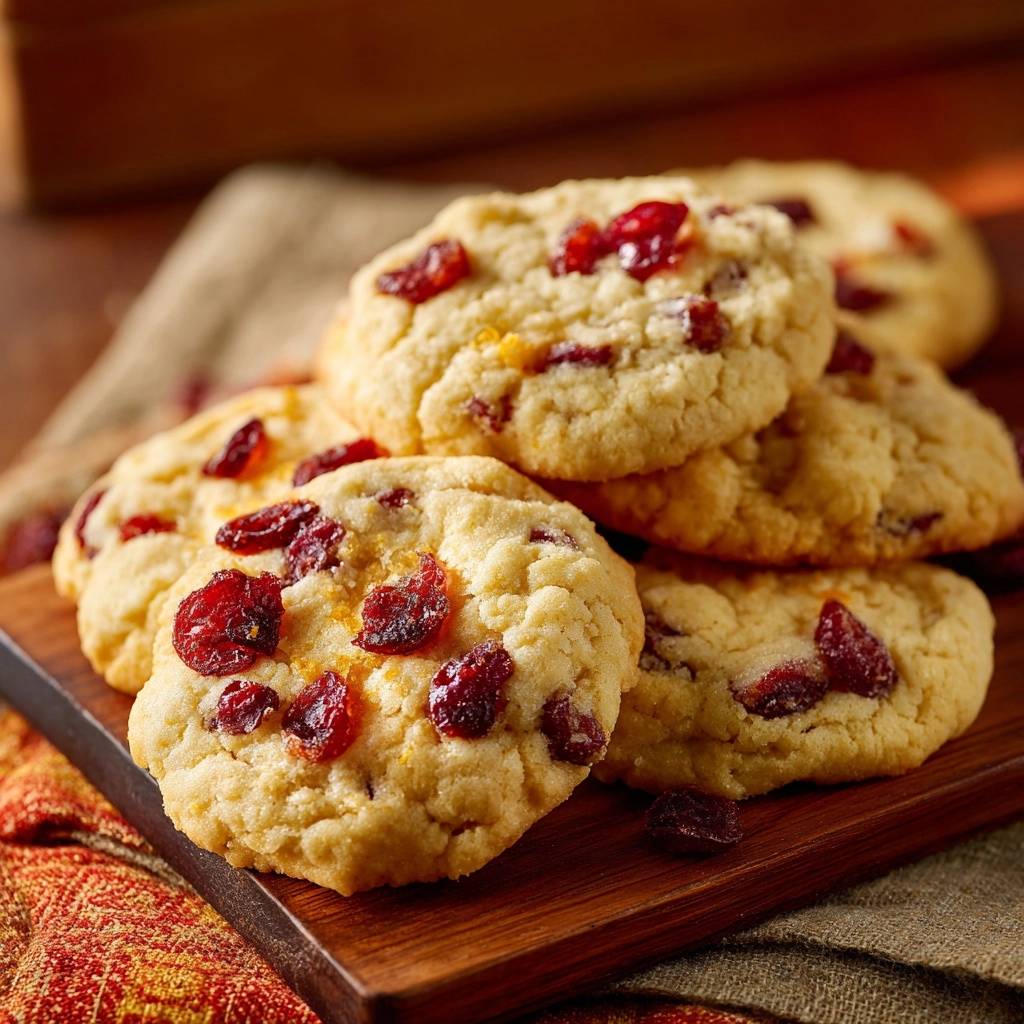
Imagine biting into a cookie that feels like a soft, buttery cloud, punctuated by the sharp tang of chewy cranberries and the mellow sweetness of melting white chocolate. These White Chocolate Cranberry Orange Cookies offer a sophisticated flavor profile that balances bright citrus notes with a rich, creamy finish. It is the kind of treat that fills your kitchen with an incredible aroma of fresh oranges and warm vanilla before you even open the oven door.
However, many bakers struggle with this specific flavor combination because citrus zest and dried fruit can sometimes lead to a dry, crumbly texture. We have all experienced that disappointment when a beautiful batch of cookies turns into a rock-hard brick by the next morning. This recipe solves that frustration by focusing on moisture retention and a specific sugar-infusion technique that keeps the crumb tender for days.
The secret to this “soft-set” success lies in the chemistry of the orange zest. Instead of just tossing the zest into the batter, you must massage it directly into the granulated sugar with your fingertips. This mechanical action breaks down the zest’s cellular structure, releasing essential oils that bond with the sugar crystals. This creates a fragrant, moist base that prevents the flour from soaking up all the hydration, ensuring your cookies stay pillowy and fresh.
The Chemistry of Soft White Chocolate Cookies
Sugar does much more than just provide sweetness in a cookie; it is a hygroscopic ingredient, meaning it attracts and holds onto water molecules. In this recipe, the combination of granulated sugar and light brown sugar works in tandem to create the perfect texture. The brown sugar contains molasses, which adds moisture and a slight chewiness, while the granulated sugar helps create those slightly crisp, golden edges we all love.
By using the “soft-set” method, we are essentially timing the bake to stop just before the proteins in the flour and eggs fully dehydrate. This leaves a higher percentage of moisture trapped within the center of the cookie. Because the orange oils are already bonded to the sugar, they act as a barrier that slows down the staling process, allowing these cookies to maintain their “just-baked” feel for over 72 hours.
Essential Components for Cranberry Orange Cookies
Quality ingredients are the foundation of a great bake, starting with your butter. You must use unsalted butter to have total control over the salt content, and it needs to be properly softened to room temperature. If the butter is too cold, it won’t cream with the sugar; if it’s melted, your cookies will spread into flat puddles. It should be soft enough that your finger leaves an indentation, but not so soft that it looks greasy.
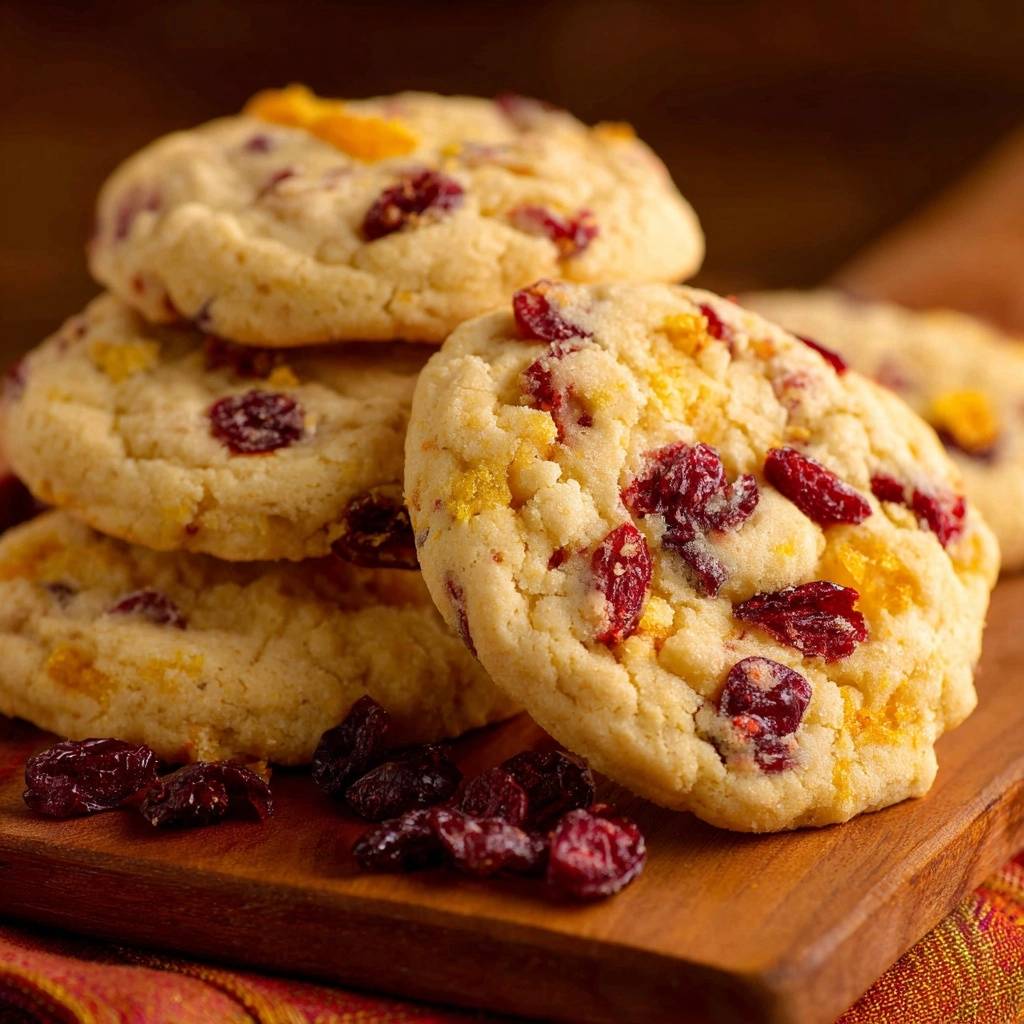
When it comes to the cranberries, look for high-quality dried berries that are still somewhat plump. Some budget brands can be overly dried and tough, which can pull moisture away from the dough. If your cranberries feel particularly hard, you can toss them in a bowl with a teaspoon of warm water for a few minutes before folding them in to give them a quick hydration boost.
If you love the tart sweetness of cranberries in cookies, you’ll enjoy the rich contrast found in these dark chocolate chunk cookies.
Selecting the Right White Chocolate
Not all white chocolate is created equal, and the choice you make will change the mouthfeel of your cookie. Many “white baking chips” found in the grocery store don’t actually contain cocoa butter, using vegetable oil instead. These chips hold their shape perfectly but can have a waxy texture and a one-dimensional sweetness.
For a more luxurious experience, look for white chocolate that lists cocoa butter as a primary ingredient. If you use a high-quality white chocolate bar and chop it into chunks yourself, you’ll get beautiful pools of melted chocolate throughout the cookie. The higher cocoa butter content allows the chocolate to melt at a lower temperature, creating a much creamier sensation when you take a bite.
The Role of Fresh Citrus Zest
While it might be tempting to reach for a bottle of orange extract, nothing compares to the lift provided by fresh zest. The flavedo—the bright orange outer layer of the peel—contains volatile oils that provide a floral, complex citrus punch. Extracts often lean toward a medicinal or candy-like flavor that can overwhelm the delicate white chocolate.
When zesting your orange, be careful to stop once you reach the white pith. The pith is incredibly bitter and can ruin the sweetness of the dough. A microplane is the best tool for this job, as it creates fine ribbons of zest that distribute evenly throughout the sugar, ensuring every single bite has that signature citrus spark.
The Sugar-Zest Infusion Technique
This is the most important step in the entire process. Take your granulated sugar and your fresh orange zest and place them in a small bowl. Use your clean fingertips to rub the zest into the sugar for about 30 to 60 seconds. You’ll notice the sugar turning a pale orange color and becoming damp, almost like wet sand.
As you rub, you are physically bruising the zest to release its aromatic oils. This doesn’t just flavor the cookie; it perfumes the entire dough. This technique ensures that the orange flavor is deeply integrated into the structure of the cookie rather than just being a “mix-in” that sits on the surface. You’ll know you’re done when the mixture becomes intensely fragrant and holds its shape when squeezed.
Step-by-Step: Mixing the Perfect Cookie Dough
Once your orange sugar is ready, cream it with the brown sugar and softened butter. You are looking for a “pale and fluffy” consistency, which usually takes about 2 to 3 minutes of vigorous mixing. This process incorporates tiny air bubbles into the fat, which act as leavening agents to give the cookies a light, airy lift rather than a dense, heavy texture.
After adding your egg and vanilla, it’s time for the dry ingredients. This is the danger zone for many bakers. Once the flour hits the wet ingredients, you must mix only until the white streaks disappear. Overmixing at this stage develops gluten, which is great for chewy bread but terrible for tender cookies. The dough should be tacky to the touch but shouldn’t stick to your hands like glue.
Achieving the Professional Bakery Aesthetic
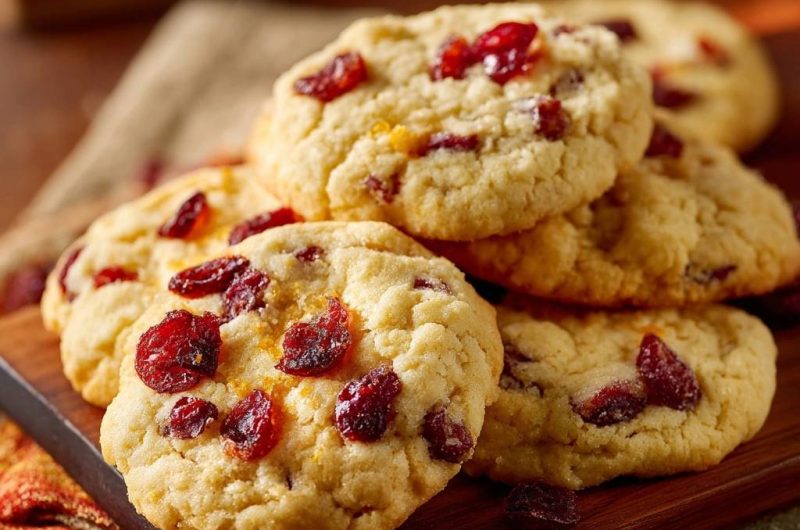
Have you ever wondered why bakery cookies look so much better than homemade ones? It’s all about the “topping” technique. Instead of mixing all your cranberries into the dough, reserve about a quarter of them. After you scoop your dough balls onto the baking sheet, gently press three or four cranberries and a few extra white chocolate chips into the top of each ball.
If you enjoy adding nuts for texture, try the same trick with these loaded almond chocolate chunk cookies.
This ensures that the star ingredients are visible on the surface once the cookies spread. It prevents the “lumpy potato” look where all the good stuff is buried inside. Adding a tiny pinch of fresh zest on top right before they go into the oven also adds a pop of color that hints at the bright flavors inside.
Precision Baking for a Soft-Set Finish
The biggest mistake you can make is waiting for the cookies to look “done” while they are still in the oven. If the centers look firm and matte, you have already overbaked them. For a true soft-set finish, pull the tray when the edges are just starting to turn a light golden brown, but the centers still look slightly shiny and underdone.
This leads us to the principle of “Carryover Cooking.” The baking sheet is incredibly hot, and the cookies will continue to cook for several minutes after you pull them out of the oven. Letting them rest on the hot sheet for exactly five minutes allows the centers to firm up just enough to be handled while locking in all that essential moisture. Transfer them to a wire rack only after that five-minute window.
Troubleshooting Common Baking Hurdles
If your cookies spread too much and turn into one giant pancake, your butter was likely too warm or you didn’t measure your flour accurately. Always use the “spoon and level” method: spoon the flour into the measuring cup until it overflows, then level it off with a flat edge. Never scoop directly with the cup, as this packs the flour down and leads to dry, heavy cookies.
On the flip side, if your cookies didn’t spread at all, your oven might be running too cold, or you may have added too much flour. If you live in a very humid environment, your flour might have absorbed extra moisture from the air, which can also affect the spread. Try chilling the dough for 30 minutes before baking if you find they are spreading more than you’d like.
Storage and Make-Ahead Strategies
To keep these cookies soft, store them in an airtight container as soon as they are completely cool. If you find they are starting to firm up after a few days, place a single slice of plain white bread in the container with them. The cookies will actually pull the moisture out of the bread, softening them back up to their original texture within a few hours.
You can also freeze the raw dough balls for up to three months. Just scoop them onto a tray, freeze until solid, and then toss them into a freezer bag. When you’re ready for a treat, you can bake them straight from the freezer—just add an extra minute or two to the baking time. This is the best way to ensure you always have fresh, warm cookies on hand for guests.
Expert Tips for Flavor Variations
If you want to experiment with the flavor profile, try browning your butter before starting the recipe. Melt the butter in a saucepan over medium heat until it smells nutty and you see little brown bits at the bottom. Let it solidify back to room temperature before creaming it with the sugar. This adds a deep, toffee-like layer that pairs beautifully with the orange.
For a bit of texture, you can also add half a cup of chopped macadamia nuts. The buttery crunch of the nuts complements the creamy white chocolate perfectly. Another great tip is to add a tiny pinch of ground cardamom to the flour mixture. Cardamom has a natural citrusy undertone that amplifies the orange zest without making it taste artificial.
Pair These with Your Cookies
These soft-set white chocolate cranberry orange cookies have a bright, fruity tang and creamy sweetness. Round out your cookie tray or dessert spread with these recipes that share similar flavors.
- Spread some of this Creamy Cranberry Apricot Cheese Spread onto a cracker or slice of bread for a tart-sweet contrast that echoes the cranberry notes in the cookies.
- Bake a C
Frequently Asked Questions
Can I use fresh cranberries instead of dried?
It is not recommended for this specific recipe. Fresh cranberries have a very high water content and are quite tart. As they bake, they will burst and release juice into the dough, which will ruin the “soft-set” crumb and likely cause the cookies to become soggy or turn an unappealing grey-purple color. Stick to dried cranberries for the best texture and flavor balance.
Why are my cookies turning out flat?
Flat cookies are usually caused by butter that was too soft or even partially melted. When the fat is too warm, it melts in the oven before the flour has a chance to set the structure of the cookie. Another common culprit is placing dough balls onto a hot baking sheet from a previous batch. Always let your cookie sheets cool completely between batches to prevent the dough from melting prematurely.
How do I get the strongest orange flavor?
The key is the sugar-rubbing technique mentioned earlier. By using your fingers to massage the zest into the sugar, you are extracting the maximum amount of oil possible. Additionally, using a microplane to create very fine zest increases the surface area, allowing the flavor to permeate every gram of the dough. For an even bigger punch, you can add an extra tablespoon of zest without affecting the chemistry of the bake.
Can I substitute the white chocolate?
Yes, you can substitute the white chocolate with dark or milk chocolate, though it will significantly change the flavor profile. If you are looking for a non-chocolate alternative, chopped macadamia nuts or even dried apricots cut into small pieces work well. However, the white chocolate provides a specific creamy sweetness that balances the tartness of the cranberries, so keep that in mind when switching.
What is the best way to measure flour for this recipe?
The most accurate way to measure flour without a scale is the “spoon and level” method. Use a spoon to fluff up the flour in your container, then gently spoon it into your measuring cup until it forms a mound. Use the back of a knife to level it off. Never pack the flour down or tap the cup, as this can result in up to 25% more flour than the recipe calls for, leading to dry, tough cookies.
White Chocolate Cranberry Orange Cookies
Course: DessertCuisine: AmericanDifficulty: easyYields24
cookiesPrep Time15
minutesCook Time10
minutesCalories185
kcalTotal Time25
MinutesA soft-set cookie featuring the bright flavors of fresh orange zest, tart dried cranberries, and sweet white chocolate chips. The recipe focuses on moisture retention techniques to prevent the cookies from becoming stale or hard.
Ingredients
1 cup unsalted butter, softened
3/4 cup granulated sugar
3/4 cup packed light brown sugar
1 large egg, room temperature
1 teaspoon vanilla extract
2 tablespoons fresh orange zest
2 1/4 cups all-purpose flour
1 teaspoon baking soda
1/2 teaspoon salt
1 1/2 cups dried cranberries (divided)
1 cup white chocolate chips
Directions
- Preheat your oven to 350 degrees F and line two large baking sheets with parchment paper.
- In a small bowl, combine the granulated sugar and the fresh orange zest. Use your fingertips to rub the zest into the sugar until it is fragrant and moist. This is the critical step to prevent the cookies from drying out.
- In a large mixing bowl, cream together the orange-infused sugar, brown sugar, and softened butter until the mixture is pale and fluffy.
- Beat in the egg and vanilla extract until fully combined.
- In a separate bowl, whisk together the flour, baking soda, and salt. Gradually add the dry ingredients to the wet ingredients, mixing just until a soft dough forms. Do not overmix, as this develops gluten and leads to a tough texture.
- Fold in 1 cup of the dried cranberries and all of the white chocolate chips by hand.
- Scoop rounded tablespoons of dough onto the prepared baking sheets, spacing them 2 inches apart.
- To achieve the visual look of the image, press 3 to 4 of the remaining dried cranberries and a small pinch of extra orange zest into the top of each dough ball before baking.
- Bake for 9 to 11 minutes. The key to the soft-set finish is to remove them when the edges are just barely golden but the centers still look slightly underbaked.
- Let the cookies cool on the baking sheet for 5 minutes before transferring to a wire rack. The carryover heat finishes the cooking process while locking in the moisture.
Notes
- Massaging the orange zest into the sugar is the critical step for moisture. Remove cookies from the oven when centers look slightly underbaked to ensure a soft texture.