The Science of Buttery Almond Crescent Cookies
Most people have a love-hate relationship with crescent cookies. You crave that delicate, nutty flavor, but you’re often left with a handful of sandy crumbs because the cookie shattered the moment you picked it up. It’s incredibly frustrating to spend an hour in the kitchen only to produce a tray of dry, fragile treats that can’t survive a trip from the plate to your mouth.
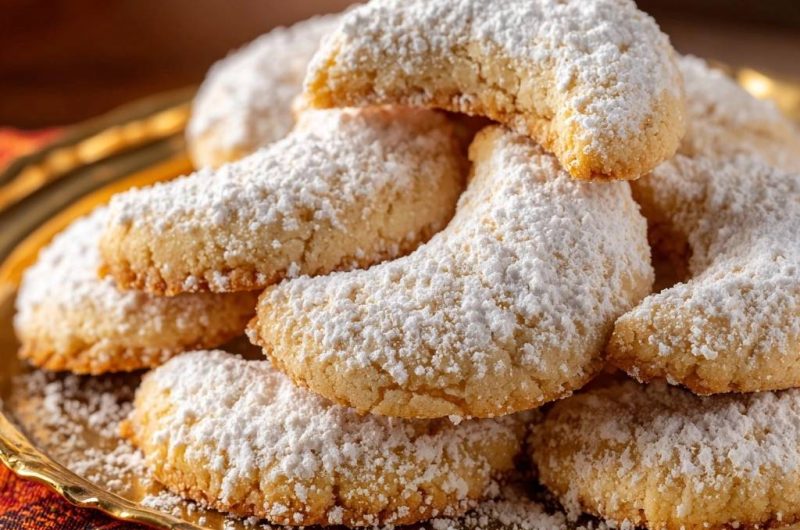
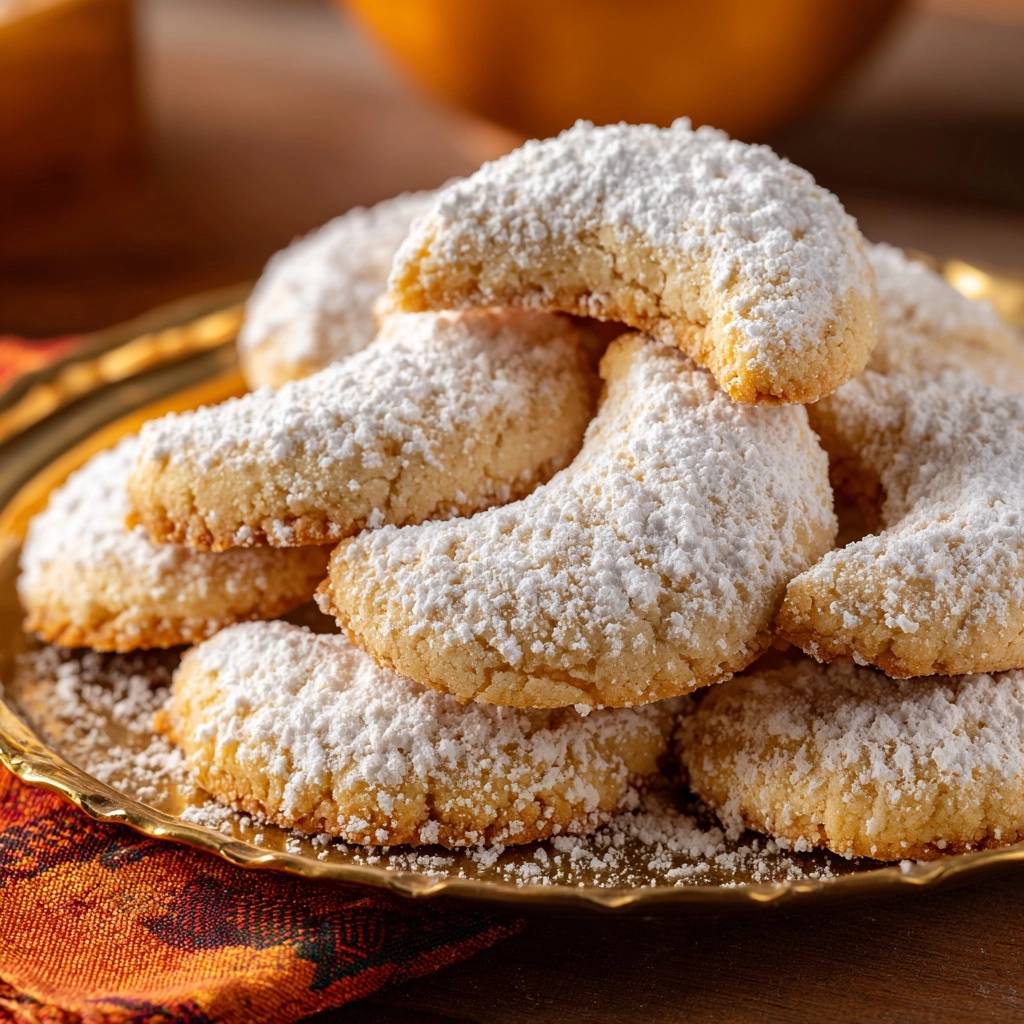
The secret to a perfect crescent lies in the balance between a tender crumb and structural integrity. You want that initial snap of a thick powdered sugar crust, followed by an interior that melts away without being chalky. By adjusting the traditional shortbread ratio, we can create a cookie that feels luxurious and sturdy enough to actually enjoy.
My “No-Crumble” philosophy relies on a specific binding agent that most old-school recipes skip. While classic versions rely solely on butter to hold things together, adding a single egg yolk provides the protein “glue” needed for a reliable bake. This small tweak ensures your cookies stay intact while maintaining that iconic, buttery richness you expect from a high-end bakery.
The Structural Role of Almonds and Fats
High-quality unsalted butter is the foundation of this recipe because it allows you to control the exact salt content. Since different brands have varying salt levels, starting with unsalted butter ensures your cookies don’t end up accidentally savory. Make sure your butter is softened to room temperature—it should give slightly when pressed but still feel cool to the touch.
The almond component provides both flavor and a unique, short texture. You can use store-bought almond flour for a very fine, uniform crumb, or grind your own blanched almonds in a food processor for a more rustic feel. If you grind your own, be careful not to over-process them into almond butter; you want a dry, sandy meal that incorporates easily into the flour.
For those who enjoy working with almonds in their baking, these loaded almond chocolate chunk cookies use a similar nut-forward approach.
Don’t skimp on the extracts here. Pure vanilla extract provides a warm base, but the almond extract is what truly makes these cookies sing. It heightens the natural nuttiness of the ground almonds and gives the cookies that nostalgic, professional aroma that fills your entire house while they bake.
Why the Egg Yolk Changes Everything
Traditional crescent cookies are essentially a type of eggless shortbread, which is exactly why they are so prone to falling apart. Without a binder, the fat and flour have a very weak bond. By adding one large egg yolk, you introduce lecithin and protein into the dough.
The lecithin acts as an emulsifier, helping the fats and moisture blend into a smoother, more cohesive dough. Meanwhile, the protein in the yolk sets during baking, creating a microscopic web that holds the flour and almond particles together. You get all the melt-in-your-mouth goodness of a shortbread but with a much more reliable structure.
Essential Tools for Uniform Crescent Shapes
If you want professional results, a kitchen scale is your best friend. Measuring flour and almond meal by volume is notoriously inaccurate, often leading to dry dough if you pack the cup too tightly. Weighing your ingredients ensures the ratio of fat to flour is perfect every single time.
Parchment paper is another non-negotiable tool for this bake. Unlike silicone mats, which can sometimes cause the bottoms of cookies to brown too quickly or spread, parchment paper provides even heat distribution. It also makes it much easier to slide the delicate, warm cookies off the tray without breaking them.
Finally, keep a fine-mesh sieve handy for the powdered sugar coating. While you can certainly roll the cookies in a bowl, sifting a fresh layer of sugar over them during the second coating ensures a smooth, snowy finish without any unsightly clumps. It makes the final presentation look much more polished.
Preparing the Buttery Almond Crescent Cookie Dough
Start by creaming your softened butter and granulated sugar together. You aren’t just mixing them; you are aerating the butter. Beat them on medium-high speed for about 3 to 4 minutes until the mixture looks very pale, almost white, and feels fluffy like whipped cream.
Once you add the egg yolk and extracts, it’s time to incorporate the dry ingredients. Switch your mixer to the lowest setting or use a sturdy spatula to fold in the flour and almonds. You want to mix just until the white streaks of flour disappear.
Overworking the dough at this stage is a common mistake. If you mix too long, you’ll develop the gluten in the flour, which turns a tender cookie into a tough, bread-like one. Stop as soon as the dough clumps together into a cohesive, stiff ball that pulls away from the sides of the bowl.
The Critical Importance of Dough Hydration
You might be tempted to start shaping the cookies immediately, but the dough must chill for at least one hour. This rest period allows the flour and almond meal to fully hydrate, absorbing the moisture from the butter and egg yolk. This results in a much more flavorful cookie with a better “bite.”
Chilling also solidifies the butter. If you put warm dough into a hot oven, the butter will melt and leak out before the flour has a chance to set, leaving you with flat, greasy puddles. Cold dough holds its shape beautifully, ensuring those crescents stay thick and plump during the bake.
Hand-Shaping Techniques for Consistent Results
To ensure even baking, portion your dough into small pieces, roughly 20 grams each or about a level tablespoon. Roll each piece between your palms to create a smooth log about 2.5 inches long. If the dough gets too warm from your hands, pop it back in the fridge for ten minutes.
Gently curve the log into a crescent shape on your baking sheet. When shaping, keep the “belly” or the center of the cookie thick. Many people taper the ends into sharp points, but those thin tips will brown and burn long before the center of the cookie is actually cooked through.
Pinch the ends just slightly to round them off. Space the cookies about two inches apart. While these cookies don’t spread much thanks to the chilling step, they still need a little breathing room for the hot air to circulate and bake them evenly from all sides.
Precision Baking to Prevent Dryness
We bake these at a slightly lower temperature of 325°F. Because almond flour contains natural oils and sugars, it can burn much faster than wheat flour. A lower temperature allows the cookie to bake through to the center without the exterior becoming overly dark or bitter.
Keep a close eye on the oven around the 12-minute mark. You aren’t looking for a deep golden brown color. The cookies are done when they look “set” and matte on top, with just the faintest hint of gold around the bottom edges. If they look brown on top, they are likely overbaked.
Remember that carry-over cooking is a real factor here. The cookies will continue to firm up as they sit on the hot baking sheet. If you wait until they feel hard in the oven, they will be bone-dry by the time they actually cool down on your counter.
The Double-Coating Method for Moisture Retention
The first coating of powdered sugar should happen while the cookies are still warm, about five minutes after they come out of the oven. At this temperature, the sugar slightly melts upon contact with the cookie, creating a thin, sweet glaze that seals in the moisture.
Be very gentle during this first roll. The cookies are at their most fragile when warm. Use a spoon to shower the sugar over them rather than tossing them roughly in the bowl. Once they are lightly coated, move them to a wire rack to cool completely.
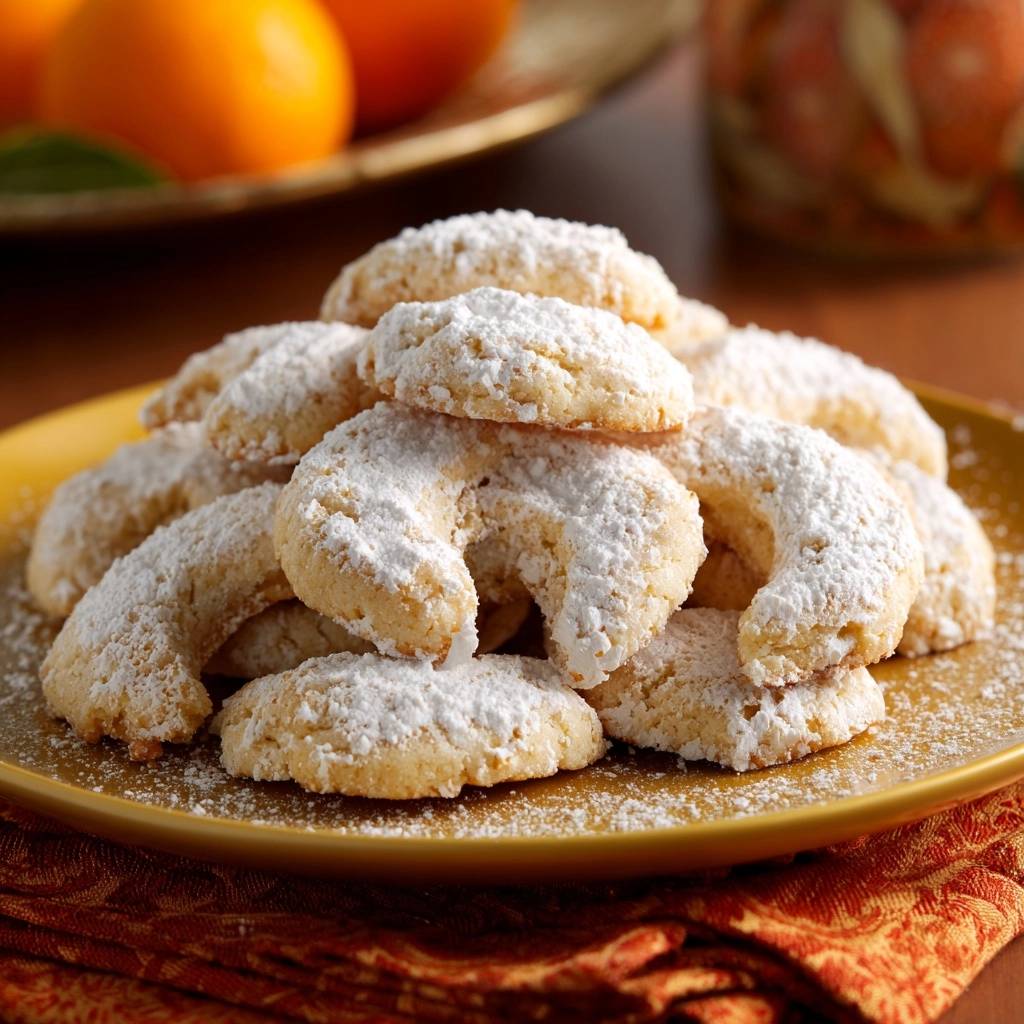
The second coating happens once the cookies are stone cold. This layer won’t melt; instead, it clings to the first “glaze” layer to create that thick, snowy appearance. This double barrier is the secret to keeping the cookies fresh and tender for days, as it prevents the air from drying out the crumb.
Troubleshooting Common Crescent Cookie Issues
If your dough feels too crumbly to roll even after chilling, it might be too cold. Let it sit on the counter for five minutes to soften slightly. If it’s still falling apart, you may have measured too much flour; try kneading in a teaspoon of softened butter to bring it back together.
If your powdered sugar looks yellow or “wet” after a few hours, it means the cookies were too hot when you did the final coating. The heat melted the sugar into a syrup. Simply wait for them to cool entirely and give them one more dusting of fresh powdered sugar to fix the aesthetic.
Cracking during baking usually happens if the dough was too dry or if the crescents were shaped too thinly. Ensure you are using that egg yolk binder and keeping the center of the cookie thick. If the dough cracks while you are shaping it, the warmth of your hands can usually smooth out the surface.
Storage Solutions and Make-Ahead Instructions
These cookies are actually better the second day. As they sit, the almond oils and extracts permeate the crumb, deepening the flavor. Store them in a single layer in an airtight container. If you must stack them, place a sheet of parchment paper between the layers to keep the sugar pristine.
You can easily make the dough ahead of time. It will keep in the refrigerator for up to three days, or you can freeze the shaped, unbaked crescents. When you’re ready to bake, just place the frozen dough on a tray and add two minutes to the total baking time.
Baked cookies also freeze surprisingly well. Store them in a freezer-safe container for up to two months. When you’re ready to serve, let them thaw at room temperature and give them a fresh dusting of powdered sugar to revive that bright, snowy look.
If you enjoy baking with almonds, you’ll love the simplicity of this sheet pan almond coffee cake.
Serving Suggestions for Traditional Pairings
These cookies are the ultimate companion for a hot beverage. A dark roast coffee provides a bitter contrast to the sweet powdered sugar, while a steaming cup of mint or chamomile tea highlights the delicate almond notes. They are light enough for an afternoon snack but rich enough for dessert.
For a fun twist, serve them alongside a cold glass of almond milk to double down on the nutty theme. They also make a stunning addition to a holiday cookie platter. Their unique shape and bright white coating provide a beautiful visual contrast to darker chocolate cookies or colorful fruit bars.
Because they are sturdy once cooled, these are excellent for gifting. Pack them into a decorative tin or a cellophane bag tied with a ribbon. Since they stay fresh for several days, they are a reliable choice for mailing to friends or bringing to a neighborhood potluck.
Frequently Asked Questions
Can I use almond meal instead of almond flour?
Yes, you can use almond meal, but it will change the texture and appearance. Almond meal is usually made from unpeeled almonds, so you will see dark flecks of skin in your cookies. The texture will also be slightly more coarse and rustic compared to the refined crumb of almond flour.
What to Serve with Buttery Almond Crescent Cookies
These rich, nutty cookies pair nicely with something light and fruity to balance the buttery crumb. Try a stack of pancakes for a breakfast spread or a sweet snack combination.
- Brighten your table with Fluffy Blueberry Pancakes — the tart berries cut through the almond sweetness, making each bite feel fresh.
- For a heartier side, the Fluffy Oatmeal Pancakes
Why did my powdered sugar turn yellow?
This usually happens if the cookies were still too warm when you applied the second coat of sugar. The residual heat melts the sugar, turning it into a translucent yellow glaze. To prevent this, ensure the cookies are completely cold to the touch before the final roll in powdered sugar.
Can I make these nut-free using seeds?
You can substitute the almond flour with finely ground sunflower seeds or pumpkin seeds for a nut-free version. However, the flavor profile will change significantly. You should also omit the almond extract and replace it with extra vanilla or a touch of lemon zest to complement the seed flavor.
How do I fix dough that was chilled too long and is now rock hard?
If the dough has been in the fridge overnight, the butter will be very firm. Leave the dough on the kitchen counter for 15 to 20 minutes. Once it’s pliable enough to scoop but still feels cold, you can begin shaping. Do not let it reach room temperature, or the cookies may spread.
Can I use a cookie press for this dough?
This specific dough is a bit too thick and contains ground nuts, which can clog the small decorative plates of a cookie press. It is best suited for hand-shaping. If you want to use a press, you would need a much softer dough with a higher butter-to-flour ratio and no almond bits.
Almond Crescent Cookies
Course: DessertCuisine: EuropeanDifficulty: mediumYields24
cookiesPrep Time20
minutesCook Time15
minutesCalories115
kcalTotal Time60
MinutesA delicious almond-flavored cookie that solves the common problem of crumbling. By adding an egg yolk and using a specific chilling and double-coating method, these cookies remain intact while maintaining a tender, buttery texture.
Ingredients
1 cup unsalted butter, softened
1/2 cup granulated sugar
1 large egg yolk (The “No-Crumble” binder)
1 teaspoon vanilla extract
1/2 teaspoon almond extract
2 cups all-purpose flour
1 cup finely ground almonds or almond flour
1/4 teaspoon salt
1 1/2 cups powdered sugar for coating
Directions
- In a large bowl, cream together the softened butter and granulated sugar until very pale and fluffy.
- Beat in the egg yolk, vanilla extract, and almond extract. The addition of the egg yolk is the secret to the “No-Crumble” promise; it provides the necessary protein structure to prevent the cookie from being overly sandy.
- Gradually add the all-purpose flour, ground almonds, and salt. Mix on low speed until a cohesive, stiff dough forms.
- To ensure the cookies hold their shape, you must chill the dough for at least 1 hour. This hydrates the flour and solidifies the fats so the cookies do not spread or crack during baking.
- Preheat your oven to 325 degrees F (165 degrees C). Line a baking sheet with parchment paper.
- Scoop tablespoon-sized pieces of dough (about 20g each). Roll them into small logs, then pinch the ends slightly and curve them into thick crescent shapes. Place them 2 inches apart on the baking sheet.
- Bake for 12 to 15 minutes. The cookies should be set and the edges should be just barely golden. Do not overbake, as this causes the dryness that leads to crumbling.
- Let the cookies cool on the pan for exactly 5 minutes. They are very fragile when hot, so do not move them sooner. While still warm, roll them gently in a bowl of powdered sugar.
- Allow them to cool completely on a wire rack. Once cold, roll them in powdered sugar a second time. This double-coating creates the thick, snowy visual seen in the image and acts as a moisture barrier to keep the interior tender.
Notes
- The egg yolk is the essential binder that prevents the sandy texture from falling apart. Ensure you chill the dough for at least 1 hour and perform the double-coating of powdered sugar once the cookies are completely cold for the best results.