Chewy Oatmeal Raisin Cookies: Your Guide to Perfect Chewiness
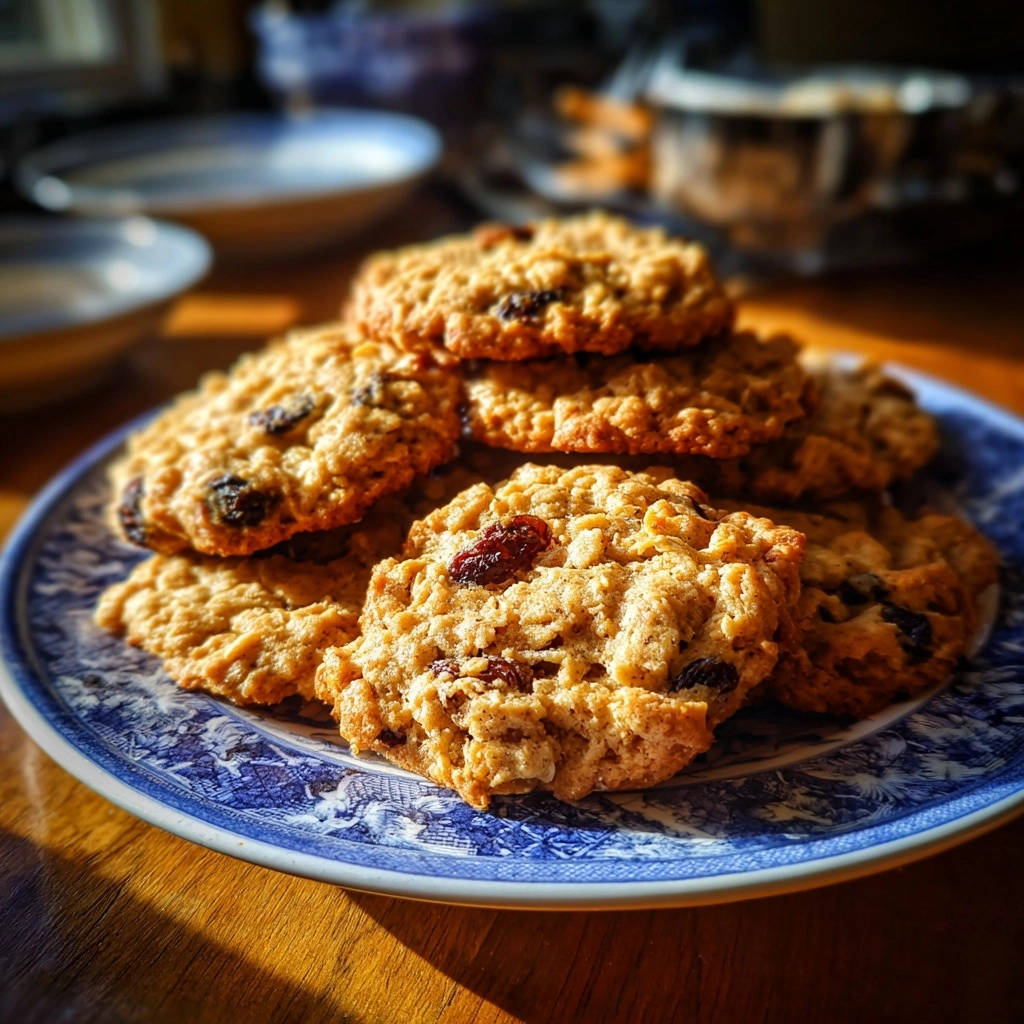
For me, the quintessential oatmeal raisin cookie is a nostalgic trip: soft, perfectly chewy, and never dry or hard. It’s a texture I’ve chased for years, and I’ve finally perfected a method that guarantees truly decadent, Chewy Oatmeal Raisin Cookies every single time. Get ready to bake a batch that will evoke sweet memories and satisfy every craving for that classic, comforting treat.
Why This Chewy Oatmeal Raisin Cookie Recipe Is a Game-Changer
Unlocking That Childhood Texture: Never Hard, Never Crumbly
This recipe specifically targets and achieves the elusive soft, chewy texture that often defines our fondest cookie memories. We’re banishing dry, crumbly results, focusing instead on a cookie that yields perfectly to the bite.
The “Secret Trick” for Consistent Chewiness
The magic truly lies in a combination of precise baking time and a critical cooling process. By pulling the cookies from the oven when they still look slightly soft in the center, and allowing them to finish setting on the warm baking sheet, we lock in maximum moisture and ensure that delightful chewiness.
Simple Ingredients, Stellar Results
You won’t find any obscure items on this ingredient list. This recipe proves that with common pantry staples, and a few expert techniques, you can achieve gourmet-level Chewy Oatmeal Raisin Cookies that taste even better than you remember.
Gathering Your Baking Arsenal: Essential Tools for Cookie Success
Standard Kitchen Must-Haves
Mixing Bowls: You’ll need at least two, one large for wet ingredients and one medium for dry, to ensure proper mixing.
Measuring Cups & Spoons: Accuracy is key in baking, so precise measurements are crucial for the right cookie consistency.
Whisk: Essential for thoroughly combining your dry ingredients, preventing clumps, and distributing leavening evenly.
Rubber Spatula: Perfect for scraping down the sides of your bowl and gently folding in the oats and raisins without overmixing.
Baking Sheets: Sturdy sheets ensure even heat distribution for uniformly baked cookies.
Parchment Paper: This non-stick lining prevents sticking, promotes even baking, and makes cleanup incredibly easy.
Optional Tools for Pro Results
Stand Mixer or Hand Mixer: While a whisk and spatula work, an electric mixer makes creaming butter and sugar significantly easier and more effective.
Cookie Scoop: For perfectly uniform cookies, a scoop ensures each dough portion is the same size, leading to consistent baking times and appearances.
Wire Cooling Rack: Once the initial pan cooling is done, transferring cookies to a rack allows air circulation, preventing soggy bottoms and completing the cooling process.
The Building Blocks: Ingredients for Perfect Chewy Oatmeal Raisin Cookies
Fats and Sweeteners: The Flavor Foundation
Unsalted Butter: Softened butter provides richness and contributes to the cookie’s tender crumb. Using unsalted butter allows you to control the overall salt content.
Granulated Sugar: This classic sweetener adds crispness to the edges of the cookies and contributes to their overall sweet profile.
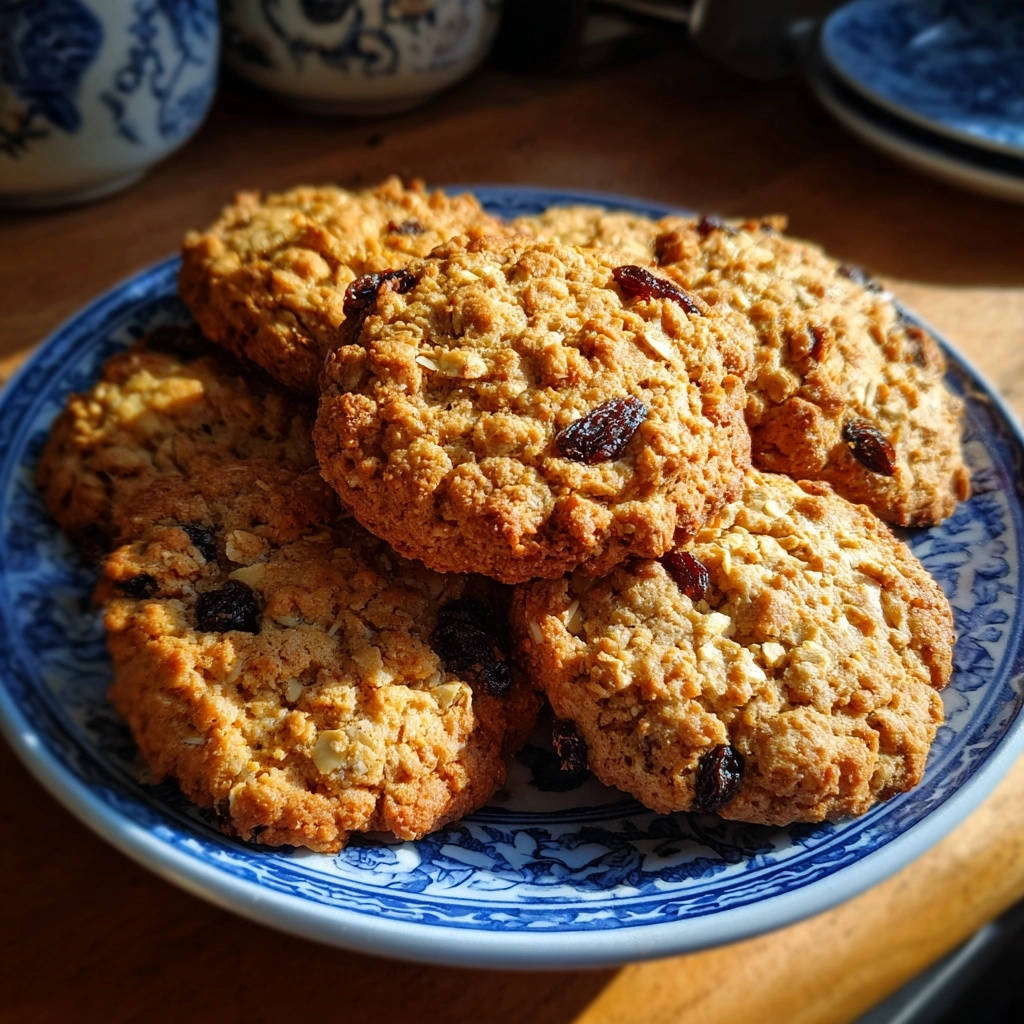
Light Brown Sugar: This is the secret weapon for chewiness! The molasses in brown sugar attracts and holds moisture, resulting in a wonderfully soft and pliable cookie texture.
If you enjoy working with warm spices in your baking, you might like these soft ginger molasses cookies for another chewy treat.
The Wet Essentials: Binding & Enriching
Large Egg: The egg acts as a crucial binder, holding the cookie dough together and providing structure. It also adds richness and a bit of moisture.
Vanilla Extract: A staple in most cookie recipes, vanilla enhances all the other flavors, adding a warm, aromatic depth to the Chewy Oatmeal Raisin Cookies.
Dry Mix Magic: Structure and Spice
All-Purpose Flour: This provides the primary structure for the cookies, ensuring they hold their shape without being too dense.
Baking Soda: As a leavening agent, baking soda helps the cookies spread and rise slightly, contributing to their characteristic texture.
Salt: A pinch of salt is vital for balancing the sweetness and enhancing all the flavors in the cookie, preventing them from tasting flat.
Ground Cinnamon: The warm, comforting spice of cinnamon is essential for the classic, inviting aroma and taste of these oatmeal cookies.
Star Mix-ins: Oats and Raisins
Old-Fashioned Rolled Oats: These are critical for the signature chewy texture and hearty structure of oatmeal cookies. Avoid quick oats, as they can make the cookies mushy.
Raisins: Sweet, plump raisins provide pockets of concentrated flavor and contribute to the overall chewiness. They are the perfect complement to the warmth of the oats and cinnamon.
Crafting Your Cookies: A Step-by-Step Baking Journey
- Prepare Your Workspace:
Preheat your oven to 375 degrees F (190 degrees C) and line your baking sheets with parchment paper. This preparation ensures even baking and easy cleanup, making sure your dough won’t stick.
- Cream the Fats and Sugars:
In a large bowl, combine the softened butter, granulated sugar, and light brown sugar. Cream them together with an electric mixer until the mixture is light and fluffy, incorporating air that will result in a tender cookie texture.
- Incorporate Wet Ingredients:
Beat in the large egg and vanilla extract until they are fully combined with the creamed mixture. Ensure there are no visible streaks of egg remaining, as this ensures even distribution and proper emulsification.
- Whisk Dry Ingredients Separately:
In a separate medium bowl, whisk together the all-purpose flour, baking soda, salt, and ground cinnamon. This step is crucial for evenly distributing the leavening agents and spices throughout the dry mix, preventing pockets of unmixed ingredients.
- Combine Wet and Dry Gently:
Gradually add the whisked dry ingredients to the wet mixture, mixing on low speed only until just combined. The golden rule here is to avoid overmixing, which can develop the gluten in the flour and lead to tough, dry cookies.
- Fold in Oats and Raisins:
Gently stir in the old-fashioned rolled oats and raisins until they are evenly distributed throughout the dough. Take care to scrape the bottom and sides of the bowl to ensure every scoop of dough gets its fair share of delicious mix-ins.
- Portion and Arrange Dough:
Drop rounded tablespoons of dough onto your prepared baking sheets, leaving ample space, about 2 inches, between each cookie. This allows for proper spreading during baking without the cookies merging into one giant mass.
For a different twist on chewy cookies, try these sea salt dark chocolate chunk cookies.
- Bake to Chewy Perfection:
Bake for 9 to 11 minutes, or until the edges are lightly golden brown but the centers still appear slightly soft and set. Remember, the key to that perfect chewy texture is to avoid overbaking; the cookies will continue to set and firm up as they cool outside the oven.
- The Critical Cooling Process:
Let the cookies cool on the baking sheets for 5 minutes before carefully transferring them to a wire rack to cool completely. This initial cooling on the warm pan is absolutely vital; it allows residual heat to gently finish baking the centers without drying out the edges, thereby locking in that delightful chewiness.
Chef’s Secrets for Irresistibly Chewy Oatmeal Raisin Cookies
The Unsung Hero: Proper Cooling on the Pan. The recipe specifically calls for letting cookies cool on the baking sheet for 5 minutes before moving them. This is not just a suggestion; it’s a critical step that allows residual heat to finish baking the centers without overcooking the edges, ensuring maximum chewiness and preventing them from becoming brittle.
Don’t Overbake: The Golden Rule of Chewiness. One of the biggest mistakes home bakers make is baking these cookies too long. Pull your cookies from the oven when the edges are just set and lightly golden, even if the centers look slightly soft. They will firm up considerably as they cool, so trust the process!
Temperature Matters: Room Temperature Ingredients. Ensure your butter and egg are at true room temperature (around 68-70°F or 20-21°C). This allows them to emulsify properly with the sugars, creating a smoother, more homogenous dough that bakes more evenly and yields a superior, tender texture.
Measure Your Flour Right. Too much flour is a common culprit for dry, cake-like cookies. Always use the spoon-and-level method: spoon flour into your measuring cup until it overflows, then level it off with a straight edge like a knife or spatula. Avoid scooping directly from the bag, which compacts flour and adds too much.
Old-Fashioned Oats Only. Resist the urge to substitute quick or instant oats. Old-fashioned rolled oats provide the distinct chewy texture and hearty structure for these cookies, as their coarser grind holds up beautifully. Quick oats can become mushy or make the cookies too dense.
Common Challenges & Quick Fixes for Your Oatmeal Raisin Cookies
Why Are My Cookies Spreading Too Much?
Cookies that spread too much often indicate the butter was too soft or even melted, causing the dough to lose structure. Ensure your butter is softened but still cool to the touch.
Another common reason is an oven that hasn’t fully preheated, or inconsistent oven temperature. Make sure your oven is at the correct temperature before placing cookies inside.
Additionally, if your dough is too warm, the butter will melt too quickly. Chill the dough for 15-30 minutes before baking if you suspect this is the issue.
My Cookies Are Hard or Dry!
The most frequent reason for hard or dry cookies is overbaking. Pull them from the oven when the edges are just golden and the centers still look slightly soft; they will continue to set as they cool.
Too much flour can also lead to a dry, dense cookie. Always use the spoon-and-level method for accurate measurement.
Overmixing the dough can develop the gluten in the flour, resulting in a tough texture. Mix only until the ingredients are just combined.
The Cookies Didn’t Bake Evenly
Oven hot spots are a common culprit; rotating your baking sheet halfway through the baking time can help. Using an oven thermometer can confirm your oven’s actual temperature.
Crowding the baking sheet can also lead to uneven baking by inhibiting proper air circulation. Ensure there’s ample space between each cookie.
More to Bake Alongside
If those cookies are coming out of the oven, here are two other bakes that share the same warm, spiced appeal.
- For a savory counterpart to your sweet cookies, the rich mushroom gravy in these Southern Biscuits and Mushroom Gravy pairs perfectly with a cup of coffee.
- If you want another tender, spiced treat for the table, the Cinnamon Streusel Coffee Cake uses a similar brown sugar base and offers a crunchy topping alongside your chewy cookies.
Inconsistent dough ball size is another factor. For uniformly baked Chewy Oatmeal Raisin Cookies, use a cookie scoop or carefully measure out each portion.
Elevate Your Bake: Variations & Substitutions
Sweet Swaps: Other Dried Fruits or Chocolate
While raisins are classic, feel free to experiment! Dried cranberries, chopped dried apricots, or even chopped dates can offer a delightful twist. For a chocolatey spin, swap half or all of the raisins for semi-sweet or dark chocolate chips or chunks.
Spice It Up!
Beyond cinnamon, consider adding a pinch of other warm spices. A quarter teaspoon of ground nutmeg or a touch of allspice can deepen the flavor profile, adding another layer of cozy warmth to your oatmeal cookies.
Gluten-Free & Dairy-Free Adaptations
For gluten-free Chewy Oatmeal Raisin Cookies, use a high-quality gluten-free all-purpose flour blend that contains xanthan gum. Ensure your old-fashioned oats are certified gluten-free, as oats can be cross-contaminated during processing.
To make these dairy-free, simply substitute the unsalted butter with your favorite stick-style vegan butter alternative. The texture may vary slightly, but the flavor will still be fantastic.
Serving, Storing, and Sharing Your Homemade Goodness
Perfect Pairings
These Chewy Oatmeal Raisin Cookies are a delight on their own, but they truly shine with a cold glass of milk. They also pair wonderfully with a warm cup of coffee or tea, making them an ideal treat for breakfast, snack time, or dessert.
Keeping Them Fresh: Storage Tips
To maintain their exquisite chewiness, store baked Chewy Oatmeal Raisin Cookies in an airtight container at room temperature for up to 3-5 days. If they start to lose a bit of their softness, place a slice of bread in the container overnight to reintroduce moisture.
Make-Ahead Dough for Future Cravings
You can easily prepare the dough in advance! Shape the dough into individual balls, then freeze them on a parchment-lined baking sheet until solid. Transfer the frozen dough balls to a freezer-safe bag or container and store for up to 3 months. When ready to bake, simply place the frozen dough on a baking sheet and add an extra 2-4 minutes to the baking time, allowing you to enjoy fresh-baked cookies anytime. For another wonderful make-ahead dessert that always impresses, consider trying decadent pumpkin pie truffles.
Your Top Questions Answered About Chewy Oatmeal Raisin Cookies
Can I use quick oats instead of old-fashioned?
While technically possible, I strongly advise against using quick oats. Old-fashioned rolled oats are crucial for the distinct chewy texture and hearty structure of these cookies. Quick oats are cut finer and absorb liquid faster, which can result in a mushy or dense cookie rather than the desired chewiness.
Why is brown sugar so important for chewiness?
Light brown sugar contains molasses, which is hygroscopic, meaning it attracts and retains moisture. This molasses content is key to keeping your oatmeal raisin cookies soft, moist, and wonderfully chewy, preventing them from drying out compared to recipes using only granulated sugar.
Can I freeze the dough or baked cookies?
Absolutely, both options work beautifully! To freeze dough, scoop balls onto a parchment-lined tray and freeze until solid, then transfer to a freezer bag for up to 3 months. Bake from frozen, adding a few minutes to the baking time. Baked cookies can also be frozen in an airtight container for up to 3 months; thaw at room temperature or warm briefly in the oven for a fresh-baked feel. If you enjoy make-ahead treats, our classic banana bread recipe also freezes exceptionally well.
What’s the best way to get uniformly sized cookies?
For consistent size and even baking, I highly recommend using a cookie scoop. A 1.5-tablespoon (or #40) cookie scoop is ideal for these oatmeal raisin cookies. If you don’t have one, simply use a measuring tablespoon to portion out rounded spoonfuls of dough, ensuring each is roughly the same size.
Final Bite: Share Your Chewy Oatmeal Raisin Cookies Success!
Mastering the art of the perfect Chewy Oatmeal Raisin Cookie is incredibly satisfying. With this guide, you now have all the tools and knowledge to bake these classic treats with confidence, achieving that sought-after texture every single time. There’s nothing quite like the aroma of freshly baked cookies filling your home.
I encourage you to bake a batch, share them with loved ones, and savor every deliciously chewy bite. Don’t forget to share your creations and experiences with us!
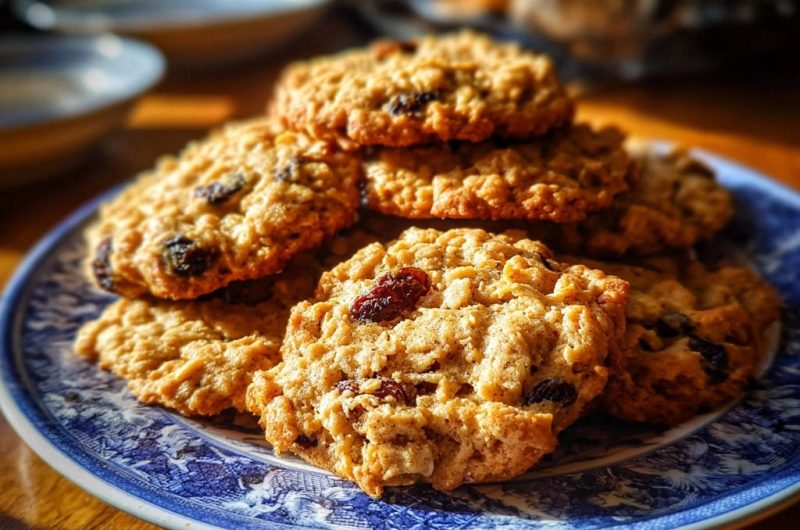
Oatmeal Raisin Cookies
Course: BakingCuisine: AmericanDifficulty: easy24
cookies20
minutes9
minutes60
kcal29
minutesRemember those amazing oatmeal raisin cookies from childhood, perfectly soft and chewy? This recipe reveals a simple trick to ensure these classic cookies come out perfectly chewy every single time, bringing back all those good memories!
Ingredients
1/2 cup unsalted butter, softened
1/2 cup granulated sugar
1 cup packed light brown sugar
1 large egg
1 teaspoon vanilla extract
1 1/2 cups all purpose flour
1 teaspoon baking soda
1/2 teaspoon salt
1 teaspoon ground cinnamon
3 cups old fashioned rolled oats
1 1/2 cups raisins
Directions
- Preheat oven to 375 degrees F (190 degrees C). Line baking sheets with parchment paper.
- In a large bowl, cream together the softened butter, granulated sugar, and light brown sugar until light and fluffy.
- Beat in the egg and vanilla extract until well combined.
- In a separate medium bowl, whisk together the flour, baking soda, salt, and cinnamon.
- Gradually add the dry ingredients to the wet ingredients, mixing on low speed until just combined. Do not overmix.
- Stir in the old fashioned rolled oats and raisins until evenly distributed throughout the dough.
- Drop rounded tablespoons of dough onto the prepared baking sheets, leaving about 2 inches between cookies.
- Bake for 9 to 11 minutes, or until the edges are lightly golden brown but the centers still look slightly soft. The key to achieving that perfect chewy texture is to avoid overbaking. The cookies will continue to set as they cool.
- Let the cookies cool on the baking sheets for 5 minutes before transferring them to a wire rack to cool completely. This cooling process on the warm pan helps them finish baking gently without drying out, locking in that delightful chewiness.
Notes
- Avoid overbaking to ensure optimal chewiness. Cooling on the baking sheet helps them set gently without drying out.