Hearty Beef & Veggie Stew: Perfectly Tender Every Time
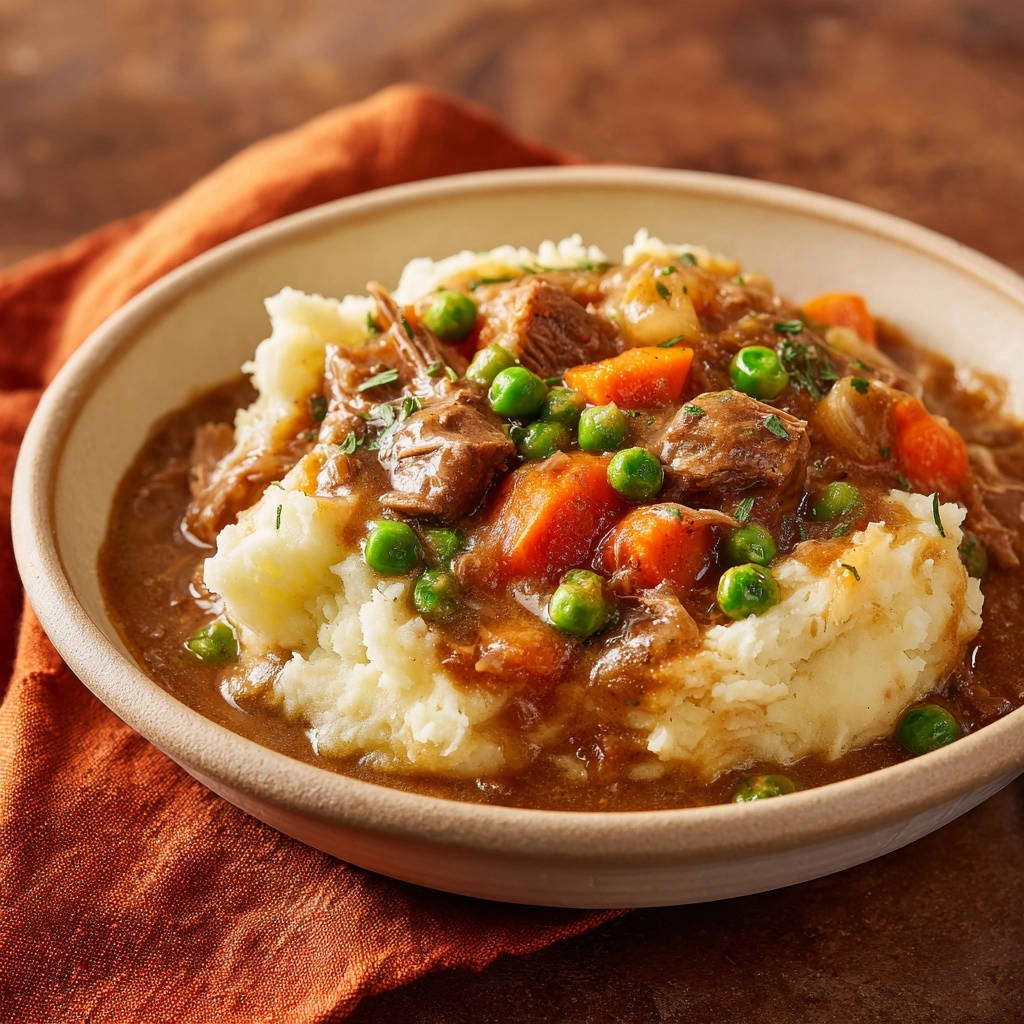
The Secret to Melt-in-Your-Mouth Beef Stew (No More Tough Chunks!)
The frustration of serving a beef stew with less-than-tender meat is a common culinary challenge. Many recipes fall short, but this Hearty Beef & Veggie Stew prioritizes tenderness as its star quality. The secret lies in a combination of proper technique and patience. We’re leveraging the Maillard reaction through aggressive searing to build foundational flavor and then employing a long, slow simmer. This gentle, extended cooking process breaks down the tough connective tissues in the beef, transforming them into gelatin. The result is succulent, fall-apart tender beef every single time, making this recipe remarkably reliable and utterly delicious.Gather Your Goodness: Essential Ingredients for Flavorful Stew
Each ingredient in this Hearty Beef & Veggie Stew plays a vital role in building its rich flavor and comforting texture. Quality ingredients truly make a difference in the final outcome.The Star: Choosing the Right Beef Cut
For this stew, beef chuck or stew meat, cut into 1-inch cubes, is ideal. These cuts are packed with connective tissue that, when cooked low and slow, breaks down into gelatin, yielding incredibly tender and flavorful results. Look for well-marbled pieces for the best flavor and moisture retention.
Aromatic Foundation: Onions, Carrots, and Garlic
A medium yellow onion, chopped, and two carrots, peeled and chopped into 1-inch pieces, form the aromatic backbone of this stew. They provide a subtle sweetness and earthy depth. Minced garlic adds a pungent, savory kick that rounds out the flavor profile beautifully.
Thickening & Browning: The Role of Flour
All-purpose flour serves a crucial dual purpose in this recipe. When tossed with the beef, it aids in achieving a deep, flavorful crust during searing. Later, it helps to naturally thicken the stew to a perfect, spoon-coating consistency, ensuring every bite is rich and satisfying.
Liquid Gold: The Importance of Quality Beef Broth
Four cups of good quality beef broth are essential for building the stew’s robust flavor. The broth not only provides the liquid for simmering but also contributes significant umami, helping to tenderize the beef and meld all the ingredients into a cohesive, savory dish.
Freshness & Comfort: Peas, Parsley, and Potato Pairings
A cup of frozen peas adds a lovely pop of color and a touch of sweetness to the stew, while fresh chopped parsley provides a bright, herbaceous finish. Serving this Hearty Beef & Veggie Stew over generous mounds of creamy mashed potatoes offers the ultimate comforting pairing, absorbing all the rich, savory sauce.
What to Serve with This Stew
A bowl of thick beef stew full of tender vegetables calls for sides that add crunch or something soft to soak up the broth. Here are two options that balance the meal.
- A cool, tangy Crunchy Creamy Southern Style Coleslaw cuts through the richness of the stew with its crisp cabbage and bright vinegar dressing.
- Warm Soft Buttery Garlic Herb Dinner Rolls are perfect for wiping the bowl clean and catching every last bit of broth.
Your Kitchen Arsenal: Tools for Perfect Hearty Beef & Veggie Stew
Having the right tools makes the cooking process smoother and ensures the best results for your stew. These are the essentials you’ll need.Dutch Oven or Heavy-Bottomed Pot: Crucial for even heat distribution during searing and the long, slow simmer. A heavy pot prevents scorching and ensures the beef cooks uniformly, leading to maximum tenderness.
Wooden Spoon: Essential for stirring and, more importantly, for scraping up the caramelized bits (fond) from the bottom of the pot. These browned bits are packed with flavor and are vital for a rich stew.
Measuring Cups & Spoons: Standard kitchen essentials ensure accurate ingredient measurements, which is key for consistent flavor and texture in your stew.
Sharp Knife & Cutting Board: Necessary for safely and efficiently preparing your beef and chopping all the vegetables to the desired size for even cooking.
Crafting Your Masterpiece: A Step-by-Step Guide to Hearty Beef & Veggie Stew
This detailed guide will walk you through each phase of creating your perfect Hearty Beef & Veggie Stew, ensuring tender beef and rich flavors.- Prepare and Flour the Beef:
Begin by patting the beef cubes thoroughly dry with paper towels. This crucial step removes surface moisture, which allows the beef to brown properly rather than steam. In a bowl, toss the dried beef with the all-purpose flour, salt, and black pepper until each piece is evenly coated. The flour not only helps achieve a great sear but also thickens the stew naturally as it cooks.
- Sear the Beef in Batches:
Heat the vegetable oil in a large Dutch oven or heavy-bottomed pot over medium-high heat until shimmering. Add the floured beef in a single layer, ensuring you do not overcrowd the pot. Overcrowding lowers the pan temperature, preventing proper browning. You will likely need to do this in two or three batches to ensure adequate space. Sear each side until deeply browned, about 3-4 minutes per side, developing that rich, flavorful crust. Remove the browned beef to a plate and set aside.
- Sauté Aromatics:
Reduce the heat to medium. Add the chopped onion and carrots to the same pot, stirring occasionally, and cook until the onion softens and becomes translucent, about 5-7 minutes. This step builds the savory base for your stew. Add the minced garlic and cook for just another minute until fragrant; be careful not to burn it, as burnt garlic can taste bitter.
- Deglaze and Simmer:
Pour in the beef broth, immediately scraping up any browned bits (fond) from the bottom of the pot with a wooden spoon. These caramelized bits are concentrated flavor, and deglazing ensures they are incorporated into your stew, adding immense depth. Return the browned beef to the pot. Bring the liquid to a gentle simmer.
- The Long, Slow Simmer (The Tenderizing Secret!):
Reduce the heat to low, cover the pot tightly, and let the stew gently simmer for at least 2 to 2 1/2 hours, or until the beef is incredibly tender and easily pulls apart with a fork. This long, slow cooking process is the absolute key to transforming tougher beef cuts into succulent, melt-in-your-mouth bites by breaking down connective tissues. Stir occasionally to prevent any sticking to the bottom of the pot.
- Incorporate Peas:
During the last 15 minutes of the stew’s cooking time, add the frozen peas to the pot. Continue to simmer until they are heated through and tender-crisp. Adding them later ensures they retain their vibrant green color and pleasant texture, preventing them from becoming mushy.
- Prepare Mashed Potatoes:
While the Hearty Beef & Veggie Stew finishes simmering, prepare your mashed potatoes. Peel and boil potatoes until they are fork-tender and easily pierced. Drain them thoroughly, then mash with milk or cream, butter, and a pinch of salt until smooth and creamy. The ideal mashed potatoes should be light, fluffy, and ready to absorb the rich stew sauce.
- Serve and Garnish:
Serve the hot Hearty Beef & Veggie Stew over generous mounds of freshly prepared mashed potatoes. Garnish each serving with fresh chopped parsley before serving. The parsley adds a beautiful pop of color and a fresh, herbaceous burst that brightens the rich flavors of the stew.
This same browning technique is essential for building deep flavor in a slow-simmered beef and potato stew.
Chef’s Secrets & Pro Tips for Your Best Hearty Beef & Veggie Stew
Elevate your Hearty Beef & Veggie Stew from great to unforgettable with these expert tips.Don’t Rush the Sear: Achieving a deep, dark brown crust on the beef is non-negotiable for building the foundational, complex flavor of the stew. It’s worth the extra time and cooking in batches; this Maillard reaction creates hundreds of new flavor compounds.
The Power of Dry Beef: Reiterate why patting the beef dry before seasoning and flouring is critical. Moisture on the surface will cause the meat to steam rather than sear, inhibiting the development of that essential browned crust.
Low and Slow is the Go: Emphasize that the long, gentle simmer is the true hero of this recipe. This extended, low-temperature cooking allows connective tissues in the beef to break down slowly, resulting in unparalleled tenderness that melts in your mouth.
Taste and Adjust Seasoning: Always advise tasting the stew before serving and adjusting salt, pepper, or other seasonings as needed. Flavors concentrate and deepen during the extended cooking process, so a final taste ensures perfect balance.
Fresh Herbs Make a Difference: Suggest adding fresh herbs like a sprig of thyme or a bay leaf during the simmering process for deeper aromatic notes. Always finish with fresh parsley or chives right before serving for a vibrant burst of fresh flavor and visual appeal.
Beyond the Bowl: Creative Variations & Serving Suggestions
This Hearty Beef & Veggie Stew is wonderfully versatile. Here are some ideas to customize it or enhance your dining experience.Customize Your Veggies: Seasonal Swaps
Feel free to experiment with other hearty vegetables based on seasonality or preference. Celery, parsnips, or turnips can be added alongside the carrots and onions for more root vegetable goodness. For cruciferous additions, chopped cabbage or broccoli florets can be added during the last 30 minutes of cooking for a slight texture contrast.
Hearty Add-ins: Elevating the Flavor Profile
For an even deeper, more complex flavor, consider a splash of red grape juice, like sparkling grape juice, added after sautéing the aromatics and reduced slightly before adding the broth. A tablespoon of Worcestershire sauce can boost umami, and a pinch of smoked paprika can add a subtle, smoky depth. A dollop of tomato paste, browned with the aromatics, will also add richness and color.
Perfect Pairings: What to Serve Alongside
While mashed potatoes are a classic companion for Hearty Beef & Veggie Stew, don’t limit yourself! Crusty artisan bread is perfect for soaking up every drop of the rich sauce. Fluffy white rice or wide egg noodles make excellent alternatives. For a lighter touch, serve alongside a simple green salad with a bright vinaigrette, or even creamy polenta for a decadent meal.
This stew would also pair beautifully with a side of hearty beef and corn chili for a double dose of slow-cooked comfort.
Make-Ahead Magic: Storing and Reheating Your Hearty Beef & Veggie Stew
This Hearty Beef & Veggie Stew is a fantastic make-ahead meal, often tasting even better the next day!Can You Make It Ahead?
Absolutely! This Hearty Beef & Veggie Stew is one of those dishes whose flavors truly meld and deepen overnight. You can easily prepare it a day or two in advance, making it perfect for busy weeknights or entertaining.
Proper Storage for Maximum Freshness
Once cooled, transfer the stew to airtight containers. It can be stored safely in the refrigerator for up to 3-4 days. For longer storage, this stew freezes beautifully for up to 3 months. Ensure you leave enough headspace in your containers if freezing, as the liquid will expand.
Reheating for Continued Deliciousness
To reheat, gently warm the stew on the stovetop over low heat, stirring occasionally, until it’s heated through. If it seems too thick, add a splash of beef broth or water to reach your desired consistency. You can also reheat individual portions in the microwave, stirring halfway through.
Troubleshooting Your Hearty Beef & Veggie Stew: Common Issues & Fixes
Even the most seasoned cooks encounter challenges. Here are common issues and simple fixes for your Hearty Beef & Veggie Stew.Problem: Beef is Still Tough
The most common culprit for tough beef in stew is insufficient cooking time. The beef needs more time simmering at a gentle heat for the connective tissues to fully break down. Return it to the heat, ensure it’s covered and at a very low simmer, and continue cooking until it’s fork-tender.
Problem: Stew is Too Thin/Thick
If your stew is too thin, simply simmer it uncovered for a bit longer. This allows some liquid to evaporate and the stew to naturally thicken. If it’s too thick, add a little more beef broth or water, stirring until your desired consistency is reached.
Problem: Stew Lacks Flavor/Is Bland
Ensure adequate browning of the beef and thorough deglazing of the pot, as these foundational steps build immense flavor. Also, always taste and adjust seasoning (salt, pepper, and herbs) just before serving, as flavors can mellow and concentrate during long cooking.
Problem: Vegetables Are Mushy
This often happens if vegetables are cut too small or added too early in the cooking process. For firmer vegetables, especially root vegetables like carrots, ensure they are cut into larger, more robust pieces. You can also add them later in the cooking process, around the last hour, to retain some bite.
Your Hearty Beef & Veggie Stew Questions Answered
Let’s address some frequently asked questions about perfecting your Hearty Beef & Veggie Stew.What kind of potatoes are best for mashing with this stew?
Starchy potatoes like Russet or Yukon Gold are best for mashing with this stew. They break down easily when cooked, yielding the creamiest, fluffiest mashed potatoes that are ideal for soaking up the rich stew’s sauce.
Can I make this Hearty Beef & Veggie Stew in a slow cooker or instant pot?
Yes, this Hearty Beef & Veggie Stew can be adapted for both slow cookers and Instant Pots, though it requires minor adjustments. You’d still want to sear the beef and sauté the aromatics on the stovetop first to build flavor before transferring them to the appliance. Cooking times and liquid amounts will need to be adjusted accordingly for pressure cooking or prolonged slow cooking.
Is this recipe naturally gluten-free?
No, this recipe is not naturally gluten-free due to the use of all-purpose flour for dredging the beef and thickening the stew. If a gluten-free version is desired, you can use a gluten-free all-purpose flour blend for dredging, or thicken the stew at the end with a cornstarch slurry (1 tablespoon cornstarch mixed with 2 tablespoons cold water) added gradually to the simmering stew.
Can I add other herbs or spices to the stew?
Absolutely! The base flavors of this Hearty Beef & Veggie Stew are quite adaptable. Complementary additions include a few bay leaves during the simmer (remove before serving), a sprig or two of fresh rosemary, or a teaspoon of dried thyme. For a touch of warmth and color, a pinch of sweet paprika can also be a lovely addition.
Ready to Impress? Share Your Hearty Beef & Veggie Stew Masterpiece!
You now possess the “secret” to crafting a Hearty Beef & Veggie Stew that consistently delivers incredibly tender beef and rich, satisfying flavors. This recipe is more than just a meal; it’s an experience of warmth and comfort, perfect for sharing with loved ones. We encourage you to try this ultimate comfort food in your kitchen and discover the joy of perfectly tender stew. Share your culinary creations with us, and explore more of our comforting, family-friendly recipes like our Creamy Sausage Potato Soup or our Hearty Ground Meat Potato Skillet here!
Beef Stew
Course: Soups-StewsCuisine: AmericanDifficulty: medium4
servings25
minutes2
hours550
kcal180
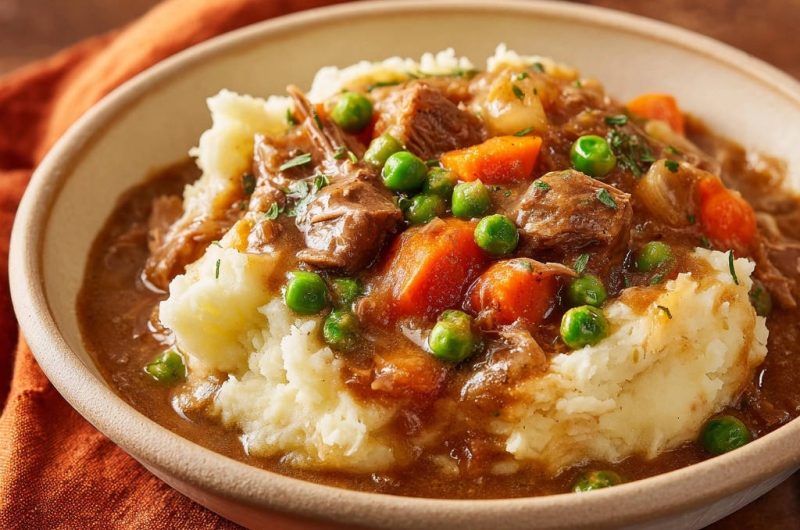
minutesThis hearty beef stew recipe guarantees incredibly tender, fall-apart beef every time. Slow-cooked with vegetables and served over creamy mashed potatoes, it’s the ultimate comforting meal.
Ingredients
2 pounds beef chuck or stew meat, cut into 1-inch cubes
1 tablespoon all-purpose flour
1 teaspoon salt
1/2 teaspoon black pepper
1 tablespoon vegetable oil
1 medium yellow onion, chopped
2 carrots, peeled and chopped into 1-inch pieces
2 cloves garlic, minced
4 cups beef broth
1 cup frozen peas
Fresh parsley, chopped, for garnish
Potatoes, for mashed potatoes
Milk or cream, for mashed potatoes
Butter, for mashed potatoes
Directions
- Pat the beef cubes thoroughly dry with paper towels. In a bowl, toss the dried beef with the all-purpose flour, salt, and black pepper until evenly coated. This step is crucial for achieving a great sear and helping thicken the stew.
- Heat the vegetable oil in a large Dutch oven or heavy-bottomed pot over medium-high heat. Add the floured beef in a single layer, making sure not to overcrowd the pot. You will likely need to do this in two or three batches to ensure proper browning. Sear each side until deeply browned, about 3-4 minutes per side. Remove the browned beef to a plate and set aside.
- Reduce the heat to medium. Add the chopped onion and carrots to the pot and cook, stirring occasionally, until the onion softens, about 5-7 minutes. Add the minced garlic and cook for another minute until fragrant.
- Pour in the beef broth, scraping up any browned bits from the bottom of the pot with a wooden spoon. Return the browned beef to the pot. Bring the liquid to a gentle simmer.
- Reduce the heat to low, cover the pot tightly, and let the stew gently simmer for at least 2 to 2 1/2 hours, or until the beef is incredibly tender and easily pulls apart with a fork. This long, slow cooking process is the key to transforming tougher cuts into succulent, tender bites. Stir occasionally to prevent sticking.
- During the last 15 minutes of cooking, add the frozen peas to the stew and continue to simmer until heated through and tender-crisp.
- While the stew finishes, prepare your mashed potatoes. Peel and boil potatoes until fork-tender, then drain and mash with milk or cream, butter, and a pinch of salt until smooth and creamy.
- Serve the hot beef and veggie stew over generous mounds of mashed potatoes. Garnish with fresh chopped parsley before serving.
Notes
- The key to incredibly tender beef is the long, slow simmering process.